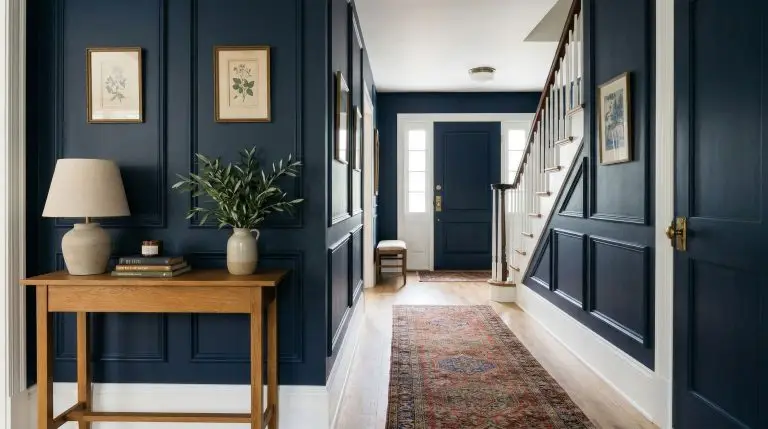
Some homes look great in photos but fall flat in real life. Others feel layered, lived-in, and complete. The difference often comes down to intention. It is not about following trends or filling rooms with expensive things. It is about choosing pieces that hold space and tell a story. That is what separates decorated rooms from designed ones. And it is exactly the approach that brands like Arteriors support — helping people shape homes that feel styled, not staged.
Why It Starts with Presence
In a well-designed room, every object earns its place. That does not mean the space needs to be full. It means the furniture, lighting, and decor all contribute to how the room feels. They bring weight, function, and texture. A sculptural chair by the window. A chandelier that frames a dining table. A cabinet that holds more than storage — it holds presence.
Design is not about matching styles. It is about creating atmosphere through form, finish, and flow. Good pieces have clarity. They say something.
Materials That Make a Point
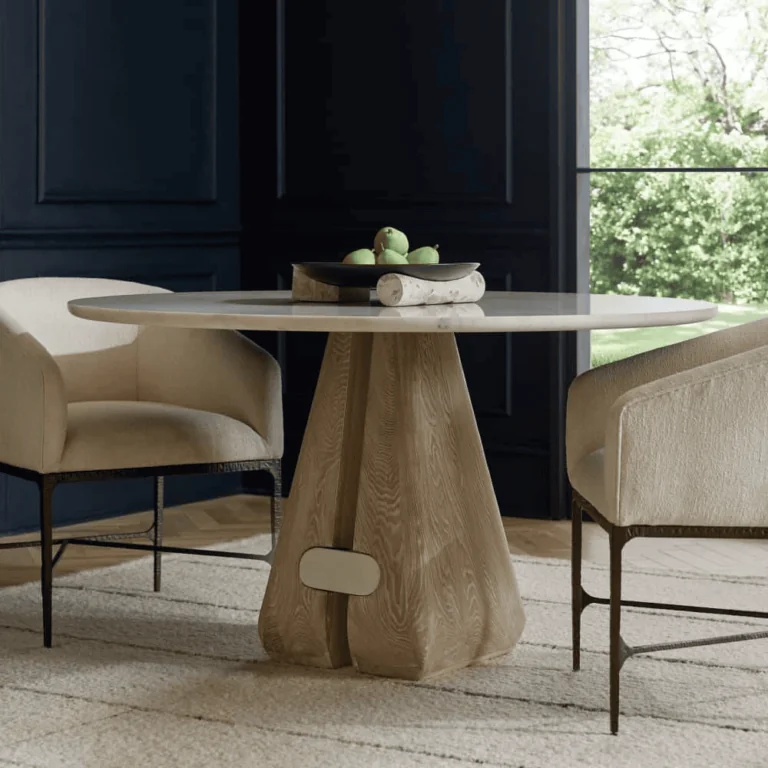
One way to move beyond decoration is to pay attention to material. A brass sconce adds more than light. It brings warmth and richness. A table with an irregular stone top tells a different story than one cut to perfection. These differences matter. They make a space feel human.
Brands like Arteriors work with designers who value material honesty. You will find textured ceramics, hand-forged metals, and glass with personality. These finishes invite people to look closer. They do not fade into the background. They shape the room.
Let Function Carry Form
Good design is not about showpieces alone. A home still needs to function. But there is no reason why functional pieces should feel bland. That applies to sideboards, coffee tables, floor lamps, or consoles. Each piece can support daily life and add visual rhythm.
This is where attention to scale and proportion comes in. A well-sized lamp can anchor a seating area. A mirror with an interesting frame can lift a hallway. Thoughtful furniture placement opens a room without losing intimacy. These quiet choices often shape how a space works and how it feels.
Lighting That Sets the Scene
Lighting is often the most overlooked element in home design. But it is also one of the most powerful. It shapes mood. It signals where to focus. It changes how everything else appears.
A well-chosen fixture can act as sculpture. A row of pendants over a counter. A tall floor lamp in a dark corner. Even a wall sconce beside a mirror. These are not afterthoughts. They are tools of visual composition.
High end lighting, like much of what Arteriors offers, does more than brighten. It defines. It brings balance, softness, or edge. And it lets you layer the light, from morning to midnight.
Style Without Noise
Some rooms shout with design and still say very little. Others speak in a softer tone but leave a lasting impression. That is what thoughtful curation does. It builds harmony through color, material, and proportion.
This does not mean every room should feel neutral. Bold choices can be part of a quiet space. A deep green wall. A carved side table. A velvet chair. But those elements work best when they are grounded in a clear vision.
That is the line between decorated and designed. One collects. The other composes.
Pieces That Stay Interesting
A well-designed home unfolds slowly. The longer you sit in the room, the more you notice. How the texture of a lamp shade shifts in the light. How the legs of a chair echo the curve of a cabinet. How the color palette moves from one room to the next.
Arteriors excels in this kind of visual depth. The brand’s catalog is full of pieces that reward close looking. Pieces that do not scream for attention but earn it through balance and form. That is what makes them last, both in durability and interest.
A Final Word
Design is not about impressing guests or keeping up with what is trending. It is about building spaces that reflect who you are and how you want to live. Decoration can be part of that. But design goes deeper. It thinks in relationships, not one-off objects.
With the right furniture and lighting, a home becomes more than pretty. It becomes personal. And that is what good design is all about.