How to Create a Stunning Travel Photo Book That Brings Your Adventures to Life
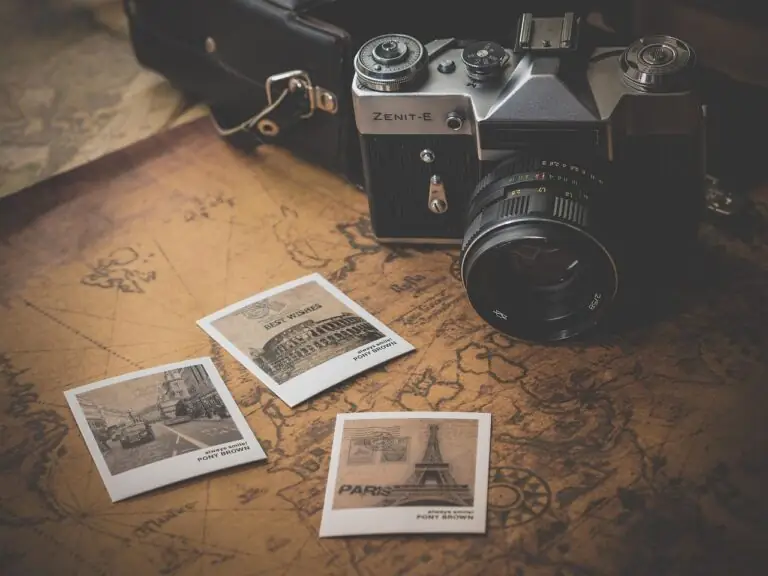
Travel changes us. Whether it’s the thrill of wandering through ancient cities, the calm of watching a sunset over the ocean, or the joy of discovering a new culture, our journeys shape who we are. Yet once the trip ends, the memories often get buried in camera rolls and cloud folders.
This guide will help you design a travel-inspired album that tells a powerful story—one that captures not only the places you visited but also the emotions, surprises, and moments that made your trip unforgettable.
Why a Travel Photo Book Matters
Creating a travel photo book is one of the most meaningful ways to preserve those experiences and relive them for years to come.
A collection of printed images carries a sense of permanence that digital galleries simply can’t match. When you compile your travel photography in a book, you’re doing more than printing pictures—you’re building a visual narrative.
A travel photo book:
- Allows you to curate the best moments instead of scrolling through thousands.
- Encourages you to reflect on your journey and organize it into a meaningful story.
- Serves as a personal keepsake or a thoughtful gift for your travel companions.
- Becomes a lasting record of places, people, and experiences that shaped you.
In a world where photos are fleeting, a physical book becomes a treasured artifact.
Before You Begin: Choosing Your Photo Selection
The heart of any good album is the curation process. Start by gathering all the photos you took—phone shots, camera images, drone captures, and even scanned film prints if you have them. Then narrow them down to the ones that:
- Evoke the strongest emotion
- Tell part of your story
- Represent the essence of each location
- Work well together visually
Avoid the temptation to include everything. The best travel photo books are intentional, not overloaded.
A helpful approach is to think of your journey in chapters. Each chapter can represent:
- A destination
- A specific day
- A major event
- A theme (food, landscapes, wildlife, architecture, people, etc.)
This structure will make the design process smoother and the final book more engaging.
Building a Strong Narrative
A travel album is more engaging when it feels like a story rather than a random assortment of images. Try following a narrative arc:
1. Start With the Anticipation
Open your book with the elements that set the stage:
- A map
- A quote about travel
- A photo of packed luggage
- A shot from the airport or the road
This creates excitement and draws the reader into your adventure.
2. Highlight Your Key Moments
Dedicate full spreads to your most impactful images—sunrises, cityscapes, mountains, historic sites, or an unforgettable meal. These “hero shots” serve as visual anchors throughout the book.
3. Capture the Small Details
The magic of travel often lies in the little things:
- Textures of local markets
- Patterns of tiles and fabrics
- Street signs or handwritten menus
- Friendly faces you met along the way
Mixing grand scenes with intimate details gives your travel photo book depth and personality.
4. Conclude With Reflection
Close your book with:
- A favorite memory
- A lesson you learned
- A simple, powerful image
- A short written reflection about what the trip meant to you
A thoughtful ending ties your story together beautifully.
Choosing the Right Visual Style
Your design style should reflect the tone of your trip. Here are common approaches:
Minimalist and Clean
If your destinations were serene or modern, a minimalist layout can enhance their beauty:
- Lots of white space
- Simple grids
- Few embellishments
This approach draws attention to the photos themselves.
Bold and Colorful
For vibrant destinations—tropical islands, bustling cities, lively festivals—a more energetic design works well:
- Edge-to-edge images
- Color accents inspired by your photos
- Dynamic collage pages
This style communicates excitement and movement.
Documentary-Inspired
Perfect for long road trips or backpacking adventures:
- Chronological order
- Captions and short paragraphs
- Maps and small icons
This approach makes your travel photo book feel like a personal journal.
Design Tips for a Professional Look
You don’t need to be a designer to make an impressive album. With a few simple practices, your book can look polished and cohesive:
1. Maintain Consistent Editing
Use the same color grading or filter style across all images. This creates unity, even if the photos were taken in different lighting conditions or with different devices.
2. Mix Layouts Thoughtfully
Avoid repeating the same layout too often. Combine:
- Full-page images
- Two-photo spreads
- Collages
- Small clusters of detail shots
But keep visual balance in mind so the book remains harmonious.
3. Limit Text to What Matters
Short captions, dates, or brief notes can enrich a travel photo book, but avoid long blocks of text unless they add real value. Let the images speak whenever possible.
4. Use High-Resolution Photos
For crisp printing, use the highest quality files available. Screenshots or low-resolution downloads may look soft or pixelated.
5. Create Visual Rhythm
Alternate between big, powerful photos and smaller collections. This rhythm keeps the viewer engaged from page to page.
Creative Ideas to Enhance Your Travel Album
A travel photo book doesn’t have to be limited to photographs. Consider integrating other elements from your journey:
- Handwritten notes or scanned diary pages
- Tickets, boarding passes, or receipts
- A simple illustrated map
- Quotes from people you met or books you read on the trip
- Weather icons or dates
- A small index at the end
These touches add personality and turn your book into a living archive of your experience.
How to Make Your Travel Photo Book Truly Memorable
To elevate your book beyond a standard album, think about the emotional layer of your trip. Ask yourself:
- What did this place make me feel?
- What surprised me the most?
- Which moment would I relive if I could?
- What story do I want this book to tell?
If you design with emotion in mind, the result will resonate more deeply with anyone who flips through it—including you.