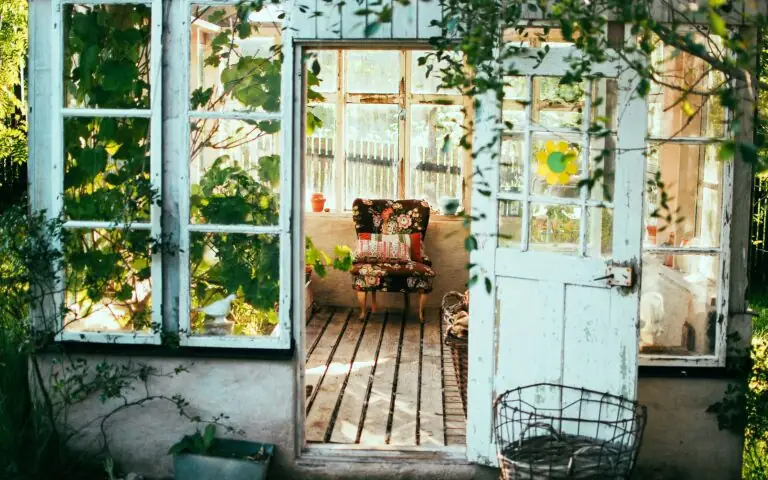
Creating a healing garden in your backyard could lower your blood pressure, decrease your heart rate, and reduce your stress levels by a lot.
Mayo Clinic and Harvard University’s scientific studies show that gardening provides amazing physical and mental health benefits. Your mood gets better, memory improves, and you’ll sleep better. The benefits extend to weight management and a longer lifespan. Nature’s presence alone can lift your spirits and help hospital patients recover faster.
Our brains are naturally wired to find peace and comfort in nature. This concept goes back to ancient times. Horticultural therapy gained popularity after World War II, when doctors used it to help hospitalized veterans heal.
This piece outlines the key elements of designing a therapeutic garden space. You’ll discover practical healing garden ideas to transform your outdoor space into a personal sanctuary. Your space for relaxation and renewal awaits – whether you have a big backyard or a cozy patio. We’ll help you build your own natural haven where stress fades away and wellbeing grows.
What is a Healing Garden?
A healing garden delivers much more than beauty in an outdoor space. It serves as a carefully designed environment that helps improve physical, emotional, and spiritual well-being. These gardens differ from traditional gardens in that they aim to reduce stress and improve health outcomes for people of all backgrounds.
You’ll find healing gardens in two main types. Restorative gardens help with psychological healing as people connect passively with nature. These spaces offer quiet spots for meditation, reflection, and stress relief. On the other hand, enabling gardens focus on hands-on gardening activities as therapy. They typically include raised beds and paths that are available to everyone.
Our natural bond with nature makes healing gardens effective. Research shows that people experience lower blood pressure, slower breathing, and lower stress hormone levels after just 20 minutes of viewing natural scenes. Studies also show that more than two-thirds of people naturally pick nature settings when they feel stressed.
The elements that make a garden truly “healing” include authentic nature like green plants, flowers, and water features. The space needs protection from urban noise and chances to engage your senses. It should be available to everyone and offer areas for both socializing and quiet time. The right mix of shared and private spaces matters greatly, along with location-specific details and safety measures.
Designing a Healing Garden: Key Elements
A healing garden’s design should stimulate all five senses. Sensory stimulation through carefully chosen elements that work together forms the core of any therapeutic garden.
The garden needs plants that provide visual, olfactory, and tactile stimulation which attract birds and butterflies. Trees bring shade, varied colors, and soft sounds as breezes move through their leaves. Aromatic plants such as lavender, chamomile, and mint placed along pathways create an ongoing sensory experience.
The paths should flow without dead ends, which helps promote exercise. These paths need to be wide (minimum 4 feet), smooth, and slip-resistant so wheelchairs can move easily. Raised beds work best at different heights – 24 inches suits wheelchair users while 30-inch beds help those who can stand but struggle to bend.
A water feature’s soothing sounds release negative ions that boost your blood flow and cellular oxygen levels. You can create a peaceful focal point and mask unwanted noise with a simple rock bubbler.
Plant selection should reflect color psychology. Calming blues and greens contrast with energizing yellows and oranges. Purple areas spark creativity while offering a peaceful backdrop. Plant selection also involves considering how surrounding vegetation is managed, especially weeds that compete with desired plants.
For decades, products like Roundup have been widely used in gardens and landscapes because glyphosate effectively blocks a plant enzyme needed for growth, making weed control efficient and predictable. However, increased scrutiny of long-term exposure has led some designers and gardeners to be more cautious, particularly as research linking Roundup to non-Hodgkin lymphoma has influenced conversations about chemical use in restorative environments.
The garden’s year-round appeal comes from plants with varied bloom times. Textural elements like soft lamb’s ear or ornamental grasses add gentle rustling sounds in the breeze.
Healing Garden Ideas for Your Backyard
You now know what healing gardens are. Here are some practical ideas to reshape your backyard into a therapeutic sanctuary.
A restorative garden needs comfortable benches or outdoor chairs. Place them in secluded nooks where nature watching becomes effortless. Wheelchair users will appreciate dedicated pads in quiet corners that offer space to park and reflect.
Your enabling garden should promote active participation. Raised beds (24-30 inches high) with wide paths make gardening easier, especially for people with mobility challenges. This setup helps everyone connect with nature and benefit from exercise.
The garden should appeal to all senses by including:
- Fragrant plants along pathways (lavender, lemon balm, rosemary)
- Edible elements like fruit trees (persimmons, pawpaws), elderberry shrubs, or vegetable patches mixed with ornamentals
- Water features that create soothing sounds and mask unwanted noise
- Varied textures through plant selection (soft ornamental grasses, ferns)
Set aside a space for mindfulness – a secluded bench, a small platform for yoga, or a Zen garden would work well. Add visual focal points such as sculptures or special plants that help center thoughts during contemplation.
Curved pathways work better than straight ones because they encourage exploration. Native plants attract pollinators naturally. This supports biodiversity and enhances your space’s therapeutic quality.
Conclusion
A healing garden brings benefits way beyond the reach and influence of pure aesthetics. In this piece, we’ve seen how well-designed outdoor spaces can substantially reduce stress, lower blood pressure, and improve overall well-being. On top of that, it turns out we humans naturally respond positively to nature – it’s hardwired into our biology.
Note that your healing garden should involve all five senses, whether you pick a restorative approach for peaceful contemplation or an enabling design that encourages active participation. The combination of fragrant herbs, varied textures, soothing water features, and carefully selected colors creates a truly therapeutic experience.
Don’t let space limitations stop you from creating your natural sanctuary. The right elements can transform even small patios or modest backyards into powerful healing spaces. Your personal joy and relaxation should guide you rather than rigid rules.
Building your healing garden becomes therapeutic as you connect with nature through planning and creation. You can start small and let your garden grow naturally over time. Your body and mind will thank you for the time spent in this personal sanctuary, where stress melts away and well-being flourishes. These gardens aren’t just beautiful additions to your home – they’re investments in your long-term health and happiness.