How Hospitality Architects Shape Memorable Guest Experiences

Creating a hotel, resort, or restaurant is about more than attractive spaces. The design must support smooth operations, convey a clear brand identity, and create a comfortable environment for all visitors. A hospitality architect plays a central role in making this possible. By combining design expertise with an understanding of how people use spaces, they turn business goals into places where guests feel welcome and cared for.
A successful project balances guest needs, staff workflows, and long-term operational efficiency. Each decision, from the placement of a hallway to the selection of seating, contributes to the overall experience.
The Role of Guest Flow in Hospitality Design
Guest flow refers to how people move through a space. Poor layout disrupts that movement, leading to congestion, confusion, and long wait times. Good layout feels intuitive and encourages smooth, stress-free transitions between different areas.
Key considerations for smooth flow:
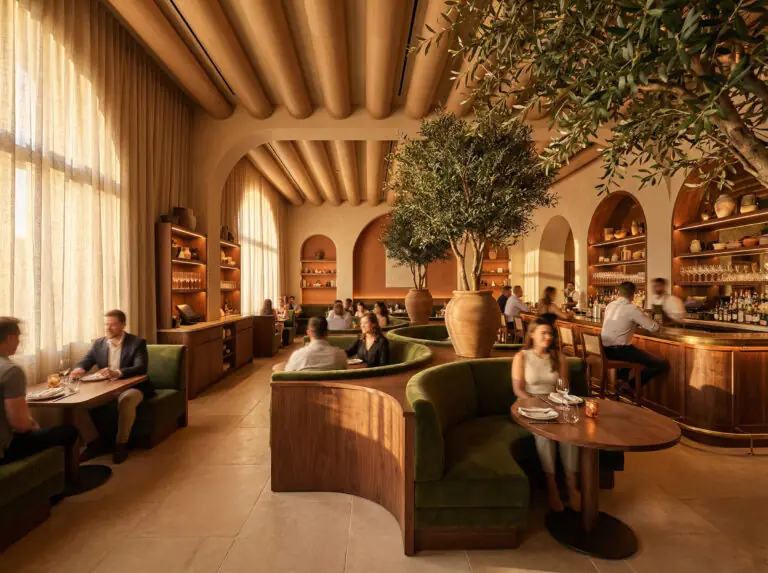
For example, a resort might position its reception near a scenic view to create a strong first impression. Restaurants can reduce crowding by adding a bar or lounge near the entrance, giving guests a place to relax while waiting for a table.
Blending Form and Function
Hospitality spaces must be visually appealing and functional for everyday use. An attractive lounge loses its value if the furniture is uncomfortable or difficult to maintain. Functionality supports beauty, and beauty enhances functionality.
Durable materials that handle frequent use keep spaces looking fresh over time. Lighting systems can shift throughout the day to match different moods, such as bright for breakfast and warm for evening dining. Acoustics matter in busy lobbies and restaurants where noise can disrupt conversations. Even the placement of service stations and storage areas plays a role, helping staff work efficiently while keeping public spaces uncluttered.
Reflecting Brand Identity
The design of a hospitality venue acts as a silent ambassador for its brand. Guests begin forming opinions the moment they step inside. Consistent design elements convey values and personality without the need for words.
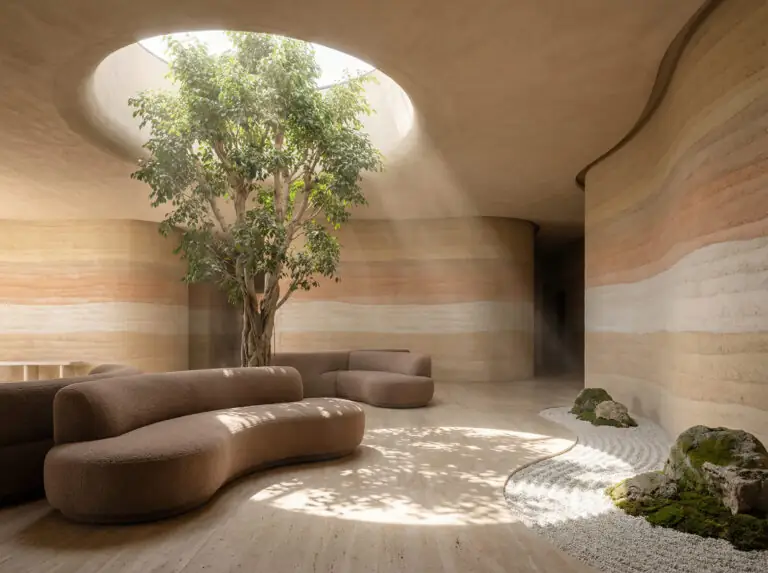
A beach resort might use natural fibers, open layouts, and ocean-inspired colors to connect with its surroundings. A boutique city hotel could highlight bold artwork, modern furniture, and innovative lighting to project sophistication. These design choices make the brand memorable and reinforce the type of experience guests expect.
Supporting Sustainability
Environmental responsibility has become an expectation rather than an option. Guests often choose hotels and restaurants based on visible sustainability efforts. By planning for eco-friendly practices early in the design process, architects help businesses reduce costs and appeal to environmentally conscious travelers.
Practical ways to integrate sustainability include:
These steps create a smaller environmental footprint while lowering long-term operating expenses.
Designing for Flexibility
Hospitality businesses must adapt to changing needs. A ballroom may host a wedding one evening, a corporate conference the next day, and a community event later that week. Flexible design makes these transitions seamless and cost-effective.
Approaches to flexibility include:
Planning with flexibility in mind enables owners to host diverse events without the need for frequent renovations.
Enhancing Staff Efficiency
Guest satisfaction depends heavily on how smoothly staff can perform their duties. Poorly designed work areas slow service and create frustration for both staff and guests.
Clearly marked service paths prevent collisions and confusion. Easy access to storage and supplies helps staff complete tasks quickly. Kitchen and bar layouts that prioritize ergonomics can help reduce fatigue during long shifts. When staff can work efficiently, they have more time to focus on providing excellent service, which directly affects guest reviews and repeat visits.
Adapting to Technology
Modern hospitality design must accommodate technology. Guests expect fast internet, smart room controls, and smooth payment systems. Technology also improves staff operations when integrated thoughtfully.
For instance, digital check-in stations can reduce lobby wait times, while bright lighting and climate control systems save energy and improve comfort. Meeting rooms with built-in audio-visual setups make conference events easier to host. By planning for these features during the design phase, architects prevent clutter and ensure a clean, modern look.
Creating Memorable First Impressions
The first moments of a guest’s visit set the tone for their entire stay. Entrances and lobbies are especially important in shaping these initial impressions.
A welcoming entrance with clear signage helps guests feel oriented right away. Comfortable seating, warm lighting, and pleasant scents create a sense of relaxation in the lobby. Large windows or open spaces can highlight signature views, connecting guests with their surroundings and reinforcing the venue’s unique character.
Conclusion
Hospitality architecture blends creativity, strategy, and practical thinking. Successful designs encourage smooth guest movement, support staff efficiency, reflect brand identity, and remain adaptable as needs change. Sustainability and technology are essential considerations in modern projects.
By approaching each decision with the guest experience in mind, architects create spaces where visitors feel valued and comfortable. These thoughtful designs lead to positive reviews, repeat visits, and long-term business success.