7 Cleaning Mistakes That Damage Furniture and Décor
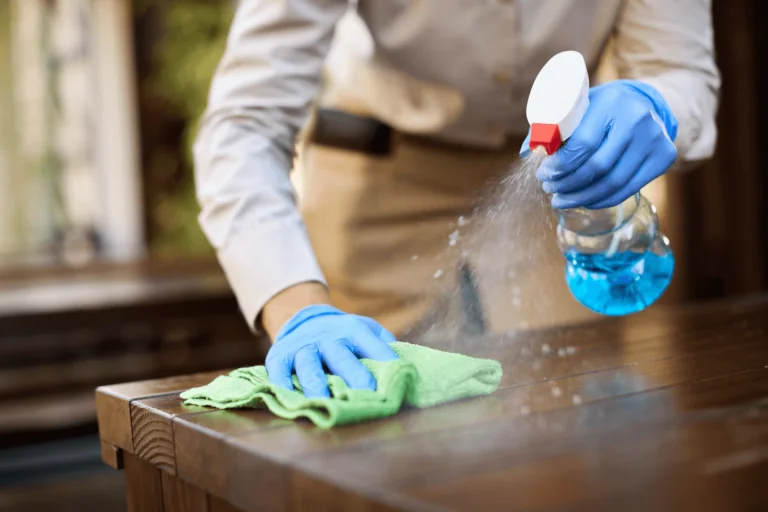
That glossy coffee table doesn’t care how much you spent on it. It only cares how you treat it. One wrong wipe and what should gleam for years ends up looking scuffed before its time.
The velvet chair? It has enemies, too, and they usually hide in your cleaning cabinet. Strong sprays, tough scrubbing, or skipping dusting can be more destructive than the accidents you are trying to avoid. Even the gentlest furniture has a breaking point when faced with careless habits.
The real kicker is that it is rarely dramatic disasters that age your décor. Instead, it is the small rituals repeated every week that quietly strip away beauty and strength.
So if you think your “go-to” routine is keeping furniture safe, think again. Want to know which habits are the real troublemakers? Keep reading, your sofa will thank you later.
7 Cleaning Mistakes That Damage Furniture and Décor
1. Using the Wrong Cleaning Products
One bottle promises shine, another promises strength, but the wrong pick can be the beginning of your furniture’s downfall. Bleach, ammonia, or other harsh chemicals may promise a quick shine, but they can strip finishes off wood or leave fabrics discolored. A walnut table polished with the wrong spray may never look the same again, no matter how much effort you put into fixing it.
The trouble often starts with products labeled as “all-purpose.” While convenient, they are rarely safe for delicate materials. Imagine spraying a glass cleaner on a wood surface. At first, it might look streak-free, but over time, the finish dulls and protective layers disappear. Stainless steel and marble are just as vulnerable when faced with abrasive cleaners, often ending up with scratches that cannot be buffed away.
Matching the product to the material is the only way to avoid these slips. A quick check of the label or testing a small patch in a hidden spot can spare you from furniture damage that sneaks up over time.
2. Skipping Professional Maintenance When Needed
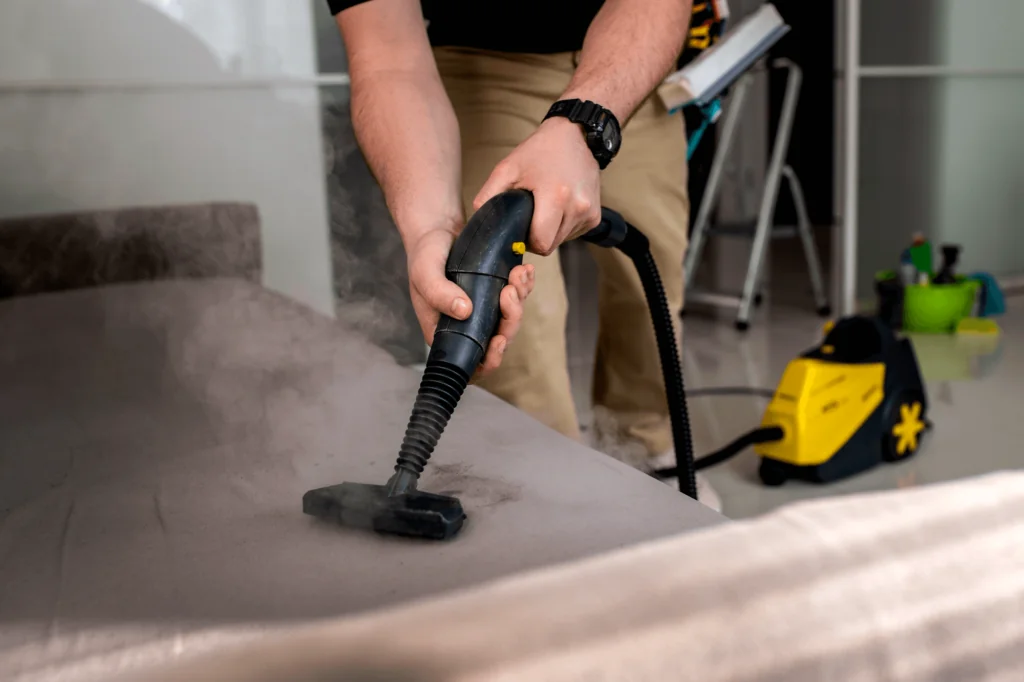
A leather sofa might look fine after a quick wipe, and an antique rug may seem clean after a vacuum, but appearances can be deceiving. Valuable pieces often hide buildup and wear that simple routines cannot fix. That is where scheduled expert care makes a real difference.
DIY methods feel tempting, but they are risky when the material is delicate or expensive. Using the wrong solution on leather can dry it out, while over-scrubbing antique wood can strip away finishes that cannot be replaced.
According to the American Cleaning Institute, professional upkeep can extend the lifespan of furniture by nearly 30 percent, which shows how powerful the right approach can be. Annual or bi-annual visits from professional cleaners keep high-end items looking their best. More importantly, they protect your investment and prevent those small issues from turning into permanent damage that no amount of polish can undo.
3. Over-Wetting Fabrics and Upholstery
Water seems harmless, but fabric and wood often disagree. Once upholstery gets too wet, the moisture does not stay on the surface. It seeps into padding, where air cannot reach, and lingers until mildew appears. That musty smell that never quite leaves a couch often begins this way.
Wooden frames suffer too. Moisture causes swelling, and once the shape is distorted, the wobble never fully disappears. A sofa that feels sturdy can slowly lose its balance just from careless cleaning habits.
The safer choice is restraint. A cloth that is slightly damp removes dirt without flooding the fabric. Blotting helps lift marks instead of spreading them further. For a thorough clean, light steaming by a professional gives depth without saturation. Combine that with strong airflow, and fabrics stay refreshed without hidden damage forming inside.
4. Ignoring Manufacturer Care Labels
Most people cut off furniture tags without thinking twice, but those tiny labels often hold the only instructions that can keep a sofa or rug from early ruin. According to Allstate Protection Plans, more than 174 million Americans have damaged furniture, with most problems showing up within the first two years. Sofas are hit the hardest, followed by rugs and recliners.
The guidance on these tags may look like a jumble of letters, but each one matters. “W” means water-based cleaners are safe, while “S” signals that only solvent products should be used. “SW” offers some flexibility, and “X” warns that vacuuming or brushing is the only option. Misreading or ignoring these codes is how cushions lose their shape, finishes wear down, and warranties disappear.
A simple way to avoid the guesswork is to save care tags or manuals in a drawer or folder. One quick check before cleaning can prevent years of frustration.
5. Scrubbing Surfaces Too Hard
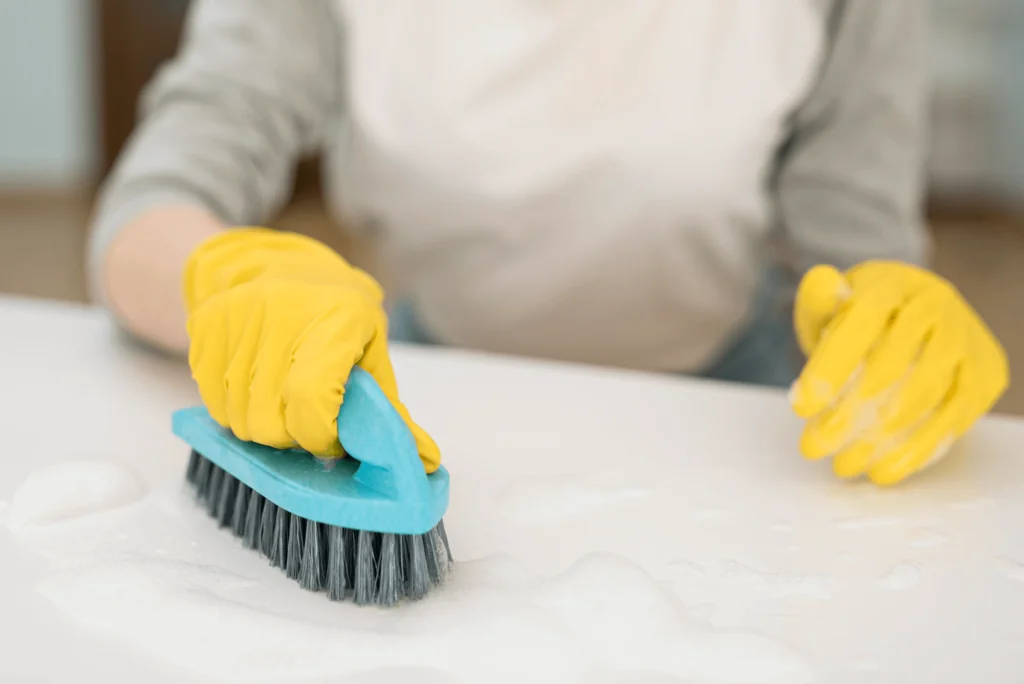
A spill on the couch or table can trigger the urge to scrub with everything you’ve got. The trouble is that this kind of attack leaves marks of its own. Fabrics start to pill, threads loosen, and what was once a tiny blotch can turn into a fuzzy patch that never smooths out again. On glass, hard pressure leaves fine scratches that only become obvious when sunlight hits the surface.
Wood finishes are no safer. Vigorous scrubbing thins out protective polish until water rings form with the lightest touch. What looked like routine care slowly becomes the reason furniture loses its sheen.
The better approach feels almost counterintuitive. A soft microfiber cloth pressed gently against the stain pulls it up without spreading it further. Blotting rather than rubbing lets cleaning solutions do their work. Even the simplest mixture of dish soap and water, handled with patience, outperforms rough sponges and heavy scrubbing every time.
6. Neglecting Sunlight and Heat Protection
Colors on a sofa or rug rarely fade overnight. The change is slow, so slow that many homeowners only notice when they compare the shaded side of a cushion with the one that faces the window every day. Sunlight gradually bleaches fabric and weakens fibers, leaving them flat and lifeless. Leather also loses its softness when exposed for too long, eventually stiffening and cracking.
Warm air is just as destructive in its own way. A table set near a vent can dry out until the wood splits or warps, while chairs placed close to radiators may lose their finish. These changes sneak up gradually, making them harder to catch before it is too late.
The easiest defense is prevention. Window coverings, UV film, and occasional furniture rotation spread out the impact, protecting both fabric and wood from years of uneven exposure.
7. Forgetting to Clean Hidden Spots
Coins, snack crumbs, and a surprising amount of dust gather where daily cleaning never reaches. Left untouched, those corners give off odors and stir up sneezes the moment someone shifts the furniture.
What hides under cushions or around decorative pieces does more than look messy. Dust trapped in seams rubs against fabric with every use, while grit under wooden frames can wear away polish over time. Even a lamp base or a picture frame will collect a fine layer that dulls its details if ignored long enough.
Using a vacuum with attachments once a week keeps those tricky spots under control. For delicate pieces like sculptures or glass, a soft cloth works best to remove buildup without scratching details.
Conclusion
Your furniture will never tap you on the shoulder to complain, but it has its own way of keeping score. Too much water, the wrong spray, or a little extra scrubbing, and suddenly that “favorite piece” looks older than you feel.
The fix is not complicated. Treat spills with patience, give fabrics a break from the sun, and let the pros handle what a bottle of cleaner cannot. Think of it as a pact with your décor. You give it care, and it gives you years of comfort and style. After all, furniture is not disposable, but your bad habits can be.