From Small Corners to Dedicated Offices: Choosing the Right Desk and Chair Pairing
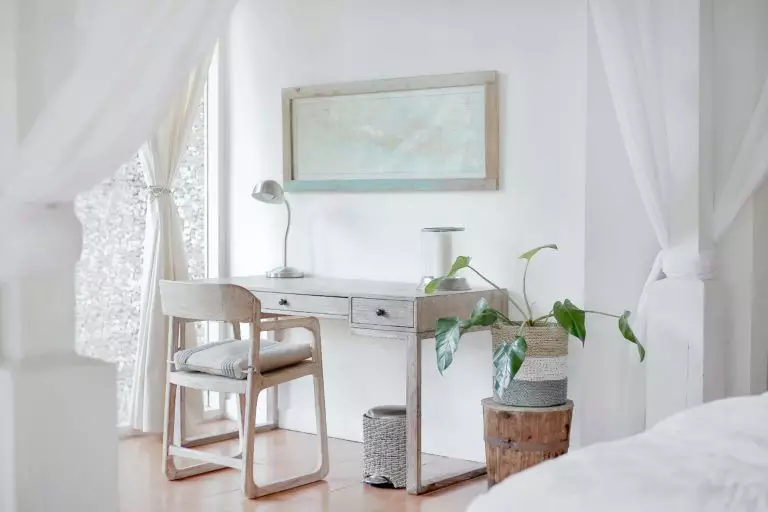
A home workspace does not have to be a separate room to work well. Even a small corner can become a comfortable place to focus when the desk and chair are chosen around the available space.
The trick is to start with the layout rather than the furniture. That way, whether you are fitting a workspace into a bedroom corner or furnishing a full home office, the right pairing should support both how you work and how you want the room to look.
1. Start With the Space, Not the Desk
Before choosing a desk, look at the area you actually have available; consider where doors and windows open, and leave enough clearance for your chair to move comfortably. This sounds obvious, but it is an easy step to skip when a particular piece of furniture catches your attention.
The same thinking applies to the chair; a large executive chair may look impressive online, but it can overwhelm a compact room, so a smaller workspace or a more streamlined chair can provide the necessary support without making the entire corner feel occupied.
2. Mid Sized Offices Give You More Freedom
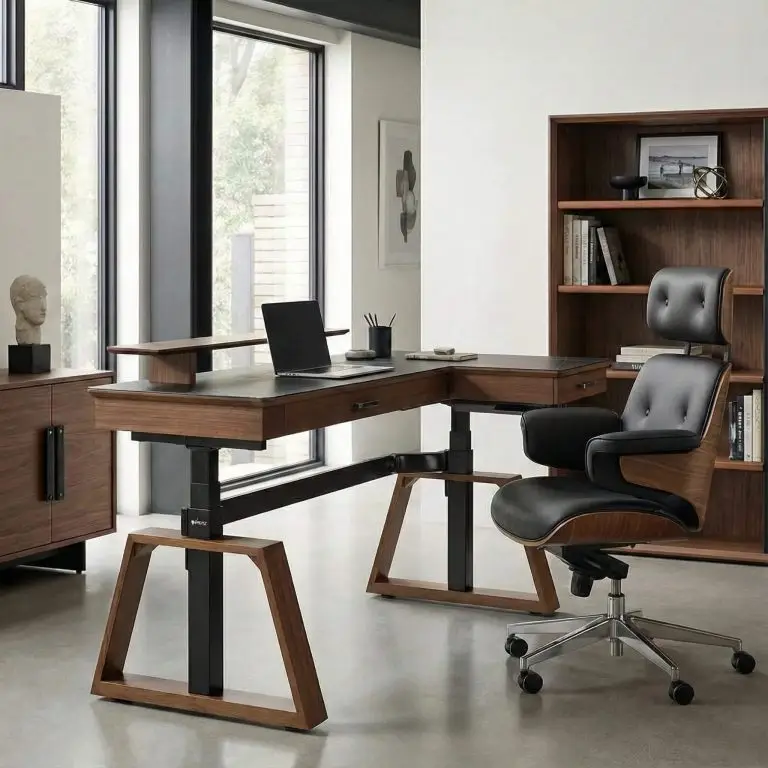
A mid sized home office opens up more possibilities because you are no longer trying to fit everything into the smallest possible footprint. This is where pairing becomes more interesting, and a vivid example is the standing desk, such as the Ark Lite, which Eureka lists at 63 by 27 inches, providing a substantial working surface without the visual presence of a large executive desk.
In addition, material choices can also help connect the workspace with the rest of the interior. Natural wood tones can soften a room ambience, while black surfaces and metal details can suit a more industrial or modern space. The objective is to create enough contrast to make the workspace interesting without introducing too many unrelated finishes.
3. Dedicated Offices Can Handle More Visual Weight
When you have an entire room dedicated to work, you can choose furniture that serves as a deliberate design feature rather than simply a functional necessity.
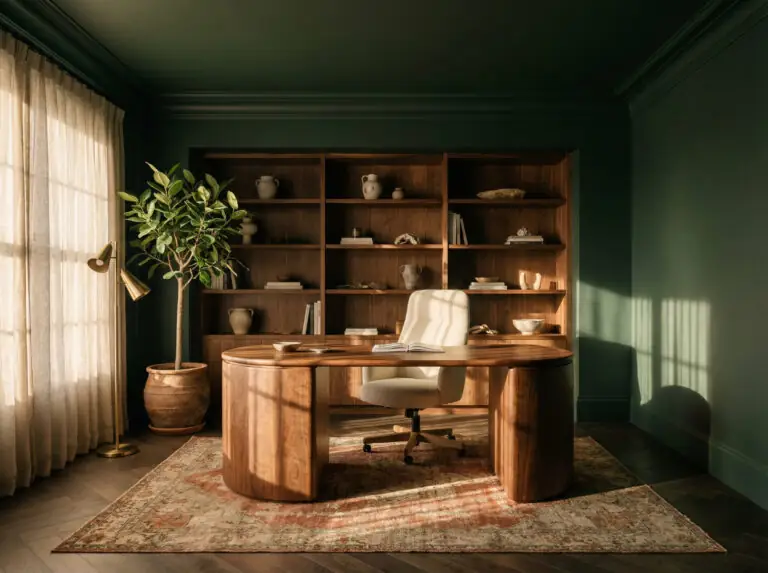
A larger desk can anchor the room, while a substantial chair can create a clear focal point behind the workstation. These proportions make them more suitable for rooms where the desk has enough space around it to breathe. For example, an executive design in leather-like upholstery can introduce warmth and authority, while a lighter upholstered chair can make the same room feel softer and more residential.
4. Match Color and Silhouette to Your Interior
Finally, color and silhouette are particularly important in a home office because the furniture has to coexist with the room’s existing palette. A dark desk can ground a light room, but several large dark pieces together may make a smaller space feel heavier than intended.
The best pairing does not necessarily involve matching every finish. In many interiors, two complementary materials create more depth than a completely coordinated set. This is where browsing different Eureka Ergonomic desks and chairs together can be useful, because thinking of the pair as a single visual composition makes it easier to avoid the common problem of buying two good pieces that do not look right together.
A Timely Opportunity to Complete Your Workspace
If you are already planning to replace both pieces, the current Labor Day promotion from Eureka Ergonomic can make the timing useful. The company’s sale advertises up to 35% off select desks and chairs; the main promotion runs through September 6, followed by an extended sale from September 7 through September 9. Discounts cannot be combined, so it is worth checking the specific product terms before purchasing.
Endnote
The best desk and chair pairing starts with the room itself. Once scale, silhouette, color, materials, and working habits are considered together, the furniture becomes part of the interior rather than simply occupying available space.