The way people work has changed dramatically over the past few years. Whether working remotely every day, running a freelance business, or simply needing a dedicated place to manage household responsibilities, more homeowners are rethinking how their living spaces function.
A productive home office isn’t created by adding a desk to an empty room. Lighting, acoustics, comfort, storage, and even the condition of the building itself all contribute to creating a workspace where people can focus without unnecessary distractions.
Design Should Support the Way You Work
No two home offices need to look identical.
A graphic designer may prioritise natural light and colour accuracy, while a writer may value quiet surroundings. Someone who spends hours in video meetings needs an attractive background, whereas an architect may require generous workspace for drawings and samples.
Designing around individual working habits produces better results than simply following current interior trends.
Neutral colours, practical storage, adjustable lighting, and ergonomic furniture create environments that remain functional long after trends change.
Comfort Begins With the Building
People often focus on furniture while overlooking the condition of the room itself.
Poor insulation, drafts, excessive heat, or unwanted noise can make even the most beautifully designed office difficult to use for extended periods. Water intrusion from unnoticed roof damage or inadequate ventilation can also affect indoor air quality and eventually damage equipment or furnishings.
Before investing in expensive office furniture, it’s worth ensuring the surrounding structure performs as intended.
Many homeowners researching preventative exterior maintenance consult Austin Roofing Company to better understand how roofing systems, ventilation, and moisture management contribute to creating comfortable indoor environments throughout the year. A healthy workspace starts with a healthy building.
Natural Light Changes Everything
One of the most valuable design features in any workspace is daylight.
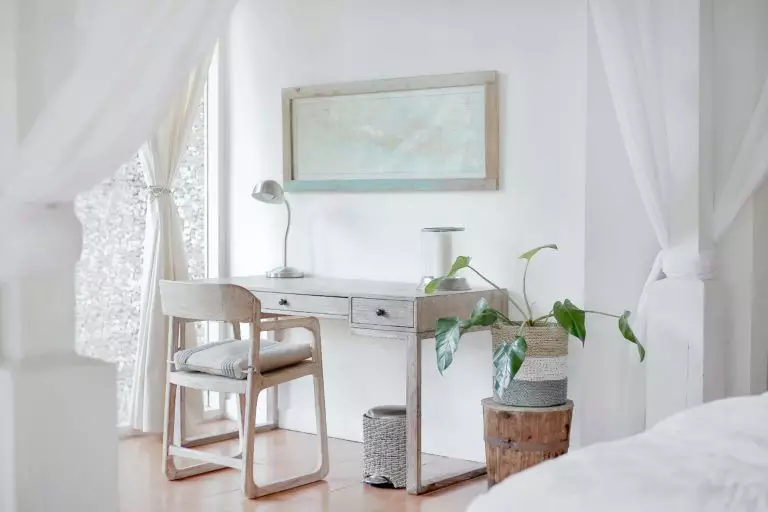
Large windows help reduce dependence on artificial lighting while creating a more pleasant atmosphere during long working hours. Positioning desks to take advantage of natural light without creating screen glare can significantly improve comfort.
When natural light is limited, layered lighting becomes important. Combining overhead lighting with adjustable desk lamps provides flexibility throughout the day while reducing eye strain.
Organisation Supports Creative Thinking
Creative work often generates clutter.
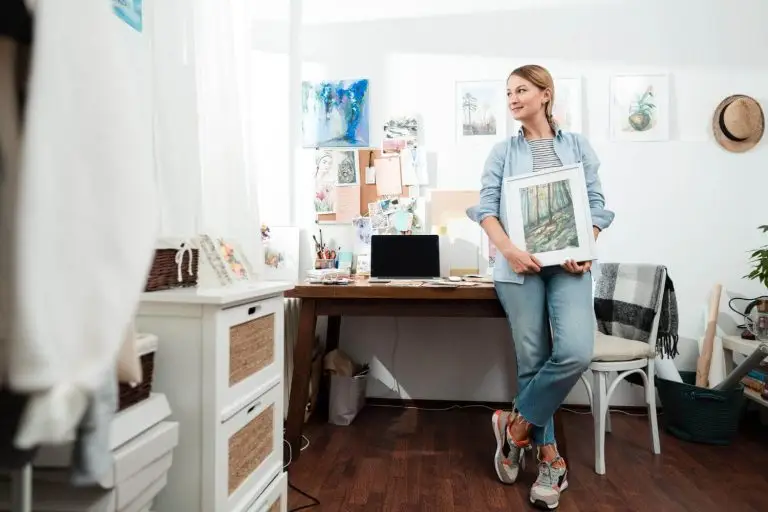
Sketches, notebooks, camera equipment, product samples, reference books, cables, and stationery all require thoughtful storage. Without organised systems, even spacious offices can quickly become overwhelming.
Closed cabinets help reduce visual distractions, while open shelving allows frequently used materials to remain within easy reach.
The goal isn’t achieving a perfectly minimalist space but creating an environment where everything has a logical place.
Colours Influence Atmosphere
Colour choices affect more than aesthetics.
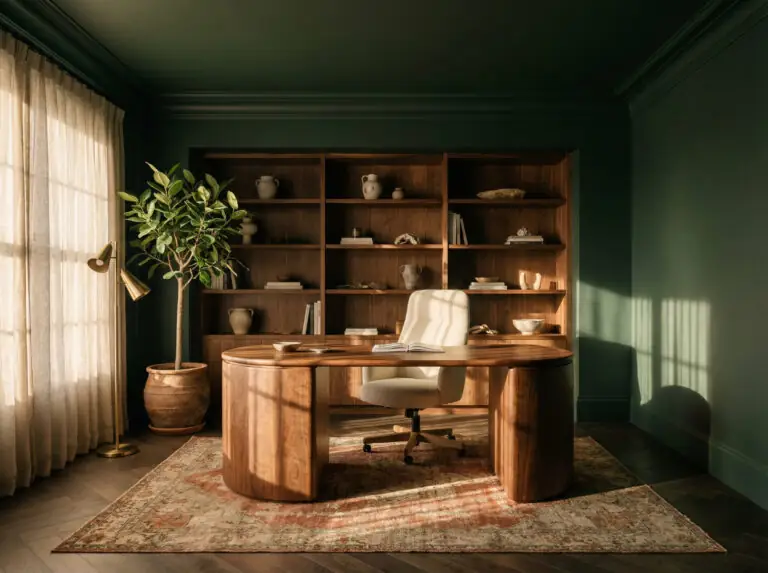
Soft neutrals create calm working environments, while muted greens and blues often introduce a sense of balance. Warmer accents can make larger rooms feel more inviting without becoming distracting.
Artwork, plants, textiles, and carefully selected accessories provide personality while allowing the space to evolve over time.
Rather than decorating according to short-lived trends, many designers recommend building around timeless materials and adding character through interchangeable details.
Technology Works Best When It’s Invisible
Today’s home offices depend on reliable technology.
Fast internet, accessible power outlets, charging stations, cable management, and adequate ventilation for equipment all contribute to smoother daily routines.
Planning these elements early prevents cables from dominating the room and allows technology to support productivity without becoming the visual focus.
A well-designed workspace feels organised because practical considerations have already been addressed.
Maintenance Protects More Than the Workspace
Office equipment often represents a significant investment.
Computers, monitors, cameras, printers, and networking equipment can all be vulnerable to moisture, excessive heat, or structural problems that develop gradually over time.
According to the U.S. Department of Energy, maintaining the building envelope through proper insulation, ventilation, and weather protection improves comfort while helping homes operate more efficiently throughout the year.
Preventative maintenance therefore supports both the property itself and the technology people increasingly rely upon for work.
Creativity Benefits From Balance
The most productive workspaces aren’t necessarily those with the most equipment.
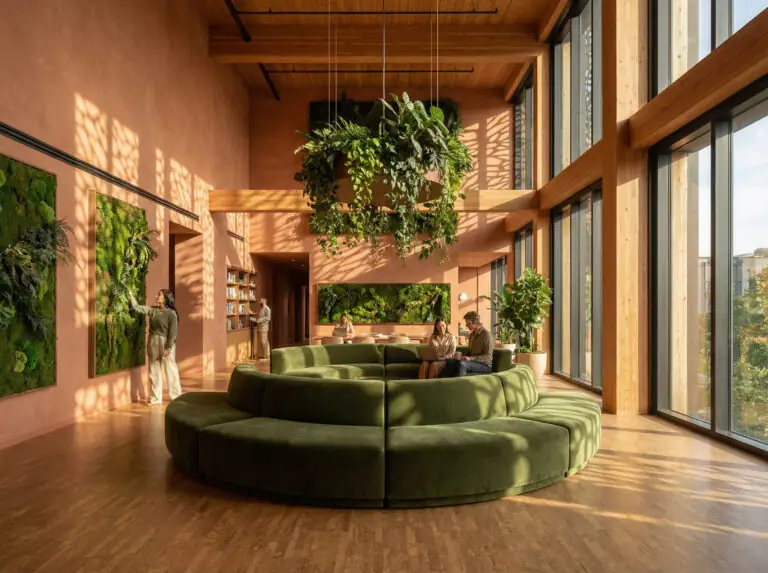
Plants, artwork, comfortable seating, and occasional opportunities to step away from the desk all contribute to maintaining focus throughout the day.
Many successful remote workers intentionally create small areas for reading, brainstorming, or taking short breaks instead of remaining at the computer continuously.
These thoughtful design decisions often improve productivity more than purchasing additional technology.
A Workspace That Evolves With You
Working from home continues to evolve, and home offices should evolve alongside it.
A flexible layout allows furniture to be rearranged, equipment to be upgraded, and storage to expand without requiring complete redesigns every few years.
The most successful home offices combine thoughtful interior design with practical maintenance, creating spaces that remain comfortable, efficient, and inspiring regardless of how work changes in the future.