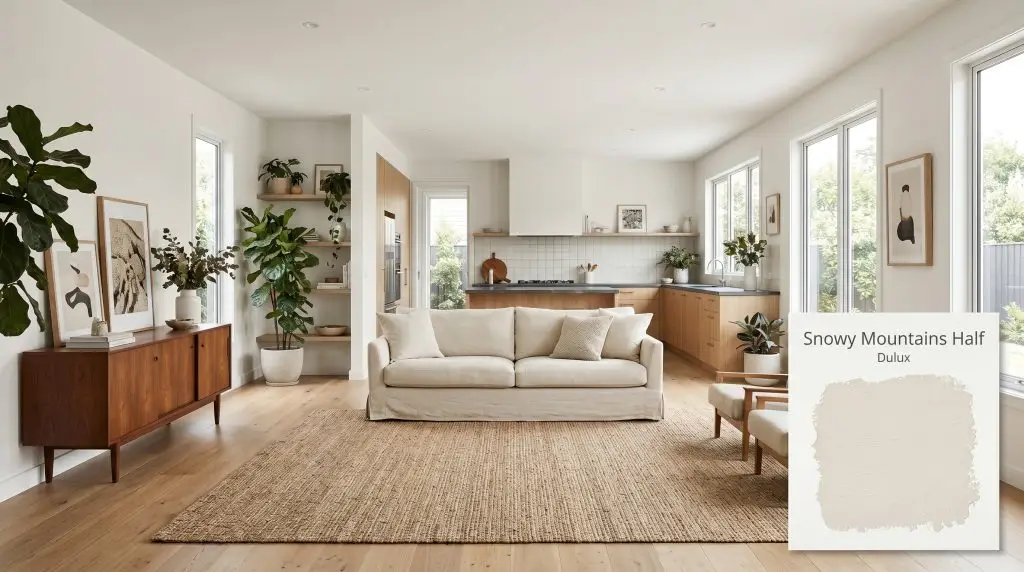
Dulux Snowy Mountains Half is a versatile, soft warm white with an LRV of 86. Featuring a subtle yellow-grey base and a microscopic hint of green, it provides a clean, contemporary finish that never feels stark, making it perfect for both interiors and exteriors.
Will Snowy Mountains Half clash with your room?
Paint Technical Profile
| Color ID / SKU | SW1F3 |
| HEX Code | #edede5 |
| Light Reflectance (LRV) | 86 |
| Use | Interior, Exterior |
| Best Exposures | South, East, West |
| Best For | All-over wall color, kitchen joinery, weatherboard exteriors, trim |
Dulux Snowy Mountains Half: The Secret to Luminous, High-Reflectance Interiors
Finding a white paint that feels genuinely luminous without turning your living room into a sterile waiting area is a notorious architectural challenge. Many popular whites rely on stark, icy pigments that flatten a room, while others lean so heavily into yellow that they instantly date the space. Dulux Snowy Mountains Half solves this exact problem by utilizing a highly specific color structure that balances maximum light reflection with a subtle, grounded warmth.
This contemporary neutral acts as a brilliant architectural finish, manipulating how light travels across your walls.
By actively bouncing ambient light reflection while holding onto a complex, muted base, this paint creates an atmosphere that feels incredibly tailored and intentional. It gives you the crisp, clean aesthetic of a modern white, but with enough underlying dimension to feel inviting and lived-in.
Temperature, Undertones & LRV of Dulux Snowy Mountains Half
Dulux Snowy Mountains Half is a warm, neutral-leaning off-white. It establishes a beautifully balanced temperature that avoids the clinical chill of pure whites while steering entirely clear of traditional, buttery creams.
To understand exactly how this paint will behave on your walls, we have to look at its structural anatomy:
At an LRV of 86, this color functions as a high-reflectance white that aggressively bounces available light around the room. This specific number is the sweet spot for modern interiors. It is high enough to dramatically expand the visual boundaries of a space, yet it retains just enough pigment to avoid the blinding, washed-out glare associated with true, un-tinted whites.
Lighting Effects & The Chromatic Profile
The true brilliance of this paint lies in its light absorption and reflection capabilities. Because of its complex greige undertone, the color shifts noticeably as the sun moves across your home.
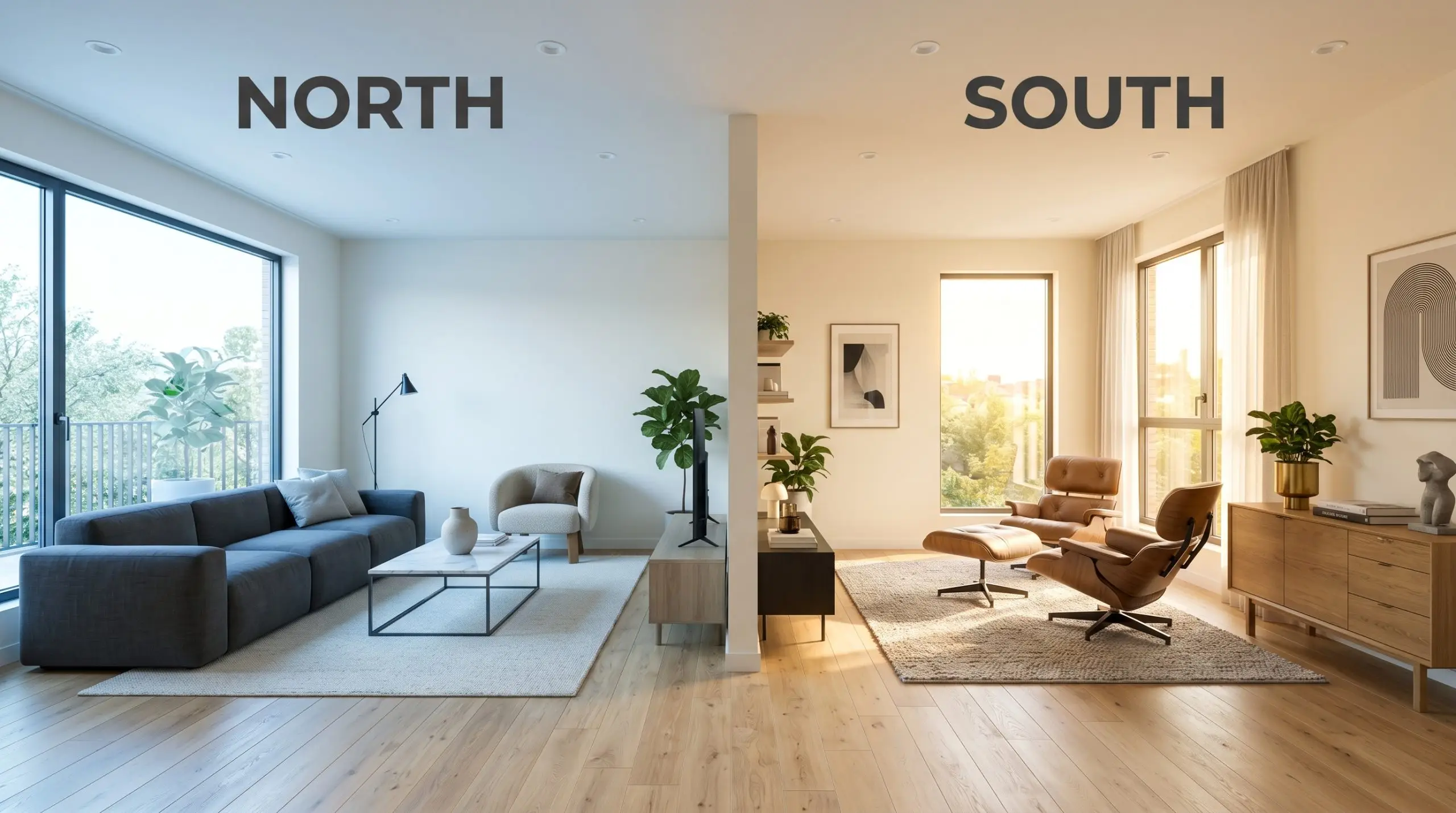
To maintain the crisp, modern edge of this off-white after dark, avoid ultra-warm vintage bulbs (2700K or lower). Those lower temperatures will drag the hidden yellow base out, muddying the clean chromatic profile you want to preserve.
Hackrea Pro-Tip (The Bulb Rule)
Popular Architectural Applications
Because of its high LRV and adaptable undertones, this paint is incredibly forgiving across a wide variety of architectural styles. The key to maximizing its potential is pairing it with the right materials and lighting scenarios.
Kitchen Joinery and Cabinetry
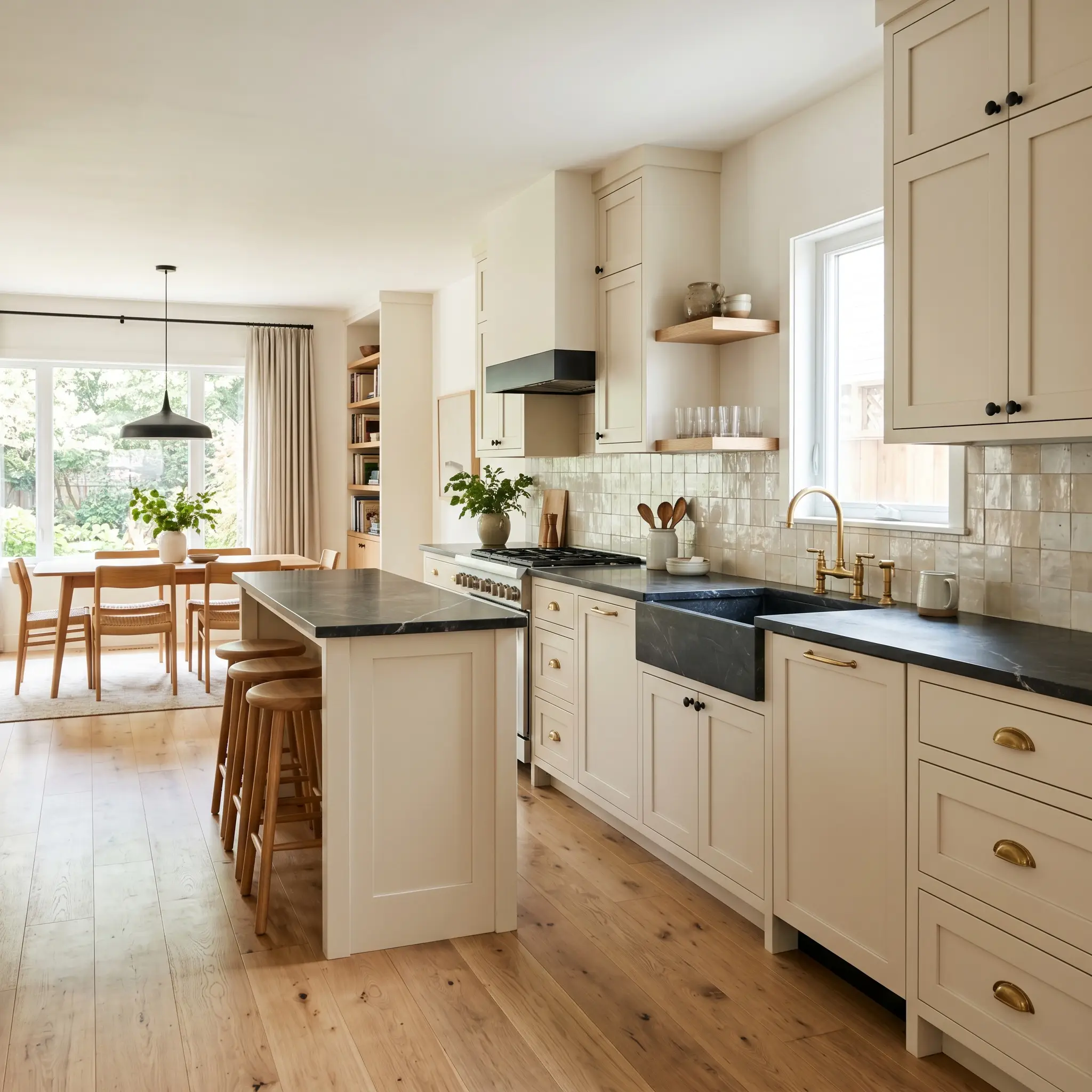
Using this off-white on kitchen cabinetry creates a beautifully tailored, soft modern aesthetic that feels instantly custom. The muted yellow-green base provides enough visual weight to make the joinery feel substantial, while the high light reflectance keeps the entire kitchen feeling expansive and clean.
You must introduce contrast to prevent the cabinetry from blending into the background. Pair the painted joinery with matte black hardware or unlacquered brass pulls to create sharp, intentional focal points.
To elevate the standard kitchen footprint, balance the crisp cabinets with highly tactile, organic materials. A backsplash of varied zellige tile or a countertop of honed soapstone provides the perfect earthy counterpoint to the clean, contemporary neutral finish.
Open-Plan Living Areas
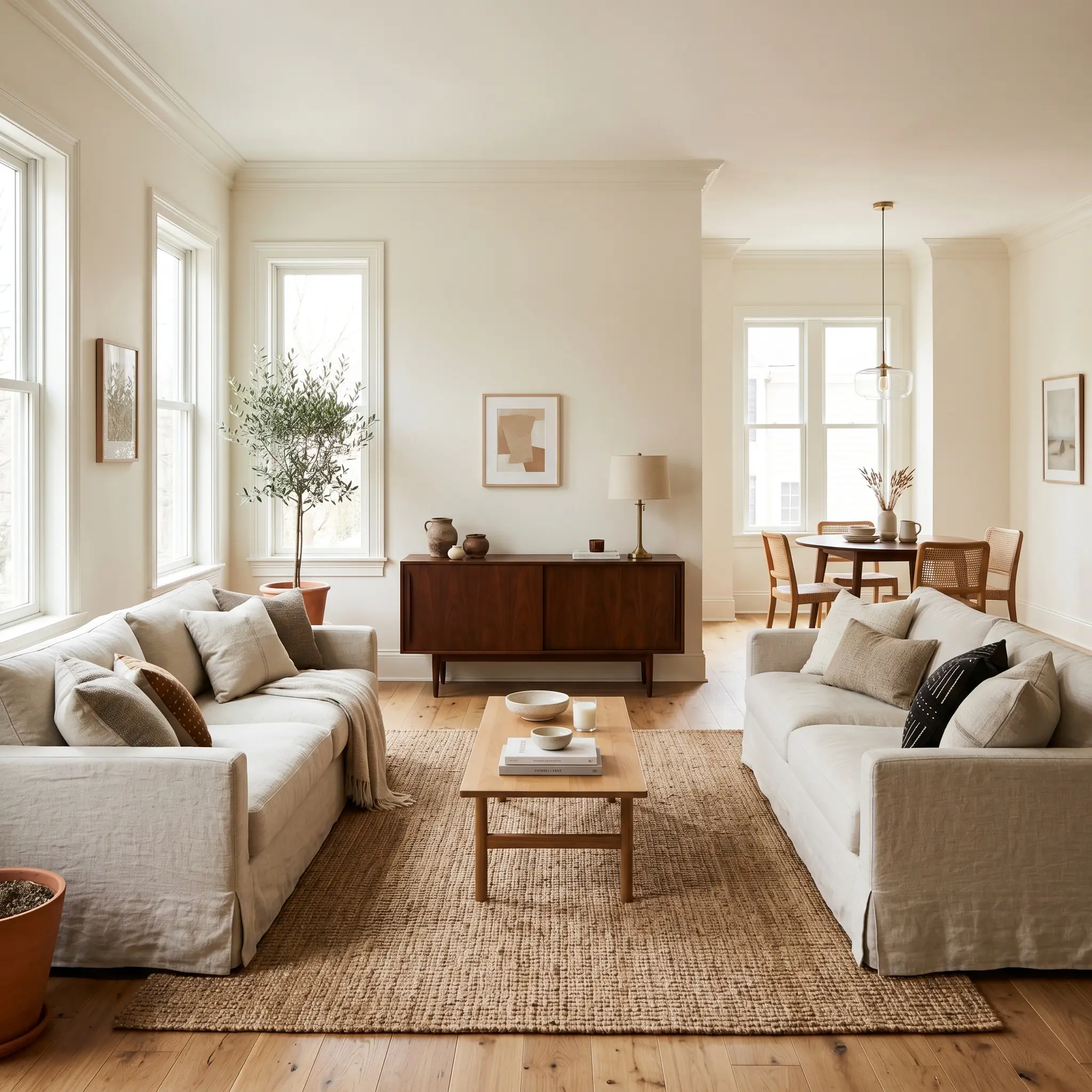
In large, multi-use spaces, this paint acts as the ultimate unifier. It bounces ambient light seamlessly from the kitchen through the dining and living zones, establishing a cohesive flow without demanding attention.
To warm up the expansive walls, layer the room with rich, varied textures. Think slipcovered washed linen sofas, a mid-century walnut credenza, and a large, textured jute rug to establish the living zone.
In an open-plan space, color-drenching the walls, baseboards, and crown molding in the exact same finish creates a seamless, modern envelope. If you want a more traditional, defined look, paint the trim a stark, untinted white to make the subtle greige undertones of the walls pop.
Hackrea Design Secret (The Trim Strategy)
Weatherboard Exteriors
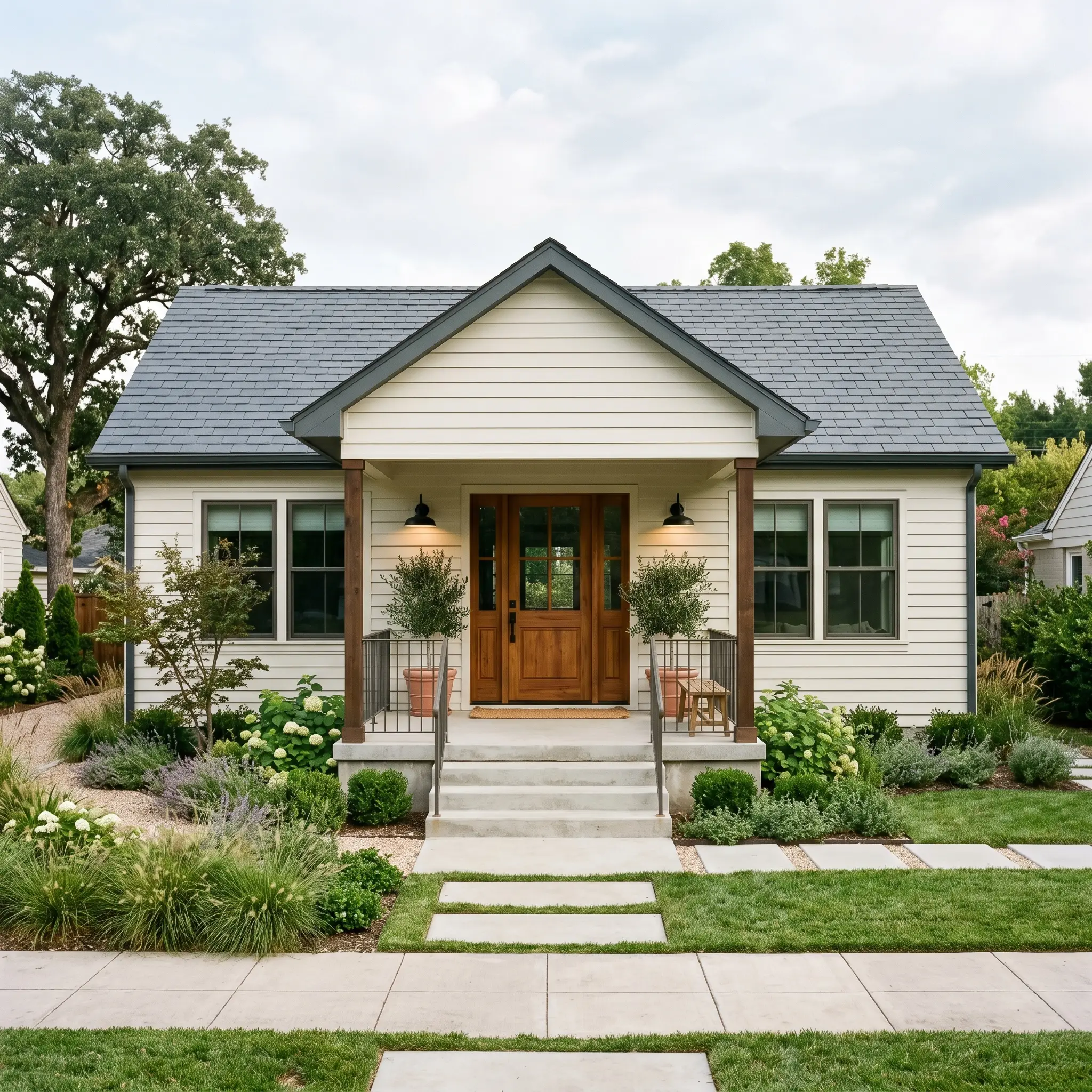
Exterior sunlight is notoriously harsh and will wash out standard whites, making them appear glaringly bright. The hidden greige undertone in this specific color structure ensures the weatherboards retain a soft, intentional color rather than blinding the neighborhood.
It provides a stunning, fresh facade for coastal homes or modern farmhouse updates.
Ground the light exterior with high-contrast architectural details. Pair the soft white weatherboards with a charcoal or slate roof, matte black exterior sconces, and a rich, natural timber front door to create a striking, balanced curb appeal.
Bedrooms and Nurseries
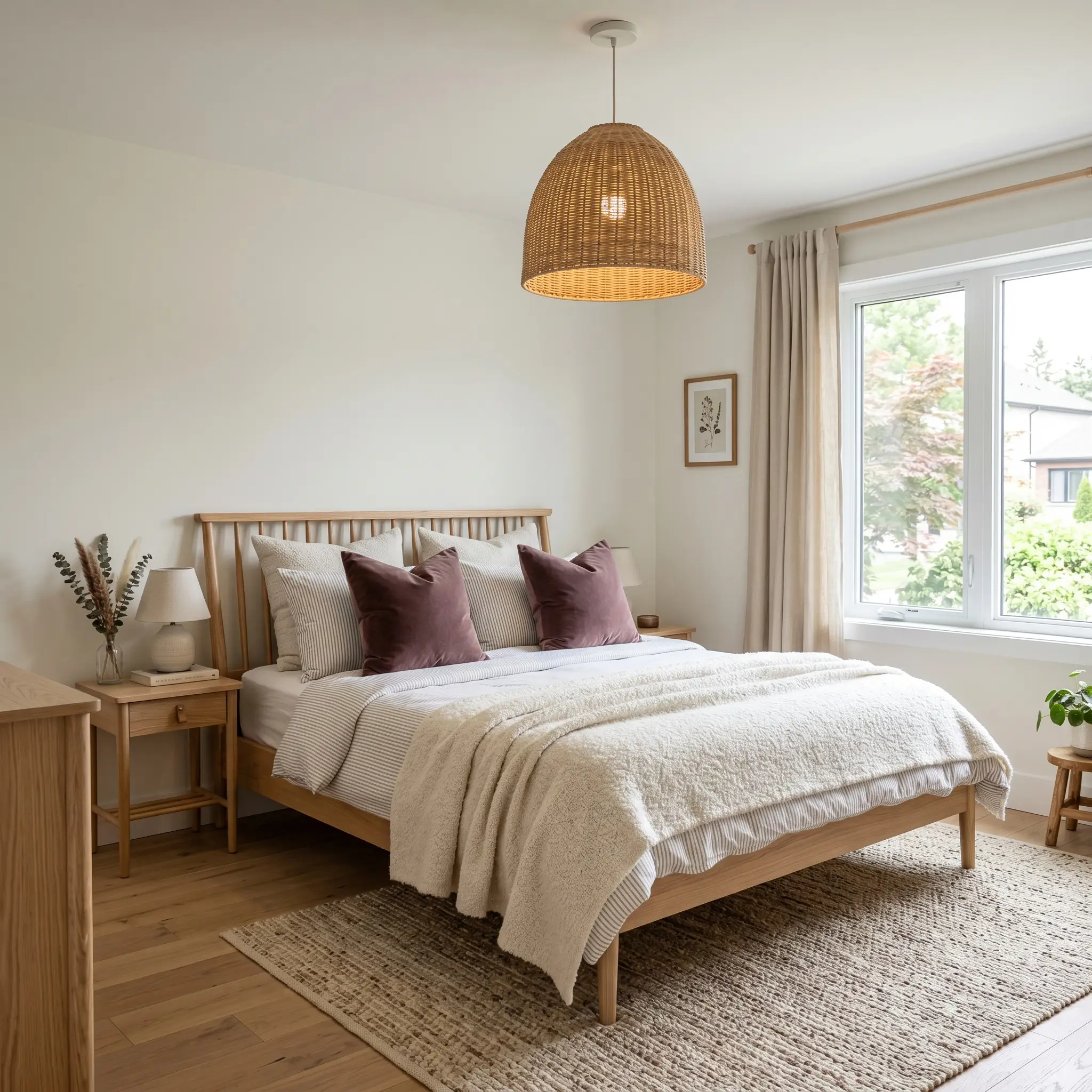
This color provides a remarkably serene foundation for spaces dedicated to rest. The soft yellow base warms up beautifully in the morning light, creating a gentle, welcoming glow that feels inherently comforting.
Because the walls are so subtle, you need to build the room’s character through textiles and styling. Layer the bed with chunky boucle throws, subtle ticking stripe sheets, and velvet accent cushions in muted plum or sage.
Introduce natural warmth through a woven rattan pendant light or a spindle bed frame in natural ash, allowing the organic materials to shine against the quiet, high-reflectance walls.
Hallways with Limited Natural Light
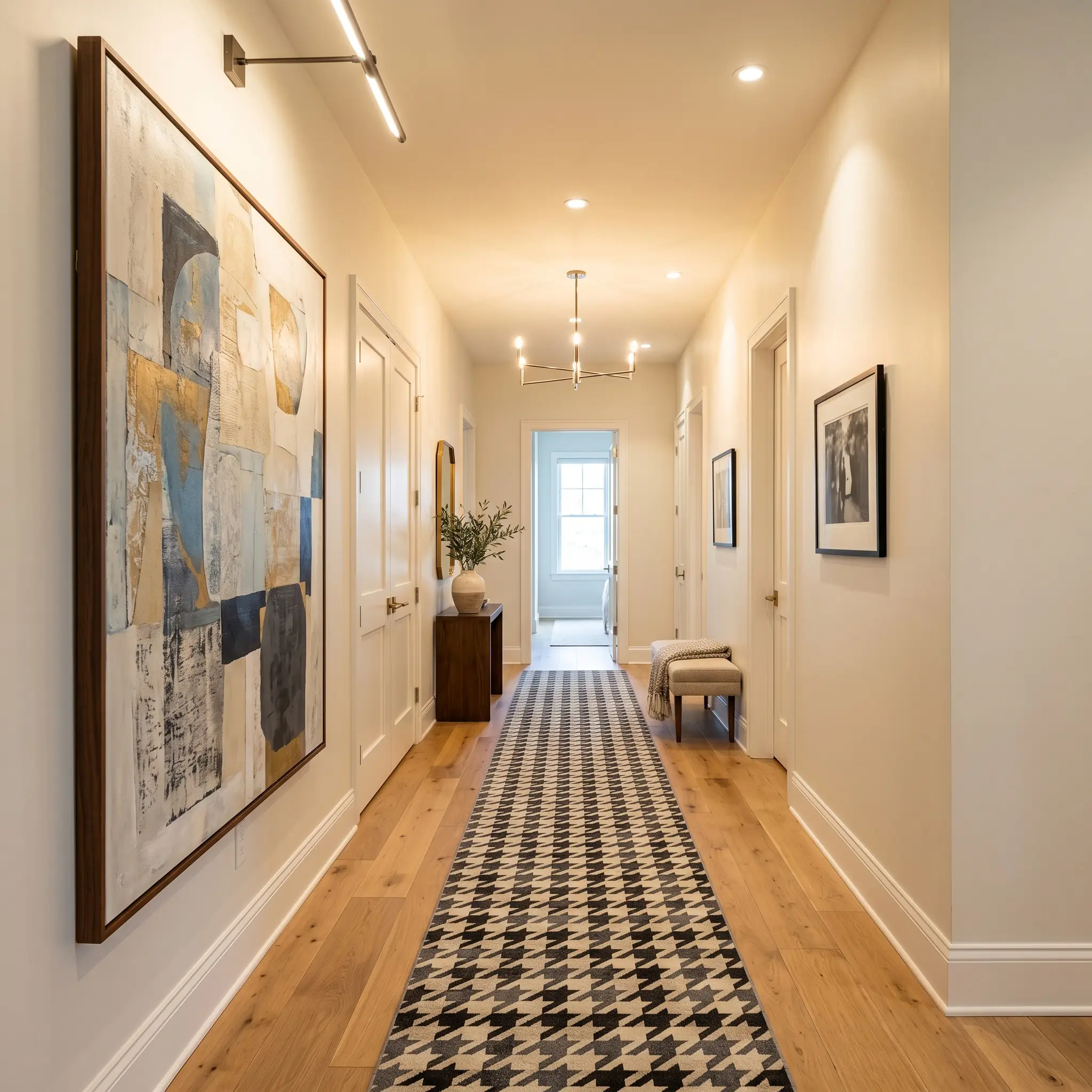
Narrow corridors and central hallways often suffer from a severe lack of natural sunlight, making them feel tight and unwelcoming. The LRV of 86 is your greatest asset here, aggressively capturing and amplifying whatever artificial or borrowed light is available.
Keep the walls entirely matte to hide any drywall imperfections common in high-traffic transition spaces.
To give the hallway its own distinct personality, hang a large oversized canvas with a minimalist abstract print, or install a runner rug featuring a classic houndstooth or geometric pattern to draw the eye down the corridor.
Coordinating Colors & Best Pairings for Dulux Snowy Mountains Half
The microscopic green-grey nuance in this paint requires strategic tonal layering to prevent the room from feeling washed out or detached. It thrives when placed against crisp, contrasting boundaries or earthy, saturated textures that physically pull its subtle warmth forward.
Crisp Boundaries: Selecting the Right Trim
Tactile Elements & Hardware Finishes
Secondary Palette Integrations
Curated Aesthetic Concepts
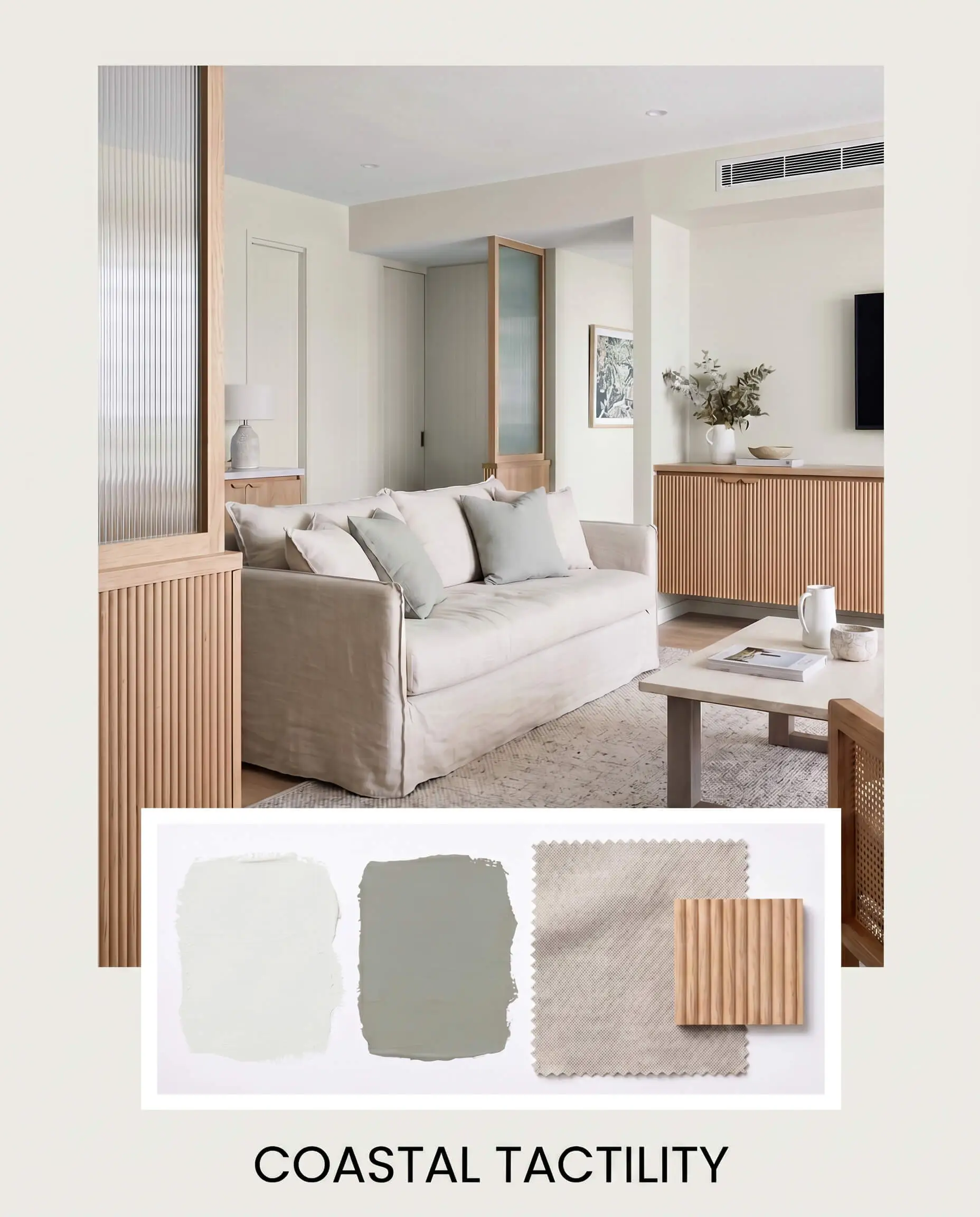
Coastal Tactility This palette harnesses the high ambient light reflection of the paint to create a breezy, unpretentious atmosphere. The crisp walls act as a brilliant backdrop for slipcovered washed linen sofas and the raw, ribbed texture of fluted oak cabinetry. By introducing accents of Farrow & Ball Pigeon and subtle reeded glass, the space feels deeply relaxing and organically tied to the outdoors.
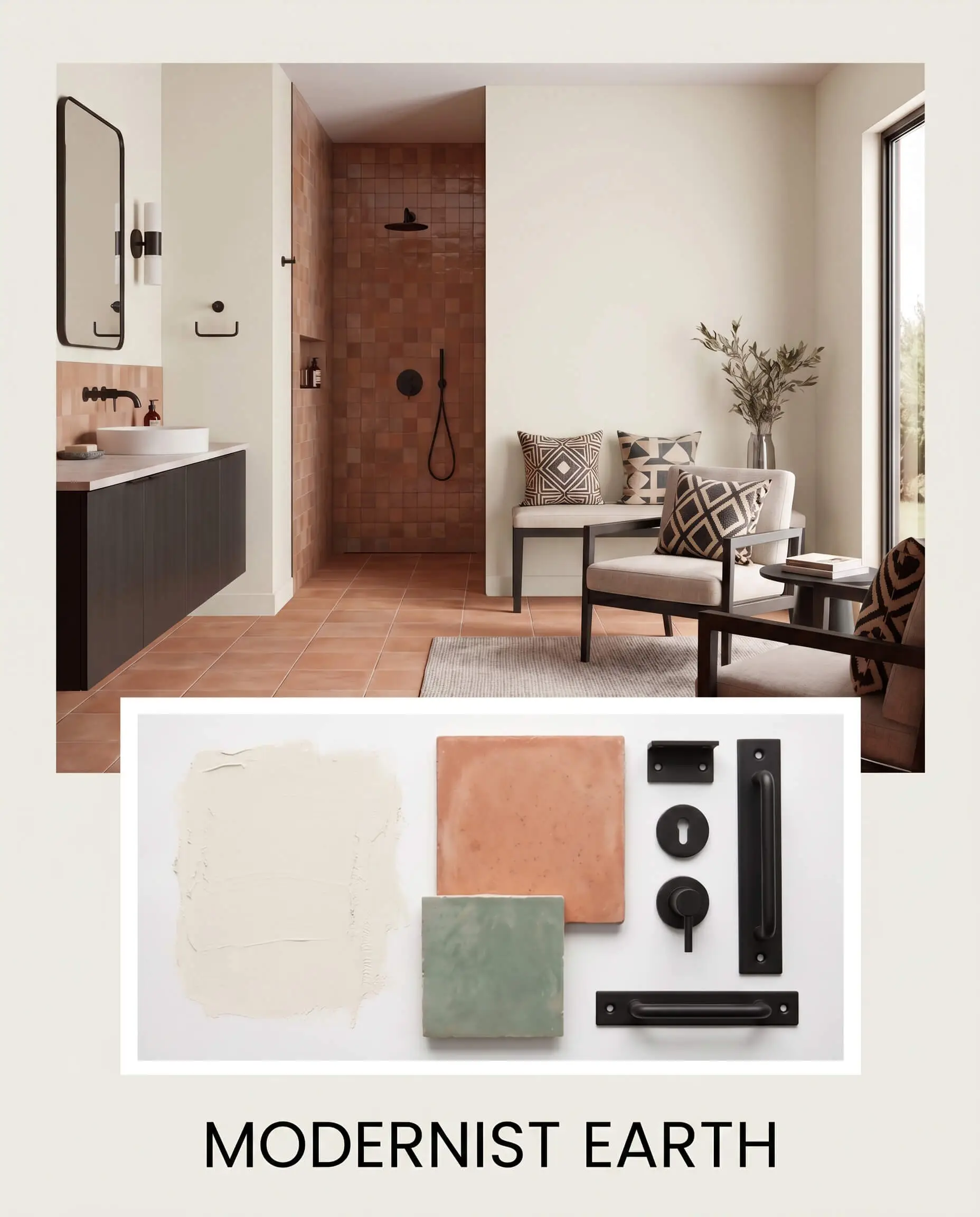
Modernist Earth Here, the contemporary neutral is used to balance deeply saturated, grounded materials. Honed terracotta floors and zellige tile provide a rich, tactile foundation that absorbs light, allowing the off-white walls to glow softly in contrast. The introduction of matte black hardware and geometric cushions sharpens the visual boundaries, creating a highly intentional, tailored aesthetic.
Head-to-Head: How Snowy Mountains Half Compares to Rival Whites
Choosing the final white for your home often comes down to understanding how specific lighting conditions or architectural exposures will manipulate the underlying pigment. If your room features extreme lighting shifts or you are working with challenging fixed finishes, examining how this paint performs against its closest rivals is crucial for a successful application.
Dulux Snowy Mountains Half vs. Dulux Natural White
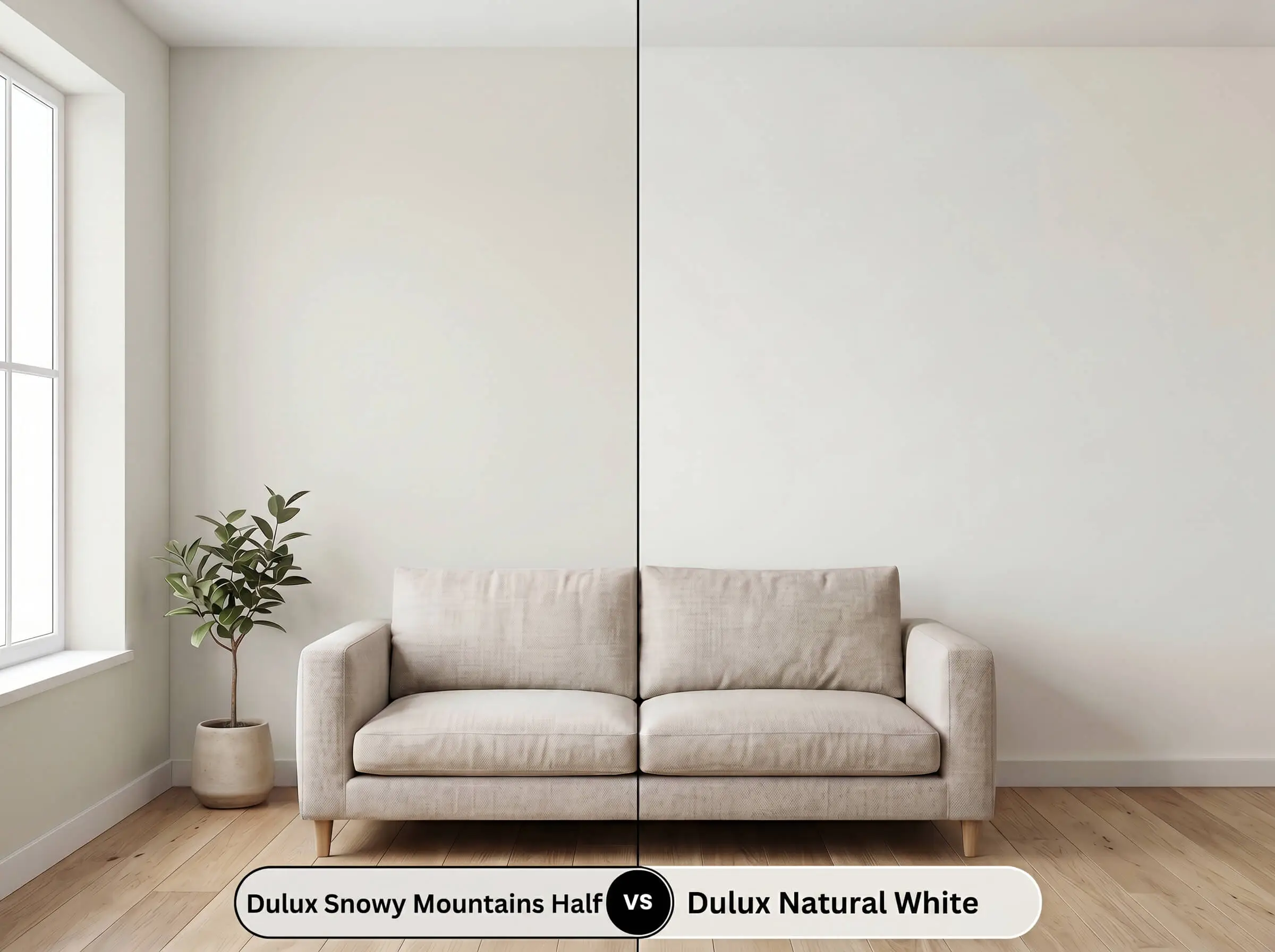
Natural White carries a notably warmer, slightly creamier base that instantly softens a room. If you are designing a south-facing room that receives cool light and requires a touch more inherent warmth to feel inviting, Natural White is the safer candidate. If you want a crisper, more contemporary finish that aggressively resists turning yellow under warm artificial bulbs, Snowy Mountains Half remains the superior choice.
Dulux Snowy Mountains Half vs. Dulux Casper White Quarter
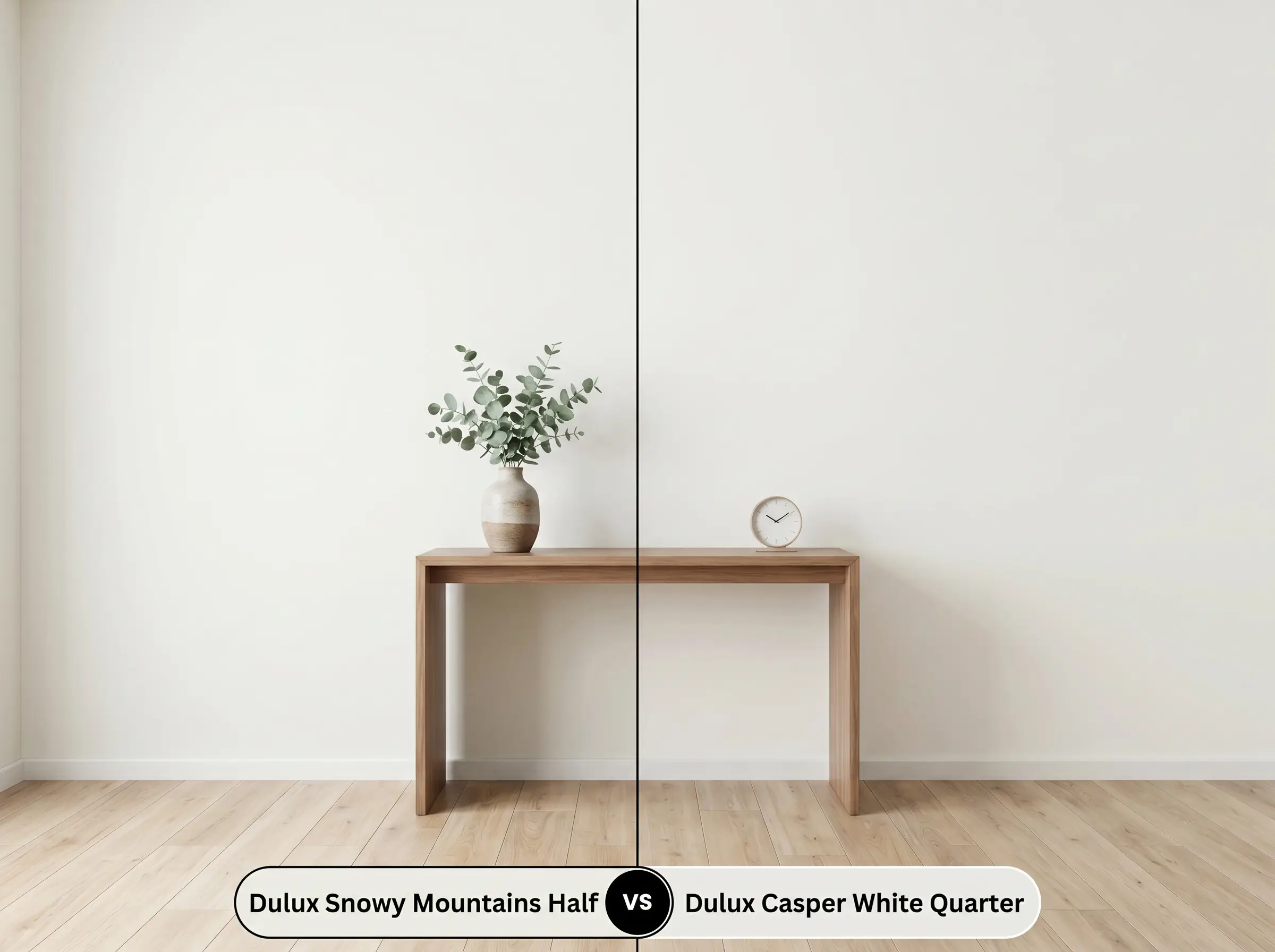
Casper White Quarter leans noticeably cooler, featuring a more pronounced grey influence that strips away almost all warmth. If your space is flooded with intense, warm western sunlight and you need a paint to significantly cool the room down, Casper White Quarter performs brilliantly. However, if your room features low natural light, Casper White Quarter runs the risk of feeling chilly, whereas the subtle yellow-green base in Snowy Mountains Half maintains a welcoming energy.
Dulux Snowy Mountains Half vs. Dulux Antique White USA
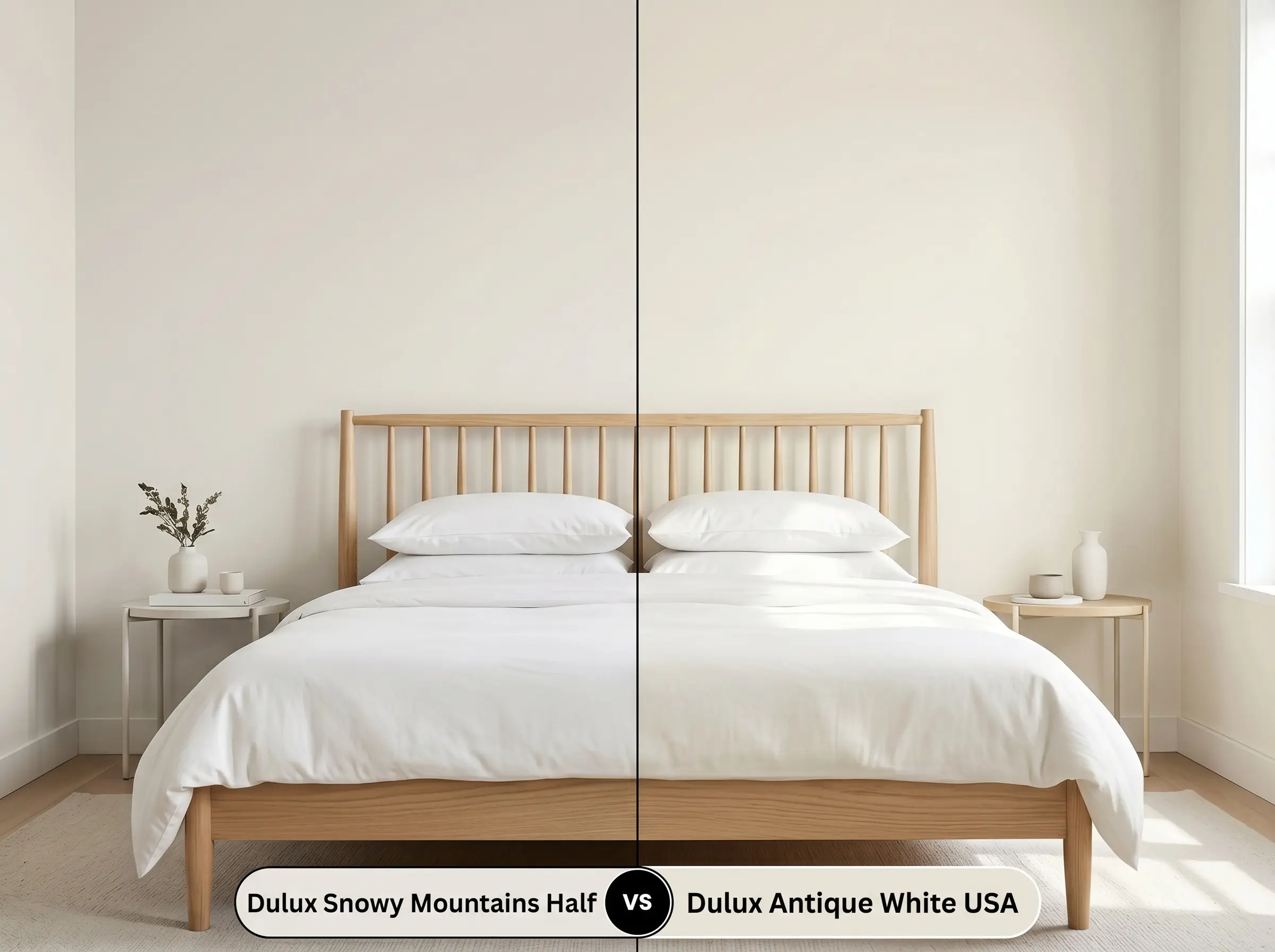
Antique White USA relies on a distinct yellowish-cream base that inherently leans toward traditional and heritage aesthetics. If you are updating an older home with ornate architectural details and want a classic, slightly aged feel, Antique White USA works beautifully. If you are designing a sleek, modern space with clean lines and need a white that feels fresh and highly reflective, Snowy Mountains Half is the definitive winner.
Alternative Options & Brand Matches
Sometimes a paint is nearly perfect, but the specific lighting in your home demands a subtle pivot in depth or temperature. Whether you need a slightly sharper finish or are forced to color-match across different manufacturers, these verified alternatives provide highly reliable solutions.
Dulux Alternatives
Global Brand Equivalents
Executing Dulux Snowy Mountains Half: Application & Finish Guide
Moving from color theory to the physical application requires a strict understanding of how sheens and coverage impact this specific pigment.
The Dynamic Sheen Guide
Primer Strategy & Coverage Tips
This specific chromatic profile requires a high-quality, bright white acrylic primer to ensure the underlying drywall color does not muddy the subtle yellow-green base.
Because of its high light reflectance, this paint typically requires two full, generous coats over a primed surface to achieve true opacity.
To avoid flashing—where uneven roller pressure creates visible, shiny streaks when the light hits the wall—you must maintain a wet edge and avoid over-rolling the paint once it begins to tack up.
Frequently Asked Questions
Because of its high LRV of 86, this paint aggressively bounces available light, preventing the room from feeling dark. While the cooler north-facing light will pull the grey undertone forward, it reads as a sophisticated, crisp neutral rather than a gloomy shadow.
The heavy texture of exterior rendering creates micro-shadows that will make the paint appear slightly darker and more muted than it does on smooth weatherboard. This actually works to your advantage, as it prevents the high-reflectance color from looking overly stark in harsh, direct sunlight.
Yes, color-drenching the walls and ceilings in this shade creates a beautifully seamless, modern envelope. To ensure the room doesn’t feel flat, simply change the sheen—use a flat finish on the ceiling and an eggshell finish on the walls to create subtle visual contrast.
The muted green base actually acts as a complementary color to red-toned timber, gently neutralizing the intense warmth of the floors. This combination establishes a highly balanced, organic aesthetic that grounds the bright walls beautifully.
The Final Verdict on This Contemporary Neutral
Dulux Snowy Mountains Half is a remarkably engineered off-white that perfectly balances the crispness of modern design with the inviting warmth required for a livable home. Its high light reflectance makes it an absolute powerhouse for expanding tight hallways, brightening low-light kitchens, and unifying sprawling open-plan living spaces. This paint is perfect for the homeowner who wants a clean, luminous aesthetic but actively wants to avoid the sterile, clinical feeling of an un-tinted white.
While incredibly versatile, this paint is not for every environment. If your home features heavy, Tuscan-style fixed finishes—like tumbled yellow travertine, deeply orange oak cabinets, or heavily glazed cream tiles—this paint will fail. The crisp, greige-leaning structure of Snowy Mountains Half will instantly clash with those intensely warm, dated surfaces, making the paint look uncomfortably stark and pulling an unwanted dingy tone out of your expensive stonework. For those specific environments, you must pivot to a significantly warmer, cream-based neutral to maintain harmony.
Hackrea Pro-Tip (The Undertone Clash Warning)
Real-World Inspiration Be the first to upload a real photo of Snowy Mountains Half!
No Photos Yet
Includes +20 First Upload Bonus!
Real Experiences
Insights from people who have used Snowy Mountains Half.No reviews yet
Be the first to share your experience with Snowy Mountains Half.
Earn 15 points instantly!
Closest Cross-Brand Equivalents
The absolute closest scientific color matches for Snowy Mountains Half across top paint brands.