Fresh Flowers in Interior Design: Why They Belong in Every Design Strategy
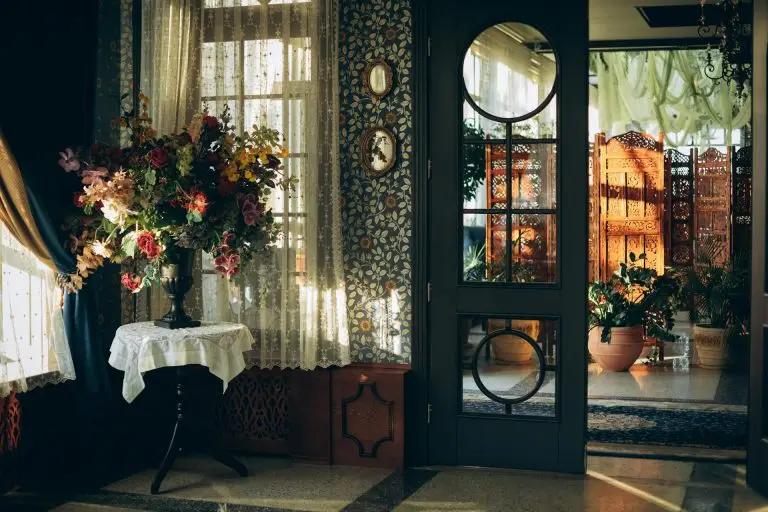
Interior design goes far beyond selecting high-end furniture or a trendy paint color. Great design is about creating an atmosphere, evoking an emotional response, and crafting a true sense of comfort. While many decorators allocate their budgets to permanent capital investments like sofas, they often overlook one of the most powerful and dynamic elements available: fresh flowers.
Introducing organic life into a heavily constructed environment completely changes a room’s energy. A carefully selected, beautifully composed fresh flower bouquet does much more than fill an empty corner; it bridges the gap between indoor architecture and outdoor vitality, softening rigid structural lines and infusing any environment with personality. Whether you are staging a home for sale, preparing for a gathering, or styling your personal living space, integrating live floral elements should be a core component of your overarching interior design strategy.
How a Fresh Flower Bouquet Alters Room Perception
Every object we place within a room dictates how we perceive its dimensions, warmth, and overall energy. Introducing high-quality fresh flowers can completely alter and enhance how a person visually and psychologically experiences an interior space.
- Softening Sharp Angles: Modern design often features clean geometric lines and hard surfaces such as concrete, stone, or steel. A lush, fresh flower bouquet introduces soft organic curves and unpredictable natural shapes that beautifully balance these harsh architectural angles.
- Adding Visual Movement: Unlike static decorations, live flowers are constantly evolving. They change subtly every day as tight green buds gradually open into full blooms, bringing a unique sense of active life and natural rhythm to an otherwise static room.
- Manipulating Scale: The physical dimensions of an arrangement can alter how a room’s size is perceived. Tall arrangements draw the human eye upward, creating an illusion of height in low-ceilinged rooms, while low, wide arrangements ground a massive space, making it feel instantly more intimate.
Beyond the visual shifts, walking through a front door and entering a space filled with the delicate notes of fresh scents and flowers immediately triggers a deeply rooted feeling of luxury and pristine cleanliness. The subtle fragrance of eucalyptus, lavender, or garden roses can make an entire home feel like a deeply relaxing sanctuary, lowering stress levels the exact moment you cross the threshold.
Different Types of Flowers for Different Design Styles
Every home has its own unique architectural personality, and the types of flowers you choose to display should carefully reflect and elevate that established aesthetic to maintain visual harmony.
- Minimalist and Modern: Avoid overly complicated or busy arrangements. Instead, stick to highly architectural, clean plants that emphasize form over abundance, such as a single, flawless orchid stem or elegant calla lilies in a clear glass vessel.
- Traditional and Classic: For homes decorated with rich wood tones and antique furniture, time-tested traditional choices work beautifully. Voluminous hydrangeas, lush, romantic peonies, and gorgeous, multi-layered roses, selected from premium, curated collections from Rosaholics, add the perfect touch of timeless elegance.
- Bohemian and Eclectic: If your personal style is free-spirited and full of mixed textiles, your chosen floral arrangements should mirror that effortless, artistic vibe. Think wild, loose, highly asymmetrical mixtures of dried pampas grass, textured thistles, and vibrant field flowers.
- Industrial and Urban Lofts: Industrial spaces often showcase cold, heavy, utilitarian materials such as exposed brick and concrete floors. You can choose to contrast this structural hardness by introducing bold, vibrant flowers with intense saturation, such as golden sunflowers.
Floral Arrangements as Focal Points in Living Spaces
Every well-designed room requires a strong focal point that naturally catches the human eye, anchors the furniture layout, and provides visual order. Beautiful floral arrangements can act as magnificent, temporary, and ever-changing focal points that keep your home decor feeling incredibly dynamic, fresh, and perfectly aligned with the passing seasons.
- The Dining Table Centerpiece: A grand, thoughtfully curated table-flower arrangement can instantly turn a standard dining room into a high-end luxury experience. For a dinner party, a long, low-profile centerpiece ensures that guests can easily see one another to converse comfortably.
- The Living Room Coffee Table: The coffee table is almost always located at the visual center of a living room. Placing a medium-sized fresh flower bouquet on a decorative tray creates an instant conversation starter and pulls the entire seating arrangement together into a cohesive look.
- The Entryway Console Table: First impressions are incredibly powerful. Placing a grand, vibrant, tall floral arrangement on an entryway console table welcomes guests with beautiful sights and captivating fresh scents, setting an immediate, positive tone for the house.
- The Fireplace Mantelpiece: An empty fireplace mantel can look stark and uninviting when the fire is not lit. Creating an asymmetrical design where cascading greens and mixed floral arrangements drape elegantly over one side adds a highly modern, artistic flair to the living room.
To make these focal points work effectively, pay close attention to scale and balance. A tiny bud vase placed in the middle of a massive kitchen island will look completely out of place. In contrast, an oversized, sprawling arrangement placed on a tiny glass side table will look cluttered and physically overwhelming.
Matching Flower Colors to Your Interior Palette
Color theory is an absolutely fundamental tool in design, and choosing the right flower colors can either seamlessly harmonize a room to create a peaceful sanctuary or provide a striking contrast that completely revitalizes a dull space.
- Monochromatic Harmony: If a room has been meticulously designed around a specific color family, choose flowers in different shades of that hue. In a serene, coastal blue bedroom, you can use light blue hydrangeas and deep navy accents to create an incredibly peaceful, deeply layered look.
- Complementary High Contrast: Look at the color wheel to locate shades that sit directly opposite your room’s dominant color. If you possess a moody living room with dark hunter-green walls, introducing vibrant pink, rich fuchsia, or bright coral, fresh flowers will pop beautifully, creating a stunning visual tension.
- Neutral Grounding and Texture: In a completely white, cream, or beige room, you can use bright, multi-colored, saturated bouquets to inject a sudden burst of playful energy into the space, or you can stick strictly to pure white lilies and deep green foliage to preserve a calm, minimalist Scandinavian aesthetic.
- Seasonal Shifts and Color Updates: Changing the specific flower colors you bring into your home throughout the year is the easiest way to update your decor with the seasons. Use soft pastels in the spring, bright oranges in the summer, deep burgundies in the autumn, and crisp whites in the winter.
Small Spaces, Big Impact: Fresh Flower Bouquet in Compact Rooms
You do not need to live in a sprawling mansion to enjoy and benefit from the art of floral design fully. Utilizing a thoughtfully placed fresh flower bouquet in a compact city apartment or a small studio can often have an even greater visual and emotional impact, as every design choice stands out more prominently when space is at a premium.
- Kitchen Countertops: Kitchens are inherently highly functional, utilitarian spaces filled with appliances, but they deserve beauty just as much as a living room. A small jar of fresh flowers tucked into an empty corner can make everyday cooking feel much more peaceful and pleasant.
- Bedside Tables and Nightstands: Keep your primary bedroom feeling like an upscale, boutique luxury hotel by placing a small, beautifully curated arrangement directly on your nightstand. Waking up to beautiful natural colors and the gentle, calming notes of fresh-scented flowers promotes an incredibly calm, stress-free start to your busy day.
- Home Office Desks: Staring at a glowing computer screen all day long can cause severe mental fatigue and lowered focus. Introducing live natural elements right onto your workspace desk boosts daily productivity, significantly lowers stress levels, and gives your eyes a refreshing, beautiful place to rest during short mental breaks.
- Bathroom Vanities and Powder Rooms: Bathrooms often lack organic warmth and soft textures, often feeling cold due to tile and porcelain surfaces. Placing a small, moisture-loving floral setup or a couple of vibrant green eucalyptus stems on the vanity instantly creates an upscale, spa-like environment.
When you are decorating smaller spaces, always remember that less is often significantly more. You do not need to construct a massive, expensive centerpiece to make an unforgettable statement in a compact room. A few carefully selected, high-quality stems of the right types of flowers, placed inside a beautiful vase, can effortlessly elevate a compact room from feeling cramped to feeling intentionally cozy, highly curated, luxurious, and beautifully designed.
Ultimately, flowers are the perfect finishing touch that transforms an ordinary house into a curated home. By paying close attention to the different types of flowers available, experimenting with vibrant flower colors, and mastering the art of positioning table flower arrangements, you can effortlessly execute a flawless interior design strategy that values nature, hospitality, and timeless beauty.