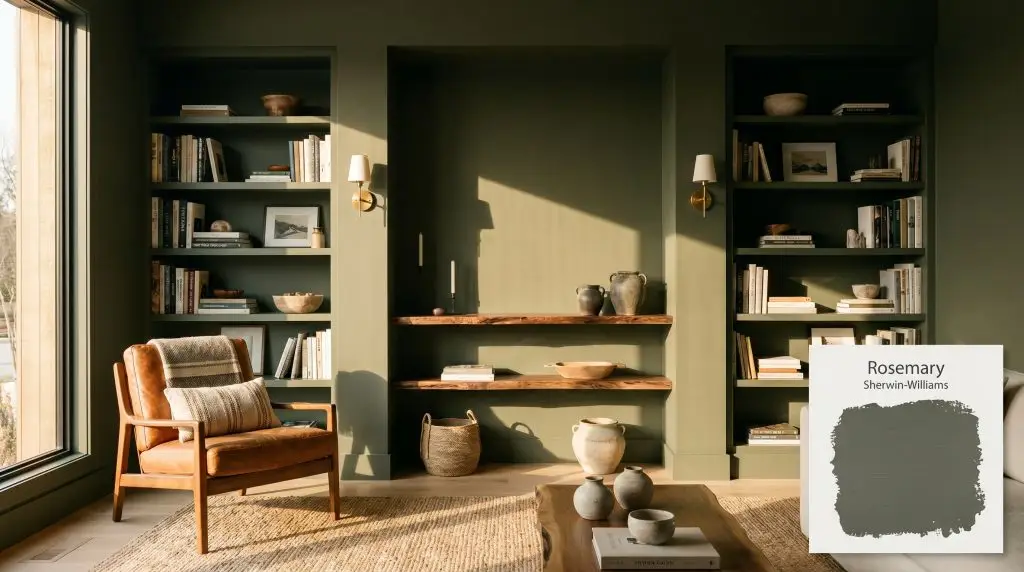
Sherwin-Williams Rosemary (SW 6187) is a deep, muted olive green with prominent gray undertones. With an LRV of 14, it acts as a sophisticated, earthy neutral that brings organic warmth and dramatic depth to both interior and exterior spaces.
Will Rosemary clash with your room?
Paint Technical Profile
| Color ID / SKU | SW 6187 |
| HEX Code | #64695C |
| Light Reflectance (LRV) | 14 |
| Use | Interior, Exterior |
| Best Exposures | South, West |
| Best For | Kitchen Cabinets, Accent Walls, Exterior Siding, Home Offices |
Sherwin-Williams Rosemary SW 6187: Crafting Intimacy With an Earthy Dark Olive Green
Some paint colors sit softly on the surface of a wall, while others seem to absorb the room’s ambient light to create a rich, velvety shadow. Sherwin-Williams Rosemary SW 6187 belongs firmly in the latter category. It is a profoundly dense, earthy neutral that instantly establishes a sense of cultivated intimacy.
When you roll this shade onto a surface, you are not just changing the hue; you are fundamentally altering the visual weight of the architecture.
This specific dark olive green is beloved by designers because it refuses to conform to a single era. It feels just as authentic wrapping the walls of a historic library as it does coating the sleek, flat-panel cabinets of a contemporary kitchen. If you are searching for a color that provides structural intensity without feeling stark or cold, this muted gray-green delivers an enveloping, sophisticated warmth.
Sherwin-Williams Rosemary: Undertones & LRV
Is Sherwin-Williams Rosemary warm or cool? This shade is a definitive warm-leaning neutral. While green pigments can notoriously skew cool and minty, the organic foundation of this specific color pulls it firmly into the warm spectrum without ever turning brassy or overly yellow.
To truly understand how this color will behave in your home, we have to look at its foundational color structure:
With a light reflectance value (LRV) of 14, this is a highly light-absorbing architectural finish. It drinks in roughly 86% of the light it receives, meaning it will hold its shape and density beautifully. Even when blasted by direct, midday exterior sunlight, it will never wash out or lose its rich, shadowy character.
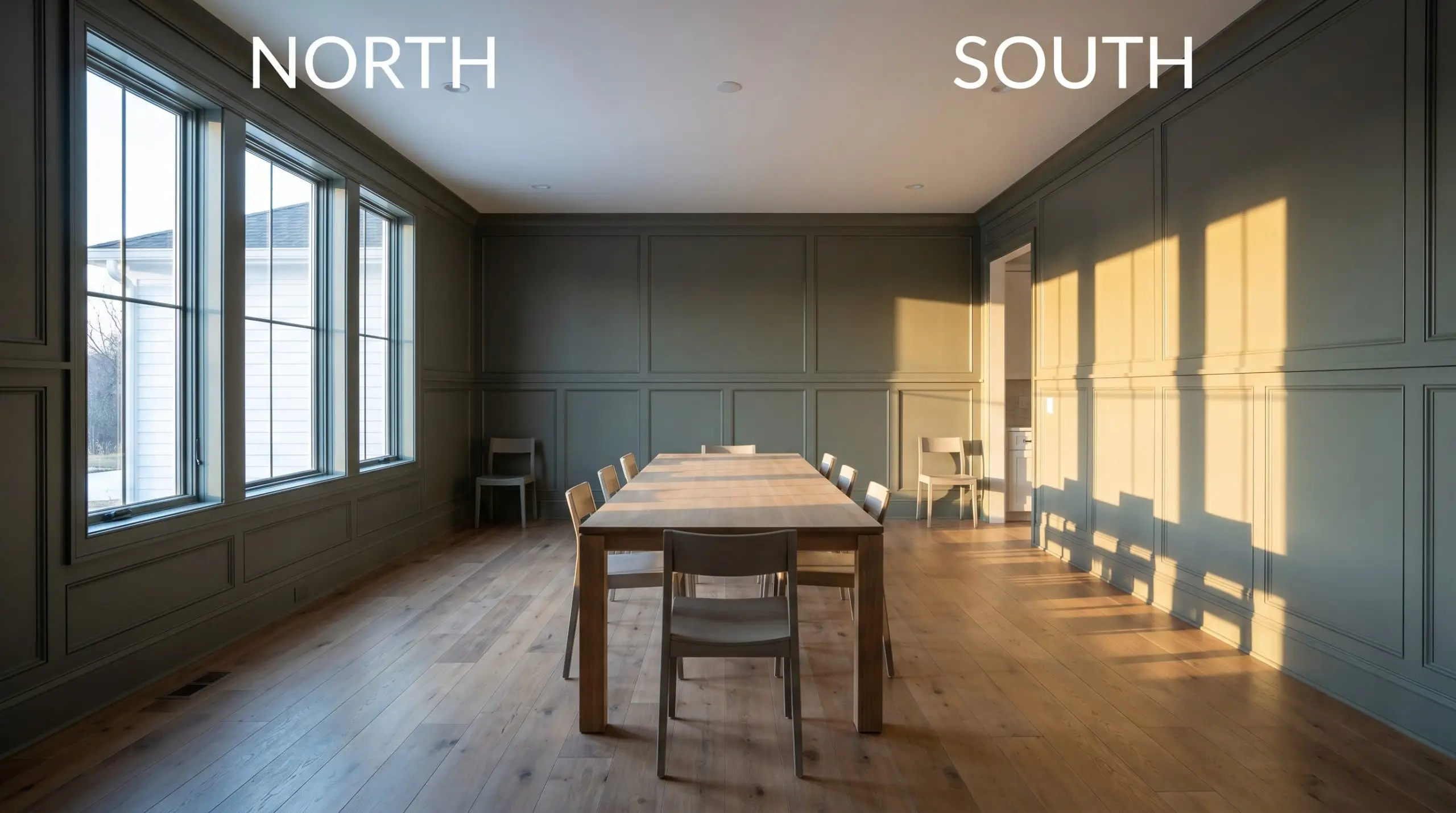
How Lighting Alters This Earthy Neutral
Because of its complex chromatic profile, this color is a brilliant shape-shifter. The way the light hits the wall dictates exactly which undertones step forward and which recede.
Transforming Homes With Rosemary SW 6187
This color brings a steadying, cohesive energy to residential architecture. Because it acts as a neutral foundation rather than a loud accent, it allows you to manipulate the surrounding materials to dictate the final style.
Saturating the Kitchen Canvas
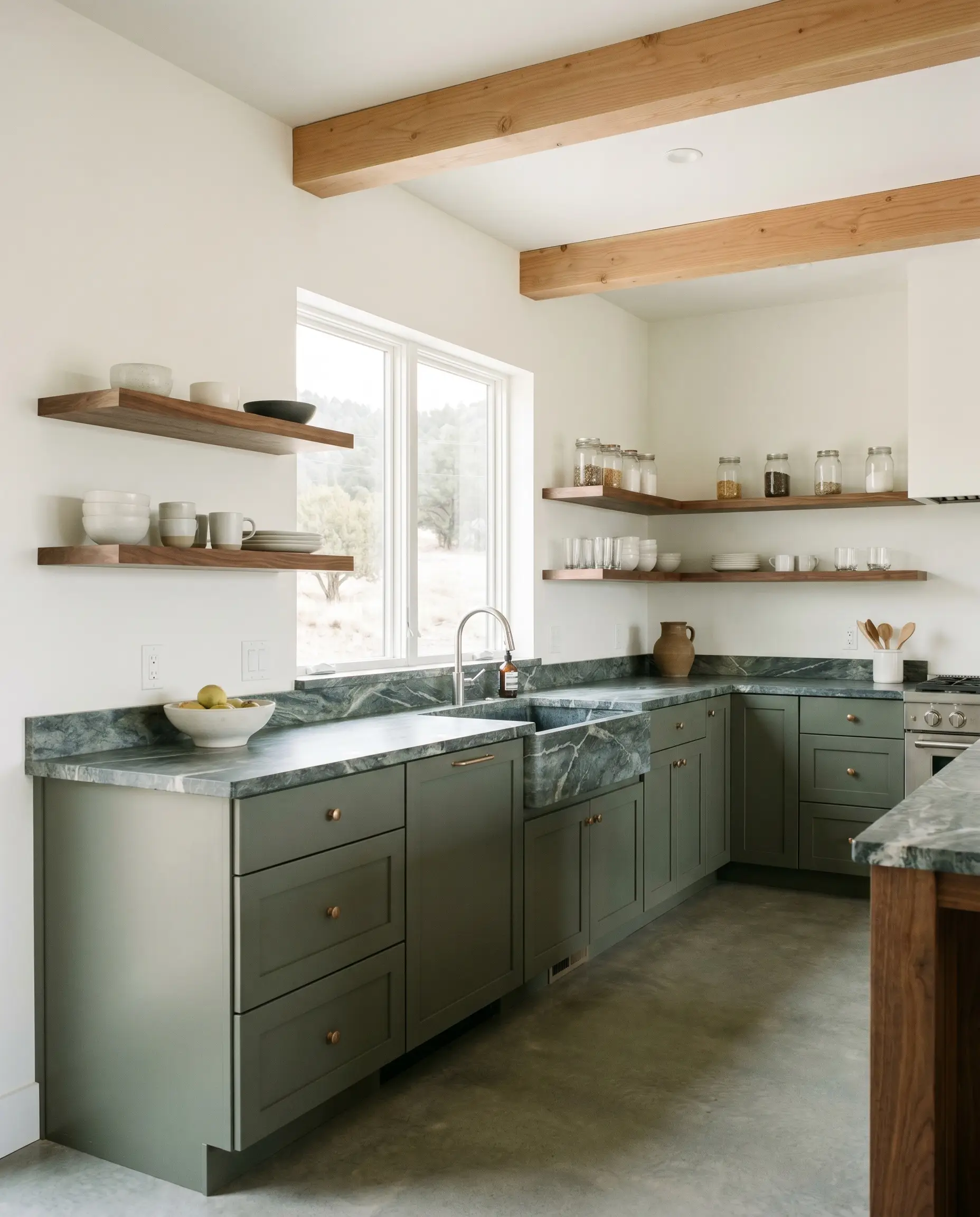
This shade has become a legendary cabinetry finish for a reason. It provides immense architectural depth to standard shaker doors while hiding everyday scuffs effortlessly. To lean into an organic modern aesthetic, pair the painted lower cabinets with raw, floating walnut shelves and a heavily veined soapstone countertop.
If you prefer a more transitional kitchen, saturate the entire island in this dense olive and top it with a thick slab of honed marble. Keep the surrounding walls a crisp white to ensure the dark cabinetry remains the undisputed focal point of the room.
Unlacquered brass hardware is the ultimate companion for this specific green. The warm, living finish of the metal physically lifts the yellow undertones in the paint, creating a subtle, radiant glow against the dark cabinetry.
Hackrea Pro-Tip (The Hardware Glow)
Will Rosemary work with your specific lighting, floor, or furniture?
Curating the Focused Workspace
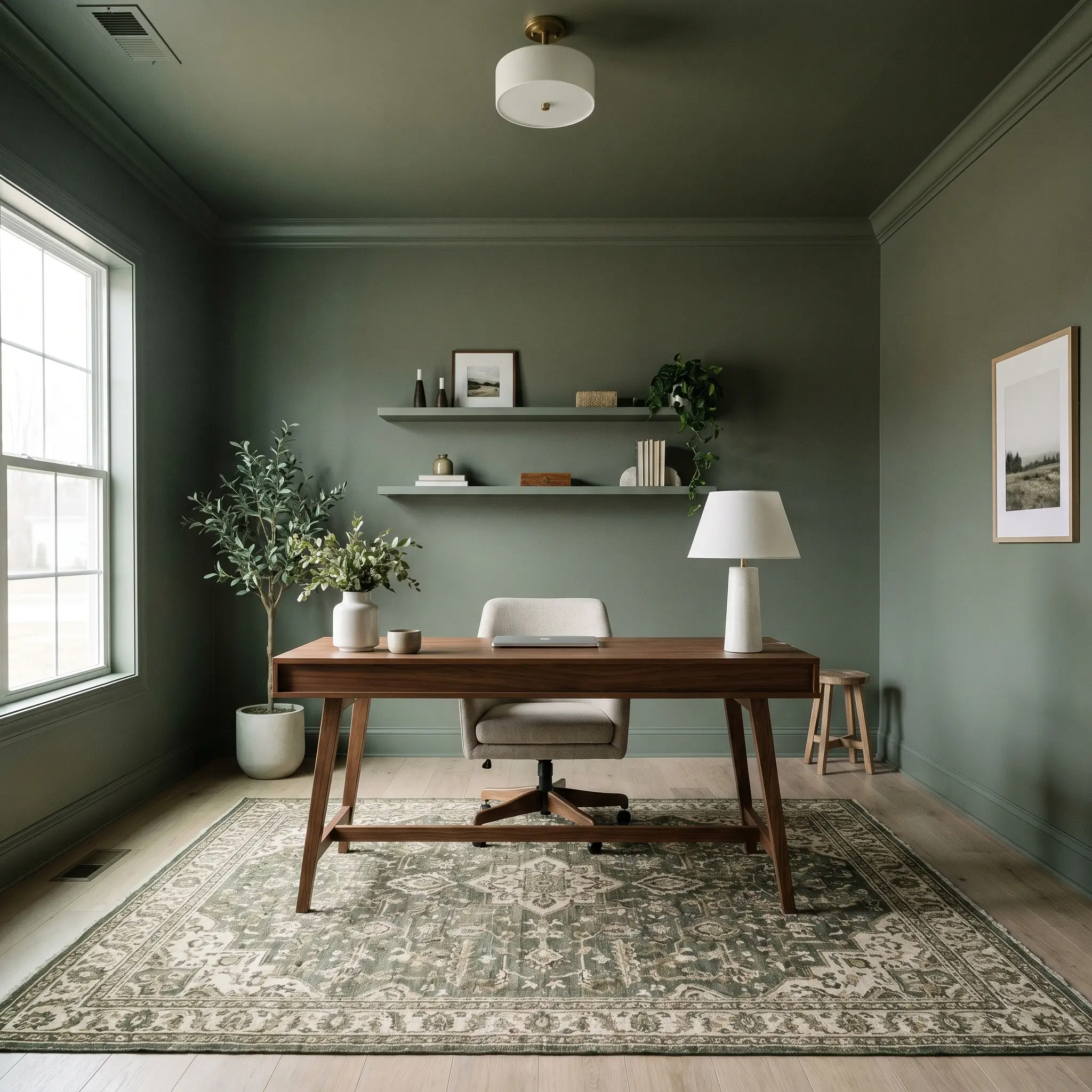
Home offices demand an atmosphere of quiet focus, and wrapping the room in this color instantly reduces visual noise. Consider color-drenching the space—painting the walls, baseboards, and crown molding in the exact same finish. This technique blurs the architectural boundaries, making standard-sized rooms feel incredibly enveloping and custom-built.
Furnish the space with a sleek trestle desk and a vintage, block-print rug to balance the solid walls with a layer of intricate pattern.
Defining the Exterior Facade
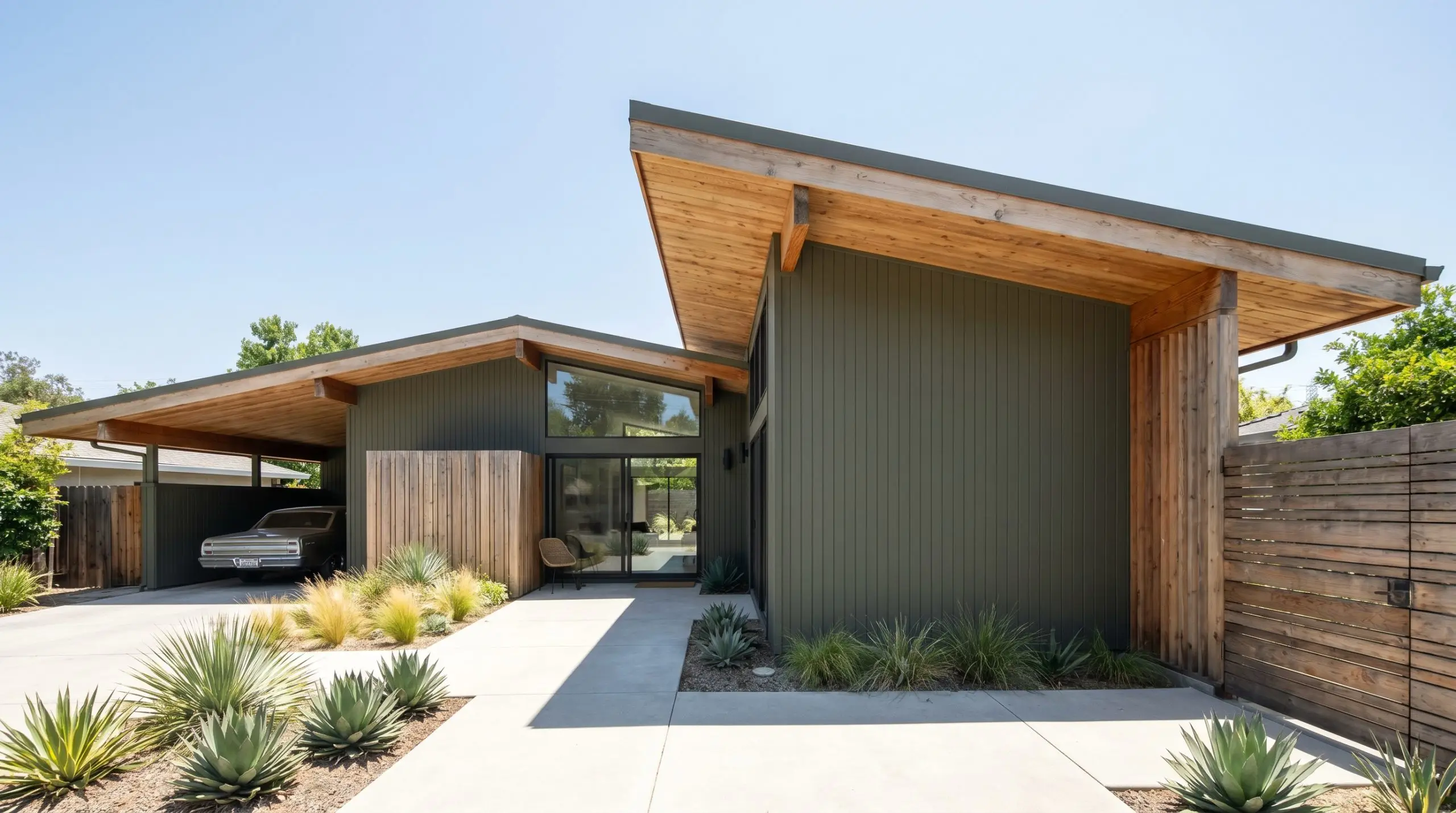
When applied to exterior siding, this color confidently roots the home into its surrounding landscape. It performs exceptionally well on mid-century modern facades or traditional board-and-batten homes, absorbing the harsh sunlight while maintaining its rich color structure.
Pair it with raw cedar architectural accents and matte black exterior sconces for a striking, textural contrast.
Be highly intentional when using this color directly against red brick exteriors. Green and red are complementary colors, meaning they visually intensify one another. Placing this muted olive next to a vibrant red brick will instantly amplify the green cast, potentially making it look much brighter and less neutral than you intended.
Clash Warning (The Red Brick Effect)
Will Rosemary work with your specific lighting, floor, or furniture?
Elevating Transitional Utility
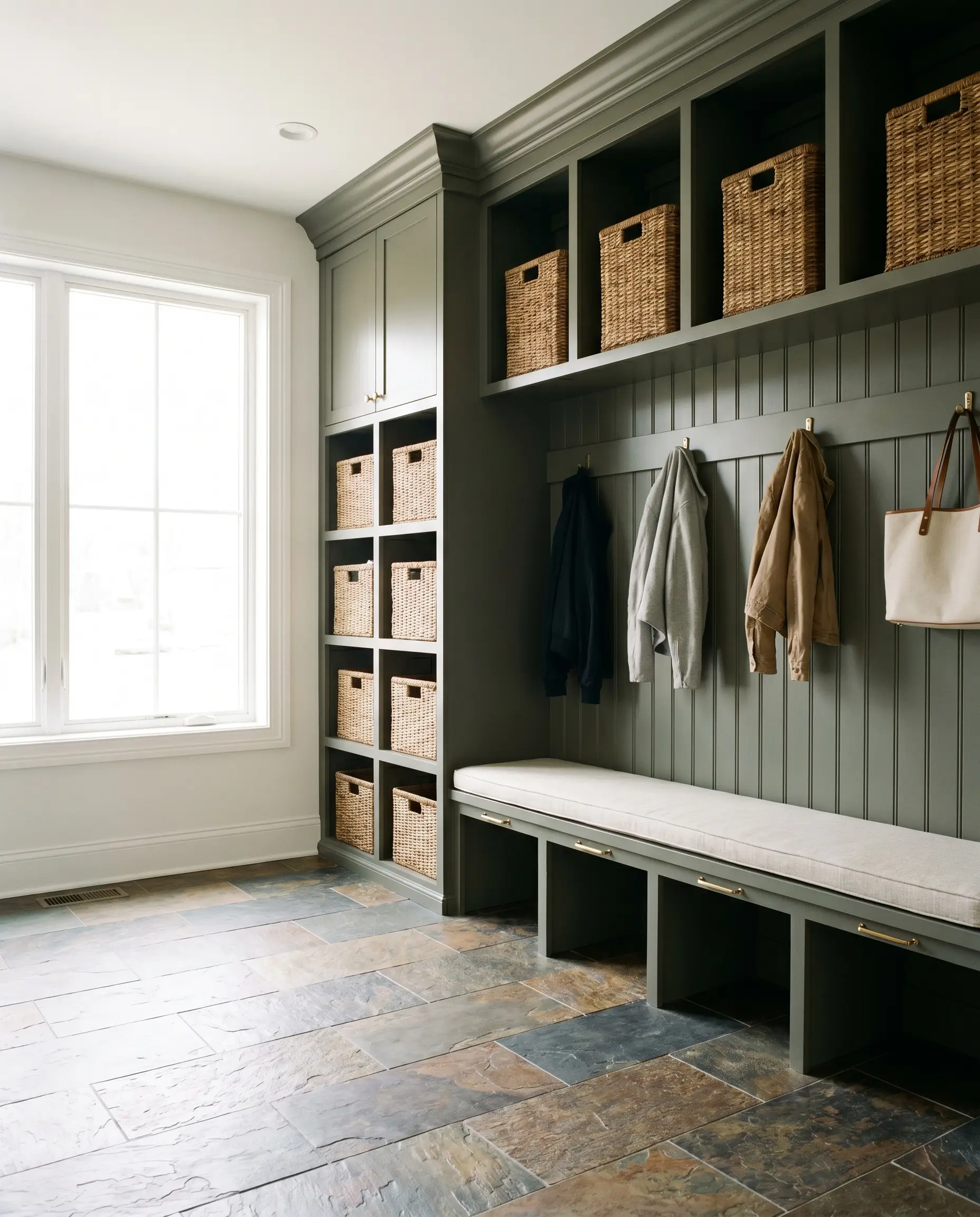
Mudrooms and drop zones often lack architectural character, making them the perfect canvas for a saturating color. Paint the built-in cubbies and beadboard backing entirely in this shade to establish a durable, sophisticated foundation. Pair it with a highly practical, patterned slate floor and woven rattan baskets to introduce essential warmth and texture.
Curating Your Palette: Best Pairings for SW 6187
The secret to building a cohesive room around this dense pigment is understanding how it responds to contrast. It thrives when placed next to materials that either share its organic warmth or offer a crisp, luminous counterpoint.
Trim & Baseboards
To create a tailored, definitive boundary, you need a white trim that offers enough warmth to avoid looking stark.
Hardware, Wood & Material Pairings
The tactile elements you bring into the room will physically alter how this paint is perceived.
Coordinating Colors
When building a broader palette, look for secondary colors that either enrich the earthy vibe or provide a soft, atmospheric lift.
Aesthetic Integrations: Styling This Muted Gray-Green
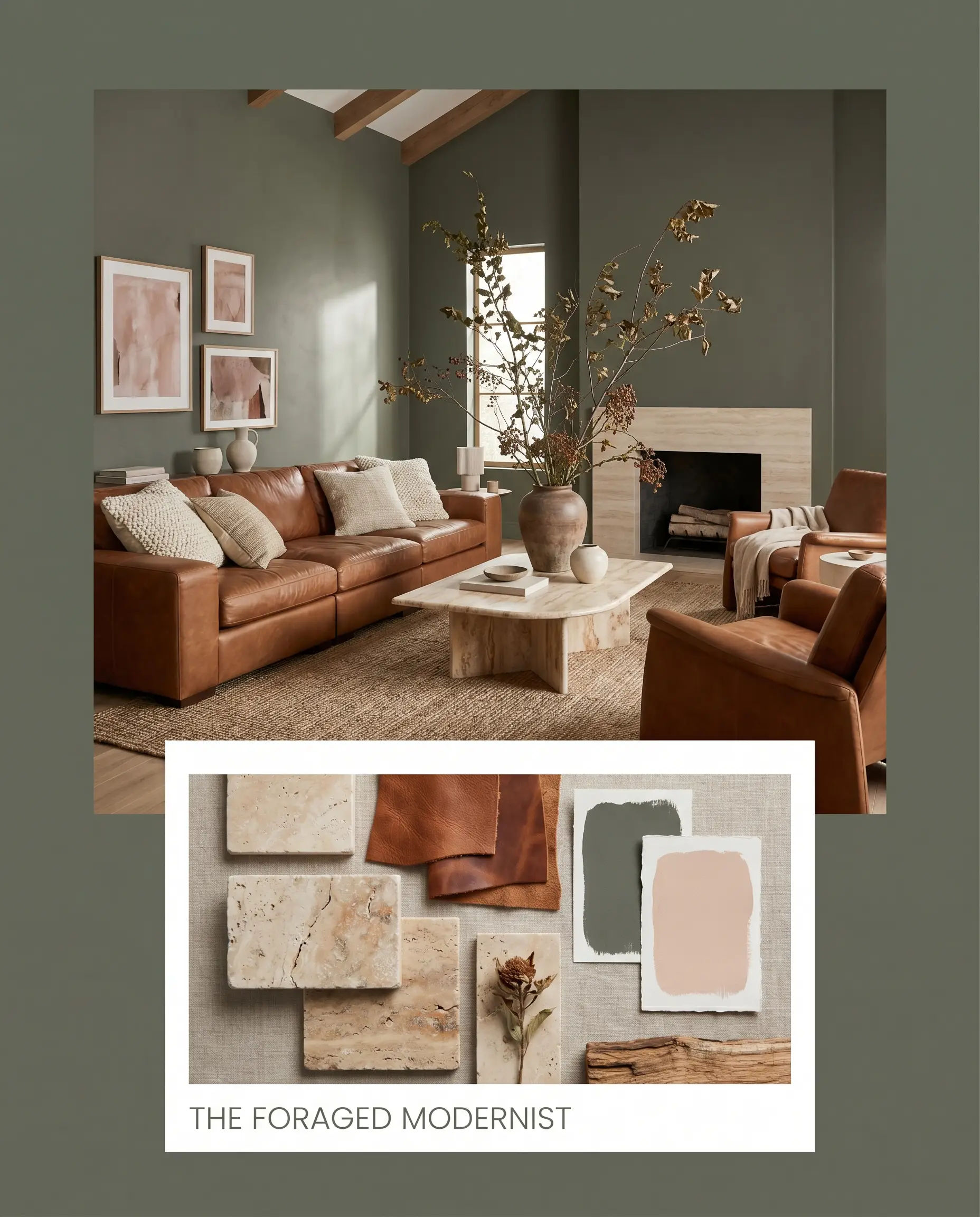
The Foraged Modernist This palette relies on raw textures and biophilic design principles to create a serene, tactile environment. The dense olive walls serve as the foundation, layered with tumbled travertine accents and rich saddle leather seating. A subtle accent of Setting Plaster softens the visual weight, while foraged branches and abstract ceramics complete the organic modern vibe.
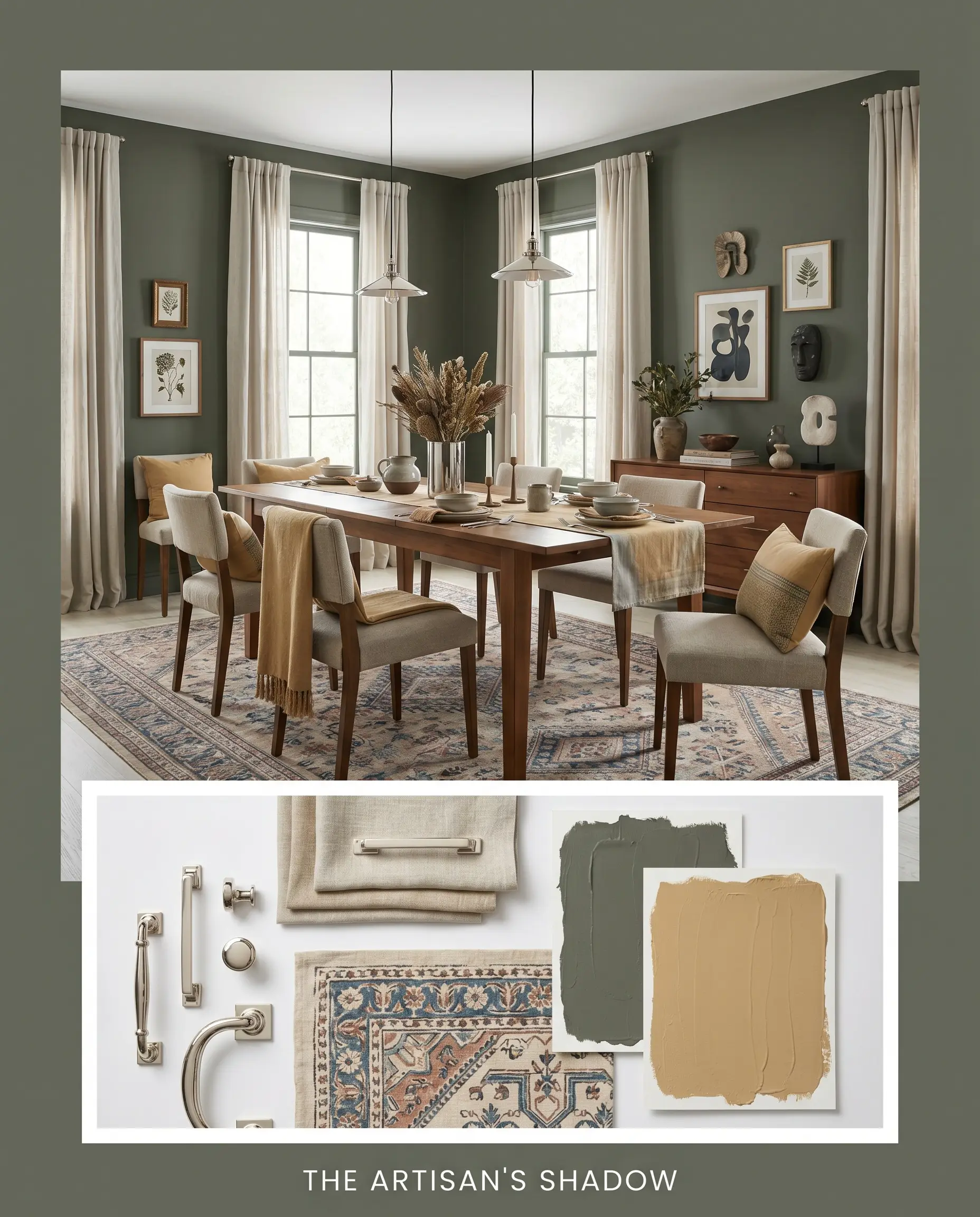
The Artisan’s Shadow This combination leans into a more tailored, eclectic energy. The muted green is instantly elevated by the sharp, reflective gleam of polished nickel hardware and the warm, golden punch of Tarnished Trumpet textiles. Linen drapery and a vintage, block-print rug introduce essential softness, ensuring the high-contrast elements feel curated and intentional rather than harsh.
Will Rosemary work with your specific lighting, floor, or furniture?
Head-to-Head: Sherwin-Williams Rosemary vs. The Competition
Sometimes, the architectural constraints of your home dictate that a color simply won’t perform as expected. If your lighting is pulling the wrong undertones forward, you may need to pivot to a rival shade.
Sherwin-Williams Rosemary SW 6187 vs. Sherwin-Williams Pewter Green SW 6208
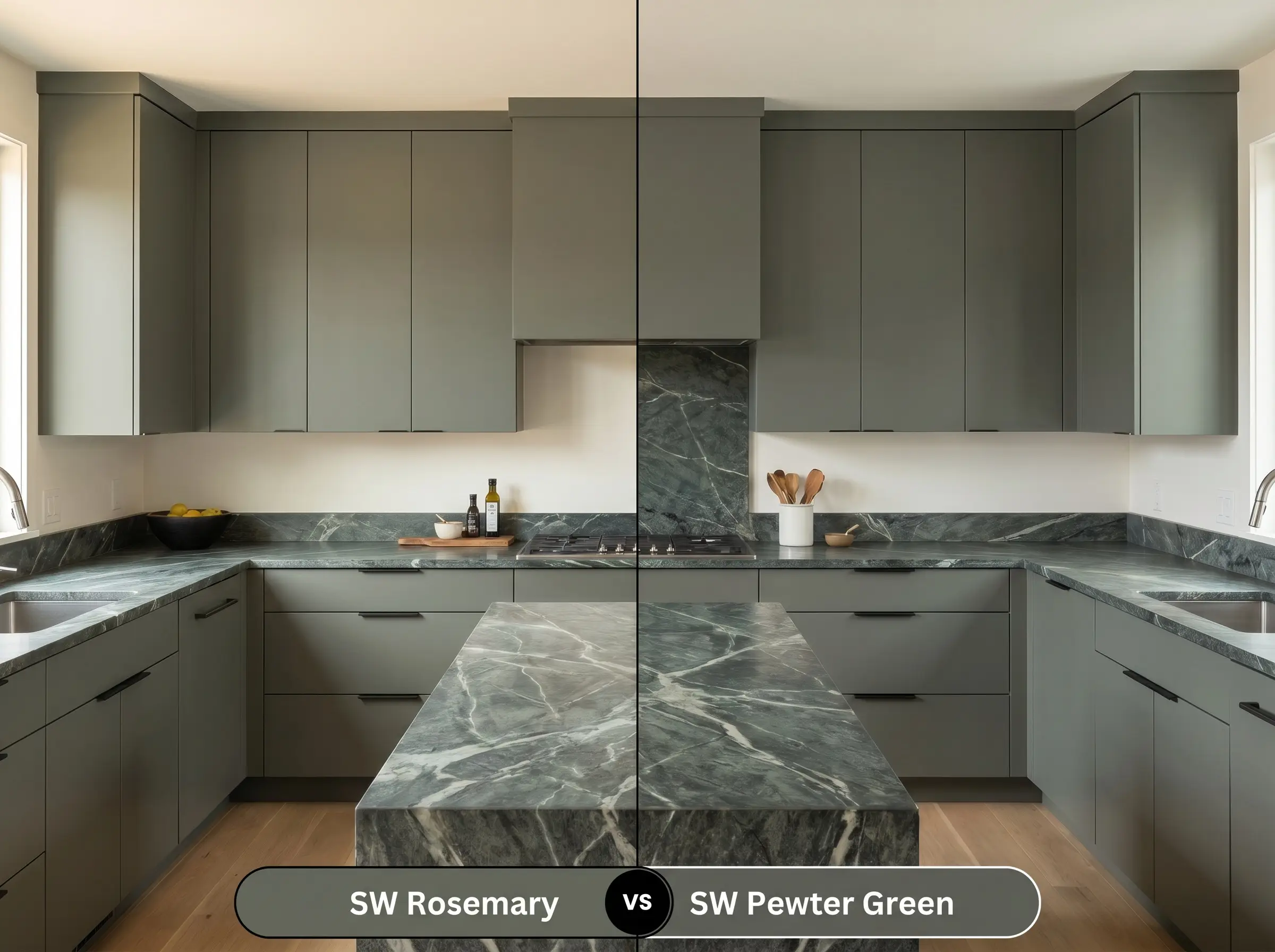
Pewter Green shares a similar depth but carries a significantly cooler, more dominant gray undertone. If your room receives an abundance of warm south-facing light and Rosemary is pulling too yellow or muddy for your taste, Pewter Green will maintain a crisper, more silvery-olive appearance on the wall.
Sherwin-Williams Rosemary SW 6187 vs. Sherwin-Williams Retreat SW 6207

Retreat is noticeably lighter and leans slightly more toward a dusty, blue-green cast. If Rosemary feels too dense or light-absorbing for a small, windowless space, Retreat offers a similar earthy atmosphere but reflects more ambient light, making the room feel slightly more expansive.
Sherwin-Williams Rosemary SW 6187 vs. Benjamin Moore Sussex Green HC-109
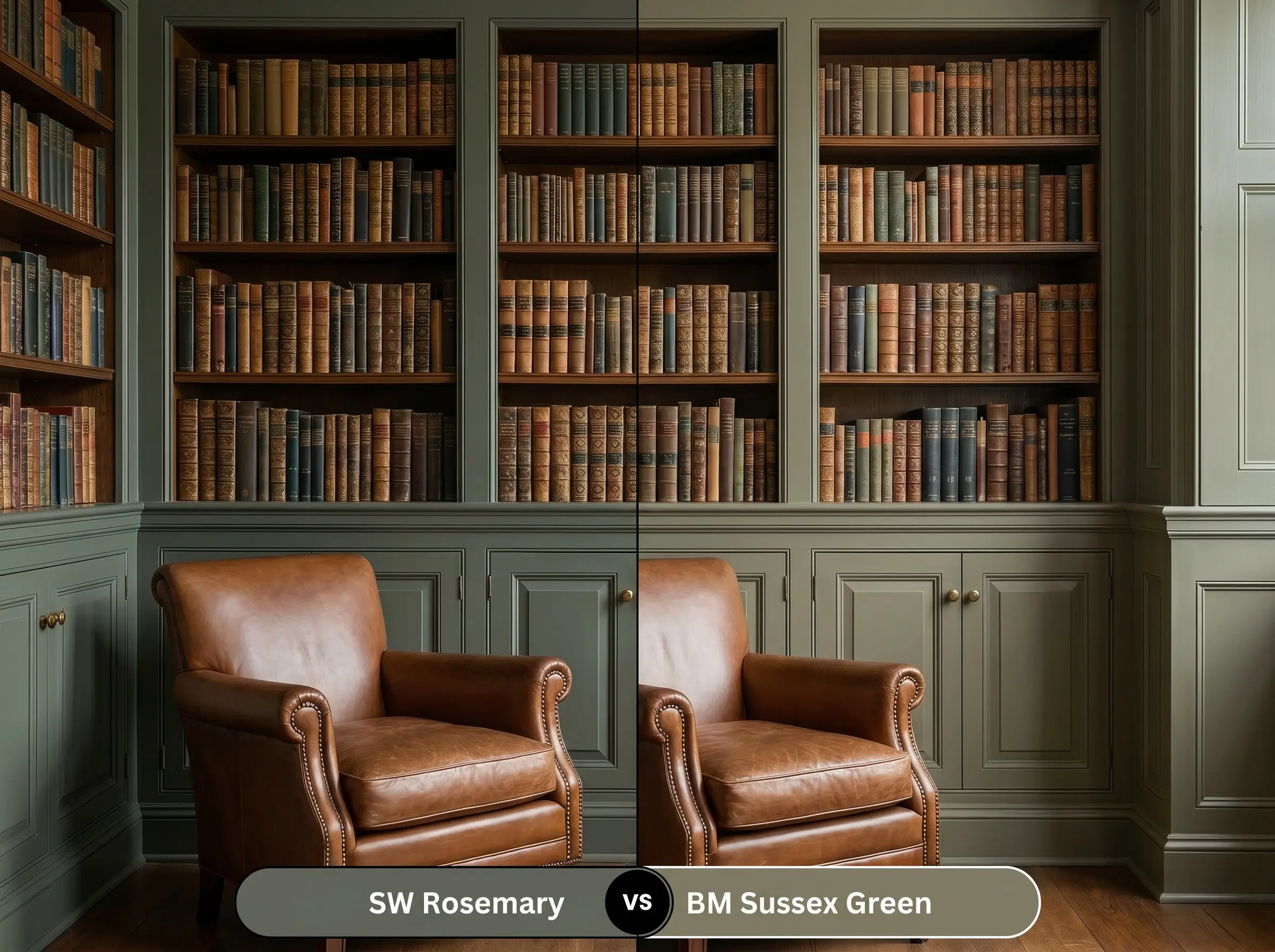
Will Rosemary work with your specific lighting, floor, or furniture?
Sussex Green is a much warmer, decidedly more yellow-based olive. If you are trying to create a highly traditional, heritage aesthetic and the gray base of Rosemary feels too modern or stark under your artificial lighting, Sussex Green provides that rich, historical warmth immediately.
Exploring Alternatives to This Dark Olive Green
If you love the foundational DNA of this color but need a slight adjustment in depth or brand availability, these alternatives deliver a remarkably similar atmosphere.
Similar Colors from Sherwin-Williams
Cross-Brand Equivalents
Executing the Perfect Cabinetry Finish and Wall Application
Transitioning this color from a sample swatch to a flawless architectural finish requires a strategic approach to sheens and prep work.
Because this is a deeply saturated color, a tinted primer is absolutely mandatory. Using a standard white primer will force you to apply three or four coats of the green to achieve true opacity.
Dark, matte colors are notorious for “flashing”—a visual failure where uneven roller marks or touch-ups catch the light differently than the rest of the wall. To avoid this, maintain a strictly wet edge while rolling, and never go back over a section that has already started to dry.
Hackrea Design Secret (The Flashing Risk)
Frequently Asked Questions
Because of its dense gray base, it actually performs beautifully on textured surfaces. The stucco’s shadows will simply deepen the color, though you should test it on a south-facing wall to ensure the direct sun doesn’t pull out too much of the yellow-brown undertone.
At 3000K, the lighting is warm but relatively neutral. This specific temperature perfectly balances the paint, allowing both the earthy green and the sophisticated gray to share the stage without looking overly stark or excessively muddy.
Yes, but you must bridge the temperature gap. The gray base in the paint will converse with the cool floors, but you should introduce warm metals like unlacquered brass or natural wood accents to keep the kitchen from feeling cold and industrial.
Red and green are complementary colors, so placing them side-by-side physically intensifies both. The red brick will pull the green cast forward aggressively, making the paint look significantly more vibrant and less neutral than it appears on a swatch.
The Final Verdict on Rosemary SW 6187
Sherwin-Williams Rosemary SW 6187 is a masterful architectural tool for anyone looking to establish immediate, enveloping warmth without relying on predictable browns or grays. Its complex balance of dense green, muted gray, and subtle yellow-brown makes it the ultimate chameleon, capable of shifting from a moody, heritage library to a sleek, organic modern kitchen. It is perfectly suited for homeowners who want to saturate a space with sophisticated color that still behaves like a grounding neutral.
However, this dense pigment requires intentional lighting and material curation to succeed. If you are outfitting a space dominated by stark, icy white countertops, cool-toned led lighting, and chilly gray textiles, this earthy olive will physically fight its surroundings. The warmth of the green will clash against the sterile elements, making the paint look muddy and the room feel disjointed.
To unlock its true potential, you must commit to pairing it with organic textures, warm metals, and lighting that respects its historical, earthy roots.
Room Compatibility & Clashes Diagnoses
Hackrea's reports evaluating the compatibility of Rosemary in real rooms.Traditional Multi-Exposure Living Room and Foyer
"The paint's rich botanical depth anchors the honey oak floors and traditional textiles, though low light reflectance introduces stark contrast against crisp white trim."
North-Facing Kitchen with White Tiled Counters
"The paint's organic green undertones pair seamlessly with the warm oak floors, but its deep value creates severe visual contrast against the white appliances and tile under cool northern exposure."