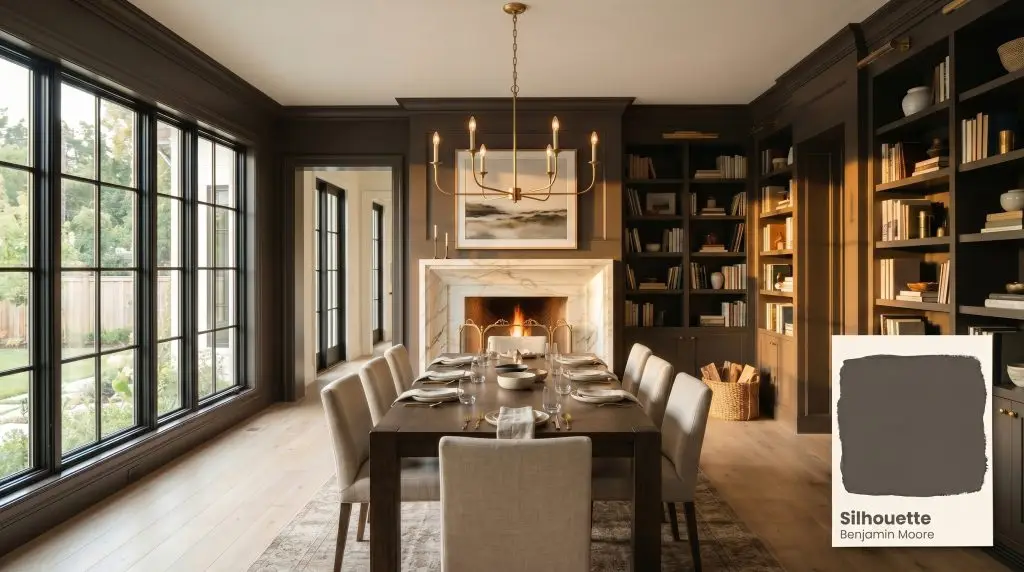
Silhouette AF-655
Benjamin MooreBenjamin Moore Silhouette (AF-655) is a deep, sultry espresso brown heavily muted with charcoal. With an LRV of 10.18, it acts as a dramatic, moody neutral. It features subtle red and violet undertones that prevent it from feeling flat, shifting beautifully depending on the lighting.
Paint Technical Profile
| Color ID / SKU | AF-655 |
| HEX Code | #57504C |
| Light Reflectance (LRV) | 10.18 |
| Use | Interior, Exterior |
| Best Exposures | South-facing or well-lit rooms |
| Best For | Accent walls, cabinetry, powder rooms, exterior trim, dining rooms |
Real-World Inspiration Be the first to upload a real photo of Silhouette!
No Photos Yet
Includes +20 First Upload Bonus!
Real Experiences
Insights from people who have used Silhouette.No reviews yet
Be the first to share your experience with Silhouette.
Earn 15 points instantly!
Benjamin Moore Silhouette AF-655: The Ultimate Dark Brown Paint Guide for a Cocooning Atmosphere
You want a space that feels deeply grounding, luxurious, and enveloping. You are craving the sophistication of a dark hue, but you are rightly avoiding the stark, unforgiving nature of pure black or the sterile coldness of standard charcoal gray.
Benjamin Moore Silhouette AF-655 is the exact answer to this architectural dilemma.
As a standout star of the Affinity Color Collection, this shade is a masterfully engineered moody neutral. It bridges the gap between deep earth tones and industrial shadows. However, wielding a color this dark requires strict adherence to color science and lighting rules. We are going to break down exactly how to harness this heavy, sultry gray-brown without turning your home into a muddy cave.
The Color DNA: Decoding Benjamin Moore Silhouette
Understanding how this paint operates on your walls requires looking past the paint chip and dissecting the math. This is a complex, heavily muted shade that relies entirely on its hidden chemical makeup to succeed.
Because of its light reflectance value of exactly 10.18, this shade is a massive light-absorber. It sits near the darkest end of the spectrum. It will not bounce ambient light around your room; instead, it absorbs it, creating a grounded, heavy architectural presence.
Lighting Effects & Avoiding the Cave Effect
The biggest fear homeowners have with a 10.18 LRV is the dreaded “cave effect”—the anxiety that the room will feel claustrophobic, muddy, or unexpectedly purple. The secret to preventing this lies entirely in how you manipulate your lighting direction.
This paint is highly susceptible to color shifting based on the temperature of the light hitting it.
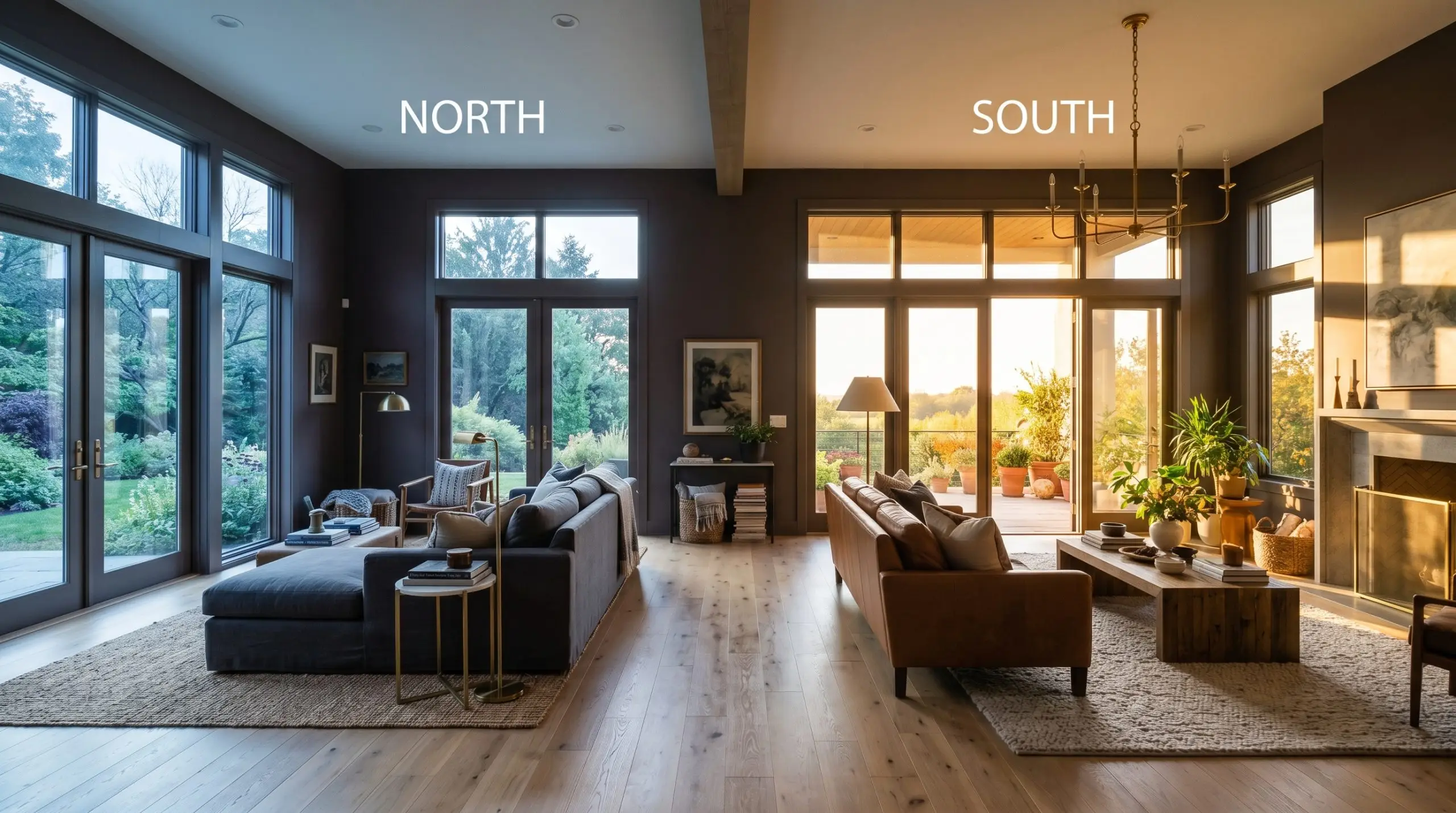
If your room lacks natural light entirely, you must rely on targeted, warm-toned accent lighting (like brass library sconces) to keep the espresso notes alive. Without intentional lighting, this shade will simply look like a flat, muddy shadow.
Hackrea Pro-Tip
Broad Room Applications for this Moody Neutral
Versatility is a dangerous word in interior design. While this rich brown can be used in multiple spaces, it demands intentionality. If you apply it blindly, it will swallow your room whole.
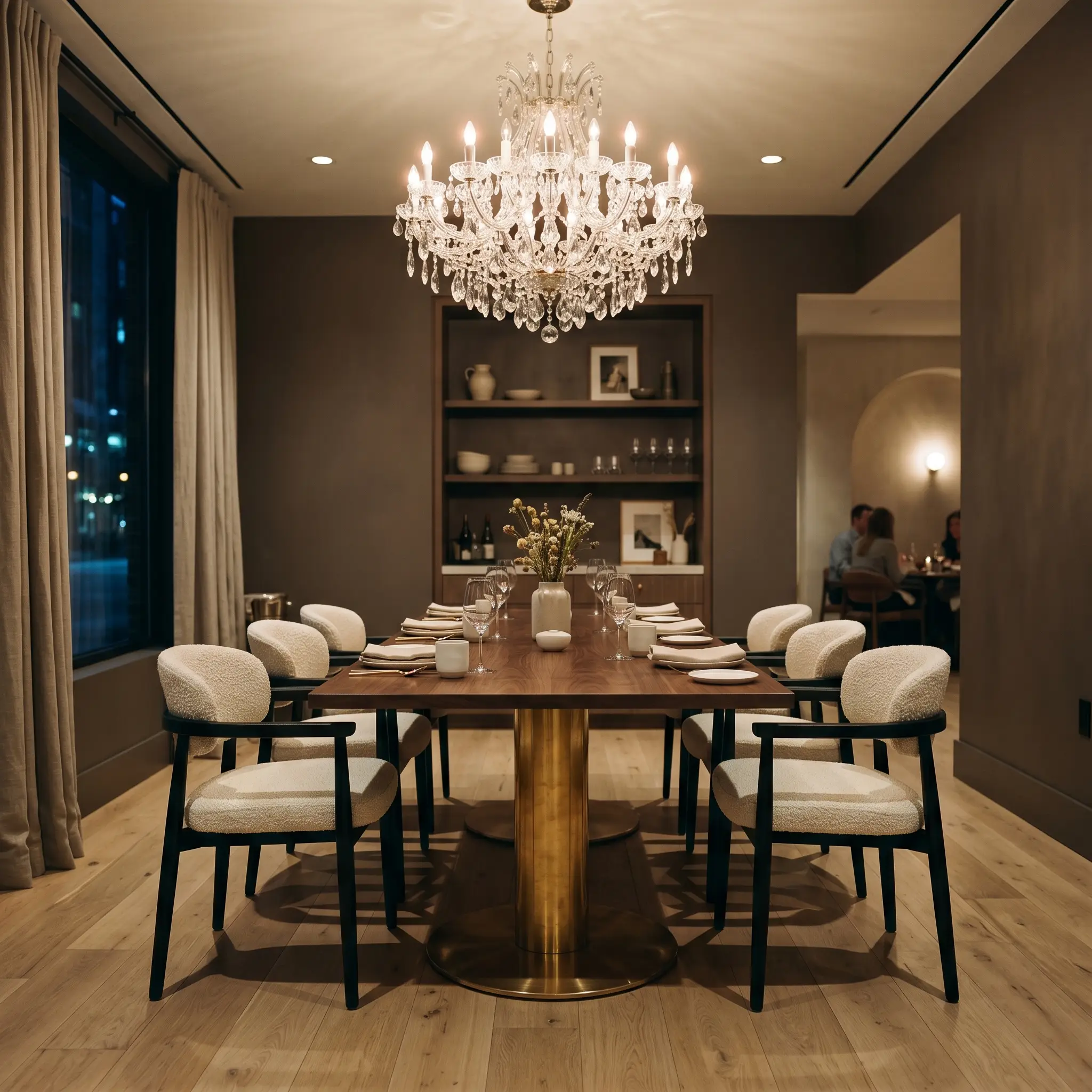
Dining Rooms
This is where the shade truly excels. By wrapping a dining space in this heavy neutral, you force the eye inward toward the dining table and the light fixture. It creates an instantly intimate, high-end restaurant atmosphere. You must pair it with a highly reflective centerpiece—like a crystal chandelier or polished metallic hardware—to bounce light back into the space and prevent the walls from feeling oppressive.
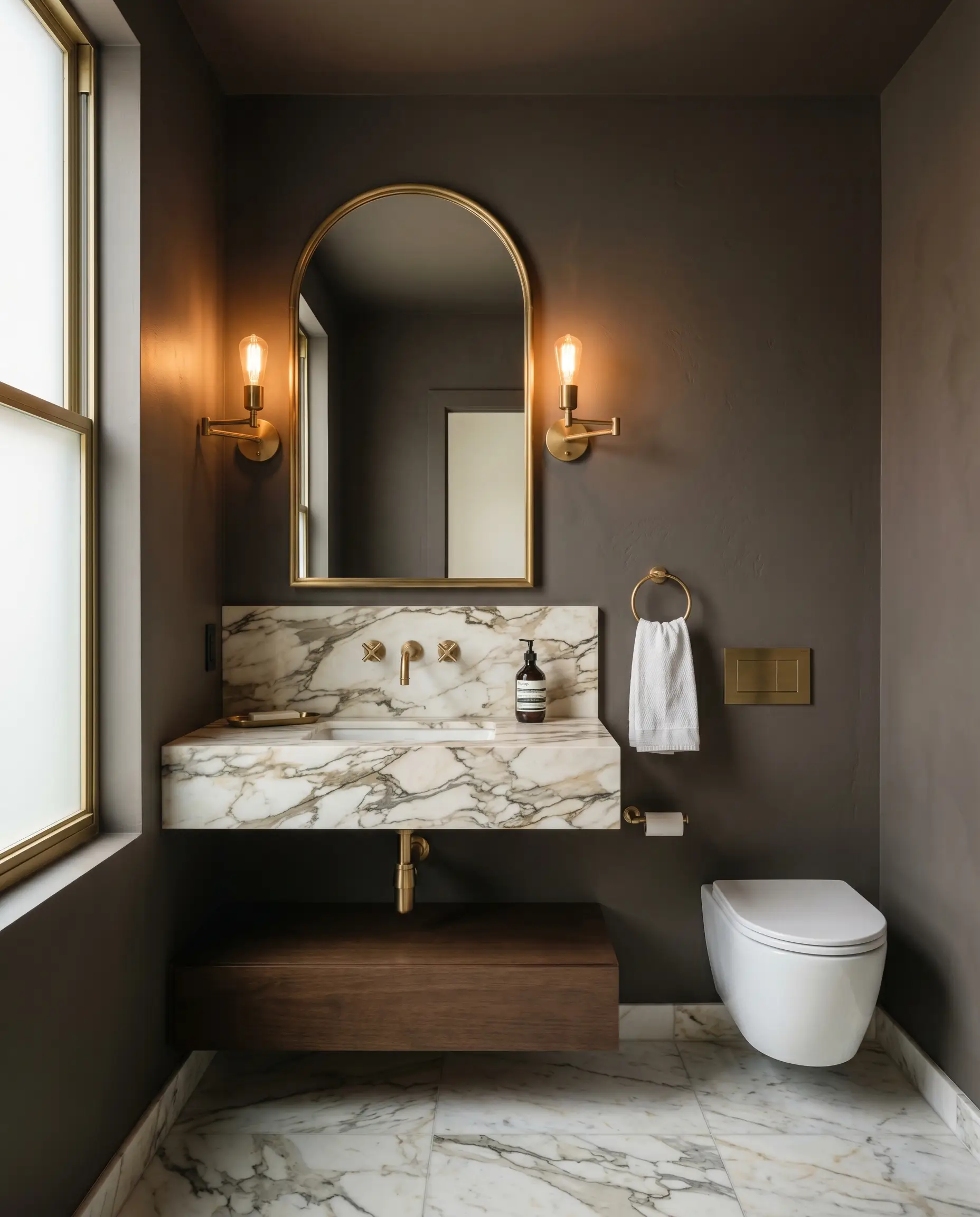
Powder Rooms
Small, windowless spaces are the perfect canvas for dark, saturated hues. Instead of fighting the lack of light, lean into it. Wrapping a powder room in this sultry gray-brown creates a dramatic, jewel-box effect. The key here is contrast: utilize brilliant white porcelain fixtures and heavily veined marble to punch through the darkness.
Bedroom Accent Walls
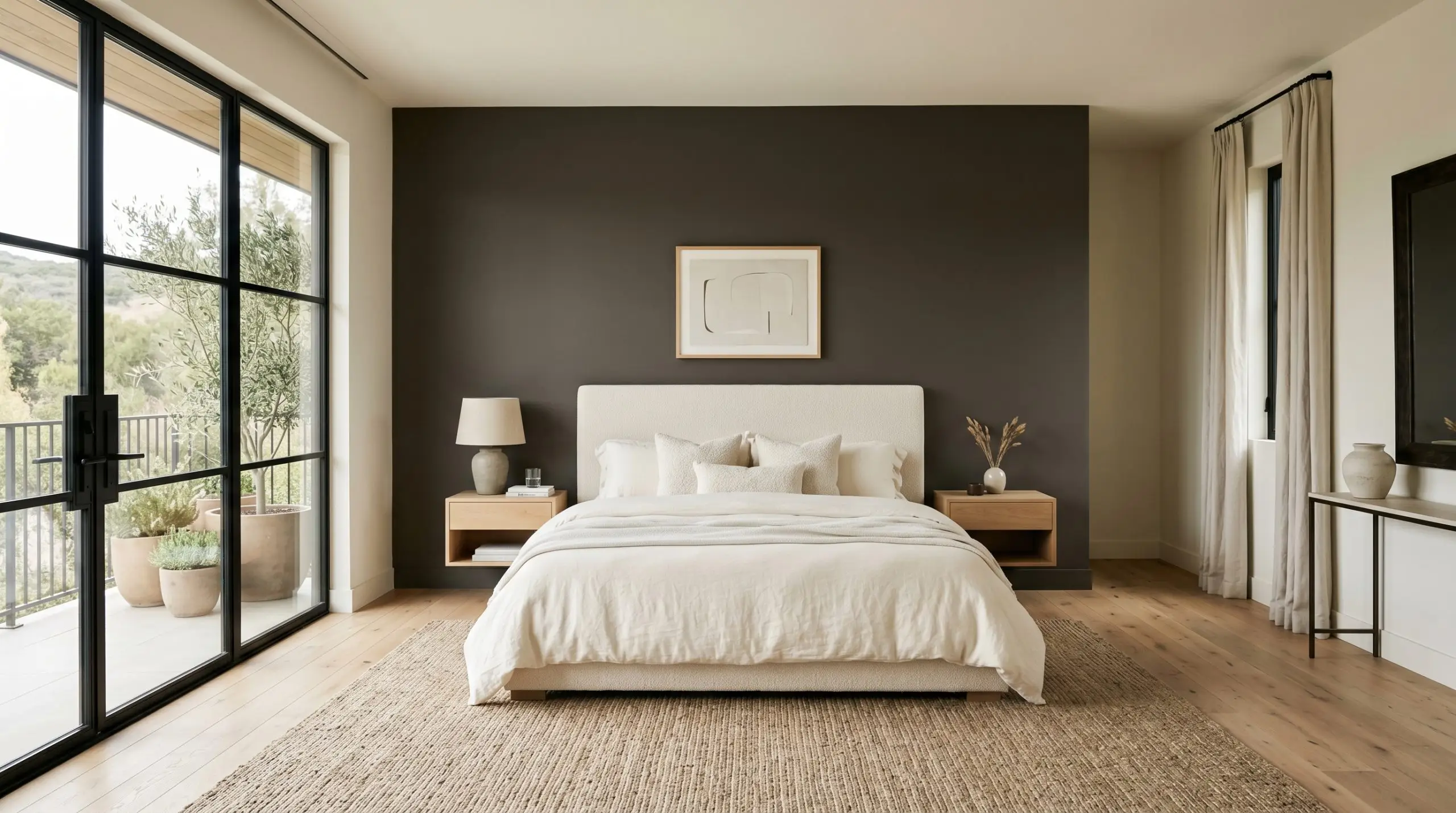
We generally advise against isolated accent walls, but this color is the exception if used as a massive headboard anchor. Painting the wall behind your bed in this espresso shade immediately grounds the furniture. It provides a visual heavy-weight that allows the rest of the room’s lighter textiles and creamy linens to breathe.
Exterior Trim
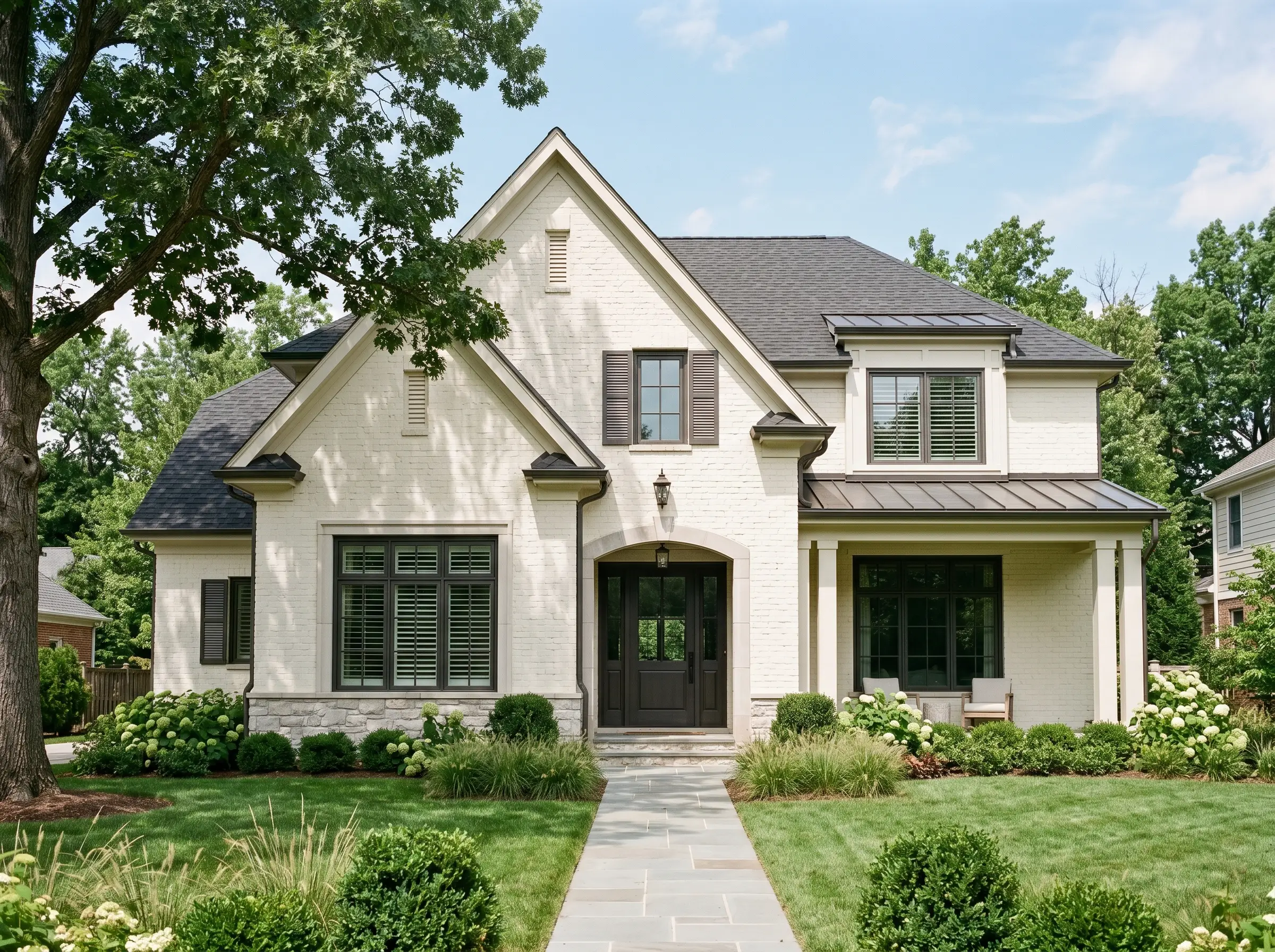
On exteriors, direct sunlight washes out dark colors significantly. Outside, this hue loses its violet nuance and reads as a crisp, warm charcoal. It is a phenomenal choice for window sashes, fascia boards, and shutters against a warm, creamy white stucco or painted brick exterior.
Signature Architectural Highlights
Beyond broad room applications, this specific formulation shines brightest when applied to distinct architectural features. These are the specific, high-impact applications where its color DNA does the heaviest lifting.
The Windowless Study
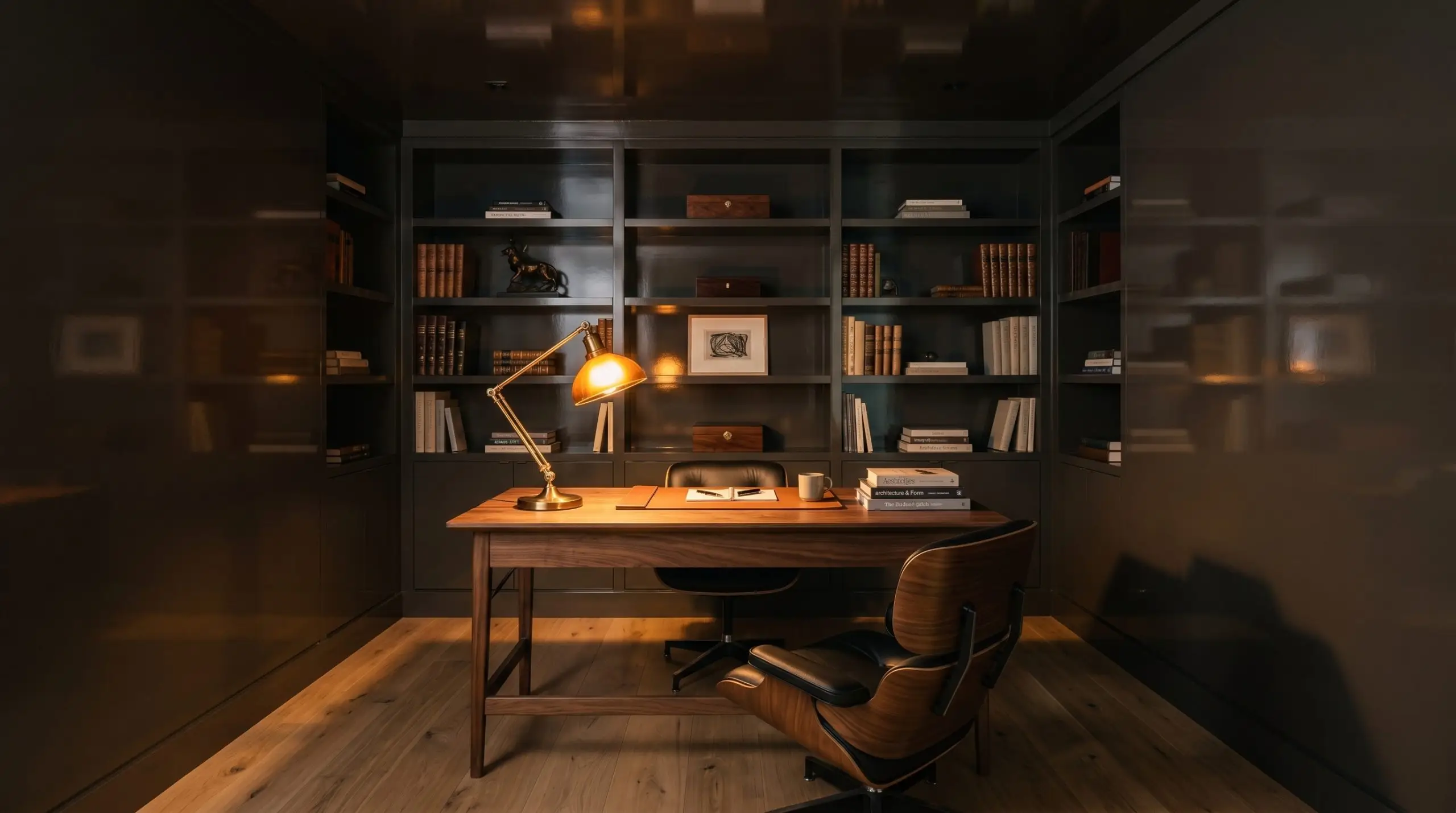
There is a distinct sensorial magic to applying this deep brown in a high-gloss finish across the walls, ceiling, and built-in bookshelves of a windowless study. The high-gloss sheen acts as a mirror, catching the amber glow of a desk lamp and bouncing it around the room. The glossy texture amplifies the violet undertones, creating a reflective, enveloping atmosphere that feels like stepping into a tailored suit.
Central Kitchen Cabinetry
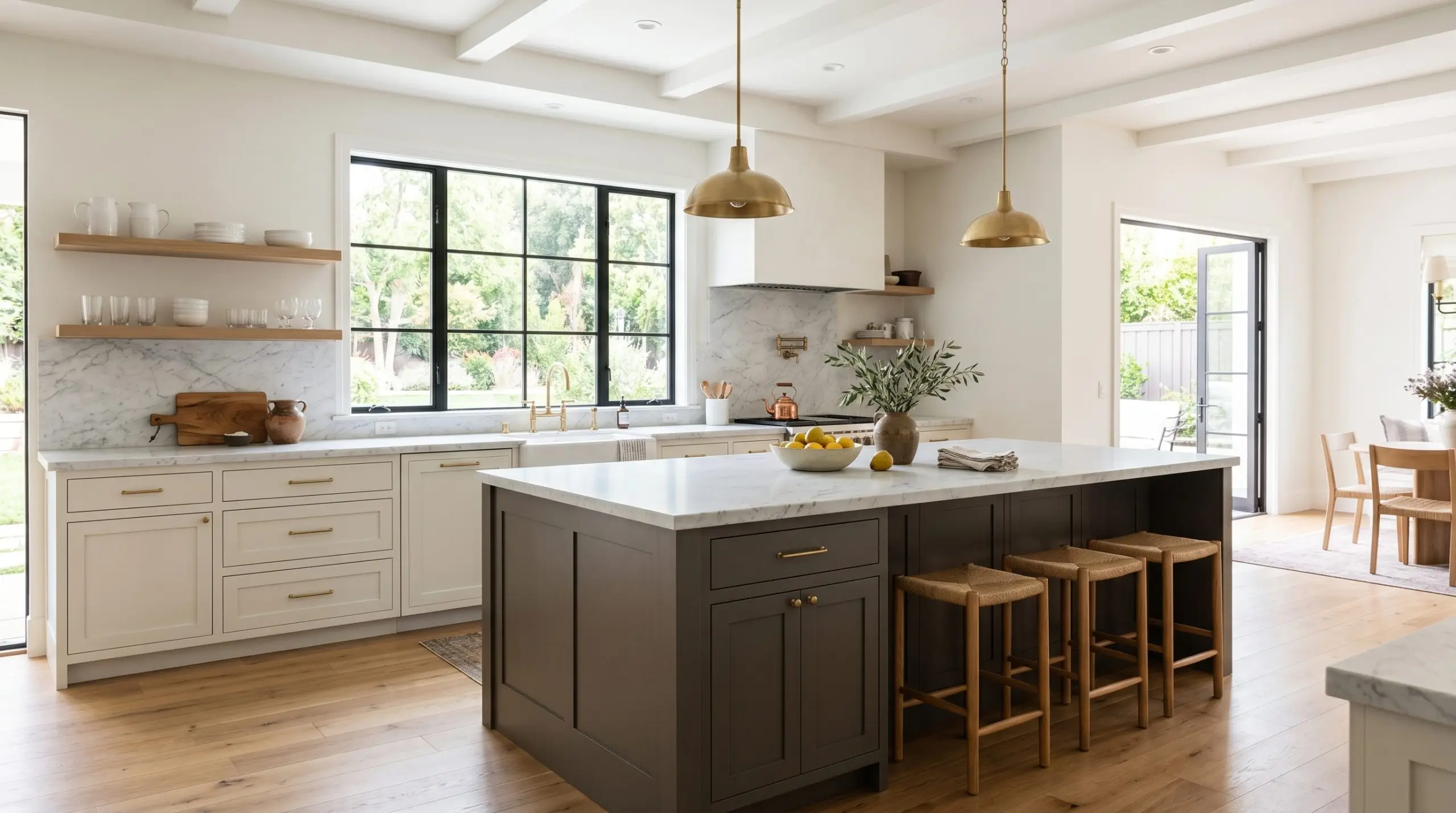
You can instantly ground a large, airy kitchen by painting the central island in this heavy shade. It provides a massive visual anchor against creamy white perimeter cabinetry. The stark architectural contrast between the light walls and the dark, monolithic island creates tension and visual interest. For a deeper dive into preparation, review our guide on how to paint kitchen cabinets to ensure a flawless finish.
Framing & Millwork
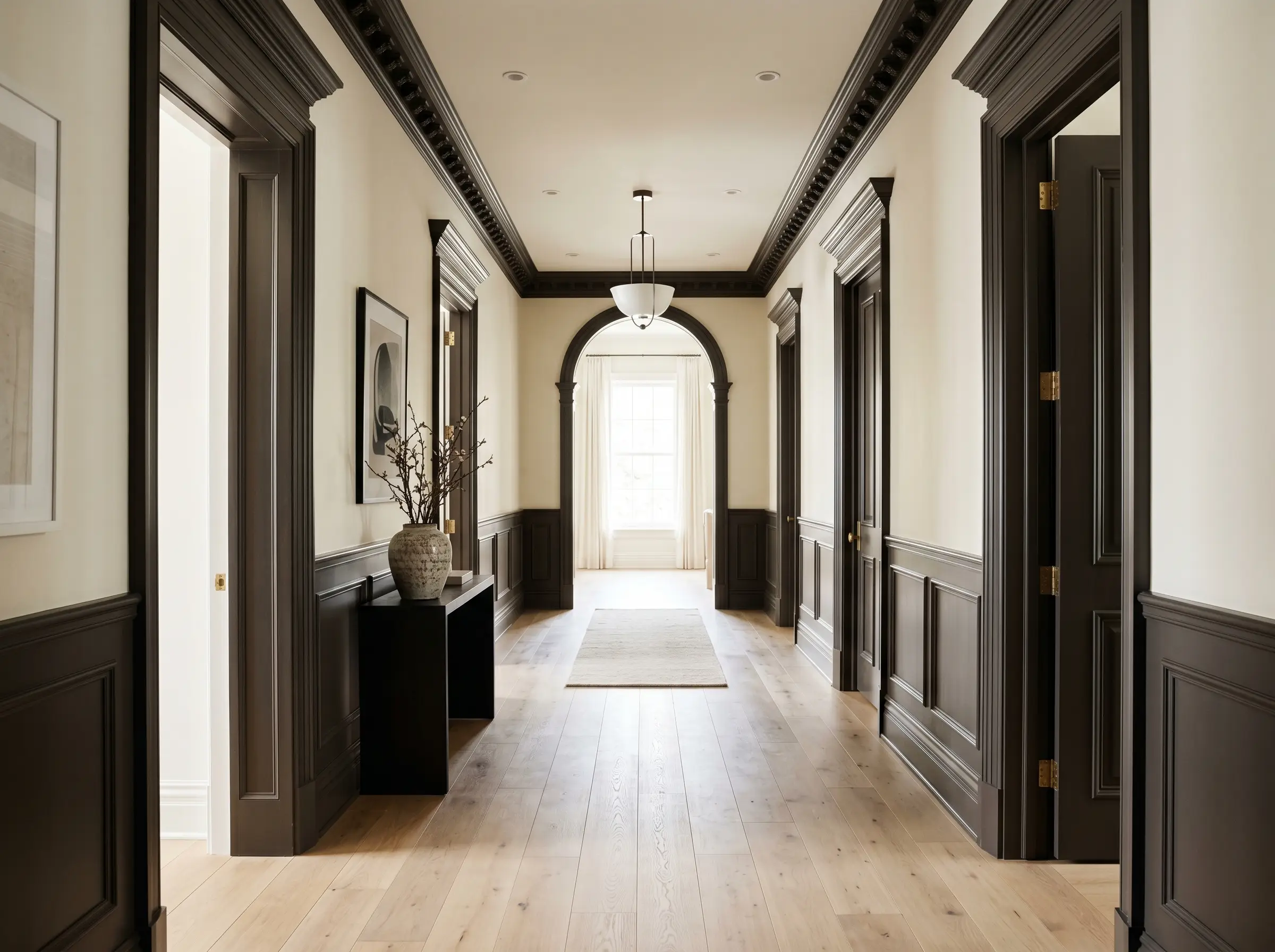
Drenching your baseboards, crown molding, wainscoting, and interior doors in this dark hue while keeping the walls neutral is a highly advanced design maneuver. It frames the room with heavy, sophisticated architectural weight. However, if you execute this, you must ensure your wall color shares a warm undertone; pairing this espresso trim with a cool, icy blue wall will result in a disastrous, disjointed clash.
The Ceiling Illusion
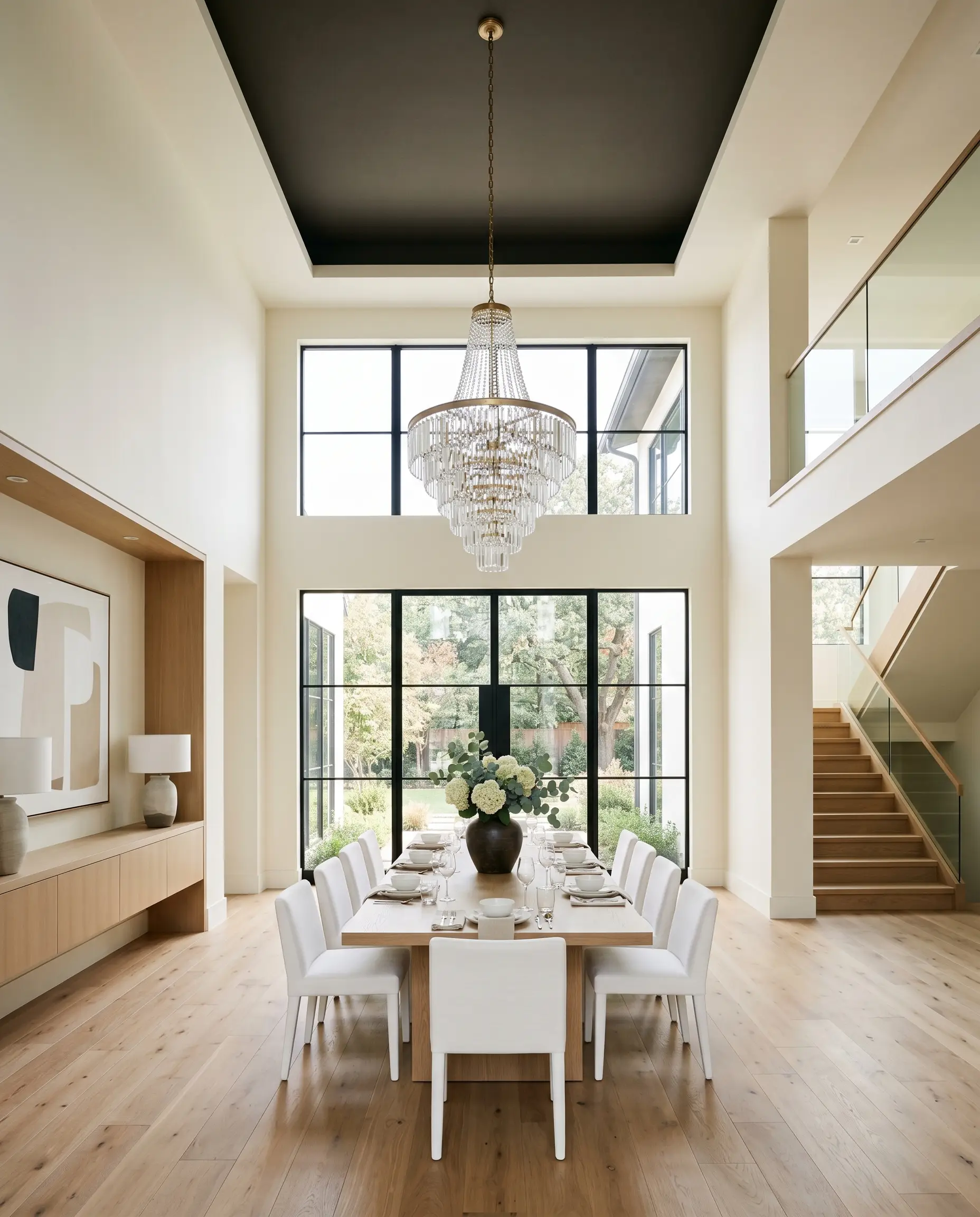
Applying this specific LRV to a tray ceiling or a tall dining room ceiling is a brilliant psychological trick. Dark colors recede in low light but advance in bright light. By painting a towering ceiling in this dark shade, you visually lower the height of the room. This instantly compresses the vertical volume, creating a more intimate, conversational atmosphere below.
The Accents Guide: Pairing Benjamin Moore Silhouette
A color this dark cannot survive in a vacuum. It relies entirely on the surrounding trim, metals, and coordinating colors to define its mood.
Baseboards & Trim
Hardware & Fixed Materials
Standard brushed nickel or shiny chrome will look cheap and discordant against this sultry hue. You must use unlacquered brass, aged copper, or polished nickel. The living finish of unlacquered brass provides a warm, luxurious contrast that cuts through the heavy charcoal base. Pair this with honed Carrara marble countertops and white oak wide-plank flooring to balance the visual weight.
The Color Math: Coordinating Hues
Never pair this color with a stark, blue-based white. The extreme contrast in both LRV and color temperature will make the brown look bruised and the white look clinical. Always read our guide on understanding paint undertones before finalizing your palette.
Hackrea Undertone Secret
Curated Mood Boards
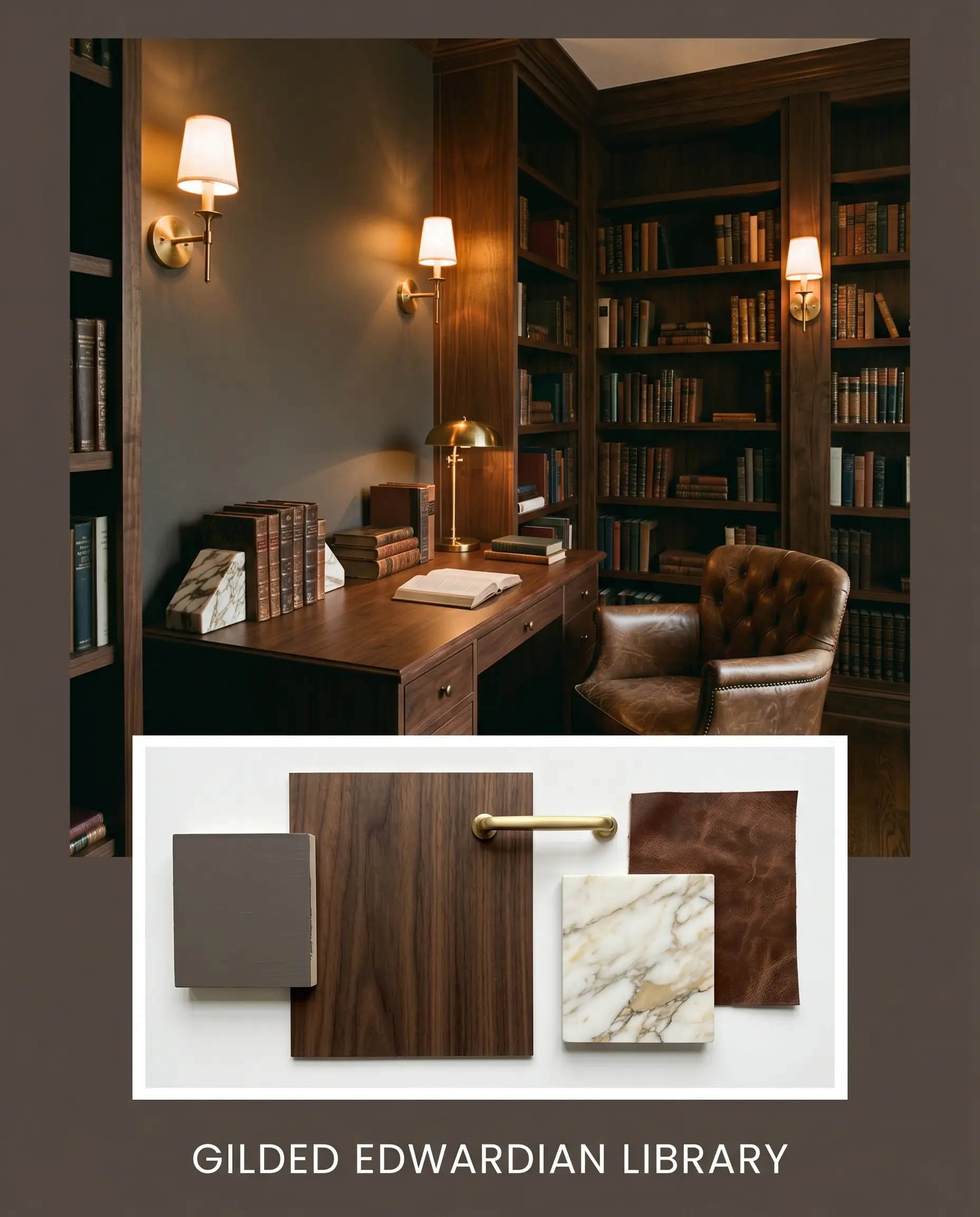
Gilded Edwardian Library: This palette relies on the tension between dark, absorbing walls and highly reflective, historic materials. By pairing the espresso walls with unlacquered brass library sconces, heavily veined Calacatta gold marble, and rich, dark walnut furniture, you create an atmosphere of old-world wealth. The brass cuts through the heavy 10.18 LRV, while the warmth of the walnut pulls the hidden plum undertones to the surface, resulting in a deeply academic, historic vibe.
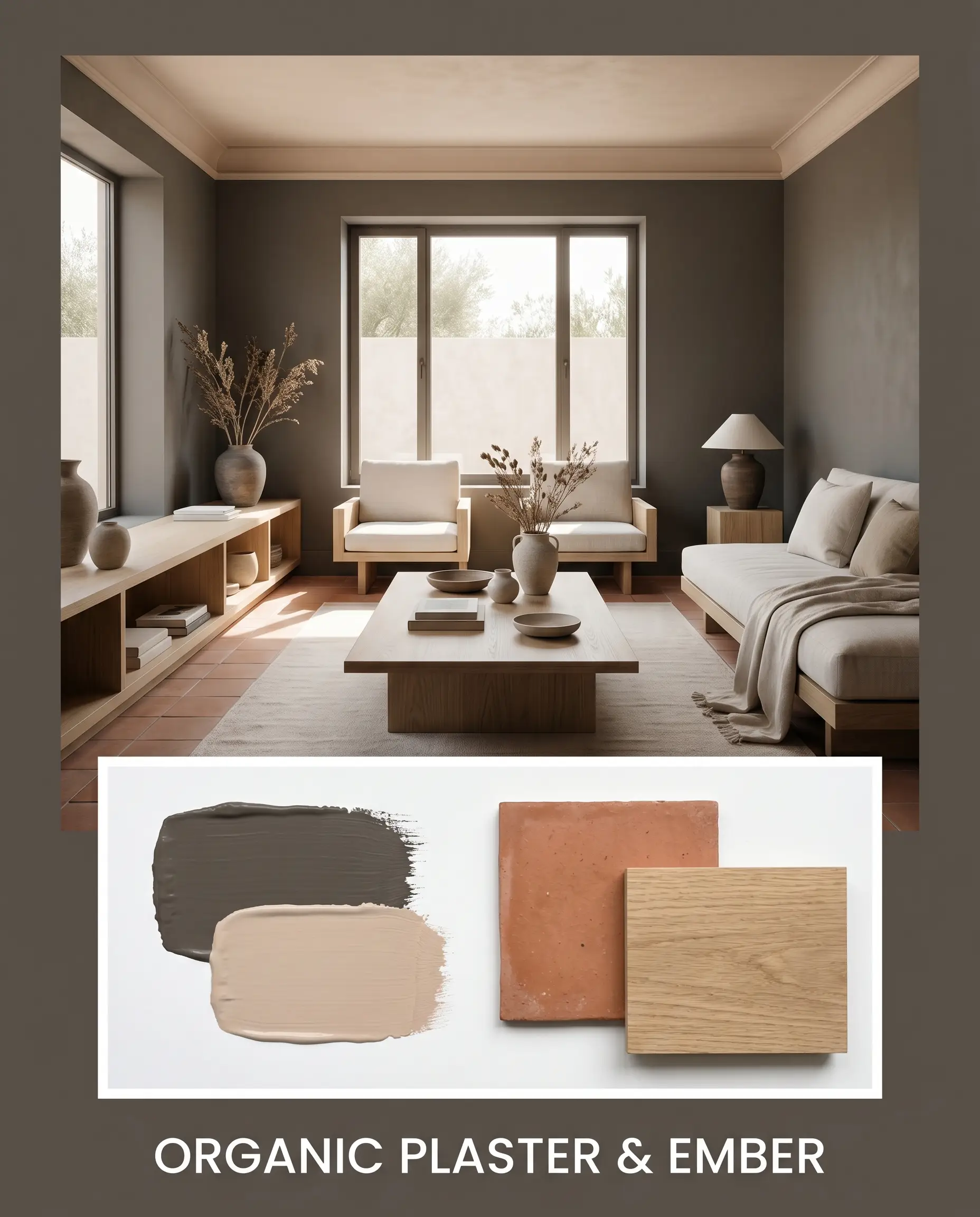
Organic Plaster & Ember: This aesthetic leans heavily into materiality and warmth. We pair the dark charcoal-brown with Farrow & Ball Setting Plaster on the ceiling and trim. The introduction of raw terracotta floor tiles and matte, white oak furniture grounds the space in nature. The dusty pink neutralizes the heavy shadows, resulting in a soft, sun-baked atmosphere that feels both earthy and highly curated.
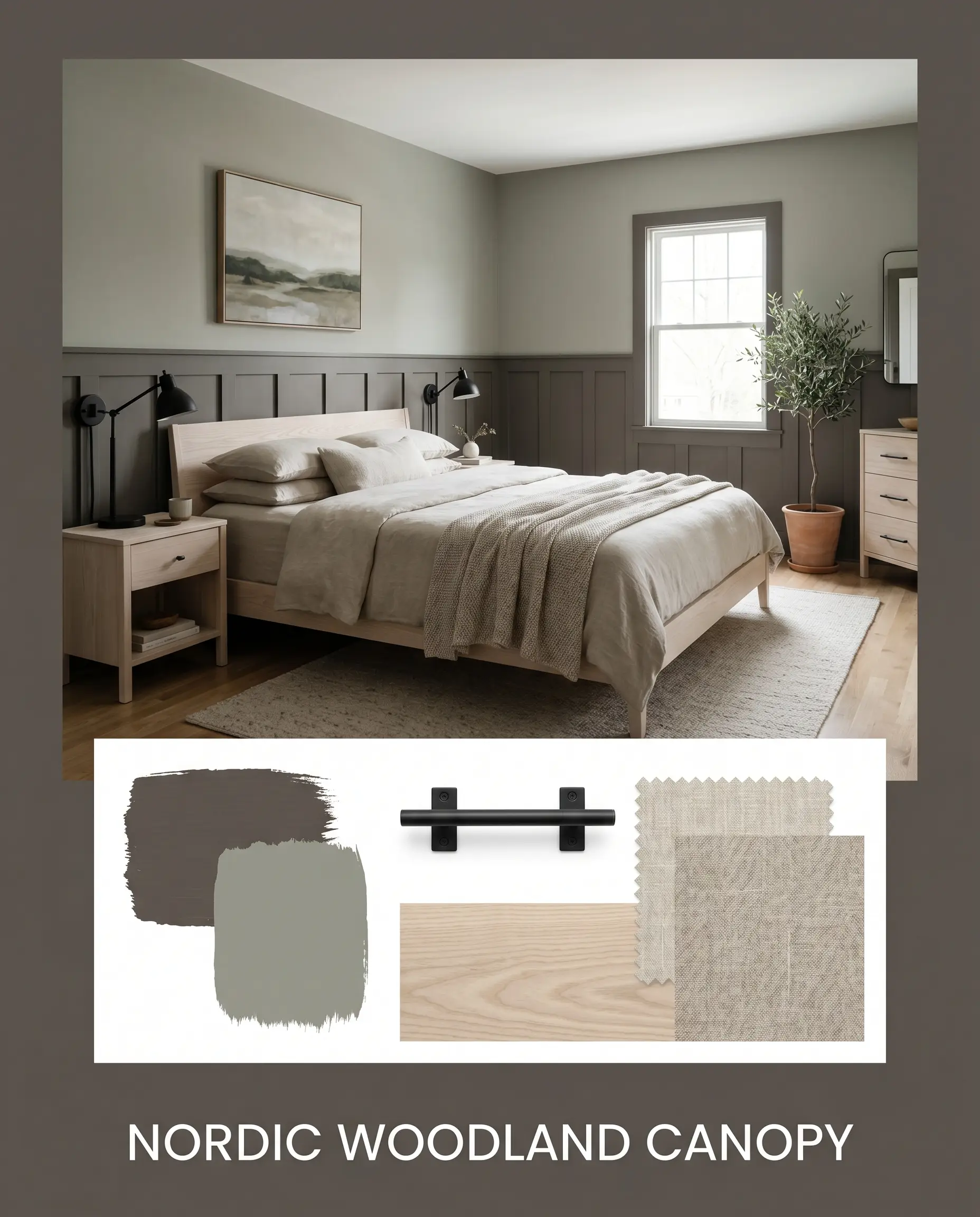
Nordic Woodland Canopy: This is a study in high-contrast environmental design. We utilize the dark brown purely on lower wainscoting, pairing it with Sherwin-Williams Evergreen Fog on the upper walls. Accented with matte black hardware, pale ash wood flooring, and heavy linen textiles, the palette mimics the shadows of a deep forest. The silvery green cools down the espresso base, pushing the charcoal notes forward for a crisp, organic modernism.
Head-to-Head Comparisons
When selecting a dark, moody neutral, microscopic differences in undertone dictate the entire feel of the room. Here is how it stacks up against its fiercest rivals.
Benjamin Moore Silhouette vs. Sherwin-Williams Urbane Bronze
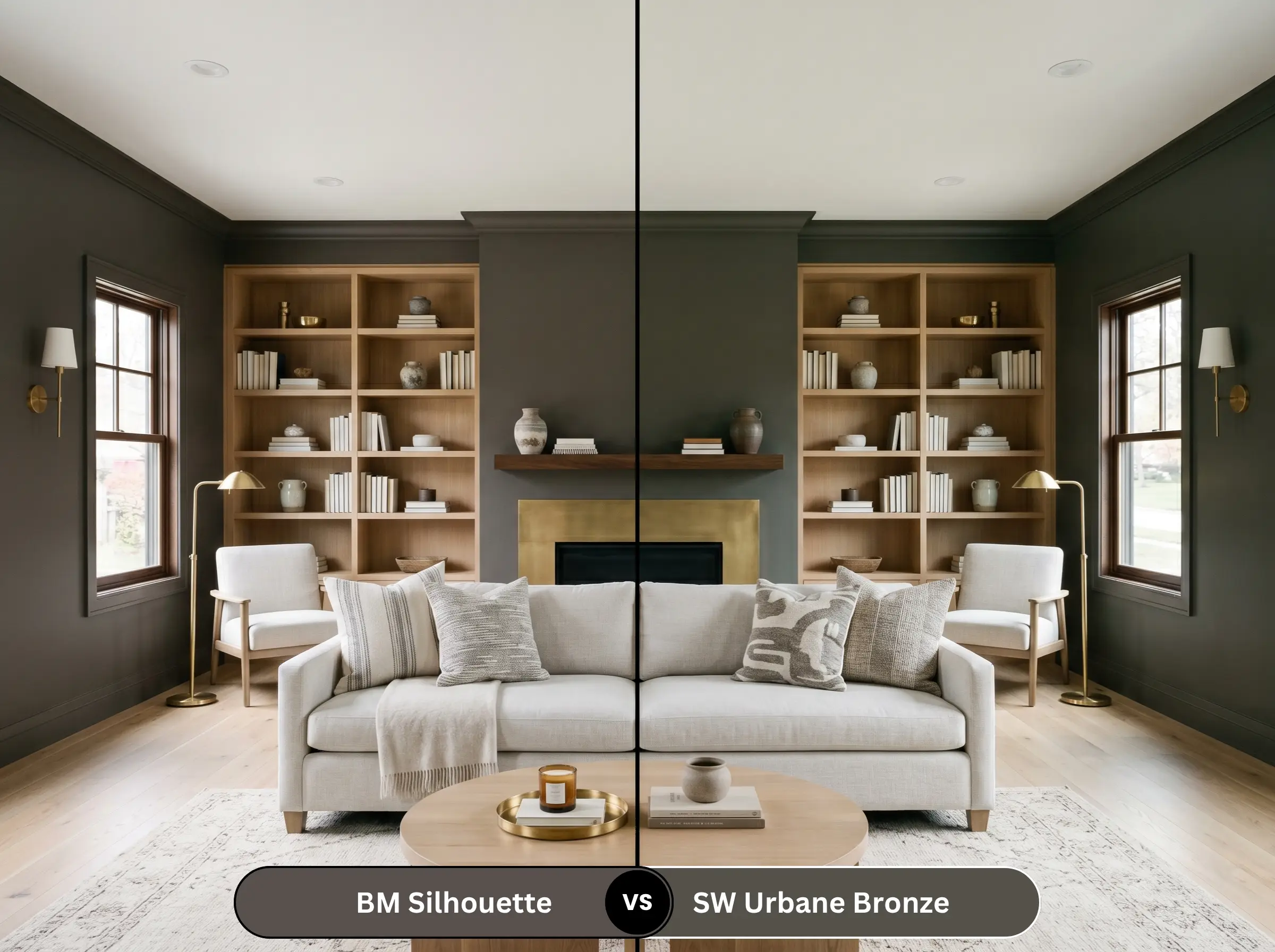
Urbane Bronze is significantly greener. While both are dark, moody neutrals, Urbane Bronze is rooted in a green-brown/bronze base, making it feel much more like a deep forest shadow. Silhouette, with its violet and red-orange roots, feels decidedly warmer, plummier, and more like roasted espresso. Choose Urbane Bronze if you want an earthy, organic feel; choose Silhouette if you want sultry, high-end luxury.
Benjamin Moore Silhouette vs. Benjamin Moore Iron Mountain
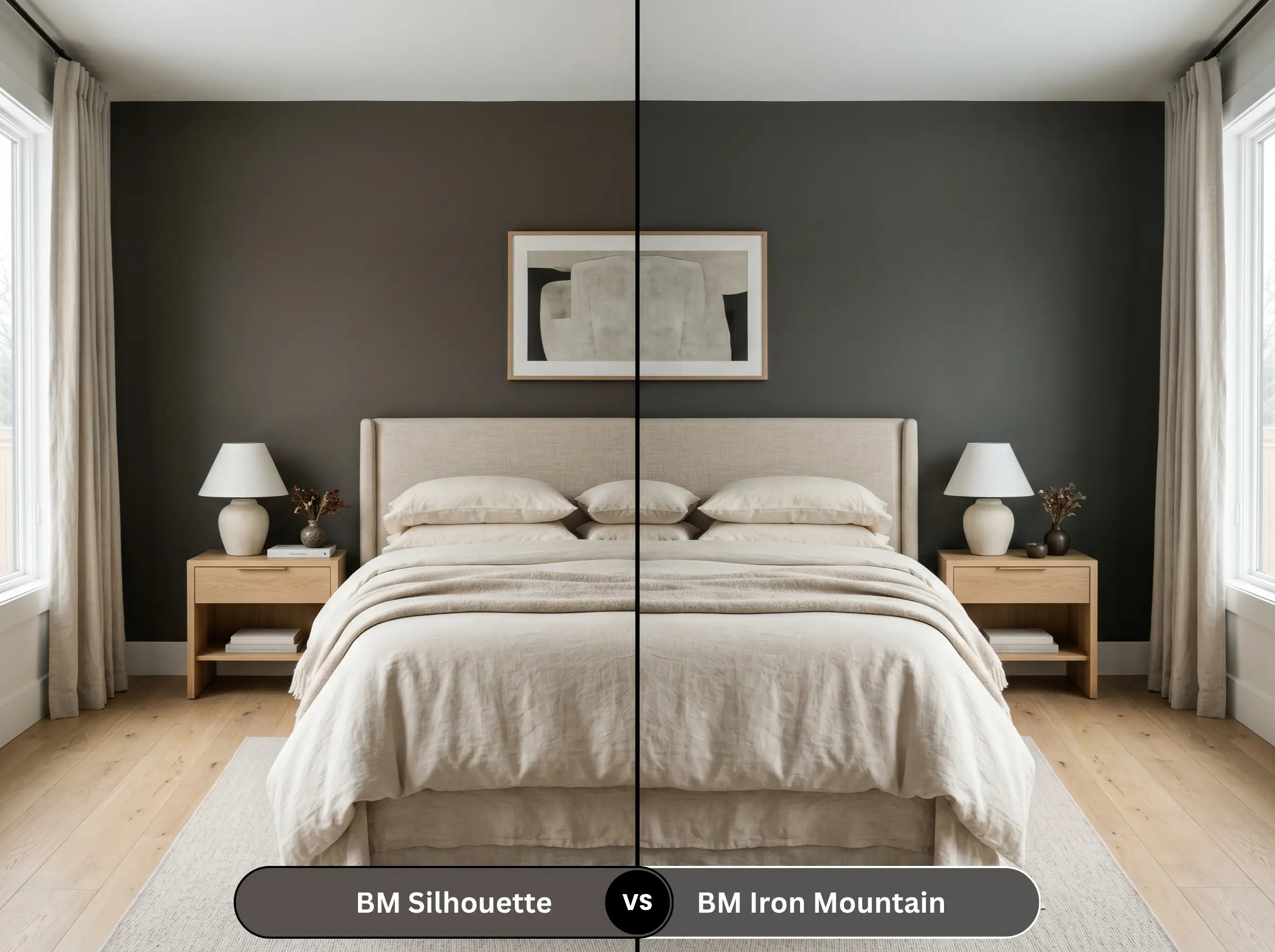
Iron Mountain is a true, heavy gray with only a whisper of brown. It reads much cooler on the wall. If you are terrified of the purple/plum undertones in Silhouette, Iron Mountain is your safer, more industrial alternative. However, Iron Mountain lacks the cocooning warmth that makes the espresso shade so inviting in a dining room or bedroom.
Same-Brand Alternatives & Rival Matches
If this exact shade isn’t quite hitting the mark for your space, our color science team recommends these specific alternatives.
Same-Brand Equivalents
Cross-Brand Matches
Practical Application for Benjamin Moore Silhouette
Theory is useless if the paint looks terrible on the wall. Dark colors are notoriously unforgiving to apply.
The Dynamic Sheen Matrix
Primer Strategy
You absolutely cannot paint this color over a white wall without a primer. You must use a high-quality primer tinted to a deep gray. A tinted primer reduces the number of topcoats required and ensures the rich espresso base develops its true, sultry depth without looking streaky.
Coverage & Flashing Risks
Because of its depth, this shade is highly prone to “flashing”—visible roller marks and uneven sheen patches where the paint was applied too thin or touched up later.
Do not attempt to touch up a matte dark brown wall weeks later; the new paint will dry slightly different, leaving a permanent shiny spot. You must either invest in a premium scuff-resistant matte (like Benjamin Moore Aura) or hire a professional to skim-coat the walls completely smooth before applying a more durable eggshell finish. For more application secrets, consult our breakdown of the best dark brown paint colors.
Hackrea Pro-Tip
Frequently Asked Questions
It can, depending entirely on your lighting. In North-facing rooms with cool natural light, the violet undertones will absolutely pull forward, making it read as a purplish-gray. In warm, South-facing light, the purple vanishes into a rich brown.
A flat or matte finish is mandatory to hide drywall flaws. Dark colors in an eggshell or satin finish will reflect light off every single bump, nail pop, and uneven tape line on your wall.
Yes. On exterior brick, the intense sunlight will wash out the subtle plum undertones, leaving a stunning, warm charcoal-brown that pairs beautifully with creamy exterior trim and natural wood columns.
In low-light rooms, Silhouette will look like a heavy, warm charcoal with a hint of plum, while Urbane Bronze will read as a deep, murky green-gray. Silhouette feels warmer and more enveloping in the shadows.
Absolutely not. Windowless powder rooms are the perfect place for a 10.18 LRV. By utilizing color drenching and adding warm, strategic sconce lighting, you transform the lack of light into a deliberate, high-end design feature.
Final Verdict & Expert Warnings
Benjamin Moore Silhouette AF-655 is an architectural powerhouse. It is the definitive choice for homeowners who want the drama of a dark room without the sterile, industrial coldness of a standard black or gray. Its absolute best application is color drenching a dining room or a windowless study, where its sultry violet undertones and espresso warmth can be controlled entirely by intentional, warm artificial lighting.
The Hackrea Clash Warning: You must respect the 3-pillar avoidance strategy.
- Do not pair this paint with yellow-toned travertine tile, Tuscan-style warm granites, or orange-leaning brick fireplaces. The yellow/orange fixed elements will violently clash with the violet undertones.
- Do not use standard brushed nickel or shiny chrome hardware, which will look cheap against this hue.
- Do not install this color alongside cherry, mahogany, or red-stained oak floors. The red wood will compete disastrously with the plum notes.
If you have white oak floors, unlacquered brass hardware, and a desire for unapologetic moodiness, this is the exact paint you need.
Closest Cross-Brand Equivalents
The absolute closest scientific color matches for Silhouette across top paint brands.