Bedrooms That Breathe: A Meditation on Simplicity, Comfort, and Presence

For designer Deniz, a bedroom is more than a place to sleep. It is a space carefully orchestrated to feel complete, balanced, and calm, without relying on cluttered decoration or elaborate furnishings. In his approach, simplicity is not absence but intention. Every material, light fixture, and texture is considered to serve the room’s atmosphere and function.
“Bedrooms feel complete not by adding more, but by removing what’s unnecessary,” Deniz explains. “Rather than focusing on decorative objects, I prioritize proportions, a well-considered lighting scheme, and the quality of materials. When the essentials are clearly defined and properly placed, the space naturally feels finished.”
This philosophy runs counter to the impulse many of us have: to fill empty corners, display endless objects, or rely on decorative accents to convey personality. For Deniz, restraint is not a limitation; it is the pathway to serenity.
Anchoring Spaces: Designing Multi-Functional Bedrooms
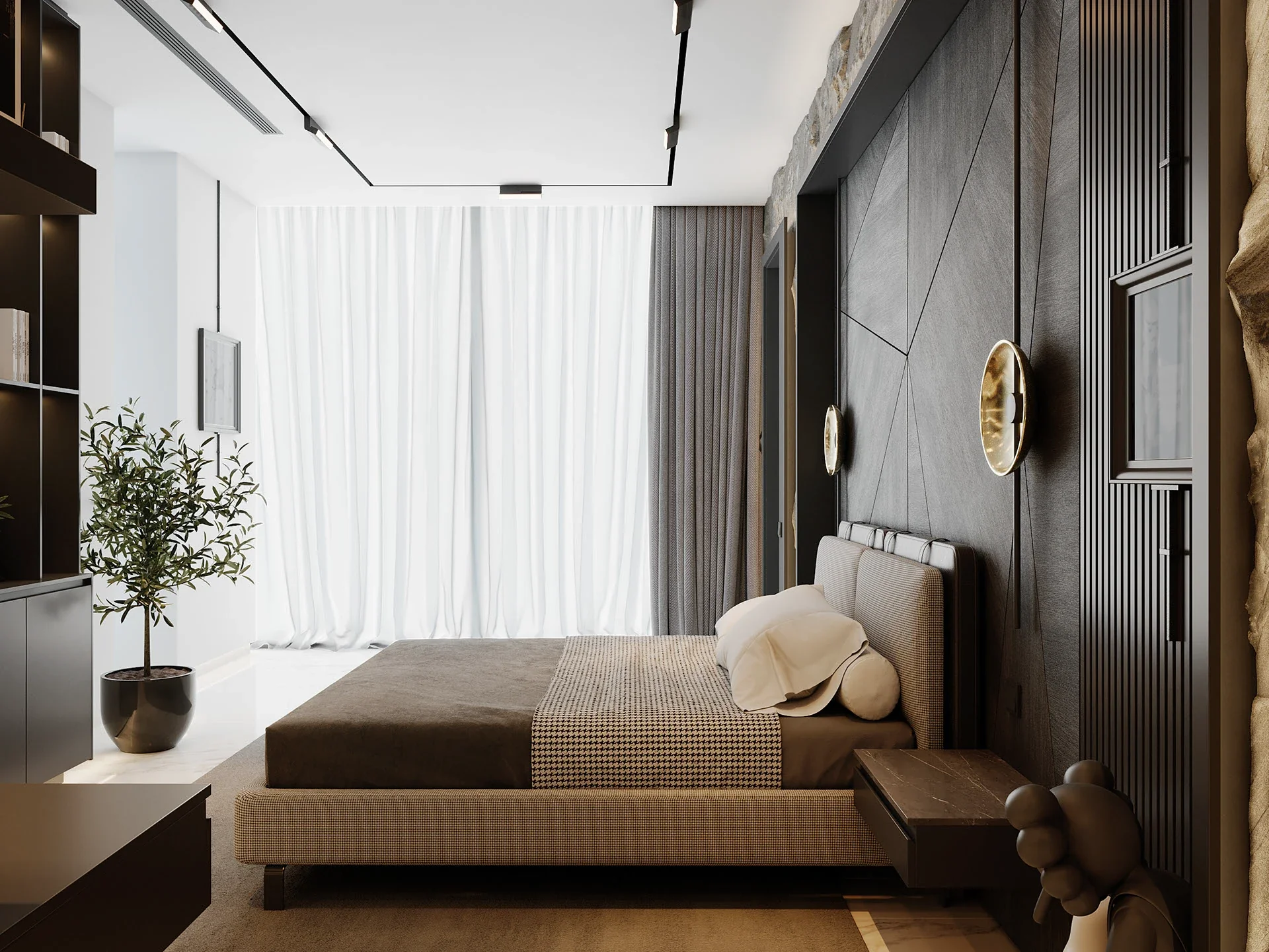
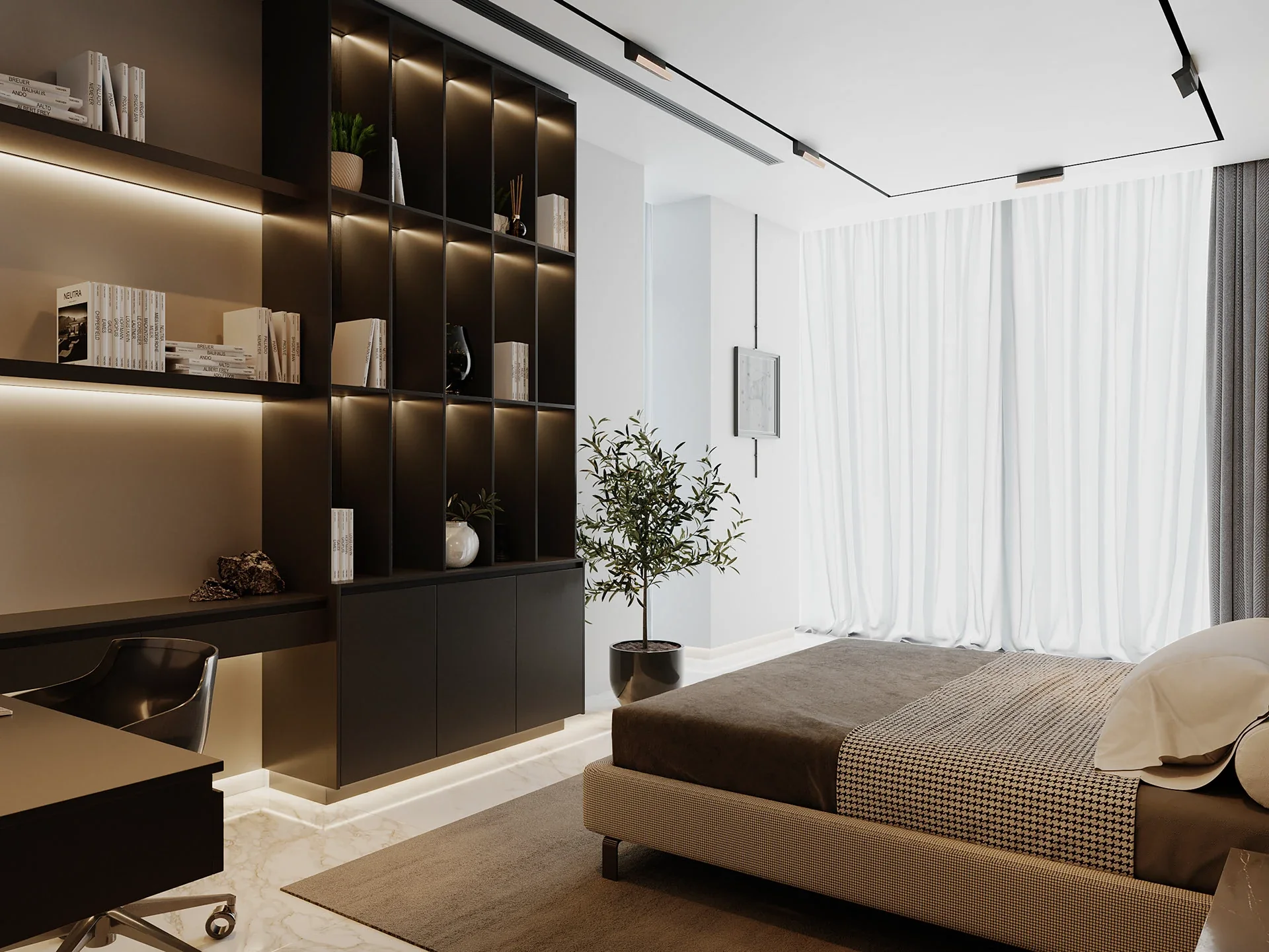
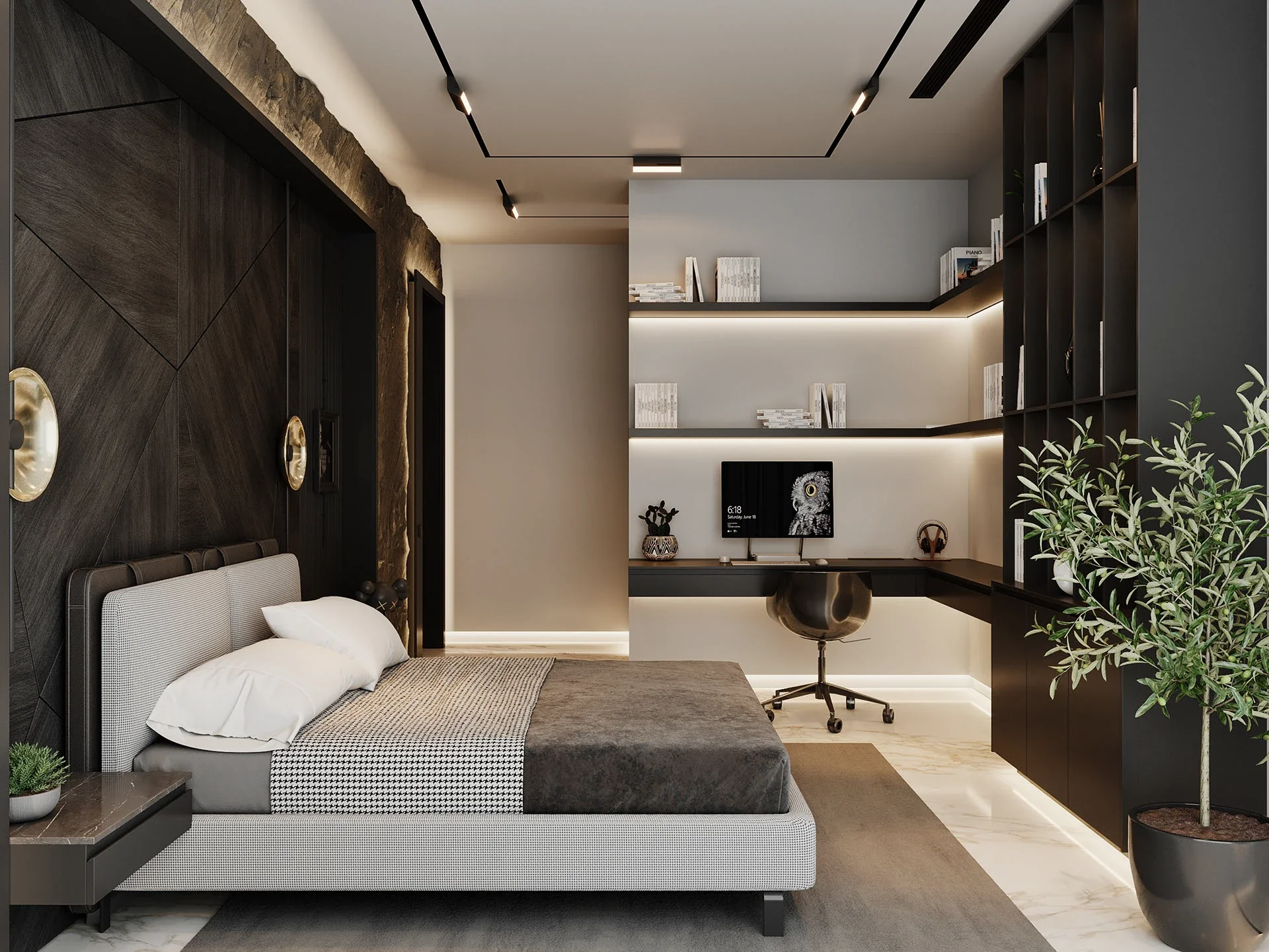
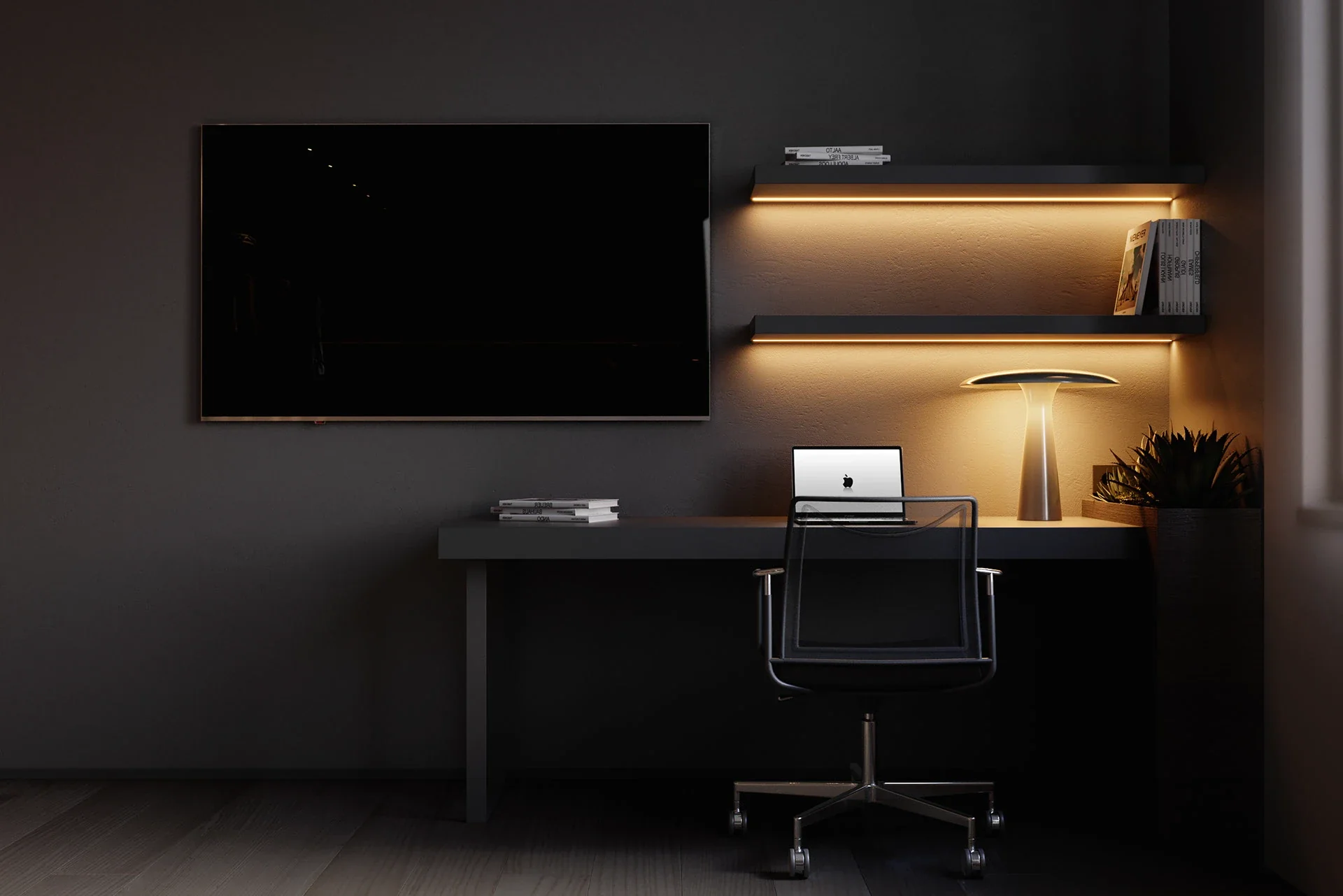
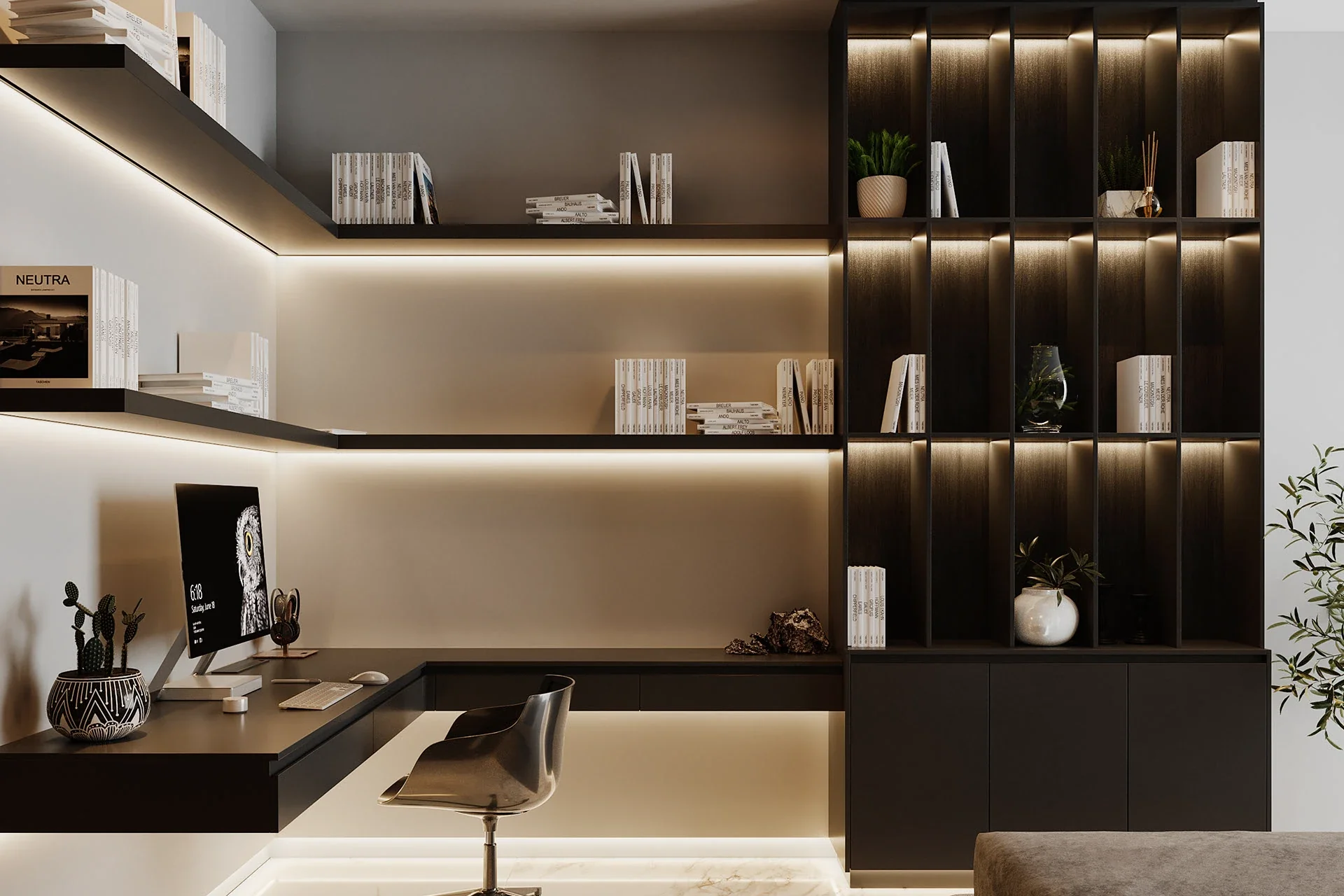
In urban apartments or smaller homes, bedrooms often must accommodate more than one activity. Deniz regularly designs rooms that combine sleeping, working, and storage in a single footprint. Achieving balance in these spaces requires clarity and careful planning.
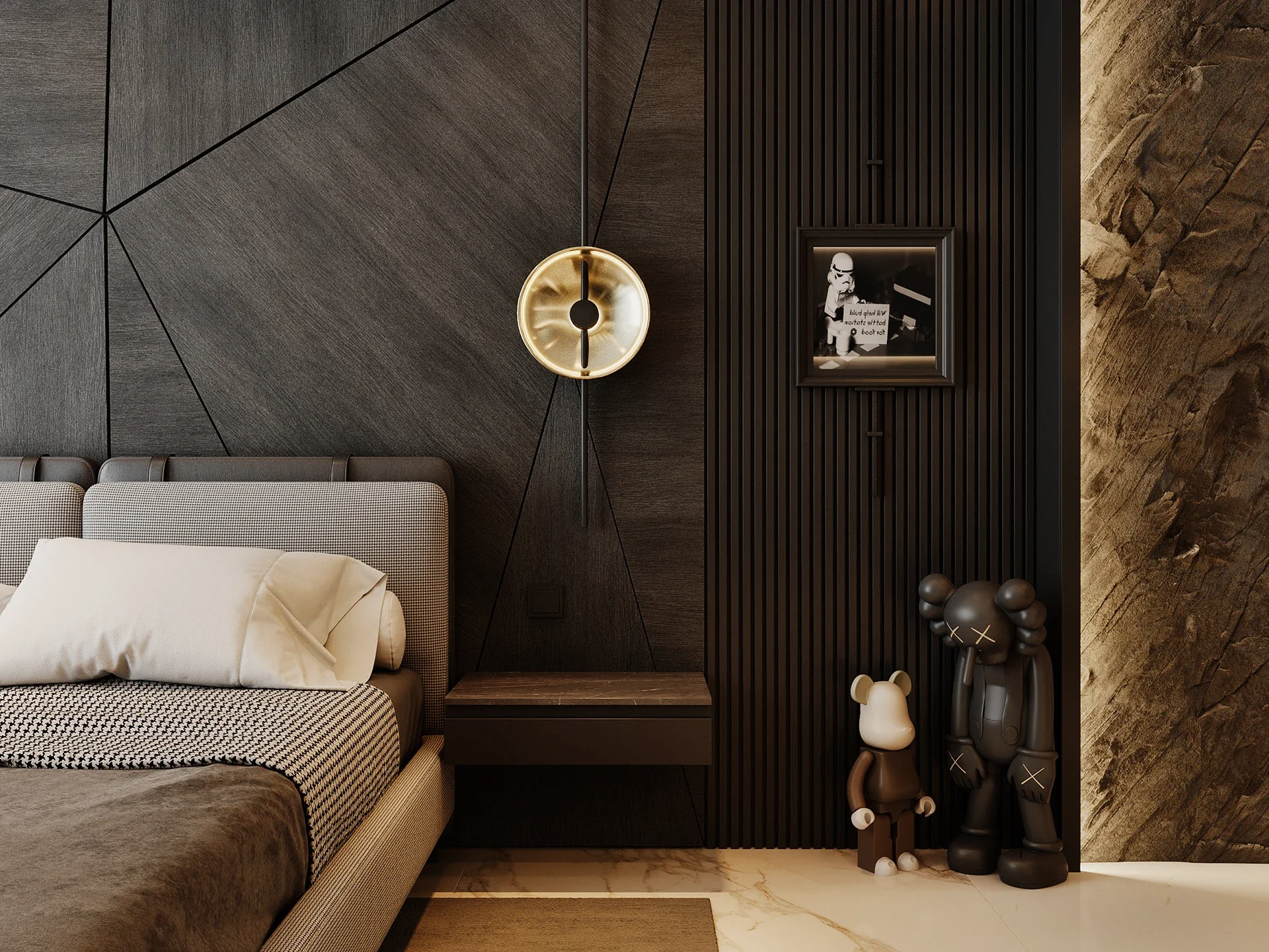
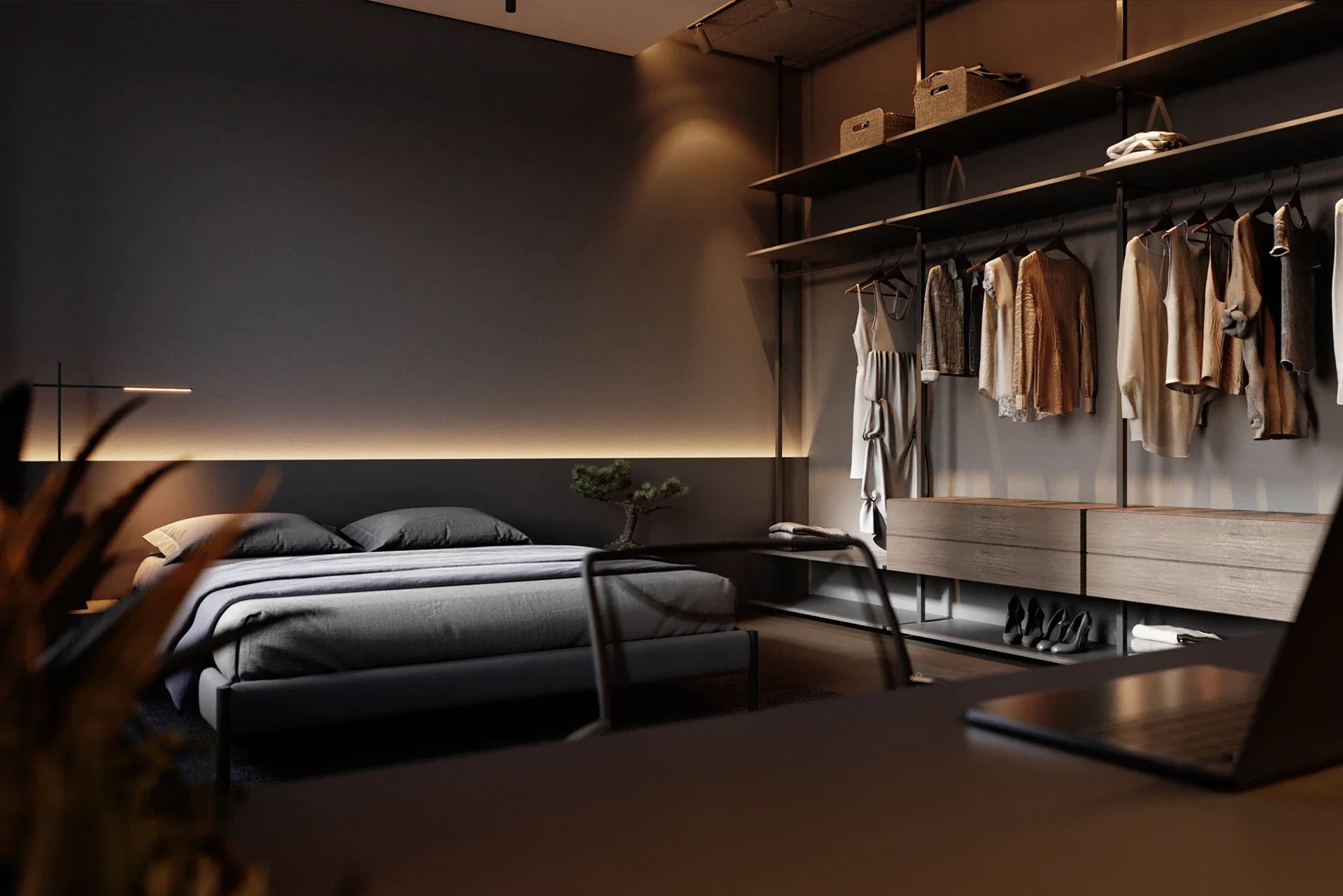
“In small bedrooms, clarity is essential,” he says. “I start by fixing the sleeping area as the anchor of the space, and then organizing the other functions around it. Work and storage solutions are kept as minimal and visually quiet as possible. Even when multiple functions coexist, the room should never feel cluttered or overwhelming.”
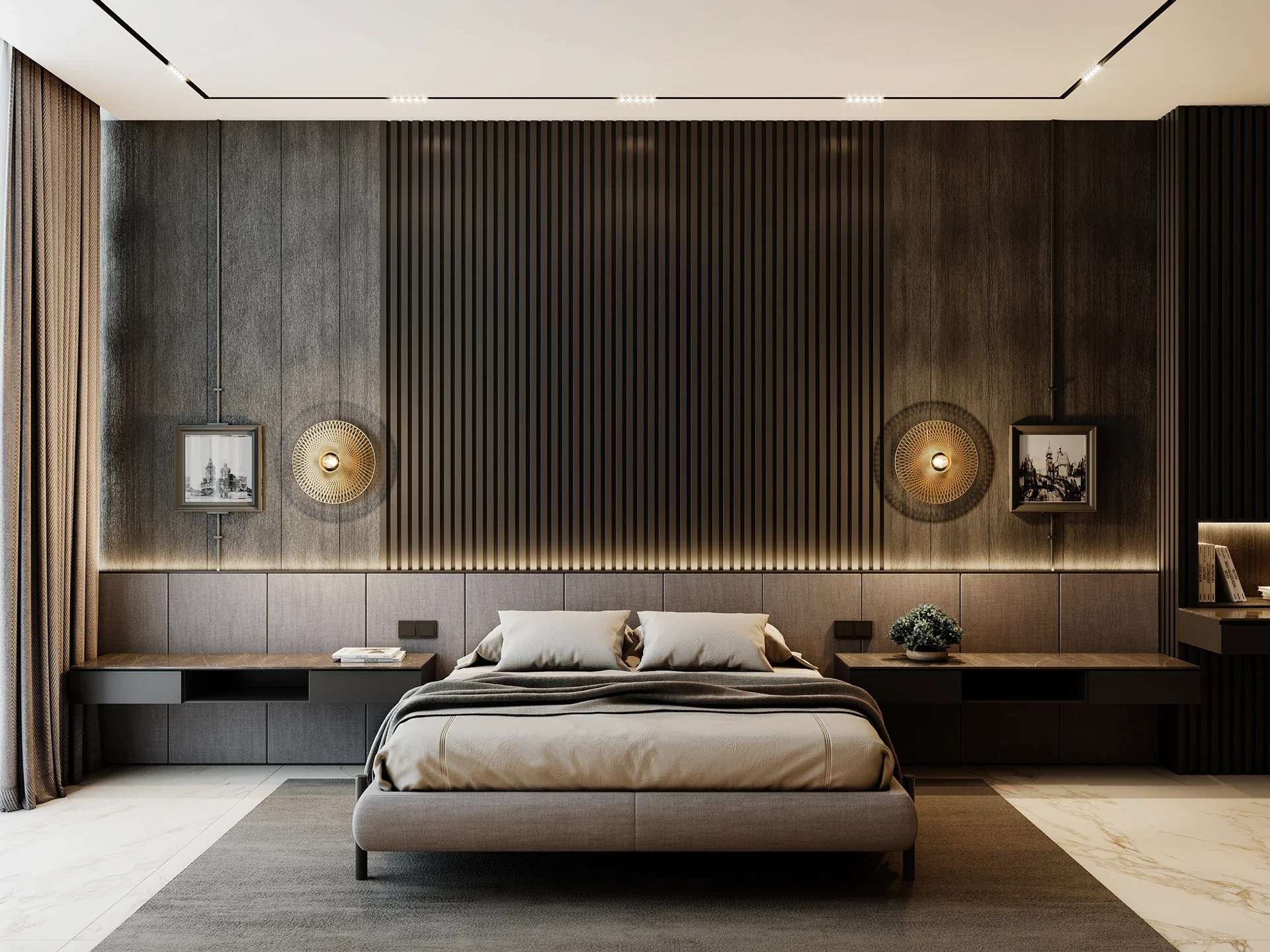
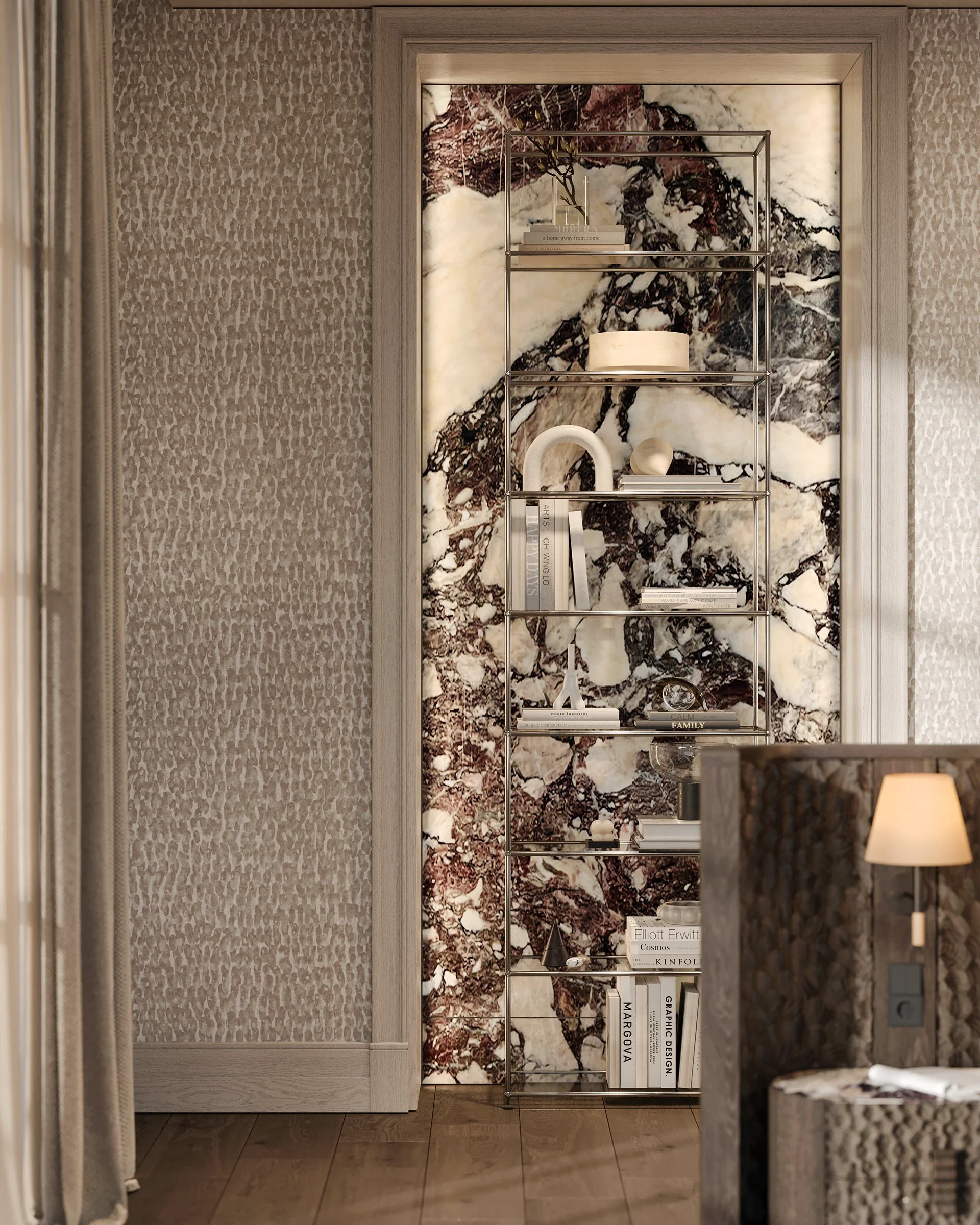
The principle of anchoring the bedroom around the bed, the literal and symbolic center, guides every decision. Desks, shelving, and storage units are scaled to the room’s dimensions, and their visual weight is considered as carefully as their function. Minimalist lines, integrated storage, and hidden compartments allow bedrooms to serve multiple roles while preserving calm.
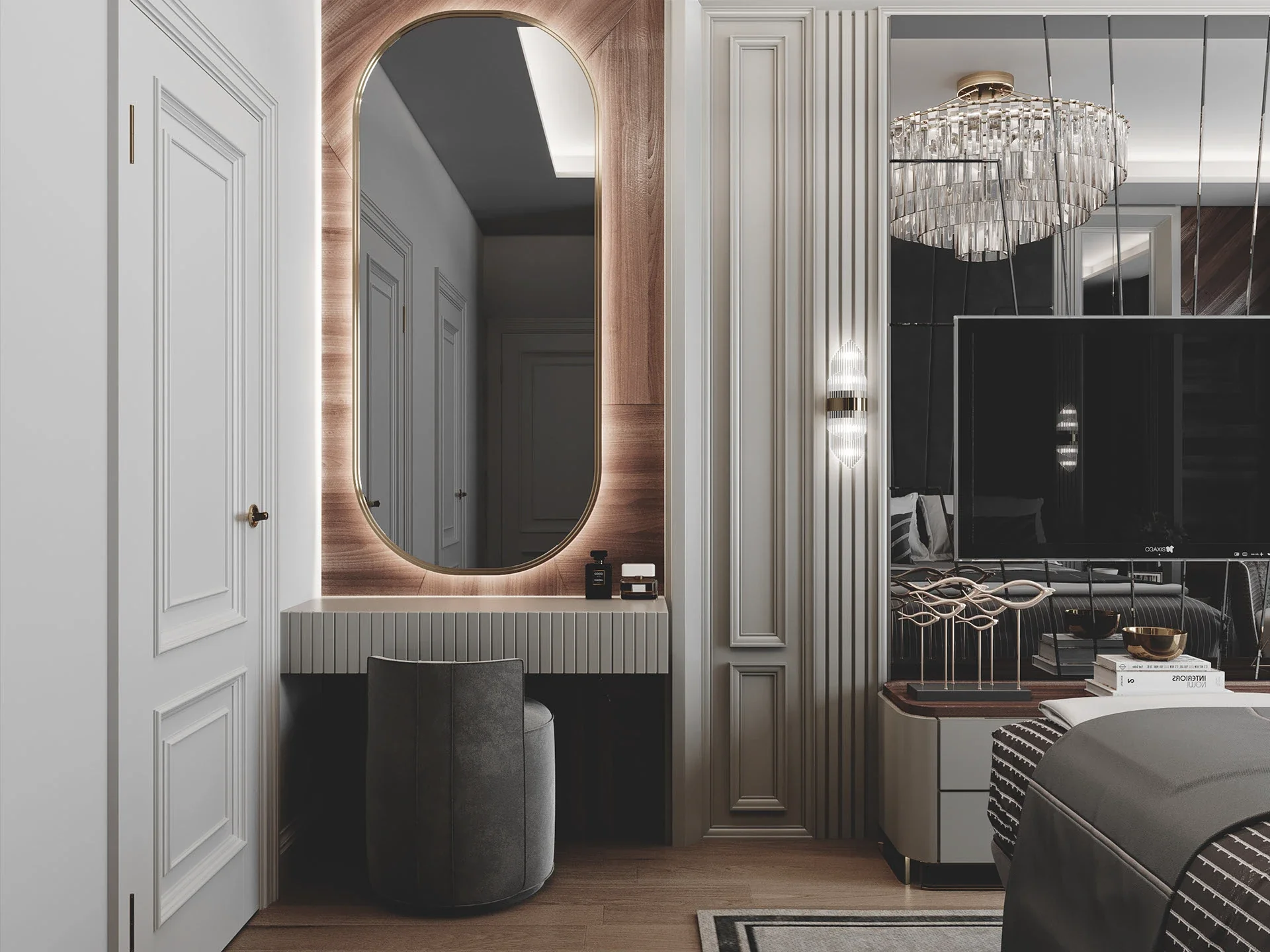
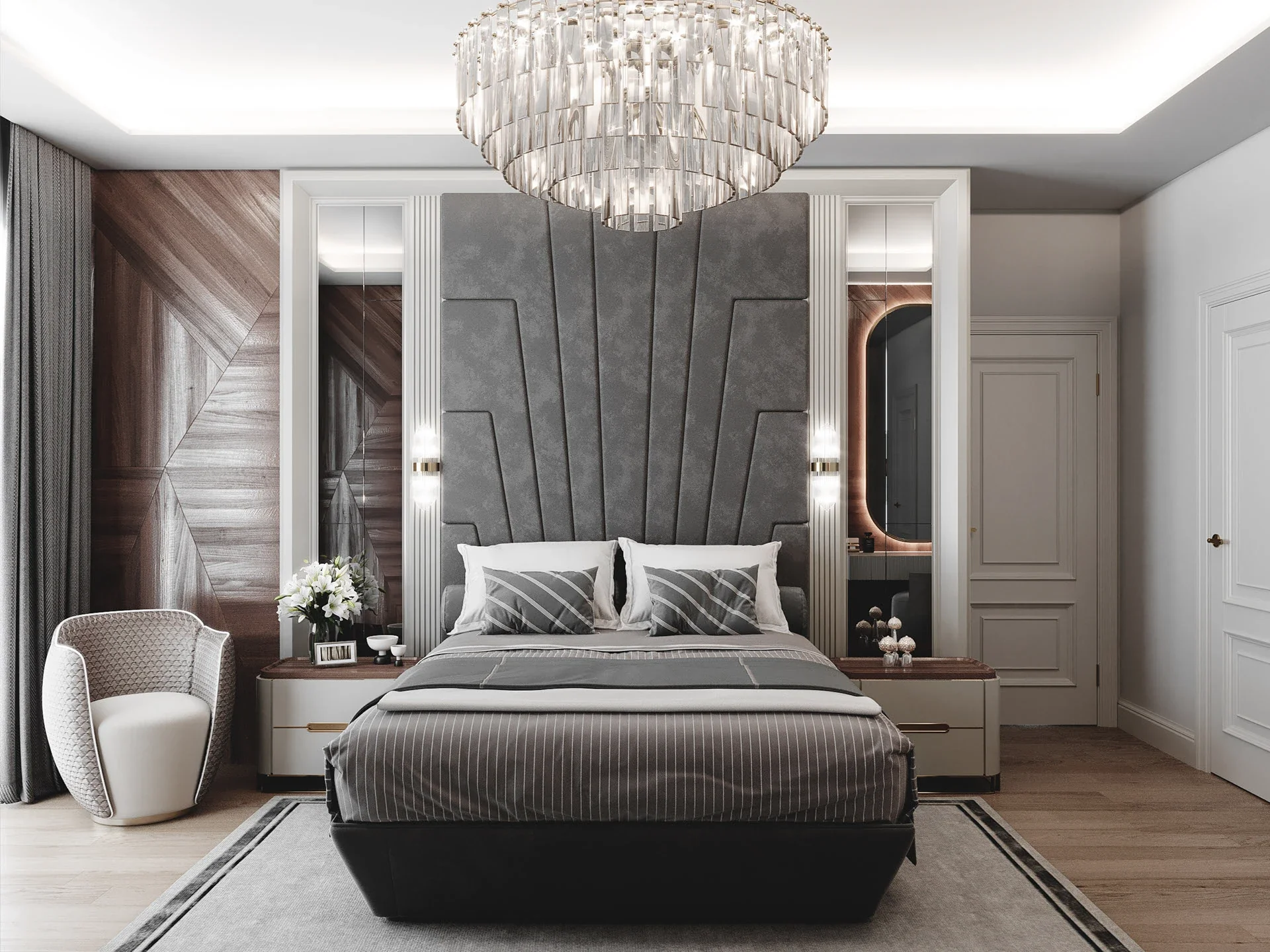
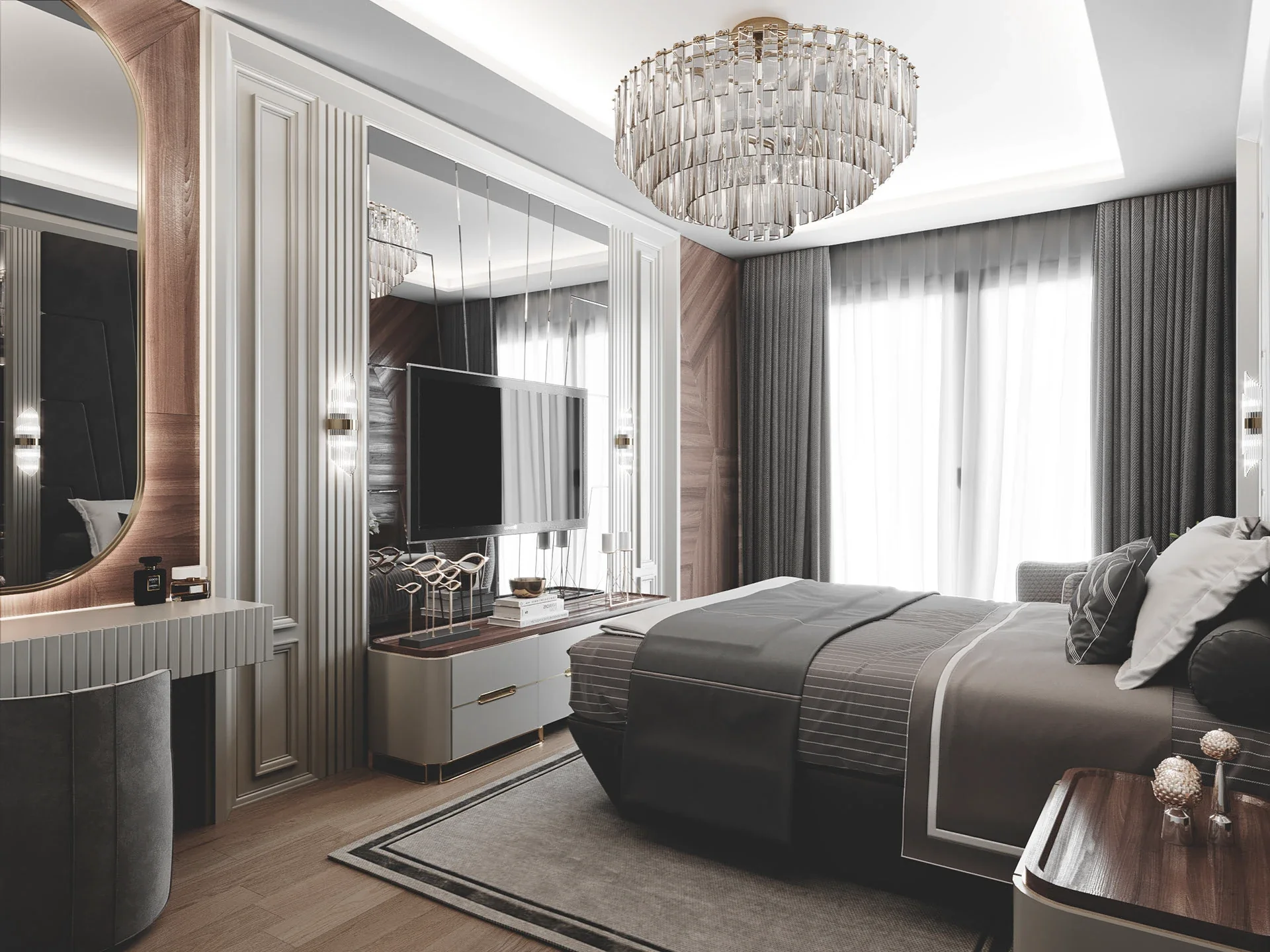
Texture as a Quiet Luxury
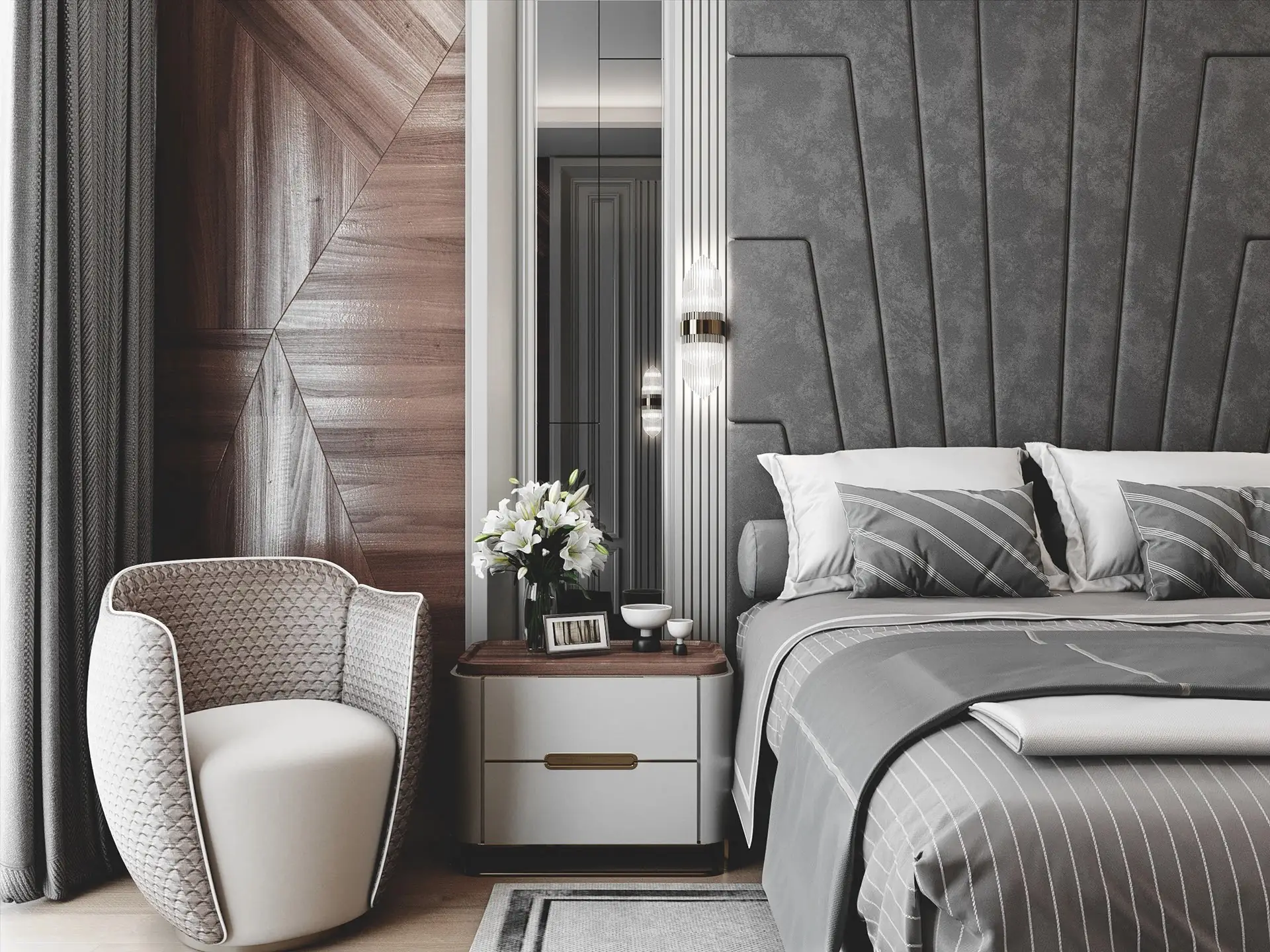
Deniz emphasizes that bedrooms are felt as much as they are seen. Materials are the silent language of comfort. Linen sheets, wool throws, and matte wall finishes can make a space feel warm and inviting, even without decorative flourishes.
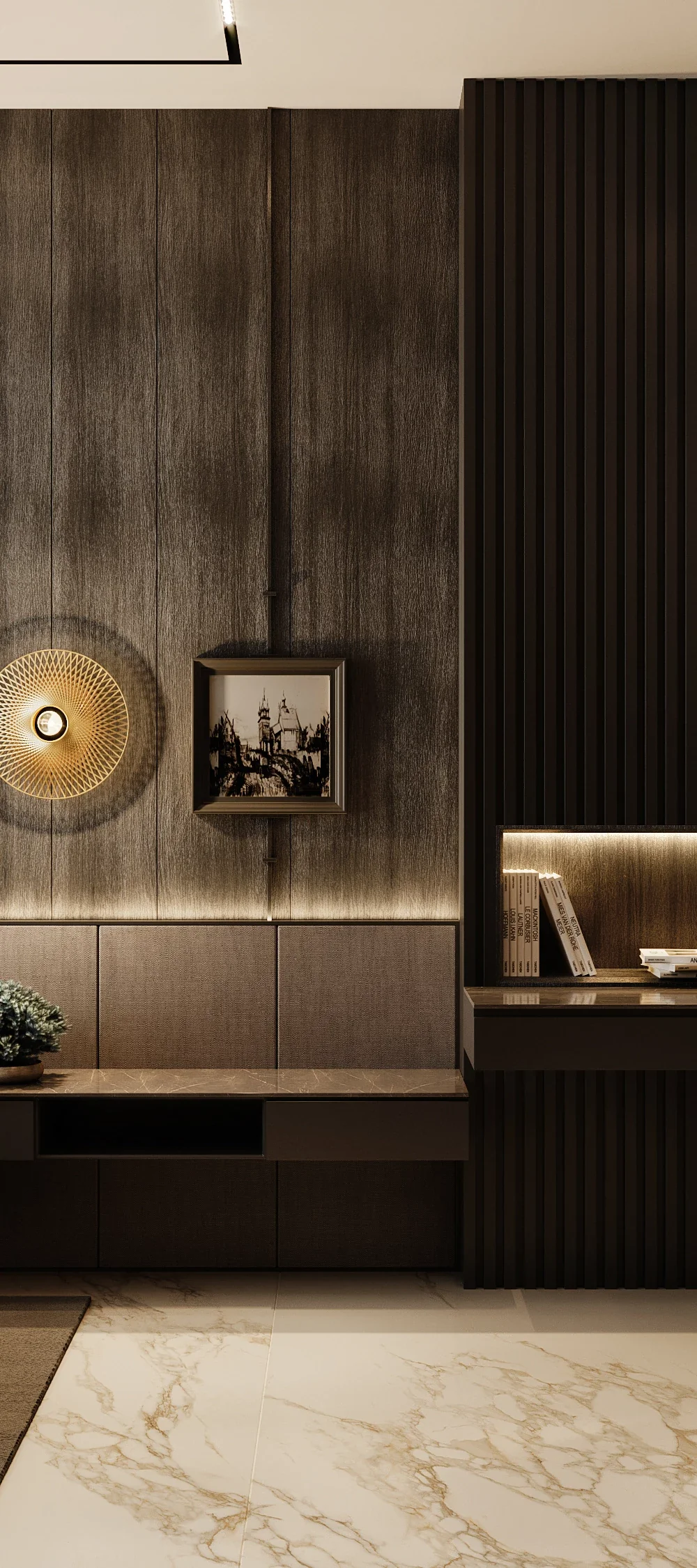
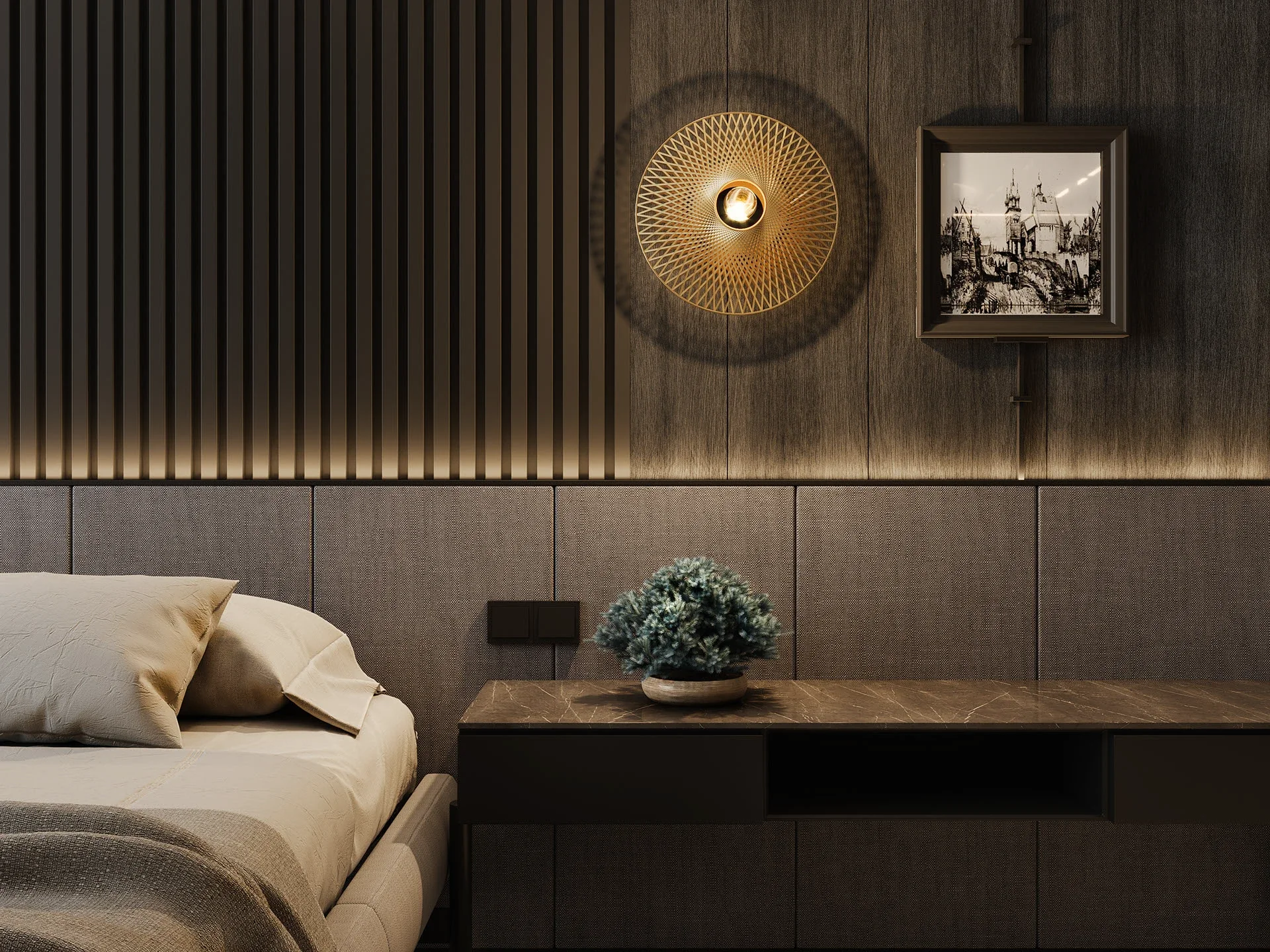
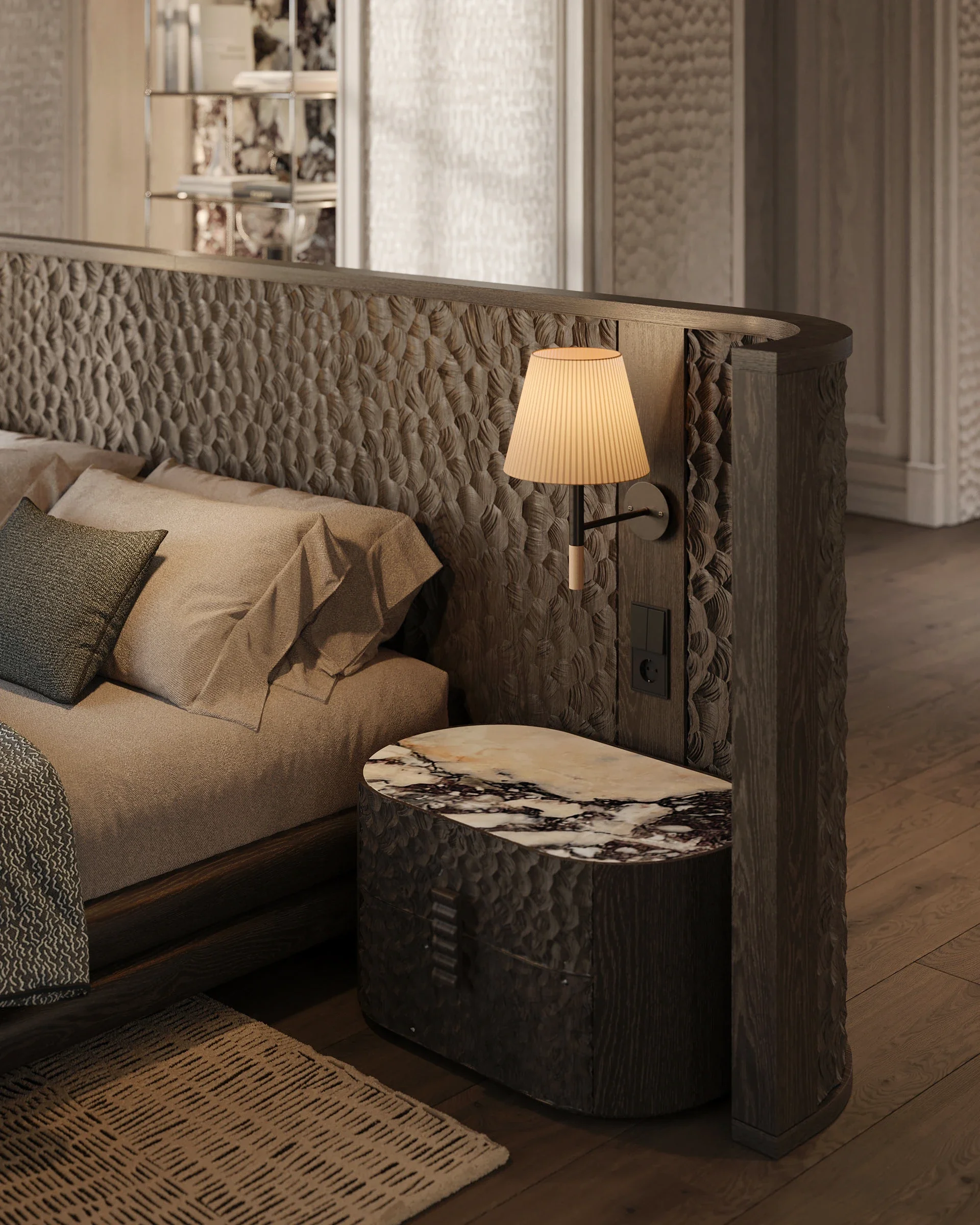
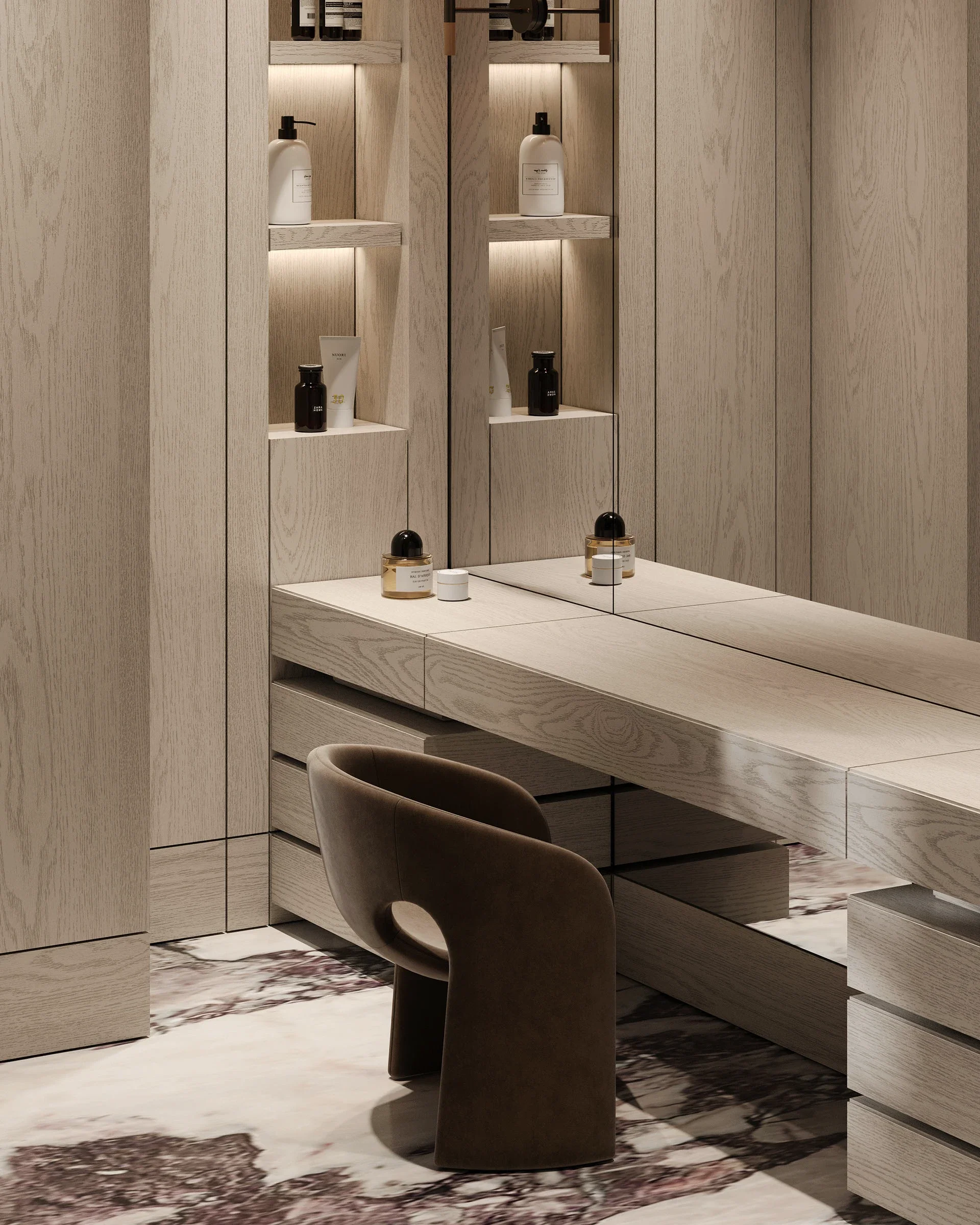
“I approach the bedroom as a space that is felt as much as it is seen,” he explains. “Matte surfaces, natural materials, and soft textures help create a sense of calm. I tend to avoid glossy or hard finishes. Warmth often comes from texture rather than color, making the space feel more intimate and welcoming.”
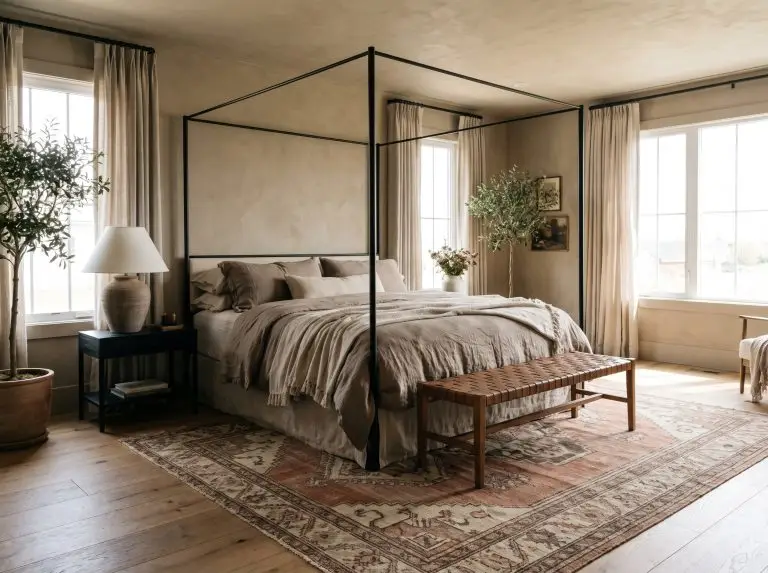
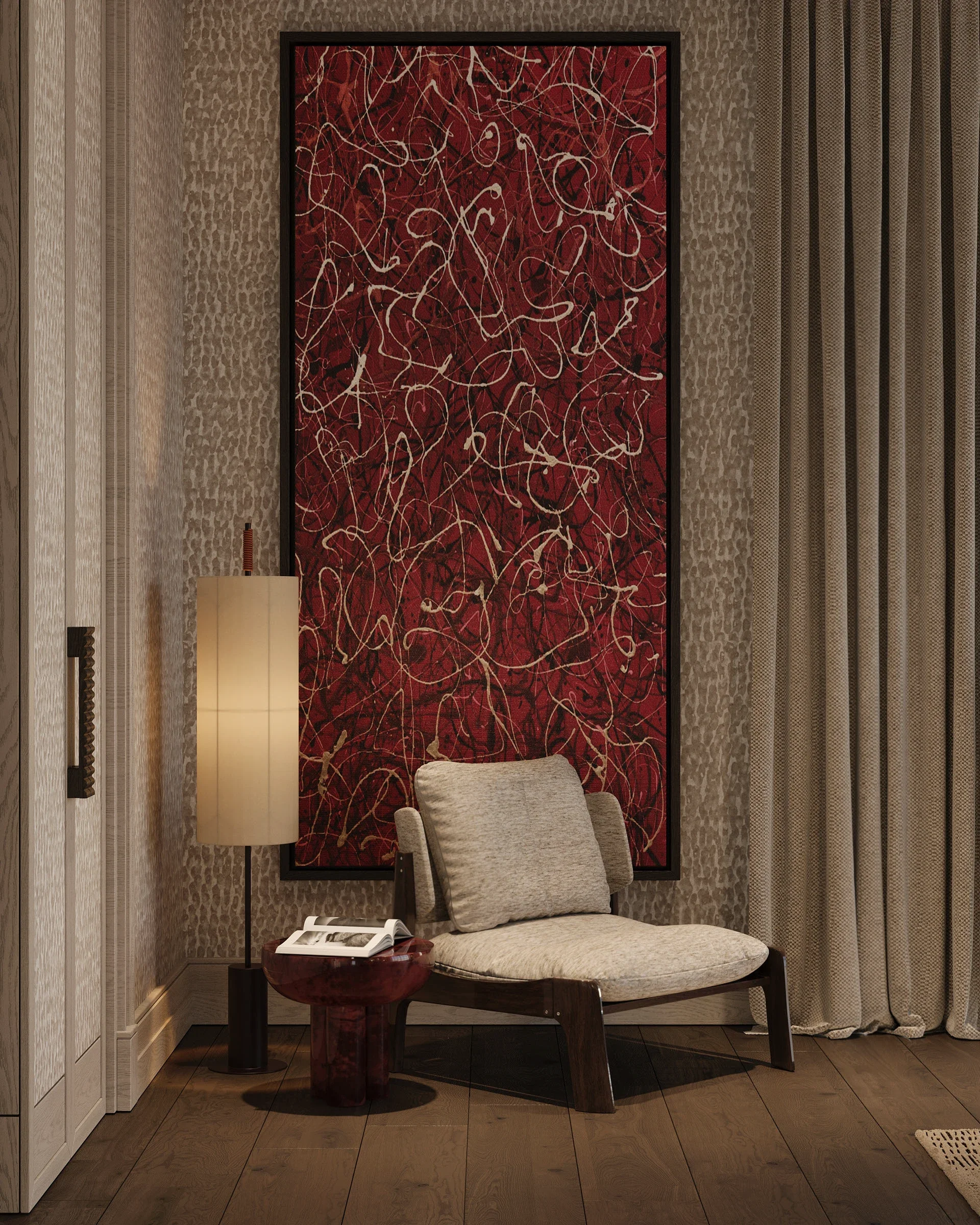
This approach transforms ordinary rooms into sensory havens. A linen curtain gently filtering morning light, a soft wool rug underfoot, or a hand-finished wooden bedside table can make a room feel layered and tactile, enhancing comfort without overt decoration.
Lighting as Atmosphere, Not Drama
Lighting in bedrooms, according to Deniz, is not about creating spectacle. It is about supporting rest, routine, and mood. Soft, layered illumination, rather than strong overhead lights, defines the atmosphere and invites relaxation.
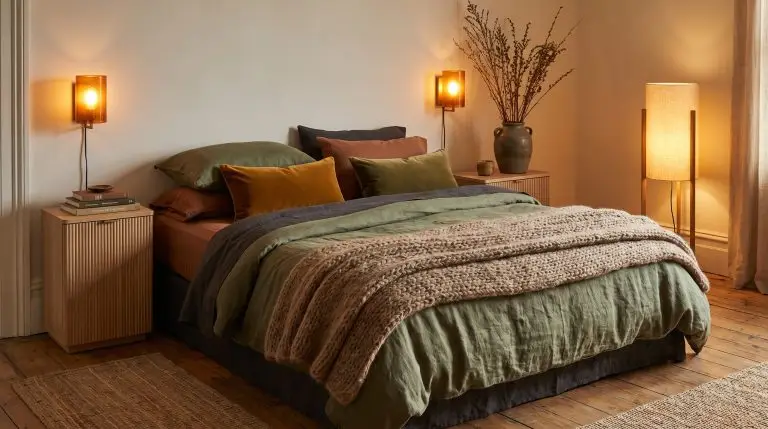
“I see lighting as a layered element that should remain in the background,” he says. “Instead of relying on strong overhead lighting, I prefer indirect light, wall sconces, and soft transitions. Light should define the atmosphere without drawing attention to itself. In a bedroom, it needs to feel calming and unobtrusive.”
Layered lighting also adapts the room for different uses. A gentle bedside reading light coexists with soft ambient light, while an indirect glow from behind a wardrobe adds depth. The effect is subtle but profound: the bedroom becomes a place where the senses are soothed, not overstimulated.
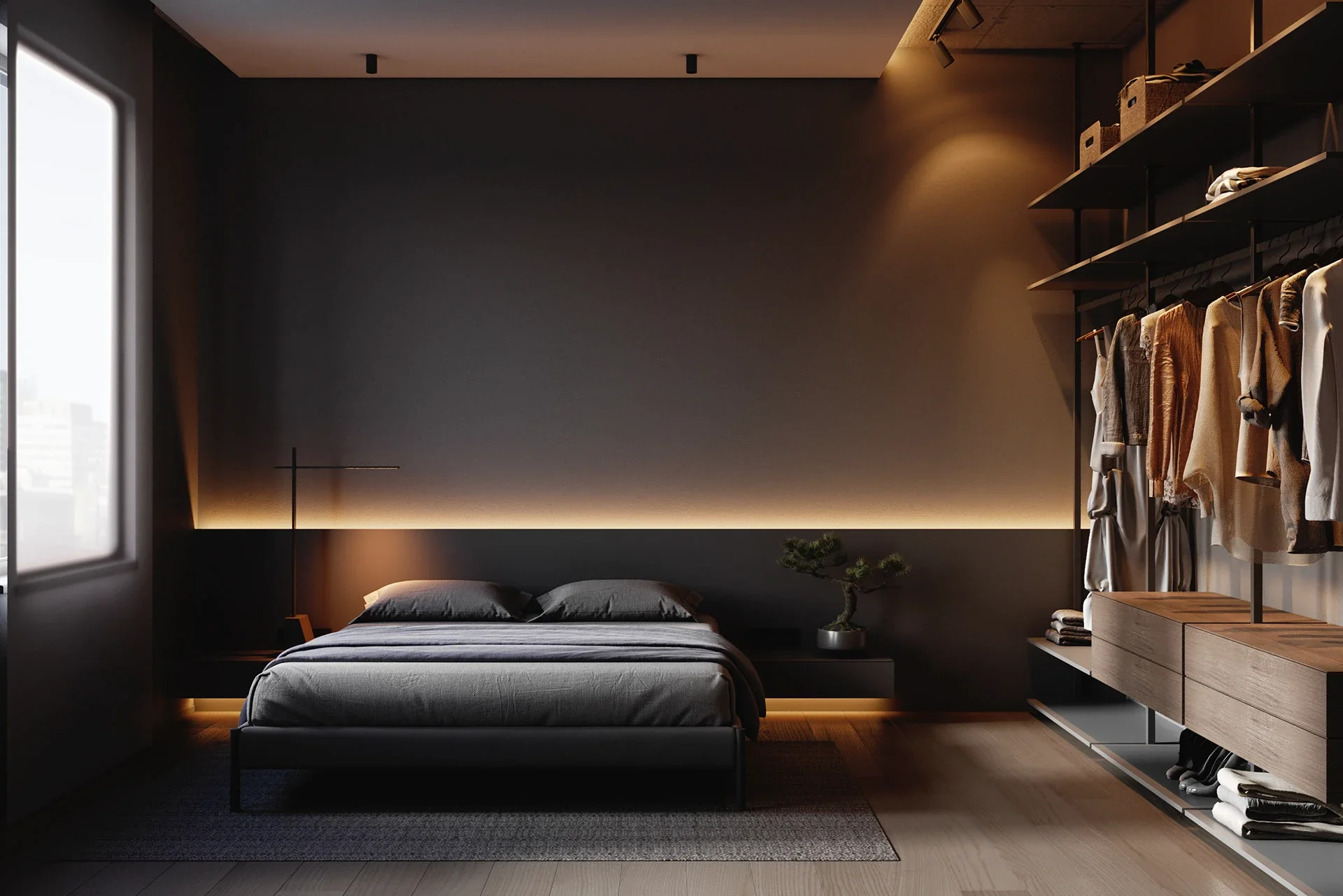
Neutral Palettes, Layered Depth
Color choices are central to the serene bedrooms Deniz designs. Neutral tones dominate soft creams, muted greys, and warm beiges, but he treats neutrality as a layered palette rather than a flat one.
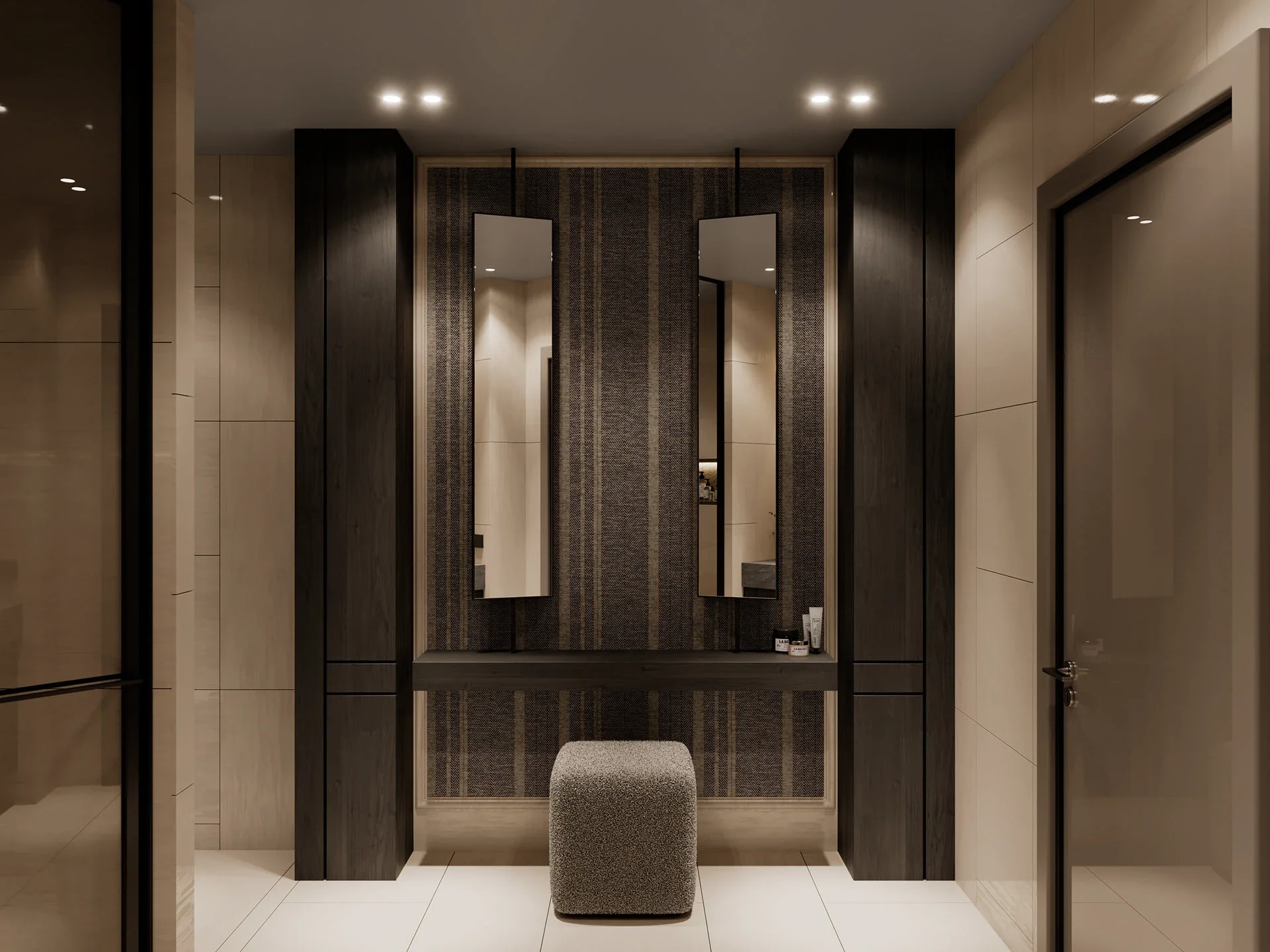
“I don’t treat neutral colors as a single tone but as a layered palette,” he notes. “Using variations of the same color through different surfaces and textures creates depth without harsh contrast. Rather than bold color differences, I prefer subtle tonal shifts that add quiet richness to the space.”
This approach avoids the flat, sterile feeling that sometimes accompanies minimalist design. A pale linen wall next to a slightly warmer plaster finish, a soft wool throw on a textured cotton duvet, and natural wood furniture combine to form a harmonious, layered environment. The room feels complete, cozy, and intentionally curated.
Designing for Every Bedroom Type
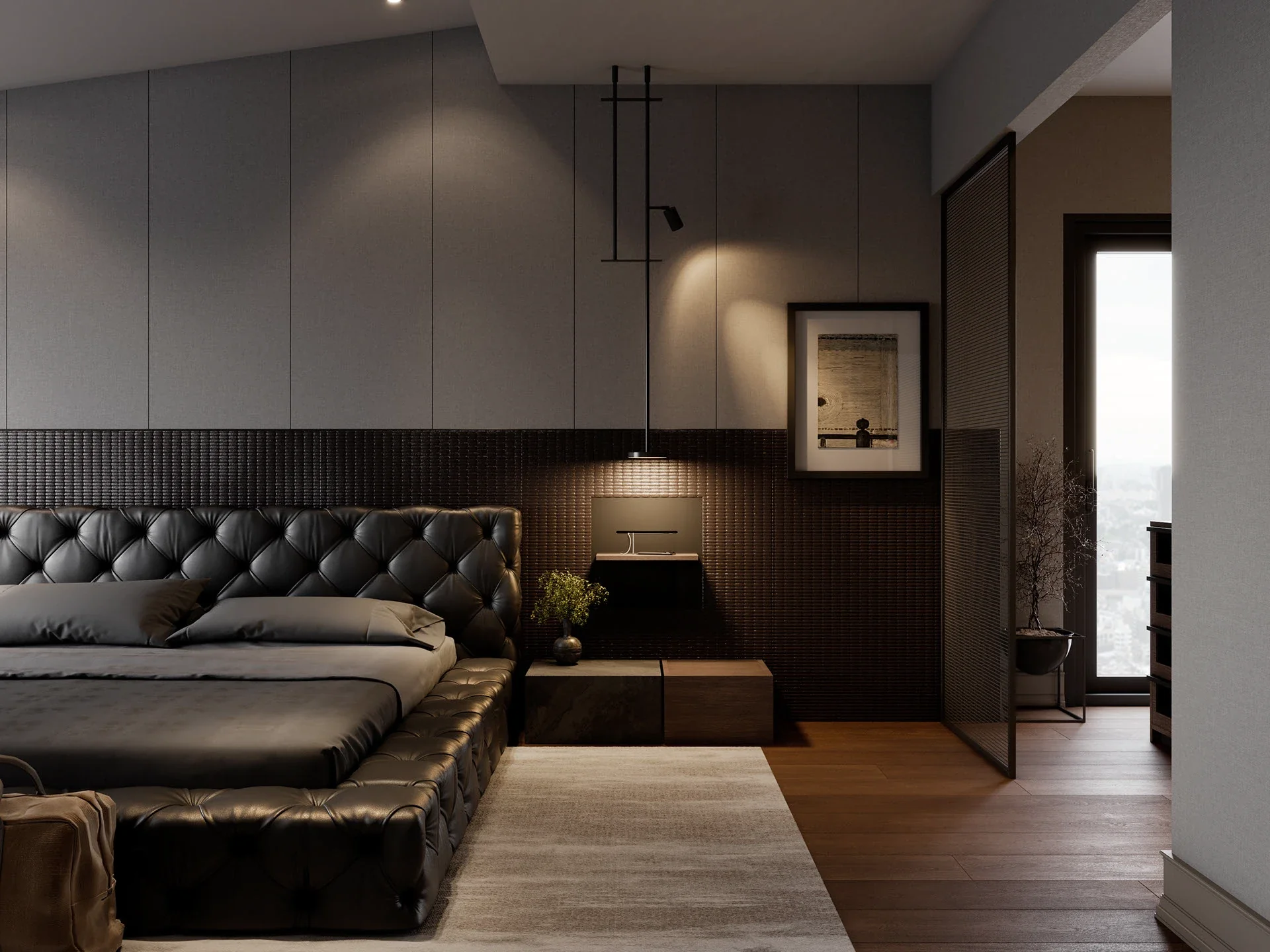
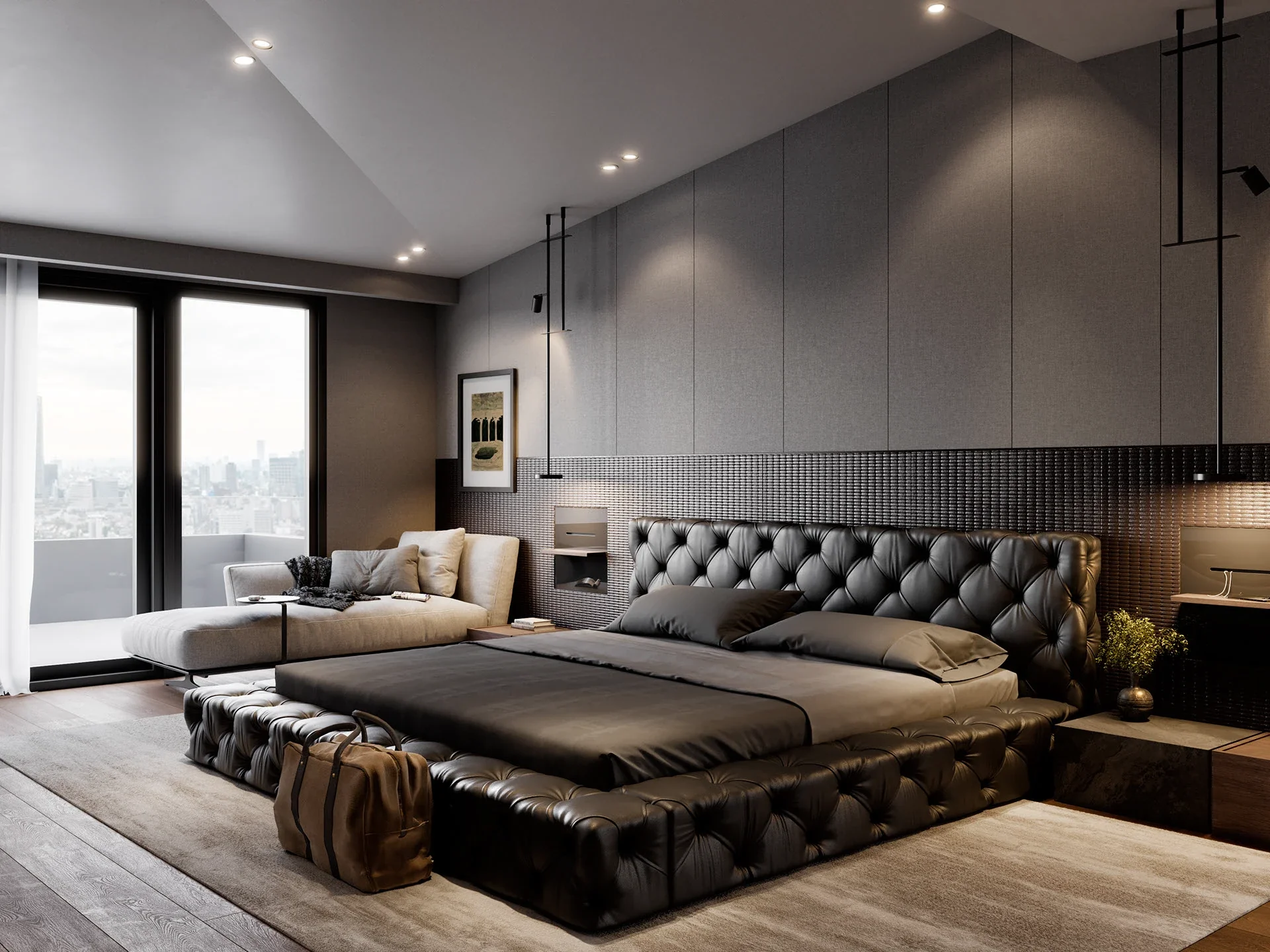
Deniz’s philosophy applies across bedroom types, from master suites to youth rooms, from attic retreats to compact urban bedrooms. While details shift depending on the user, the overarching mood remains consistent: calm, measured, and composed.
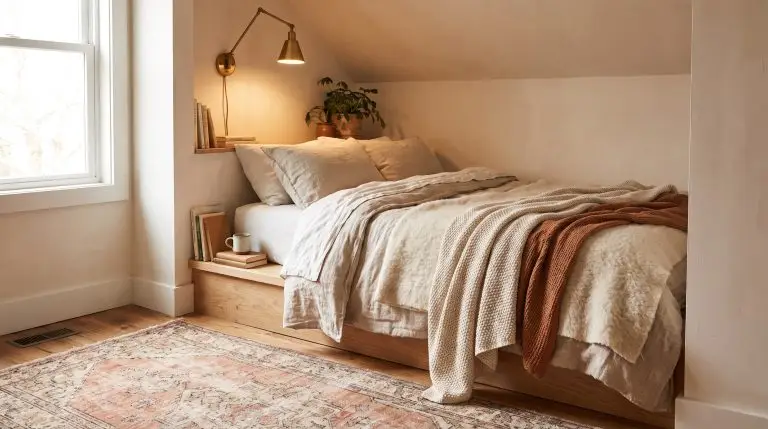
“While details shift according to the user, the overall language of the space remains consistent,” he explains. “In master bedrooms, I focus on a softer and calmer atmosphere, while in youth rooms, I allow for more flexibility and energy. In attic spaces, I treat the architecture as part of the design rather than something to conceal. Regardless of the user, a bedroom should always feel like a place of calm.”
The architectural context informs the design without dictating it. Sloped ceilings in attic rooms are celebrated rather than hidden, and compact youth bedrooms are energized with clever storage solutions that maximize space without compromising tranquility.
The Role of Proportion and Balance
A recurring theme in Deniz’s work is the use of proportion as a tool of calm. Furniture is selected not only for function but also for its relationship to the room and other objects.
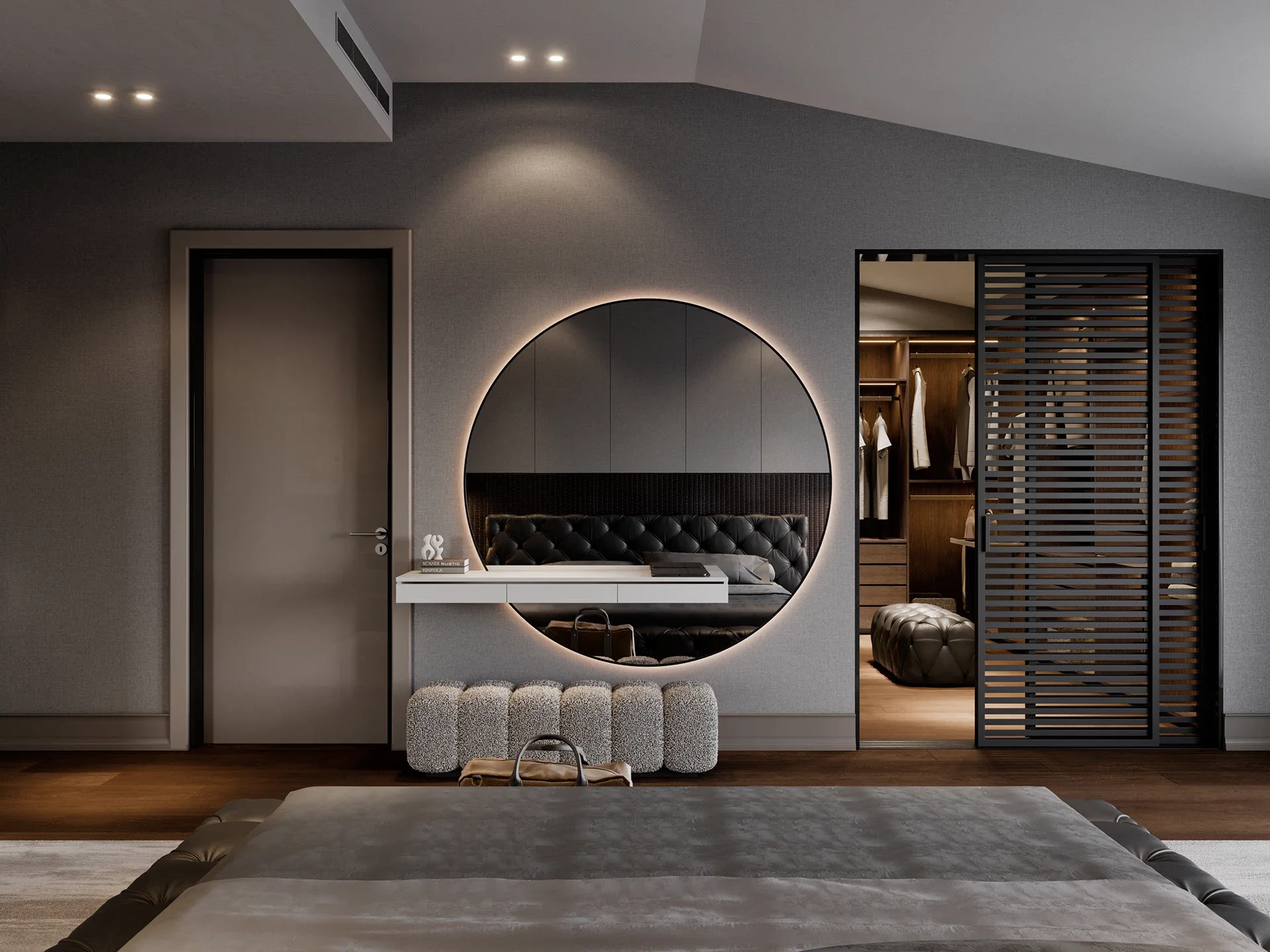
“A well-balanced room is one where every element has its place,” he says. “Proportion and placement are as important as materials or color. When everything feels ‘right,’ the room naturally feels complete.”
This philosophy extends to furniture scale, spatial separation, and visual rhythm. Beds are centered, side tables are aligned with headboards, and storage is designed to recede rather than dominate. The effect is subtle: the room feels intuitive, natural, and effortlessly livable.

Minimalism as a Choice, Not a Limitation
At first glance, Deniz’s bedrooms may seem minimalist, but minimalism here is purposeful rather than dogmatic. Every omission is deliberate, and every element retained has meaning. The result is a space that feels rich in experience without being cluttered in appearance.
“Simplicity here is a conscious design choice,” he says. “It’s not about emptiness; it’s about making the space function beautifully while letting the eye rest. The essentials, the bed, lighting, texture, and subtle storage – define the room, and everything else fades into calm.”
This approach encourages a new way of living in a bedroom. It invites occupants to slow down, notice texture and light, and enjoy the room’s inherent balance. Decoration becomes secondary to experience.
The Psychology of Calm Bedrooms
Deniz’s design philosophy aligns closely with research on environmental psychology. Studies show that cluttered, overstimulating spaces increase stress, while orderly, balanced environments foster relaxation and well-being. By prioritizing proportion, texture, light, and restraint, his bedrooms encourage restorative rest and mental clarity.
Layered neutrals, soft textures, and unobtrusive lighting all contribute to a subconscious sense of order. The room doesn’t demand attention; it offers calm and clarity. Even in multifunctional bedrooms, these principles reduce cognitive load and make daily routines more pleasant.
Bringing Nature Indoors
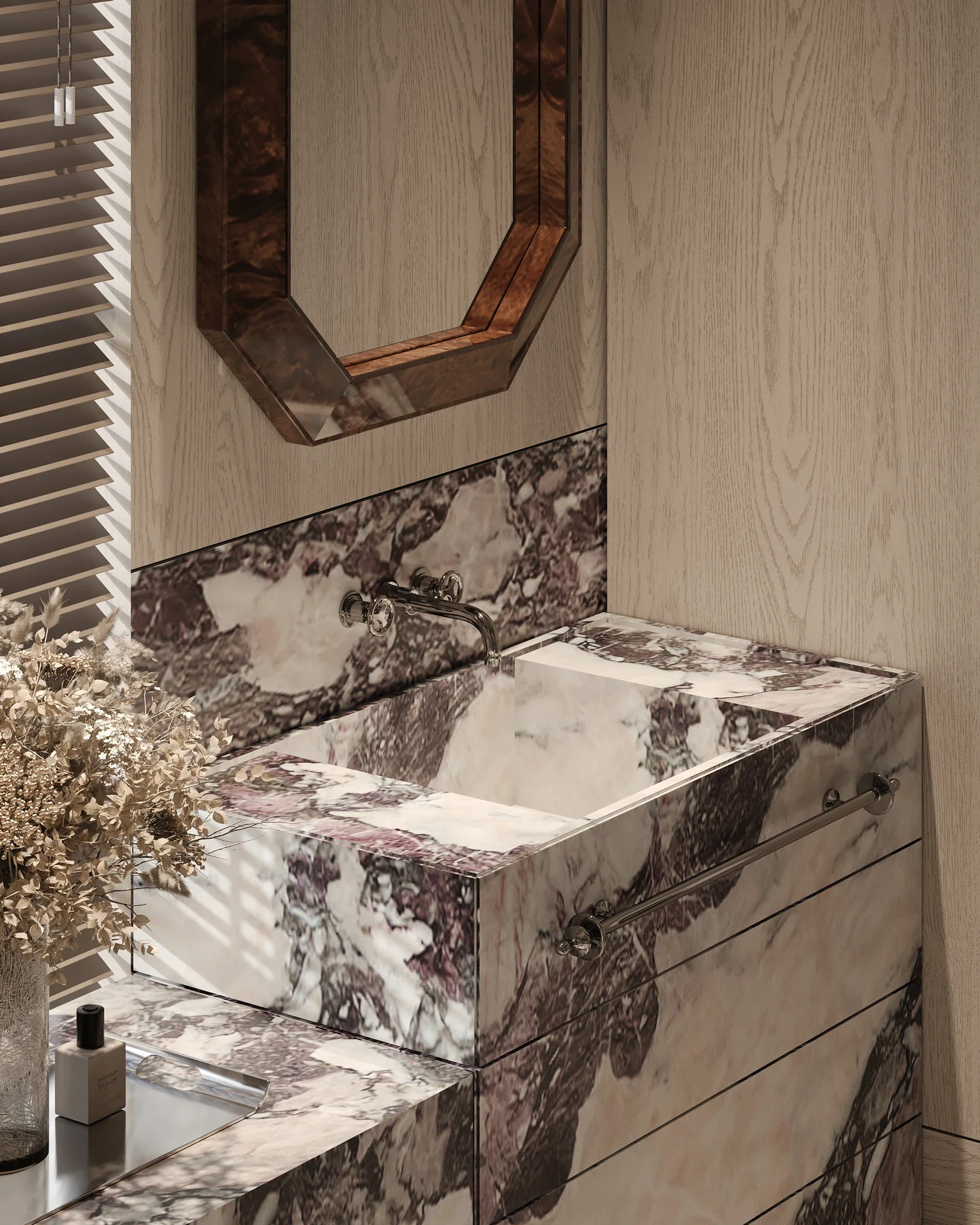
Natural materials play a critical role in creating this sense of calm. Linen, wool, wood, and stone connect the indoors to the natural world, creating subtle visual and tactile cues that promote comfort. Light interacts with these surfaces differently throughout the day, introducing gentle variations that enhance depth and texture.
“I avoid glossy or synthetic finishes,” Deniz explains. “Natural materials have an inherent warmth. They age beautifully, acquire character, and contribute to a sense of timelessness and calm.”
Even color, he notes, is inspired by nature. Soft taupes, sand tones, and muted greens or blues evoke landscapes and skies, reinforcing the room’s soothing atmosphere.
The Bedroom as a Medium for Life
Ultimately, Deniz sees bedrooms not as static spaces, but as mediums for human experience. They accommodate sleep, work, reflection, and quiet ritual, all without imposing themselves.
“The bedroom should be a medium rather than a statement,” he says. “It is a backdrop for life, not a showcase. By focusing on proportion, texture, light, and subtle color, we allow people to inhabit the space fully and naturally.”
Even when bedrooms are multifunctional, Deniz ensures that life can unfold comfortably. A desk does not compete with the bed; storage does not overwhelm; lighting adapts to each activity. The room becomes a partner in daily living rather than an obstacle.
Designing Bedrooms for the Future
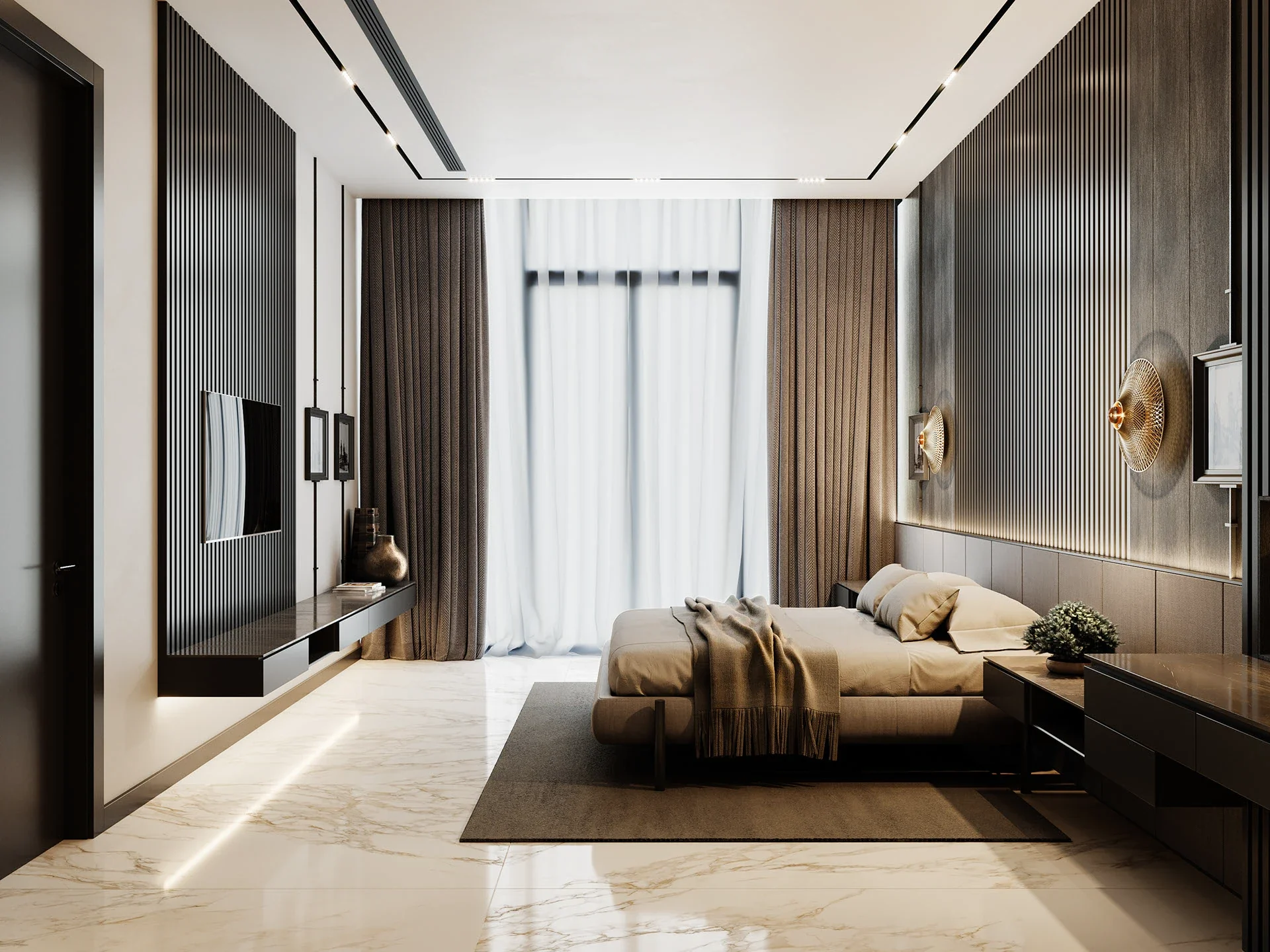
Deniz’s design philosophy anticipates the evolving role of the bedroom in contemporary life. As remote work, compact living, and multifunctional homes become more common, his principles remain relevant. By anchoring design around calm, clarity, and sensory experience, bedrooms can flexibly accommodate changing needs without losing their essential serenity.
In every project, the goal is the same: a bedroom that feels complete, balanced, and intentional. It is a space that invites pause, supports rest, and fosters a quiet connection to both interior and exterior life.
The Quiet Power of Design
In the end, Deniz’s approach reminds us that bedrooms do not need to shout to be meaningful. Calm, texture, proportion, and subtle light are more powerful than color accents or decorative excess. By choosing restraint, he creates spaces that feel lived-in, welcoming, and timeless.
A Deniz-designed bedroom is not merely a room; it is a meditation on simplicity, comfort, and presence. It demonstrates that the quietest spaces often have the loudest impact on how we feel and function.
“Bedrooms should breathe,” he concludes. “They should feel complete, calm, and welcoming, without saying too much. They are spaces to inhabit, not to impress.”

About the Designer
Deniz Taylan Topal is an interior architect based in Istanbul, Turkey, specializing in calm, balanced, and tactile residential spaces. He has worked with firms including Escapefromsofa, Vocc Architects, and Makam Dekor, bringing expertise in multifunctional interiors, material selection, and lighting design.
Deniz is skilled in 3ds Max, Adobe Photoshop, AutoCAD, Corona, and Lumion, and works to create spaces that feel complete, serene, and deeply lived-in.