The allure of rural living is undeniable. More and more people are turning away from the hustle and bustle of urban life and finding refuge in the quiet charm of rural areas. Whether it’s for more space, less noise, or simply a change of pace, the rural revival is taking hold and reshaping the future of modern homes. In this article, we’ll explore how this trend is influencing home design, sustainable living, and the future of residential architecture.
The Rise of the Rural Revival Trend
Historically, urban areas have been seen as the epicenter of opportunity, business, and cultural life. But recently, a shift has begun to take place. As the world continues to adapt to new technologies and changing lifestyles, more people are choosing to leave the cities behind in favor of rural areas. This “rural revival” is being driven by several factors, all of which play a part in why this shift is happening.
One major driver is the rise of remote work. The COVID-19 pandemic accelerated the trend of people working from home, and many have chosen to continue doing so even after lockdowns ended. This newfound flexibility has opened up new possibilities for individuals and families to live wherever they want. Why be confined to an expensive, crowded city when you can work from a spacious, peaceful home in the countryside?
Affordability is another key factor. The cost of living in many urban areas has skyrocketed, with home prices and rent prices rising steadily for years. In contrast, rural properties tend to be much more affordable. Homebuyers can stretch their budgets further in these areas, often securing larger homes with more land, allowing for greater freedom and creativity in their living spaces.
Finally, there’s a desire for more space and a connection to nature. Urban environments are often dense and impersonal, but rural areas offer the chance to reconnect with the natural world. Whether it’s wide-open fields, wooded landscapes, or access to outdoor activities, rural living allows people to enjoy a lifestyle that feels more grounded and connected to the earth.
Barndominiums and Other Rural-Inspired Homes
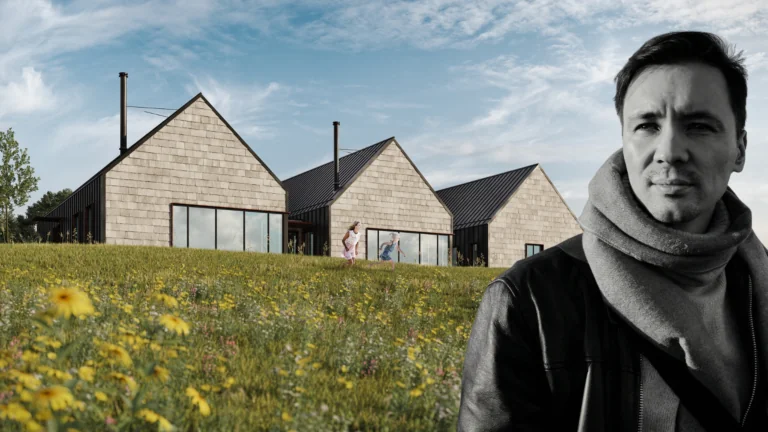
One of the most notable trends in rural living is the rise of barndominiums. These unique structures, which blend the look of a barn with the functionality of a home, have quickly become popular in rural areas across the United States. Originally designed as multi-purpose agricultural buildings, barndominiums have evolved into modern homes that combine rustic charm with contemporary design.
Barndominiums offer several advantages that make them an attractive option for homeowners in rural areas. For one, they tend to be more affordable than traditional homes. The materials used to construct barndominiums—often metal and wood—are cost-effective, and the design is typically simpler and more straightforward. This can make barndominiums an ideal choice for those looking to build a home on a budget without compromising on style.
Another key benefit of barndominiums is their versatility. These structures can be customized to fit the needs of the homeowner. Whether you’re looking for a spacious, open-plan layout with high ceilings or a more traditional home with separate rooms, a barndominium can be adapted to suit your preferences. Many homeowners are drawn to the idea of having a home that’s both functional and unique, and barndominiums certainly deliver on that front.
Moreover, the open space and flexible design of barndominiums often allow for a seamless blend between indoor and outdoor living. Large windows, sliding glass doors, and expansive porches are common features that make the most of rural surroundings. Whether you’re looking to entertain guests, relax with a cup of coffee, or simply enjoy the view, a barndominium provides plenty of opportunities to embrace nature and the outdoors.
Barndominiums Indiana is one example of how this trend is gaining traction in specific regions. In Indiana, where rural living has always been a staple of the state’s identity, barndominiums have found a particularly enthusiastic audience. The combination of affordability, customization, and connection to nature makes these homes a perfect fit for homeowners in the state, especially those looking for more space while staying within budget.
The Modernization of Rural Homes: Blending Rustic Charm with Innovation
While rural homes have traditionally been associated with rustic, old-fashioned designs, modern technology and innovation are helping to reshape the way rural homes are built and lived in. Today’s rural homes incorporate a blend of traditional elements and cutting-edge technologies that make them more comfortable, energy-efficient, and adaptable to modern lifestyles.
One of the most significant changes is the use of sustainable building materials. Homeowners are increasingly opting for eco-friendly options such as reclaimed wood, metal, and other sustainable materials that have a minimal environmental impact. Not only do these materials help reduce waste and preserve natural resources, but they also add character and charm to rural homes.
Another innovation in rural home design is the integration of smart home technology. While rural areas may not always have the same level of connectivity as urban centers, advances in technology have made it easier than ever to stay connected. From smart thermostats and security systems to lighting and entertainment, rural homeowners can now enjoy the convenience and efficiency of smart technology, making their homes more comfortable and energy-efficient.
Additionally, the rise of open floor plans has become a defining feature of modern rural homes. Large, open spaces with minimal walls allow for greater flow and flexibility in how the home is used. The inclusion of large windows and skylights further enhances the connection to nature, providing ample natural light and stunning views of the surrounding landscape. Rural homes are evolving from simple, utilitarian buildings to beautiful, functional spaces that cater to the needs of modern living.
Sustainability and Energy Efficiency in Rural Homes
Sustainability is at the forefront of the rural revival trend. As people become more conscious of their environmental impact, there is a growing demand for homes that are energy-efficient, eco-friendly, and built with sustainable practices.
In rural areas, where resources may be more limited and utility costs can be higher, homeowners are turning to energy-efficient solutions that reduce their reliance on outside sources. Solar panels, energy-efficient appliances, and high-quality insulation are all common features in modern rural homes. These eco-friendly upgrades not only help reduce energy consumption but also contribute to long-term savings on utility bills.
Water conservation is another important consideration for homeowners in rural areas. With the increased availability of space, many rural properties include rainwater harvesting systems, water-efficient landscaping, and greywater recycling systems that help homeowners make the most of their natural resources. By reducing water waste and using eco-friendly systems, rural homeowners can embrace a more sustainable way of living while also protecting the environment.
These sustainable building practices are not just about reducing energy consumption—they also help to improve the overall quality of life. Eco-friendly homes tend to be healthier to live in, with better air quality, natural lighting, and materials that are free from harmful chemicals. This holistic approach to homebuilding ensures that homeowners not only save money but also live in a healthier, more sustainable environment.
The Future of Rural Living: What’s Next?
The future of rural living is bright. As more people continue to embrace the rural revival, we can expect even more innovations in housing design, sustainability, and technology. Eco-villages, self-sustaining communities, and off-grid living are all gaining popularity, and these trends are likely to continue in the coming years.
One thing is clear: rural living is no longer just for retirees or farmers. It’s a lifestyle choice that appeals to people of all ages, backgrounds, and professions. As the demand for sustainable, affordable, and customizable homes grows, rural areas are set to become increasingly attractive places to live and work.
However, challenges still exist. Internet connectivity and infrastructure issues can make living in rural areas more difficult, and zoning laws and building regulations can sometimes pose barriers to innovation. Despite these challenges, the benefits of rural living—more space, less congestion, and greater connection to nature—are helping to overcome these obstacles, making rural homes more appealing than ever before.
Conclusion
The rural revival is not just a passing trend—it’s a movement that is reshaping the future of modern homes. As homeowners seek more space, affordability, and a connection to nature, the demand for rural-inspired homes like barndominiums continues to grow. By blending rustic charm with innovative technologies and sustainable building practices, rural homes are becoming a more desirable option for those looking to embrace a simpler, more sustainable way of life. Whether you’re dreaming of a barndominium, a tiny home, or a self-sustaining eco-village, the future of rural living is full of possibilities.
As this trend continues to evolve, it’s clear that rural living is here to stay, offering a perfect balance of tranquility, modernity, and sustainability.