Moving into a first home often sparks excitement and big design ideas. Many new homeowners feel eager to decorate quickly, yet rushing can lead to interior design mistakes that impact both comfort and long-term value. Small errors like buying oversized furniture or skipping proper lighting create spaces that feel unbalanced. Poor choices in color or layout can lower the appeal of a home if resold. Not to mention, overlooking storage or ignoring practical layouts makes daily living harder. Learning about common traps early helps homeowners create stylish, functional spaces. Thoughtful design choices shape a welcoming environment that lasts.
Ignoring Scale and Proportion in Furniture
Many first-time homeowners get excited about buying large furniture pieces without checking the size of their rooms. Oversized couches often dominate small spaces, making movement difficult and the rooms feel cramped.
On the other hand, rugs that are too small create an unbalanced layout, drawing attention to awkward gaps rather than tying the furniture together. In contrast, using items that fit the scale of the space builds comfort and balance. Proportion directly affects the flow of a room.
With this in mind, choosing furniture that matches both the size of the room and the other pieces ensures harmony. Balanced proportions make any space feel intentional, practical, and welcoming for daily living.
Overlooking Lighting Layers
New homeowners often underestimate the power of lighting. Relying on a single overhead fixture creates dull rooms lacking warmth. Task lighting in kitchens or reading spaces improves both function and atmosphere. Accent lights highlight art or architectural features, adding depth to otherwise blank walls. Dimmers provide flexibility for different times of day and shifting moods.
Lighting should work in layers: ambient, task, and accent. Each layer has its own role, and together they transform a room. Choosing only one type gives a space a flat, unfinished quality. Balanced lighting supports comfort while enhancing style. Good lighting design turns everyday rooms into places that feel inviting and purposeful—and it also has implications for well-being and long-term value.
The importance of well-designed lighting isn’t just aesthetic. A systematic review published by the National Library of Medicine examines how home lighting affects health outcomes such as mood, sleep, and general well-being. The authors found that inadequate or poorly designed lighting can negatively influence psychological and physiological health.
Therefore, incorporating ambient, task, and accent lighting—with the ability to fine-tune via dimmers—creates not just a beautiful interior, but a healthier, more adaptable living environment.
Rushing into Color Choices
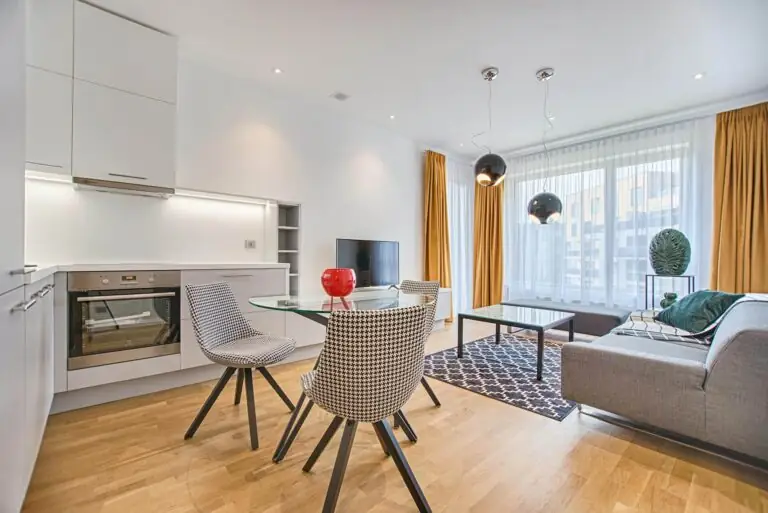
Selecting paint colors before planning furniture often backfires and creates interior design mistakes. Bold walls can clash with décor, making the room feel chaotic. As a matter of fact, natural light shifts shades throughout the day, so testing samples on different walls is smart.
At the same time, furniture, rugs, and art should guide final paint choices. Rushing to paint immediately may lead to costly rework. Accent walls painted too quickly often fail to match the room’s character. Neutral backdrops give flexibility for future updates. Patience ensures a palette that supports comfort and style. Thoughtful color planning provides cohesion, creating harmony between furniture, flooring, and accessories without clashing undertones.
Neglecting Budget Planning
Neglecting budget planning often leads to overspending on flashy purchases while cutting corners on essentials. A balanced approach helps keep finances under control and prevents regret later on. For example, investing in durable flooring, reliable lighting, or quality appliances provides long-term benefits, while bargain alternatives often wear out quickly and cost more in the long run. Creating a detailed budget that divides funds into categories—such as furniture, fixtures, décor, and maintenance—ensures every part of the home receives the right level of attention.
It’s also important to set spending limits for each category. Clear limits reduce the risk of unnecessary debt and help homeowners avoid the stress that comes with unplanned expenses. Rather than trying to complete every upgrade at once, consider leaving room in the budget for gradual improvements. Smaller décor updates made over time allow the home to evolve naturally while spreading costs across months or even years.
Another useful step is to evaluate what you already own before committing to new purchases. Sometimes existing pieces can be repurposed or refreshed, saving money without compromising style. That is where the moving process ties directly into financial planning, as unpacking is the first step in identifying what’s truly needed. By organizing items as they come out of boxes, positioning large furniture first, and focusing on essential areas like the bedroom, kitchen, and bathroom, you get a clear view of gaps that require investment.
Ultimately, financial planning is not just about limiting expenses; it’s about aligning spending with long-term goals. Smart budgeting creates a comfortable living space that balances practicality and style, ensuring the home is both functional and welcoming. When done thoughtfully, it allows homeowners to enjoy their space without sacrificing durability, value, or peace of mind.
Cluttered Walls and Décor Overload
Many homeowners cover every wall with art, photos, or shelves. This approach often overwhelms the room. Open wall space gives breathing room and lets standout pieces shine. Furniture and wall décor must balance each other, or the room feels cramped.
Also, too many shelves or frames collect dust and reduce visual flow. Selecting fewer but meaningful items produces a stronger impact. Rotating art seasonally offers freshness without overfilling the walls. Thoughtful restraint communicates style and taste more effectively than clutter. Allowing negative space keeps design intentional, helping homeowners avoid environments that feel chaotic instead of comfortable and well-structured.
Forgetting Storage and Practical Layouts
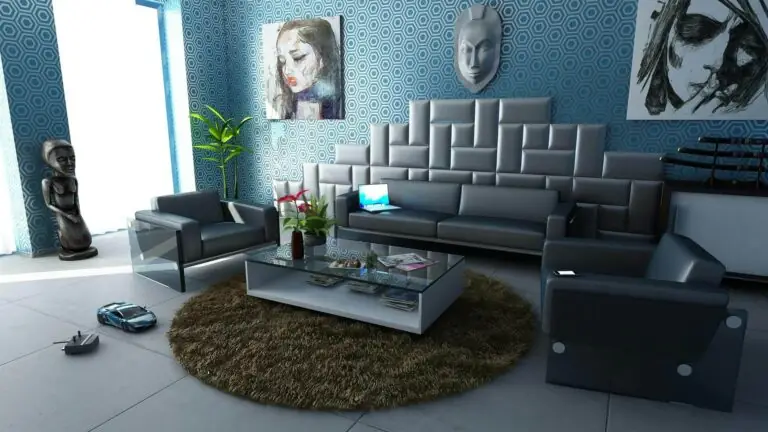
Excitement often overshadows planning for storage. Closets and cabinets fill faster than expected. For this reason, ignoring storage leads to messy rooms and daily frustration. Furniture placement can disrupt traffic flow. Large tables blocking pathways limit function, even if they look appealing. Poor layouts reduce comfort when families gather or guests visit.
Investing in hidden storage solutions like ottomans or under-bed drawers improves function. Storage that matches lifestyle keeps spaces organized and stress-free. Arranging furniture with walking space in mind boosts usability. Storage and layouts shape how a home feels day to day, impacting both comfort and long-term enjoyment.
Following Trends Without Personal Style
Trendy décor often appeals at first sight, but ages quickly. Nevertheless, copying everything from social media makes spaces feel generic. Fast-changing fads limit a home’s timeless appeal. Investing in classic furniture pieces provides a stronger foundation. In like manner, personal touches such as art or heirlooms build authenticity.
Then again, mixing a few modern elements adds freshness without overpowering identity. Design should reflect the homeowner’s story, not just what looks popular online. Ignoring personal style for trends creates regret later. A balanced approach combines practicality, individuality, and tasteful accents, ensuring the home remains stylish and meaningful long after trends fade.
Mistakes That Hurt Long-Term Value
Some choices harm a home’s resale appeal. Low-quality finishes, like flimsy cabinets, age poorly and frustrate future buyers. Sturdy materials maintain beauty and function for years. The color choices are also important. Bright, trendy shades may not attract broad interest. Neutrals offer a safer, timeless option for resale.
Similarly, unusual layouts or built-ins often deter potential buyers, limiting offers. Thoughtful design increases value and broadens market appeal. Small updates like upgraded lighting or hardware refresh spaces without major costs. Avoiding short-term thinking ensures both comfort now and higher resale potential later. Long-term planning protects investment while keeping the home enjoyable every day.
Final Thoughts on Avoiding Interior Design Mistakes
Avoiding common interior design mistakes helps first-time homeowners create balance, comfort, and long-term value. As a matter of fact, every choice shapes daily living and future resale. Another key point is that unpacking is the first step toward a thoughtful layout. Above all, smart planning builds a stylish, practical home that feels welcoming for years.