Choosing a Faucet: A Simple Guide for Kitchens and Bathrooms
A faucet is one of the most frequently used fixtures in any home. We use them from the moment we wake up to the end of the day. Selecting a new one involves considering both its appearance and functionality.
Many people who consider luxury faucets focus on visual appeal, yet the internal mechanics and daily usability are equally important for long-term satisfaction. This guide offers a clear path to choosing the right fixture for your kitchen or bathroom.
Exploring Different Faucet Types
The first step is to know the basic faucet configurations available. Kitchen and bathroom faucets serve different purposes and come in distinct designs. A clear understanding of these types helps you narrow down your options effectively.
Kitchen Faucets
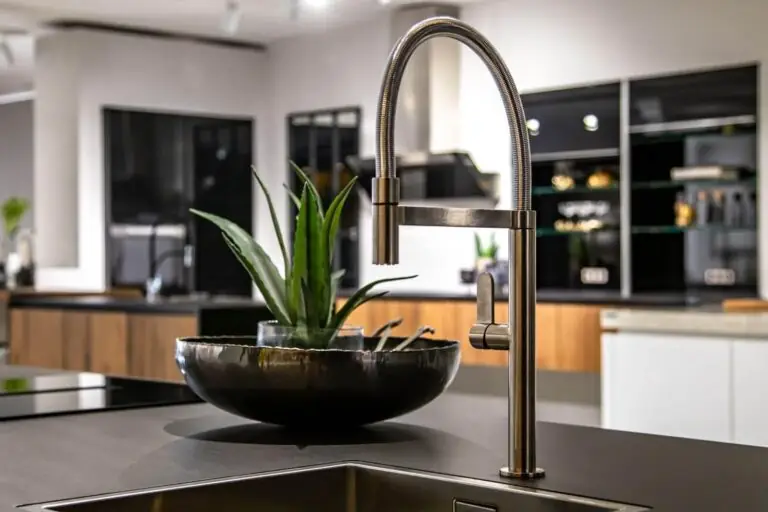
Kitchen faucets need to be versatile to handle tasks from washing vegetables to filling large pots. Common types include:
Bathroom Faucets
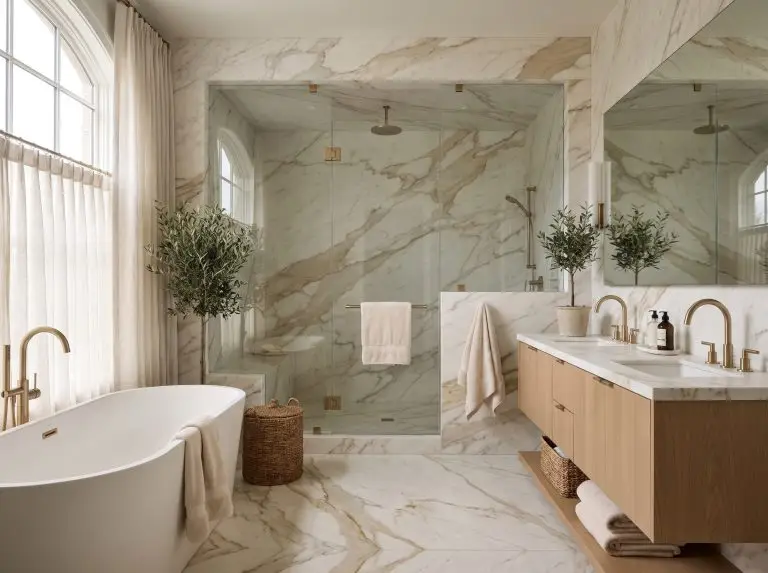
Bathroom faucets are typically smaller and focus more on design integration with the sink and vanity. The installation type is a primary consideration.
Choosing the Right Material and Finish
The material and finish of a faucet determine its durability, maintenance needs, and overall look. Solid brass and stainless steel are excellent choices for the main body because they resist corrosion and last a long time. The finish is the protective coating that also provides the color and texture.
Popular finishes offer different benefits. Chrome is a very durable and easy-to-clean option that fits most styles. Brushed nickel has a soft metallic look that hides water spots and fingerprints well. Matte black provides a bold, contemporary feel but may show dust or mineral buildup more easily. Polished brass offers a warm, traditional look that can develop a unique patina over time.
Functionality and Installation Essentials
A faucet’s internal components are critical to its performance. Look for faucets with ceramic disc valves. These valves are made of two hard ceramic discs that create a perfect seal to prevent drips. They are the industry standard for their reliability and longevity.
Before you buy a faucet, check your sink or countertop. Count the number of pre-drilled holes, as this will limit your options. A single-hole sink requires a single-hole faucet, while a three-hole sink can accommodate a widespread or centerset model.
Some faucets come with a deck plate to cover unused holes if you want to install a single-handle faucet on a three-hole sink. Also, consider water efficiency. Look for the EPA WaterSense label, which certifies that the faucet uses at least 20 percent less water than standard models without sacrificing performance.
Matching Faucets to Your Home’s Style
Your new faucet should complement the existing style of your kitchen or bathroom. The shape of the spout, the design of the handles, and the finish all contribute to its aesthetic. A high-arc, gooseneck faucet often suits a modern or farmhouse kitchen. A faucet with clean lines and a simple lever handle fits well in a minimalist space.
For bathrooms, a widespread faucet with cross handles can enhance a traditional design. A sleek, single-handle faucet with a polished chrome finish complements a contemporary vanity. The goal is to create a cohesive look where the faucet feels like a natural part of the room’s overall design.
Conclusion
Choosing the right faucet is a balance of form and function. Start by identifying the type that best suits your daily tasks and installation requirements. Select durable materials and a finish that matches your maintenance preferences and style. By focusing on these practical elements, you will find a faucet that not only looks great but also performs reliably for years. The best choice is one that simplifies your routine and enhances your space.