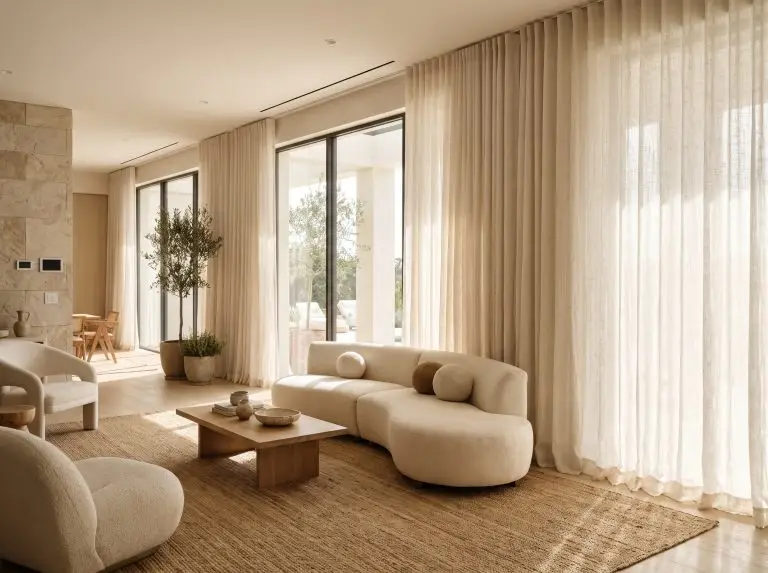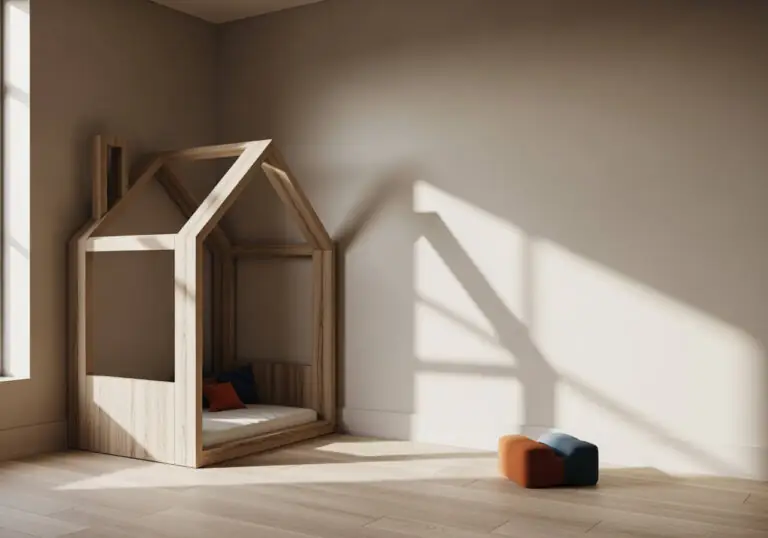
Are you planning a room refresh for your child? If the search trends from the past year are any indication, 2026 is the year kids’ rooms move from temporary, themed spaces to sophisticated, architectural, and highly functional designs.
We analyzed vast search data to identify the 5 core trends that will define children’s interiors next year. These designs prioritize long-term utility, high-quality materials, and clean aesthetics, proving that elevated style and imaginative play can successfully coexist. Our eleven visual examples illustrate how to achieve these looks.
Here are the definitive Kids Room Design Trends for 2026.
Trend 1: Architectural & Multi-Functional Beds
The bed in the 2026 kids’ room is a custom-built, space-optimizing structure that serves as the room’s central, architectural statement. This is a highly functional response to multi-level and space-saving furniture search queries.
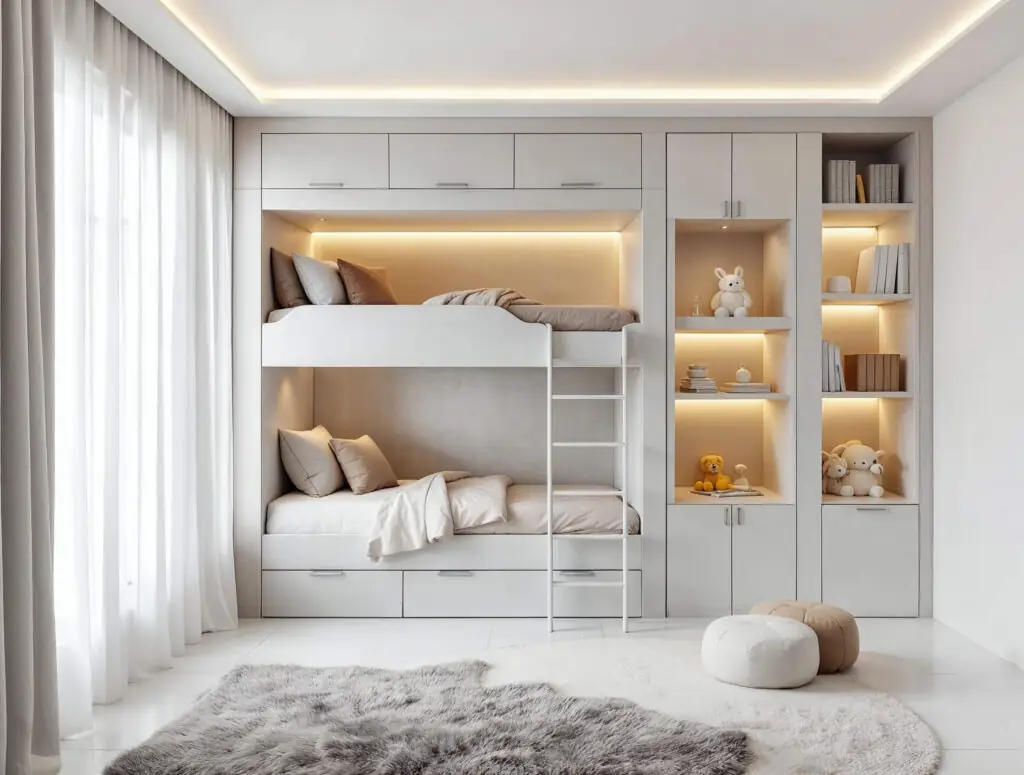
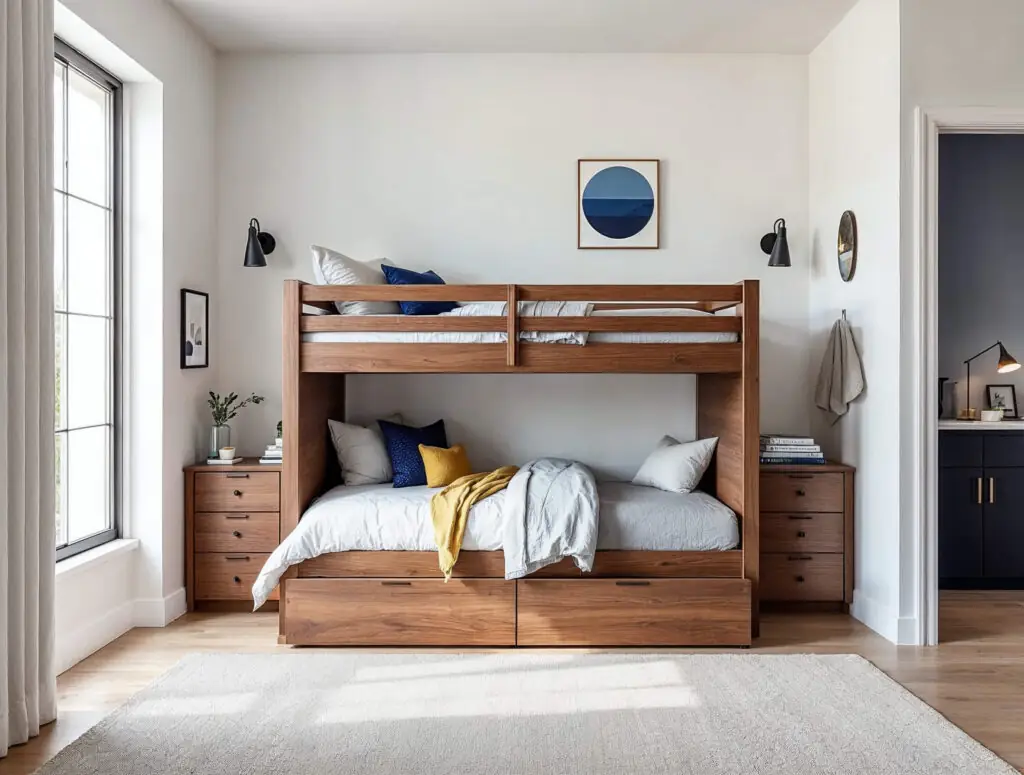
The Built-In Bunk
Moving away from prefabricated metal or wood frames, 2026 bunkers are rendered in solid materials, complete with built-in niches and architectural lighting. This gives them a sophisticated, permanent quality while maximizing vertical space.
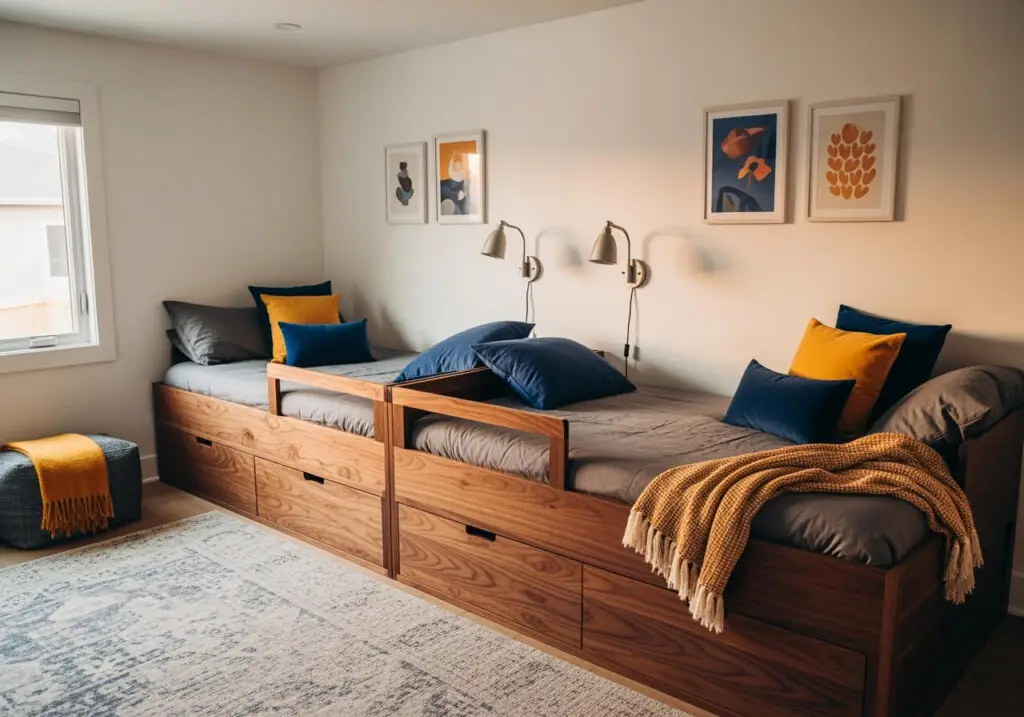
Sophisticated Shared Spaces
The design demands a clean aesthetic paired with maximum efficiency for rooms housing multiple children. Here, the solution is custom, two-level platforms that incorporate storage seamlessly and use rich materials like walnut wood.
Lofted Structure & Play Area
Loft beds free up critical floor space for play or study. The 2026 version integrates the loft into the room’s structure, making it feel less like a temporary addition and more like a permanent architectural feature.
Trend 2: Warm Minimalism and Textured Neutrals
The most prevalent search trends for kids’ rooms point toward an evolution of Scandinavian style. The 2026 approach is less stark and all about warmth, texture, and natural materials. This design creates a serene, long-term base that easily adapts to changing accessories.
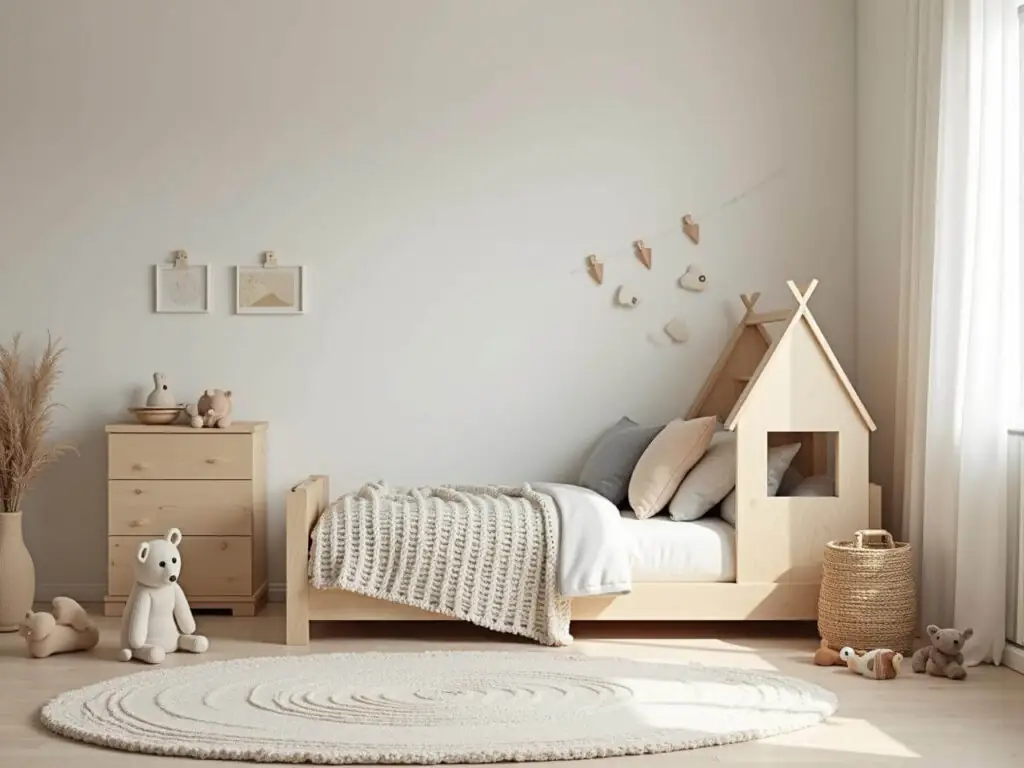
The Cozy Aesthetic
This aesthetic prioritizes the feeling of comfort and security. The use of natural, untreated wood for custom features, combined with soft, layered textiles, creates an immediately inviting and high-quality space.
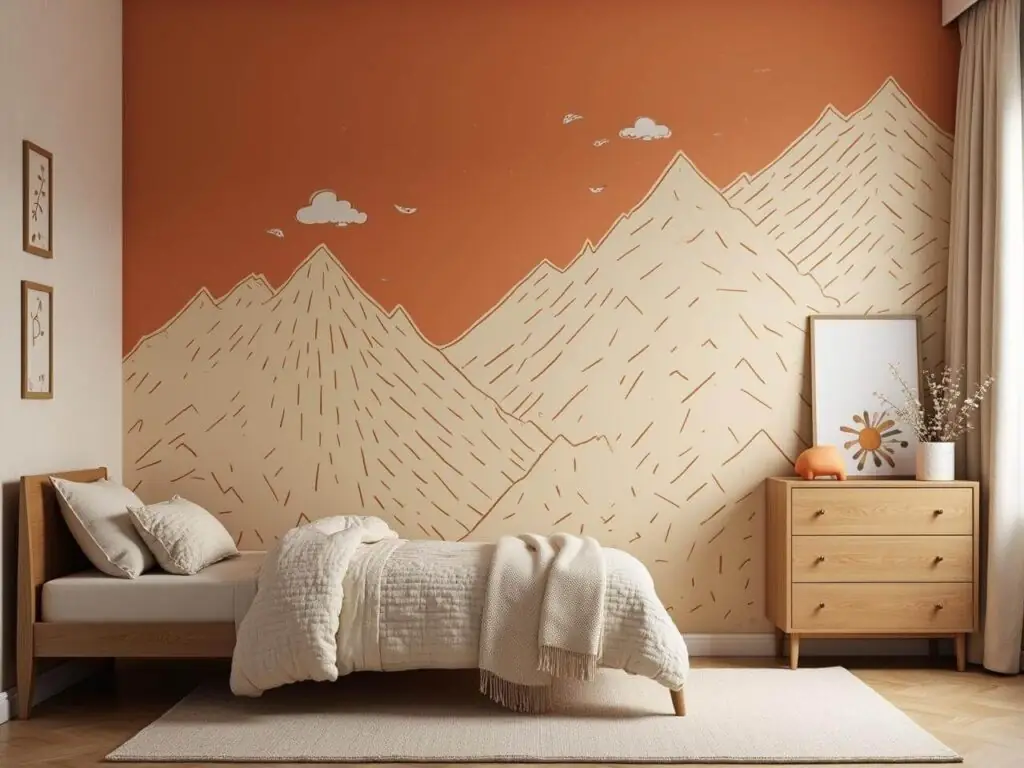
Patterned Neutrality
Neutrality doesn’t have to mean boring. Using sophisticated graphic wallpaper in a muted, earthy palette is a perfect way to inject visual interest and personality into a gender-neutral space, serving as the main decorative element.
Trend 3: Sophisticated Color & The Moody Accent
The trend of overwhelming pastel-only rooms is over. 2026 is about using color strategically, with high search interest in ‘color combinations’ and specific deep shades like ‘dark green.’ This trend uses a neutral base with one intentional, moody accent color to provide depth.
Earthy Depth
Deep forest green, sage, and other complex neutrals offer a grounding, nature-inspired palette. Using these shades on an accent wall provides maximum impact while respecting the principle of long-term neutral wall finishes.
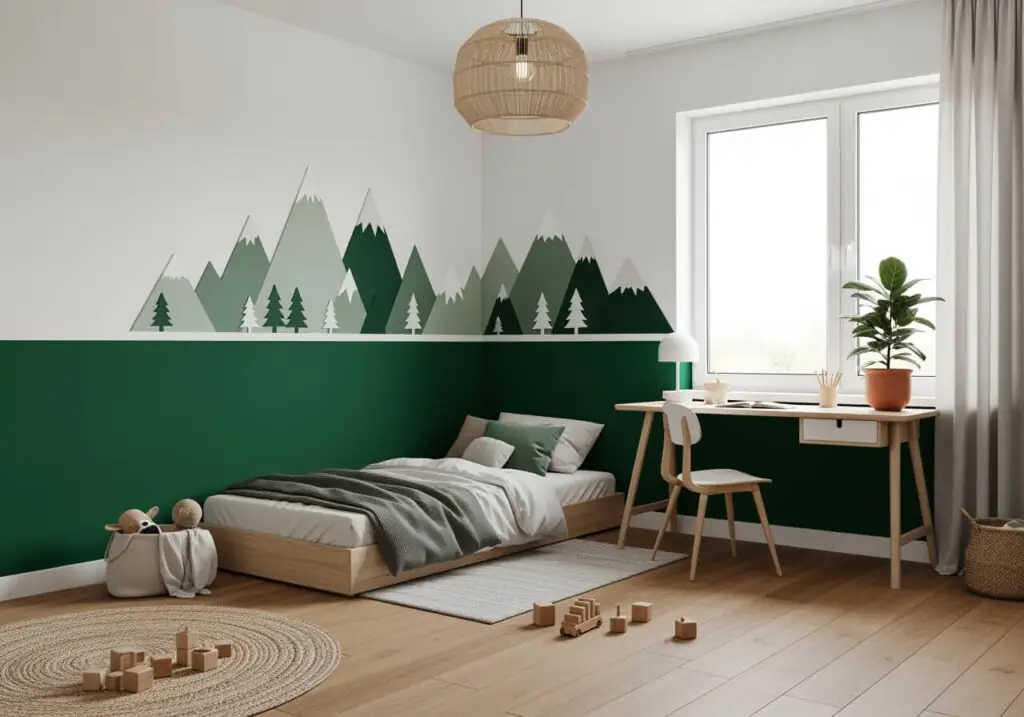
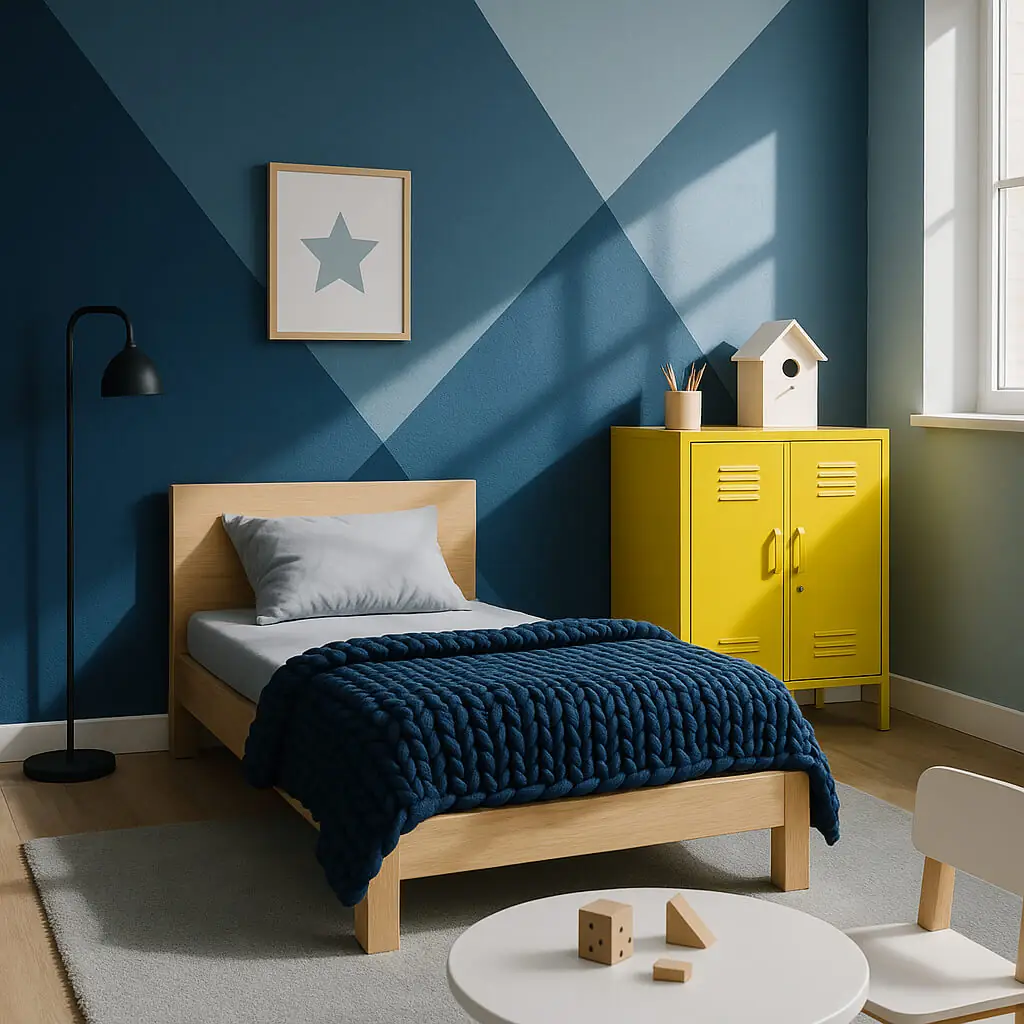
Bold Geometric Statements
The use of paint to create geometric patterns is a versatile way to integrate color. This look uses contrasting shades and shapes to segment the wall visually, offering a playful yet sophisticated design that is easy to update as the child’s tastes evolve.
Trend 4: Elevated Feminine Design & The Luxury Aesthetic
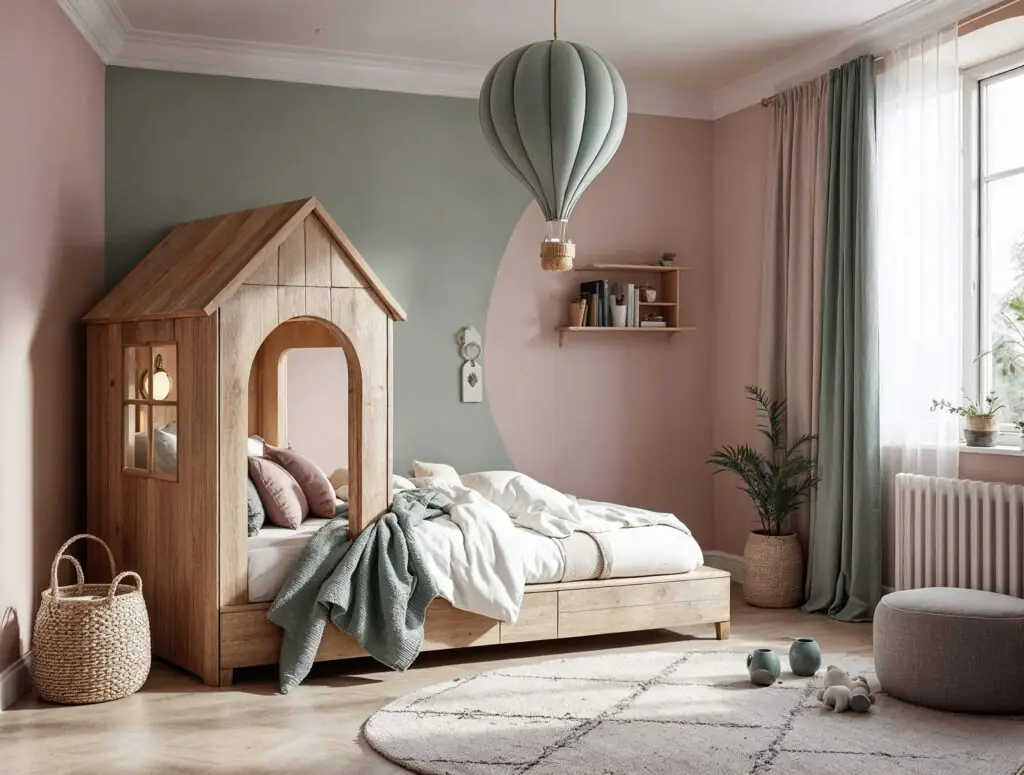
The shift in design for girls’ rooms (a highly searched term) is moving toward a sophisticated, high-end sanctuary space defined by texture, subdued color, and customized play elements. The room is built to last but includes aspects of whimsical structure.
The Playful Structure
Luxury is introduced through custom structures and high-design lighting fixtures that feel more like installations. The house-bed structure here is rendered in high-quality wood, creating a retreat that balances whimsy with lasting style.
Trend 5: Optimized Utility and Architectural Details
Functionality is non-negotiable, and searches for ‘small rooms’ and ‘space-saving’ solutions confirm this. In 2026, organization and task lighting are integrated into the architecture itself, eliminating clutter and maximizing space for play and study.
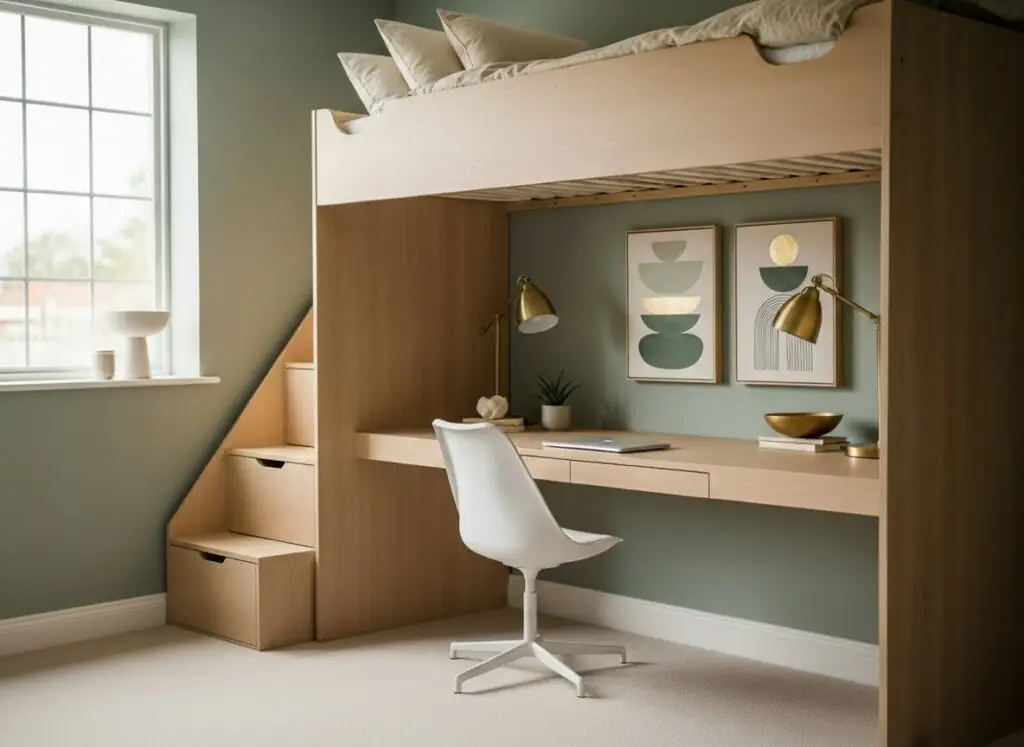
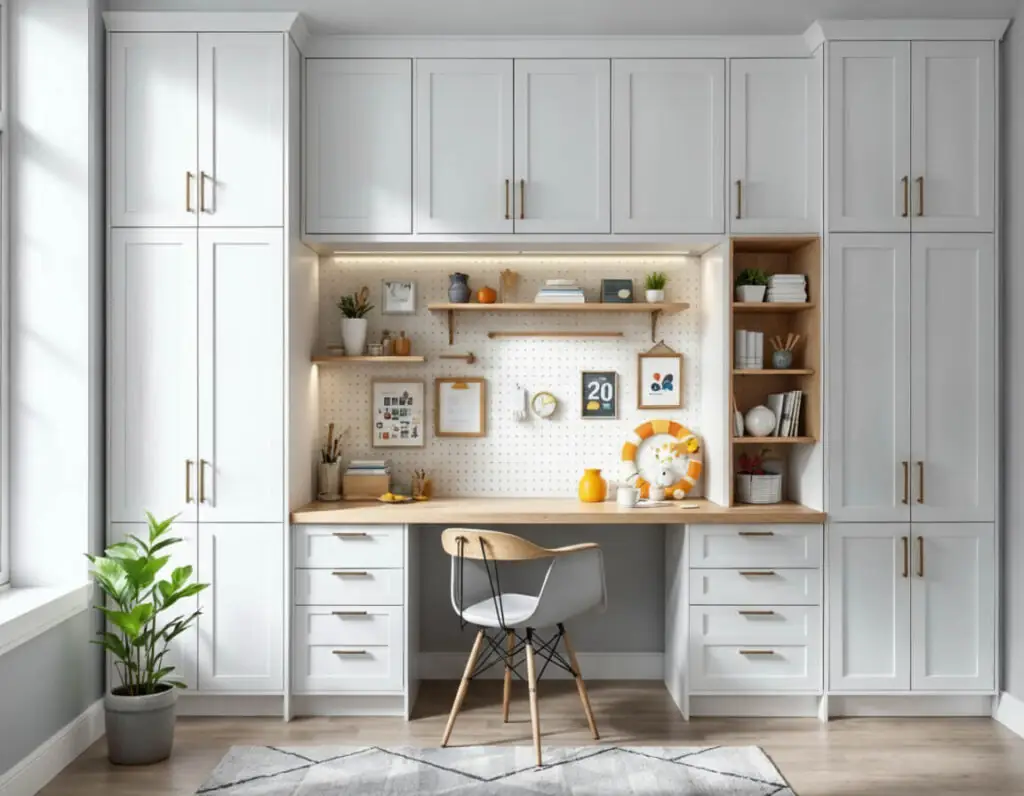
The Built-in Nook & Study Pod
A dedicated study or creative zone maximizes a room’s utility. Integrating the desk, storage, and organizational tools into a single, seamless nook is the most efficient solution for school-age children.
Statement Lighting
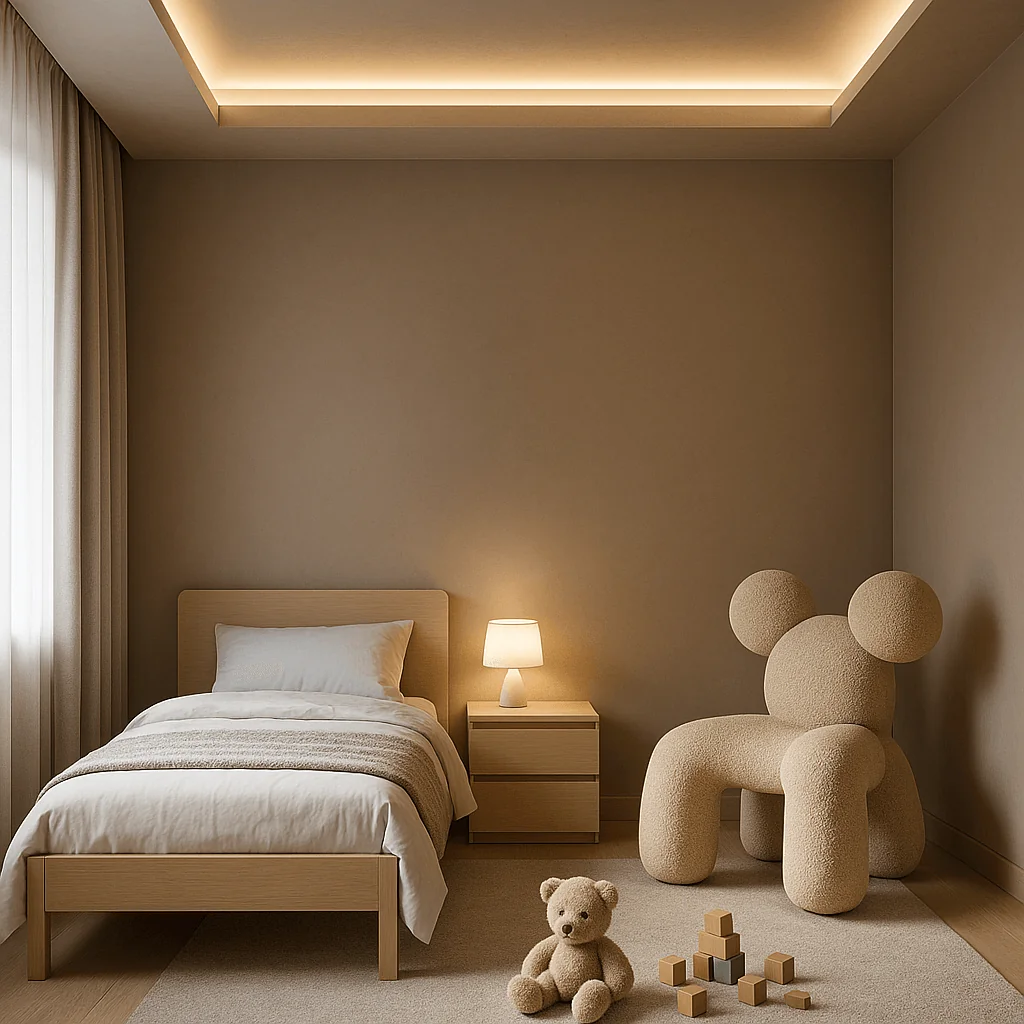
The false ceiling is making a comeback in children’s room design. It is used not for grandiosity but to create a sleek channel for indirect, cove-style LED lighting. This functional detail provides soft, ambient light, instantly elevating the room’s design quality while maintaining safety.
Integrated Storage
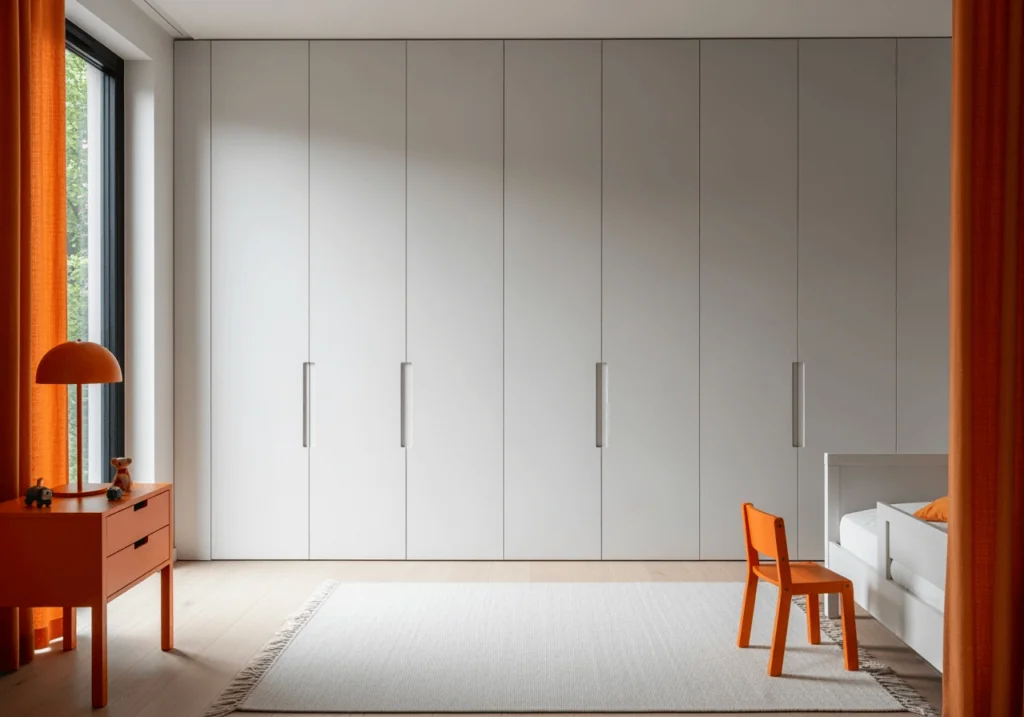
The ultimate goal of luxury kids’ design is concealment. Building storage directly into the wall structures ensures that toys and clutter are completely hidden, preserving the clean, adult-friendly aesthetic.