Scandinavian Curtains: 2026 Guide to Styles, Fabrics, and Trends
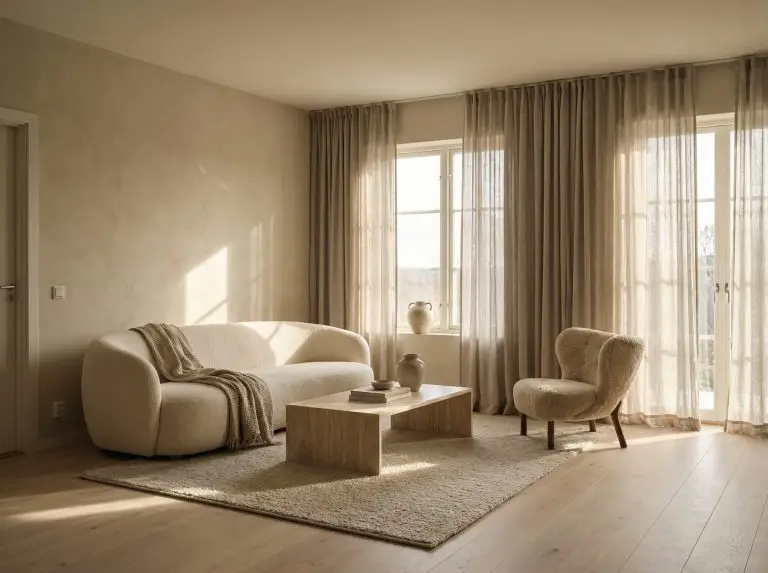
When you think of Scandinavian design, the first image that likely pops into your head is a flood of natural light. It’s the lifeblood of Nordic interiors. But here lies the paradox: how do you dress a window without blocking that precious light?
For years, the answer was stark, simple white cotton. But as we move through 2026, the “hospital sterile” look is officially out. It has been replaced by “Warm Minimalism”—a style that values texture, coziness (hygge), and sustainability just as much as functionality.
In this comprehensive guide, we’re going beyond the basics. We’ll explore how to frame your views with the latest eco-fabrics, how to master the “Japandi” look, and why the specific way your curtains hit the floor can make or break a room.
Core Features of Scandinavian Window Design
The Nordic approach to window treatments is fundamentally different from the heavy, ornate styles often found in traditional European or American classic design. It is not about covering up; it is about framing.
Maximizing Natural Light
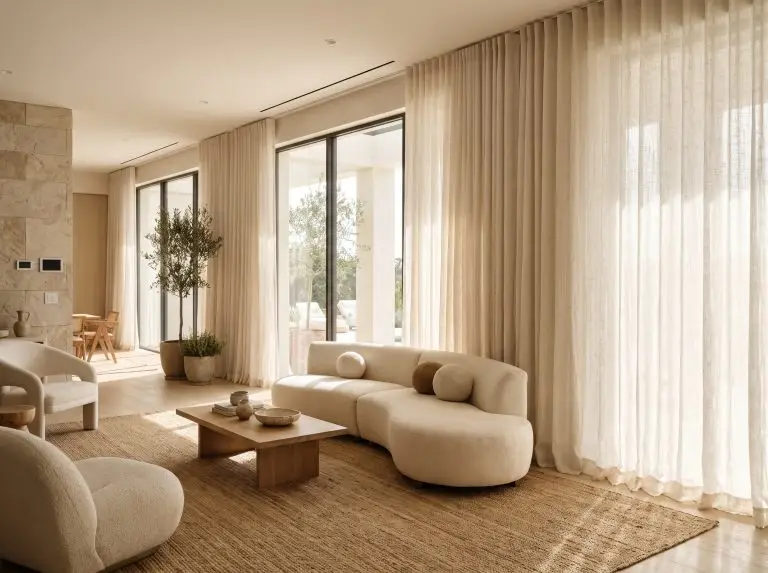
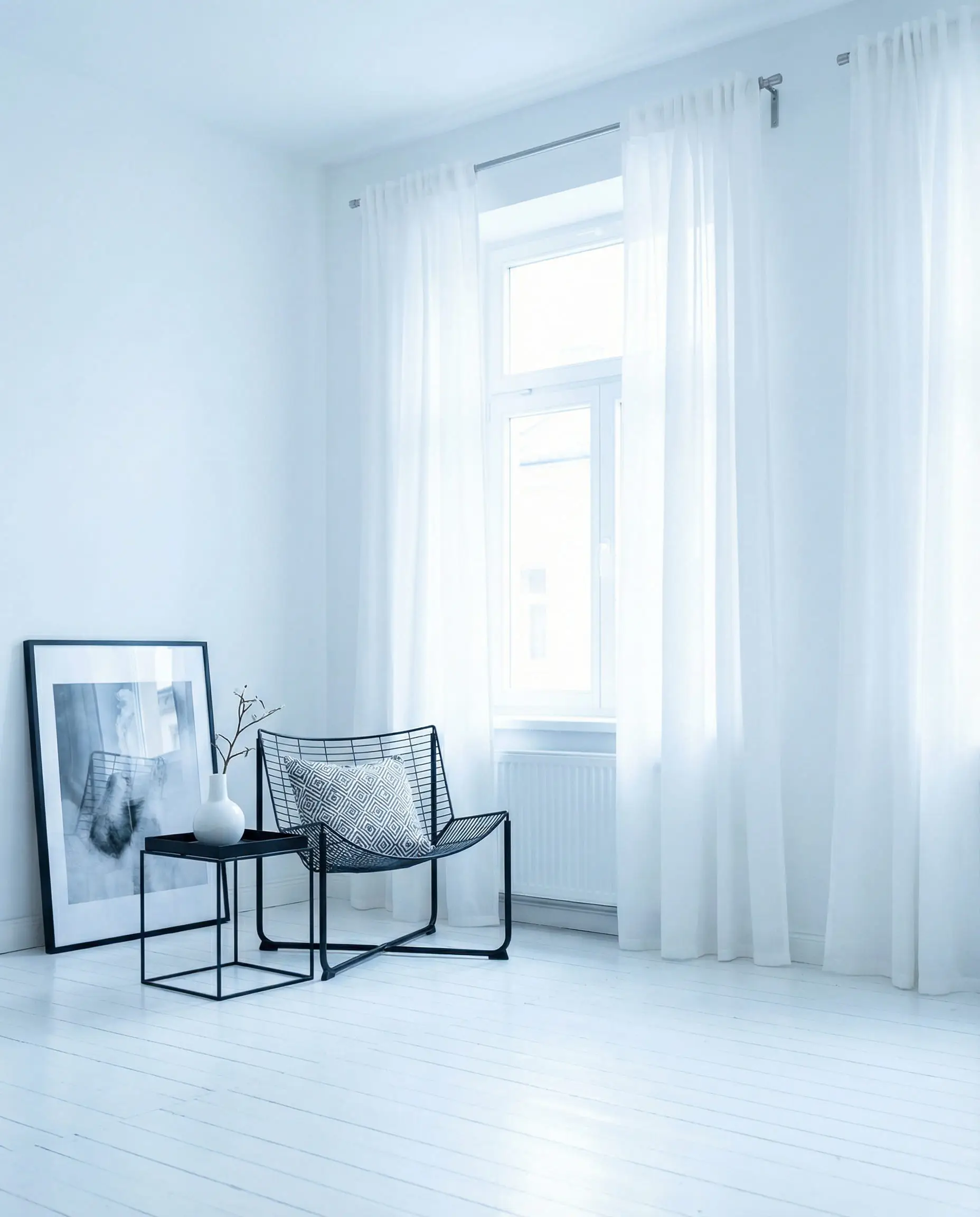
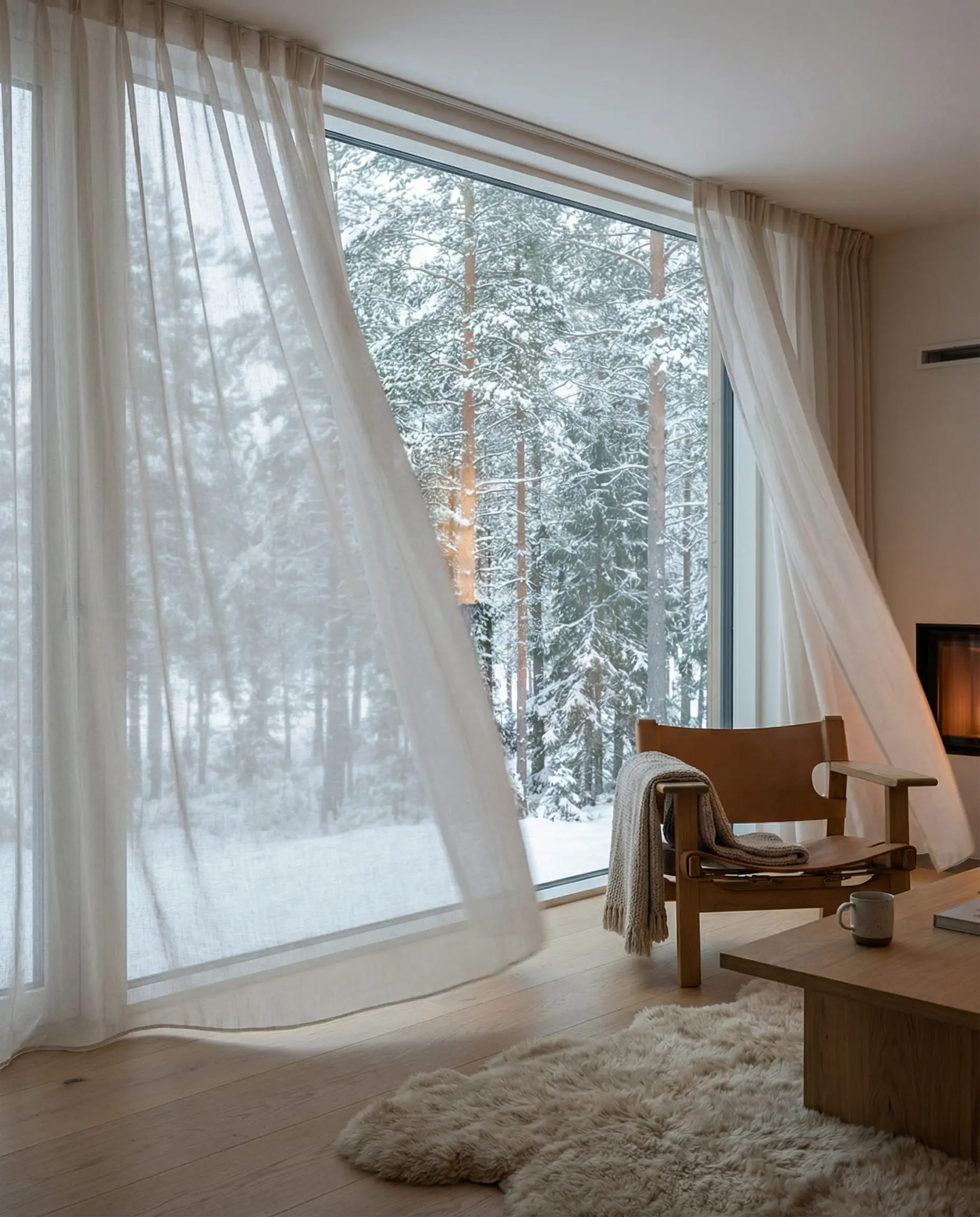
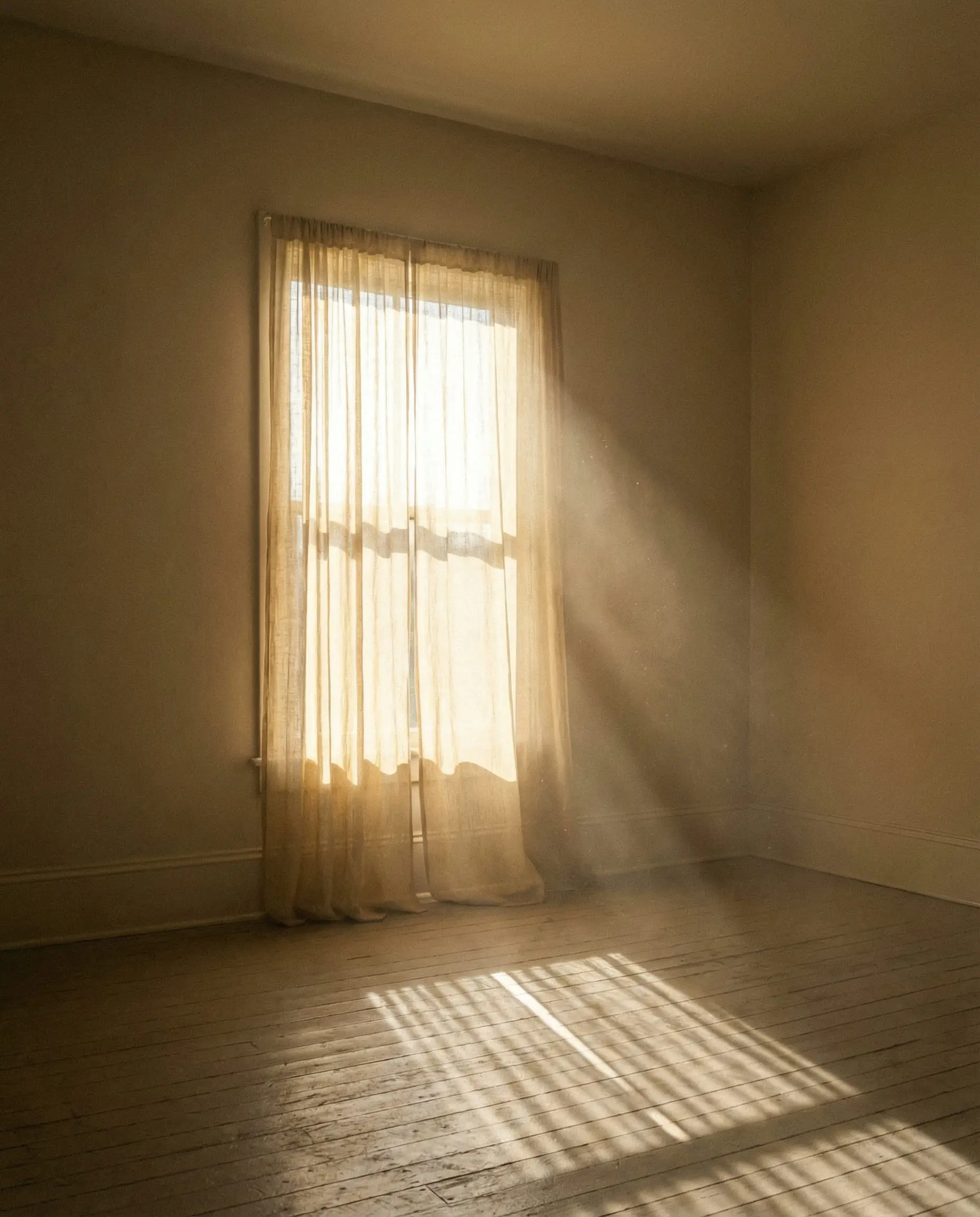
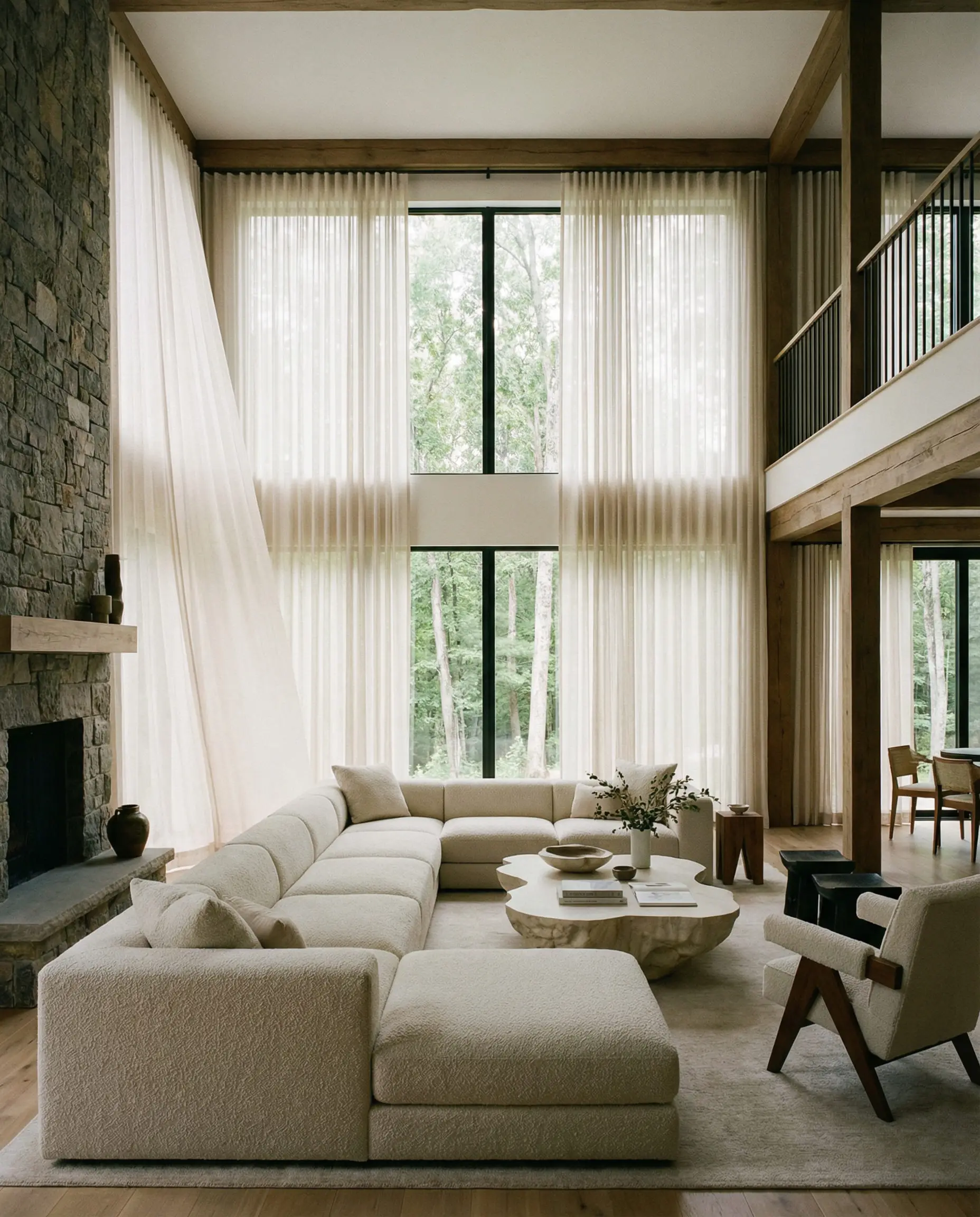
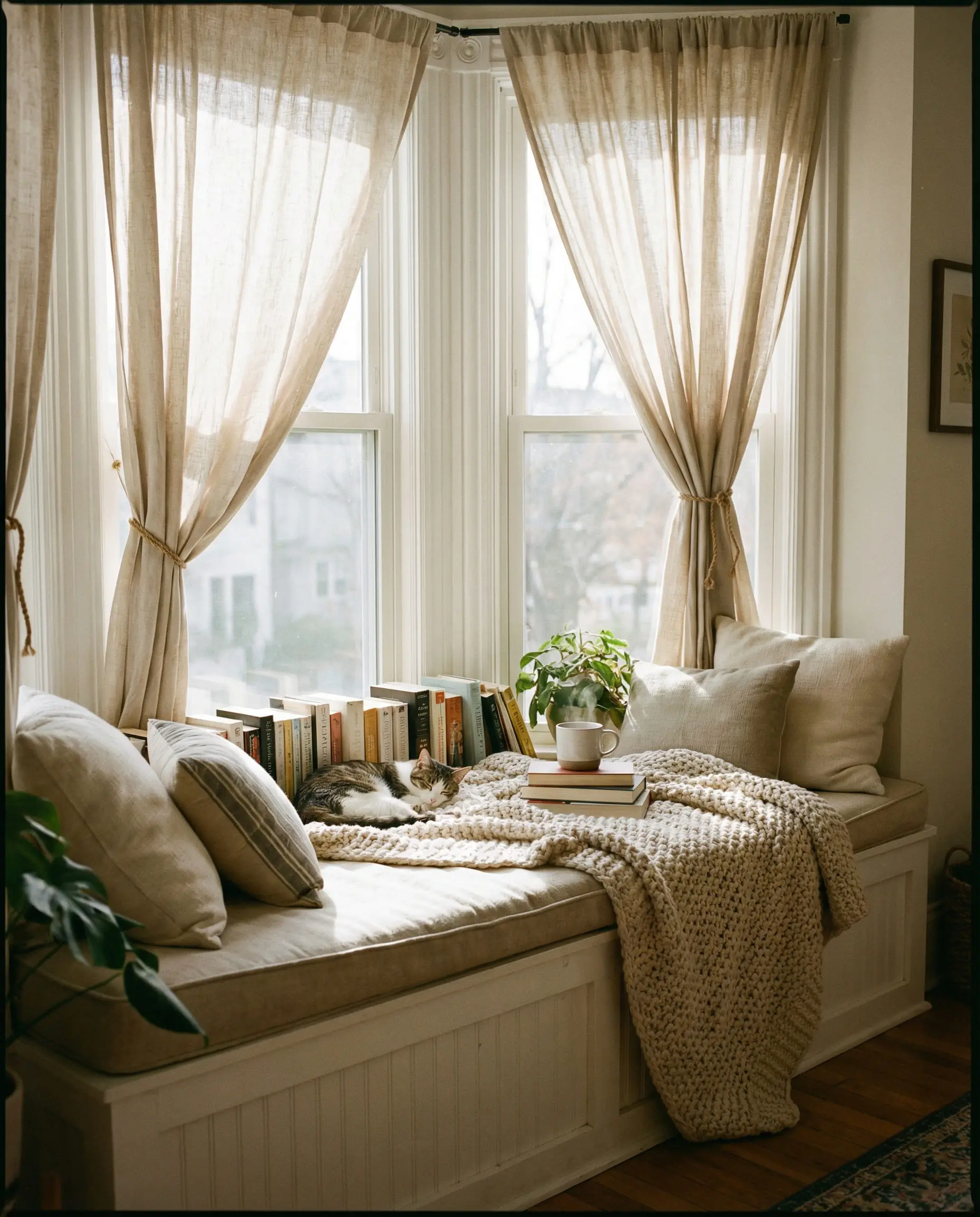
In countries like Sweden, Norway, and Finland, winter days are short and dark. Therefore, every photon of sunlight is precious. The primary rule of Scandinavian window dressing is transparency. Fabrics are rarely 100% opaque unless specifically designed for a bedroom. The goal is to diffuse harsh glare into a soft glow that washes over the room, enhancing the sense of space.
Texture Over Pattern
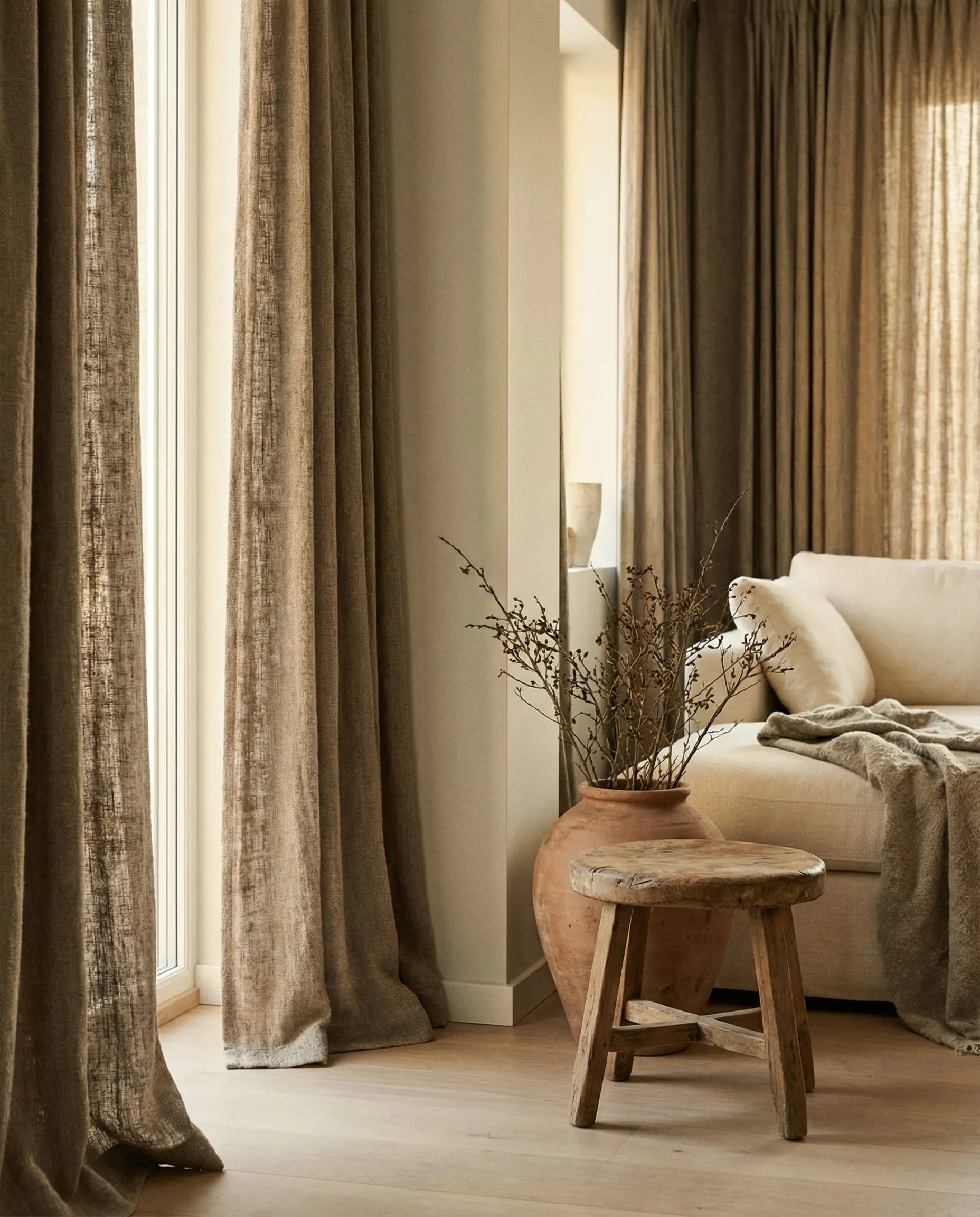
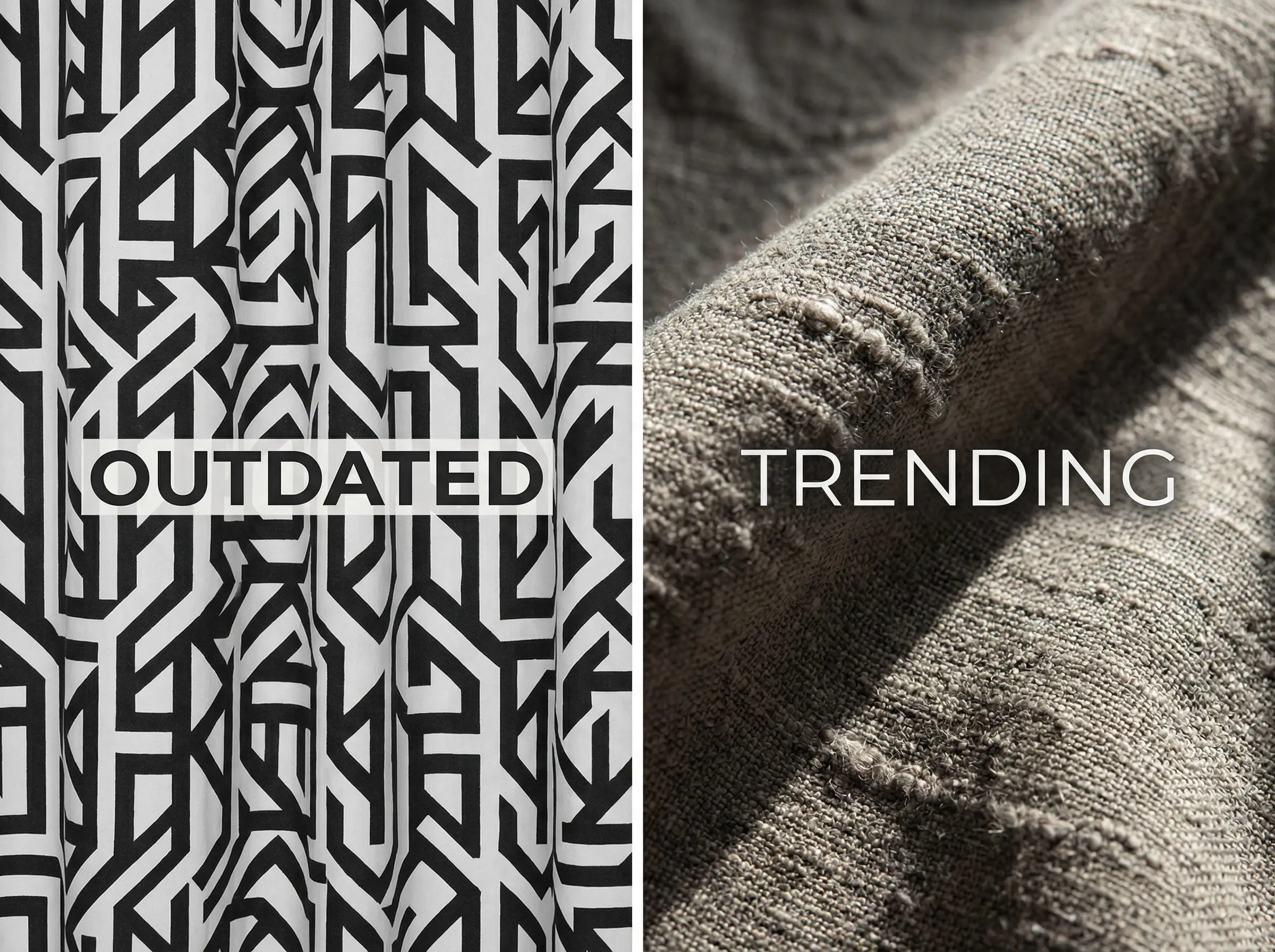
While bold Marimekko prints have their place in retro Scandi design, the contemporary 2026 vibe leans heavily into texture. Instead of busy floral prints that clutter the visual field, designers are using fabrics with tactile depth. Think linen with visible slubs, bouclé that catches the light, or woven wool blends. This adds visual weight and warmth without the noise of a pattern.
Sustainability & Eco-Consciousness
The Scandinavian ethos is deeply rooted in respect for nature. This has evolved from a stylistic choice to an ethical one. The trendiest curtains right now are made from:
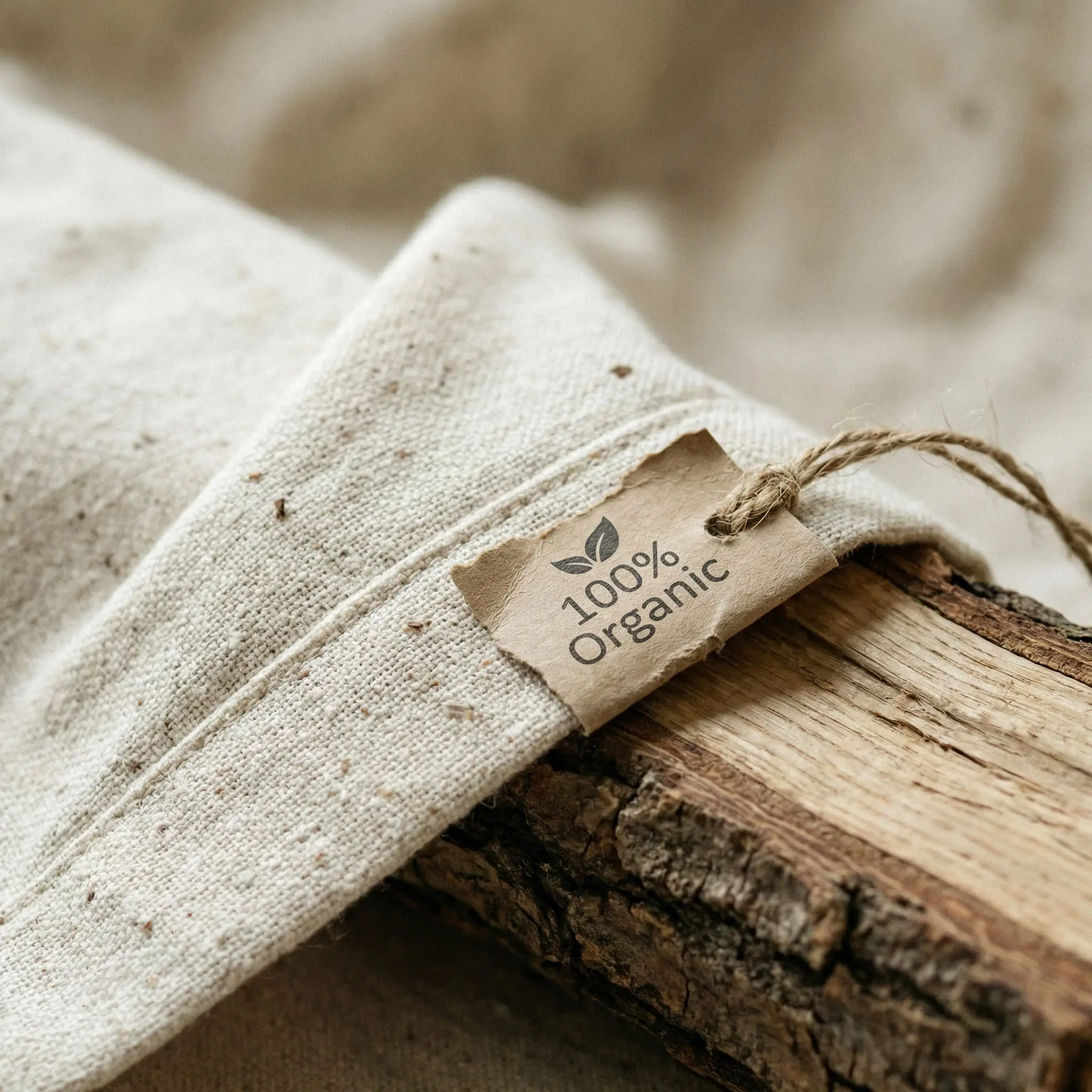
If you are unsure if a fabric fits the style, do the “Scrunch Test.” Scandi fabrics should feel natural and slightly imperfect. If it feels too shiny, synthetic, or plastic-like, it belongs in a different design era.
💡 Hackrea Pro Tip
The “New Neutral” Color Palette
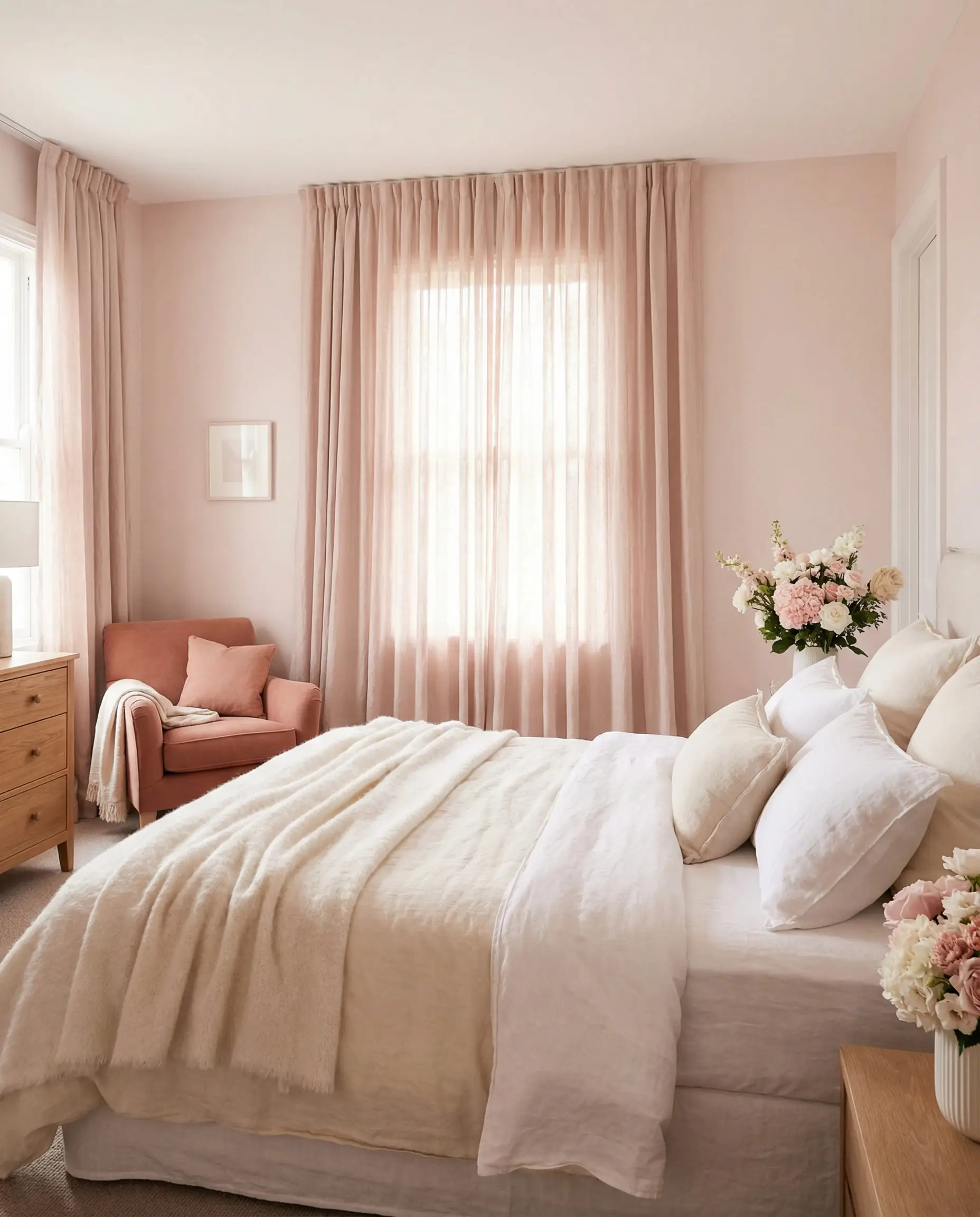
Forget the all-white rule. While white is still a staple, the 2026 palette is richer, warmer, and much more inviting. This shift is often referred to as “Soft Scandi” or “Warm Minimalism.”
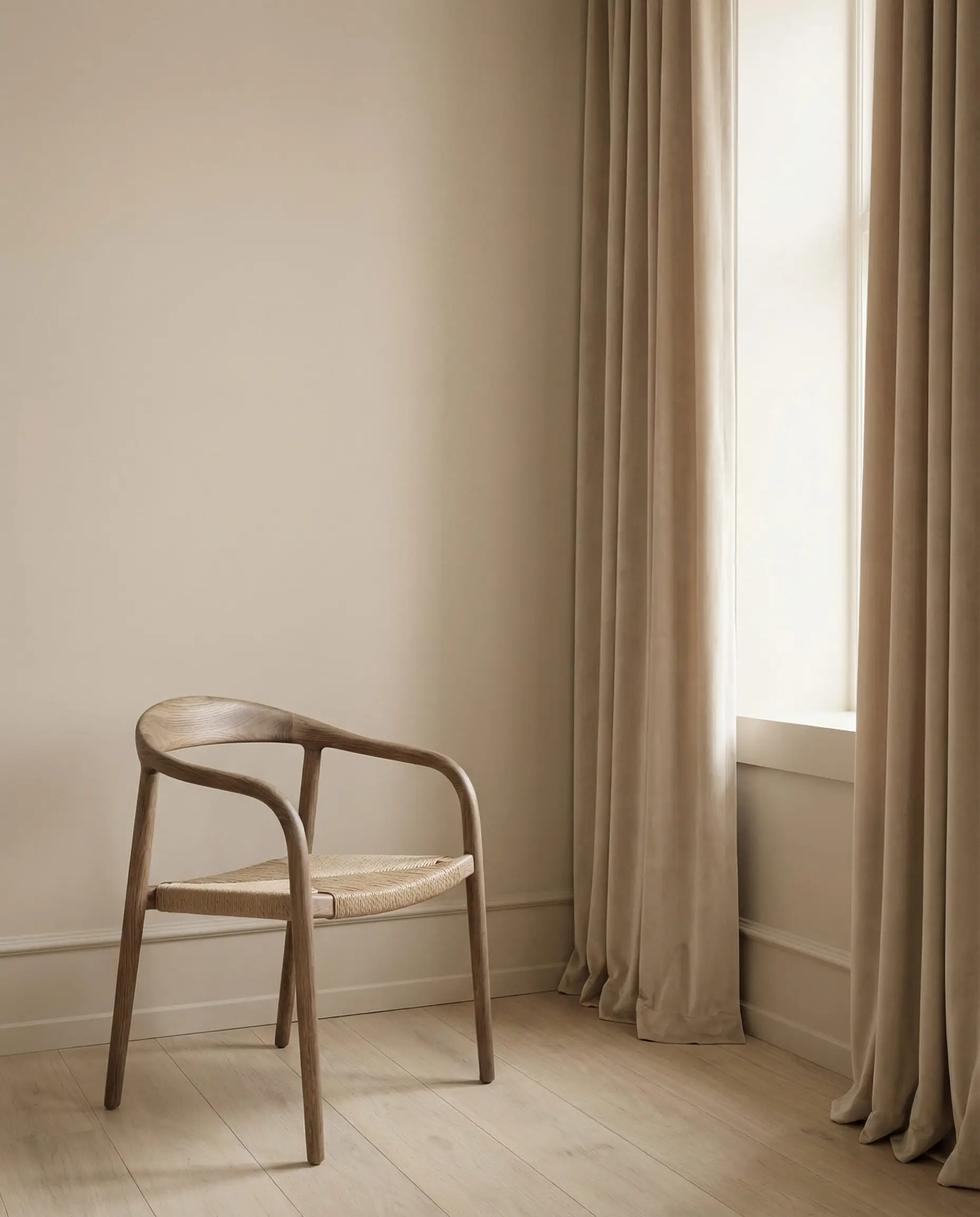
Warm Greys & Beiges
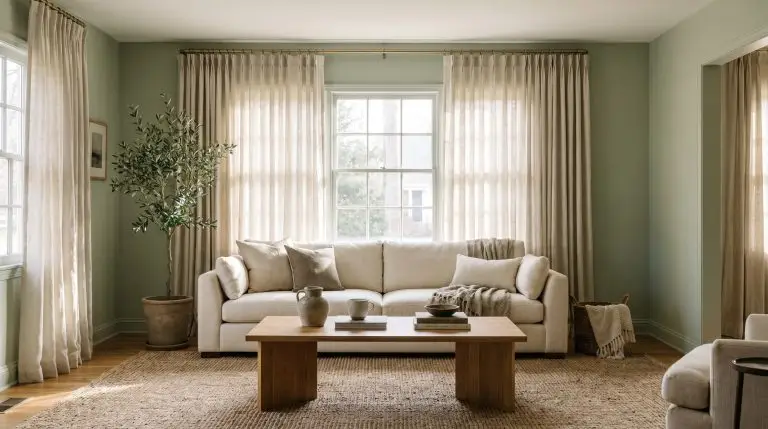
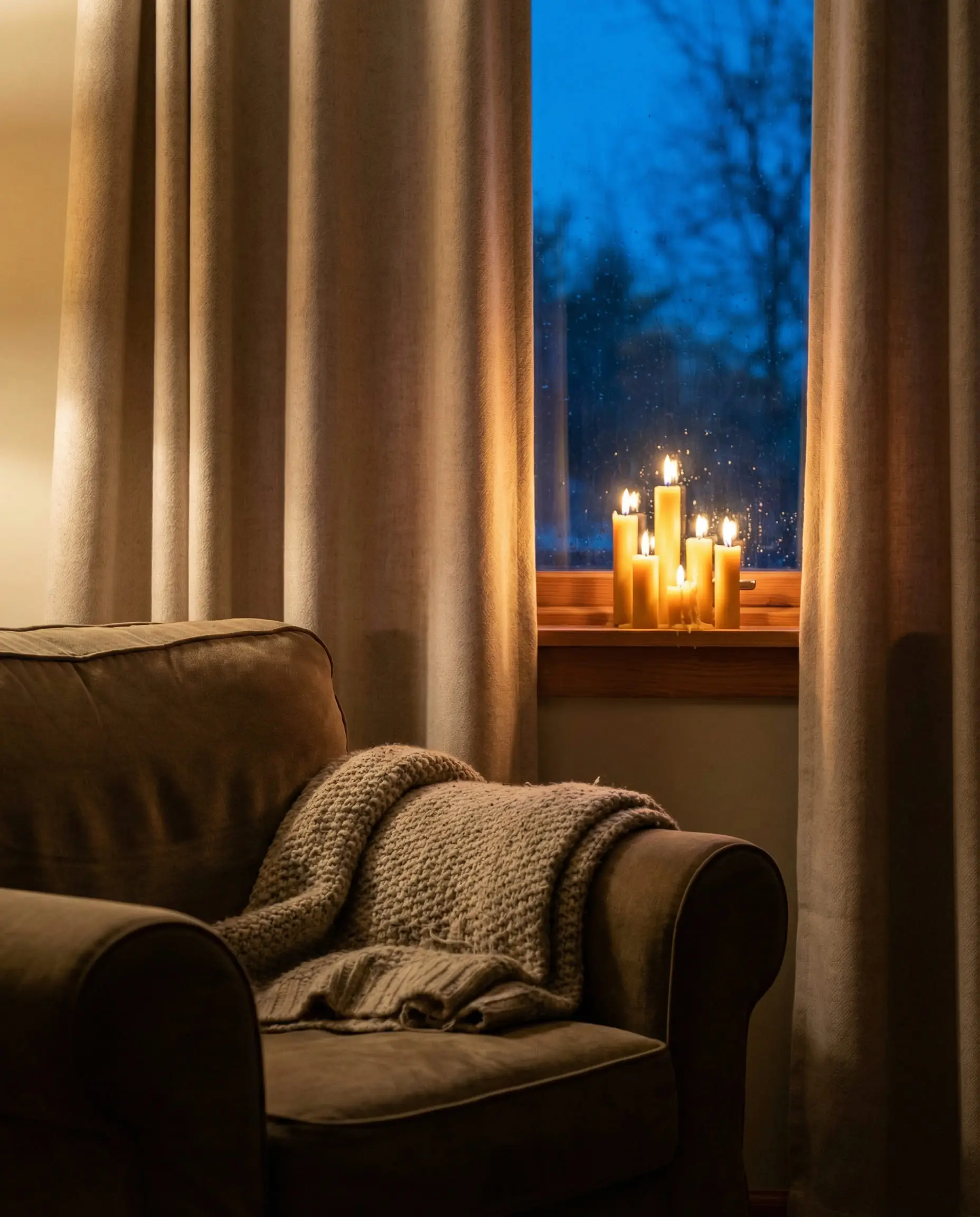
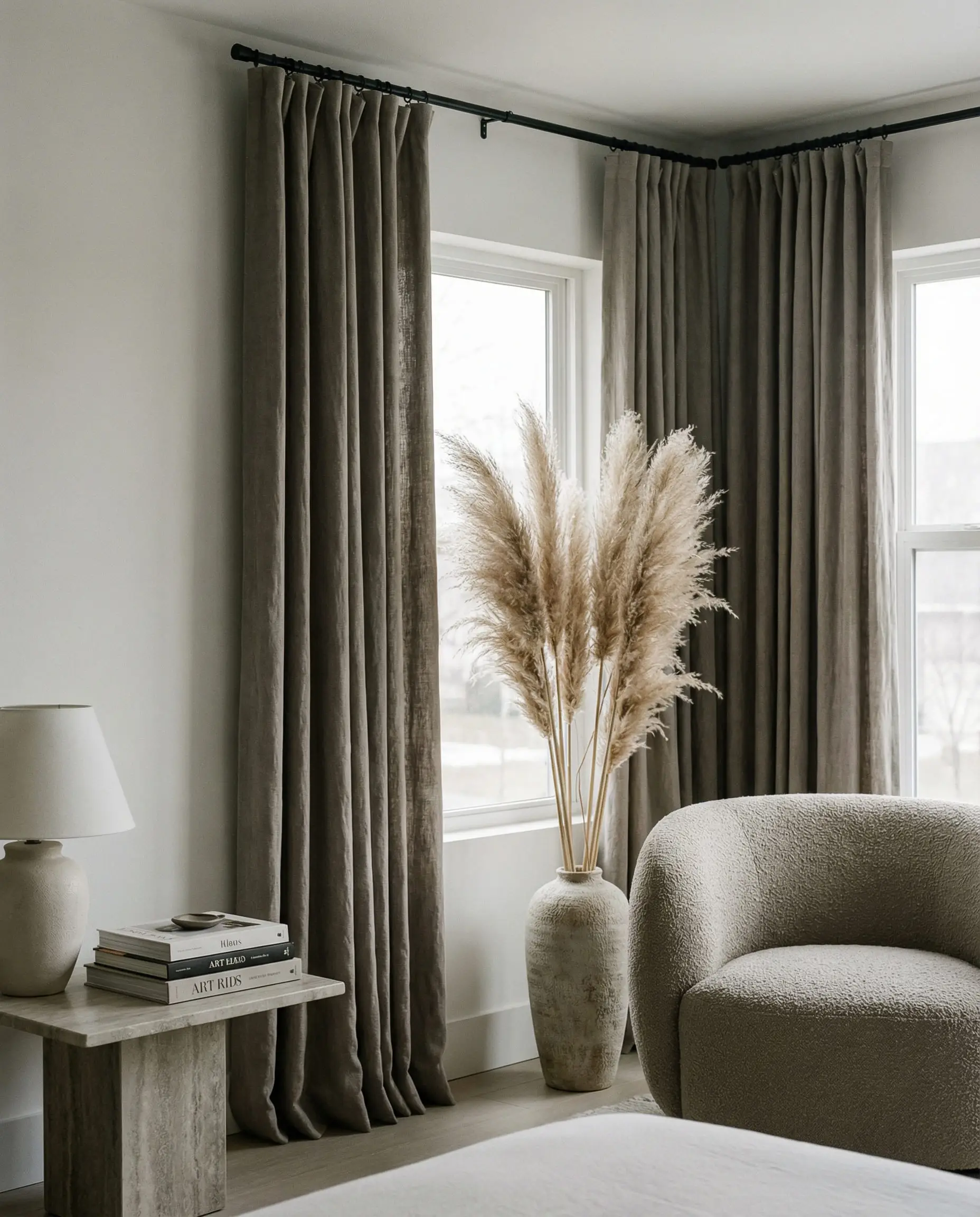
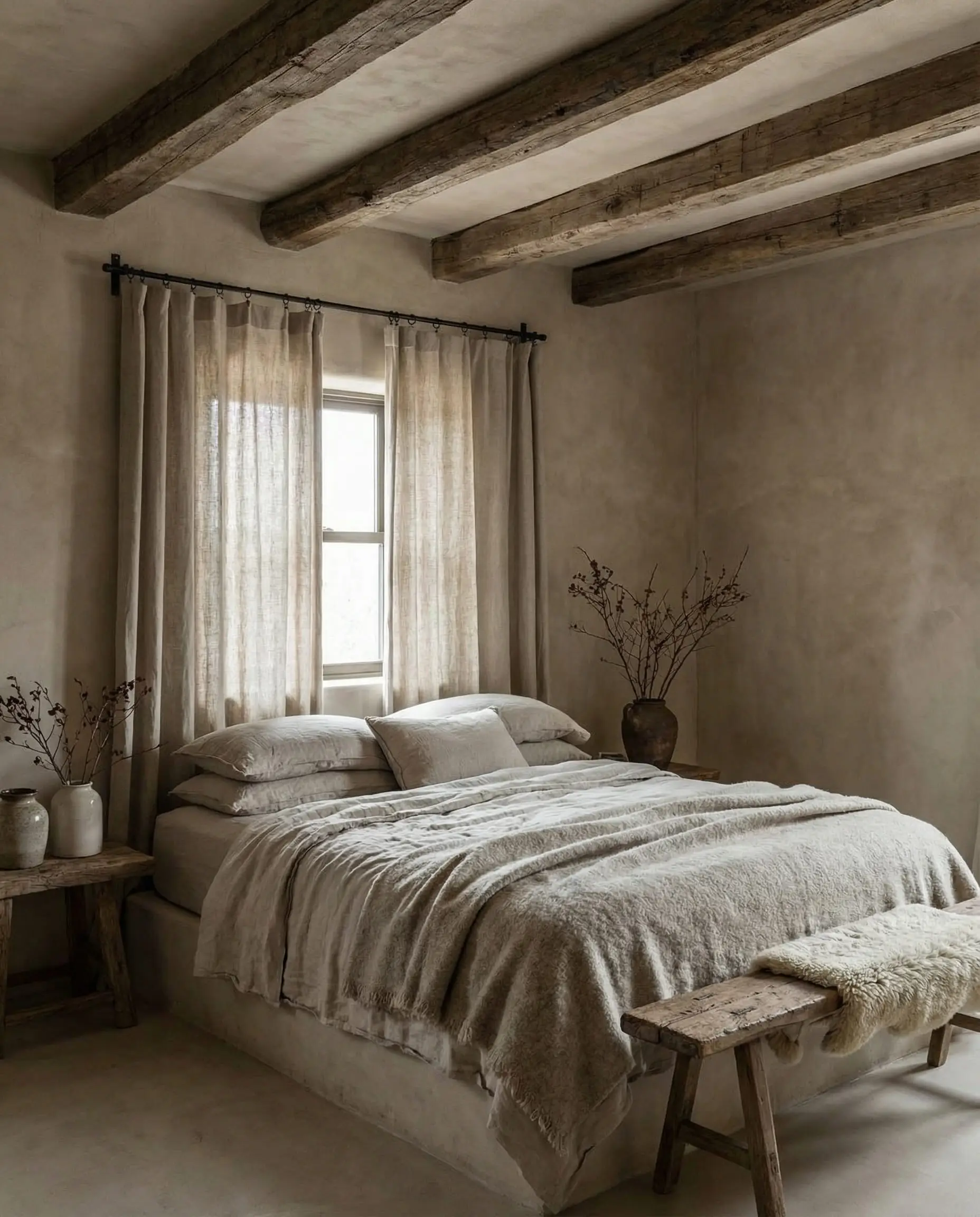
The foundation of Hygge (cozy contentment) is shifting toward “Greige”—that perfect mix of grey and beige. These tones soften the light coming through the window, making the room feel warmer than a stark white would.
Nature-Inspired Accents
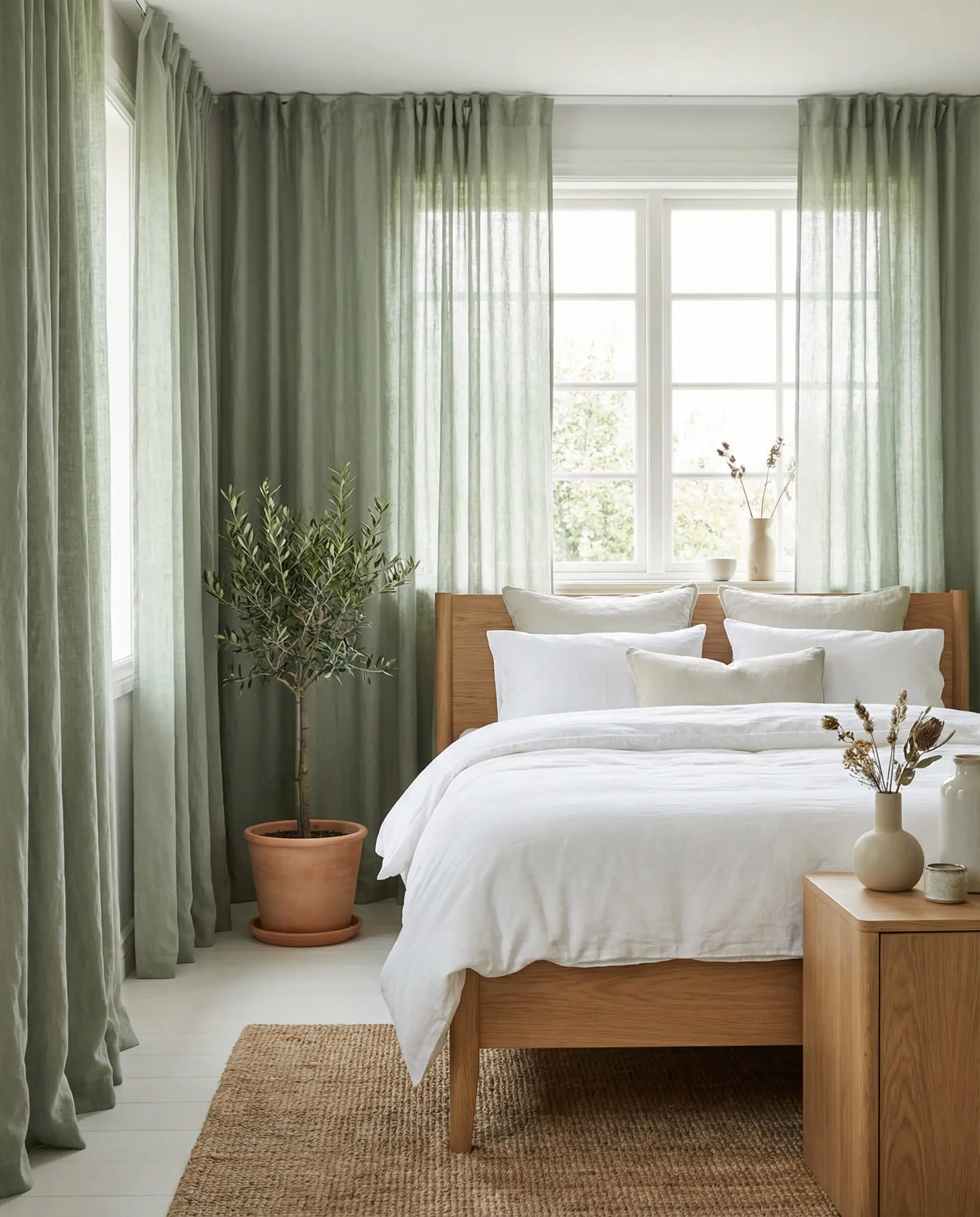
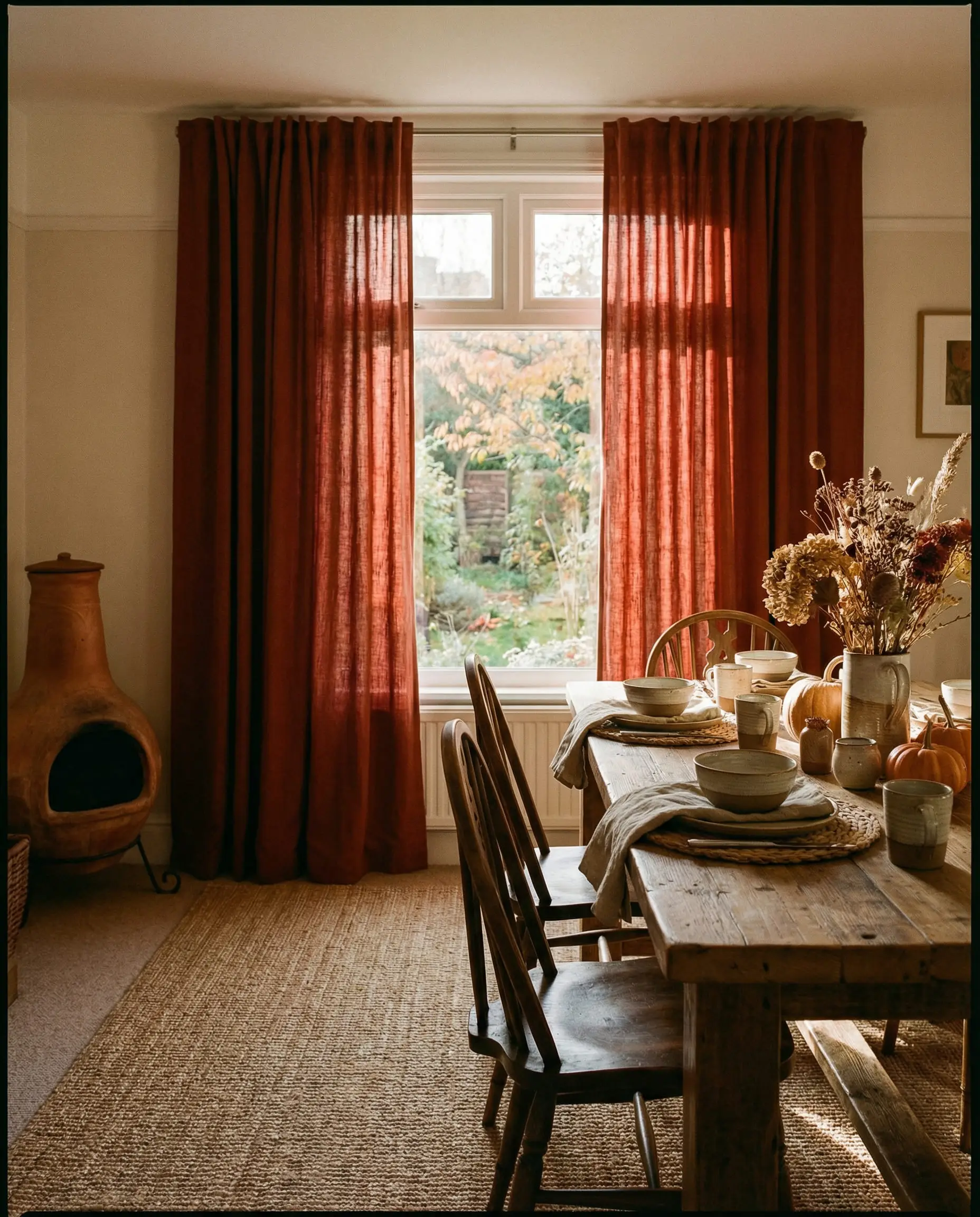
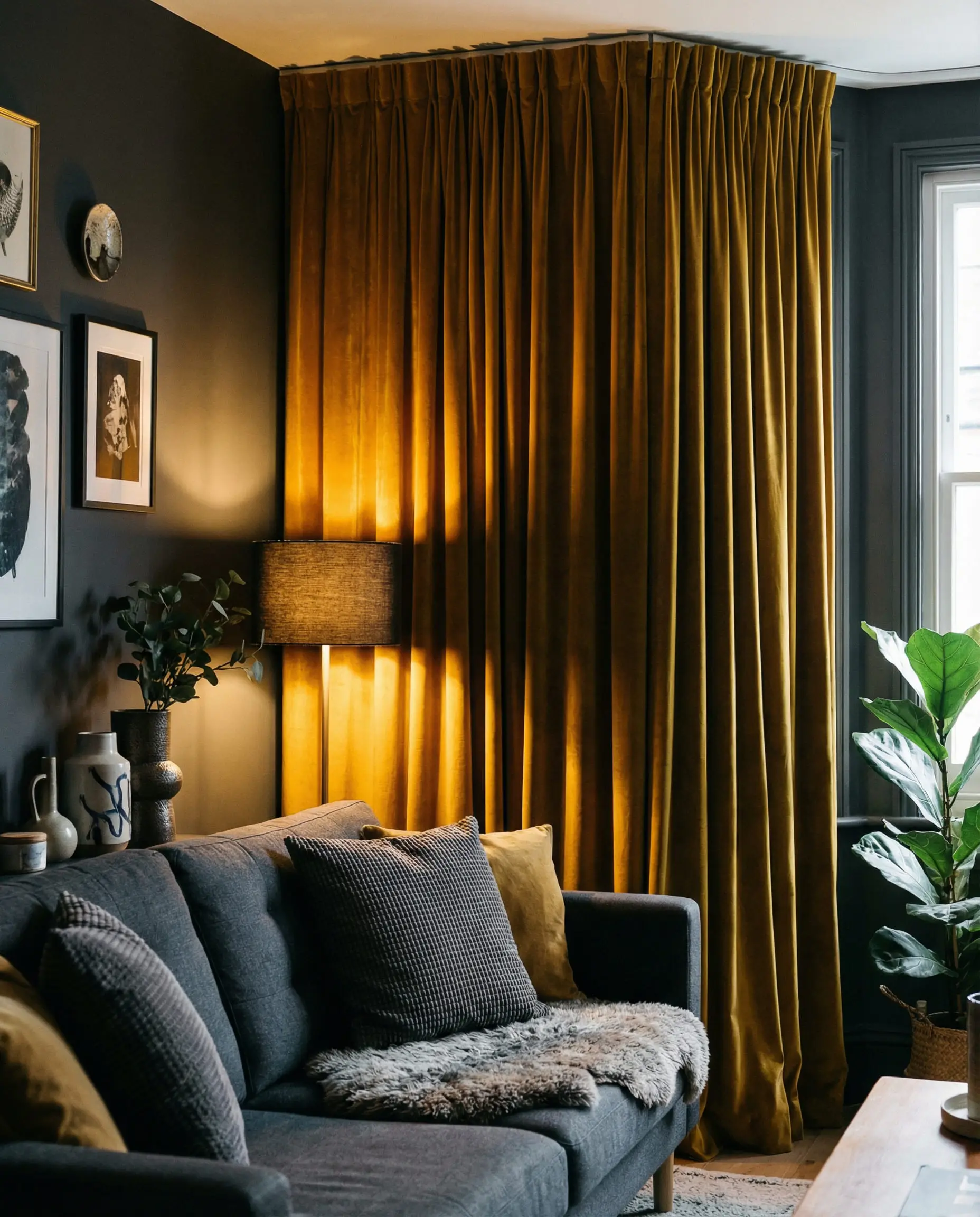
To add depth, look to the Nordic landscape:
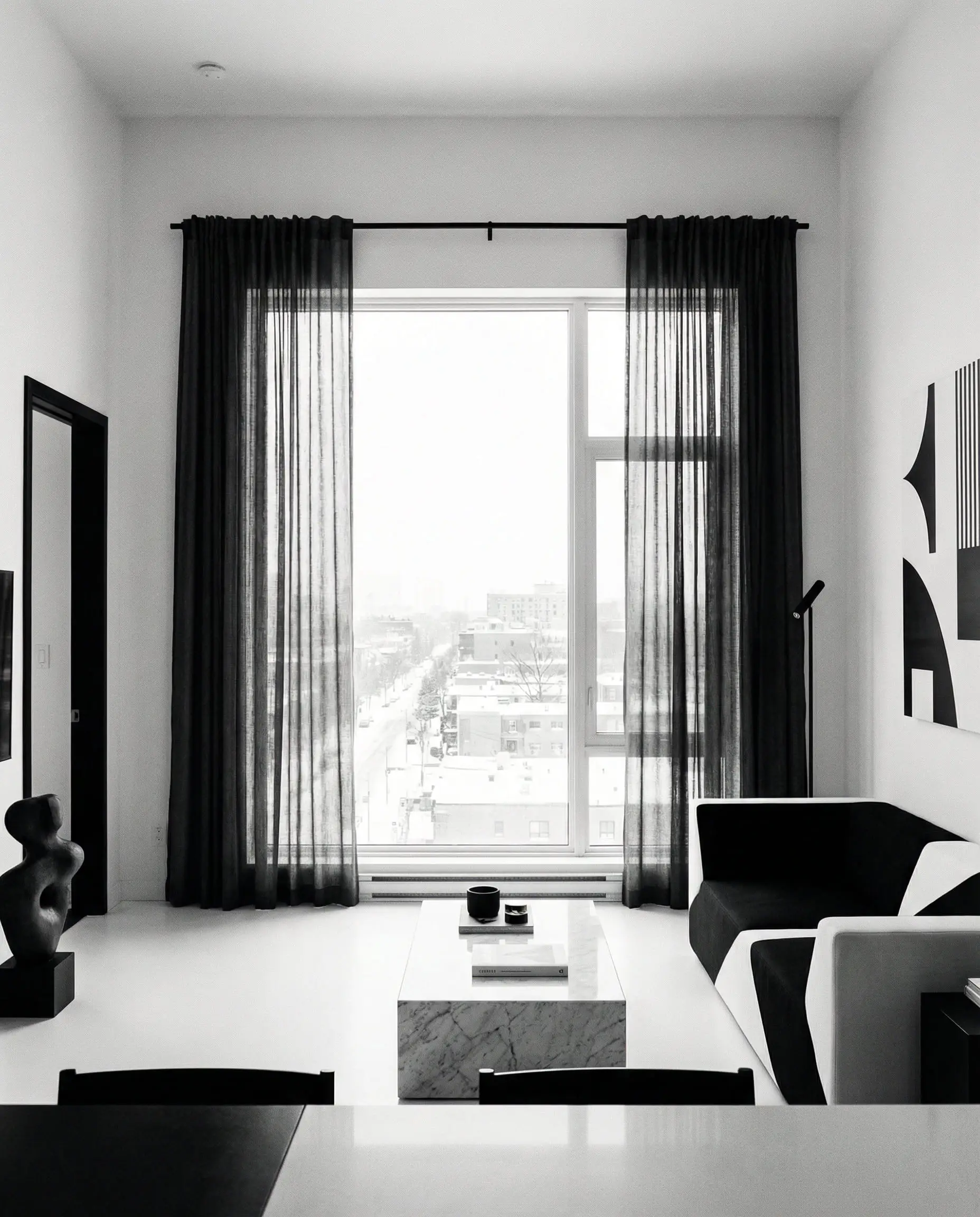
Monochromatic Layering
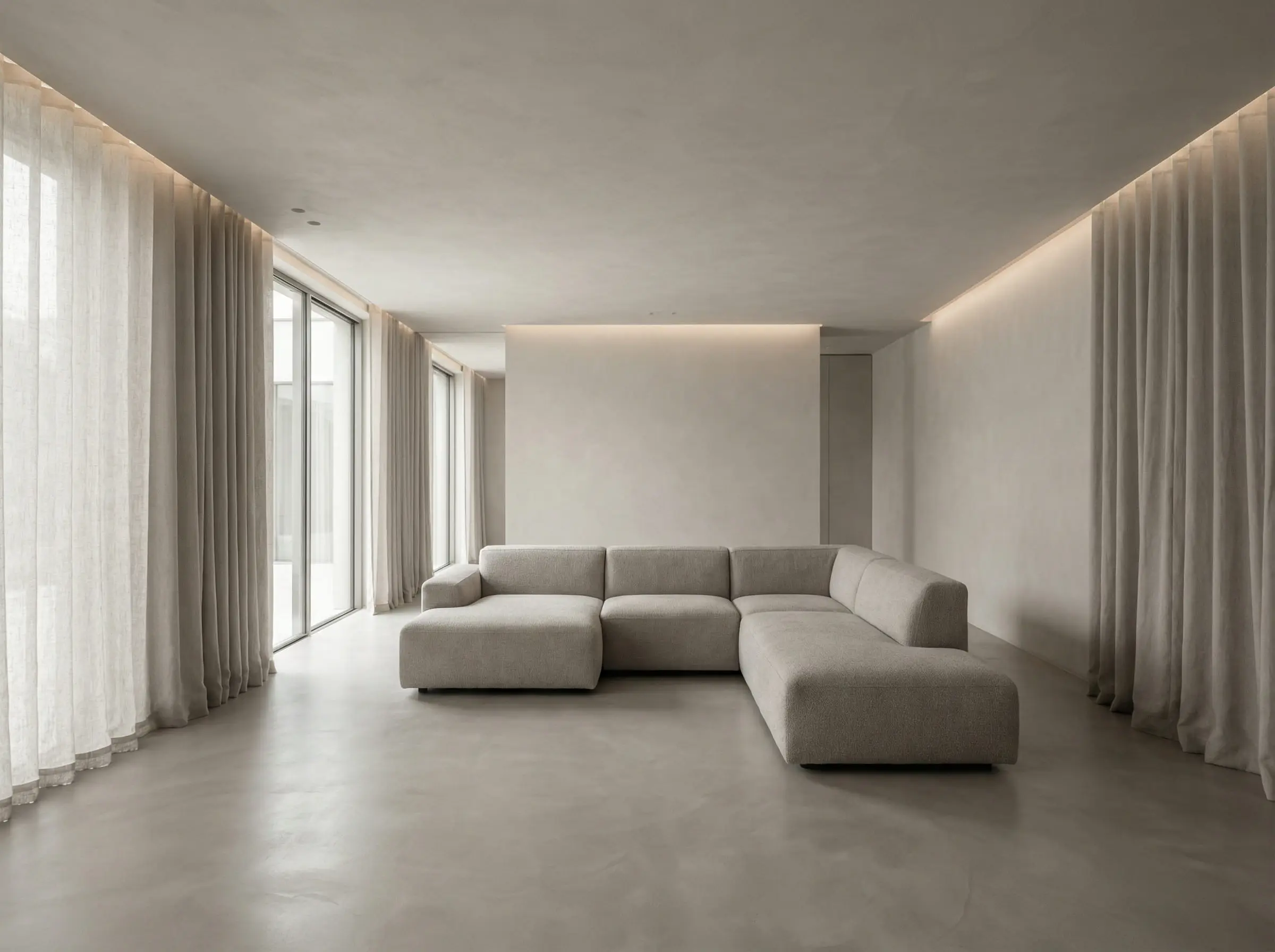
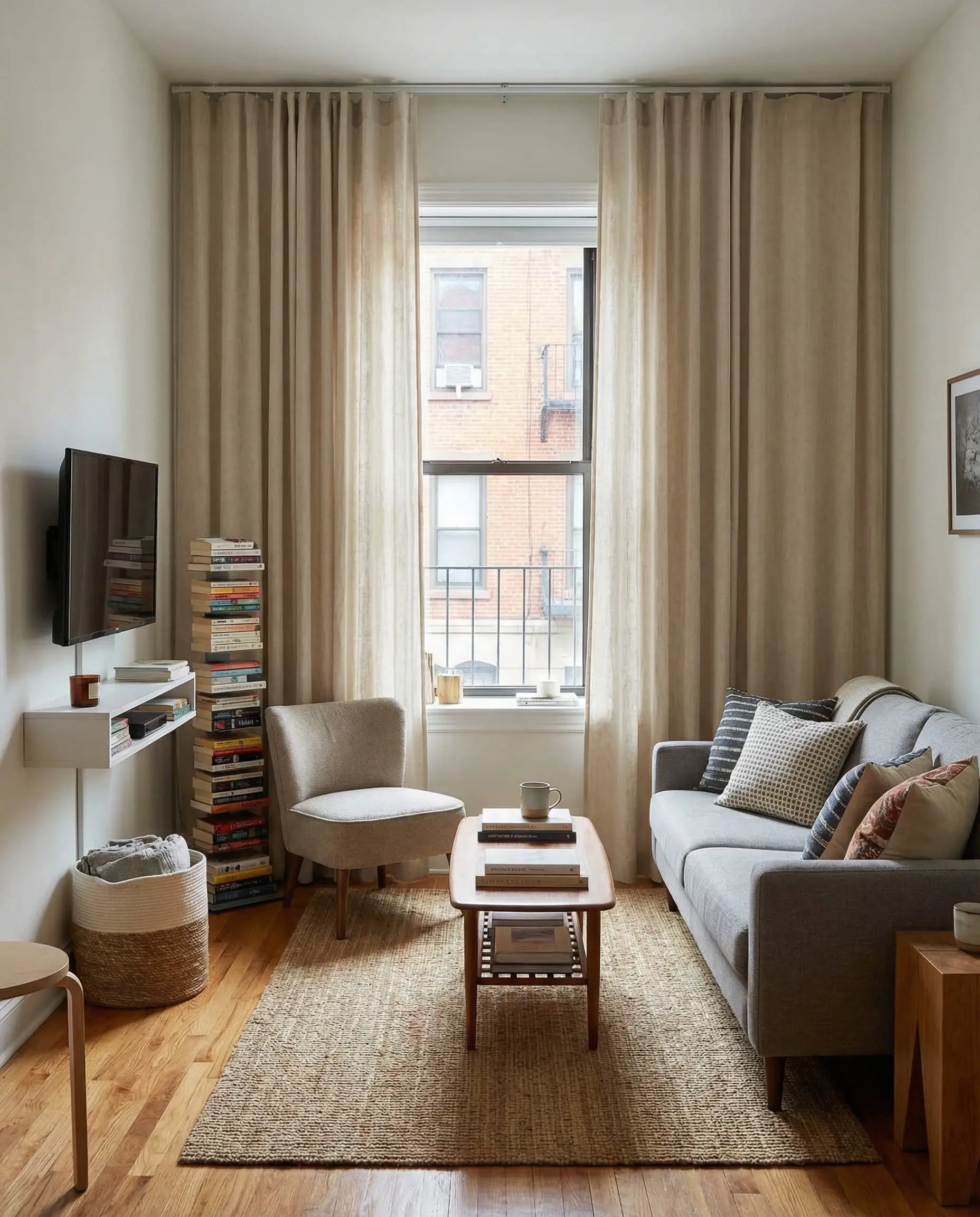
A massive trend right now is painting your walls and choosing curtains in the exact same color tone. If you have beige walls, choosing curtains in a slightly textured beige creates a seamless, enveloping look that makes small rooms feel significantly larger.
Popular Types of Scandinavian Curtains
The way the fabric hangs is just as important as the fabric itself. Scandi curtains are never fussy—no pleats that are too tight, and definitely no valances.
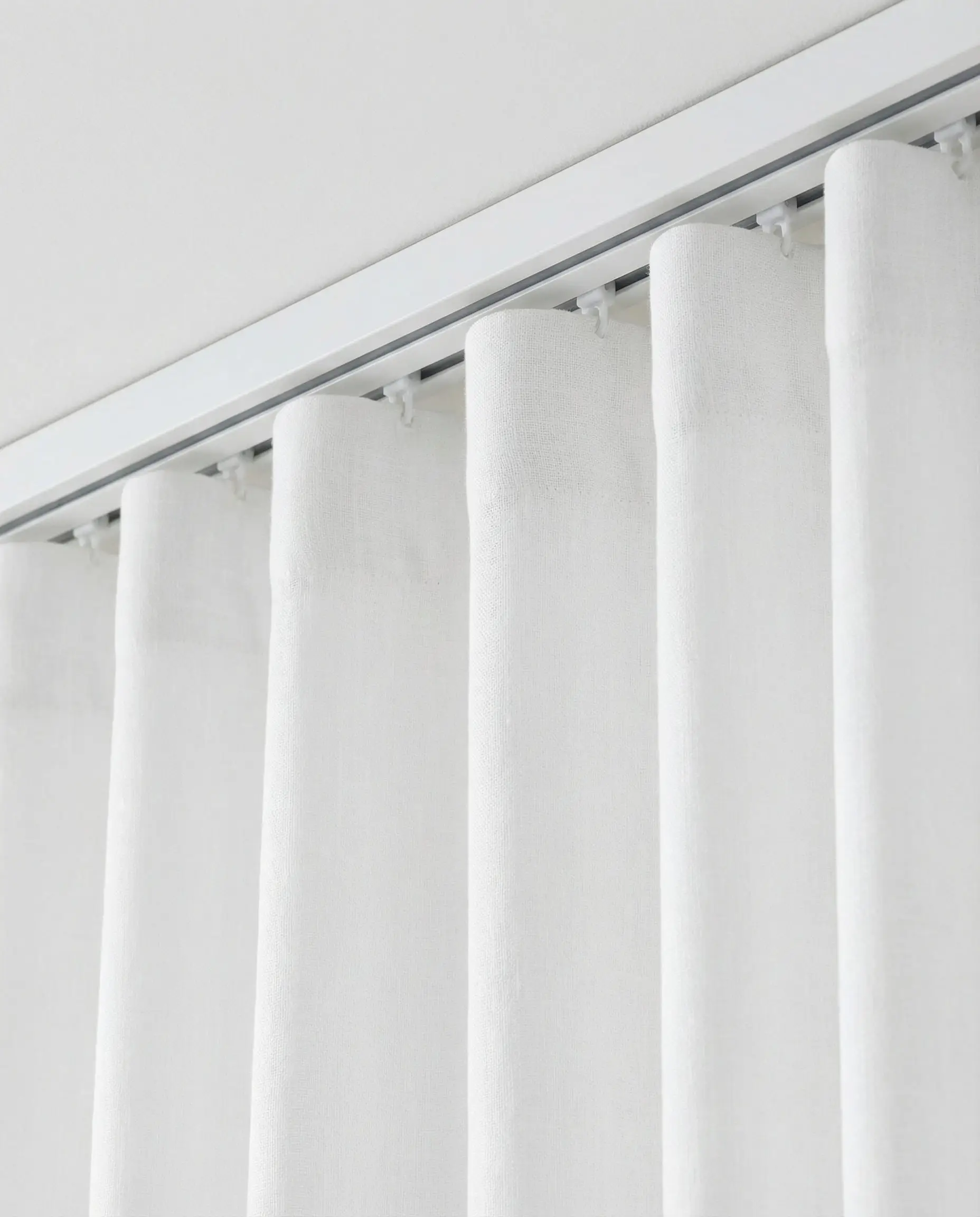
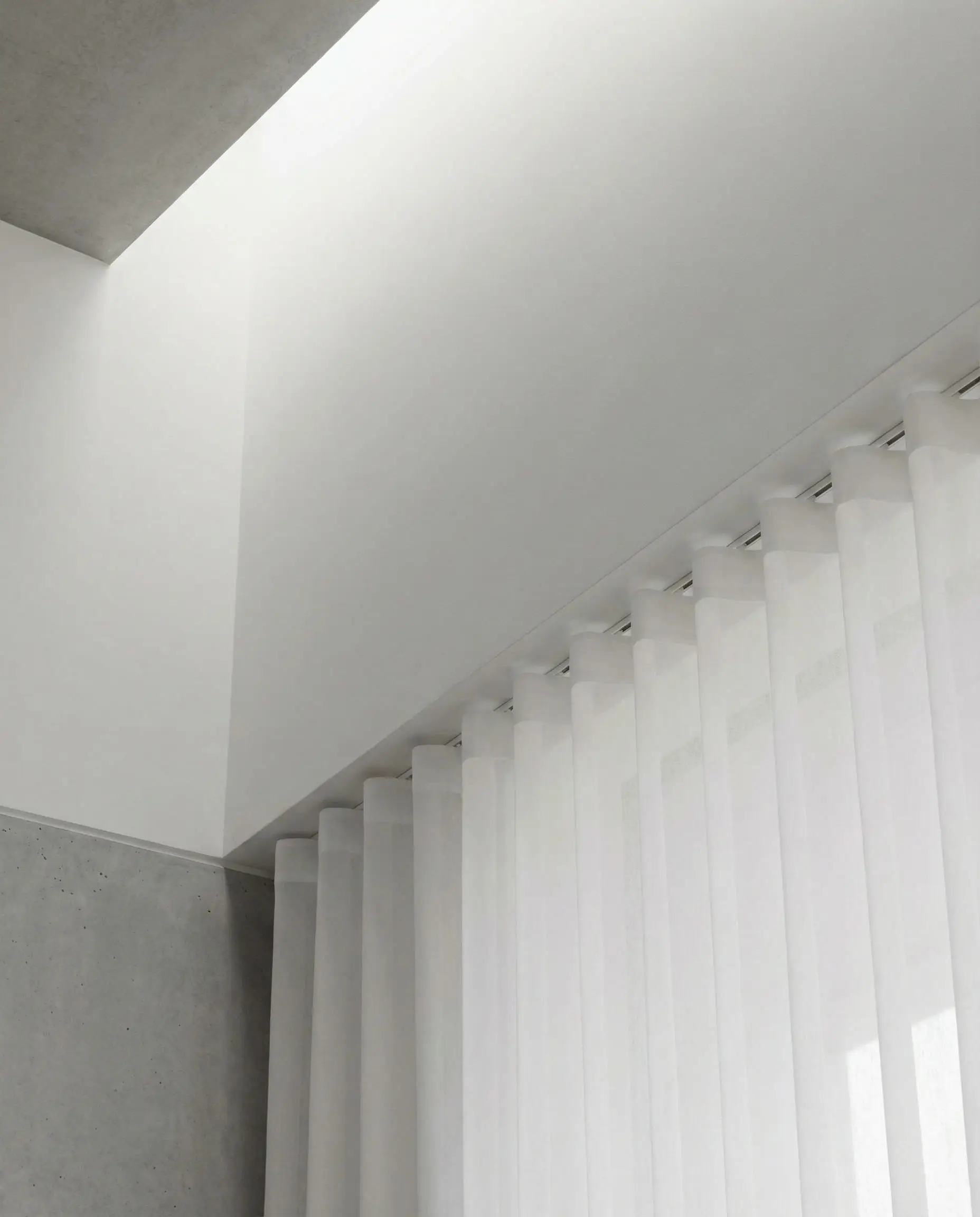
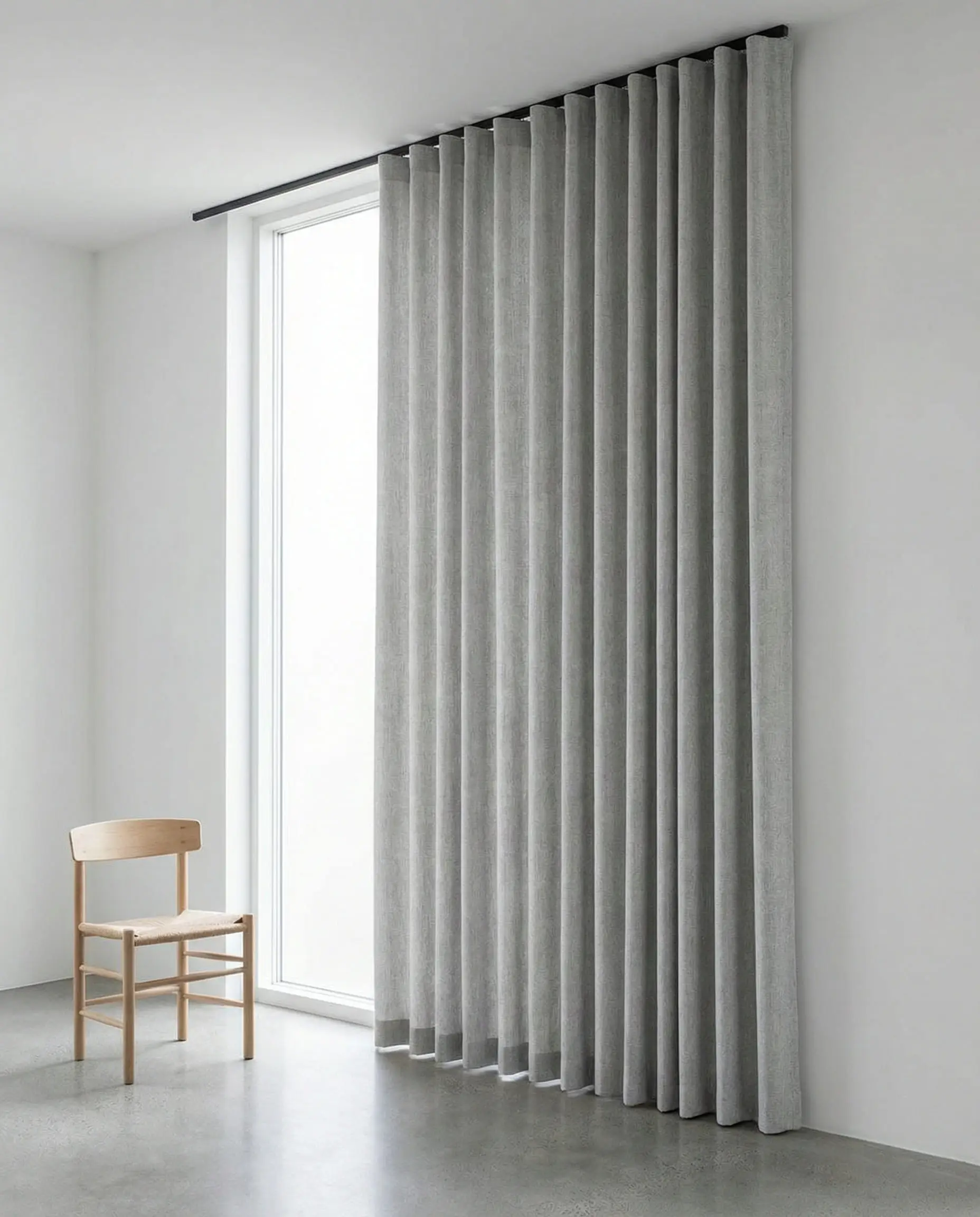
The “Wave” Fold (Ripple Fold)
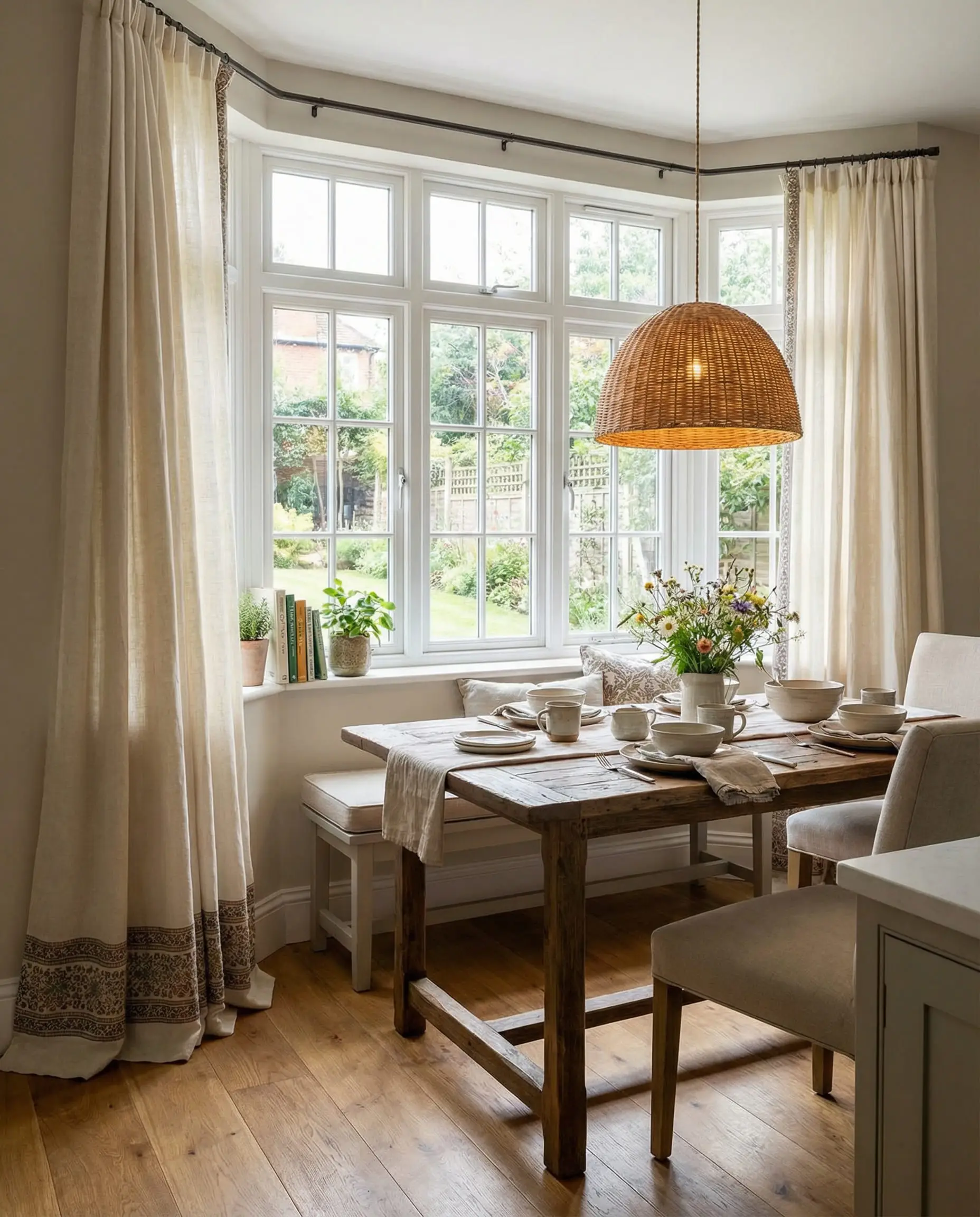
This is the gold standard for modern Nordic interiors. Using a special track, the fabric hangs in continuous, uniform “S” waves. It requires less dressing (fixing the pleats) than traditional headers and stacks back very tightly, allowing maximum glass exposure when open.
Sheer Linens
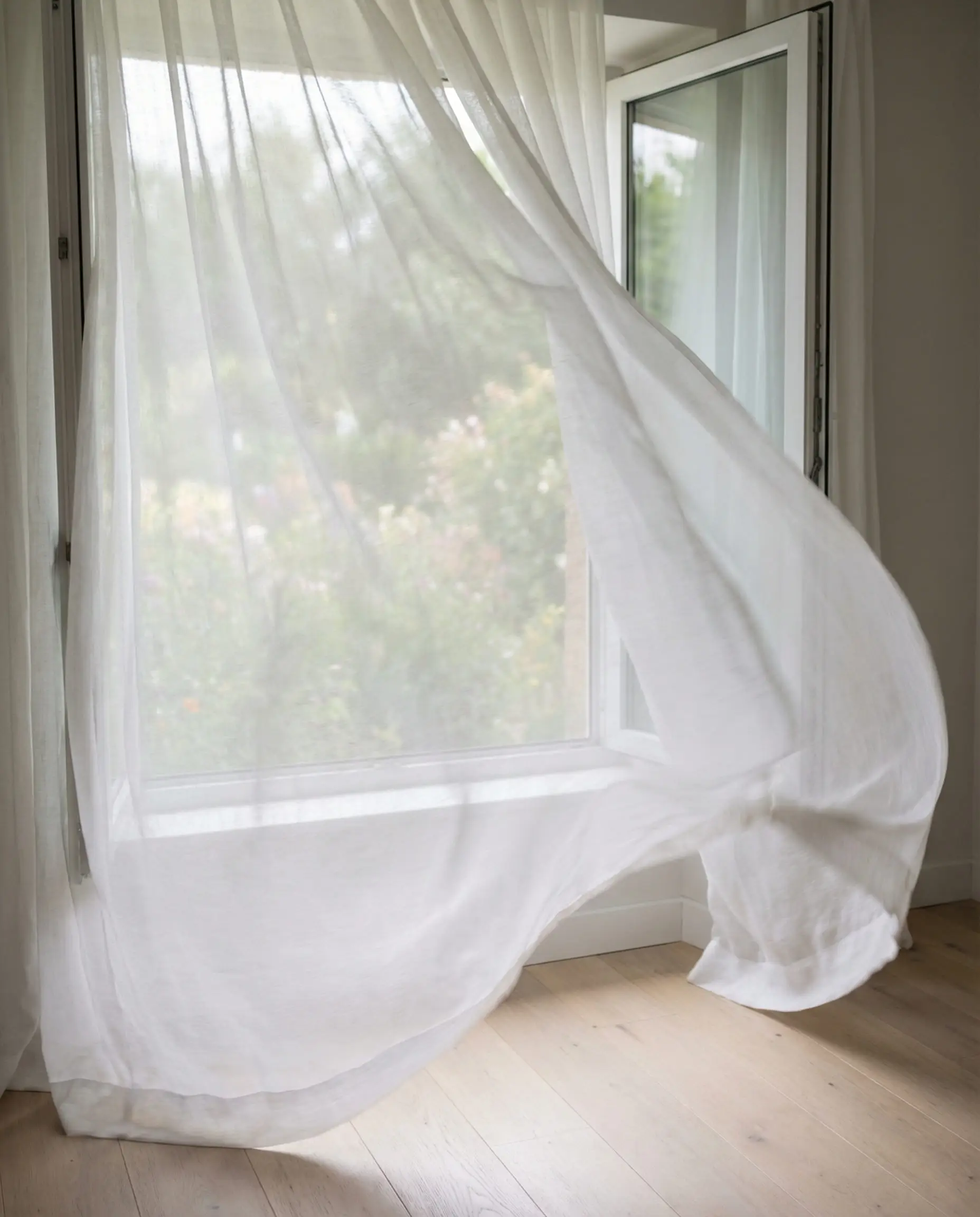
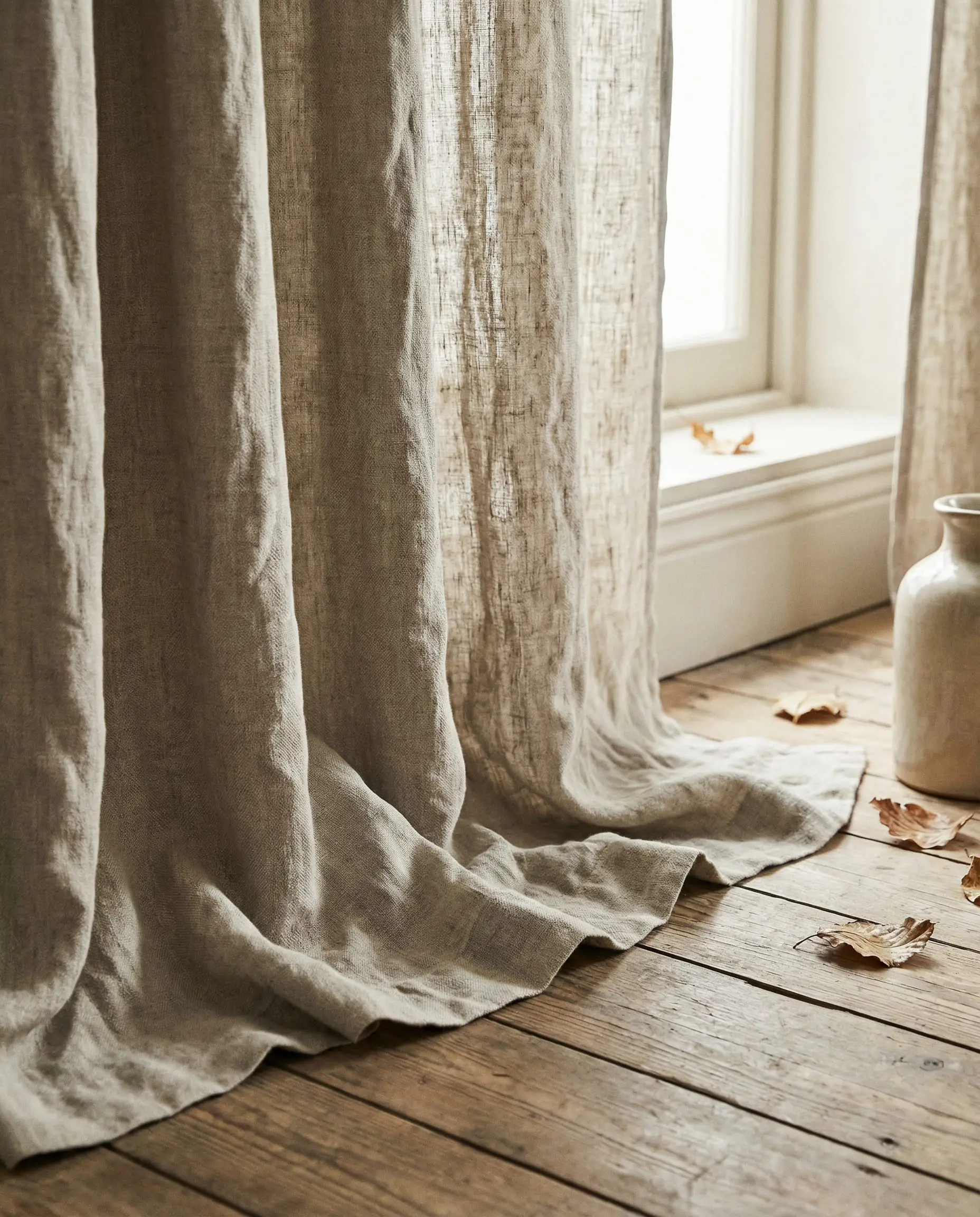
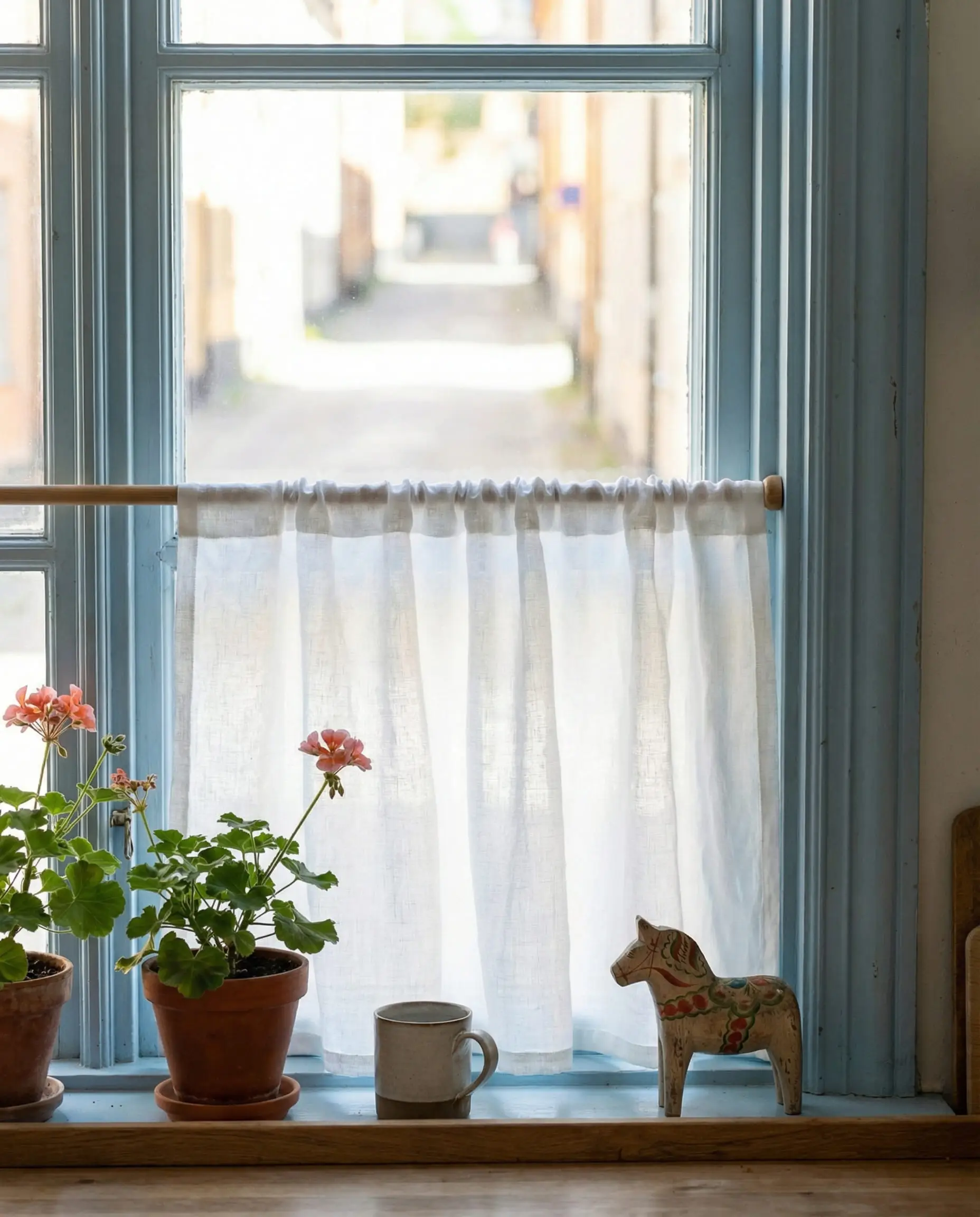
The classic. Sheer linen curtains offer privacy during the day—stopping neighbors from seeing in while allowing you to see out. They filter light beautifully, removing the harshness of direct sun and protecting your furniture from UV fade.
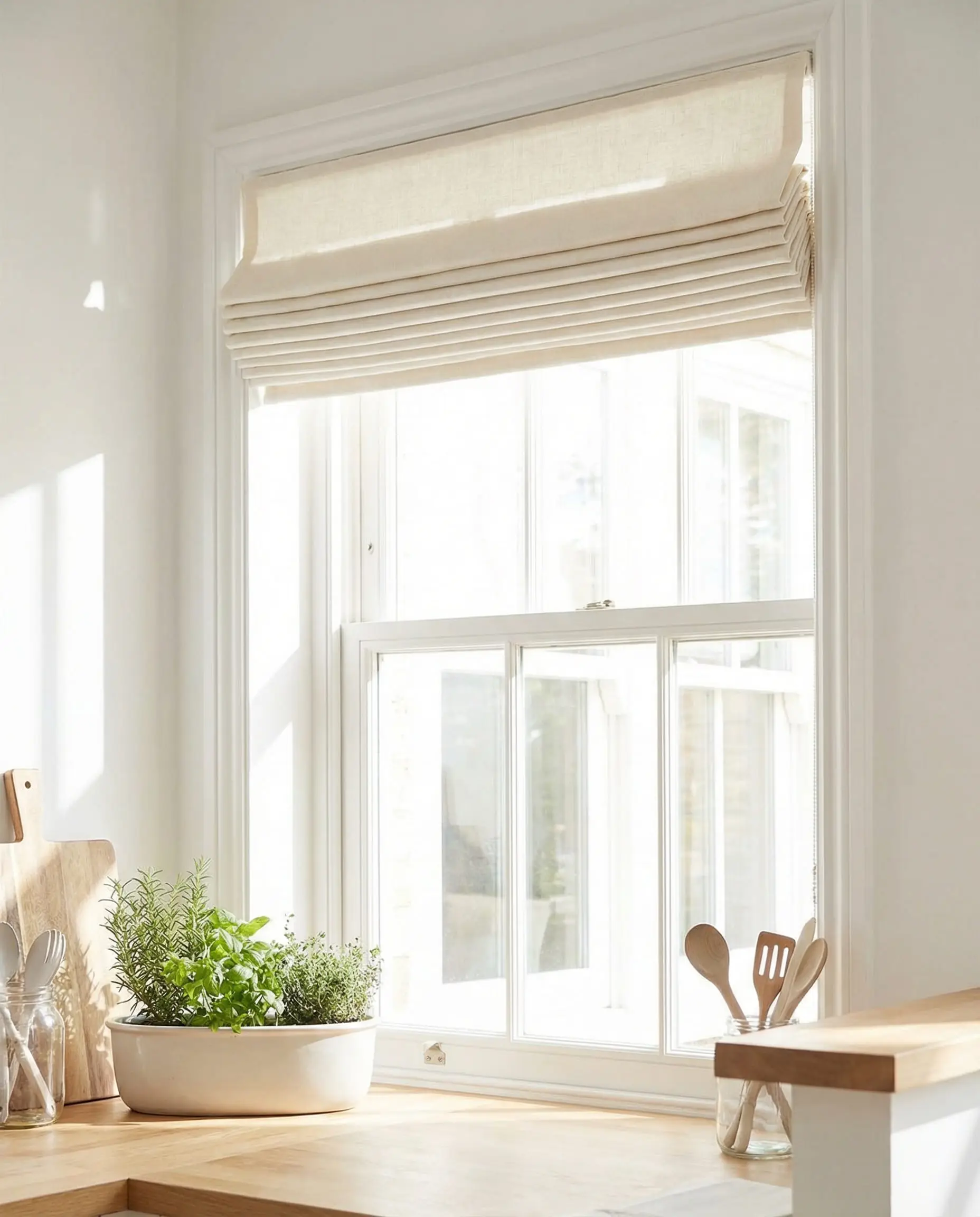
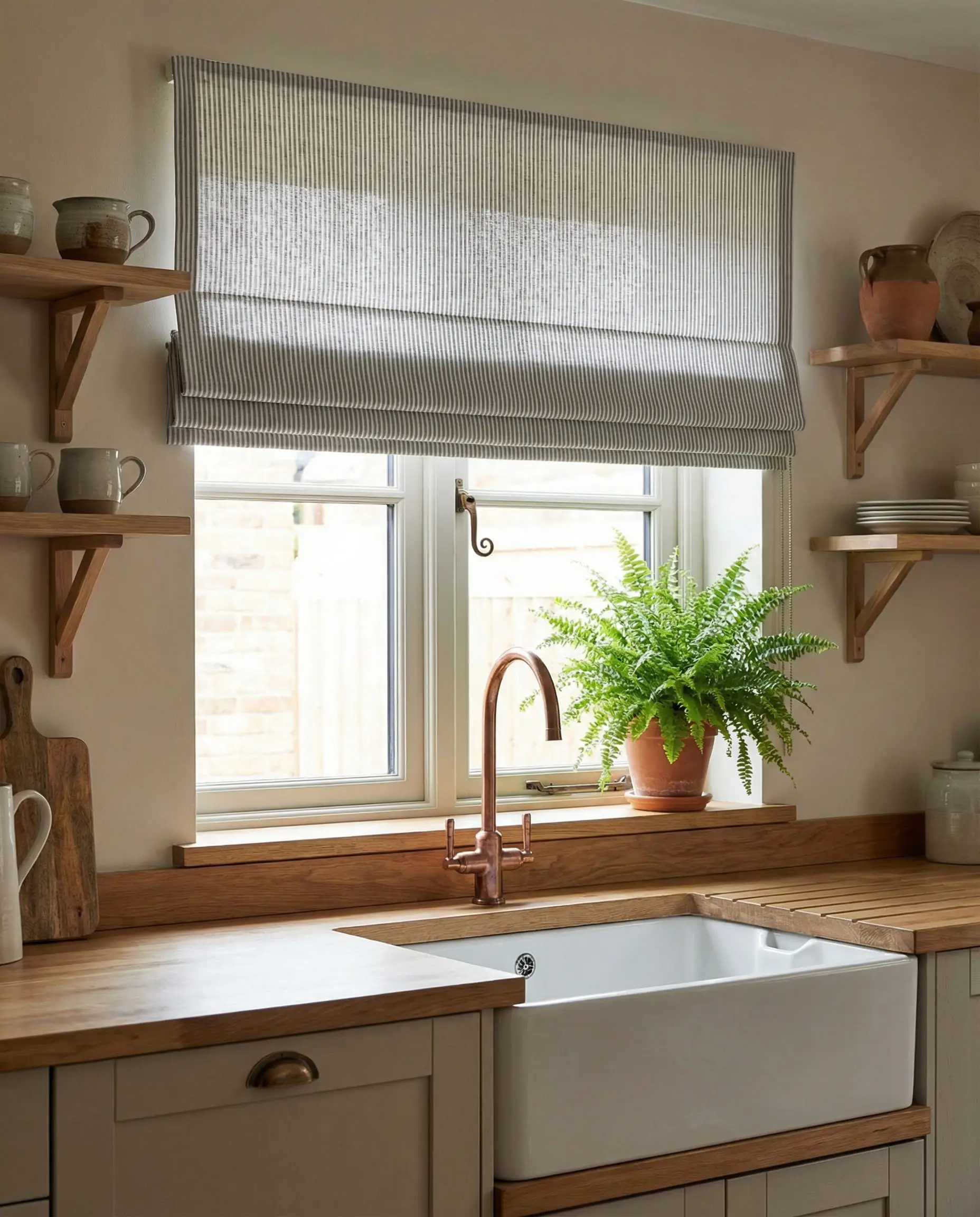
Roman Blinds
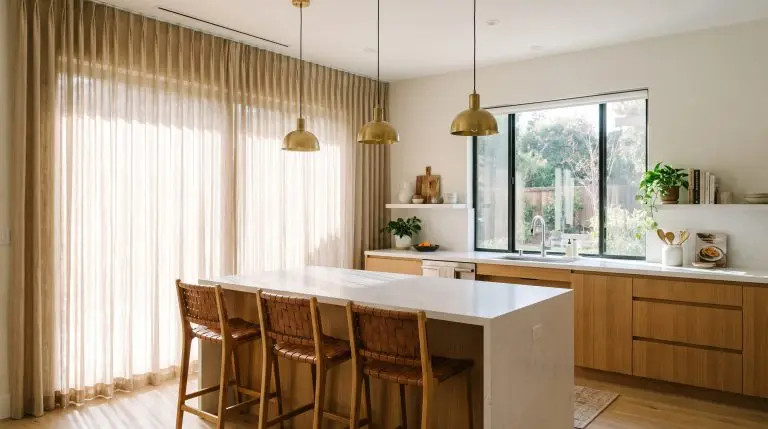
Sometimes, floor-length curtains just aren’t practical—especially in a kitchen or above a radiator. Roman curtains (shades) are the preferred alternative. In Scandi design, these are often flat-fold (neat and tidy) rather than the “hobbled” (waterfall) style which can look too traditional.
The Japandi Hybrid
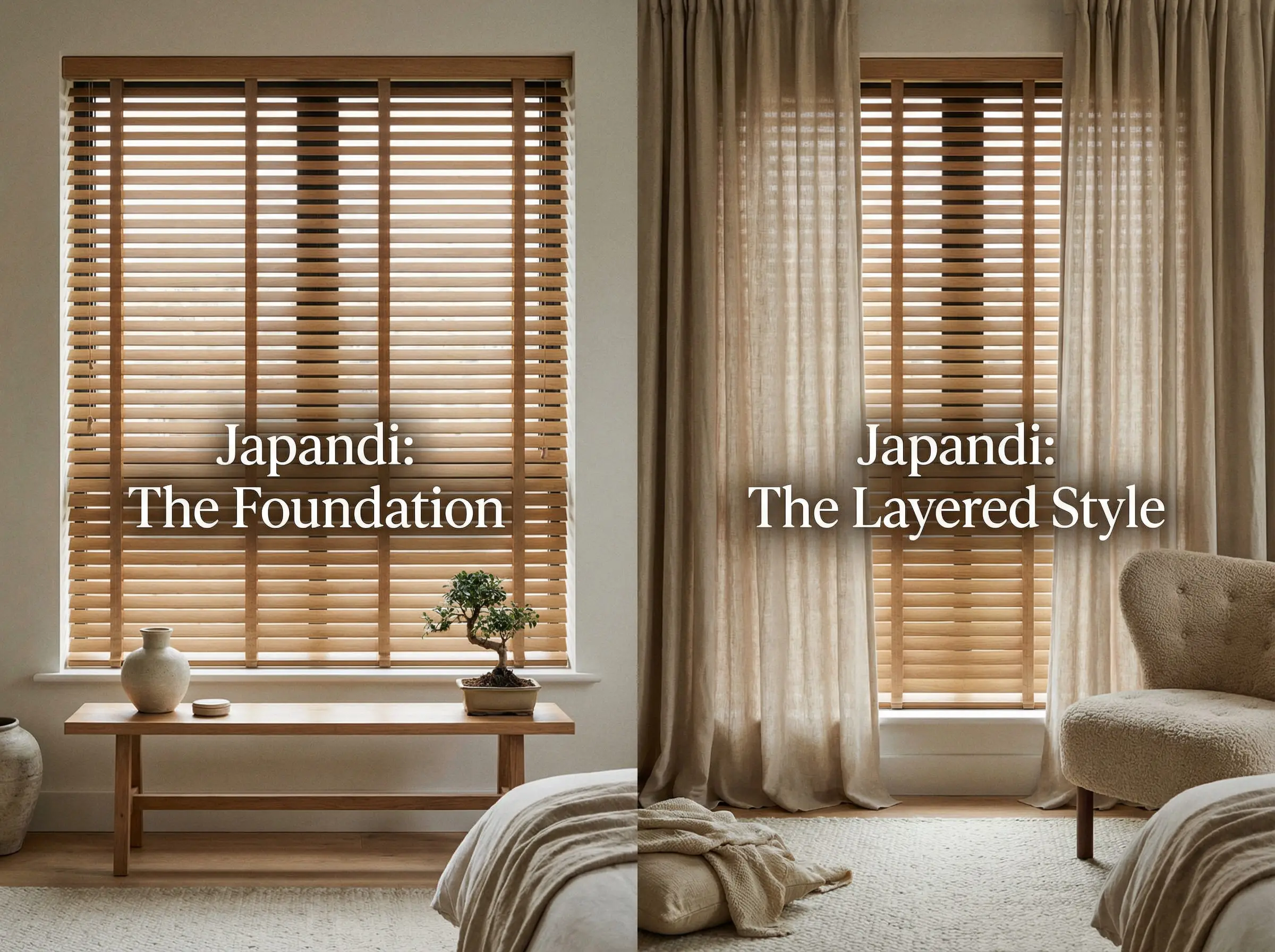
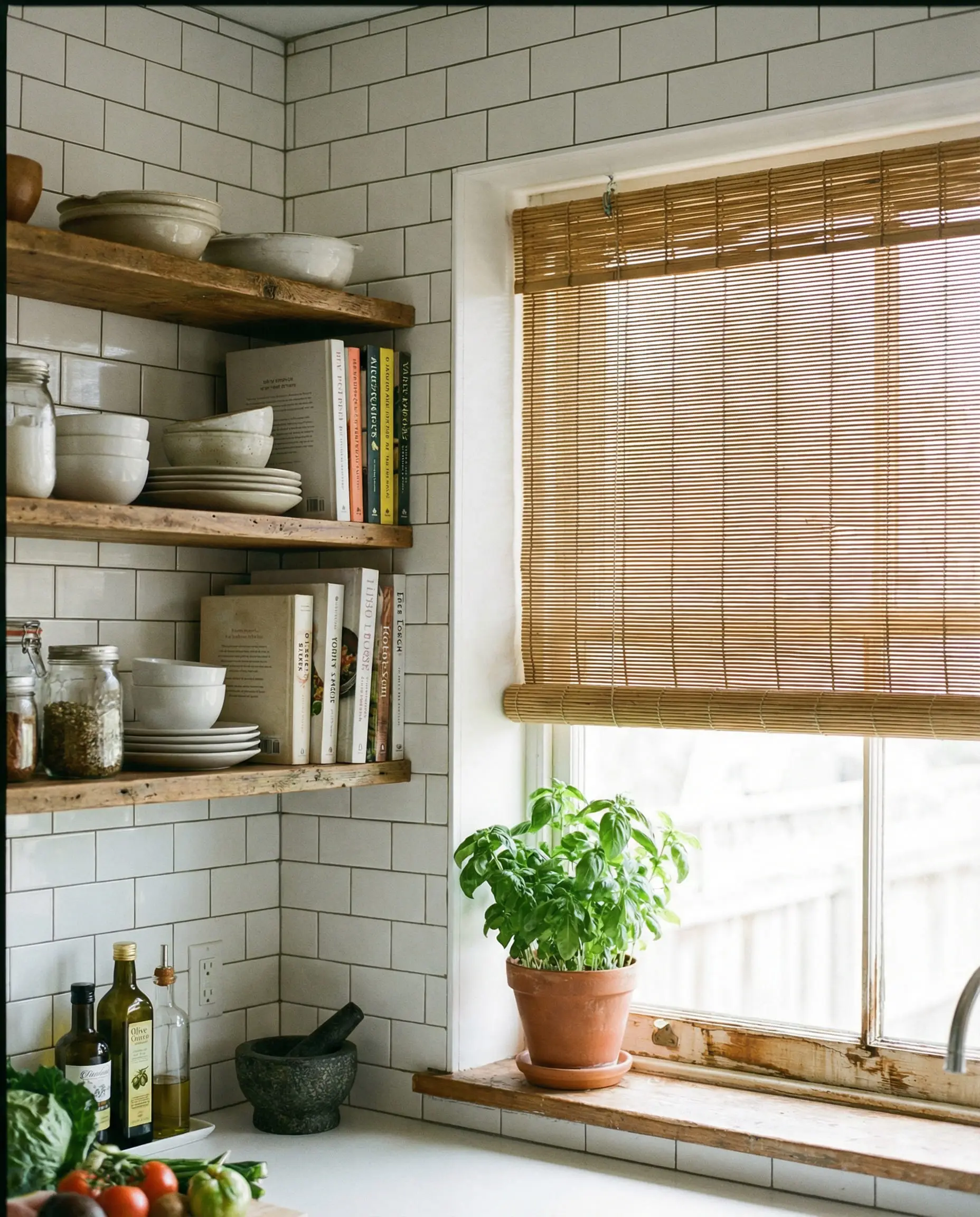
As the fusion of Japanese and Scandinavian design (Japandi) continues to dominate, we are seeing a mix of materials. A popular look involves pairing natural bamboo or wooden blinds (for structure) with soft, flowing linen drapes on the sides (for softness). This contrast of hard and soft materials is pure design magic.
Fabric Guide: Choosing the Right Material
When shopping for curtains, the material composition is your most important filter. Here is how the top contenders stack up.
Linen
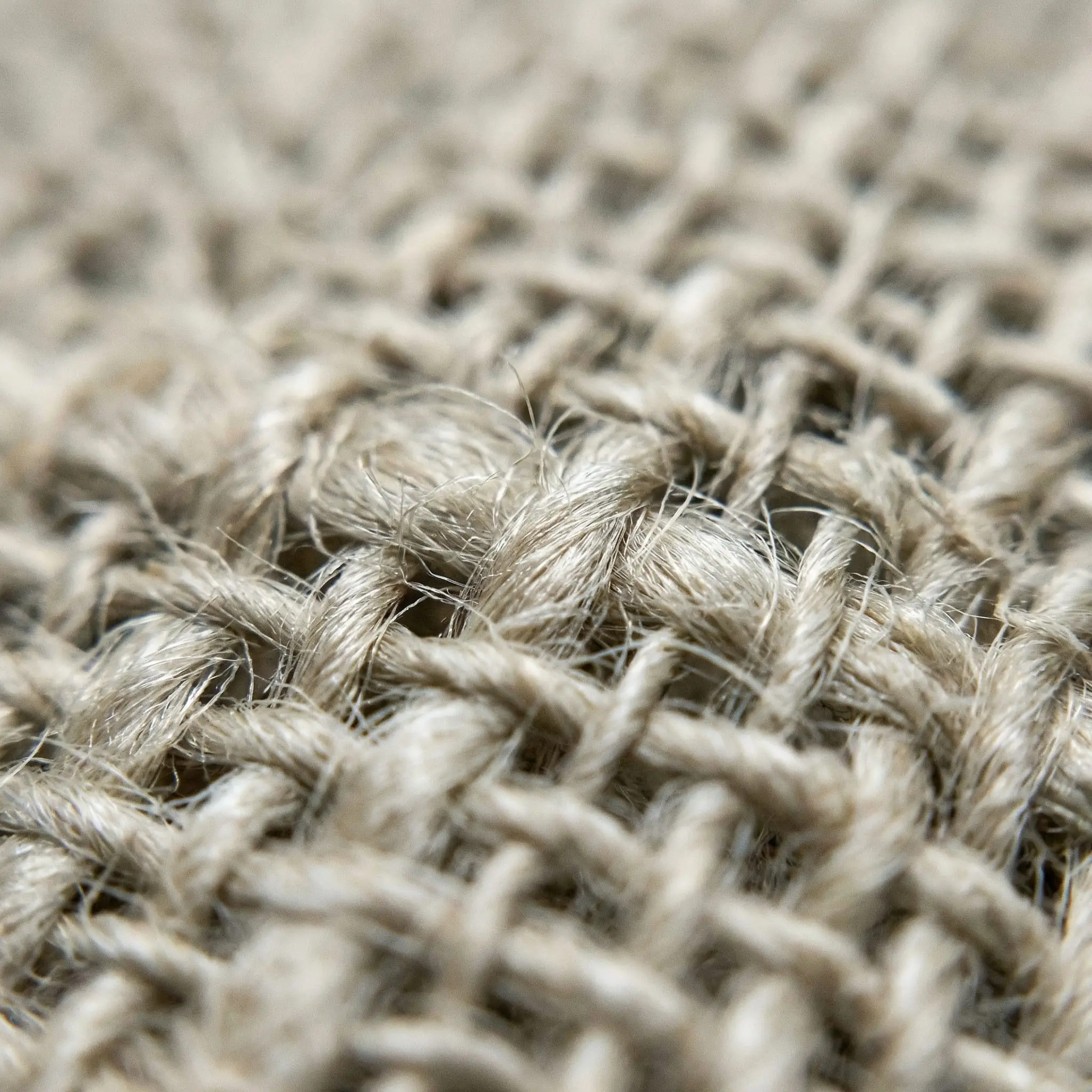
Linen is the undisputed king of Scandinavian textiles. It is breathable, antibacterial, and has a beautiful, natural drape.
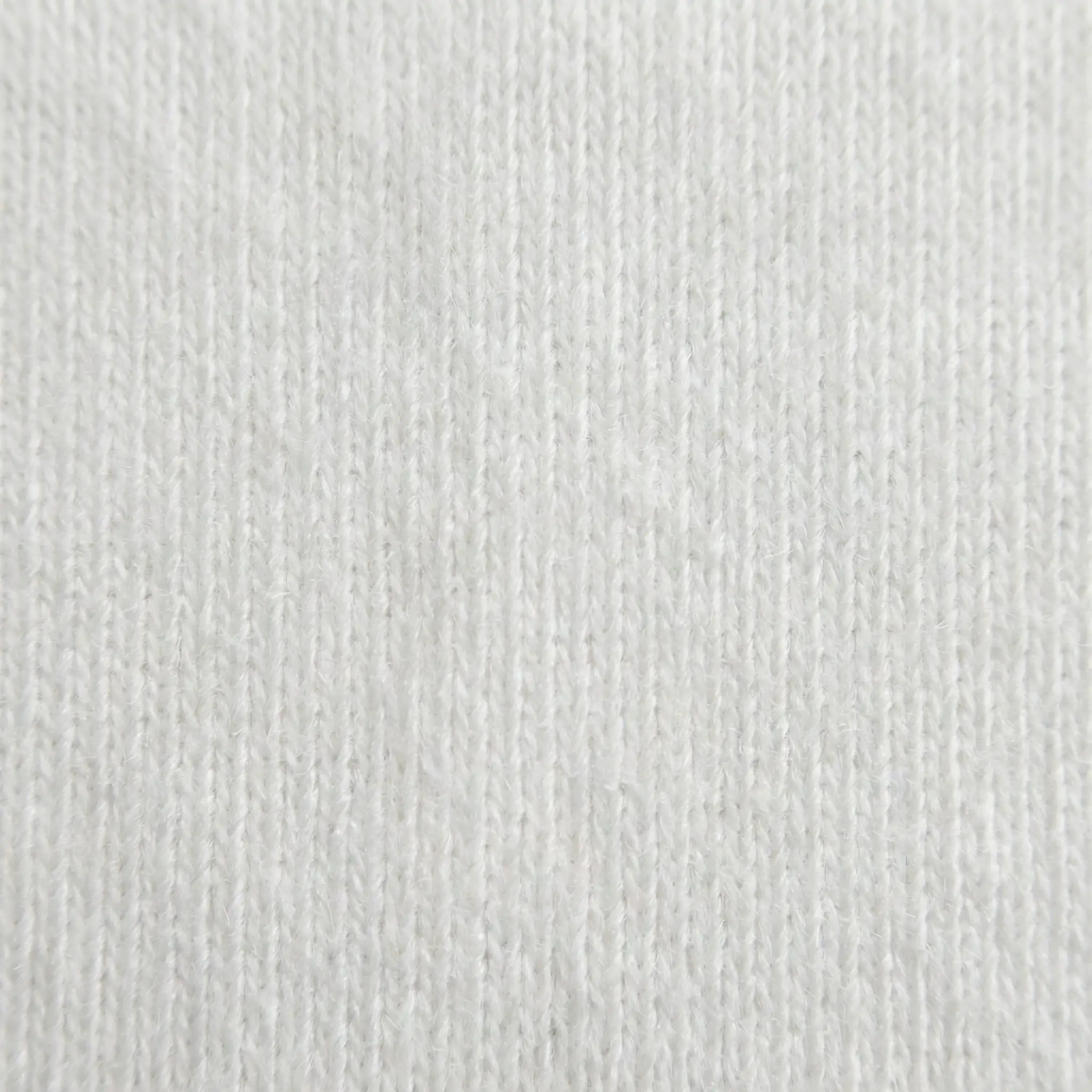
Cotton & Blends
Cotton offers a crisper, more uniform look than linen and is generally more affordable. For 2026, look for “brushed cotton” which has a softer, peach-skin feel.
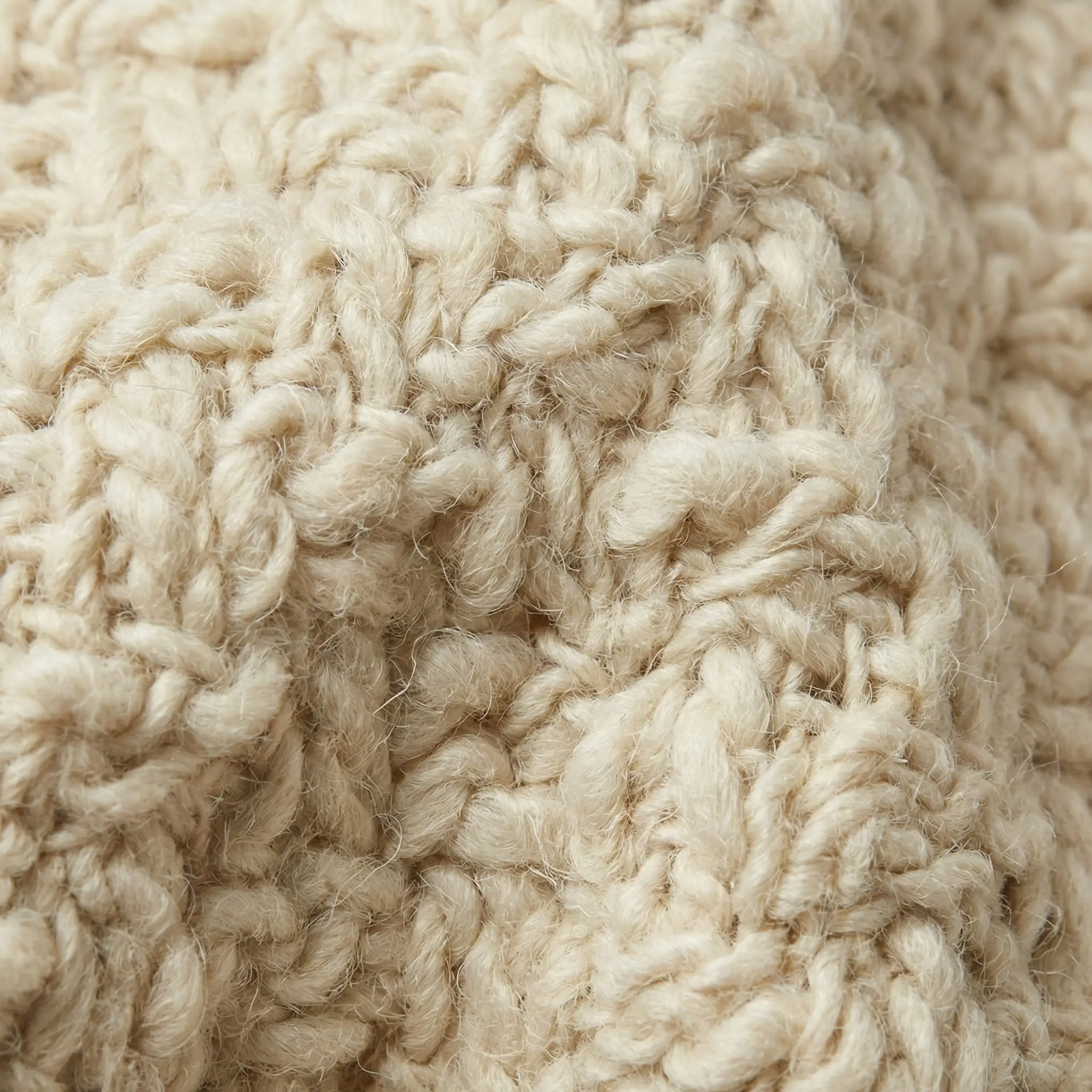
Wool & Bouclé
For those in colder climates or drafty apartments, wool curtains are a game-changer. They act as thermal insulators. Sheer wool (voile) is an incredibly luxurious, high-end option that drapes like water.
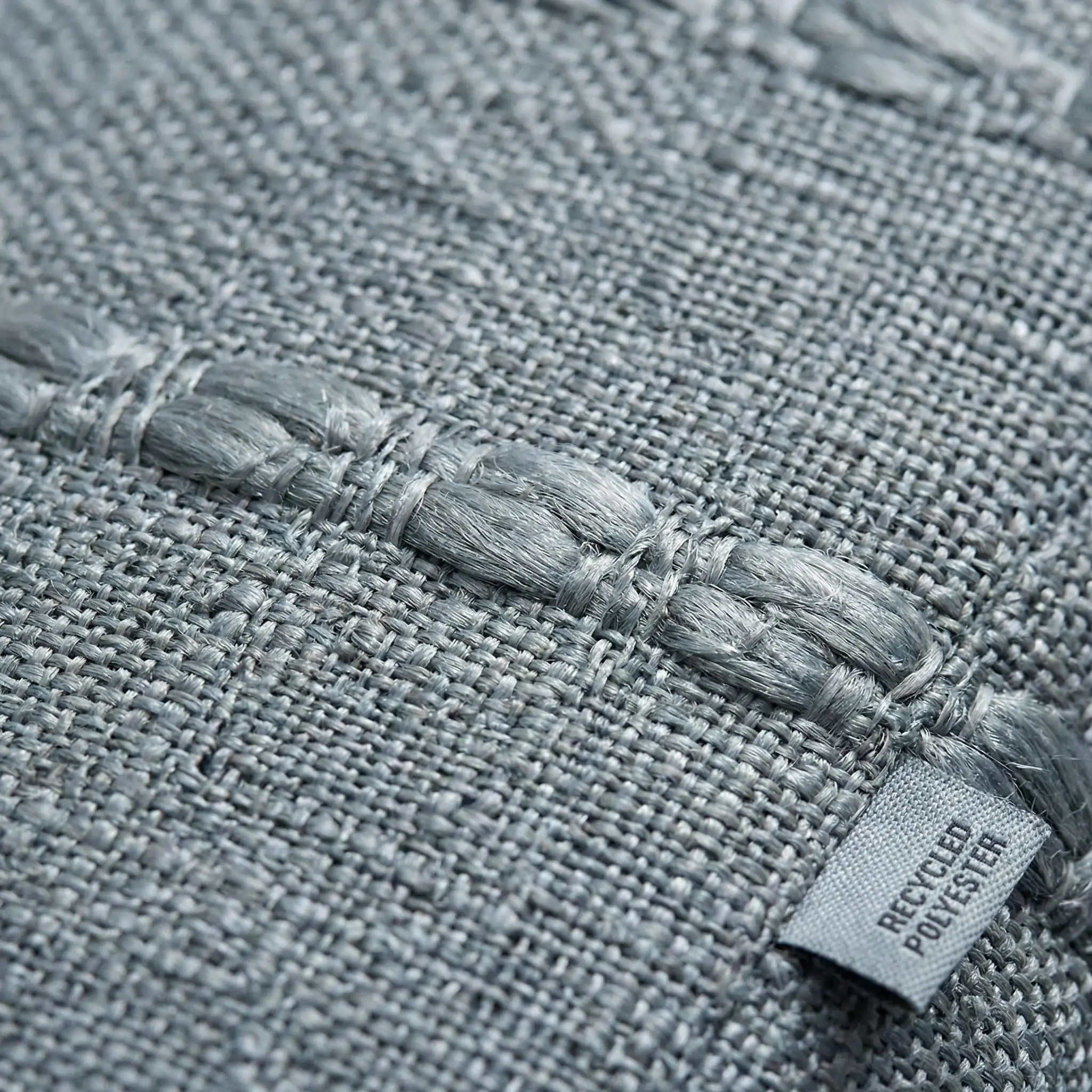
Polyester (The Modern Kind)
Don’t dismiss synthetics immediately. High-quality “linen-look” polyester or recycled blends are easier to clean, don’t shrink in the wash, and are much more resistant to sun fading than natural fibers.
| Feature | Linen | Cotton | Recycled Poly | Wool |
| Drape | Heavy, natural folds | Crisp, structured | Fluid, uniform | Soft, heavy |
| Light Filtering | Excellent diffusion | Good coverage | Varied | Opaque/Warm |
| Maintenance | Dry clean/Gentle | Washable | Easy machine wash | Dry clean only |
| Vibe | Luxury Organic | Clean & Simple | Practical | Cozy/Winter |
Hardware & Mounting: The Invisible Trend
In Scandinavian design, the mechanics should be invisible or intentional. You will rarely see ornate finials or chunky wooden rings.
Ceiling-Mounted Tracks
To make ceilings feel higher, tracks are often mounted directly to the ceiling rather than the wall. Even better are recessed tracks, which are hidden inside the drywall/plasterboard. This makes the curtains appear to “waterfall” directly from the architecture.
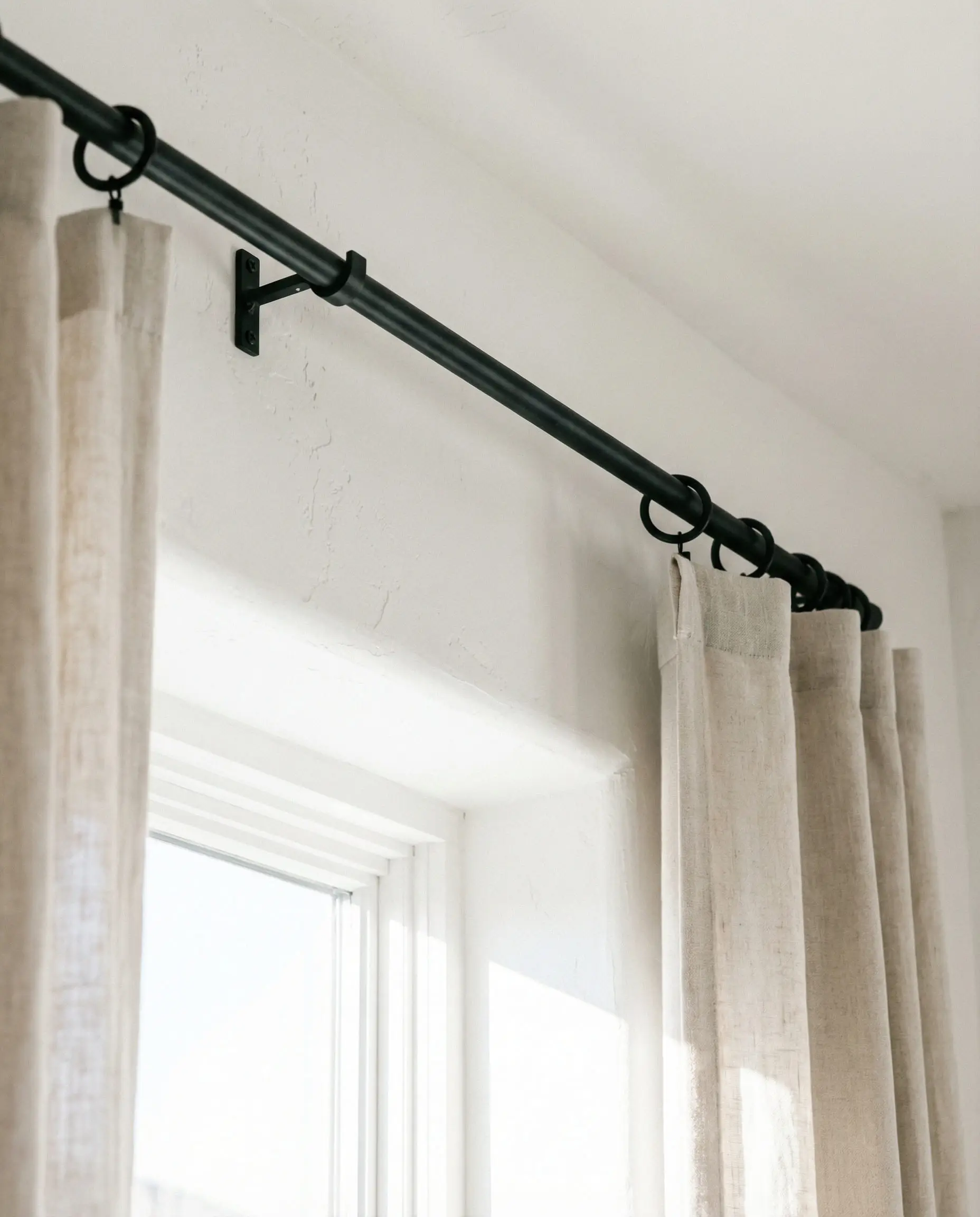
Matte Black & Iron Rods
If you use a visible rod, keep it thin. Matte black metal rods provide a stunning contrast against light fabrics and white walls, acting like an eyeliner that defines the window.
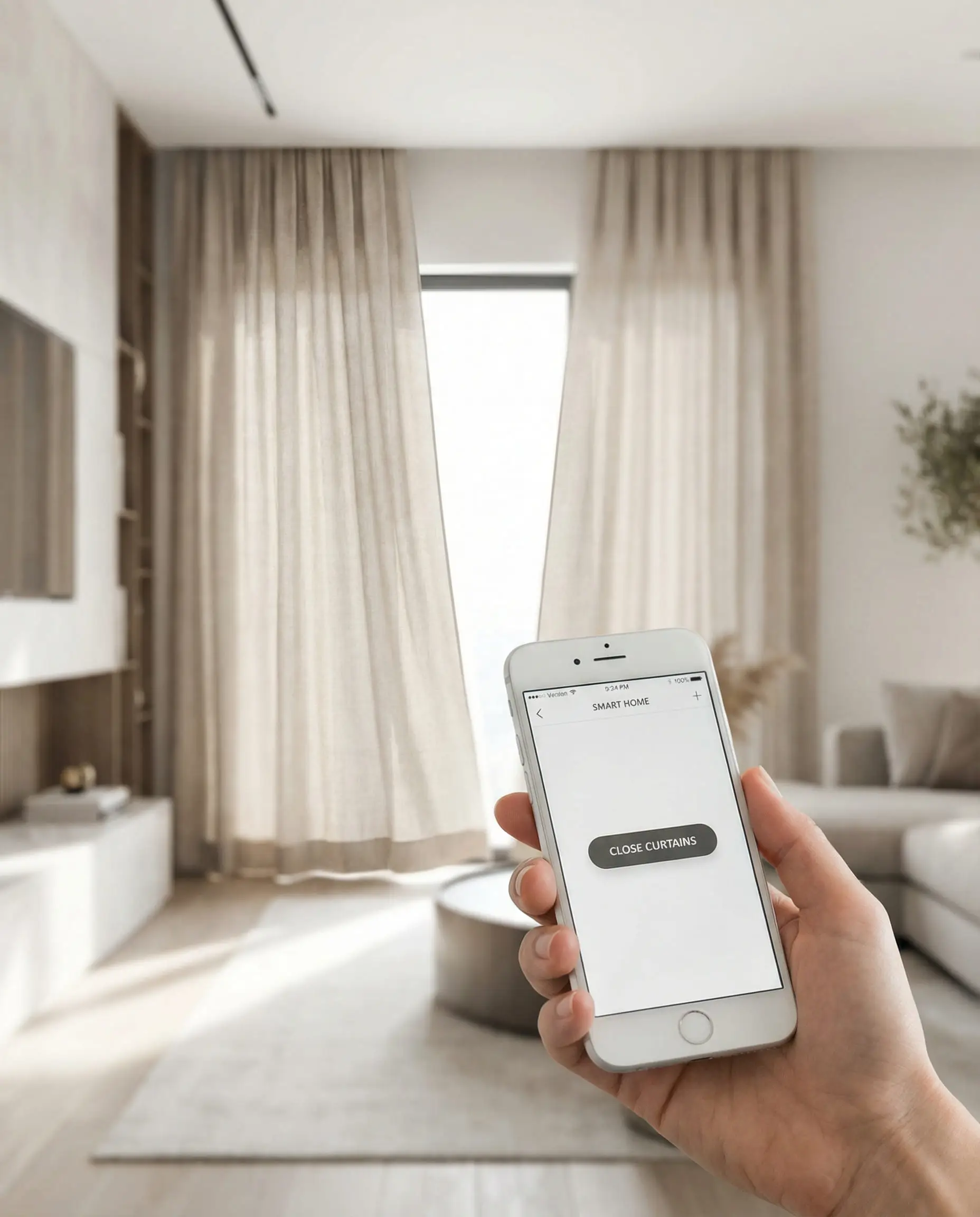
Smart Systems
Scandi design is about modern living. Motorized tracks (like Somfy or SwitchBot) are increasingly popular. They allow you to wake up to natural light without unsightly cords or plastic wands, keeping the look pristine.
Avoid “eyelet” or “grommet” headings (the metal rings punched into the fabric). They often look cheap and dated. Opt for a hidden tab, pencil pleat, or the wave tape mentioned earlier for a more sophisticated finish.
🎨 Designer Tip
Styling Rules: Length and Layering
This is where most DIYers make mistakes. The length and layering of your curtains define the polish of the room.
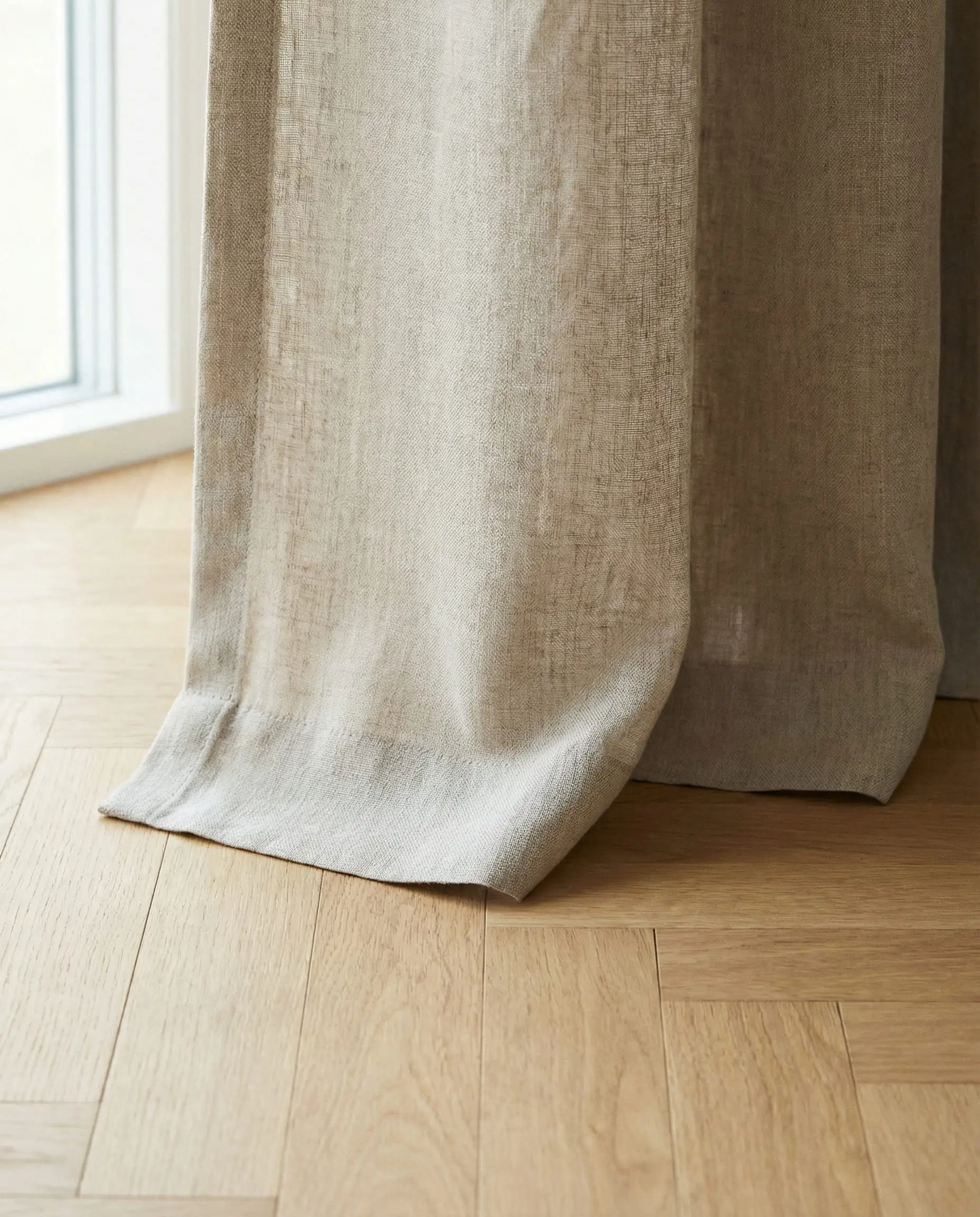
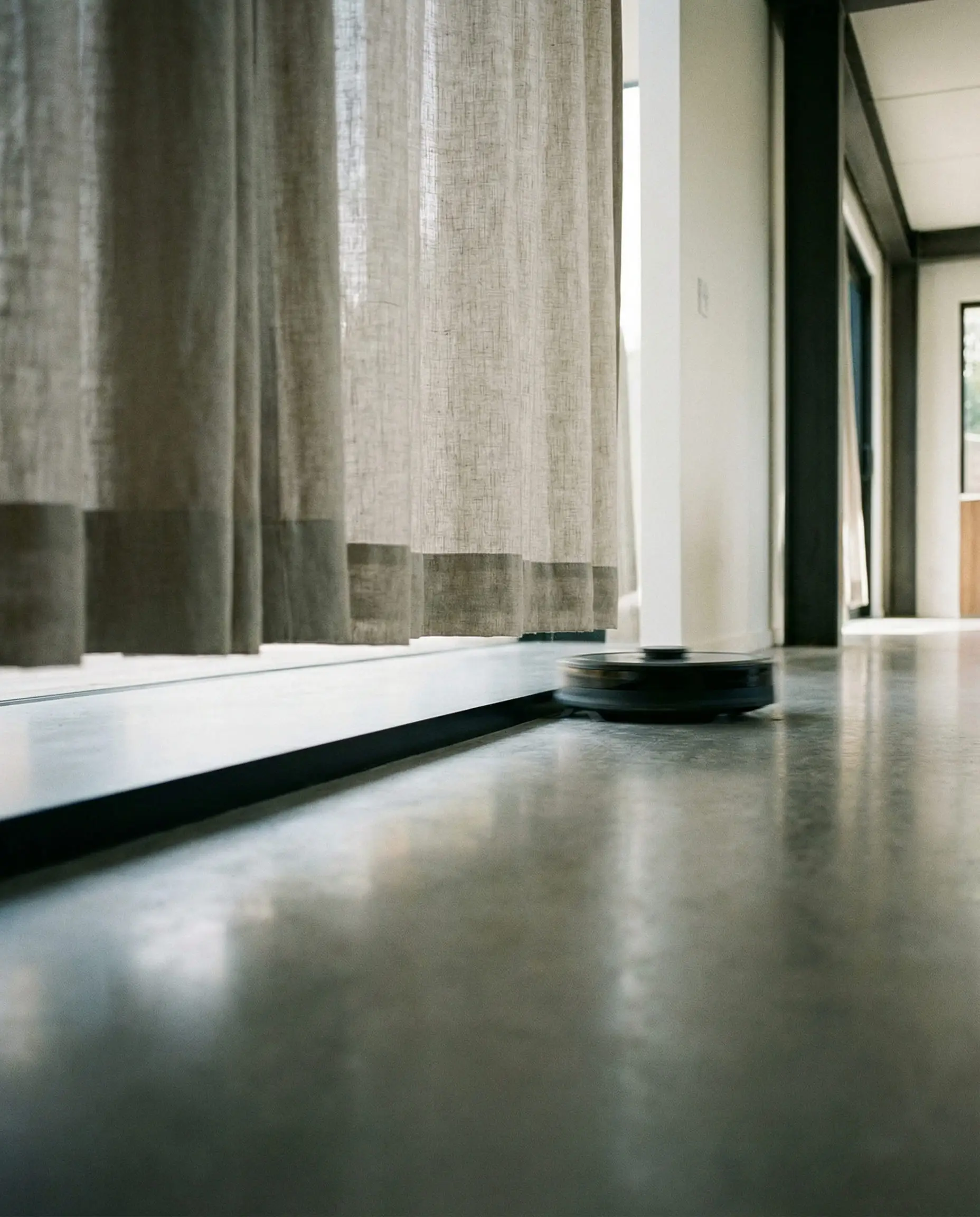
The Perfect Length: The “Kiss”
Should curtains touch the floor? Yes.
In Scandinavian design, “high-water” curtains (that stop at the ankle) are a design crime.
Layering (Double Dressing)
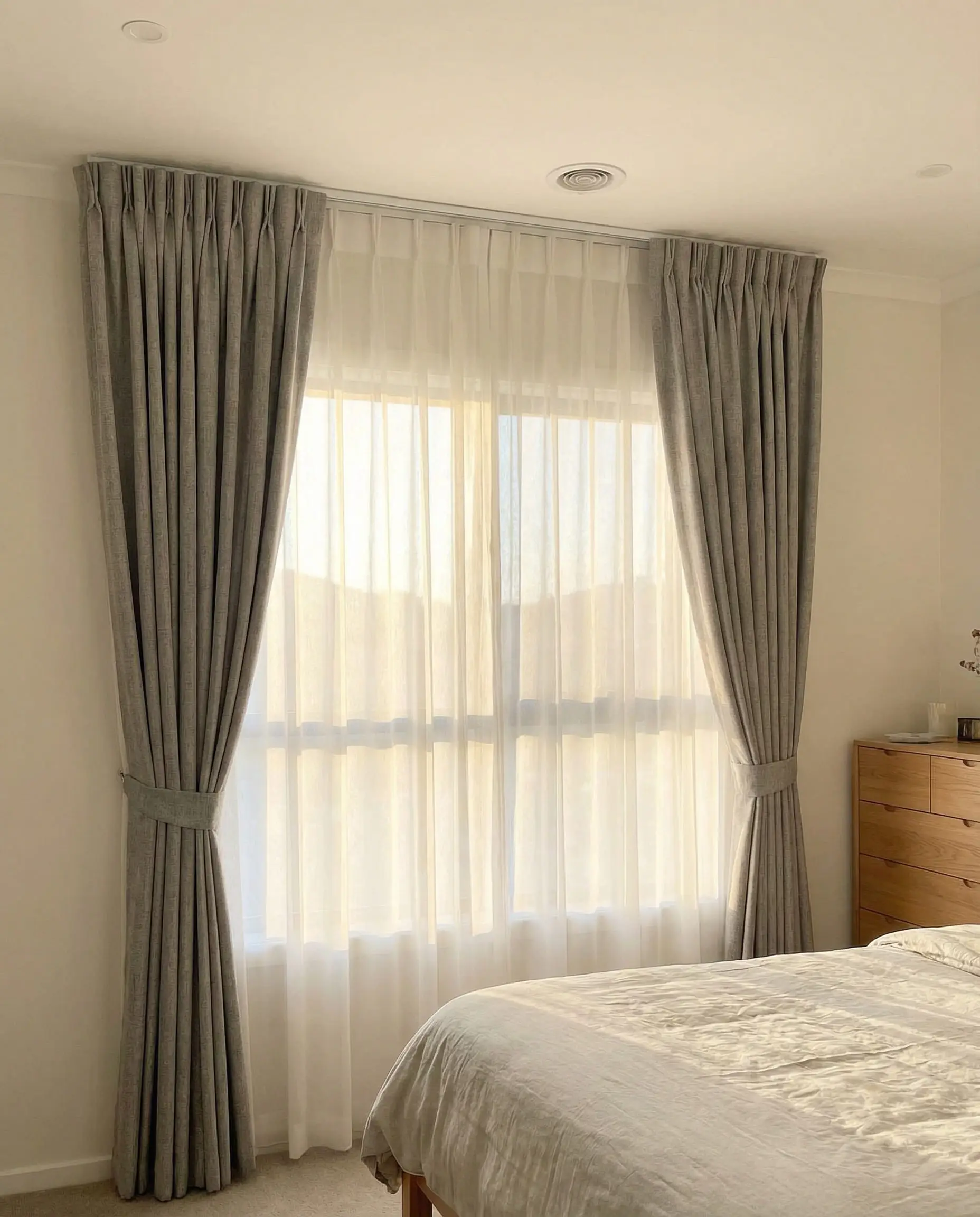
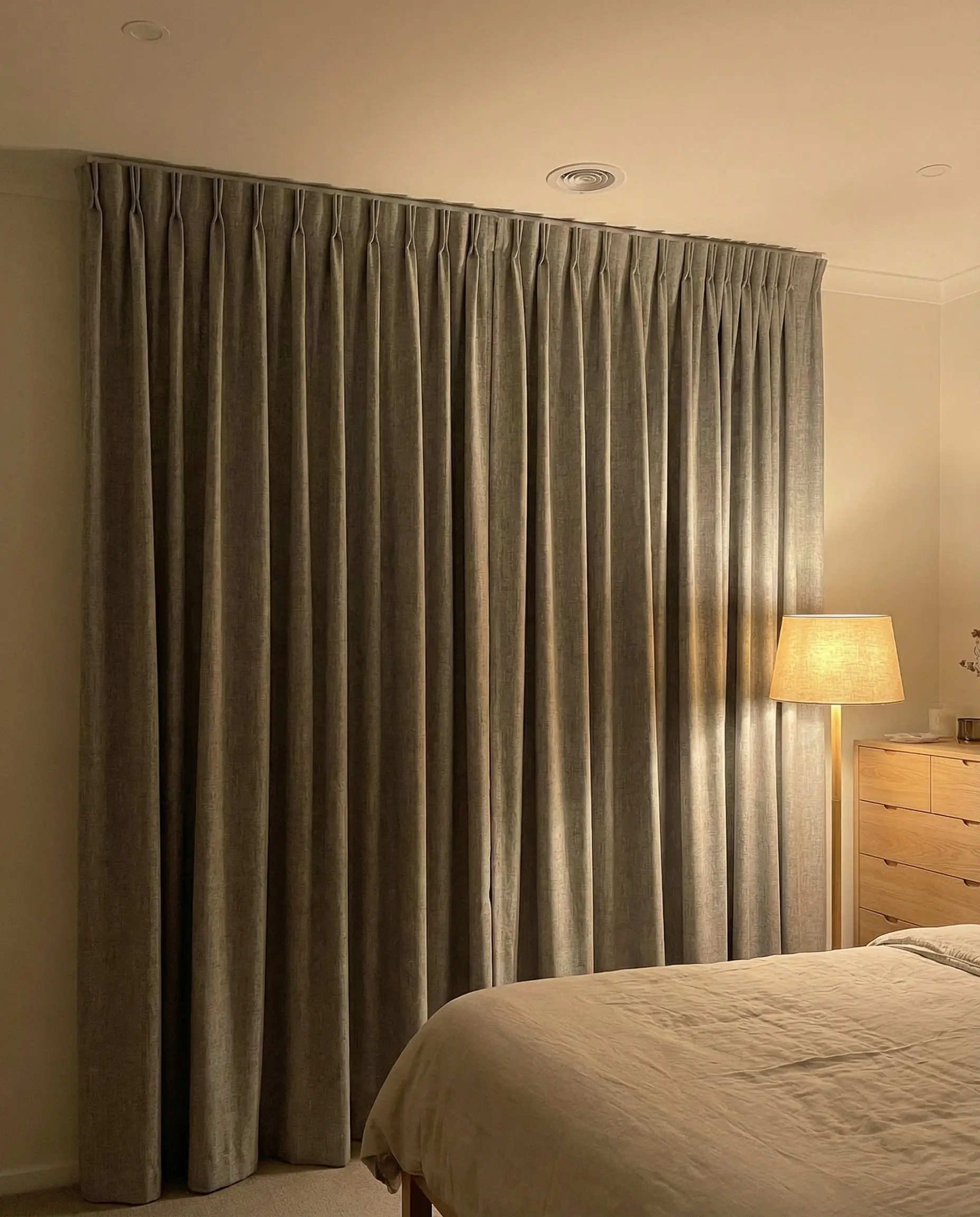
For a room that needs to be dark at night (like a bedroom) but bright during the day, layering is essential.
- Layer 1 (Closest to glass): A semi-transparent roller blind or sheer voile inside the window recess.
- Layer 2 (Room side): A textured, heavier curtain on a track or rod.
This combination gives you complete control over light and privacy.
Room-by-Room Inspiration
Living Room: Social Light
The living room is for gathering. Avoid heavy block-out curtains here unless you have a glare issue on the TV. Opt for semi-sheer linen in oatmeal or soft grey. If you need privacy at night, consider a double track with a heavier texture that stays pulled back during the day.
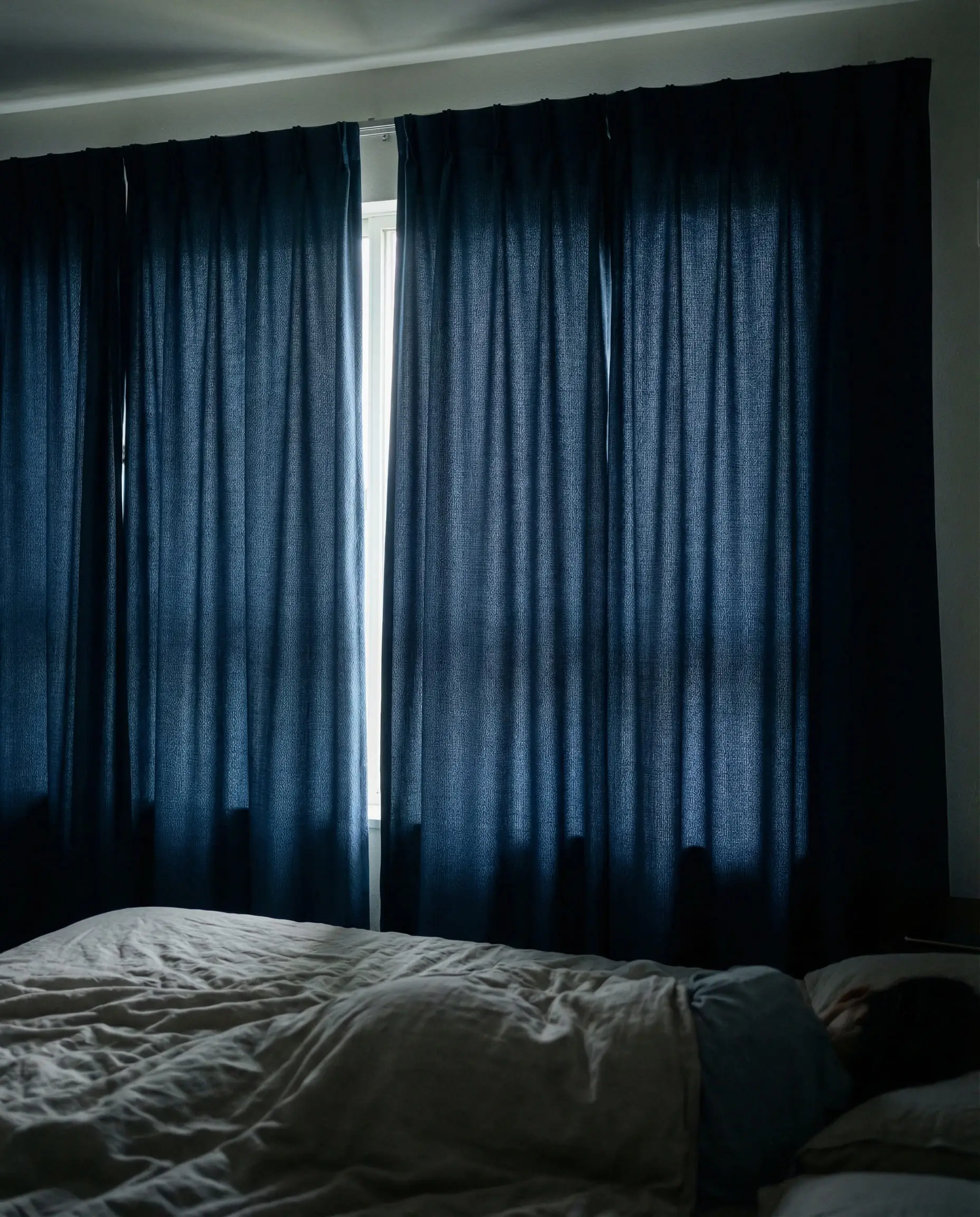
Bedroom: The Blackout Challenge
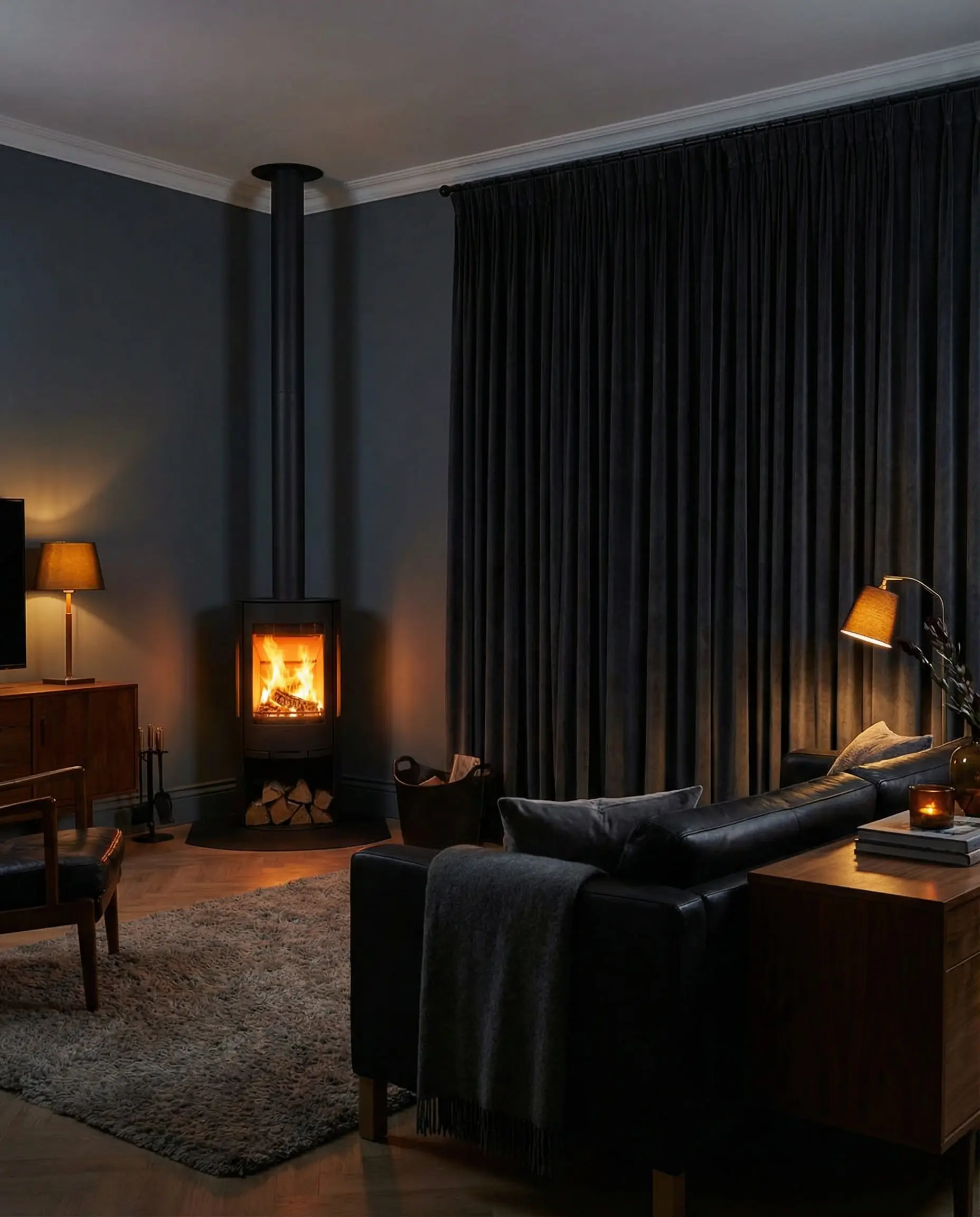
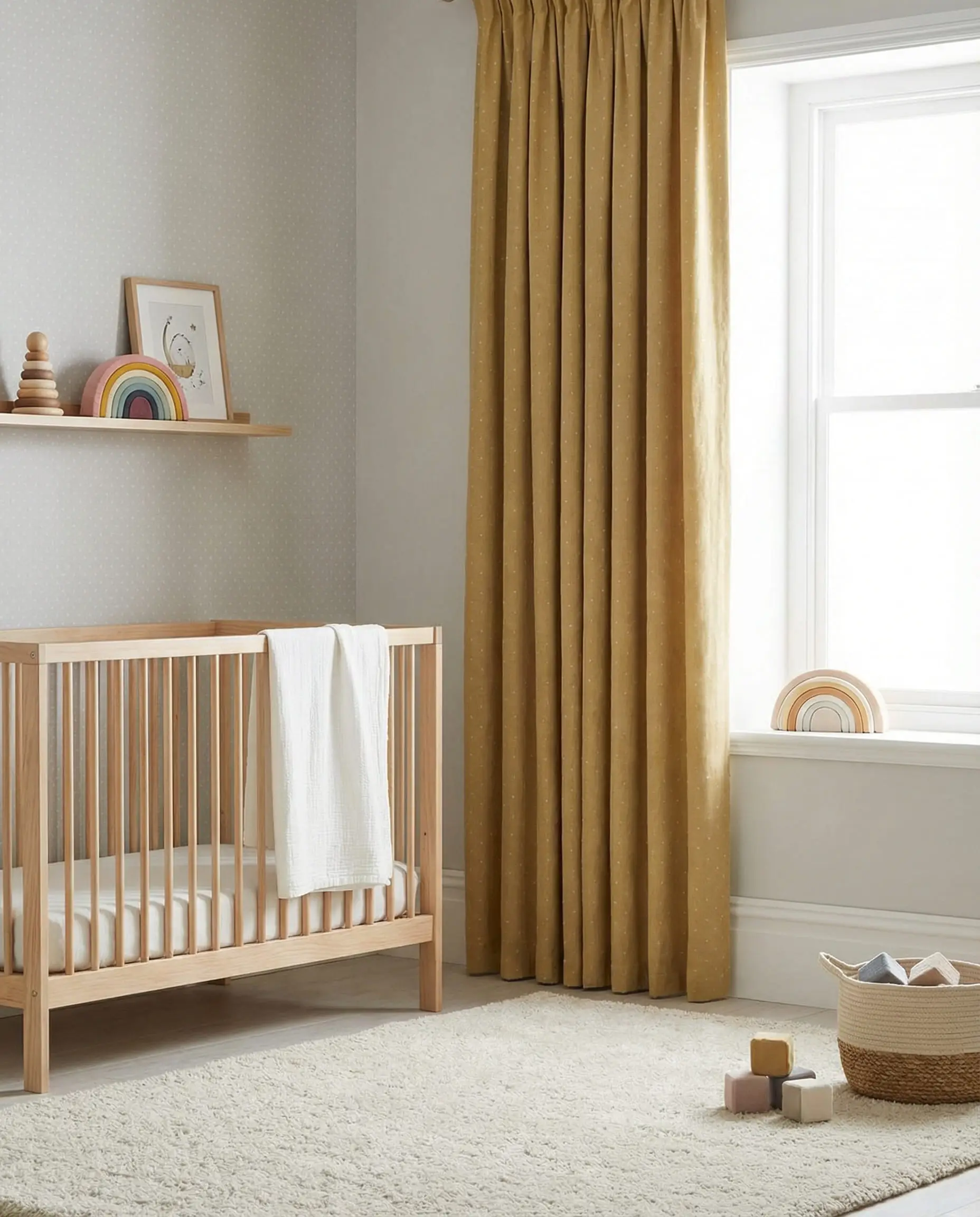
Sleeping in the land of the Midnight Sun requires darkness. However, heavy velvet drapes can feel too oppressive for the style. The solution? Dim-out fabrics. These are linen or cotton fabrics woven with a black layer in the middle. They look light and airy from the outside but block 90-95% of light.
Kitchen: Practicality First
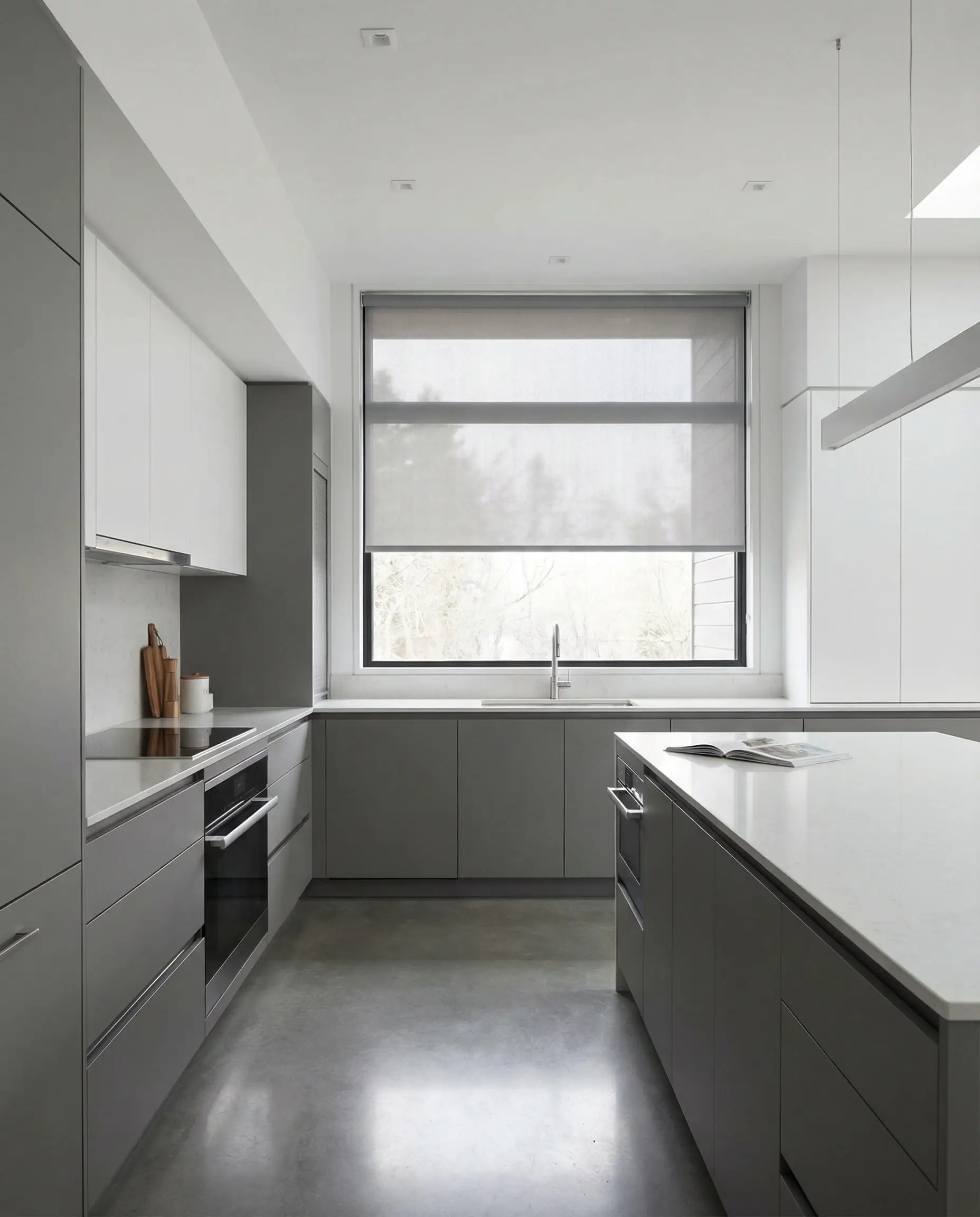
Long curtains in a kitchen are a fire and trip hazard. Stick to functional window blinds like simple roller blinds in a moisture-resistant fabric, or neat Roman shades that fit inside the window frame.
Frequently Asked Questions
A: Absolutely not! While white is traditional, current trends favor warm neutrals like beige, greige, sand, and even soft pastels like dusty pink or sage green.
A: Yes. Wooden Venetian blinds or simple roller blinds are very common in Swedish homes, especially in smaller windows or functional spaces like offices and kitchens.
A: To get that luxurious “ripple” look even when closed, your curtain width should be 2x to 2.5x the width of your window. If you skimp on fabric, the curtains will look flat and like a sheet when drawn.
A: Look for “light filtering” linen or a semi-sheer voile. If you hold your hand behind the fabric, you should see the shadow of your hand but not the details.
Conclusion
Updating your home with Scandinavian curtains is about striking a balance. It is the sweet spot (Lagom) between letting the light in and creating a warm, sheltered feeling at night. By choosing sustainable textures, mounting your tracks high, and embracing the “new neutral” palette of 2026, you can transform a cold room into a sanctuary.
Ready to see how these colors look in your actual space? Try the Hackrea Visualizer to test different wall colors and curtain combinations before you buy.
For more insights on creating a cozy Nordic home, check out our guide on Scandinavian Style Interior Design.
The Aesthetics Desk curates the visual direction for Hackrea. Specializing in design history, global architectural movements, and interior styling, this desk focuses on the psychology of space and how to translate high-end, magazine-quality aesthetics into approachable residential design without falling into fleeting micro-trends.