Bamboo Wallpaper Guide 2026: Trends, Installation, & Care Tips
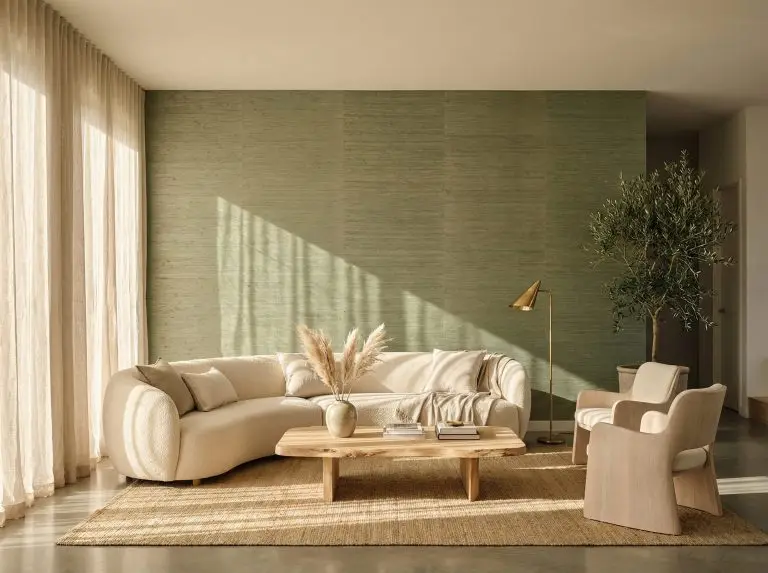
If there is one defining shift in interior design for 2026, it is the movement away from “perfectly flat” to “perfectly imperfect.” We are collectively tired of sterile, smooth drywall. We crave depth. We crave touch. We crave connection.
Enter bamboo wallpaper.
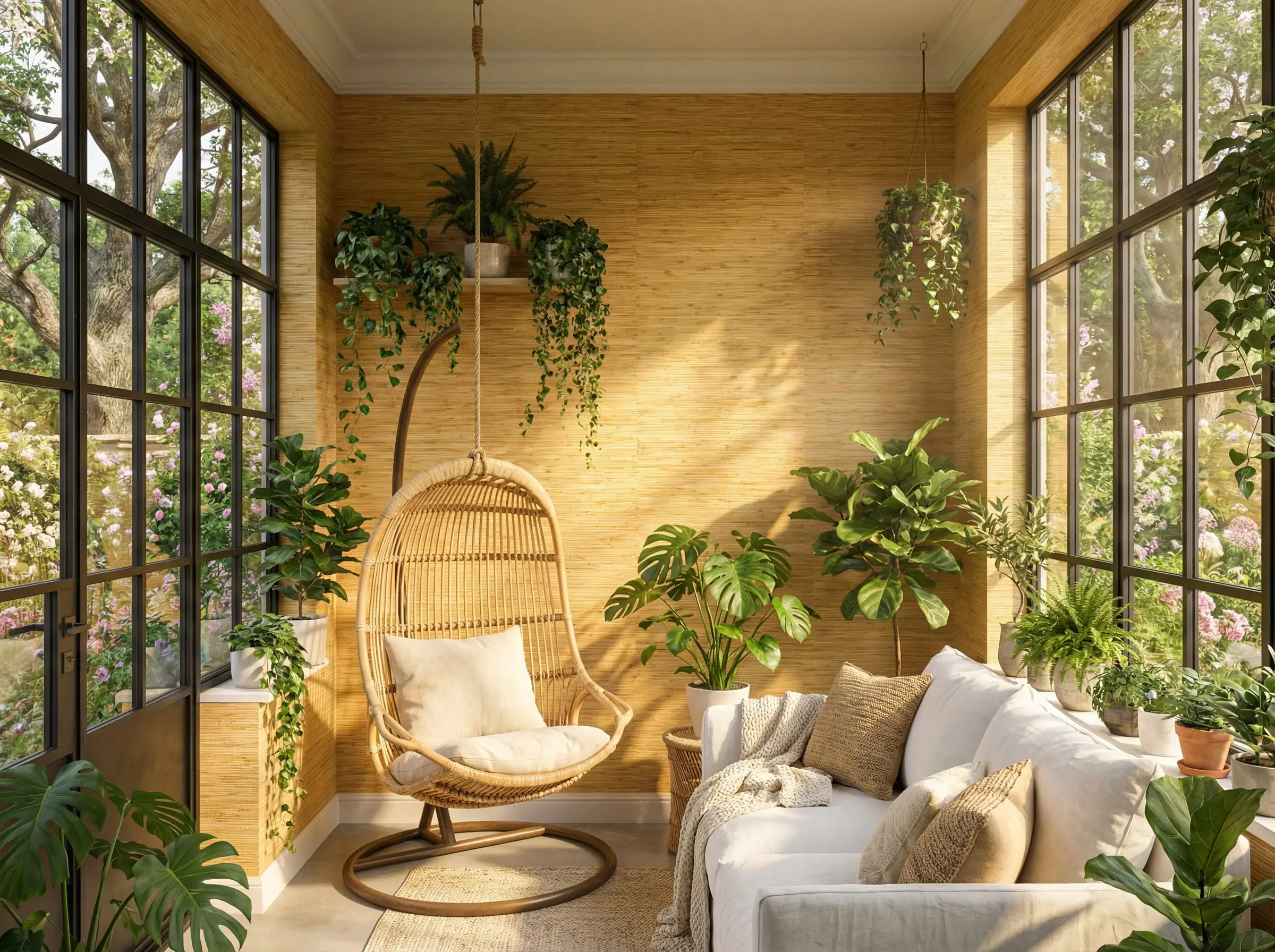
Whether you call it grasscloth, woven wood, or natural textured wallcovering, bamboo is experiencing a massive renaissance. Driven by the Biophilic design movement (the innate human desire to connect with nature) and the enduring popularity of the Japandi aesthetic, bamboo wallpaper has evolved from a retro 70s throwback into a staple of modern sustainable luxury.
But here is the catch: “Bamboo wallpaper” is one of the most confusing terms in the décor world because it refers to two completely different products with different rules, prices, and installation methods.
In this ultimate guide, we are updating everything we know for 2026. We will break down the critical differences between natural and faux options, reveal the hottest color trends for the coming year, and provide a “Pro-Level” installation guide that could save you hundreds of dollars in ruined materials.
Part 1: The Great Divide – Natural Grasscloth vs. Faux Prints
Before you order samples or calculate your square footage, you must make the most important decision of the project. Are you buying material or are you buying a picture?
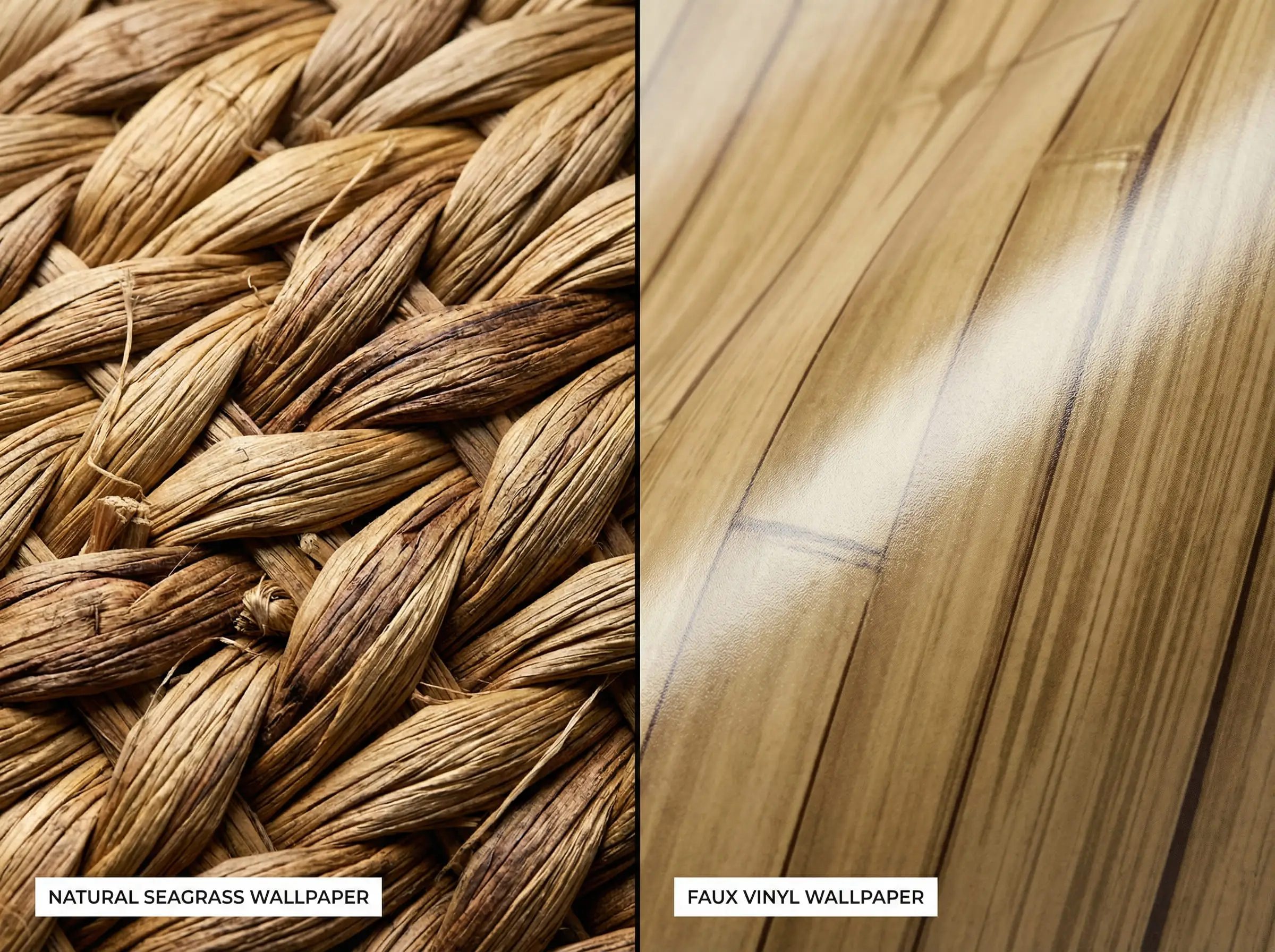
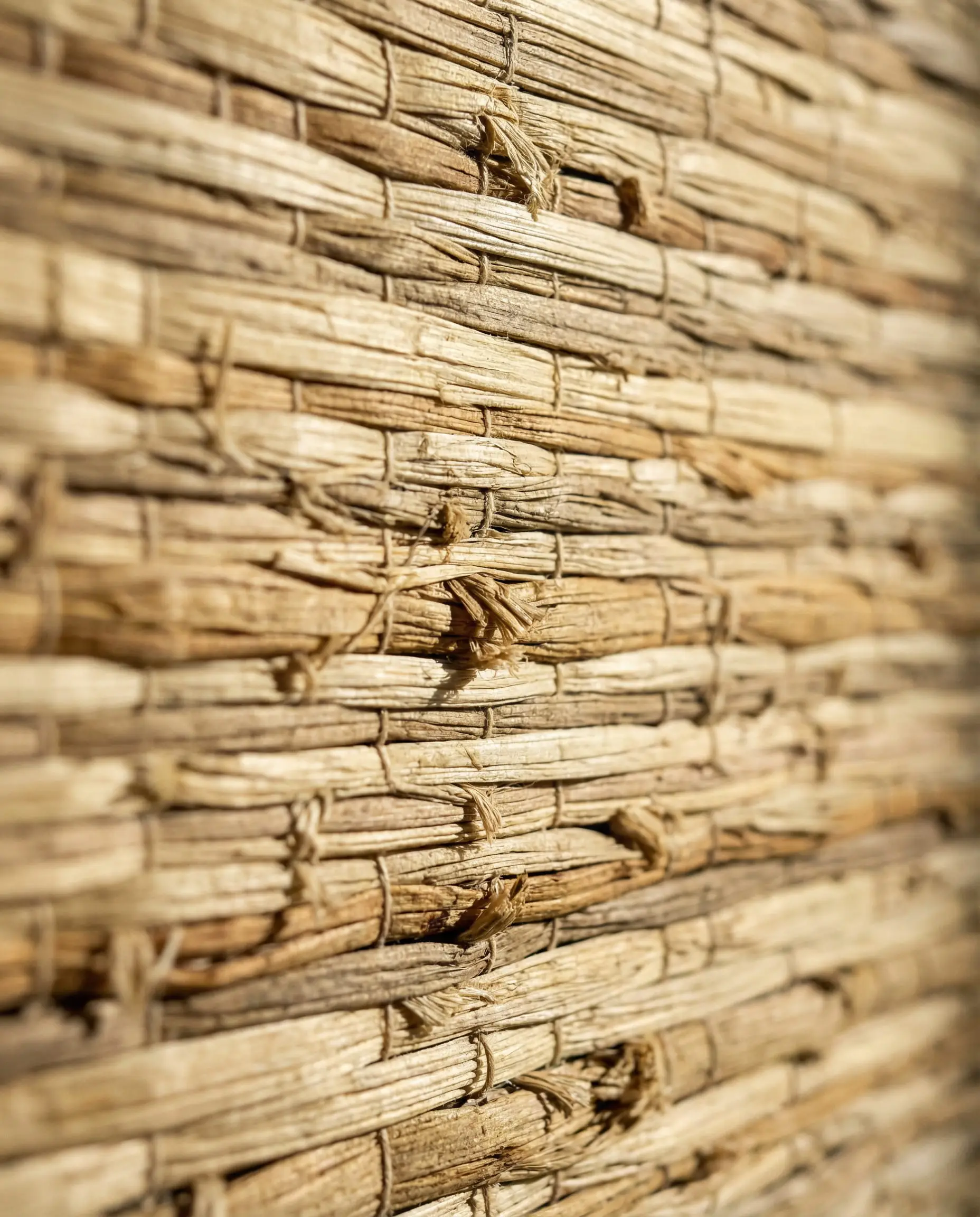
1. Natural Bamboo (Grasscloth)
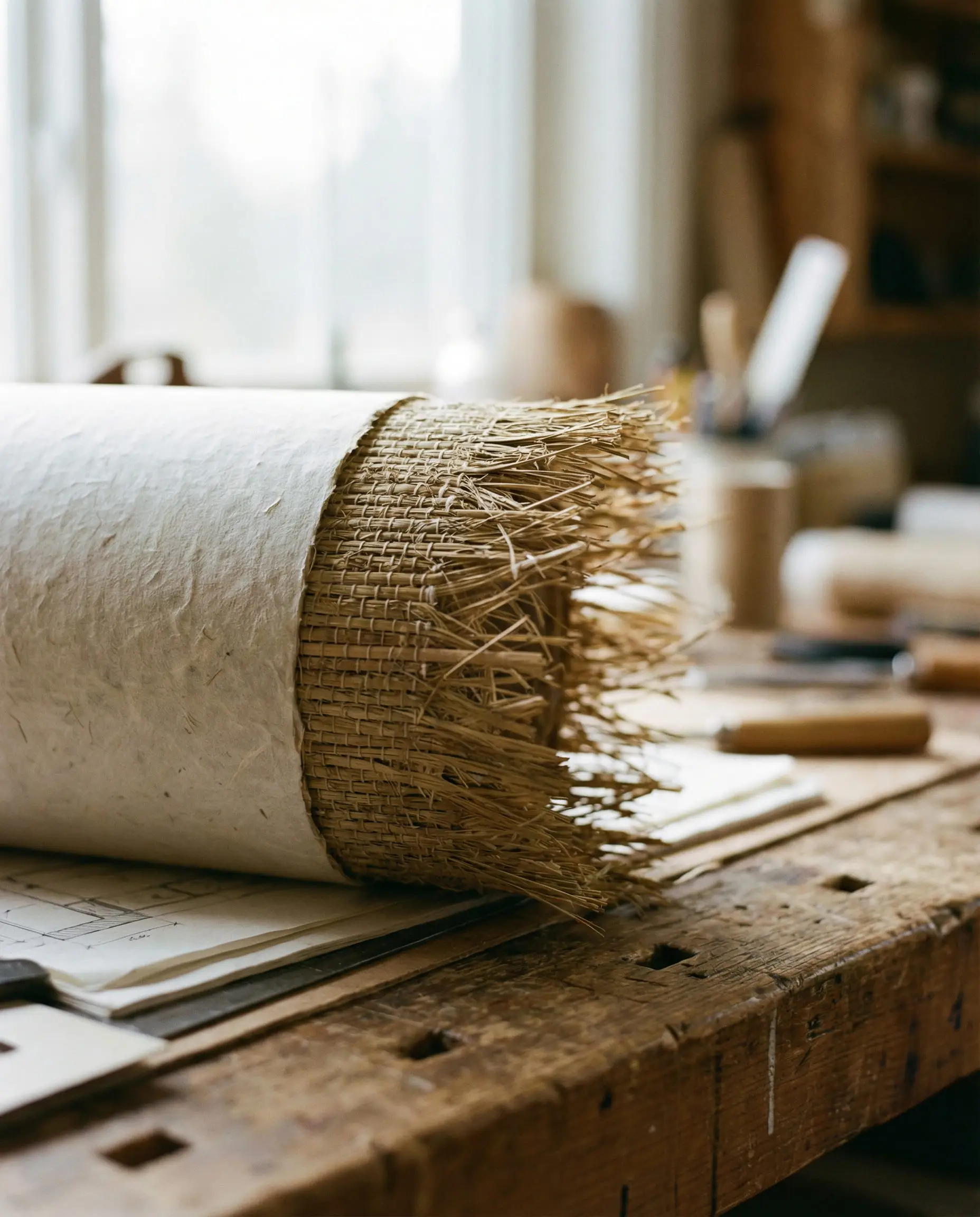
This is the real deal. It is made by weaving dried natural fibers (bamboo, arrowroot, jute, or sea grass) onto a rice paper backing.
2. Faux Bamboo (Vinyl or Non-Woven)
This is a standard wallpaper printed with a high-definition image of bamboo.
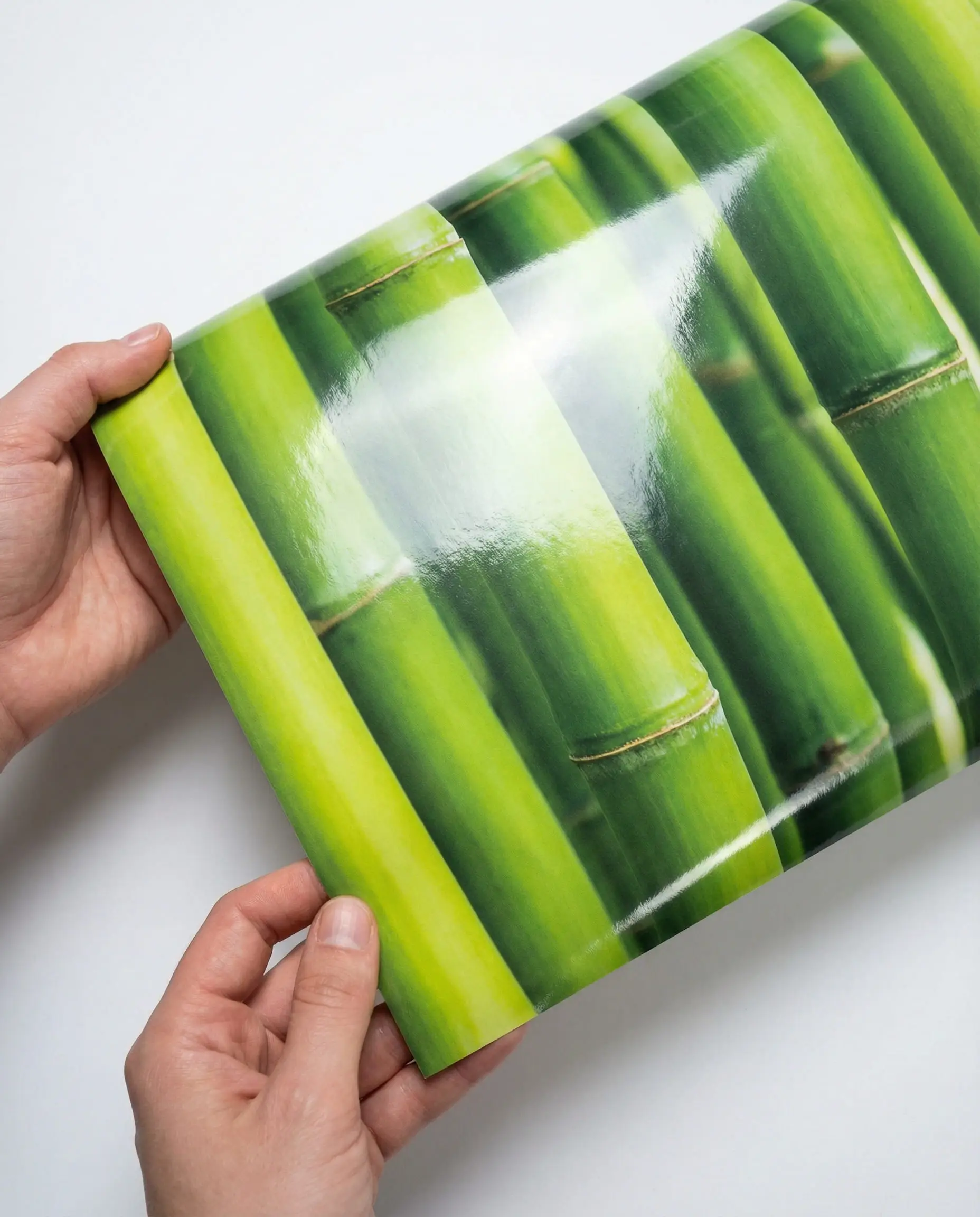
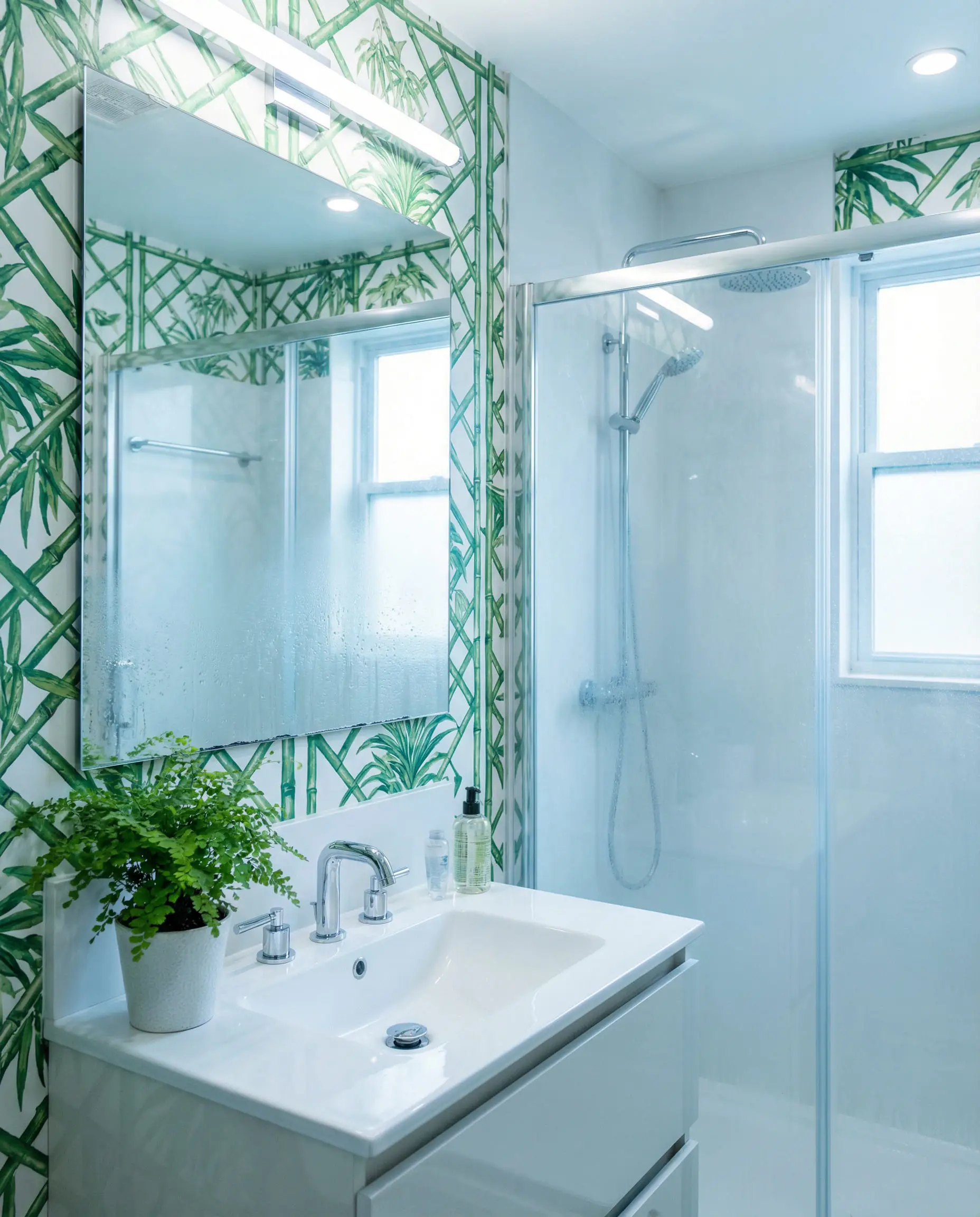
Not sure which one you’re looking at online? Zoom in on the edge of the image. If the horizontal fibers look like they are physically “cut” at the edge, it’s likely natural. If the pattern stops neatly or fades, it’s a print. Also, check the price—natural bamboo typically costs 30% to 50% more than vinyl prints.
🎨 Hackrea Styling Tip
If you are drawn to the authentic, serene atmosphere of Eastern design principles, you are likely leaning toward the natural variety. This connects deeply with the principles we discuss in our guide on Japanese style wallpaper and wall decoration, where material honesty is everything.
Part 2: Bamboo Trends & Colors for 2026
The era of the bright, neon-lime “tiki bar” bamboo is over. For 2025-2026, the trends are sophisticated, moody, and grounded.
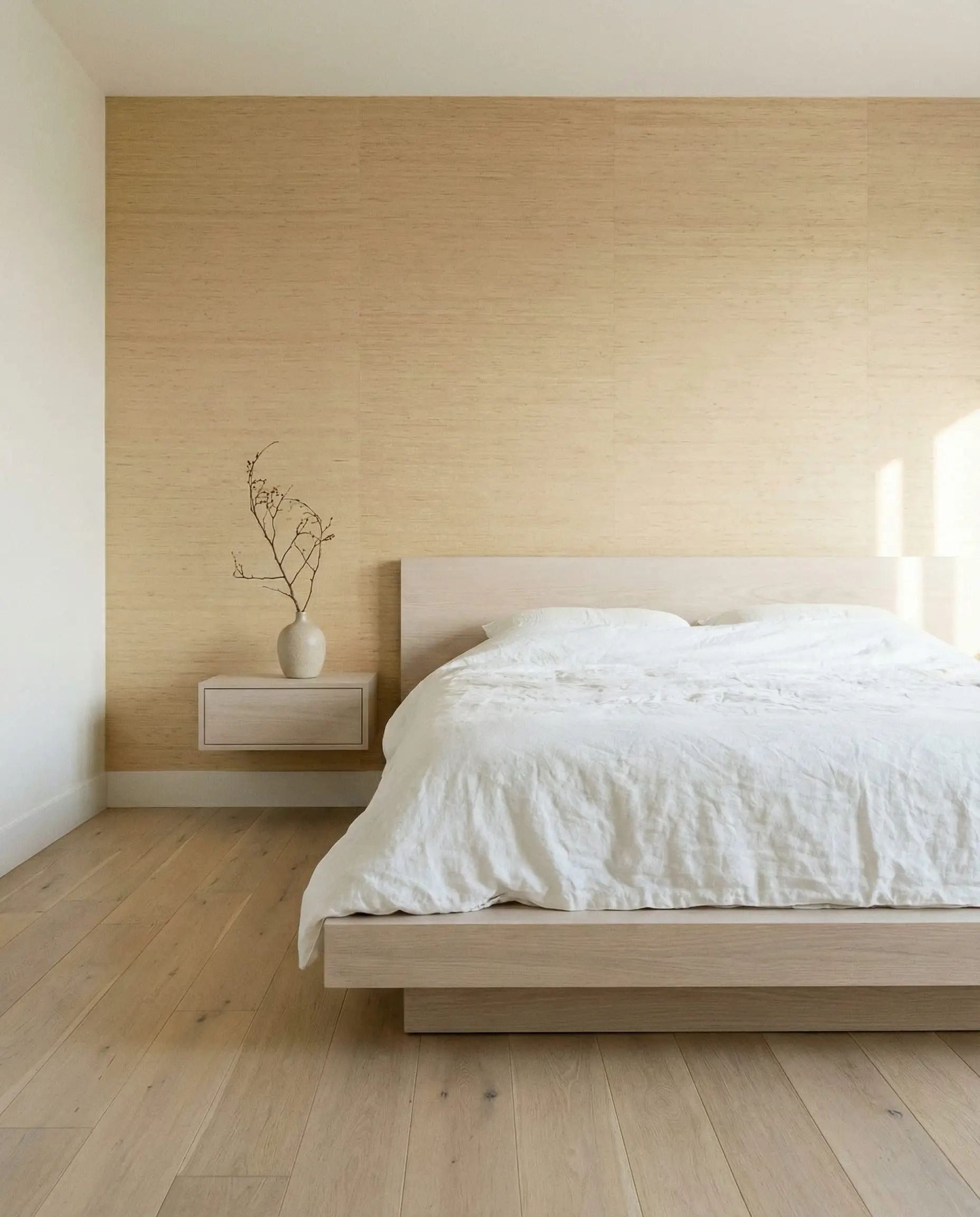
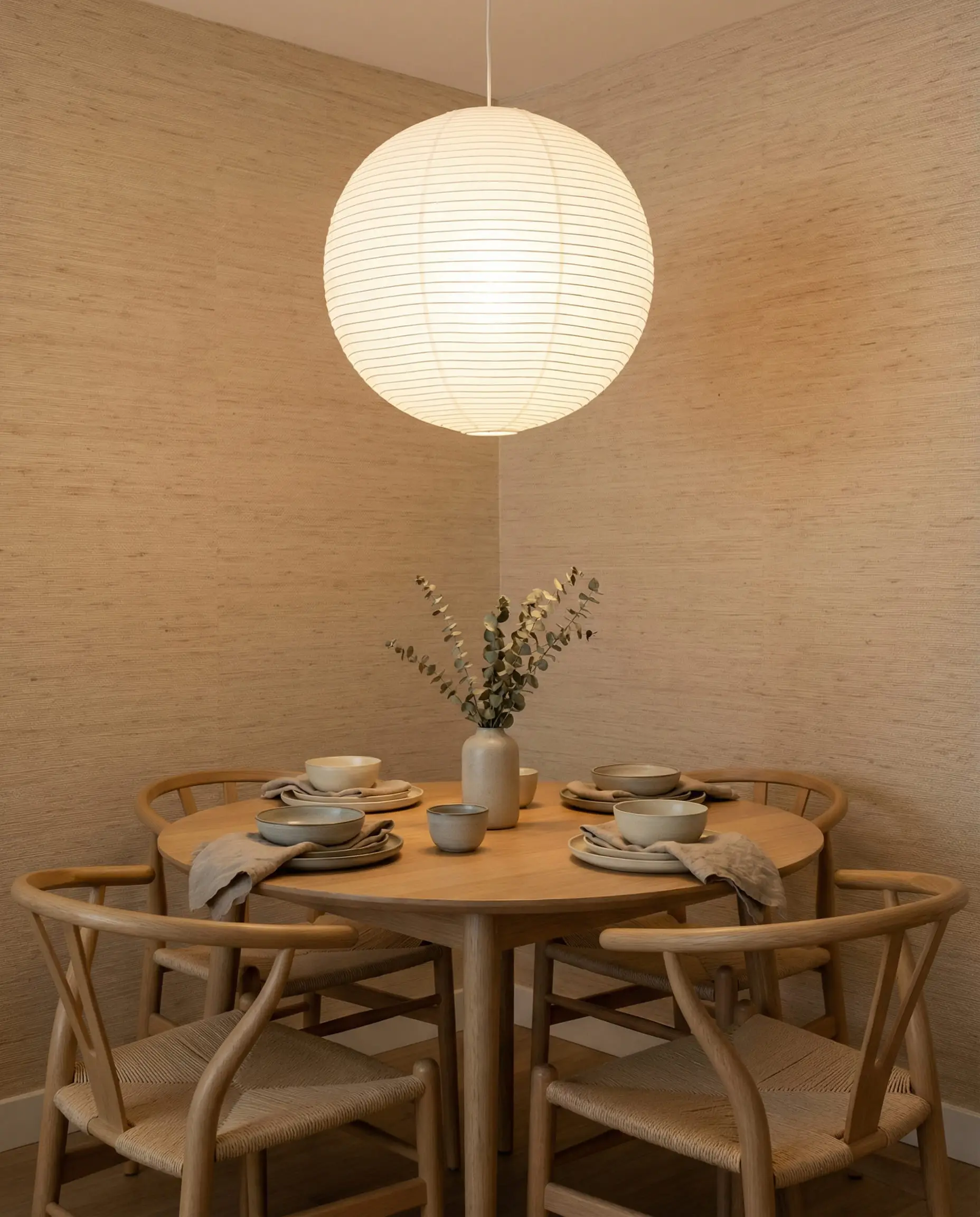
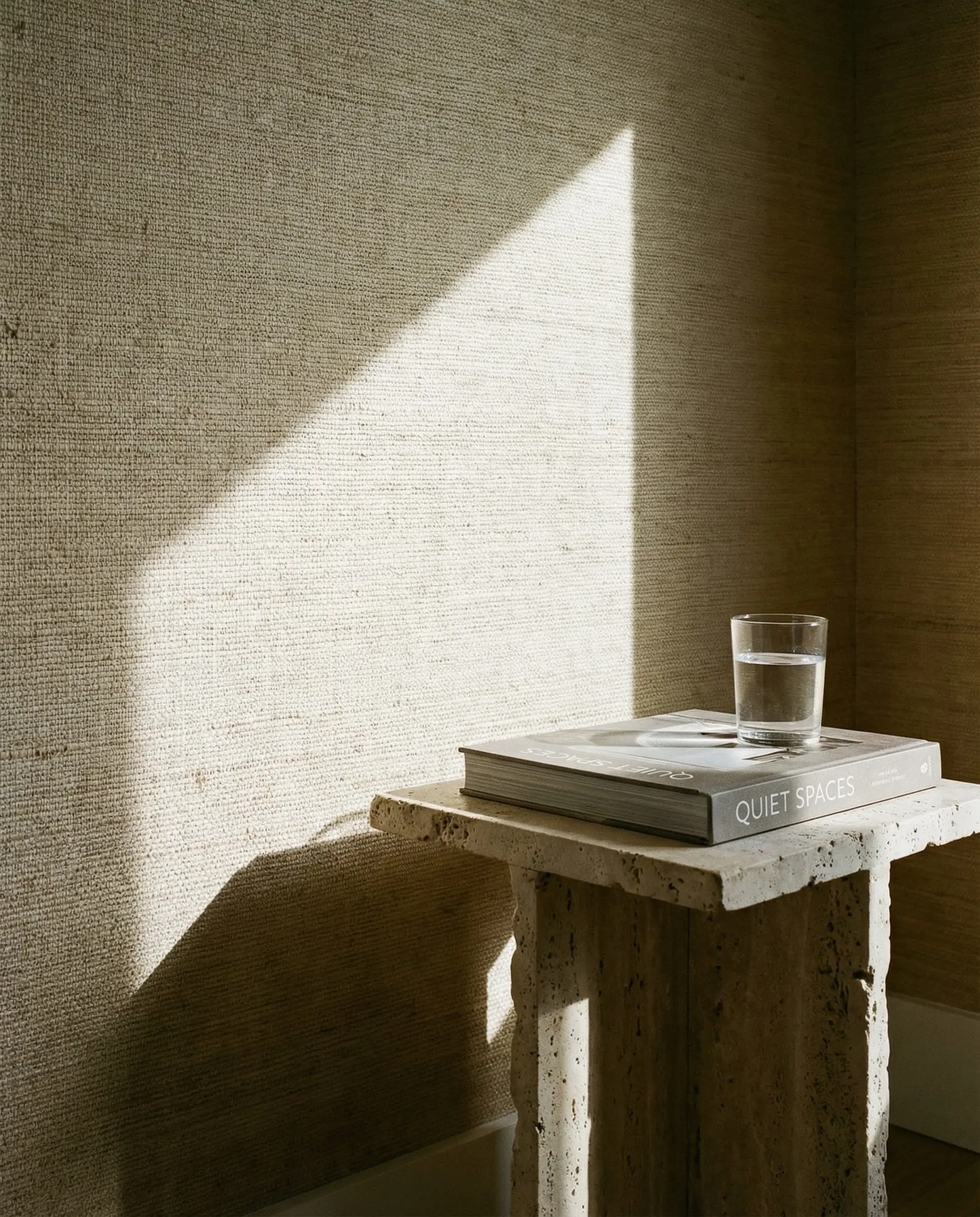
1. The “Japandi” Palette
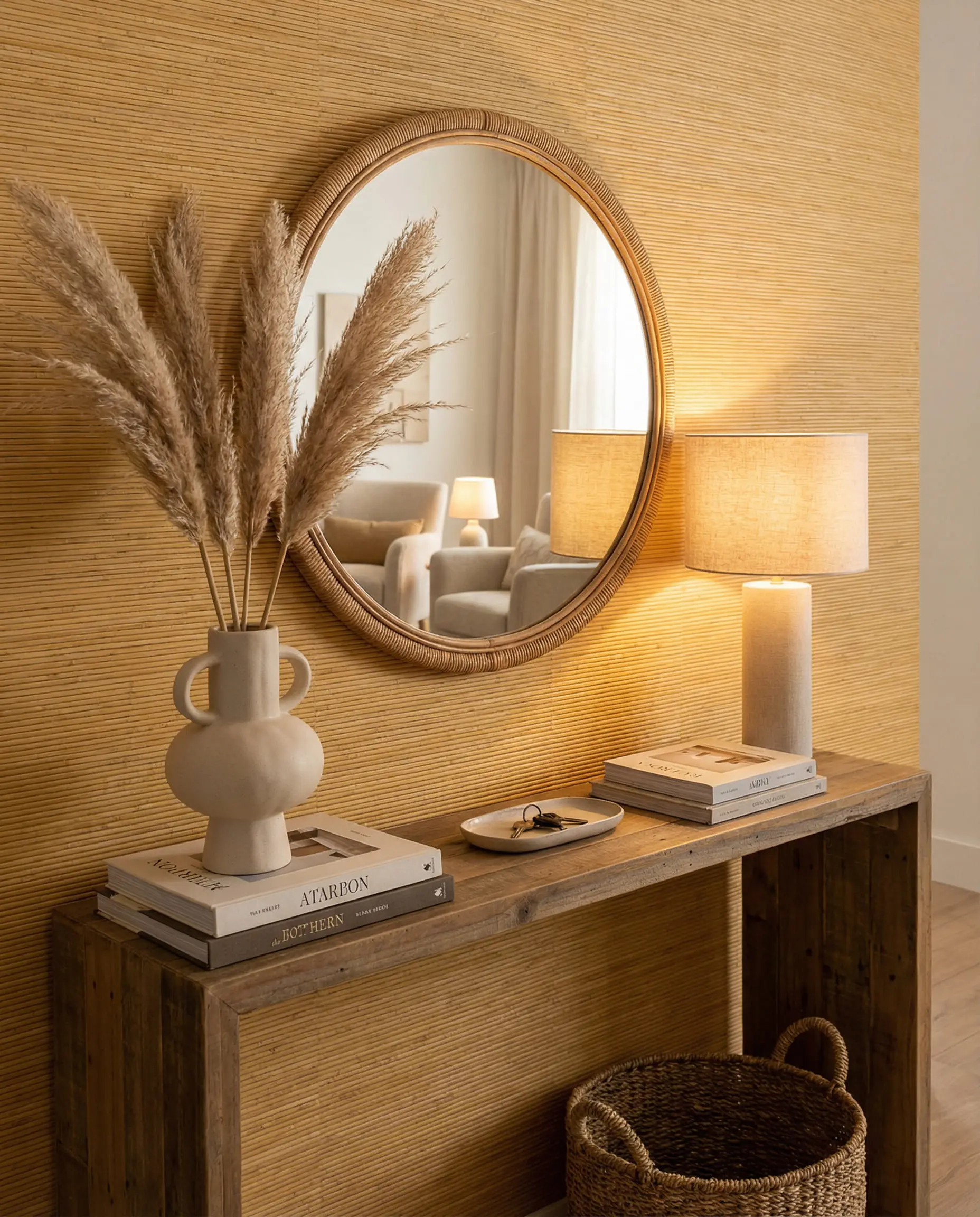
Japandi (the hybrid of Japanese rustic minimalism and Scandinavian functionality) is the driving force behind bamboo’s popularity. The color palette here is all about warmth.
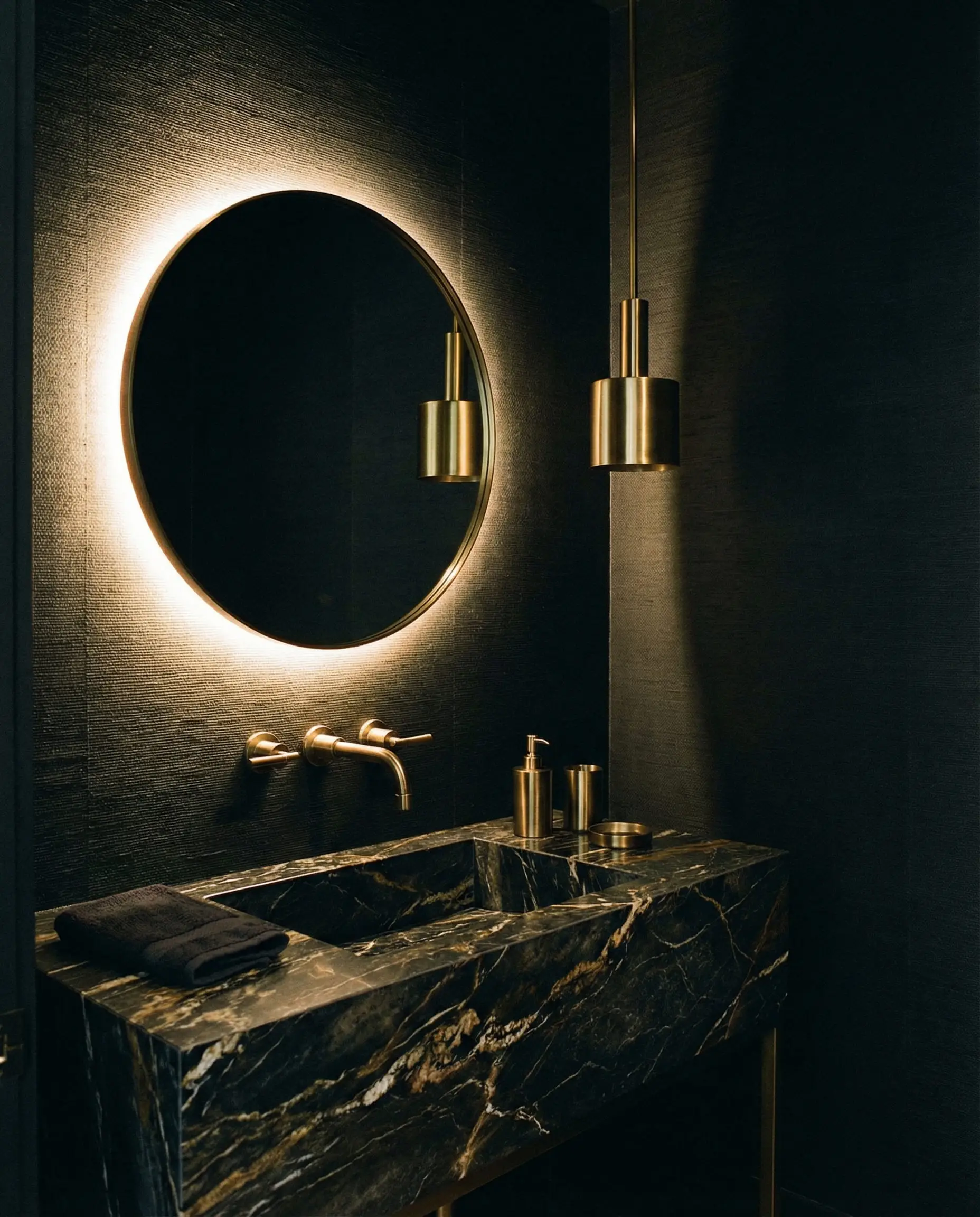
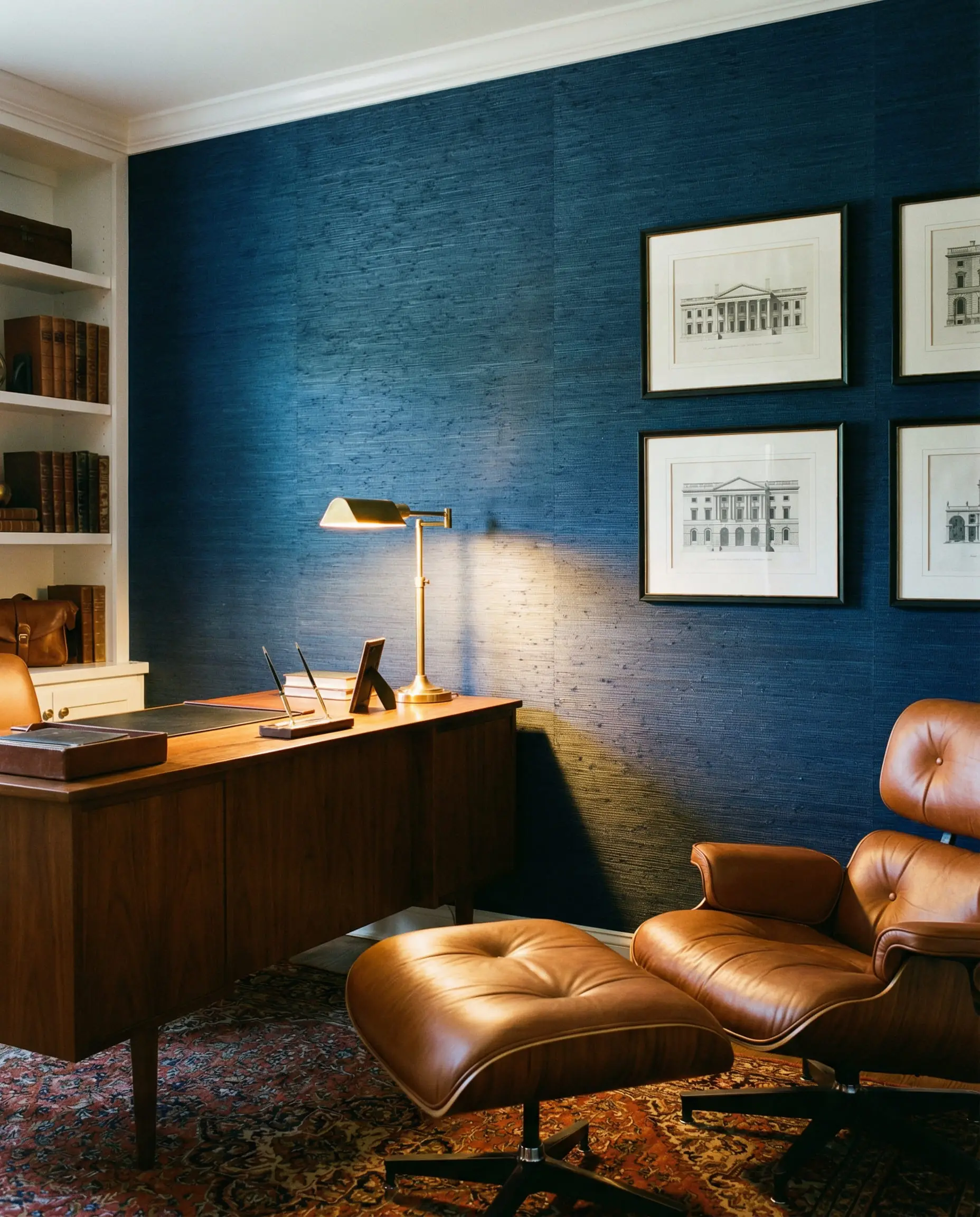
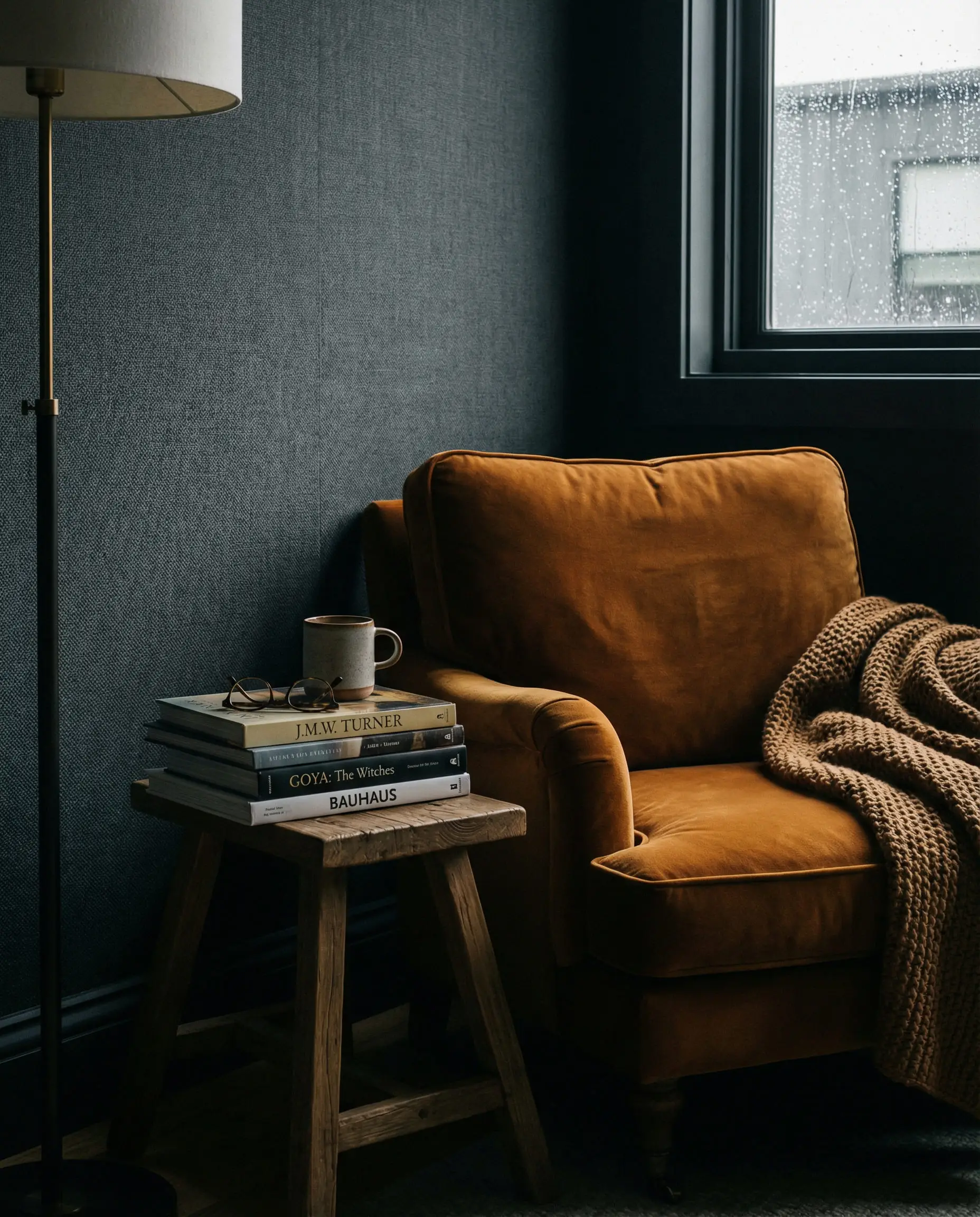
2. Moody & Dark
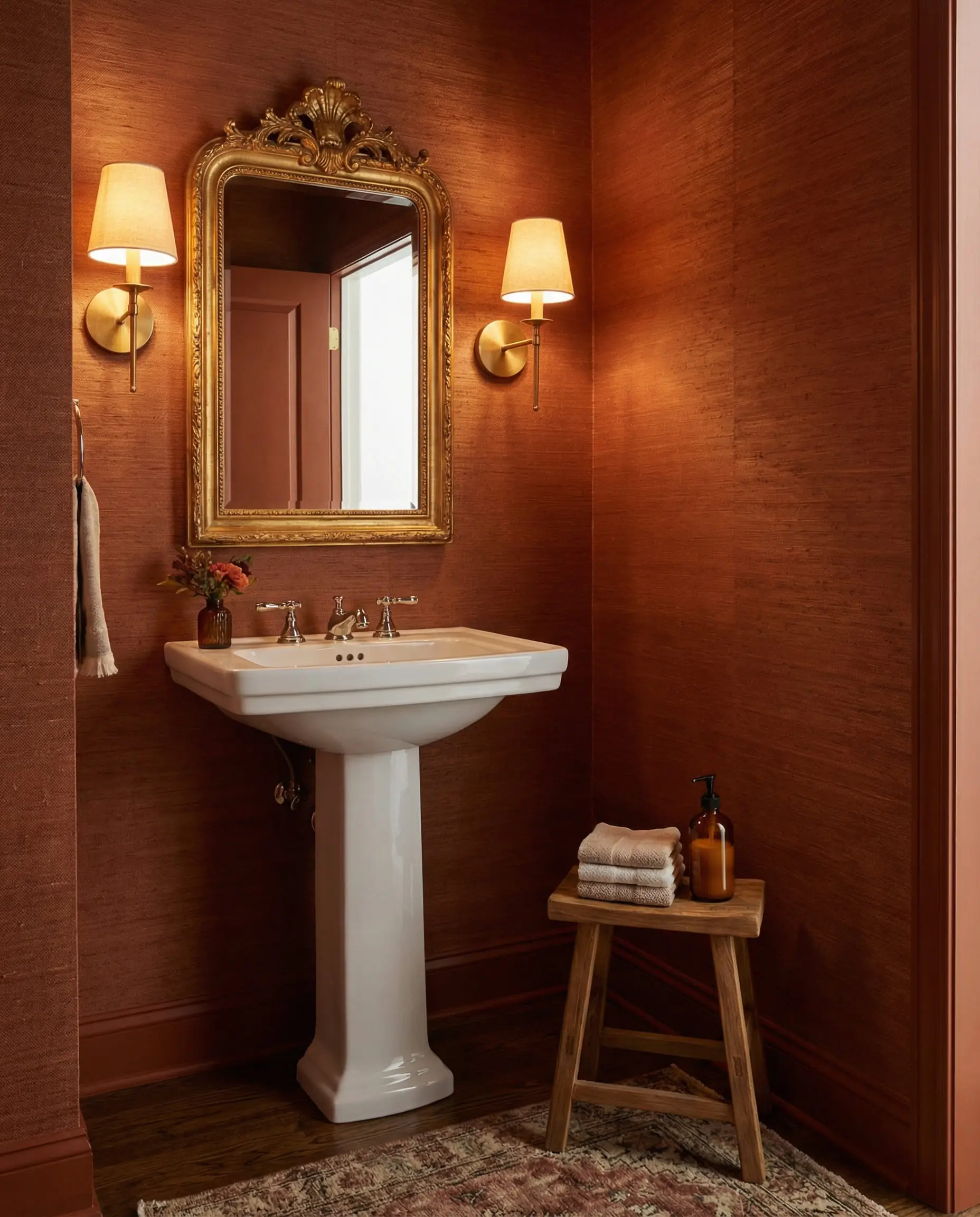
Designers are no longer afraid of the dark. Dyed bamboo in deep, saturated colors is being used to create “jewel box” rooms.
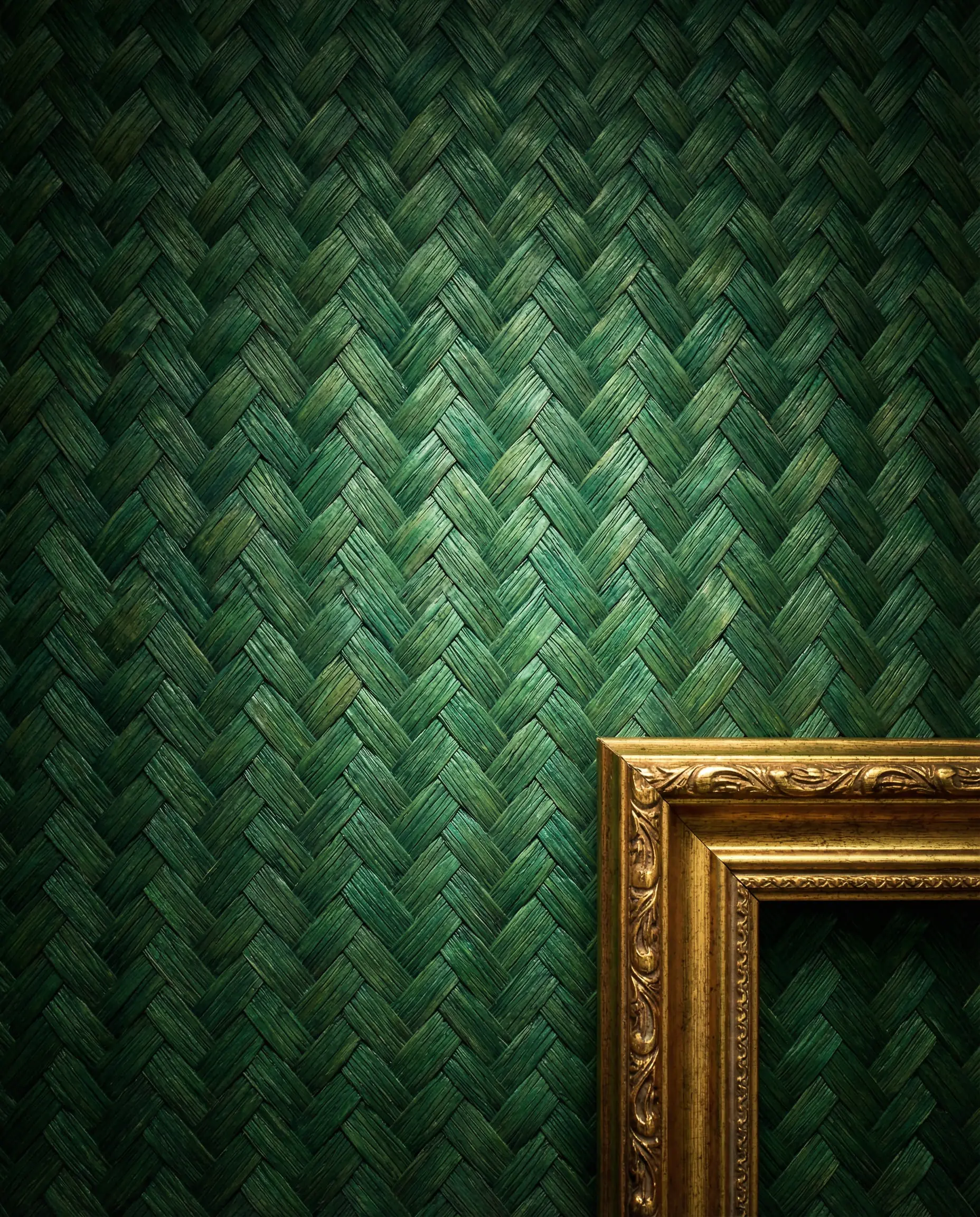
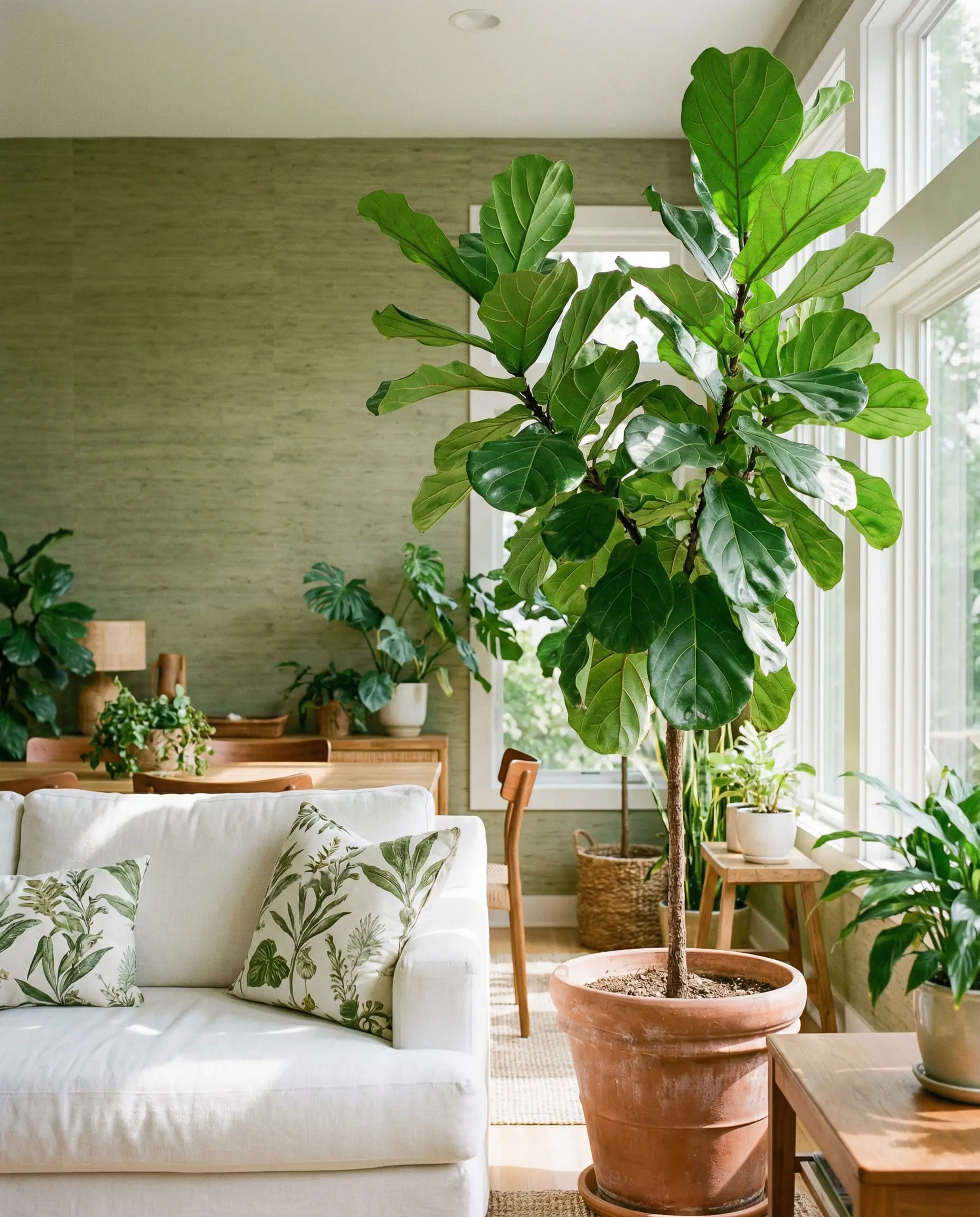
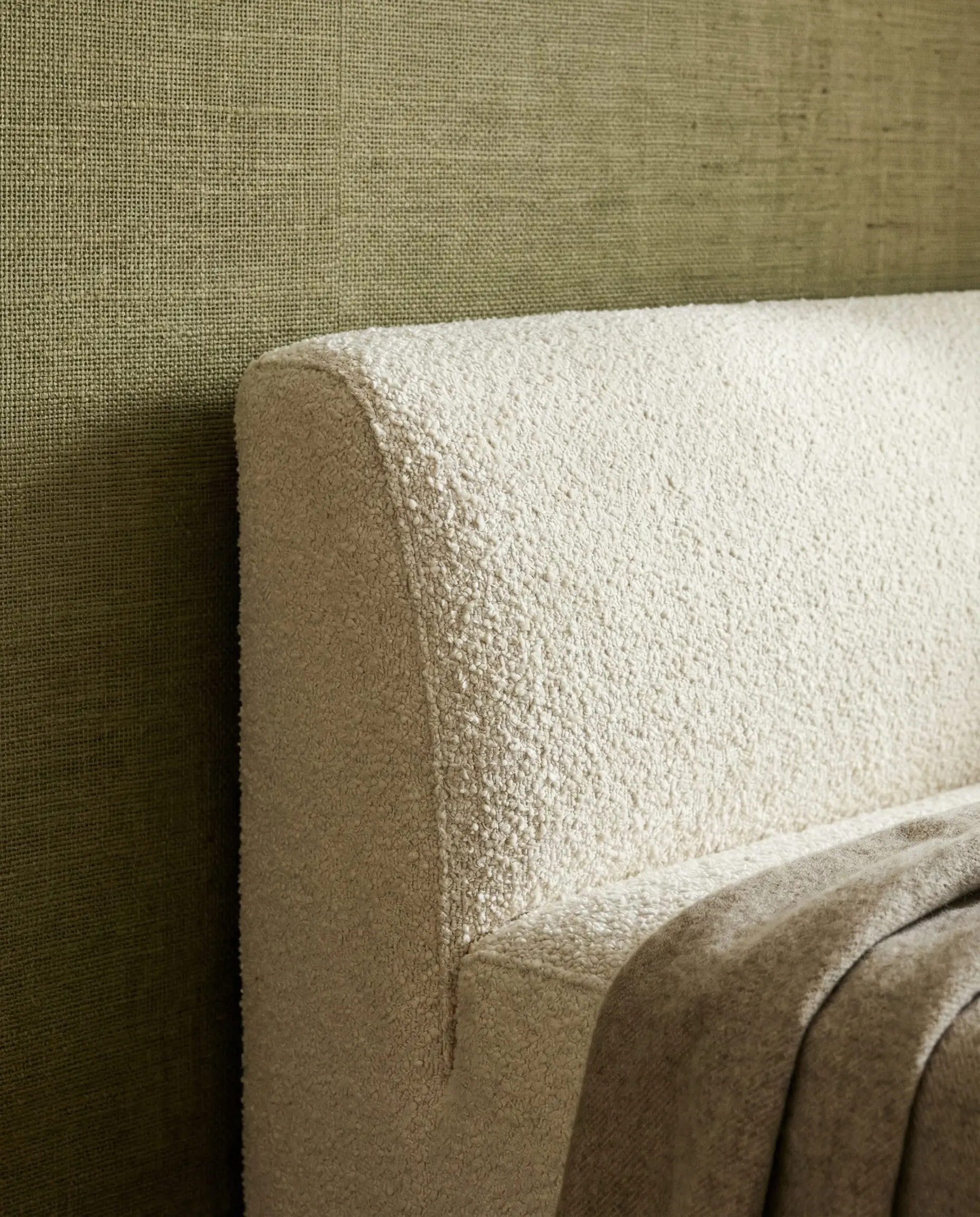
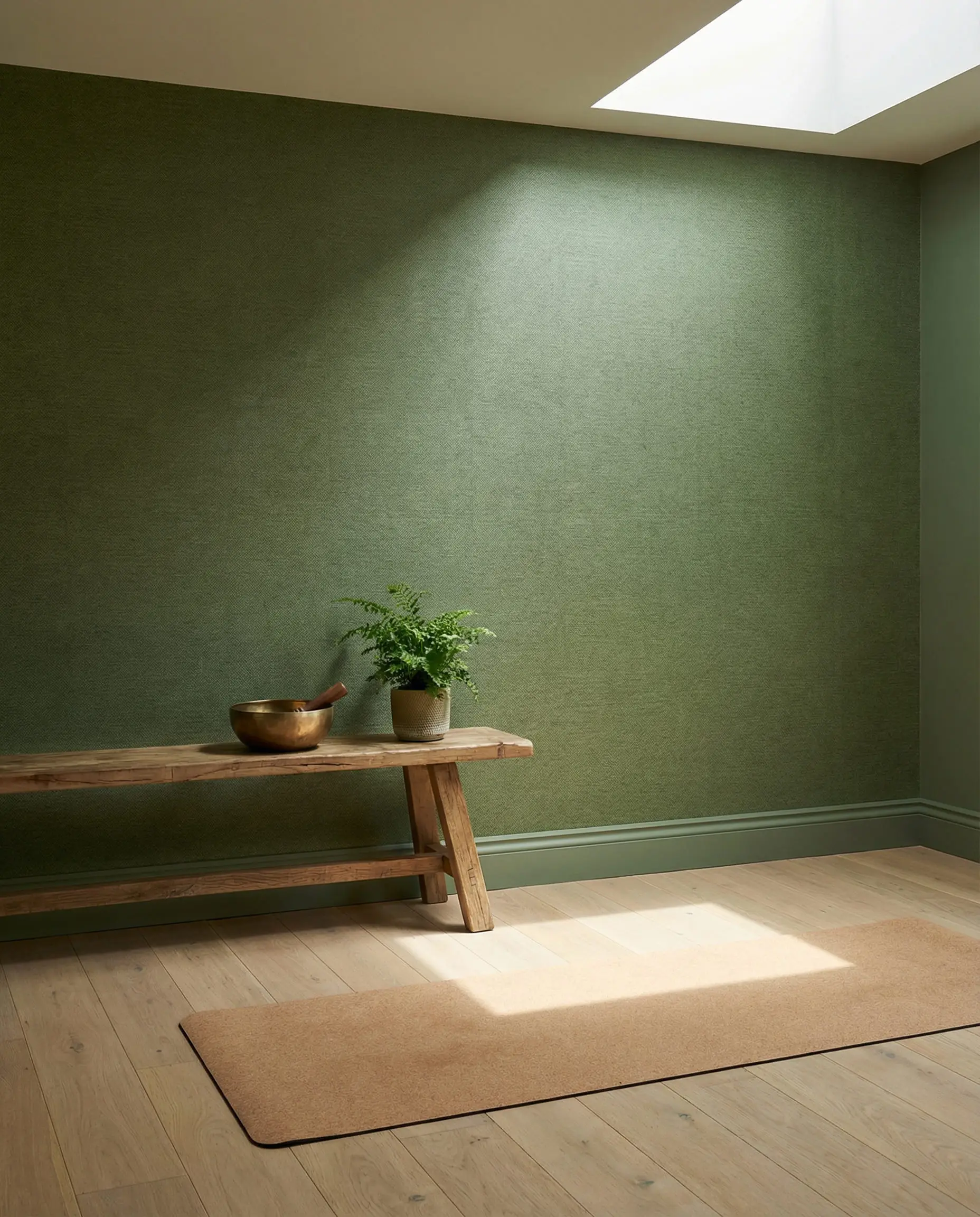
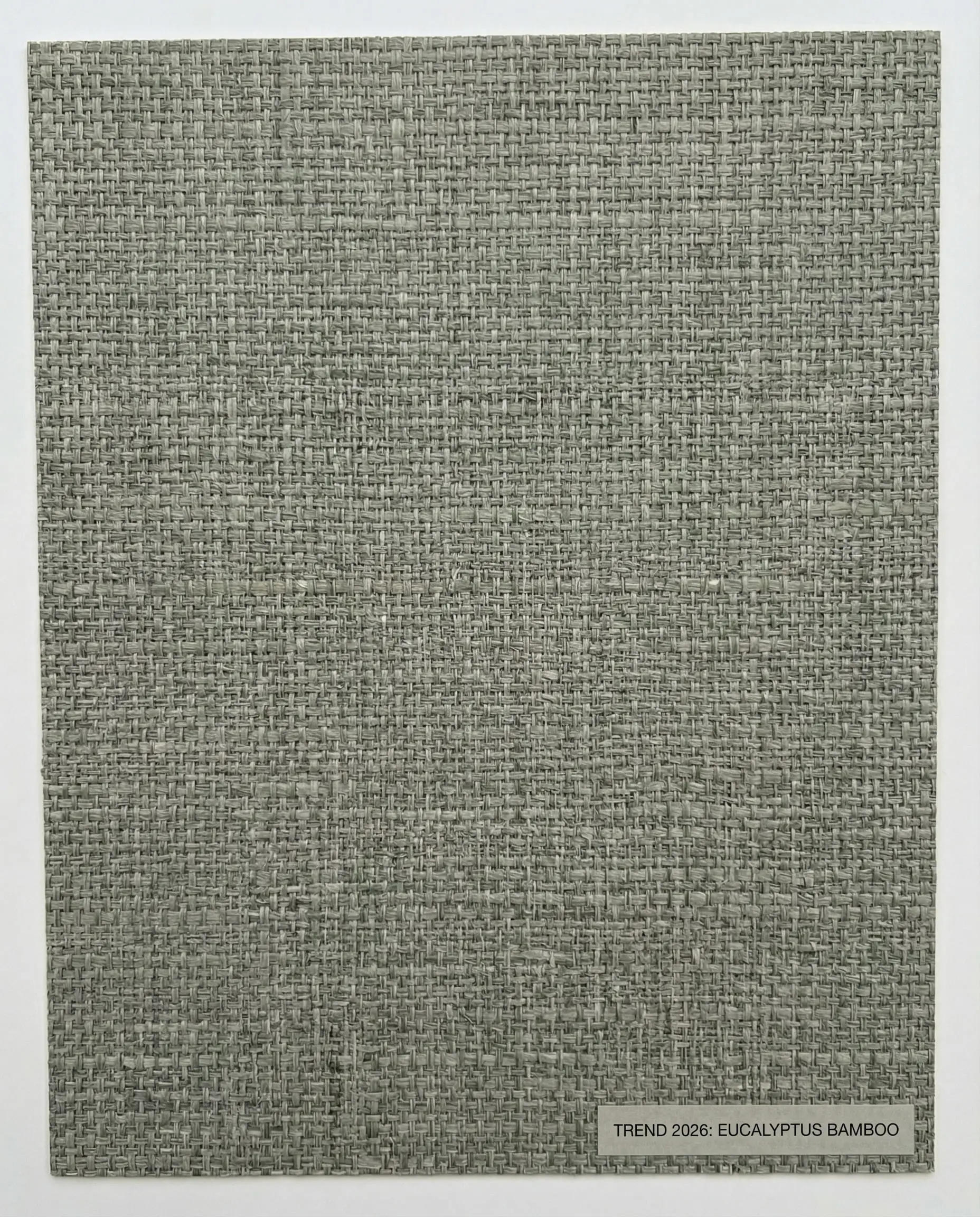
3. Biophilic Greens
Green remains the king of bamboo colors, but the shade has shifted.
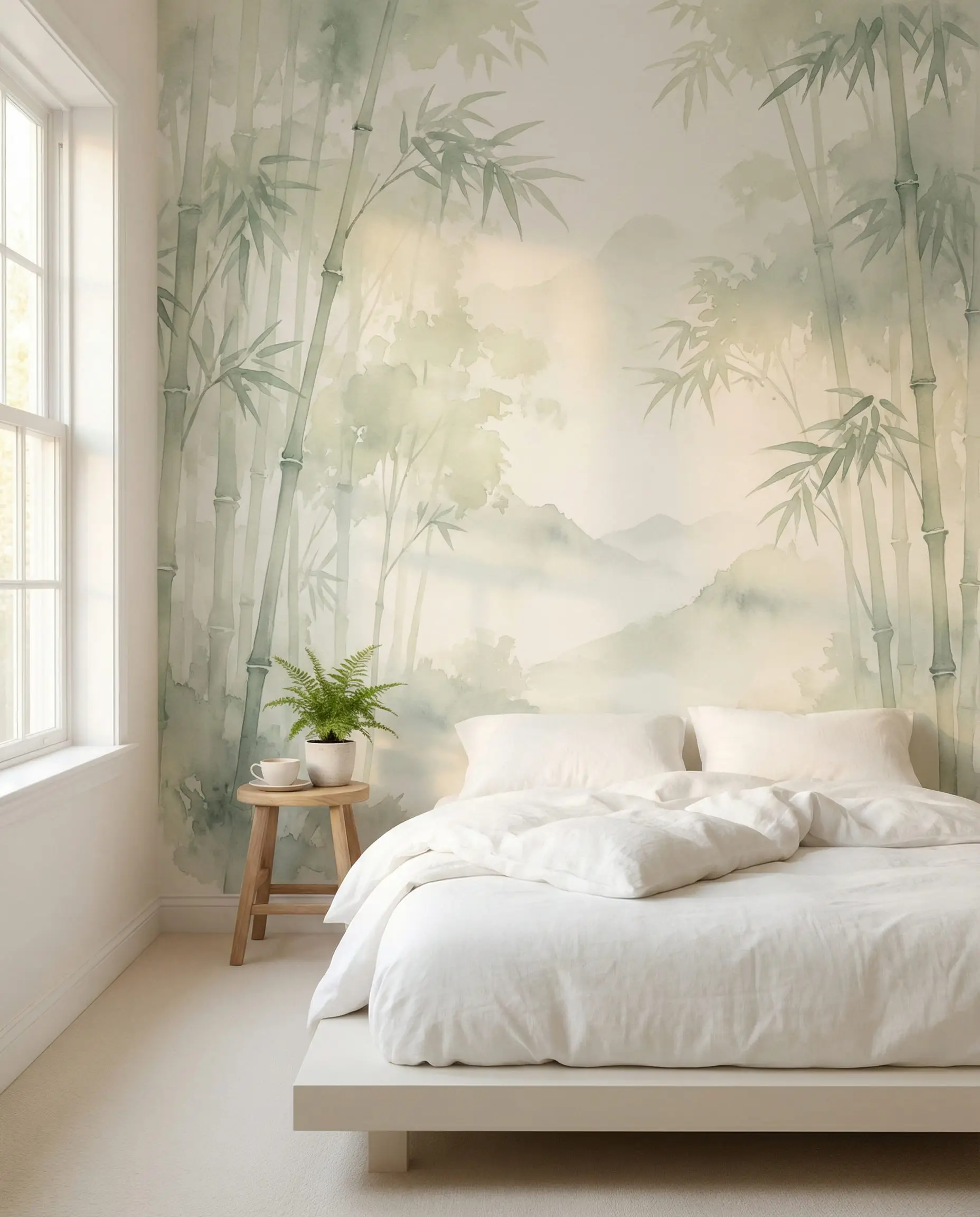
4. Mural-Style Prints
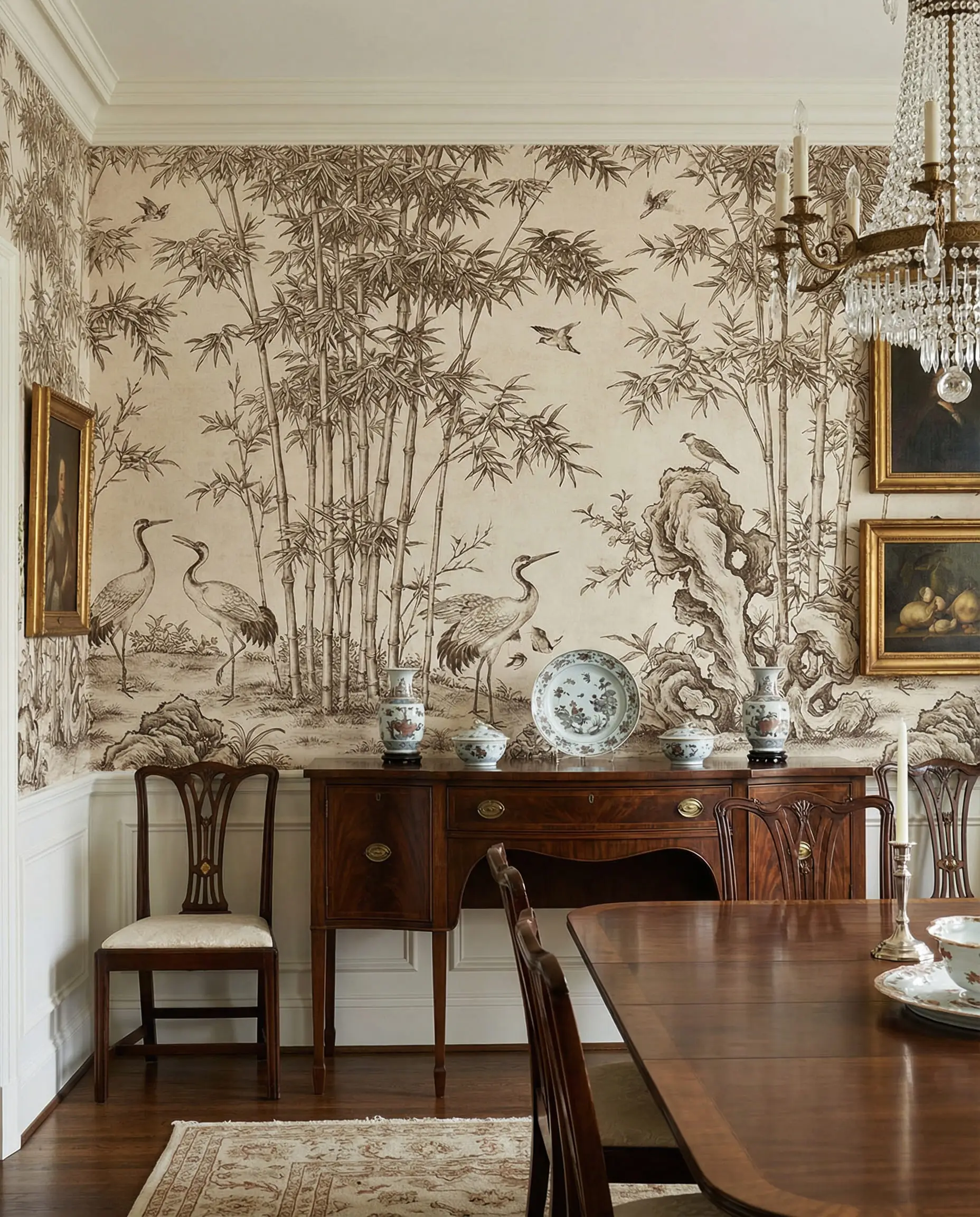
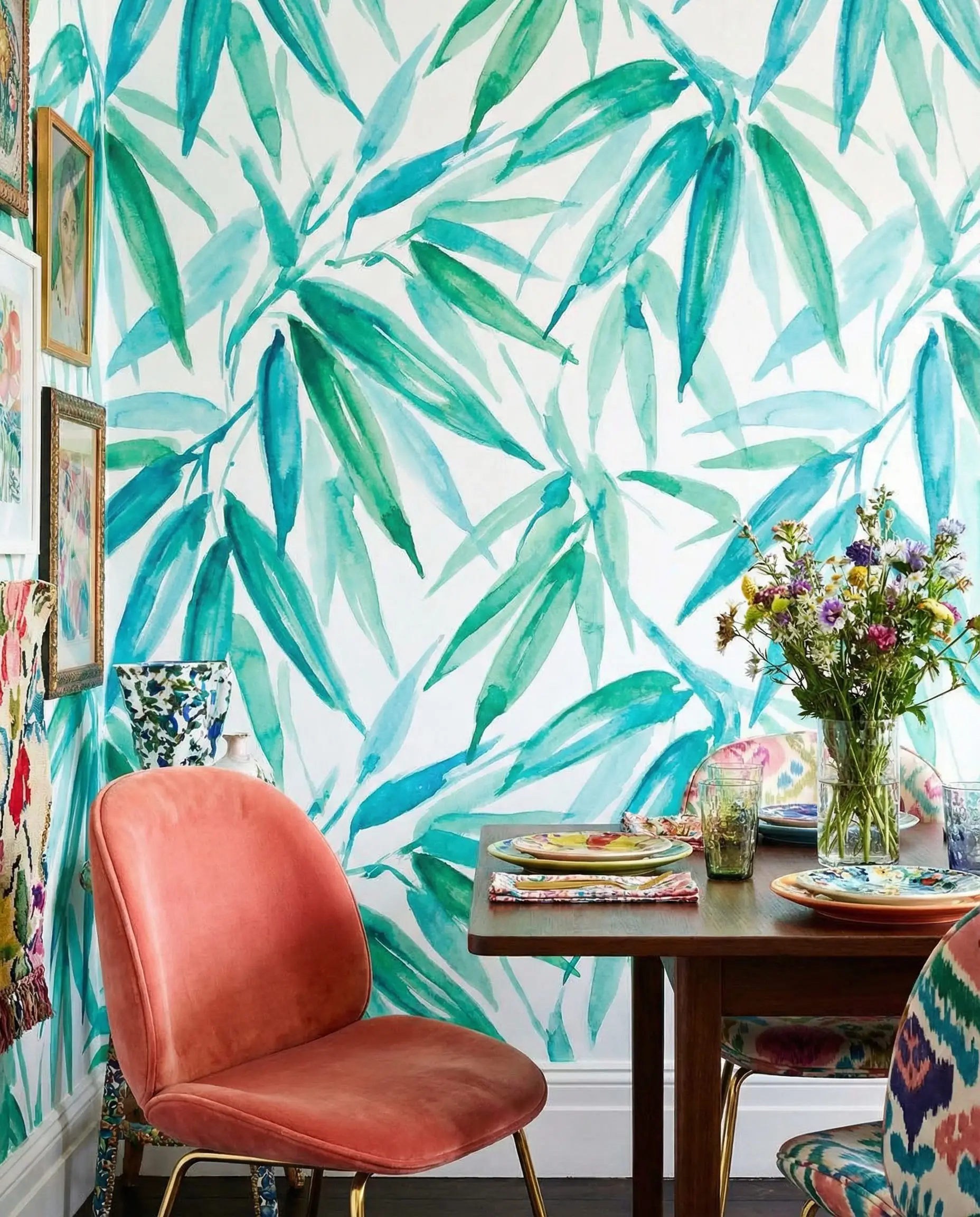
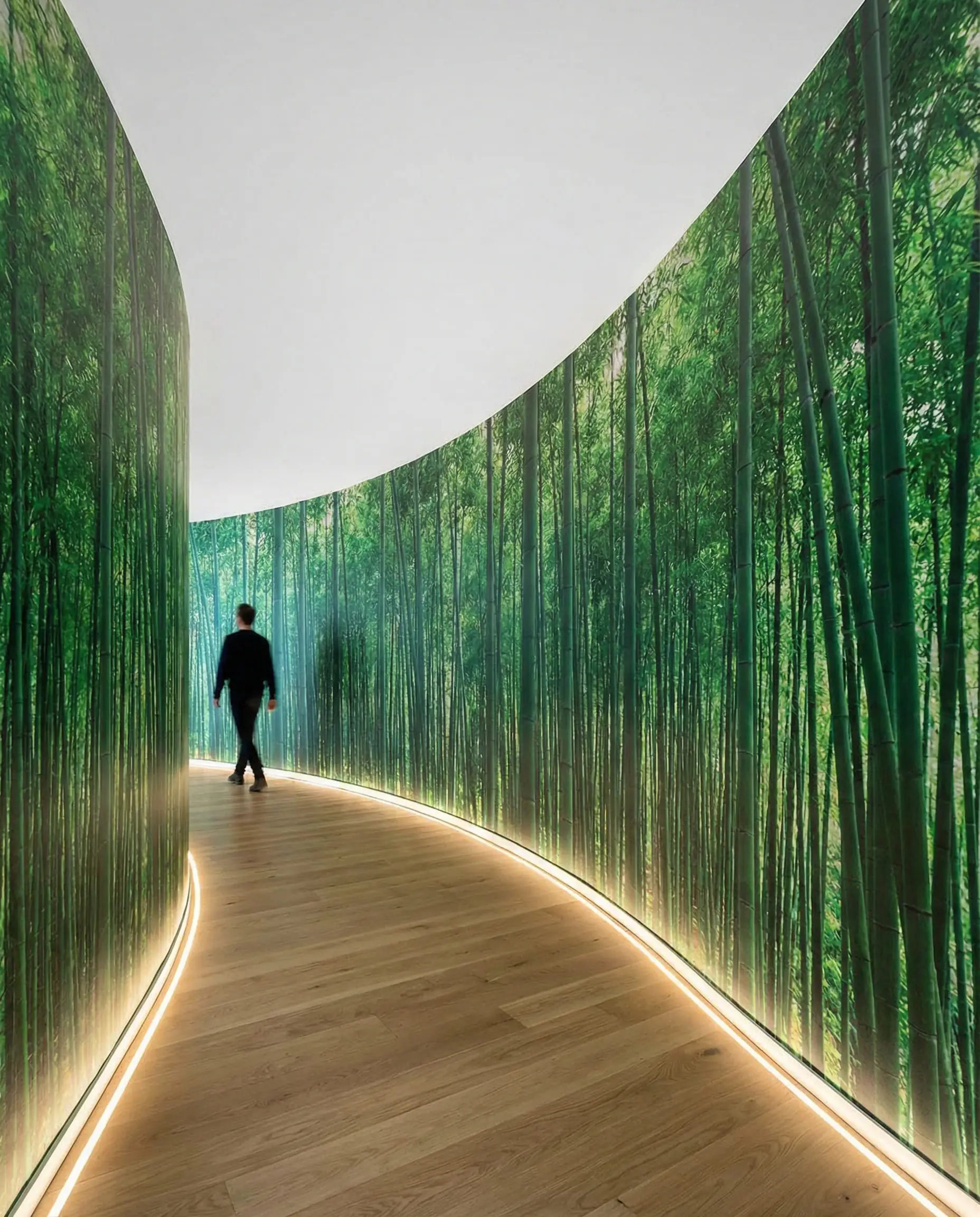
For those choosing faux/printed wallpaper, the trend is “Macro.” Instead of tiny, repetitive bamboo stalks, we are seeing panoramic murals that depict entire life-sized bamboo forests. These designs are intended to make you feel like you are standing inside the grove (Shinrin-yoku, or forest bathing).
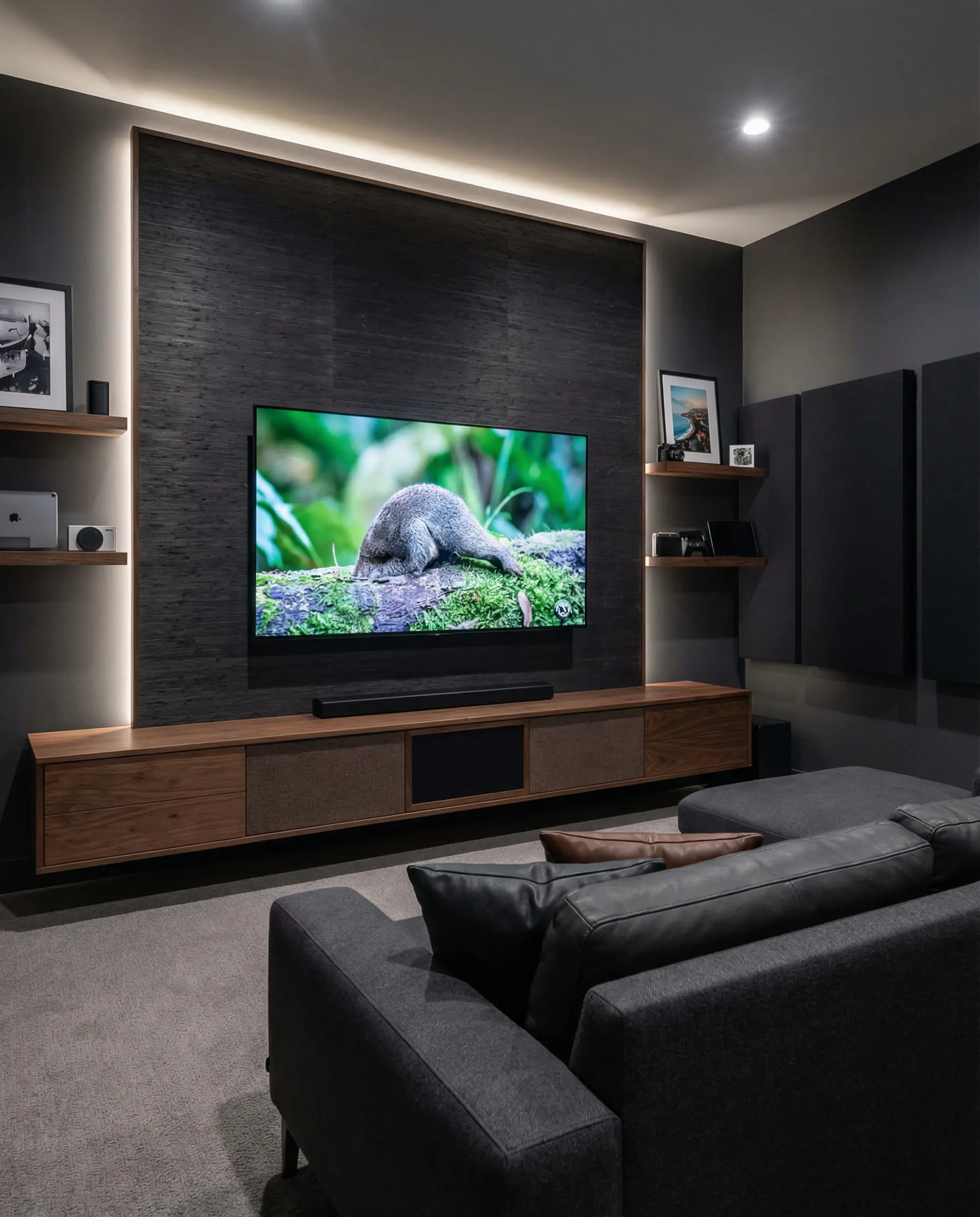
If you choose a dark bamboo wallpaper (like charcoal or navy), ensure your lighting is on point. Texture relies on shadows to be seen. Wall washers or sconces that cast light down the wall will highlight the weave dramatically.
💡 Hackrea Designer Tip
Part 3: Room Suitability – Where to Hang It?
This is where many homeowners make expensive mistakes. Just because it looks great on Pinterest doesn’t mean it will survive in your house.
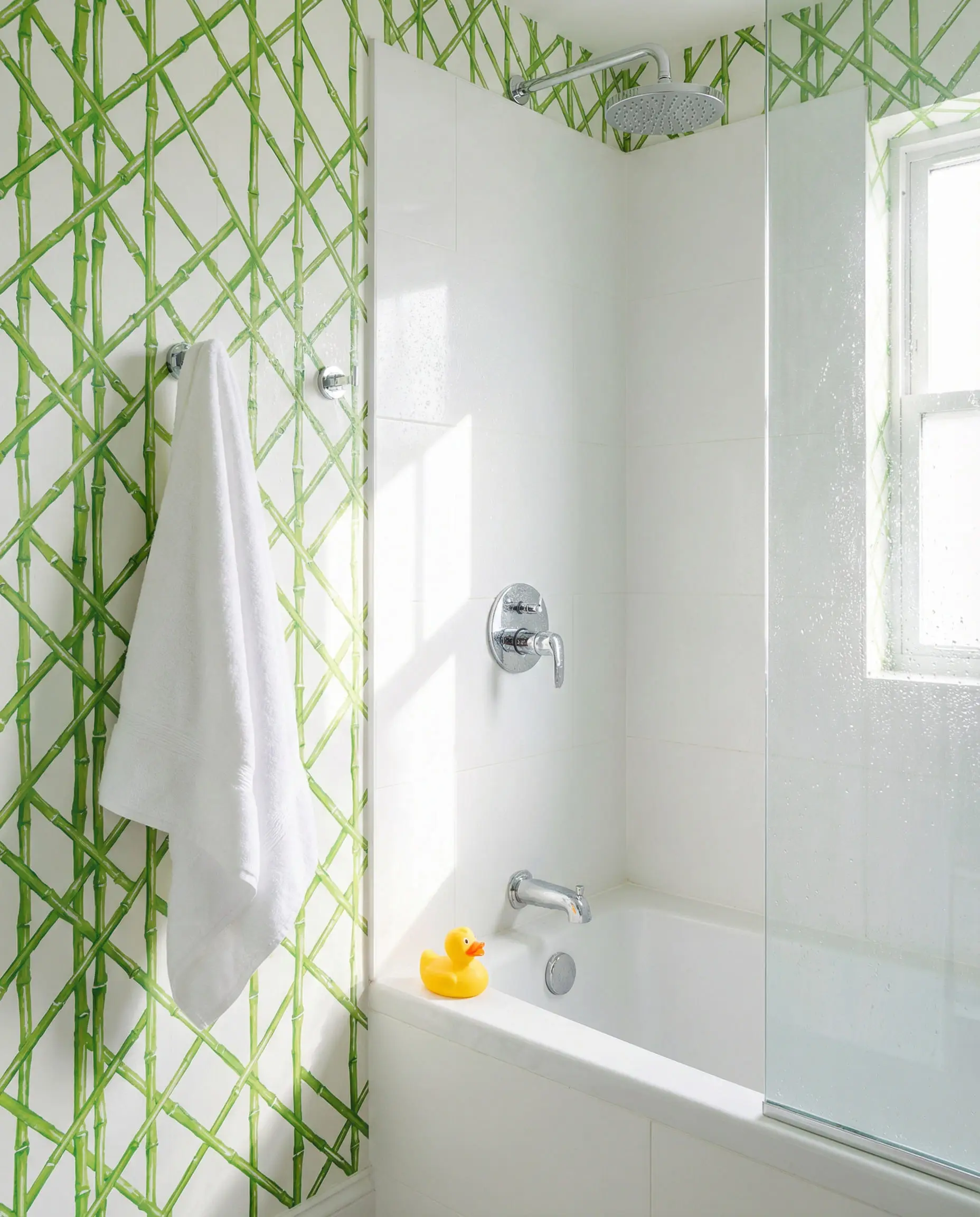
The Bathroom Debate
The Kitchen
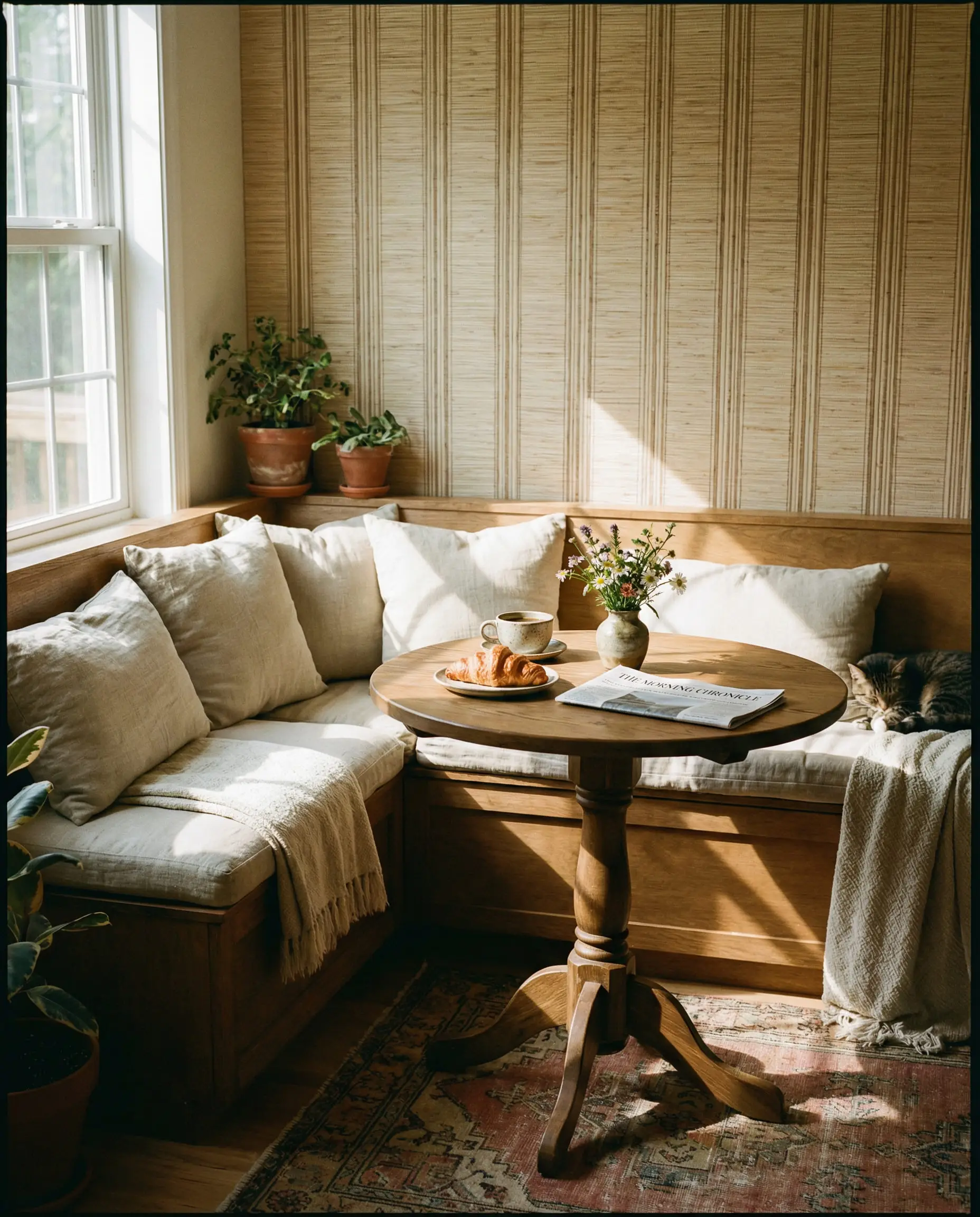
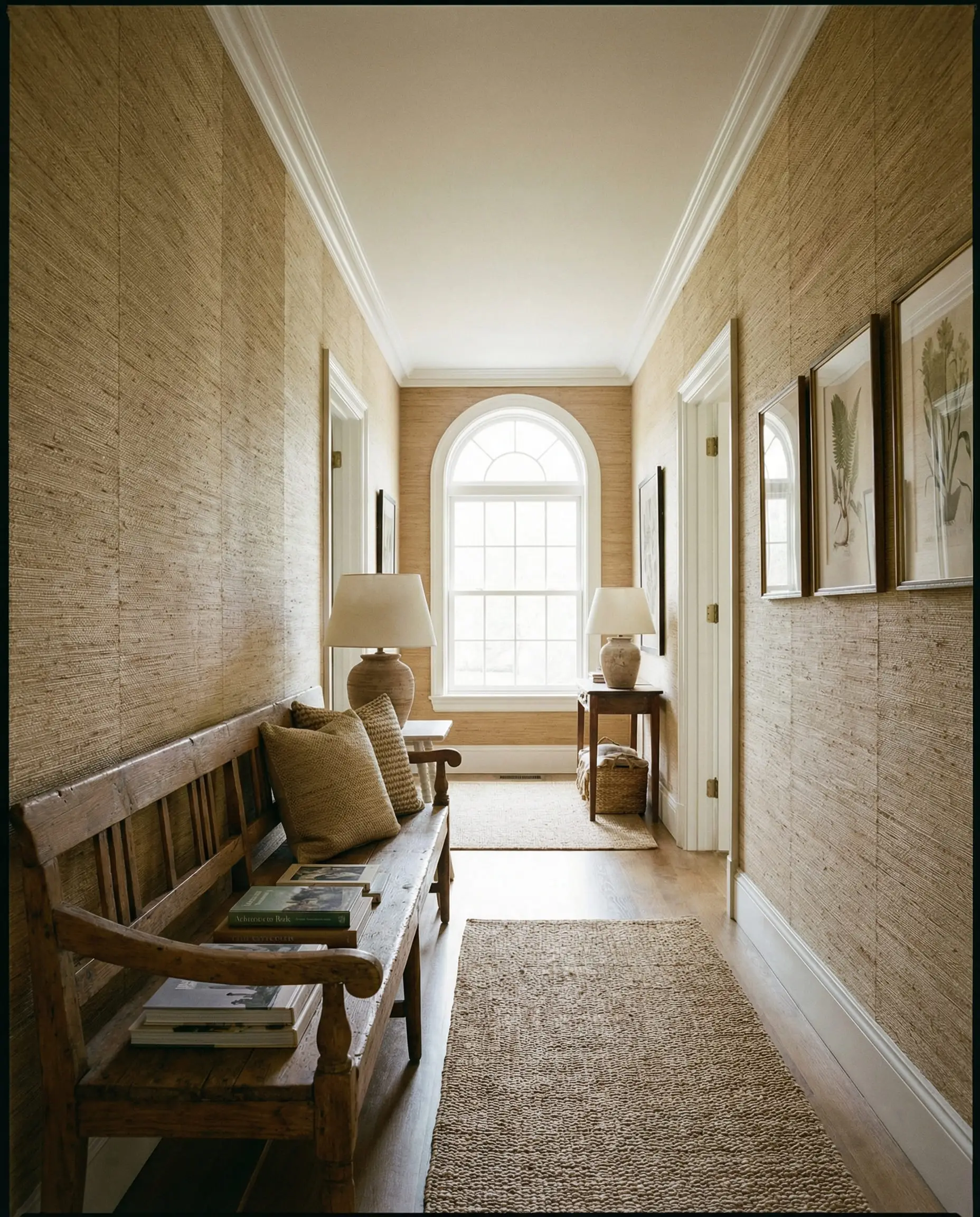
Bedrooms & Living Rooms
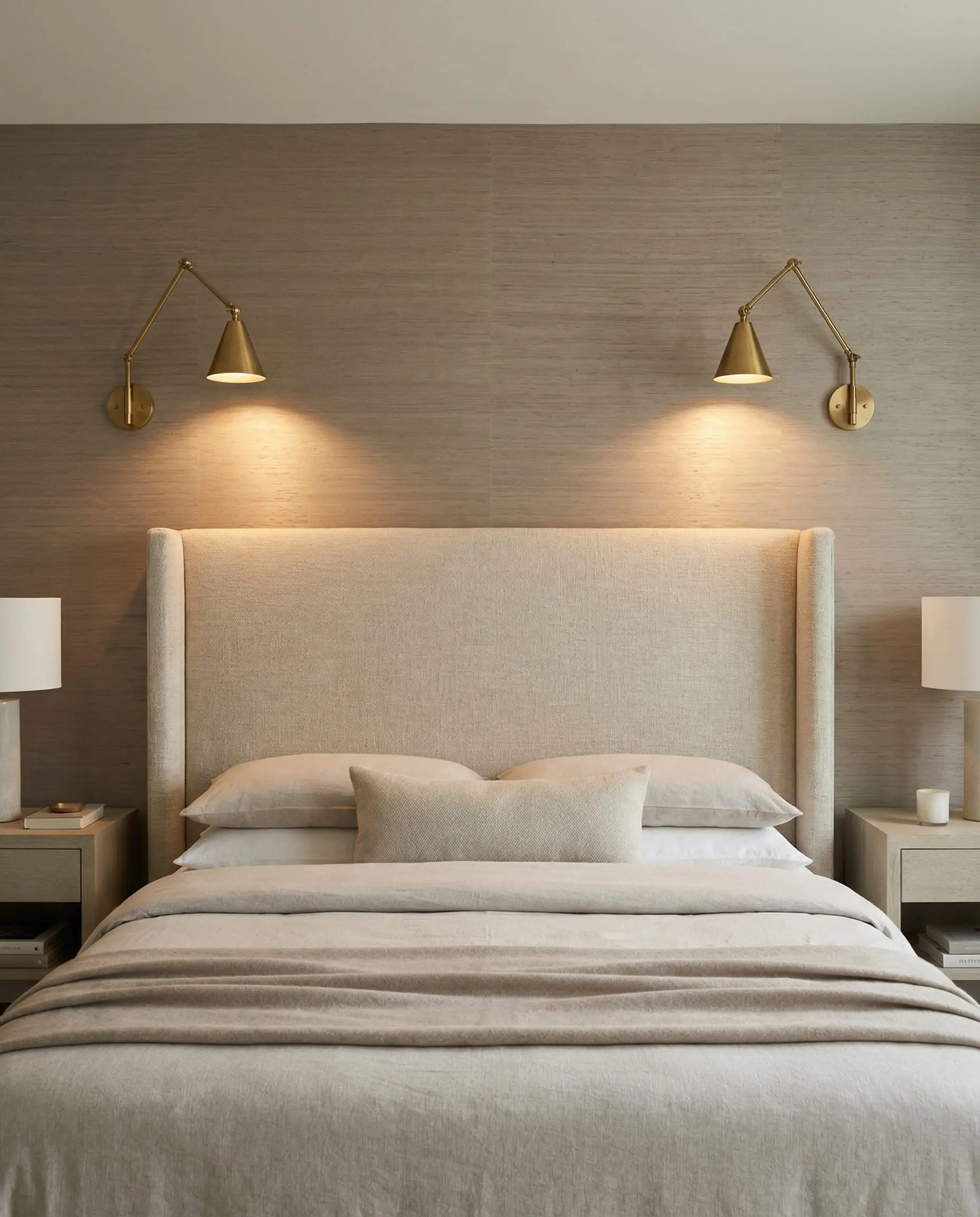
These are the safe zones. Natural bamboo shines here. It adds a layer of insulation and coziness that paint simply cannot achieve. If you are looking to update your sleeping space, combining bamboo walls with soft textiles follows the advice in our recent article on bedroom trends, where tactile comfort is the priority.
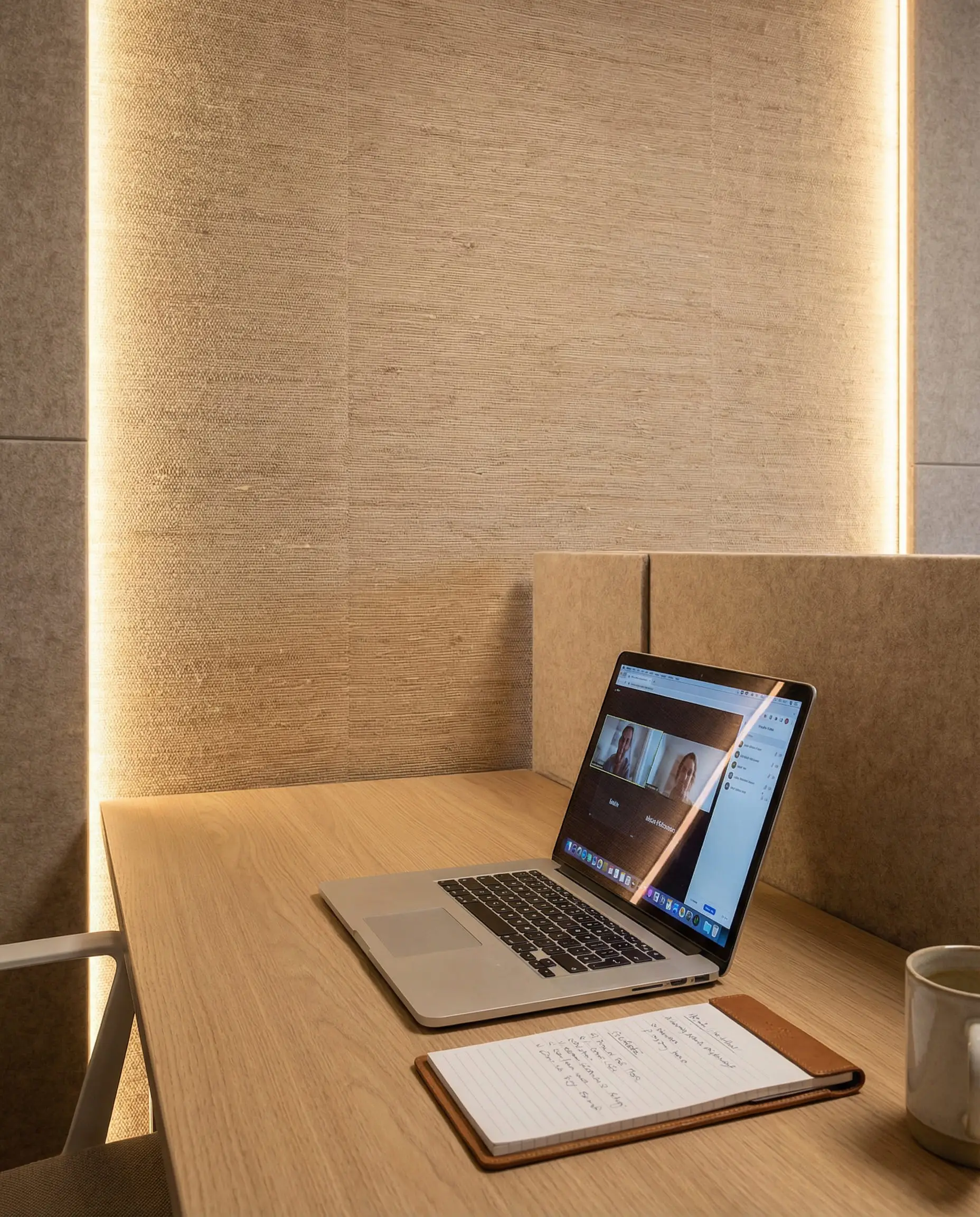
Part 4: The Installation Guide (Read Before You Paste!)
Installing natural bamboo wallpaper is not like installing standard wallpaper. It is widely considered a “Level Expert” DIY project. If you are hiring a pro, make sure they specifically have experience with grasscloth.
If you are brave enough to DIY, here are the non-negotiable rules.
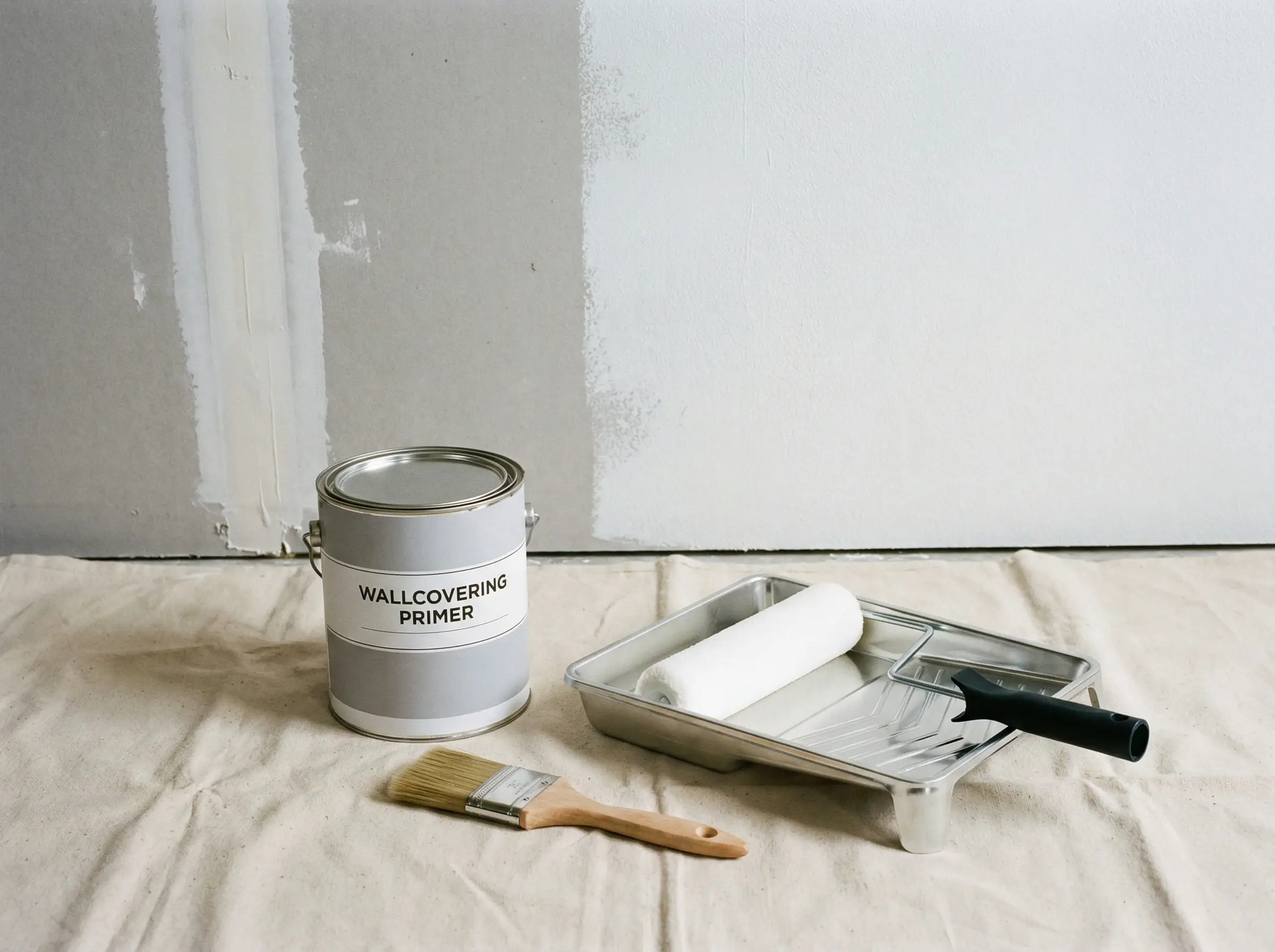
Step 1: Wall Preparation (The Secret to Success)
You cannot hang bamboo on a standard latex-painted wall. The moisture from the paste will soak into the drywall and pop the seams.
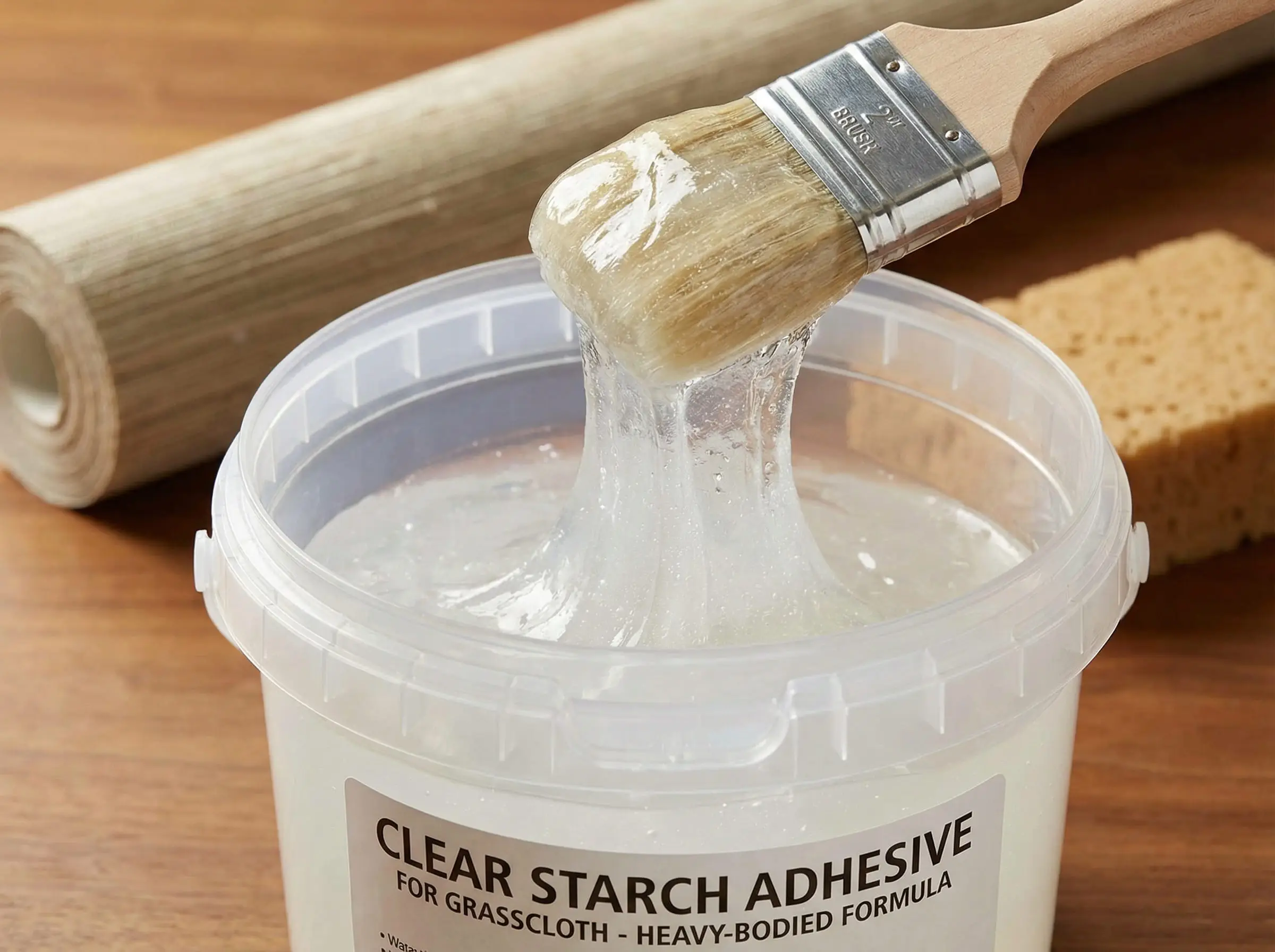
Step 2: The Glue
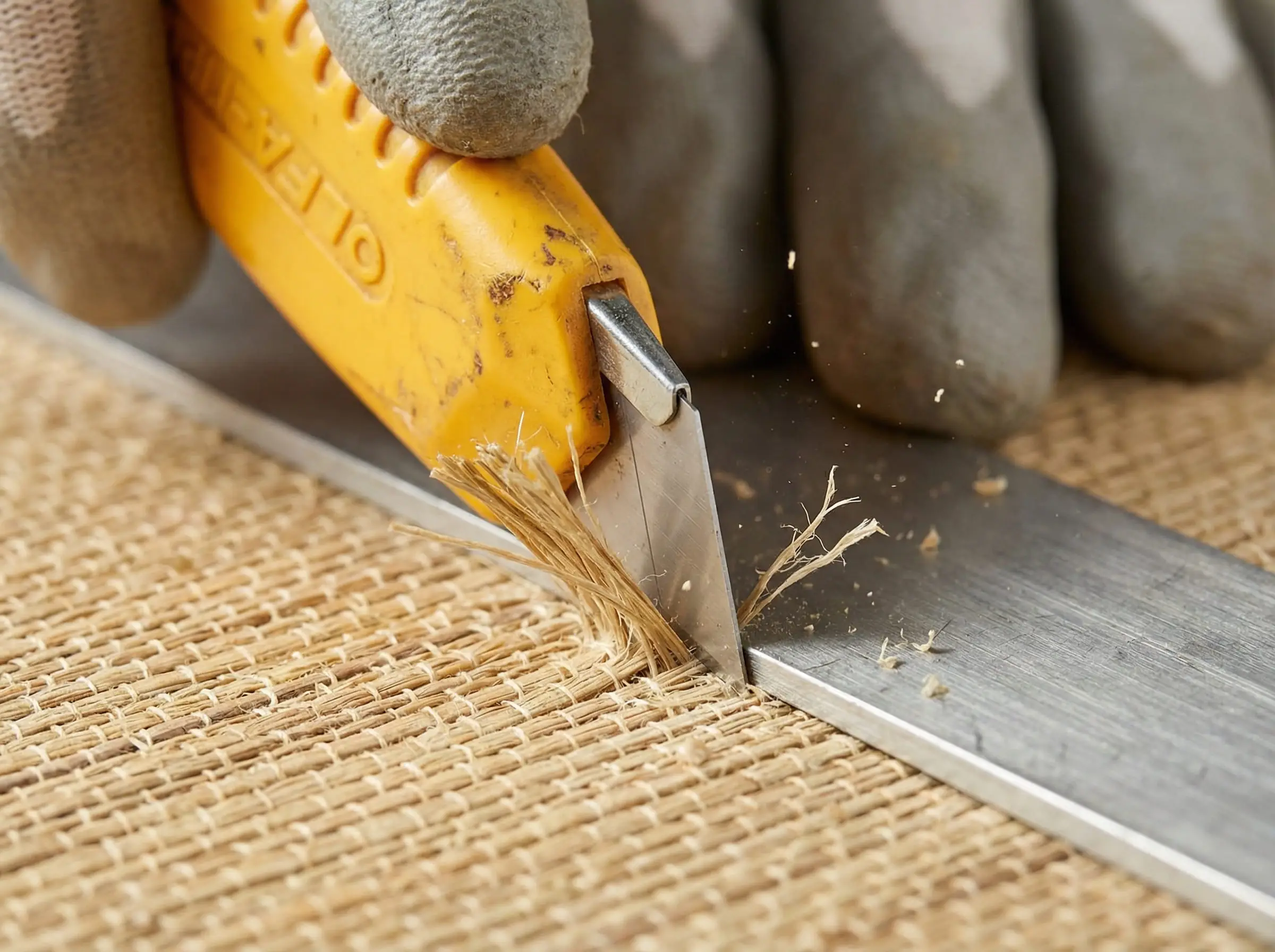
Step 3: Cutting
Natural fibers are tough. They are like cutting rope.
Step 4: Handling the Paste
Water is the enemy. If you get paste on the front of a vinyl wallpaper, you wipe it off with a sponge. Easy.
If you get paste on the front of natural bamboo, it is ruined. The paste will leave a shiny, permanent mark, or the water will discolor the dye.
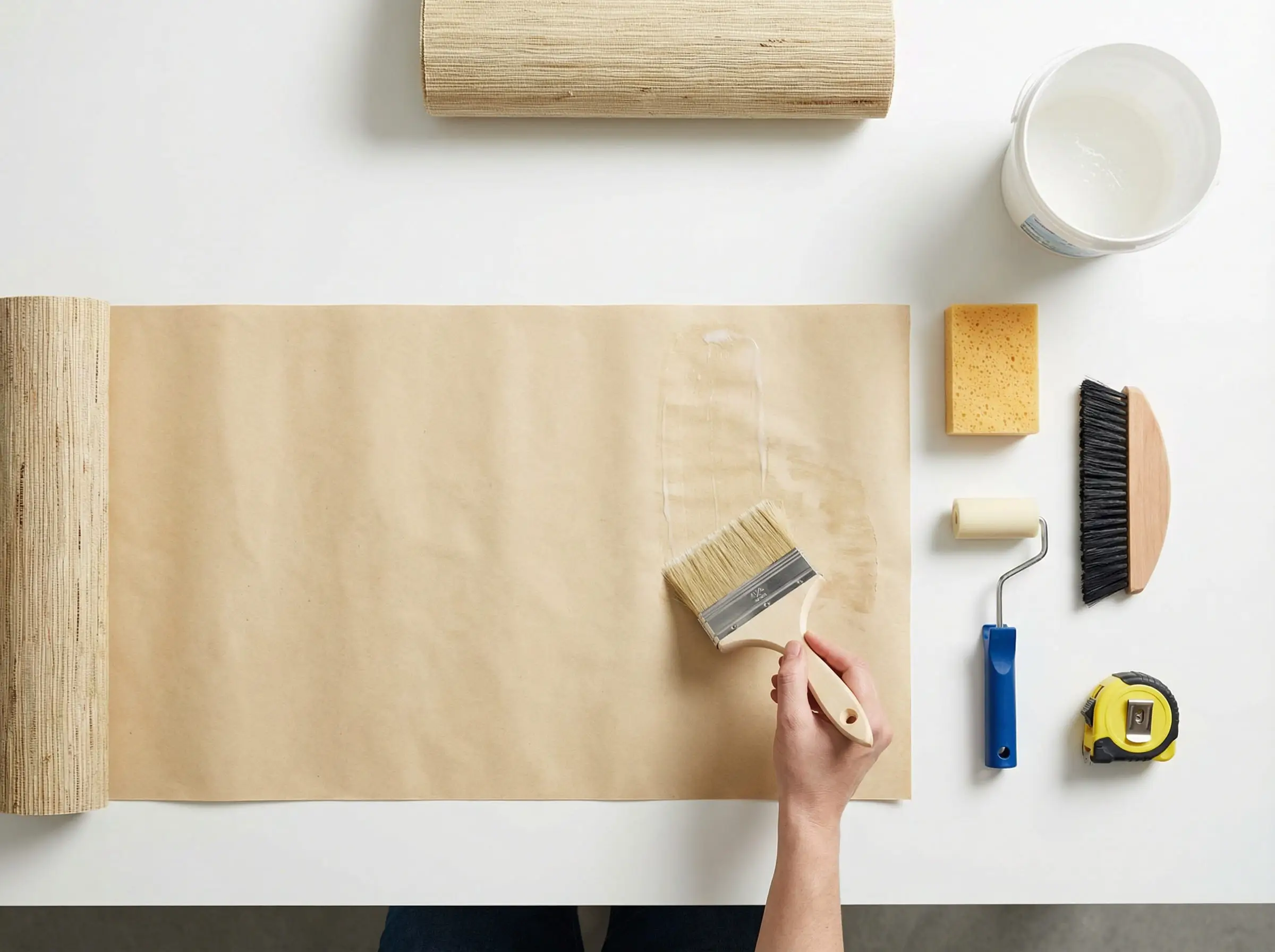
Step 5: The “Shading” and Paneling
This is the moment of truth. When you hang natural bamboo, you will see the seams.
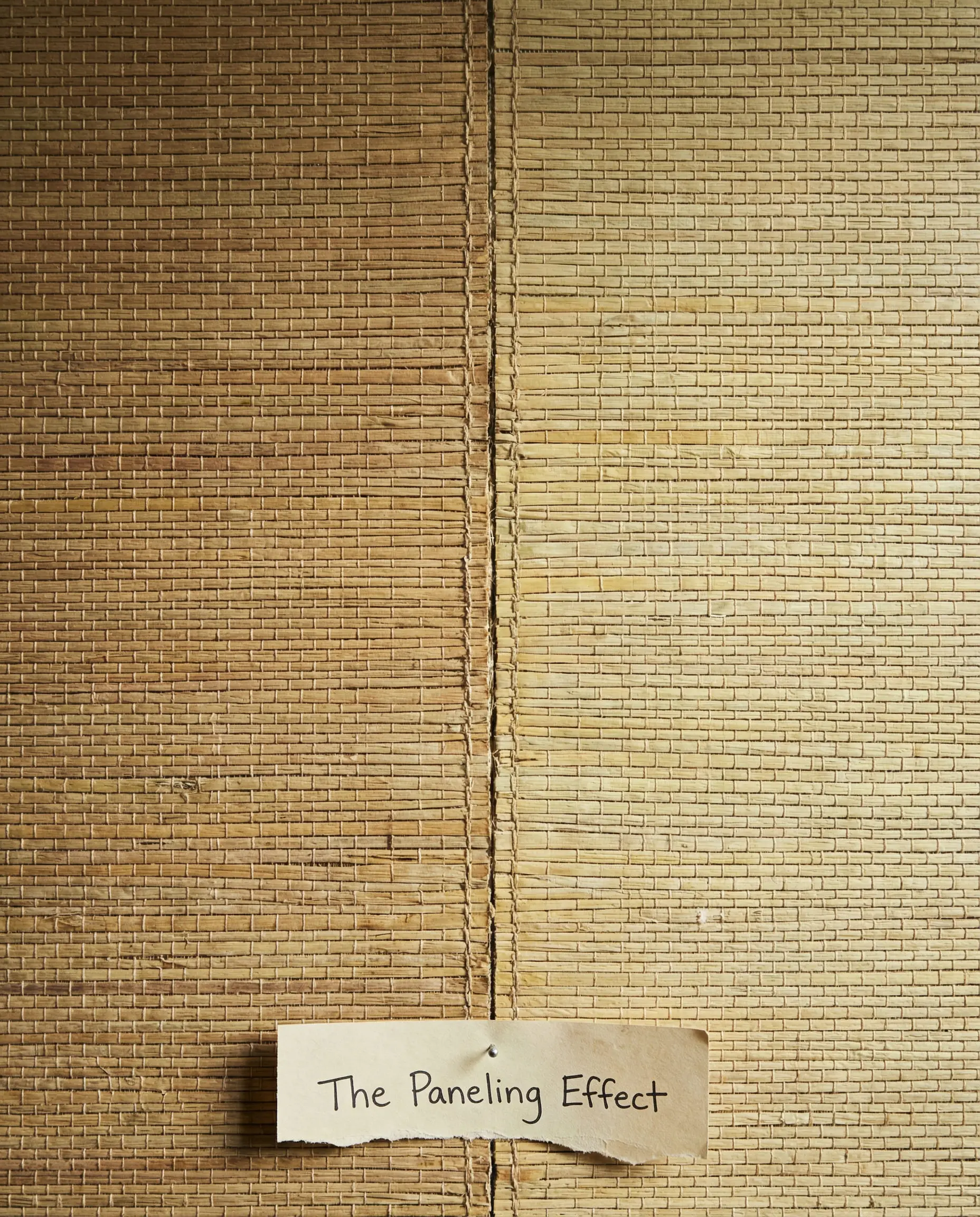
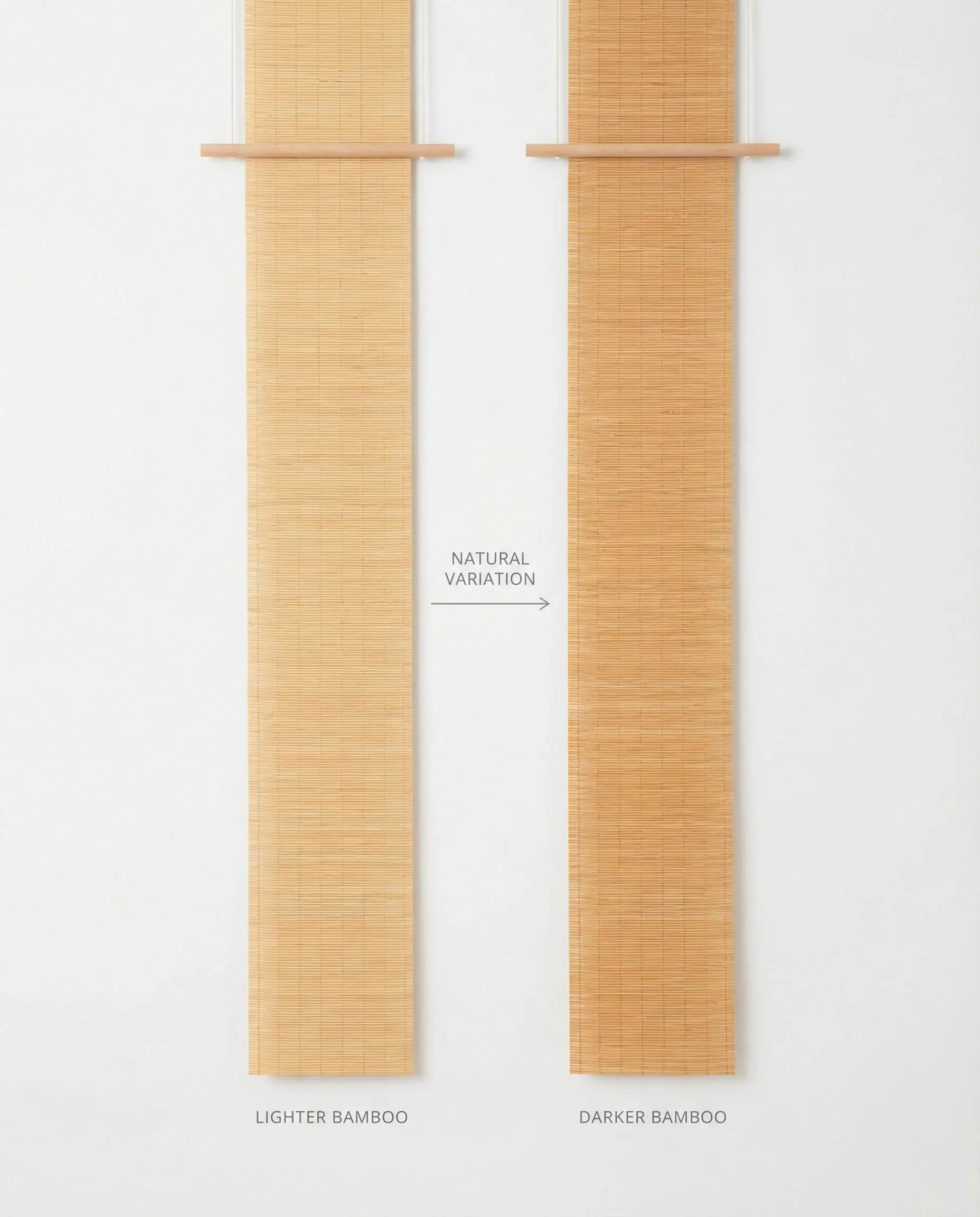
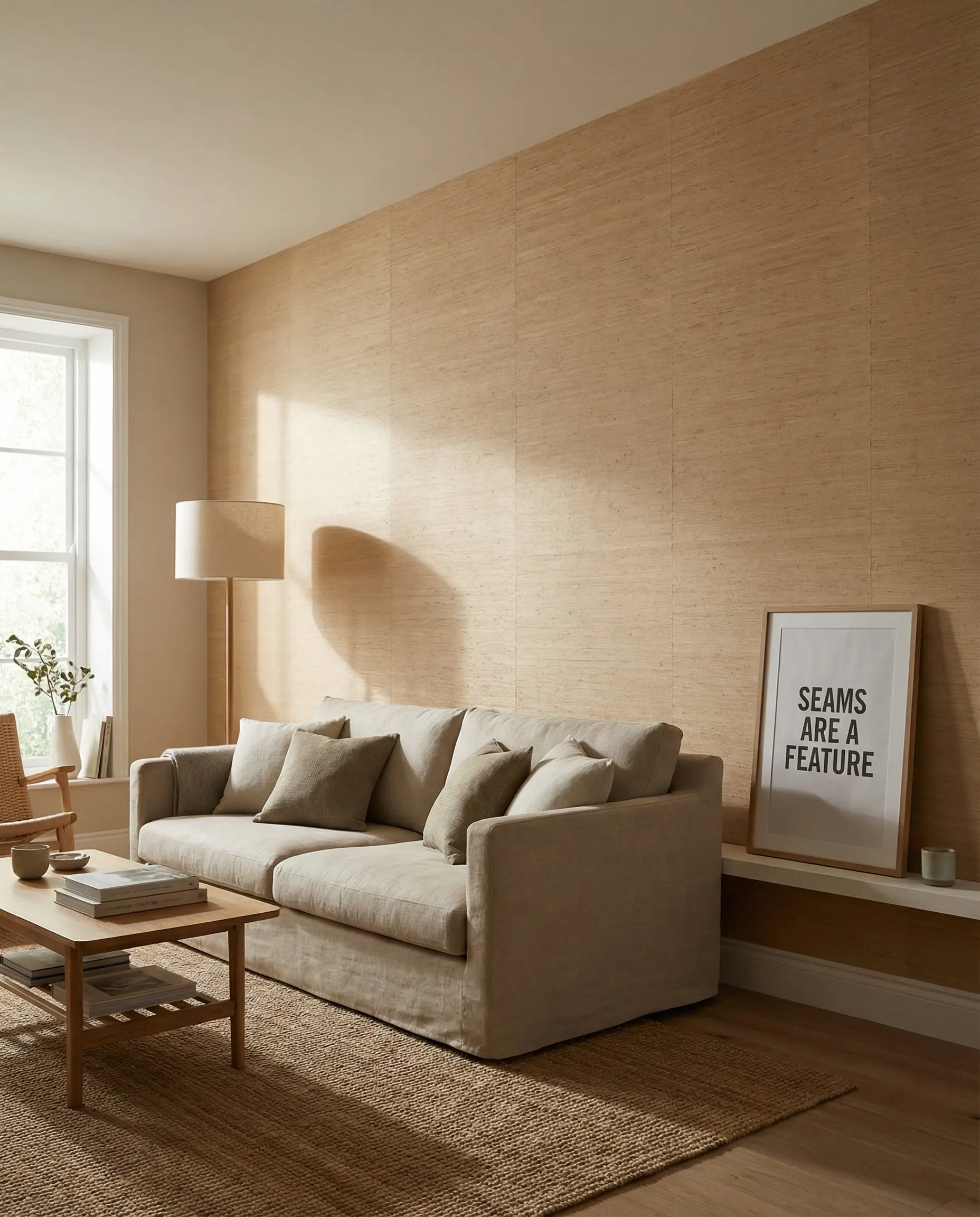
Check the instructions for “Reverse Hanging.” With many bamboo weaves, you are supposed to hang the first strip normally, and the second strip upside down (reversed). This helps blend the color variations across the wall so one side doesn’t look significantly lighter than the other.
🛠️ Hackrea Pro Tip
For more inspiration on how to execute a clean, modern look with textured materials, check out our guide on contemporary style interior design. The principles of precision apply heavily here!
Part 5: Care & Maintenance
So, you have successfully installed your beautiful bamboo wall. How do you keep it alive?
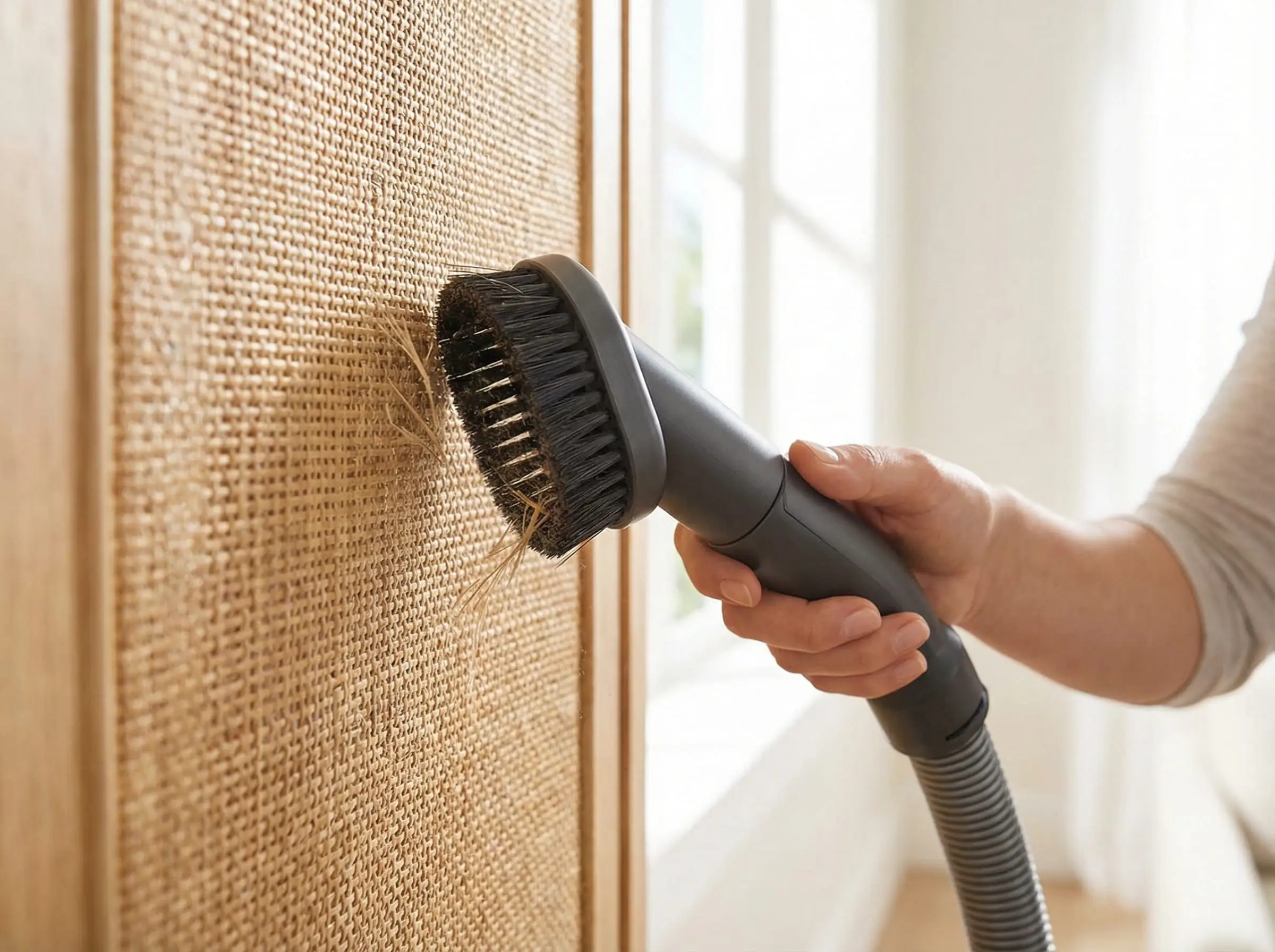
Cleaning Natural Bamboo
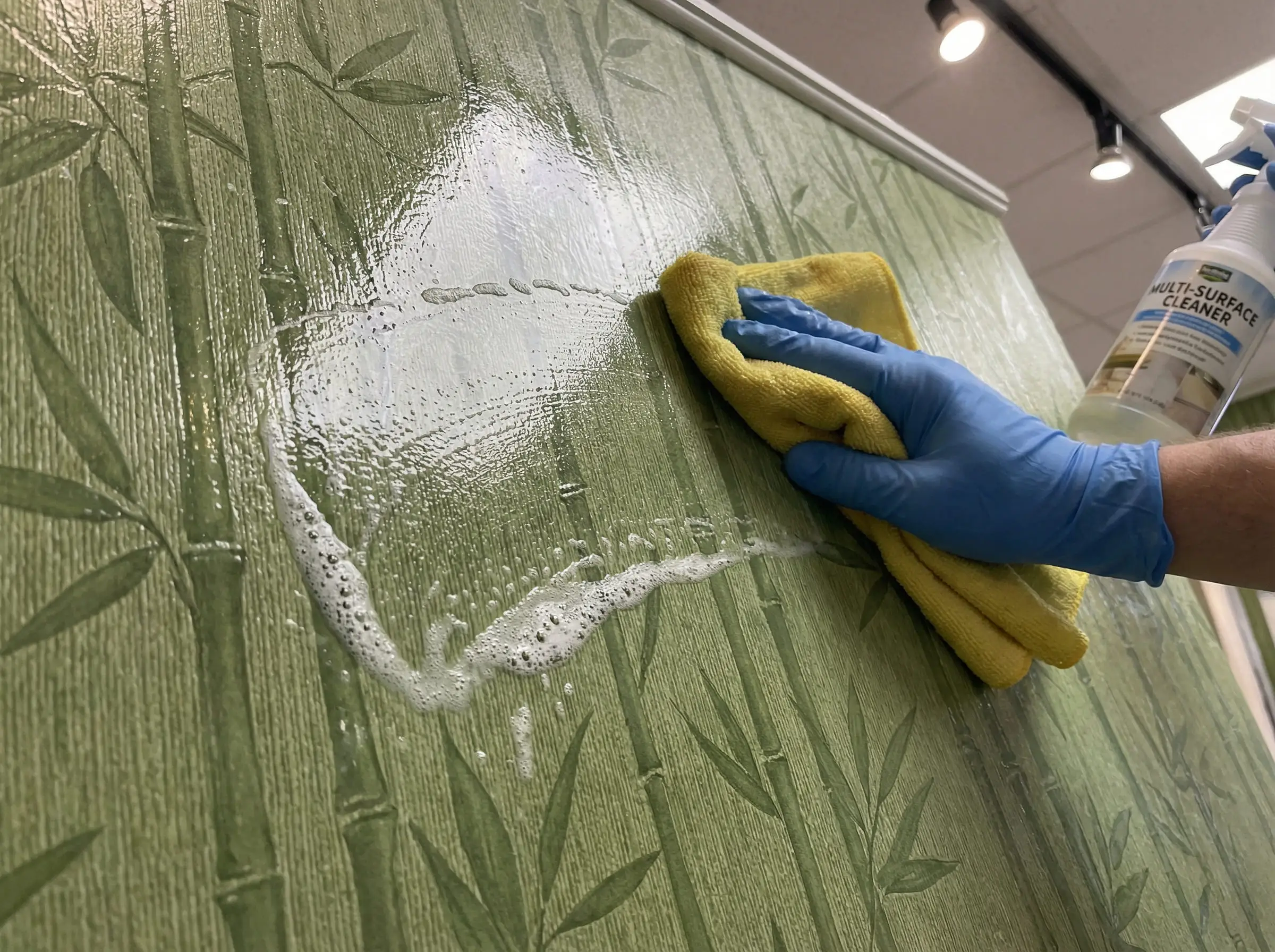
Cleaning Faux/Vinyl Bamboo
Part 6: Frequently Asked Questions
Here are the most common questions we get at Hackrea regarding bamboo walls.
A: Technically, yes, but it is risky. Because bamboo is absorbent, it will soak up gallons of paint. You would need to use an oil-based primer first (water-based paint will make the wallpaper bubble and peel). However, painting it destroys the natural look and makes it nearly impossible to remove later. We recommend removing it rather than painting it.
A: Absolutely not. To a cat, a bamboo wall looks like the world’s largest, most expensive scratching post. The texture is irresistible to claws. If you have cats, stick to Faux Vinyl bamboo—it is smooth and offers no grip for claws.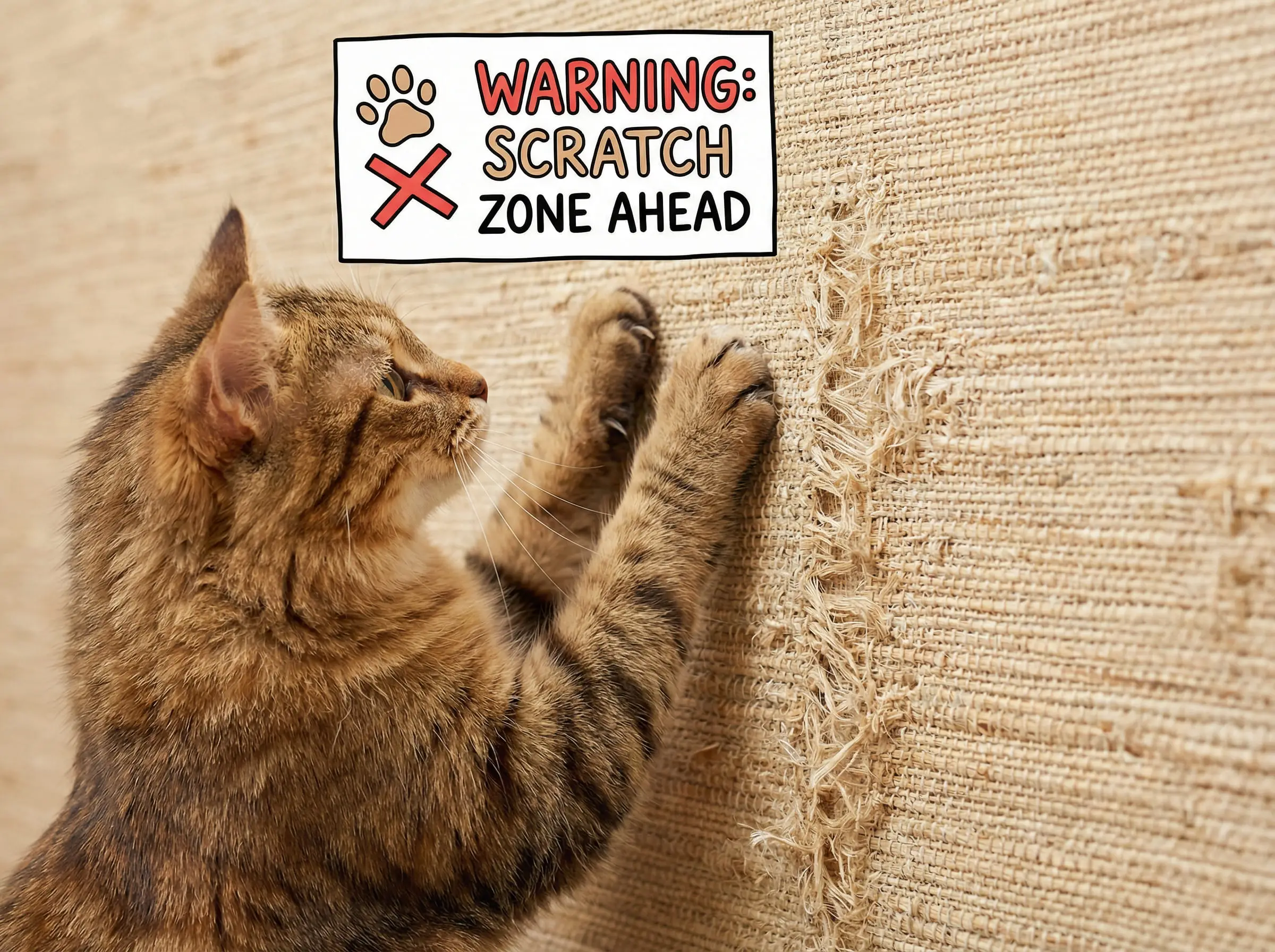
A: Natural fibers are photosensitive. If one part of your wall gets direct sunlight from a window and another part stays in the shade, the sun-drenched section will fade or “bleach” over time. This is natural aging. To prevent this, ensure your windows have UV-protective coatings or use sheer curtains.
A: Yes! In fact, the texture of the bamboo frames art beautifully. Just be aware that when you put a nail hole in grasscloth, it breaks the fibers. You cannot “patch” it like drywall. The hole is permanent. Measure three times, hammer once.
A: Yes, natural grasscloth is one of the most sustainable décor products available. Bamboo is the fastest-growing plant on earth, requires no pesticides, and is biodegradable. Just ensure the paper backing and the glue you use are also non-toxic.
Conclusion: Is It Worth It?
Bamboo wallpaper requires more money, more effort, and more care than a coat of paint. But the payoff is a home that feels curated, warm, and deeply personal.
In a world of digital screens and smooth glass surfaces, covering your walls in natural fibers is a grounding act. It creates a “Hygge” atmosphere—a concept of comfort we explore deeply in our article on Hygge corners and coziness.
Whether you choose the rugged authenticity of natural grasscloth or the practical beauty of modern vinyl prints, you are adding a layer of sophistication that will last for years.
Ready to start? Tell us in the comments: are you team Natural or team Faux? And if you have any installation horror stories (or victories!), share them on @hackrea_en to help the community!