Picture this: months of planning, a sold-out crowd, and the band’s halfway through their opening number when the sky decides to open up. Everyone’s scrambling. The sound gear’s at risk. And that beautiful stage? Suddenly it’s a slip hazard.
Anyone who’s run an outdoor event knows the weather doesn’t care about your schedule. It’ll throw sunshine, wind, rain, and sometimes all three in a single afternoon. So the real question becomes how do you build a show that can take a hit and keep going?
Rain Is the Obvious Enemy (But Not the Only One)
When people think weather-proofing, they think rain first. Fair enough. Water and electronics don’t mix, and a wet stage floor is asking for trouble.
But here’s the thing. Rain isn’t the sneaky one. Wind is.
The truth is, a gust of wind can lift a poorly secured canopy, topple lighting rigs, or send stage banners flapping like sails. Ever noticed how a light drizzle barely fazes an event, but a sudden strong breeze sends the whole crew running? That’s because wind is unpredictable and it acts on everything you’ve got standing upright.
Good planning means thinking about anchoring, ballast, and how your structures handle a shove from Mother Nature.
Start With a Solid Foundation
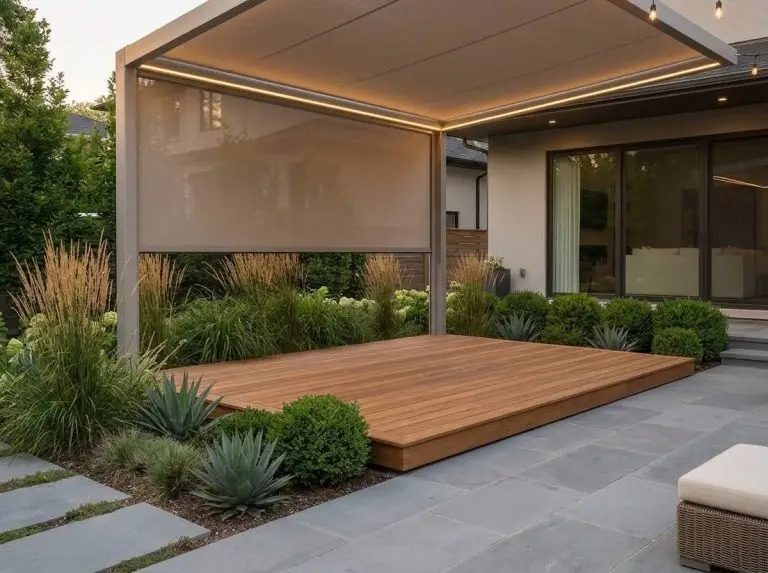
Everything sits on the stage. So it makes sense that the stage itself should be the sturdiest part of the whole setup.
A quality platform needs to stay level even on uneven ground, which outdoor sites almost always have. It needs surfaces that don’t turn slick the moment they get wet. And it needs to hold its shape whether it’s baking under the sun or sitting in the damp.
This is where decent outdoor stage platforms earn their keep. Something built for the elements, with proper drainage and a grippy surface, takes a huge worry off your plate. You’re not standing there mid-event wondering if the whole thing’s going to shift.
Cover Up, But Cover Smart
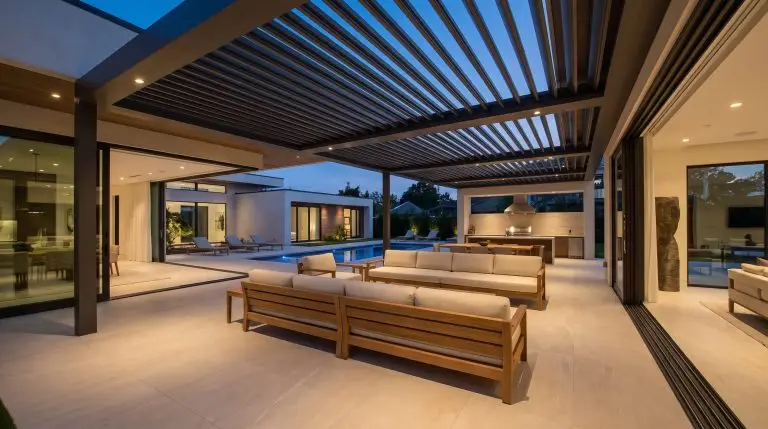
A canopy or roof does more than keep the rain off. It shades performers from harsh sun, protects expensive gear, and honestly, it just makes the whole thing look more professional.
But not all covers are equal. A cheap tarp might do in a pinch, but it won’t handle a real storm. Look for something with a proper frame, good tension, and materials that shrug off UV and water.
The other day someone mentioned their event roof sagged and collected a pool of rainwater right above the drum kit. You can imagine how that ended. A little sag becomes a big problem fast, so tension and slope actually matter more than people expect.
Don’t Forget the Little Things
Cable management sounds boring. It is boring. Right up until a wet, exposed cable becomes a genuine safety issue.
Keeping cables covered, raised off the ground, and away from puddles is one of those small jobs that saves you a massive headache. Same goes for weighted bases on speakers, secured lighting, and having a backup plan for when the weather turns. Because it will turn.
Plan for the Worst, Enjoy the Best
Look, no one throws an outdoor event hoping for storms. But the organisers who plan like rain’s coming are the ones still smiling when the clouds actually roll in.
Sturdy platform. Reliable cover. Wind sorted. Cables safe. Get those four right and you’ve handled most of what the sky can throw at you.
The show goes on. The crowd stays happy. And you get to watch it all unfold instead of running around with a bucket.
That’s a pretty good outcome, if you ask me.