The Psychology of Light Placement: How Electrical Decisions Control How We Feel Indoors
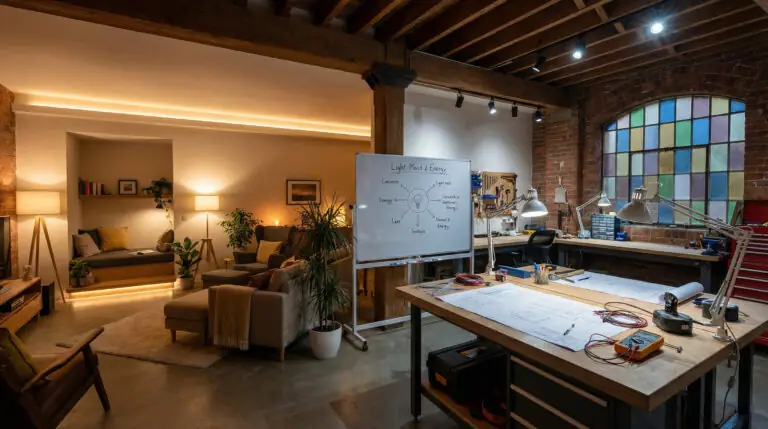
Light shapes emotion long before a room fills with furniture. A single misplaced beam can flatten a wall or wash out a color, shifting the entire atmosphere of a space. When light settles in the right places, a room feels calmer, warmer, or more open without anyone noticing why. When it misses, the room carries a quiet tension that décor can’t fix.
Most people look at fixtures and bulbs, but the true influence comes from where light begins and the path it takes across surfaces. Angles, pockets of brightness, soft fades, and shadow lines form an emotional map that guides how we read a room. Those choices start with electrical planning long before the first lamp is switched on.
How the Brain Responds to Light (and Why Your Home Should Reflect It)
Light affects the mind in ways that feel instinctive. Warm tones soften edges and help the body slow down. Cooler light sharpens detail and energizes the eye, which is why a kitchen can feel lively even on a quiet day. The direction of light carries its own influence. A soft wash that bounces off a wall creates ease, while a focused beam introduces tension and contrast.
Diffuse light spreads gently and eases visual strain, often making a room feel more inviting. Hard shadows can add drama yet unsettle a space when they fall where they shouldn’t. The body’s internal clock responds to these cues. Light that echoes natural patterns supports daily rhythm, which is why rooms used early or late in the day benefit from shifts in brightness that resemble sunrise or dusk.
Why Electrical Rules Aren’t the Same Everywhere
Interior design often looks universal, but the electrical rules behind it change from one region to another. Some states adopt updated standards as soon as they appear, while others move more gradually or adjust requirements to suit local conditions. Climate influences these decisions. Areas with long, dim winters depend on strong lighting plans. Coastal regions focus on efficiency and durability in humid environments.
Urban density adds another layer. Cities filled with tall buildings rely on complex load calculations and detailed emergency lighting systems. Rural states work with older homes, long cable runs, and seasonal power demands. These differences shape everything from dimmer compatibility to how fixtures respond to modern LED systems.
Electricians adapt by keeping pace with these shifting expectations. When new technologies enter the field or a state updates its requirements, continuing education becomes the tool that helps lighting plans stay safe and comfortable.
How Regional Training and Standards Influence Lighting Outcomes
Lighting work takes on a different rhythm across the country. States with dense urban centers revise their building expectations often, which means electricians juggle layered rules and higher training costs tied to in-person classes. The pace changes in states with wide rural stretches and shorter building seasons. North Dakota, Minnesota, and South Dakota all share this pattern. Construction tends to cluster around weather windows, and rigid classroom schedules do not fit easily into that cycle. Online programs make more sense, and electricians who use North Dakota electrical continuing-education prep courses rely on that flexibility to stay aligned with evolving lighting requirements while keeping their schedules open for active job sites.
Climate and lifestyle influence these requirements just as strongly as legislation. In the Southwest, long sunlit days create challenges with glare and heat. Older East Coast cities have wiring systems that demand thoughtful upgrades before a designer can even address the light itself. Both electricians and designers take note of how indoor light patterns affect mood and energy levels, and that awareness shapes decisions about color temperature, switching, and the subtle shifts that help a room feel grounded.
Mountain regions introduce their own considerations, with dramatic daylight changes that can throw off interior balance unless fixtures soften those transitions. Coastal states factor in humidity, corrosion, and strict energy thresholds. Even with a national code as a baseline, each region sets its own priorities, and those priorities influence how the electrical groundwork is built long before finishes enter the conversation.
How Poor Light Placement Triggers Stress, Visual Fatigue, and Discomfort
A room can look beautifully furnished yet feel uneasy when the lighting works against the way people use the space. Glare interrupts comfort almost immediately. A bright fixture pointed at seating or work surfaces forces the eyes to contract again and again, creating tension behind them. Reflections from glossy countertops or polished floors scatter stray brightness and add visual noise.
Uneven lighting has a similar effect. When one corner glows while another fades into heavy shadow, the mind works harder to interpret depth and detail. The constant adjustment creates fatigue and can make even a well-designed room feel unsettled. Color temperature plays a role, too. Cool tones can make a relaxing room feel sharper than intended, while warm tones can dull energy in spaces meant for focus.
Shadow placement carries more weight than many expect. A poorly placed recessed light can cast harsh lines across faces or carve dark bands under cabinets. Small missteps collect quietly until the room no longer matches its intended mood.
Designer Strategies for Mood-Boosting Light Placement
Designers often treat light as something that moves through a room rather than something that simply brightens it. Ambient lighting sets the overall tone, so placement needs enough space to spread without overwhelming surfaces. A centered ceiling fixture can feel heavy in a room with tall shelves or dark walls. A diffused fixture, placed a bit off-center, softens the space and draws attention to the texture.
Task lighting supports posture and clarity. A lamp positioned behind a user casts silhouettes across work surfaces, while one placed slightly ahead encourages comfort and visibility. Reading corners and desks follow the same rule. A gentle side angle prevents strain and maintains calm.
Accent lighting brings character. A low, warm glow along a shelf or behind artwork encourages the room to feel layered rather than flat. Designers often use subtle asymmetry to introduce depth, and thoughtful home lighting design combines these accents with ambient and task sources so a room can move smoothly between daytime energy and evening calm.
Light, Color, and the Way a Room Communicates Emotion
Color sets the emotional register of a room, but light determines how that color behaves. A warm neutral can feel serene in afternoon sun, then shift toward amber under evening bulbs. Cool grays pick up blue undertones under crisp light, changing the way a room feels and functions. Designers pay close attention to these shifts because the wrong pairing can drain a palette of personality or send the mood in a direction never intended.
Brightness changes how color settles across surfaces. Soft, indirect light smooths transitions between tones, which works well in rooms built around layered hues. Directional light sharpens edges and gives bold colors more presence. Homeowners often sense when something feels off long before they understand the cause. The lighting simply does not support the palette.
Rooms designed for rest or conversation respond best to lighting that works with color instead of overpowering it. When lighting choices consider wall color, finishes, and the way natural light moves through the day, small adjustments in bulb temperature or placement become powerful tools for shaping mood.
Designing Mood From the Switch Up
Rooms feel better when lighting follows the way people live. Thoughtful placement turns a simple circuit into a quiet script that shapes how a morning unfolds in the kitchen or how a bedroom settles down at night. The switches you reach for without thinking, the corners that never feel harsh, the way shadows soften in the evening, all come from decisions made long before furniture arrives.
When lighting works well, it fades into the background. Colors appear richer, surfaces feel calmer, and the room invites longer moments of ease. That sense of comfort grows out of an electrical plan rooted in how light behaves and how the mind responds to it. Wiring, circuits, and fixtures become tools for atmosphere rather than simple hardware.
The Quiet Impact of Thoughtful Light
Good lighting rarely calls attention to itself. It shapes a room in subtle ways, settling the eye and supporting the moments that unfold there. When a space feels balanced, it is usually because someone considered how light should move, where it should land, and how it should change throughout the day. Those decisions turn ordinary rooms into places that feel expressive and grounded, even when the fixtures stay simple.