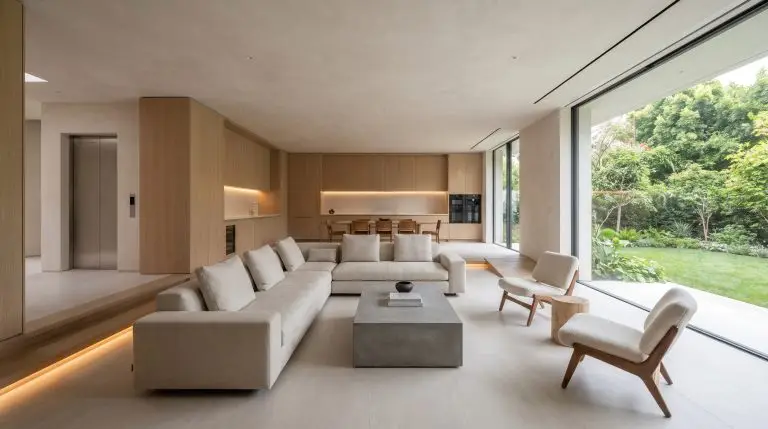
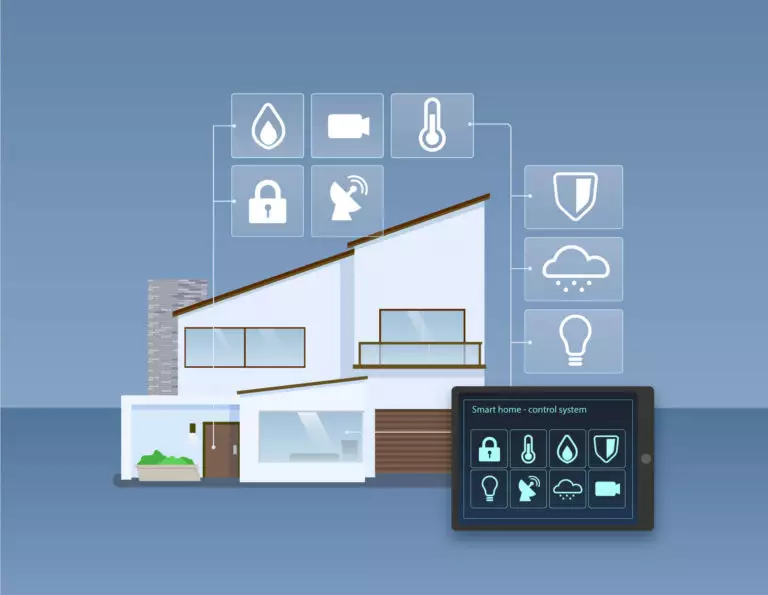
The “Invisible” Smart Home: Balancing High-End Design with Digital Privacy in 2026
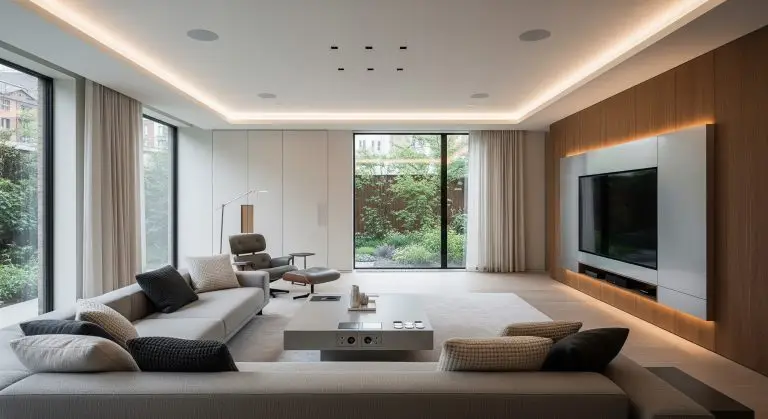
As we settle into 2026, the definition of a well-designed home has evolved. We no longer want our living spaces to look like electronics showrooms. While the convenience of smart technology is undeniable, bulky speakers, tangled cords, and glowing screens often disrupt the serene, curated feel of a room. Today, the ultimate accessible luxury is an environment that anticipates your needs while maintaining a completely uncluttered aesthetic.
Welcome to the era of the “invisible” smart home—where true comfort means having a space that responds to your routines without a single wire or blinking LED in sight. Here is how to seamlessly blend elegant interior design with the ultimate digital sanctuary.
1. Laying a Secure Digital Foundation
Before diving into beautiful textures and hidden gadgets, we have to address the invisible architecture of your home: your network. In 2026, a truly relaxing sanctuary requires peace of mind. When your window shades, ambient lighting, thermostat, and even your kitchen appliances are all communicating online, your home becomes a massive hub of personal data.
Protecting this network is just as crucial as installing a solid lock on your front door. Before bringing dozens of smart devices online, securing your router with a quick vpn download is the smartest first step. It encrypts your entire household’s connection, ensuring that your daily routines and personal preferences remain as private as your living room. Once your digital foundation is safe, you can focus on the aesthetics.
2. Furniture That Does More, Quietly
The days of dedicating a corner of the living room to a tower of electronics or power strips are over. Today’s approach to luxury focuses on integrating technology directly into the materials we already love to touch and see.
Instead of plastic charging docks, look for nightstands and console tables featuring warm walnut or ribbed oak finishes with invisible wireless charging pads built right into the wood. Smart fabrics are also making their way into sofas and lounge chairs, offering discreet, touch-sensitive controls for room temperature or seating adjustments seamlessly woven into high-quality bouclé or linen.
3. Architectural Lighting and Wellness
Lighting is no longer just an accessory; it is becoming part of the architecture. Instead of swapping out traditional bulbs for smart ones in standard lamps, the 2026 trend leans heavily into architectural integration.
Recessed LED strips are now being tucked seamlessly into crown molding, beneath floating bathroom vanities, or behind open kitchen shelving. This provides a warm, ambient glow that elevates the room without any visible fixtures. Furthermore, smart lighting in 2026 focuses heavily on circadian rhythms—automatically shifting from cool, energizing daylight hues in the morning to warm, relaxing amber tones in the evening, completely controlled by an app or a beautifully minimalistic wall keypad.
4. The Clutter-Free Smart Kitchen
The kitchen is arguably the most gadget-heavy room in the house, making it the perfect candidate for the invisible tech treatment. Accessible luxury in the kitchen means clean lines and uncluttered countertops.
Custom cabinetry is being designed with dedicated, hidden “appliance garages” that keep smart coffee makers and blenders plugged in but out of sight. We are also seeing the rise of invisible induction cooktops that are installed directly underneath solid porcelain or specialized stone countertops. You can chop vegetables, set down a cutting board, and then boil water on the exact same surface, leaving the kitchen looking pristine and minimalist when not in use.
5. Disguised Audio and Acoustic Design
A great home entertainment system is essential, but it shouldn’t look like a commercial recording studio. Audio technology has evolved beautifully to meet the demands of modern interior design.
Flat-panel speakers are now designed to mimic the look of framed canvas art, completely blending into a gallery wall. For the living room, soundbars can be custom-built to match the exact dimensions, fabric, and finish of your media console. Wall treatments are doing double duty as well: stunning, fluted acoustic wood panels that look like high-end custom millwork actually serve to hide wiring and absorb sound, creating a perfect auditory experience that looks effortlessly chic.
The New Standard of Living
Ultimately, designing an invisible smart home is about stripping away the visual clutter of modern life while keeping all of its everyday conveniences. By securing the networks that power your home and choosing furnishings that conceal their capabilities, you create a space that feels deeply personal, highly functional, and beautifully undisturbed. In 2026, the smartest homes aren’t the ones that show off their tech—they are the ones that simply let you relax.