The Art of Bulk Buying: How to Save Big on Home Improvement and Maintenance
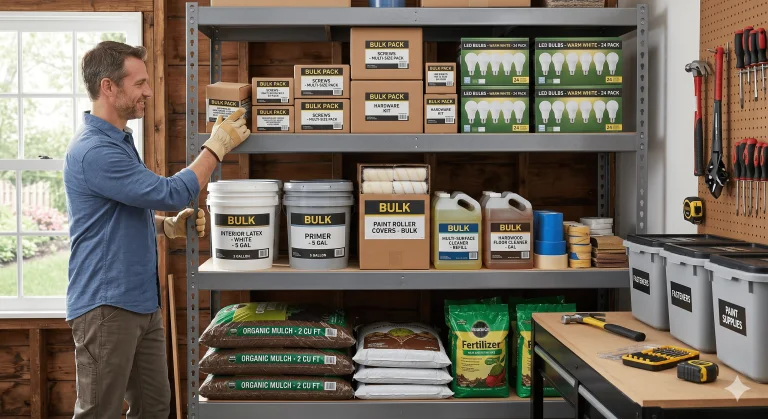
Maintaining a home is a rewarding journey, but as every homeowner knows, the costs can add up quickly. From seasonal landscaping projects to the never-ending need for cleaning supplies and hardware essentials, the “little things” often create the biggest dent in your monthly budget. While many people associate volume purchasing with giant bags of rice or endless rolls of toilet paper, savvy homeowners are increasingly looking for a bulk discount on home improvement and maintenance supplies to maximize their dollar. By shifting your perspective from “buying for today” to “stocking for the year,” you can unlock significant savings and streamline your household management.
Why Bulk Buying Makes Sense for Homeowners
At its core, purchasing in volume is about economies of scale. When retailers move large quantities of stock, they can often reduce their margins per unit, passing those savings on to you. However, the benefits go beyond just the sticker price:
- Inflation Protection: Prices for raw materials, paint, and hardware fluctuate. Buying a year’s supply of a necessity today locks in the current price, protecting you from future hikes.
- Reduced Carbon Footprint: Fewer orders mean fewer delivery trucks on the road and less individual packaging waste.
- Project Momentum: There is nothing more frustrating than being halfway through a painting project or a garden renovation and realizing you are one brush or one bag of mulch short. Having a “backstock” ensures your workflow remains uninterrupted.
Essential Categories for Volume Purchasing
Not everything is a candidate for bulk buying. You shouldn’t stock up on items that expire quickly or products you only use once a decade. Focus on these high-turnover categories instead:
1. Hardware and Electrical Supplies
Small hardware items are the bread and butter of home maintenance. Items like screws, nails, wall anchors, and light bulbs are significantly cheaper when bought in packs of 50 or 100 rather than individual small bags.
- Pro Tip: Standardize the LED bulbs in your home. By using the same color temperature (e.g., 3000K Warm White) across all rooms, you can buy one large case of bulbs that works for every fixture in the house.
2. Painting and Refinishing
If you are planning to refresh several rooms or a large deck, buying your supplies in bulk is a game-changer.
- Consumables: Painter’s tape, sandpaper, and disposable roller covers disappear quickly. Buying these by the dozen can save you up to 30% compared to individual retail prices.
- Gallon vs. 5-Gallon: For large exterior projects, 5-gallon buckets of primer or stain are almost always more cost-effective than buying five individual single-gallon cans.
3. Lawn, Garden, and Outdoor Living
Seasonal maintenance requires repetitive purchases. Items like mulch, soil amendments, and grass seed are ideal for volume discounts. Additionally, if you have a large property, purchasing pest control solutions or fertilizers in concentrated bulk forms allows you to mix what you need while saving on the “watered-down” retail versions.
4. Cleaning and Janitorial Supplies
This is perhaps the easiest category to optimize. Multi-surface cleaners, laundry detergents, and specialized solutions for hardwood or tile floors can be purchased in large containers.
- The Refill Strategy: Purchase one high-quality spray bottle and buy the “professional size” refill jugs. This eliminates the need to pay for a new plastic trigger spray every time you run out.
How to Calculate “True Value”
Before hitting the “checkout” button on a massive order, it is vital to do the math. Retailers often display the total price prominently, but the price per unit is the only metric that matters.
The Formula: Total Price/Quantity = Unit Price
Compare this unit price against the standard shelf price. If the saving is less than 10%, it might not be worth the storage space. However, when savings hit the 20% to 40% range, bulk buying becomes a financial “no-brainer.”
Storage and Organization: The Key to Success
The biggest pitfall of bulk buying is “losing” items in a cluttered garage or basement. If you can’t find it, you’ll end up buying it again, which defeats the purpose.
- Vertical Shelving: Use heavy-duty metal shelving units to keep bulk items off the floor.
- Clear Bin System: Store smaller bulk items (like boxes of screws or plumbing fittings) in transparent bins with clear labels.
- Climate Control: Be careful with liquids. Paint, certain adhesives, and cleaning chemicals can degrade if they freeze in a garage or overheat in a shed. Store these in a temperature-stable environment.
Is Bulk Buying Right for Your Project?
Before committing to a large volume order, ask yourself these three questions:
- Do I have the space? (Don’t overcrowd your living area to save $20).
- Will I use this within 12 to 24 months? (Most non-perishable home goods have a 2-year functional window before packaging or chemistry might degrade).
- Is the quality consistent? (Only buy bulk from brands or suppliers you trust. Buying 100 low-quality hinges that squeak will cost you more in the long run).
Transitioning to a bulk-buy mindset requires a bit of upfront planning and an initial investment, but the rewards are undeniable. You’ll find yourself spending less time running to the store for “one last thing” and more time enjoying your home. By focusing on high-use hardware, painting supplies, and garden essentials, you can turn your home maintenance routine into a streamlined, cost-effective operation.
Whether you are a DIY enthusiast or a professional property manager, remember: Buying smart is just as important as working hard.