The Anti-Cookie-Cutter Flip: How to Make a Fast Renovation Feel Custom
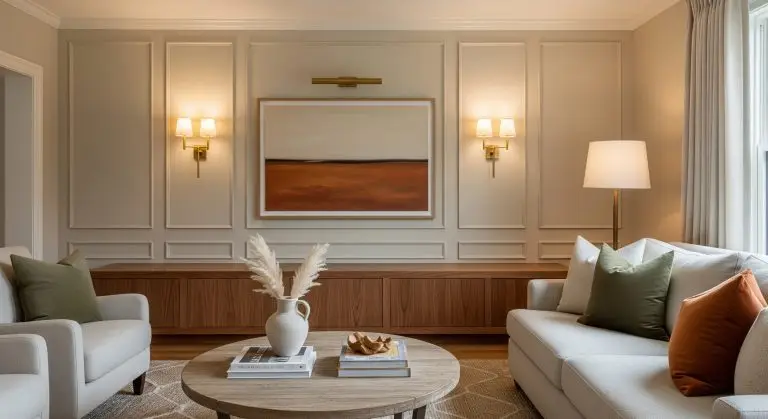
Some flips check every obvious box and still leave no impression. The paint is fresh, the kitchen is new, the floors are clean, and yet the whole place can feel strangely interchangeable. What separates a forgettable renovation from one that feels custom usually comes down to a smaller set of decisions: the finish that catches light the right way, the hardware that adds weight, the layout choice that makes the home feel calm instead of crowded.
A fast renovation doesn’t have to look rushed. The best ones feel deliberate from the start, with enough character to stand out in photos and enough consistency to feel convincing in person. That kind of result rarely comes from doing more across the board. It comes from knowing which details shape the whole impression.
Custom Doesn’t Start With a Bigger Budget
The flips that feel expensive rarely try to impress at every turn. They pick a few visual signals and make them consistent. That usually means better proportions, cleaner lines, warmer lighting, and finishes that relate to each other instead of competing for attention. A home starts to feel custom when nothing seems accidental.
That’s why restraint matters as much as spending. A rushed renovation often gives itself away through too many statements in one space: a bold backsplash, oversized pendants, black fixtures, gray floors, and a trendy paint color all pulling in different directions. The result looks updated, but not settled. A stronger renovation edits harder. It chooses one clear direction and lets the details reinforce it.
The smartest design decisions are often quiet. Cabinet hardware with real weight, a paint color that softens the room instead of flattening it, trim that gives walls a finished edge, and lighting that adds depth after sunset can change the whole reading of a space. None of those moves needs to be dramatic. They just need to feel considered.
Custom has less to do with adding more and more to a room and more to do with removing the signs of speed. When a renovation feels calm, coherent, and visually confident, buyers tend to read that as quality.
The First Details That Make a Flip Feel Different
The difference often shows up before anyone notices the square footage. It’s in the way the entry opens, the way the light moves across a wall, and the way one finish carries into the next without a sharp visual break. Buyers may not stop to name those details, but they feel them immediately.
Sightlines matter early. When the first view into a home feels clean and composed, the whole renovation reads better. That can come from something as simple as aligning paint tones, reducing visual clutter, or making sure the flooring transition doesn’t chop the space into pieces. A room feels more expensive when the eye can move through it without interruption.
Lighting does more work than many fast renovations allow for. Harsh bulbs flatten surfaces and make new materials look cheaper than they are. A warmer, softer glow brings out texture, depth, and contrast. Even simple fixtures can feel refined when the scale is right, and the light feels intentional.
Then there’s hardware, trim, and touch. These are the moments that turn an update into a point of view. A modest vanity looks stronger with the right pulls. A plain wall gains presence with even minimal molding. A kitchen starts to feel more grounded when every finish belongs to the same visual language.
That’s usually where cookie-cutter flips lose their edge. They install new materials, but they don’t shape a clear impression. The better ones understand that buyers notice harmony before they notice price.
Spend Where the Camera and the Buyer Both Notice
Fast renovations usually succeed or fail in the same places: the first photo, the main living space, the kitchen, and the primary bath. Those are the rooms that shape the listing, set the tone, and carry most of the emotional weight. When they feel cohesive, the whole house benefits. When they feel flat, no amount of scattered upgrades can fully recover the impression.
That’s why smart flips don’t spread the budget evenly. They concentrate on the details that read well both on screen and in person. A better light fixture, a calmer palette, a more convincing vanity, or a cleaner flooring transition can do more for the final result than a long list of minor upgrades no one remembers five minutes later.
Atlanta sits in an interesting part of the renovation landscape, where speed often matters, but visual polish still has to register right away. In that kind of market, the fix-and-flip loans Atlanta investors choose may shape how far a project can go before choices around finishes, layout changes, etc. Nearby markets in places like Tennessee or Florida can share some of that momentum, while homes in parts of the Northeast or along the West Coast may push different finish expectations, different price sensitivities, or a different idea of what feels current.
The principle stays the same across regions. The best use of a renovation budget is rarely everywhere at once. It’s in the places buyers notice first, photograph most, and remember after they leave.
The Finishes That Create a Sense of Permanence
Some materials look new for a moment. Others make a room feel settled. That difference has less to do with price than with texture, proportion, and consistency. A flip starts to feel more believable when the finishes suggest permanence instead of speed.
Trim helps more than people think. Even simple casing or cleaner baseboards can sharpen the room and give plain walls a finished edge. The same goes for doors and cabinets. When they feel solid, aligned, and visually balanced, the space reads as more complete.
Lighting has a similar effect. The wrong bulb can make fresh paint, stone, and tile look thin or cold. A warmer tone brings depth back into the room and makes surfaces feel more natural. It also softens the contrast between old and new, which matters in a renovation where not every element was installed at the same time.
Texture is where a fast renovation can start to lose its staged feeling. Matte finishes, subtle grain, brushed metal, and materials with a little variation tend to feel calmer and more convincing than anything overly glossy or perfectly uniform. They give the eye something to settle on without turning the room into a showroom.
The goal isn’t to pile on detail. It’s to make each finish support the next one, so the home feels grounded from room to room. That continuity is what makes a quick renovation feel like it belongs.
Where Restraint Creates More Value
A flip doesn’t need more moments. It needs fewer weak ones. That’s often the line between a renovation that feels polished and one that feels pieced together. Once the palette shifts too often, the materials change from room to room, or every surface asks for attention, the home starts to feel assembled instead of shaped.
Restraint gives the strongest choices more weight. When flooring stays consistent, wall color stays quiet, and fixtures speak the same visual language, even modest upgrades feel deliberate. The space reads as settled because nothing is competing with itself.
That same discipline protects the budget. A simpler layout, a tighter finish palette, and a smaller number of visible upgrades can create more value than a long list of decorative extras that never quite register. Buyers tend to respond more strongly to remodeling projects that improve daily livability and visual appeal than to flashier changes that don’t change how a home actually looks, lives, or photographs.
The smartest flips know when to stop. Once the core impression feels calm, cohesive, and complete, adding more usually doesn’t make the renovation stronger. It just makes the design easier to date.
How to Make a Fast Renovation Feel Collected
The last layer is often what separates a clean flip from one that actually stays with people. A room can be freshly finished and still feel vacant in the wrong way. What gives it character is usually a small amount of contrast, a little texture, and enough variation to keep everything from reading as brand new all at once.
That doesn’t mean filling the space with decorative noise. It means choosing a few elements that soften the edges of the renovation. A wood tone with visible grain, a matte surface that catches light gently, or a vintage-inspired detail that breaks up a run of newer finishes can make the whole room feel more believable. The effect is subtle, but it changes how the home is remembered.
Scale matters here as well. Oversized lighting in a compact room or furniture that feels too small for the architecture can make even good finishes look temporary. A more collected impression comes from balance. When each piece feels proportionate, and the materials share a quiet relationship, the renovation starts to feel less staged and more settled.
Some of the most useful design shifts are the ones that remove builder-grade cues without drawing too much attention to themselves. Small upgrades like better trim, warmer finishes, and more convincing hardware often do more for the final impression than another bold focal point, especially in homes shaped by high-ROI swaps that soften a builder-grade look.
A fast renovation feels custom when it stops trying to prove itself. Once the space looks calm, layered, and visually sure of its choices, buyers don’t experience it as a quick project. They experience it as a home with taste.
When a Fast Flip Stops Looking Fast
The flips that stand out rarely feel louder than the rest. They feel clearer. The palette is controlled, the finishes make sense together, and the details that carry the most visual weight have been chosen with care. That’s what makes a fast renovation feel custom instead of familiar.
Buyers respond to homes that seem resolved. They notice when the lighting feels warm, when the materials hold a steady rhythm, and when the rooms look finished without looking forced. Those signals create confidence, and confidence is often what turns a quick walkthrough into real interest.
A convincing flip doesn’t come from doing everything. It comes from doing the right things well enough that the whole house feels intentional. When that happens, speed stops being the story. The design does.