Your home’s exterior is its handshake to the world. It’s the first thing guests see, the last thing you see when you leave, and arguably the single biggest factor in your property’s value. But unlike interior paint—which you might swap out on a rainy weekend—siding is a commitment. It’s an investment that needs to stand up to the elements and the test of time.
If you’ve been scrolling through Pinterest or driving through new developments lately, you’ve likely noticed a shift. The era of the cookie-cutter, stark white “Modern Farmhouse” is evolving. In 2026, we are seeing a massive pivot toward depth, texture, and organic connection. Homeowners are trading safety for personality, moving toward moody earth tones, mixed materials, and siding profiles that tell a story.
Whether you are building a custom home or planning a major renovation, this guide covers everything you need to know about the siding landscape in 2026. From the rise of “biophilic” colors to the domination of fiber cement, let’s explore how to give your home a look that is both timeless and trending.
1. The 2026 Color Palette: Moody, Earthy, and Organic
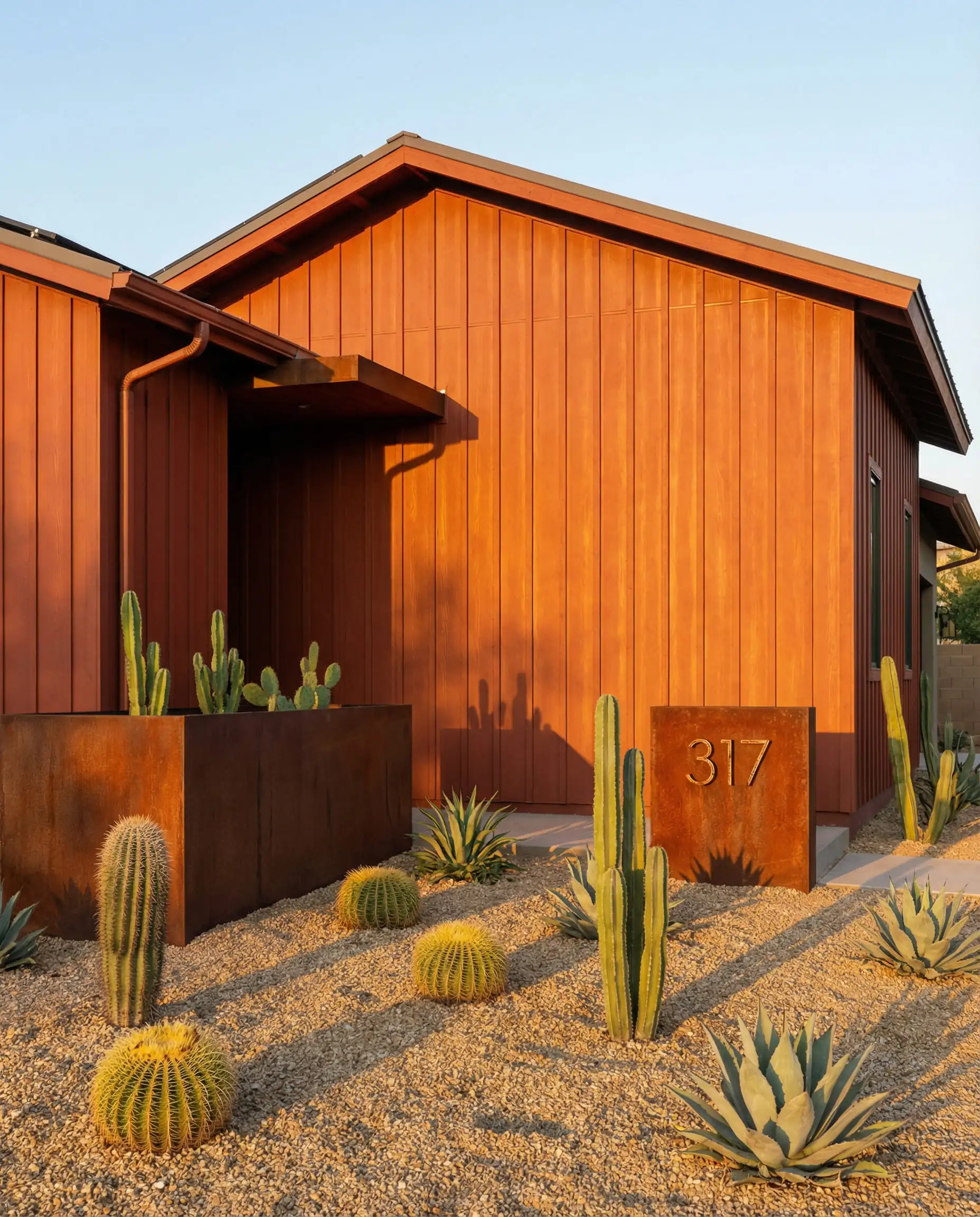
For years, the “safe” choice was white lap siding with black windows. While that look isn’t disappearing, it is softening significantly. The 2026 palette is defined by a desire to ground the home in its environment. We are seeing colors that feel pulled directly from nature—forest floors, storm clouds, and clay canyons.
The Rise of “Moody” Exteriors
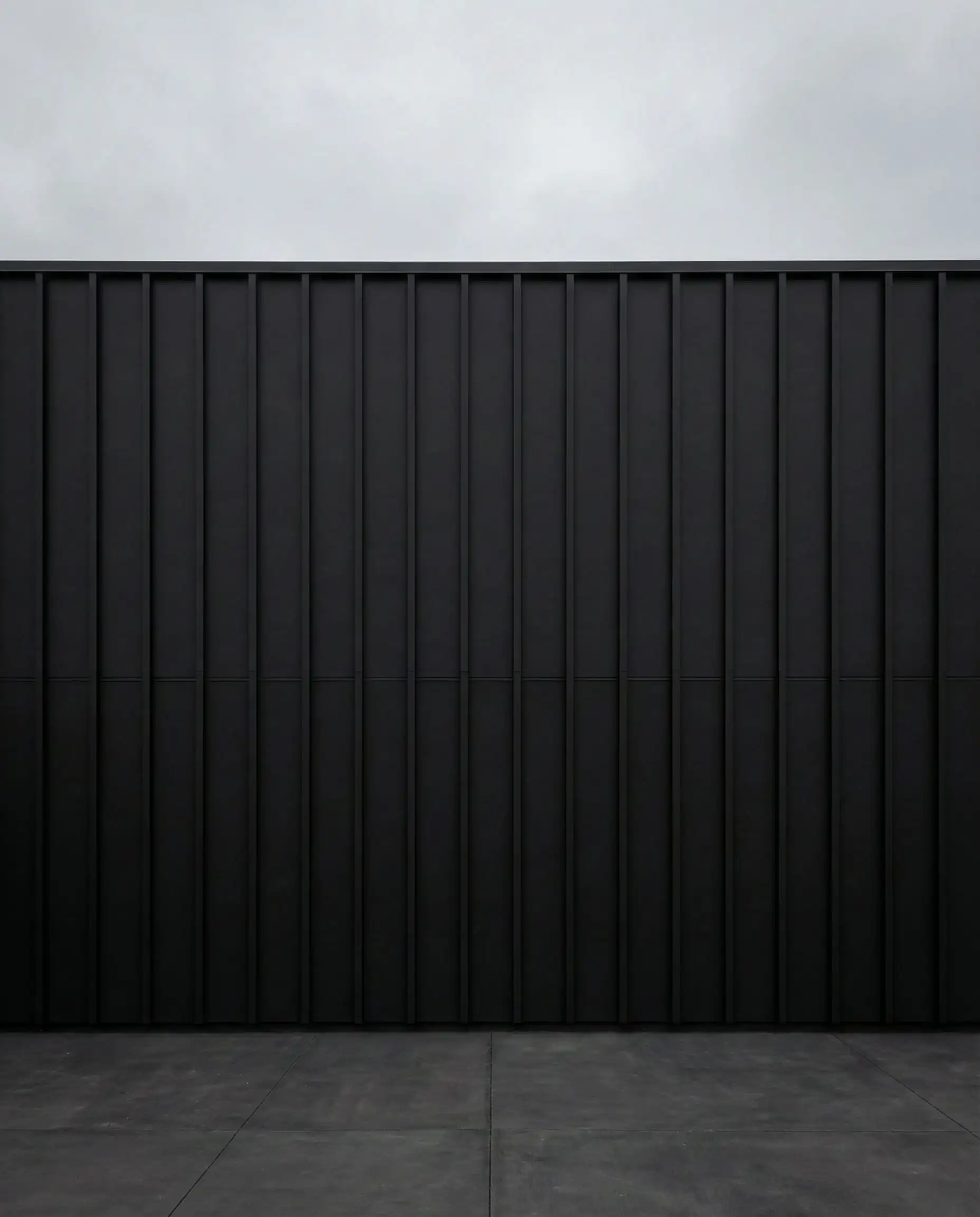
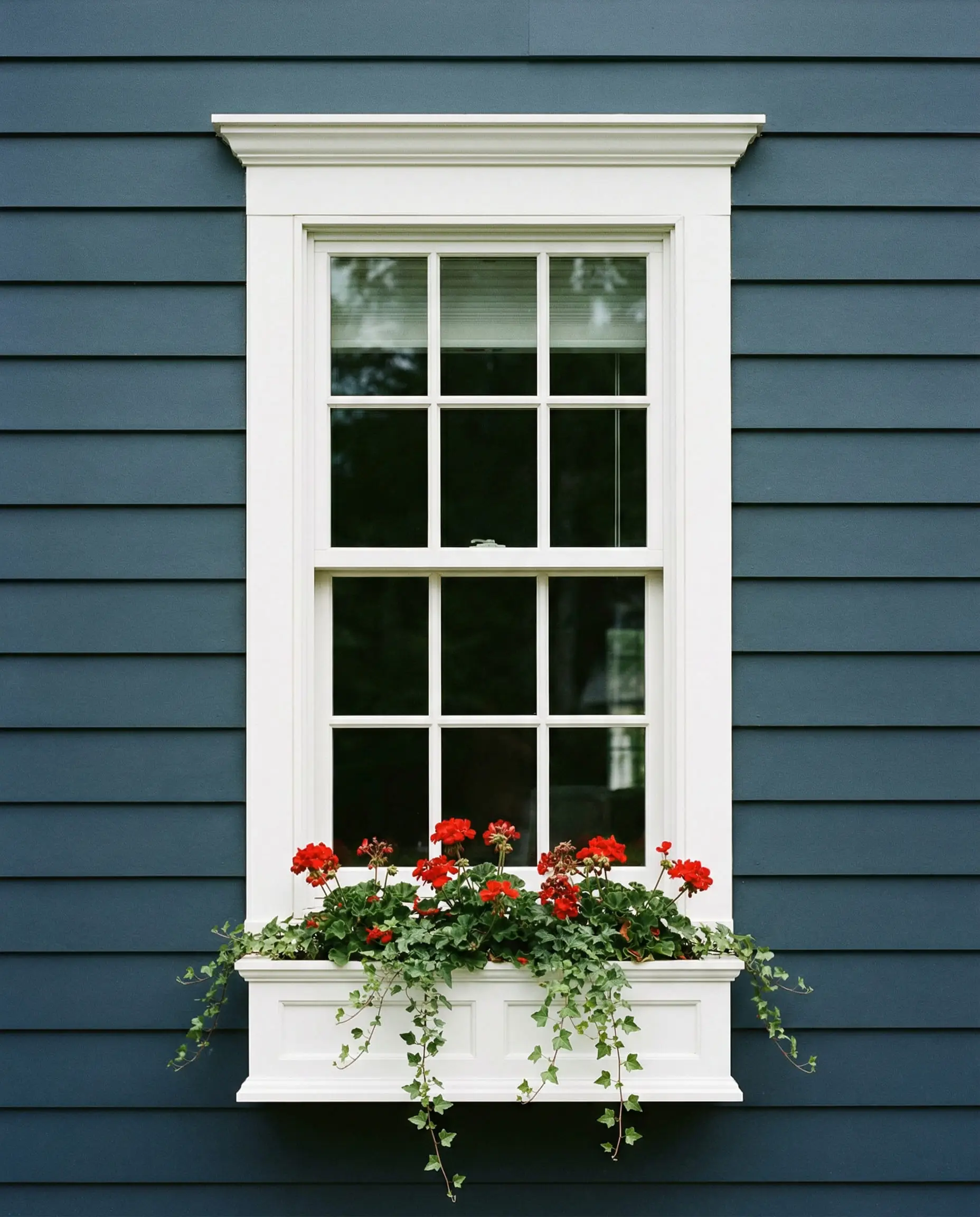
Dark exteriors have graduated from a niche trend to a market staple. However, the “all-black” void is being replaced by rich, complex darks that have undertones of color.
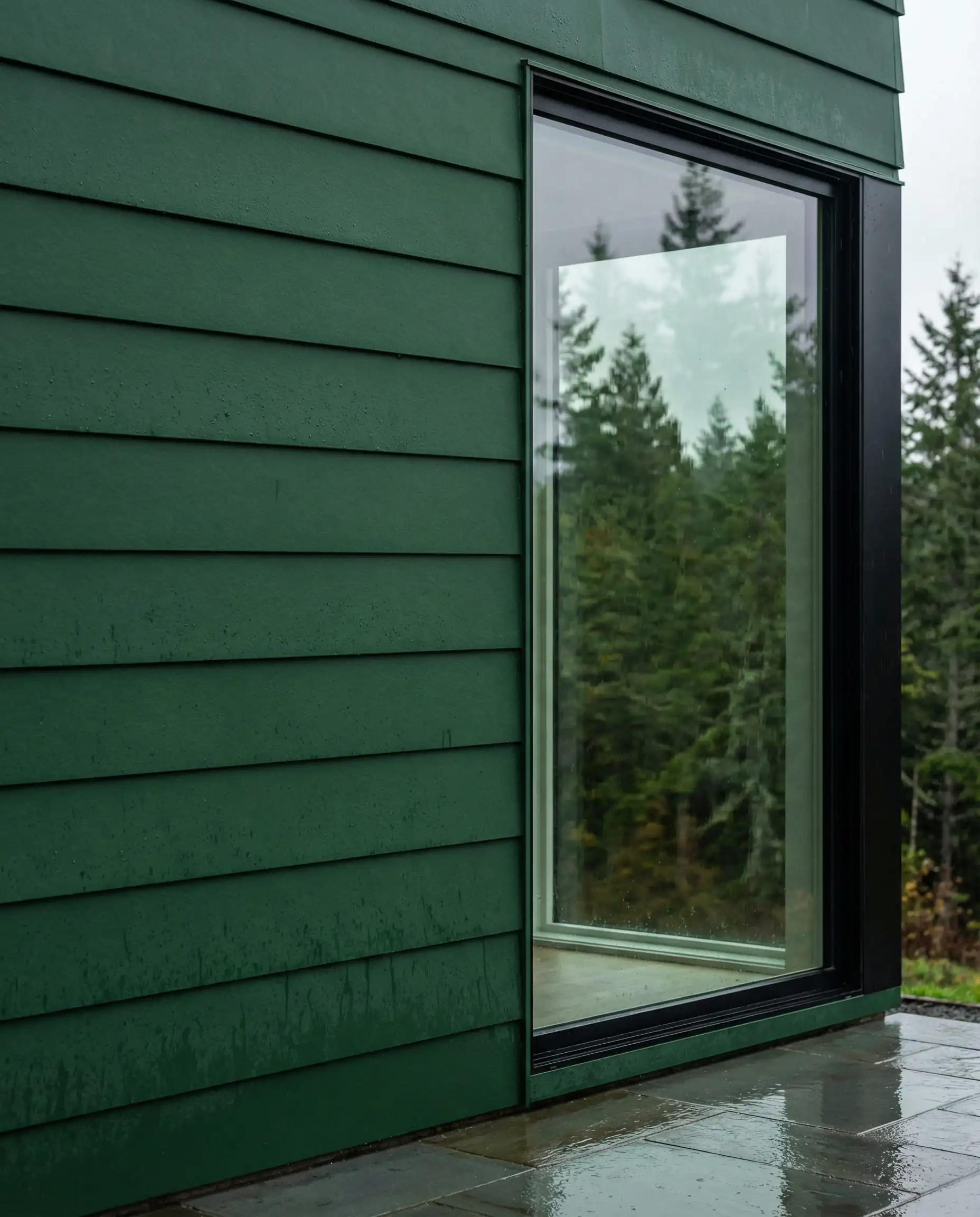
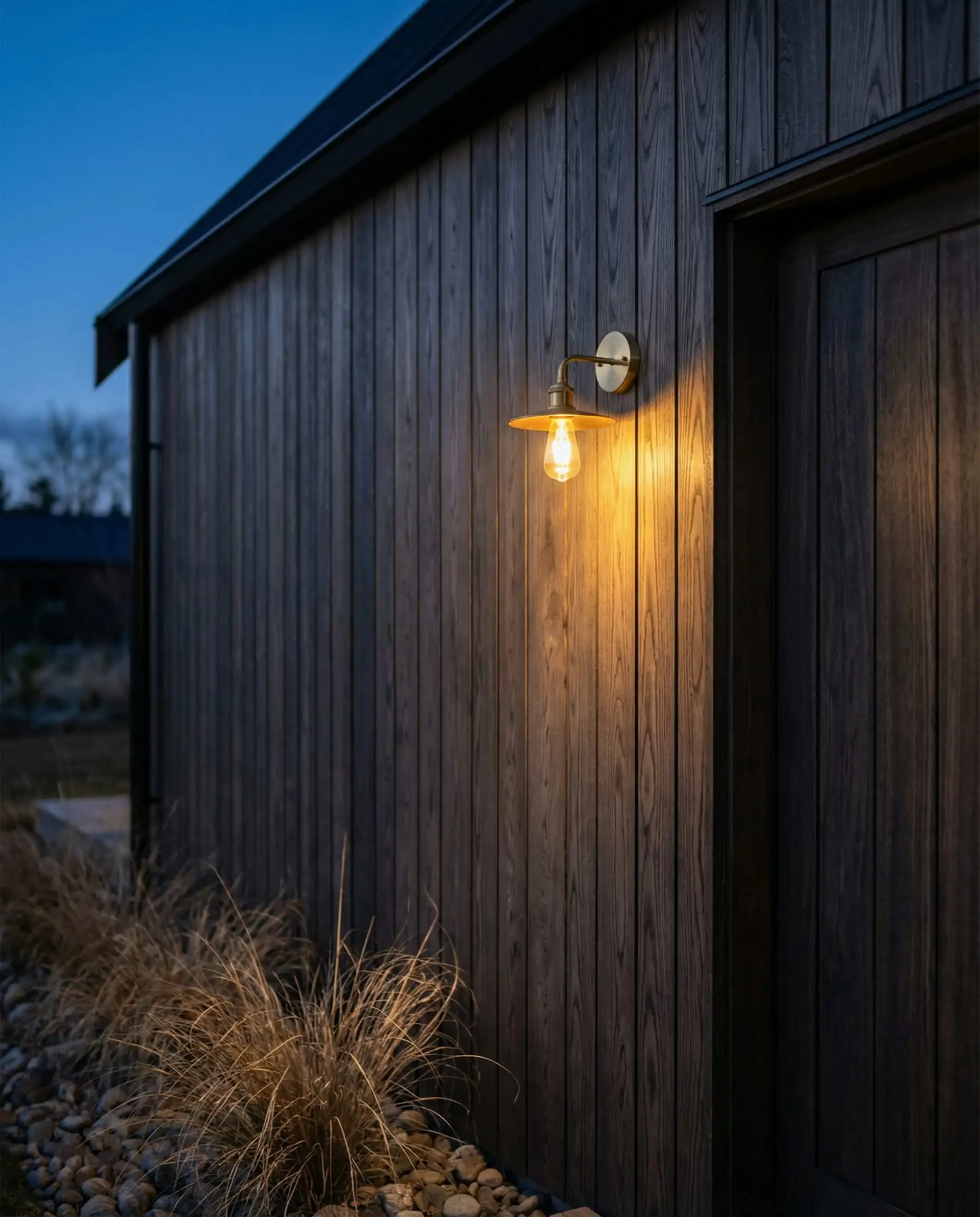
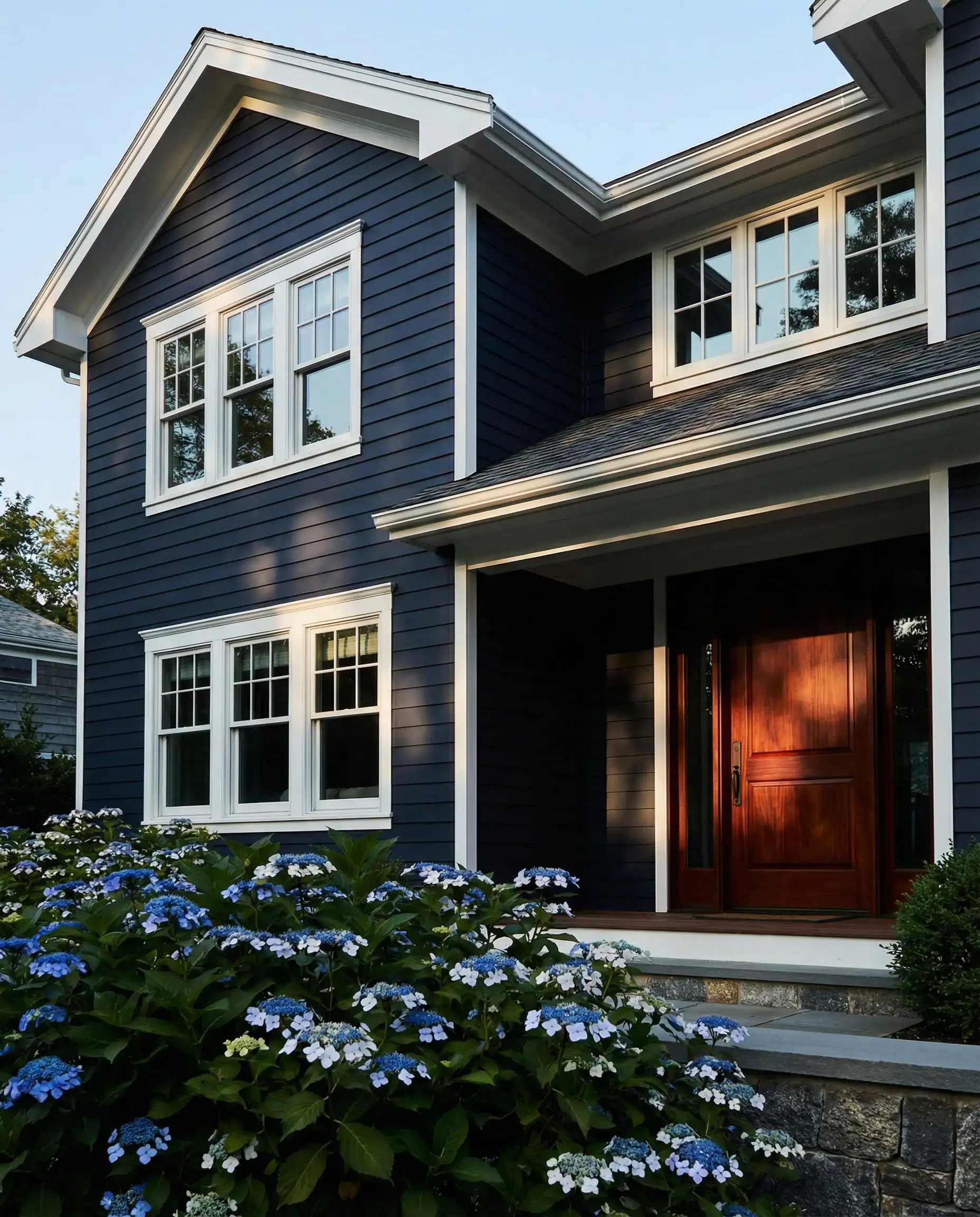
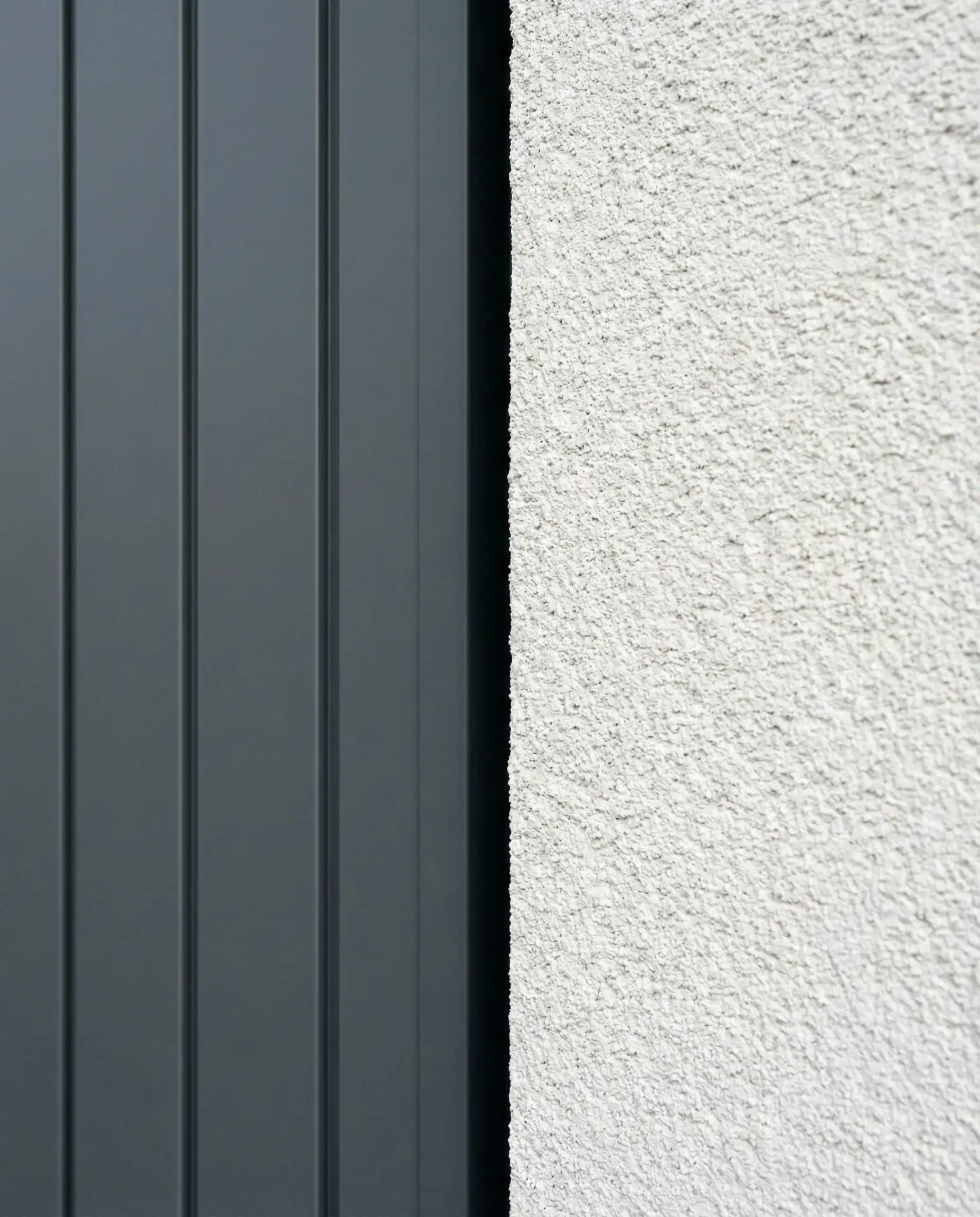
If you choose a dark siding color (like Navy or Charcoal), consider lightening up the trim. A soft dove gray or a creamy off-white trim prevents the house from looking like a dark blob. Alternatively, go for the “monochromatic” look where the trim matches the siding for a hyper-modern, seamless aesthetic.
🎨 Designer Tip
The New Neutrals: Warming Up the White
If you love the clean look of a light house, 2026 has good news: White is still in, but it’s warming up. The stark, hospital-white that can look blinding in direct sunlight is out.
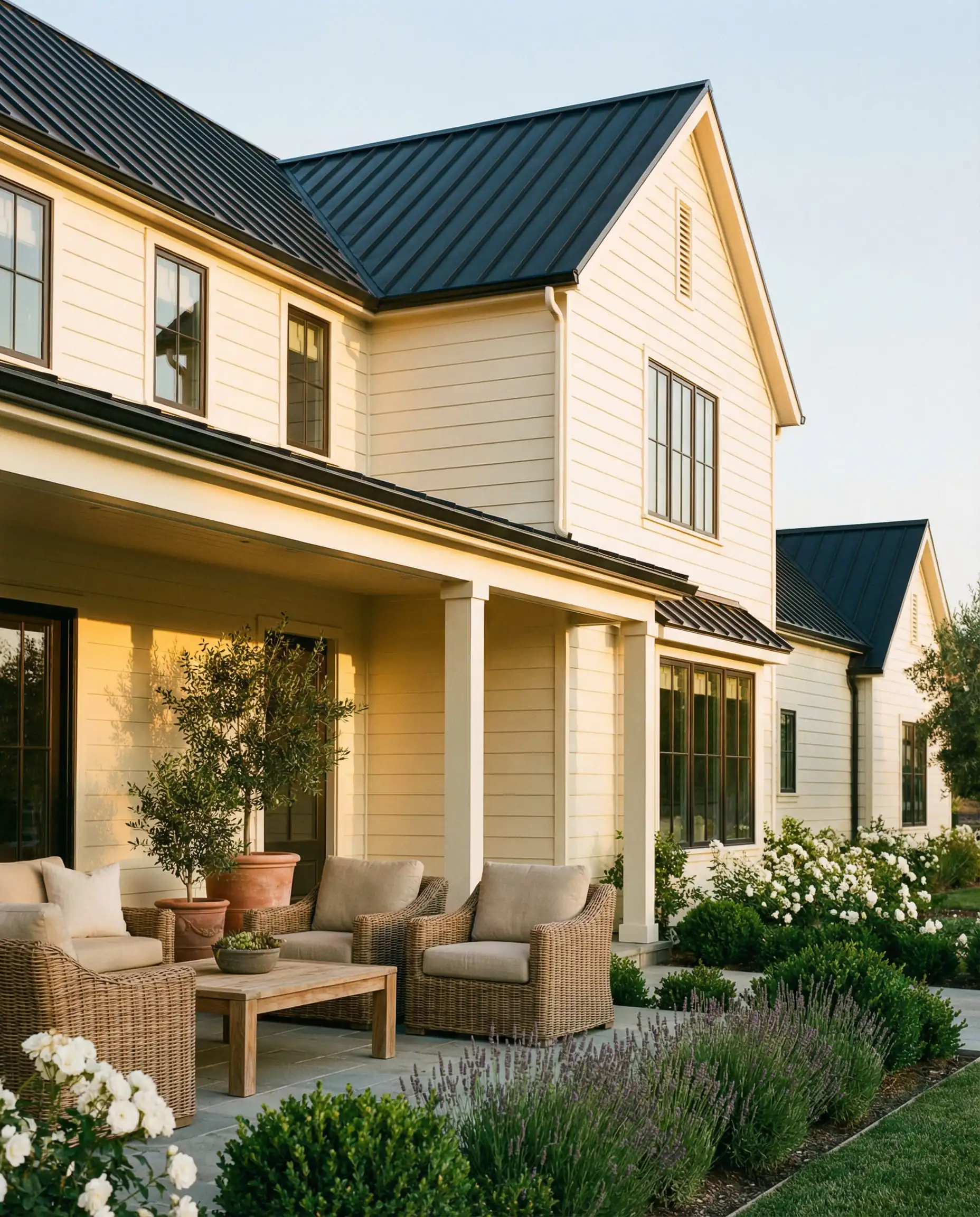
Test your paint samples outdoors! Siding colors can look 2-3 shades lighter in direct sunlight than they do on a chip in the store. A color that looks “Beige” inside might look “White” on your exterior wall at noon. Always paint a large patch and watch it throughout the day.
🎨 Designer Tip
2. Materials Matter: Durability Meets Sustainability
In 2026, homeowners are more educated than ever. They aren’t just buying a look; they are buying longevity. The conversation has shifted from “What is the cheapest?” to “What will look good in 20 years?”
Fiber Cement: The Market Leader
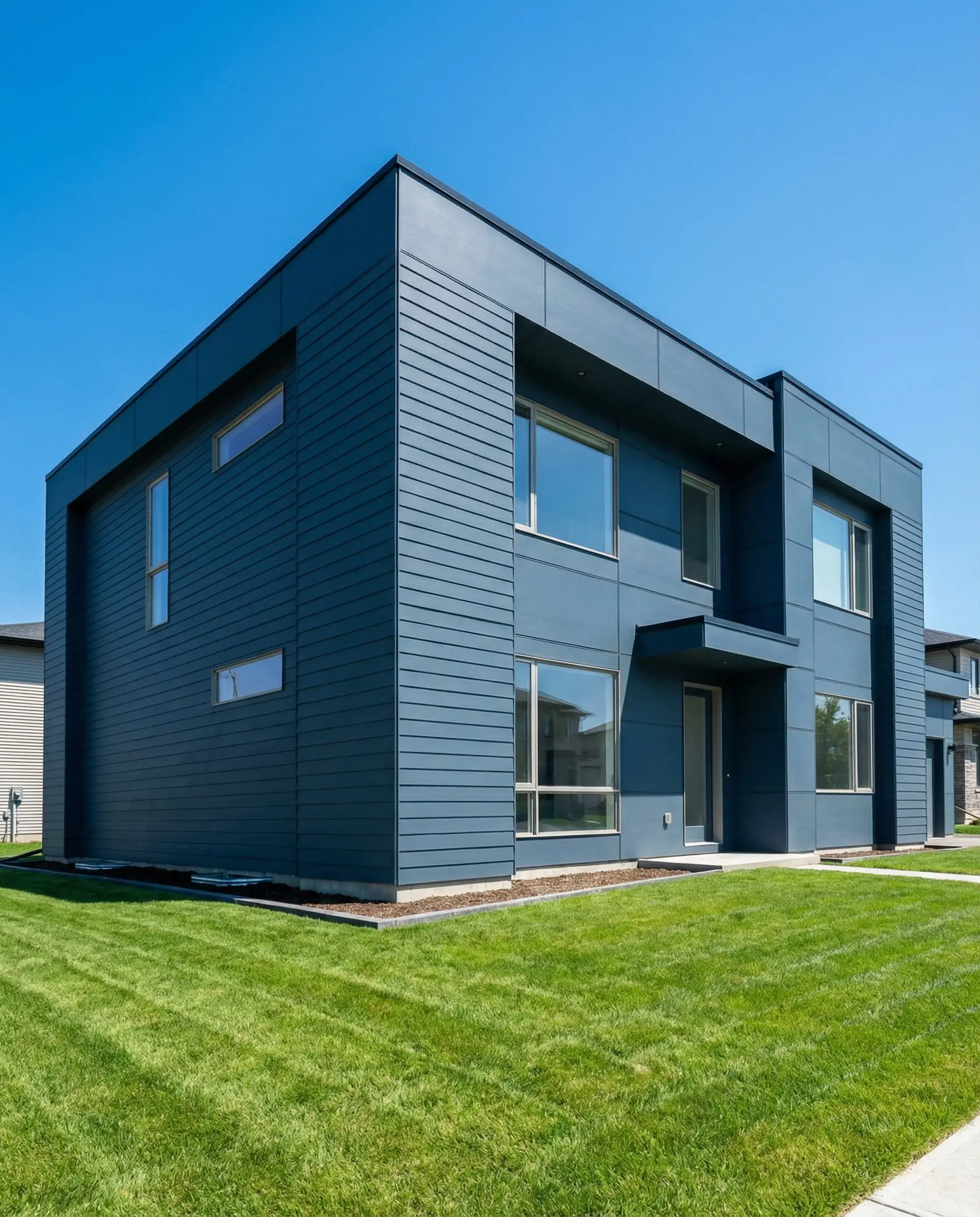
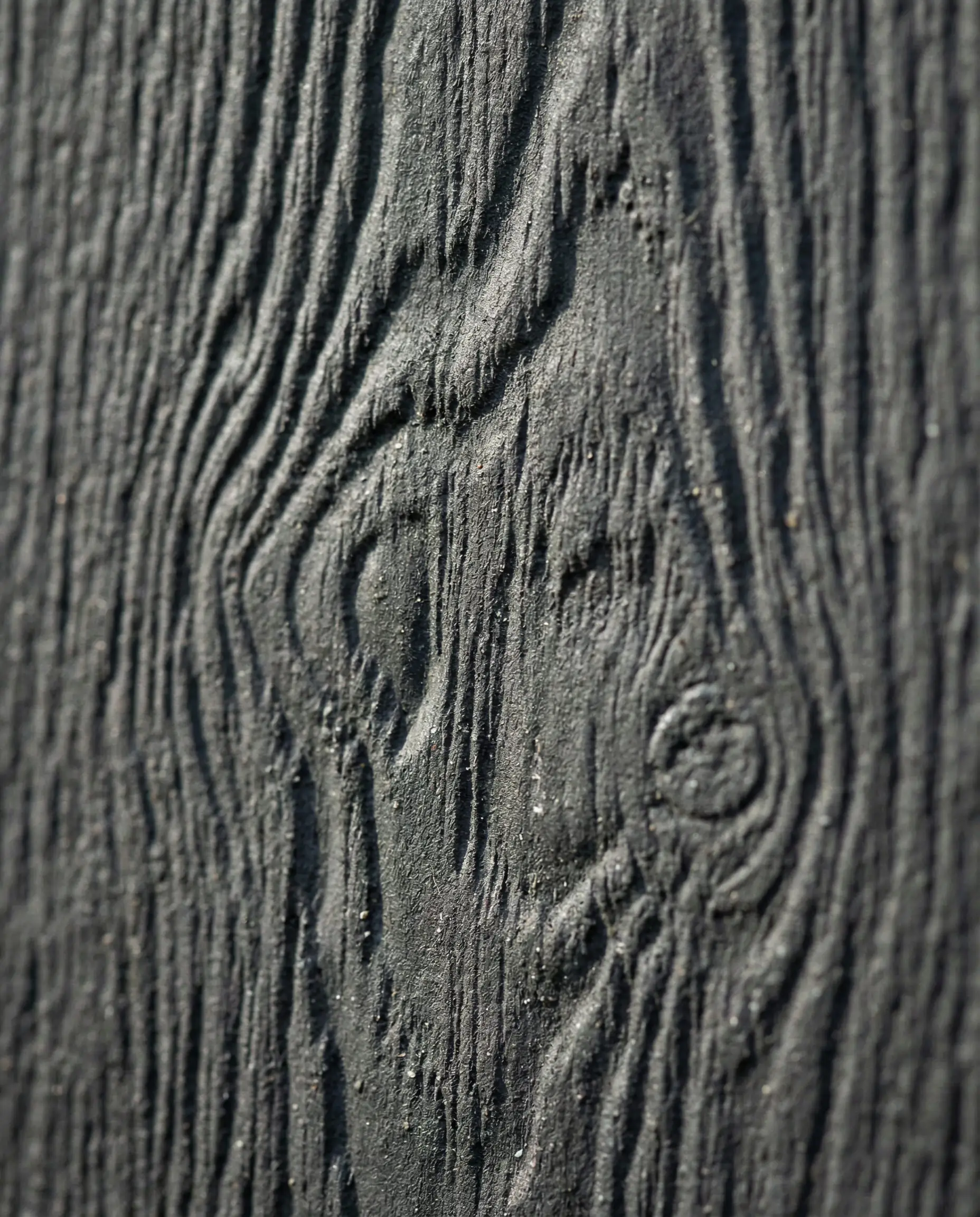
If there is one material defining 2026, it is Fiber Cement (think James Hardie or Allura).
The Evolution of Metal Siding
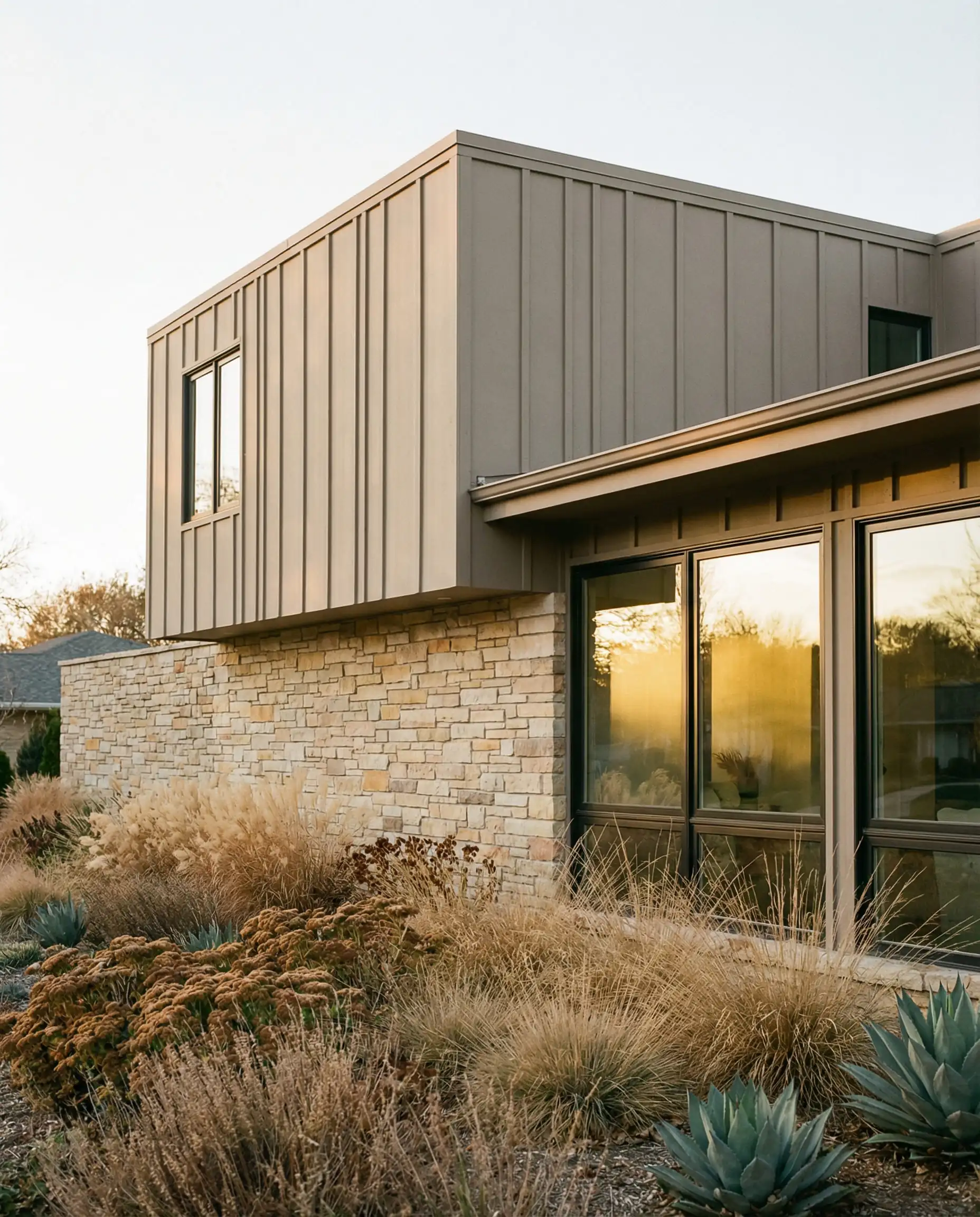
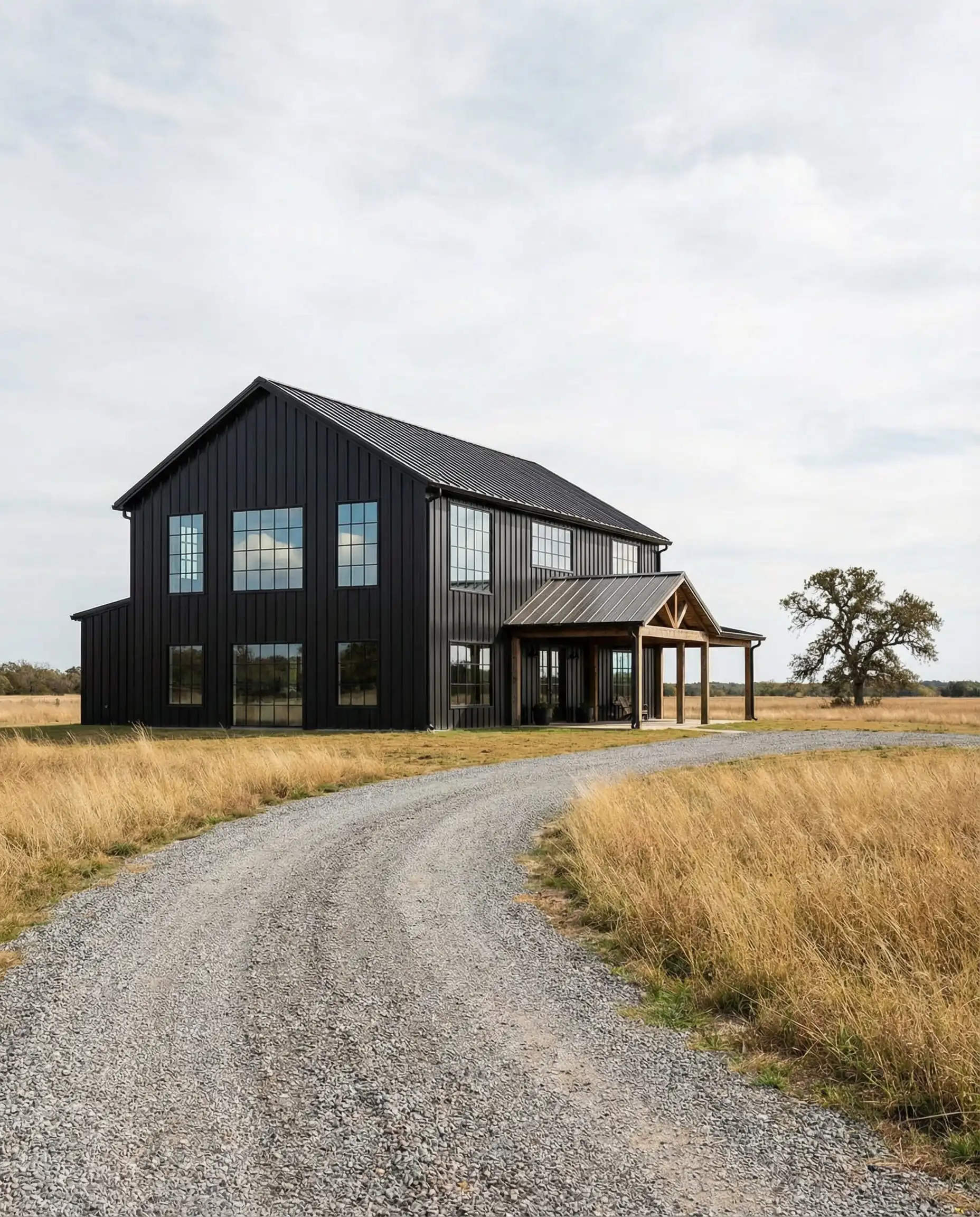
Metal siding has moved out of the agricultural sector and into high-end residential design.
Stone Veneer & “Grounded” Skirting
Siding is rarely acting alone anymore. We are seeing a massive uptick in Stone Veneer used on the bottom third of the home (the skirt) or on specific architectural focal points (like the entryway).
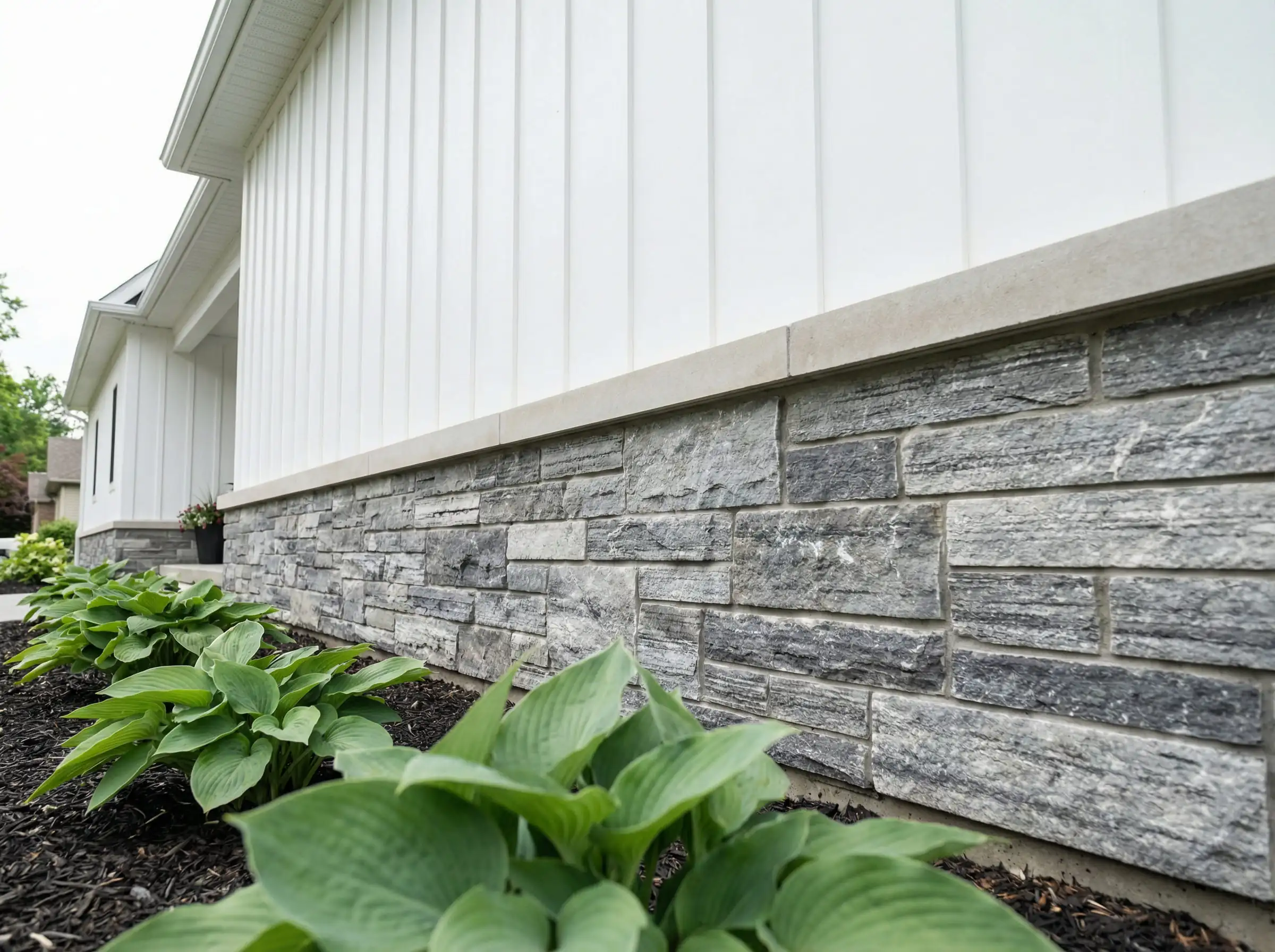
If you are budget-conscious but want a high-end look, splurge on Fiber Cement for the front of the house and use a high-quality, color-matched Vinyl for the sides and rear. This “mixed material” approach saves money without sacrificing curb appeal where it counts most.
🎨 Designer Tip
3. Profiles and Layouts: Texture Over Everything
In 2026, flat walls are out. Texture is in. Even if you choose a single color for your entire house, the way the siding is laid out can create the depth and interest that makes a design feel custom.
Board and Batten: The Reign Continues
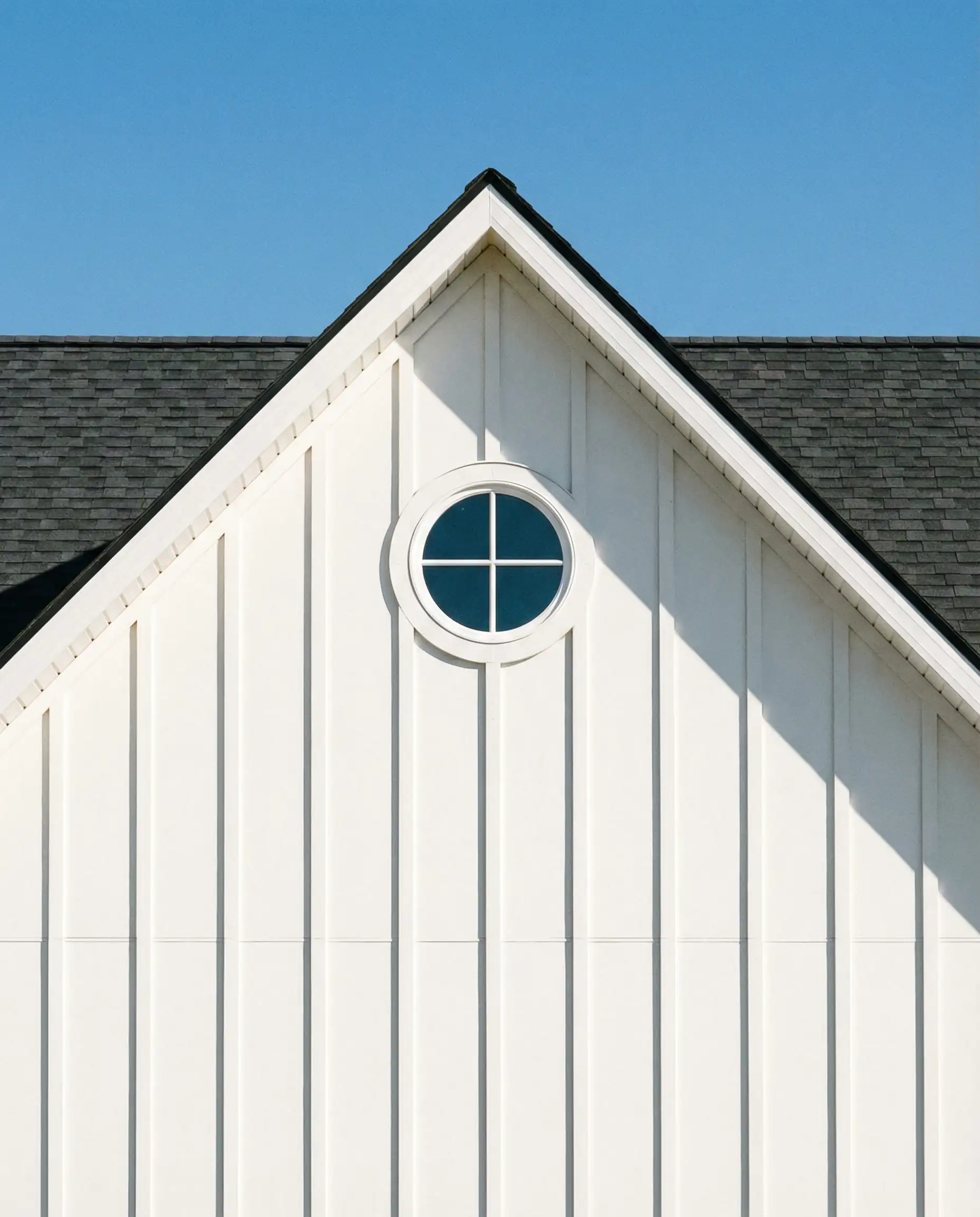
Vertical siding, specifically Board and Batten, shows no signs of slowing down.
Mixed Textures ( The “Combo” Look)
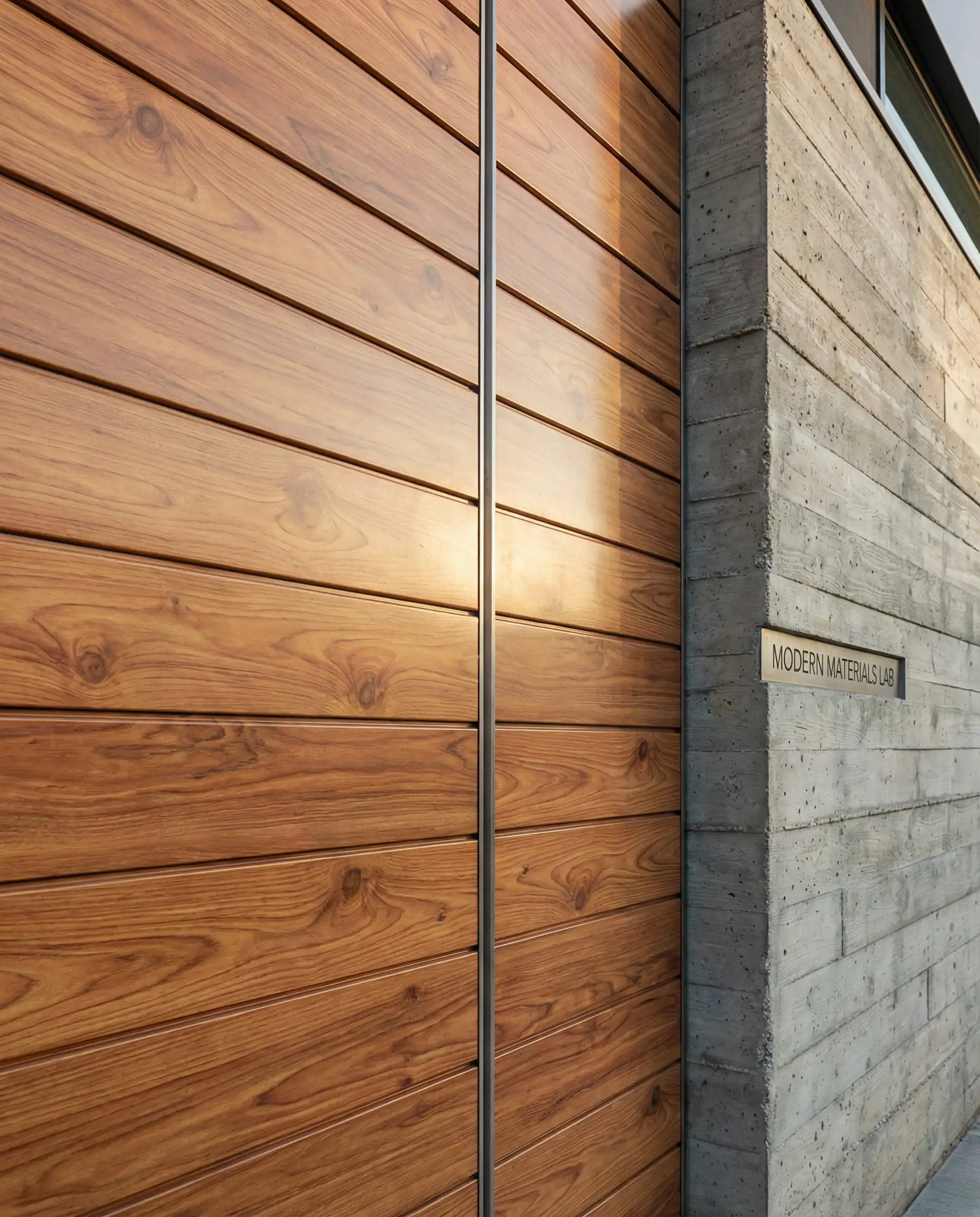
The days of wrapping a whole house in one type of horizontal lap siding are fading. The 2026 standard is mixing profiles to accentuate architecture.
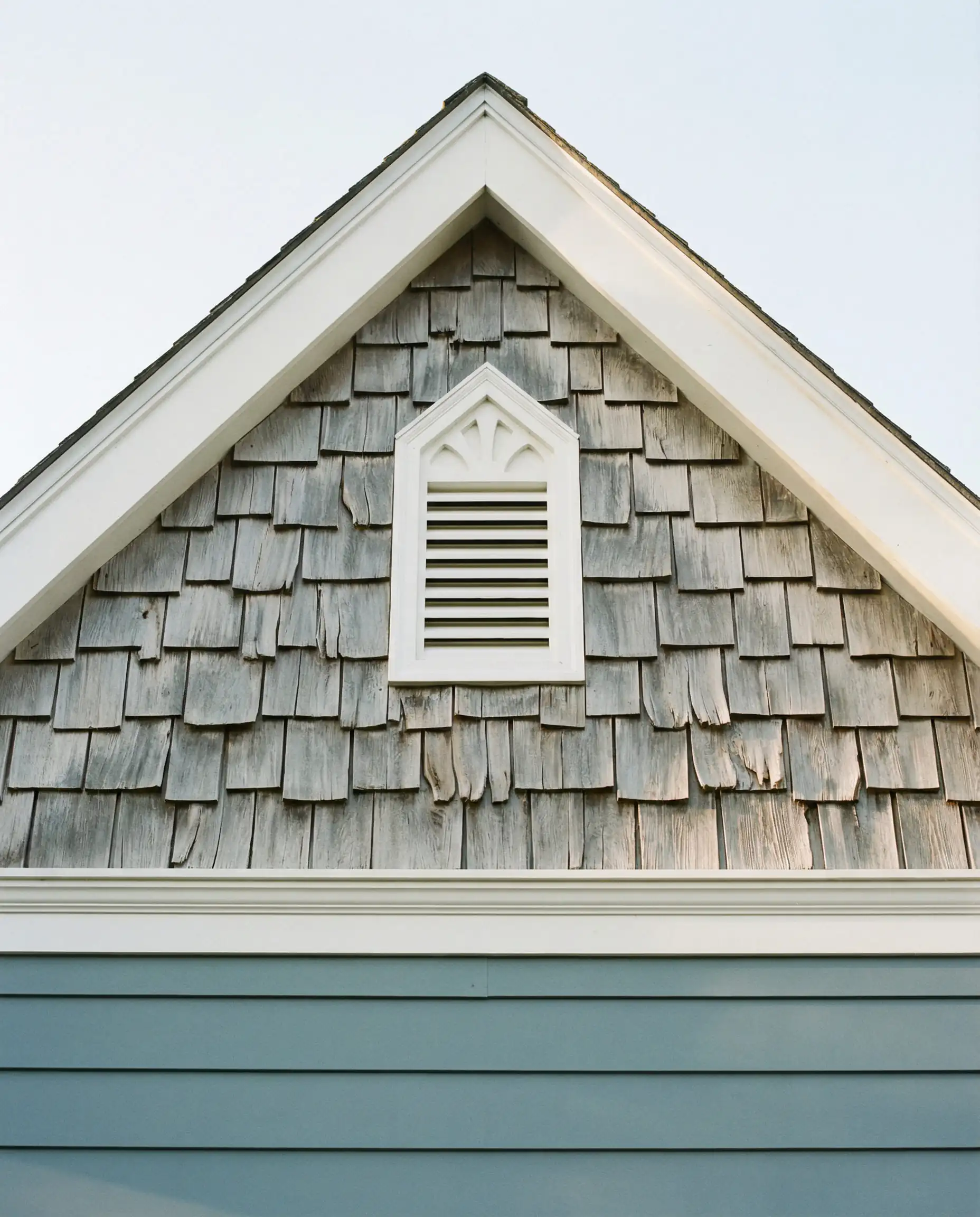
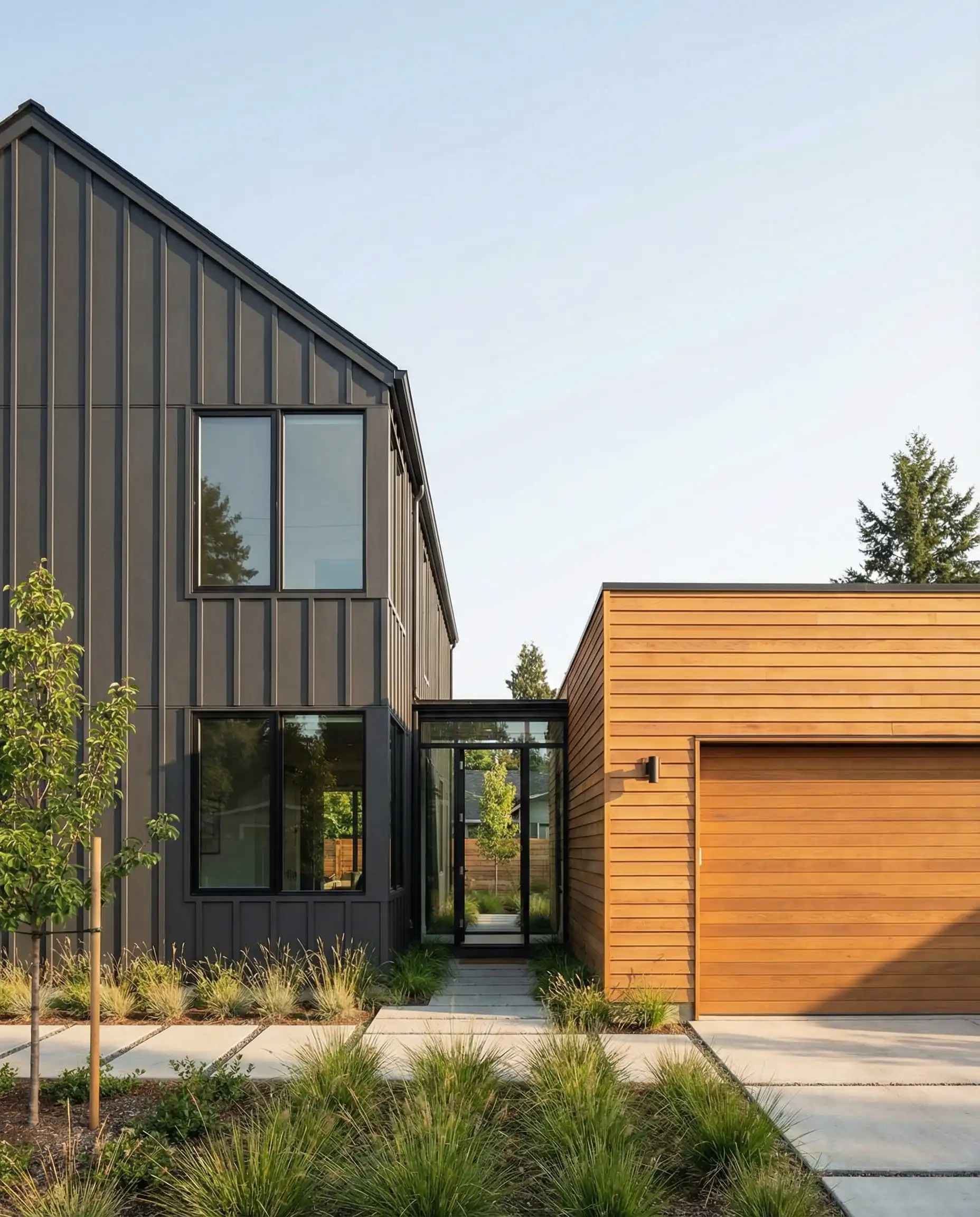
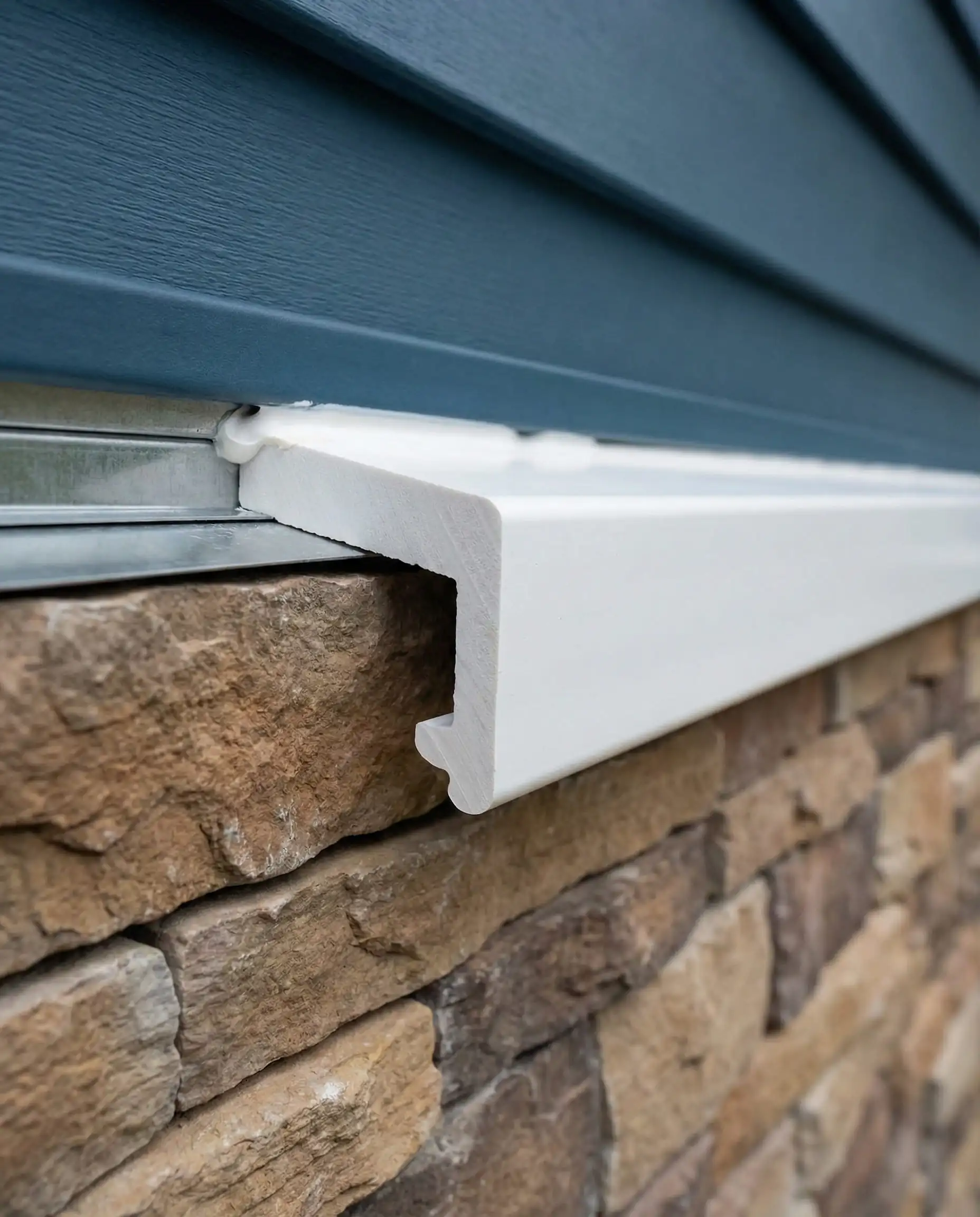
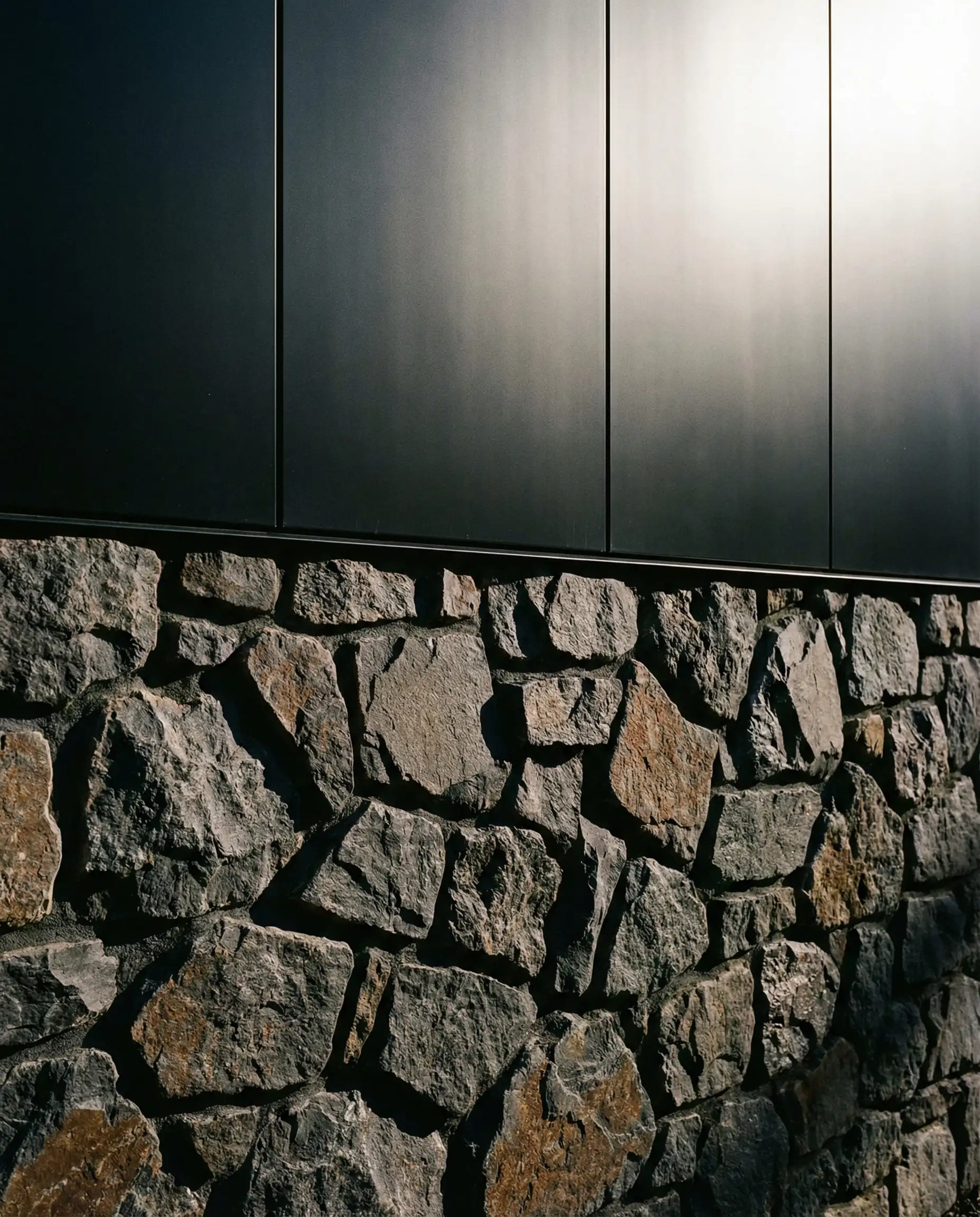
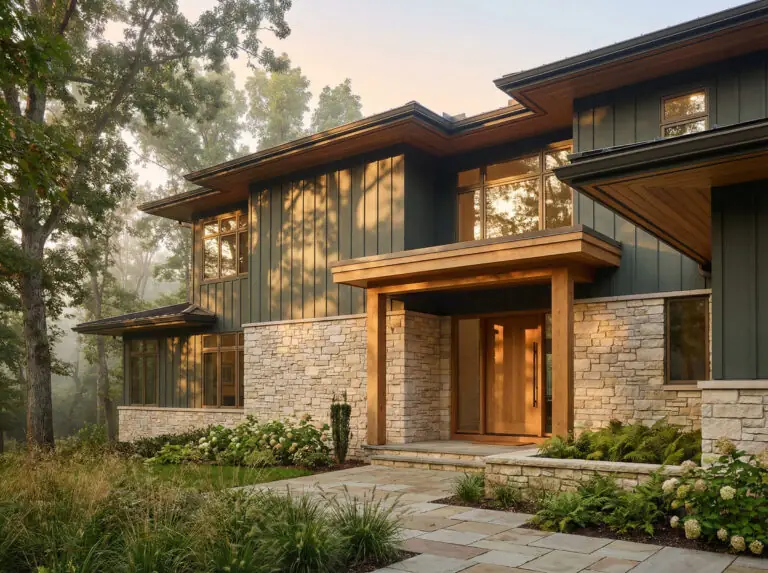
Follow the “Rule of Three.” Try to limit your exterior to three primary materials/colors (e.g., Green Siding + Natural Wood Columns + Stone Skirt). Anything more than that can start to look chaotic and visually cluttered.
🎨 Designer Tip
4. Design Recipes: 3 Trending Looks to Steal
Struggling to visualize how these trends come together? Here are three specific “Design Recipes” that are dominating the 2026 market.
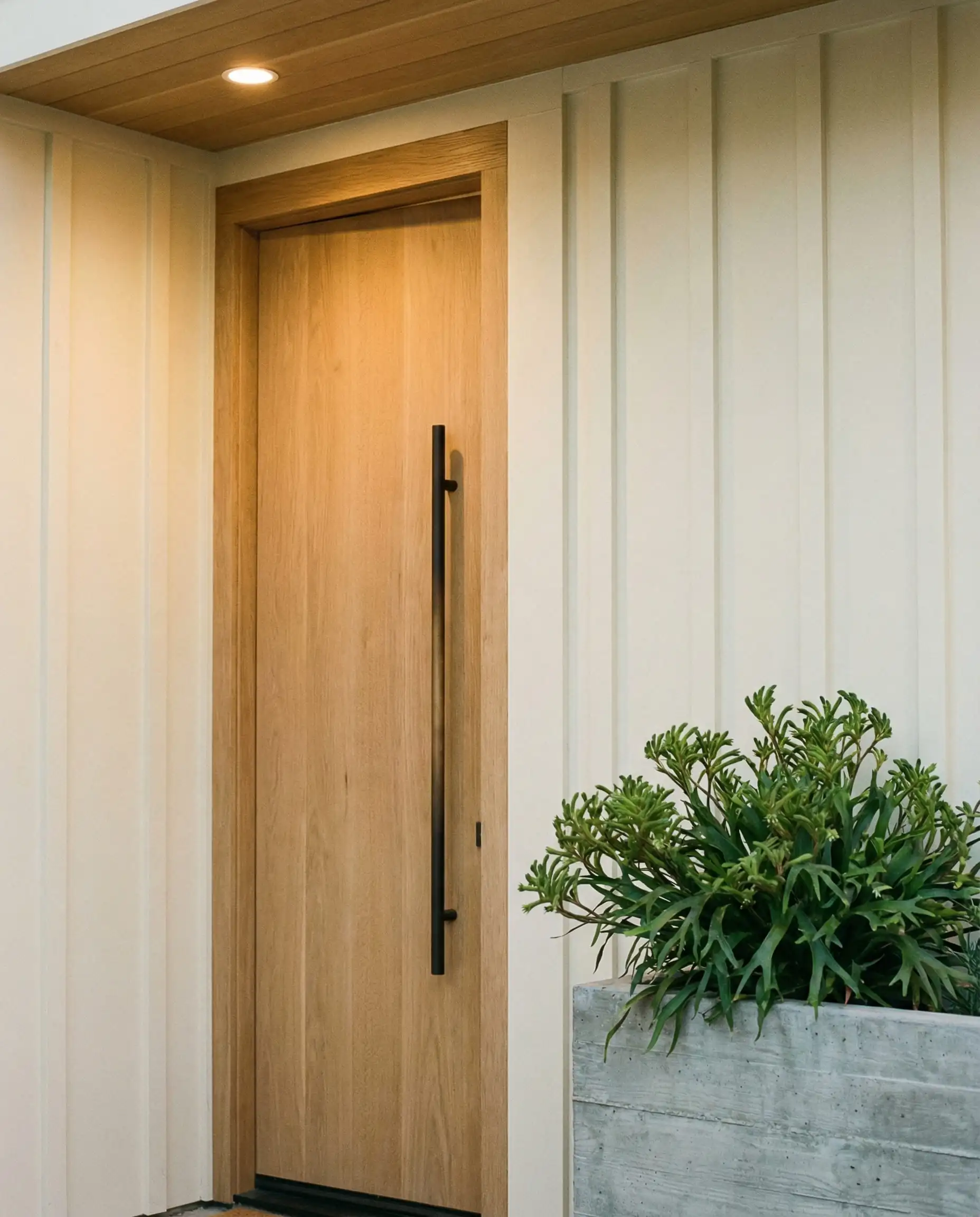
Look #1: The Organic Modern
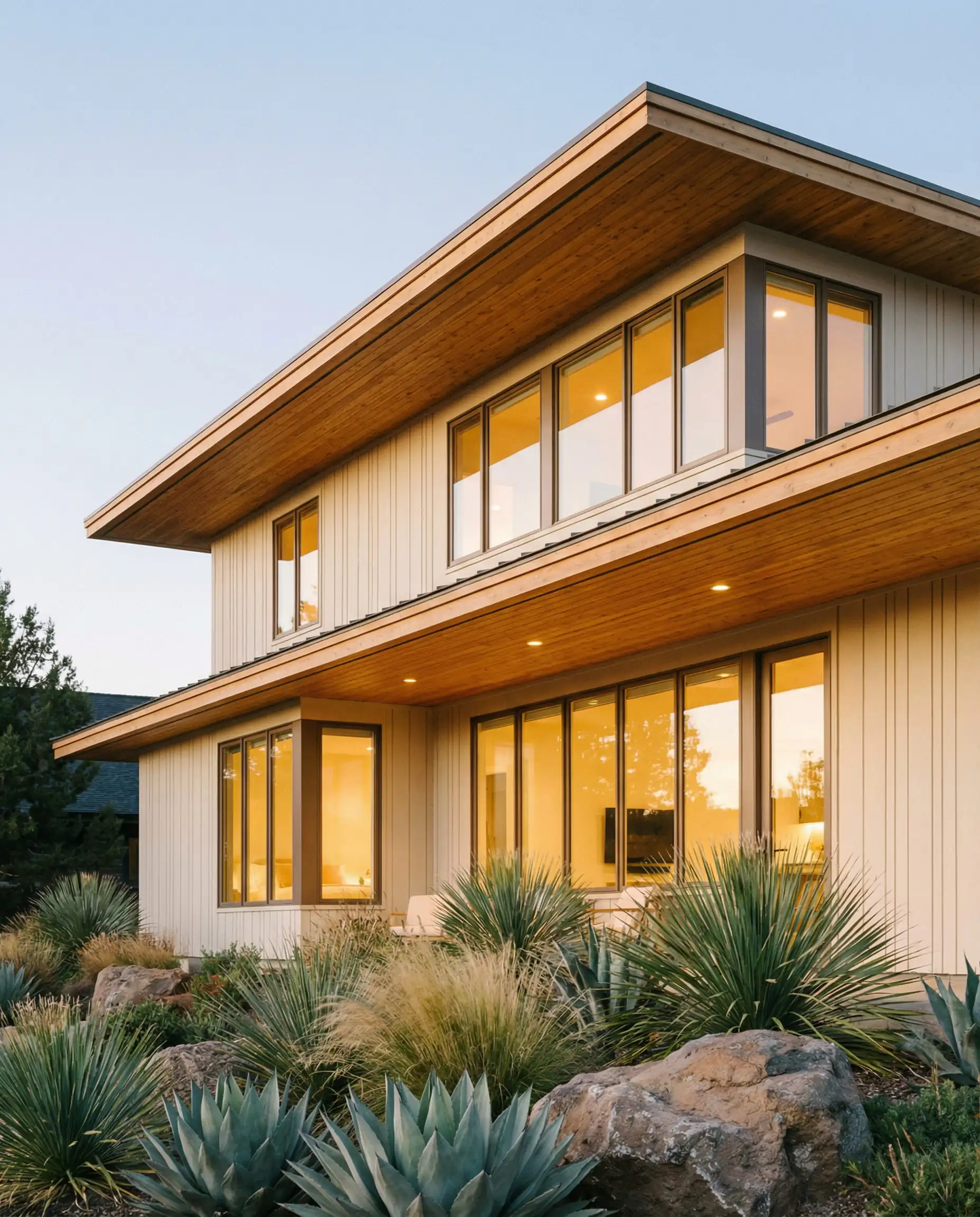
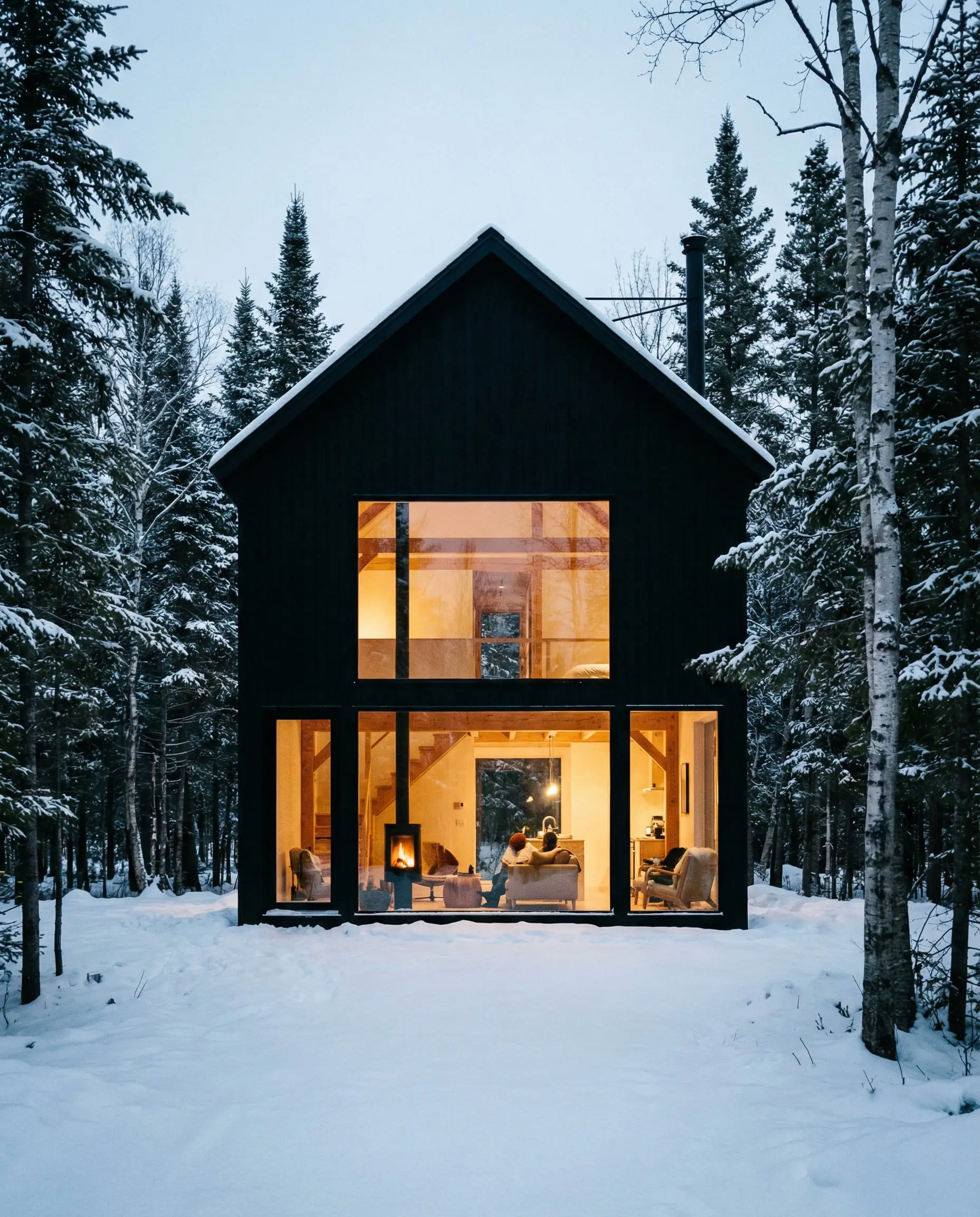
Look #2: The Dark Scandi
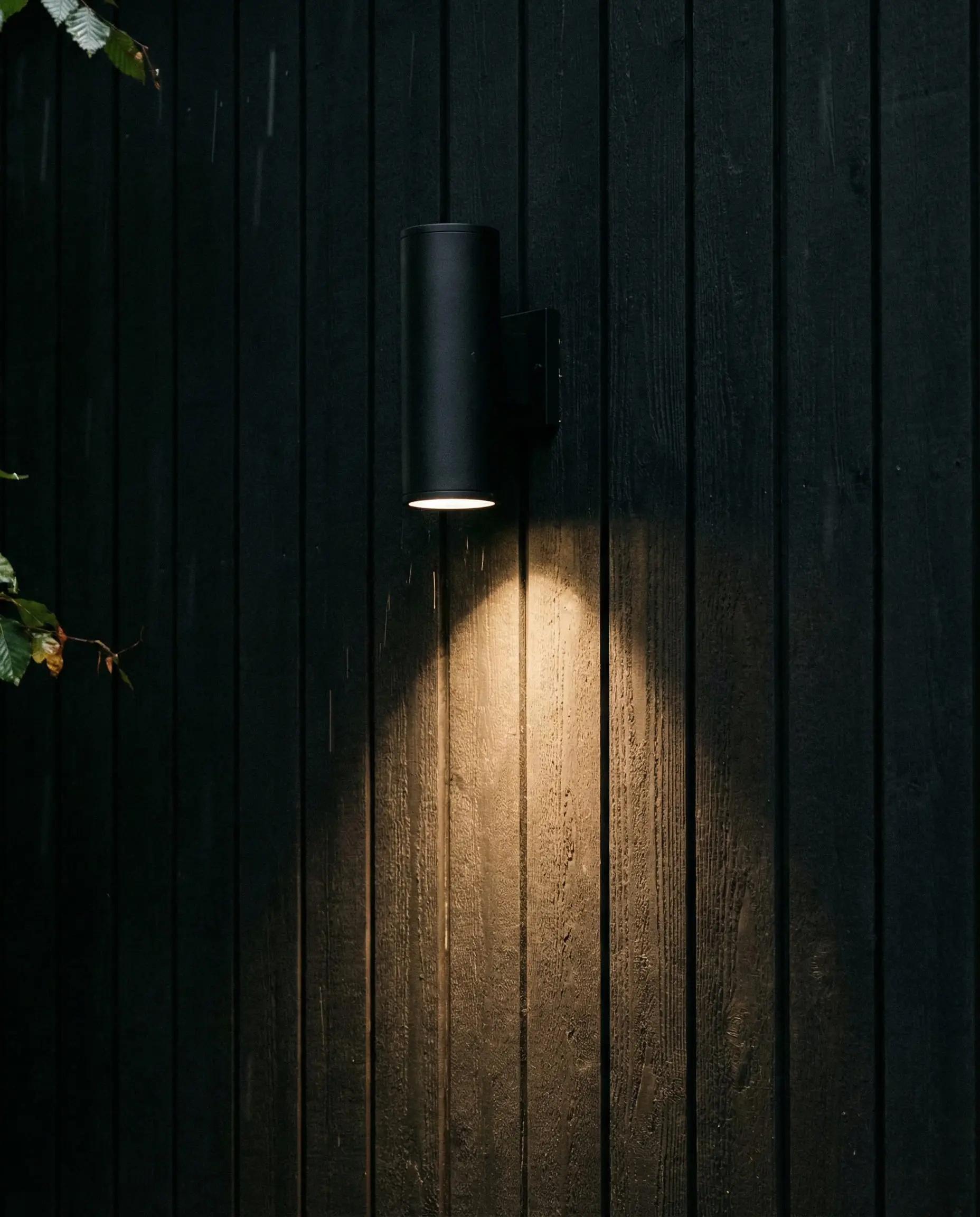
Look #3: The New Traditional
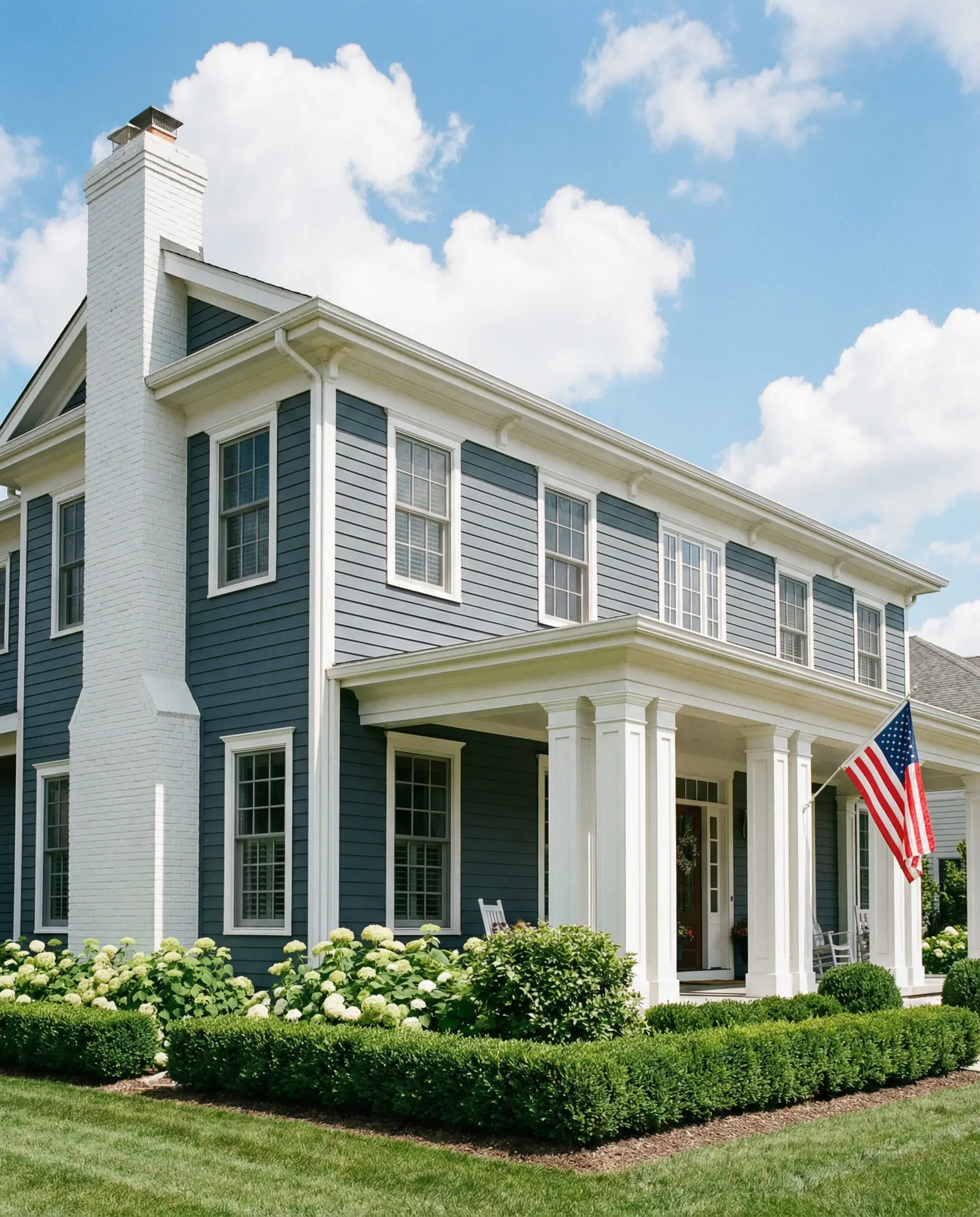
5. Siding & Sustainability: The Invisible Trend
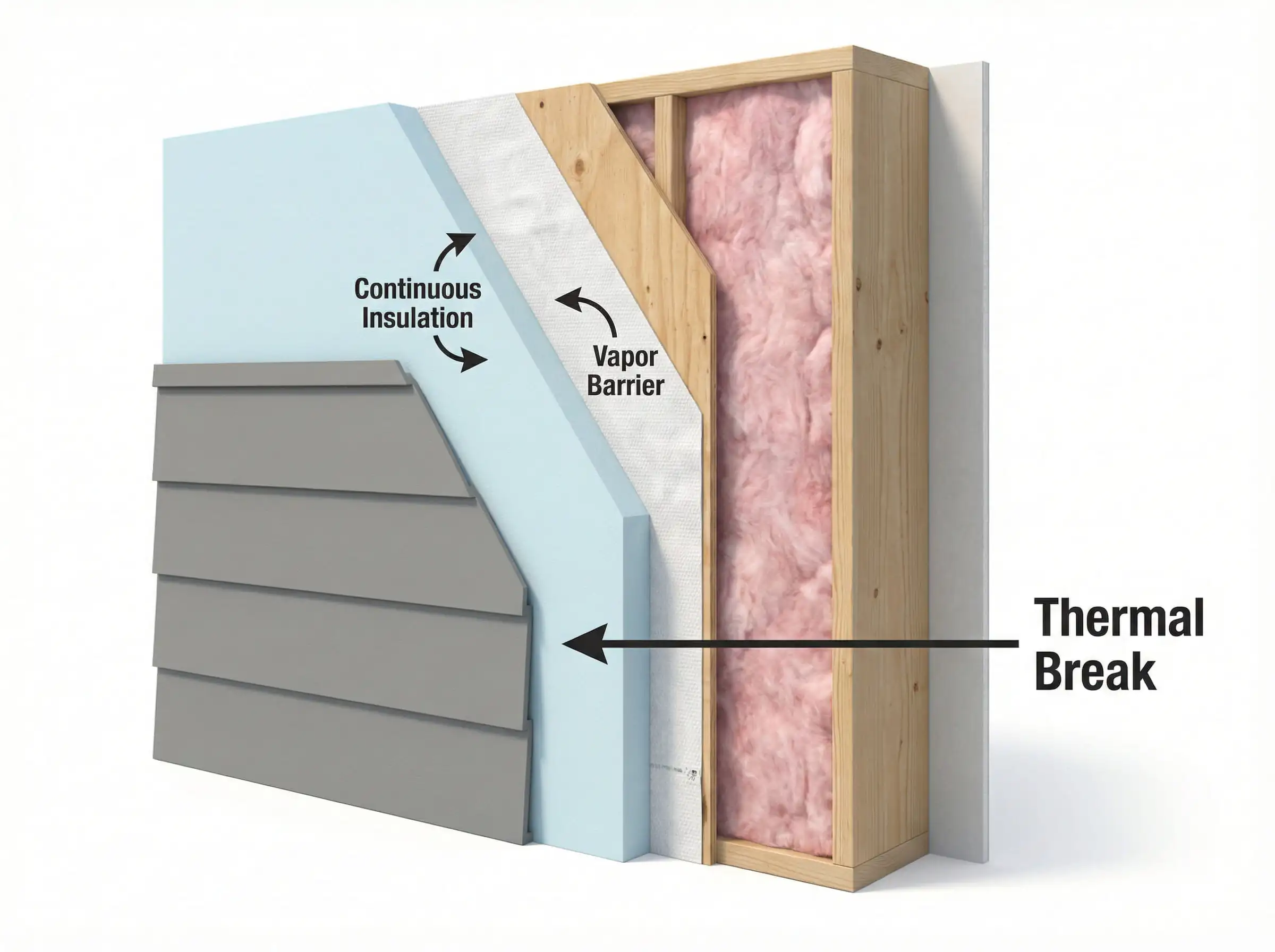
We cannot discuss 2026 trends without mentioning efficiency. New energy codes and eco-conscious homeowners are driving demand for siding that does more than just look good.
6. Frequently Asked Questions (FAQ)
Here are the most common questions we hear from homeowners regarding 2026 exterior updates.
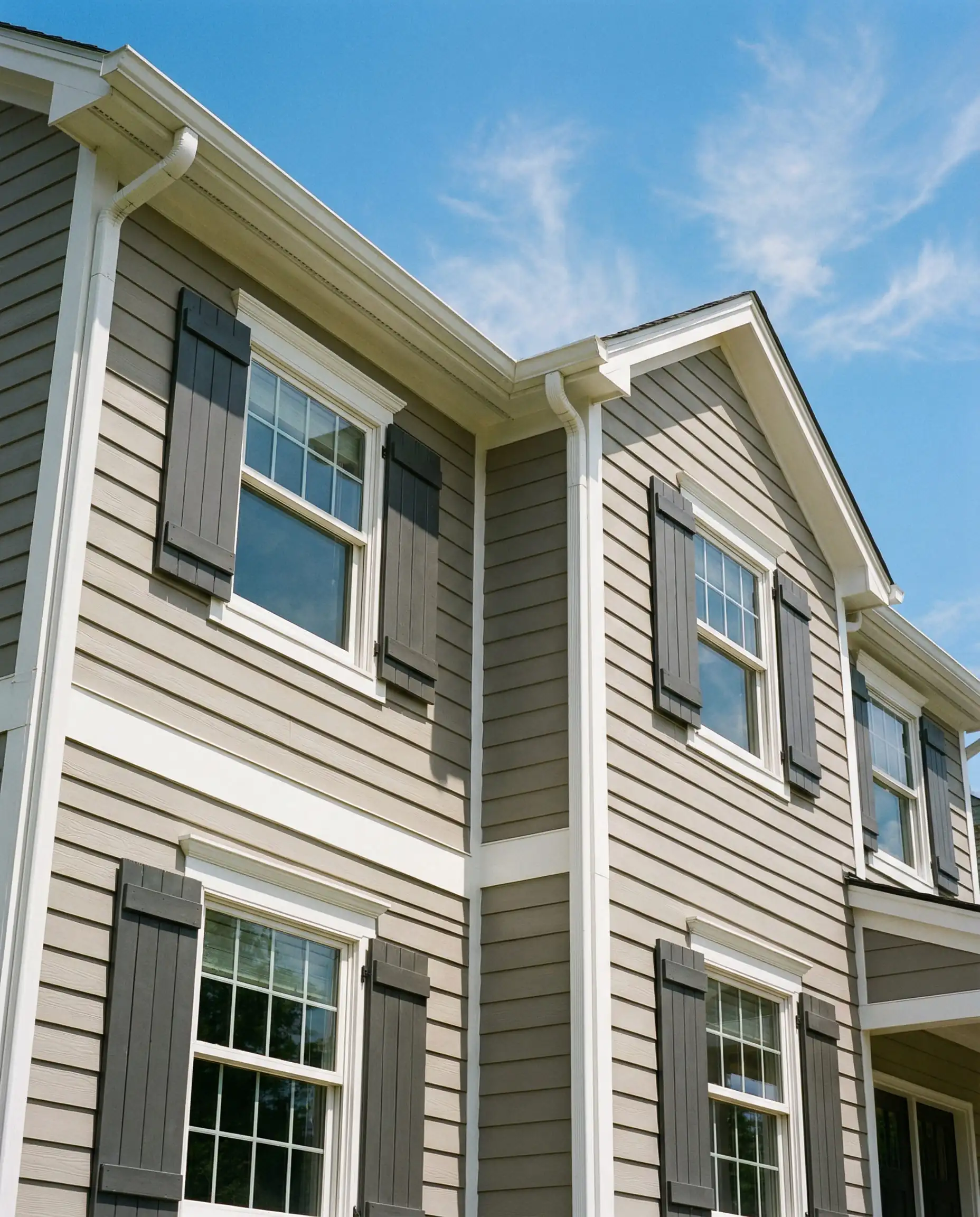
A: Standard, cheap builder-grade vinyl is declining. However, premium vinyl is still very popular. High-end vinyl that mimics the texture of wood (and offers insulated backing) remains a top contender because it offers the “look” of fiber cement at a lower price point. If you choose vinyl, opt for a darker color with UV-resistant technology.
A: While there isn’t one single winner, the “Green” family is having a massive moment. From Sage to Forest, green is the new neutral. It pairs with wood, stone, and black or white windows. Closely following green are deep charcoals and warm creams.
A: You can drastically change your look with paint and accents.
Paint your existing siding: If the material is in good condition, professional painting can transform a yellow house into a modern white or grey one.
Update the “Jewelry”: Change your house numbers, exterior lighting, and mailbox to modern styles.
Add Wood Accents: Wrapping plain porch columns in cedar or adding wood shutters can modernize a stale exterior.
A: Generally, yes. Board and Batten is slightly more labor-intensive to install and often requires more material cuts. However, the cost difference has narrowed, and many homeowners find the increase in curb appeal (and resale value) worth the slight premium.
7. Conclusion: Making the Right Choice for Your Home
The siding trends of 2026 are inviting us to be bolder, warmer, and more thoughtful. We are moving away from the “disposable” look of cheap materials and toward exteriors that feel solid, crafted, and integrated with nature.
Whether you fall in love with the drama of a Midnight Navy fiber cement or the quiet elegance of a Warm Taupe stucco, the most important trend is quality. Siding is the skin of your home—it protects your investment. Choose materials that offer the durability you need for your climate, and choose colors that bring you joy every time you pull into the driveway.
Ready to start your transformation?
Updating your siding is a big project, but the payoff in curb appeal and energy efficiency is unmatched. Browse the Hackrea Inspiration Gallery for more real-life examples of these 2026 trends, or reach out to a local professional to get samples in your hands.
Disclaimer: Trends vary by region. Always consult with a local contractor to understand which materials perform best in your specific climate conditions.