The Ultimate Guide to Large Canvas Wall Art Ideas: 2026 Trends & Styling Secrets
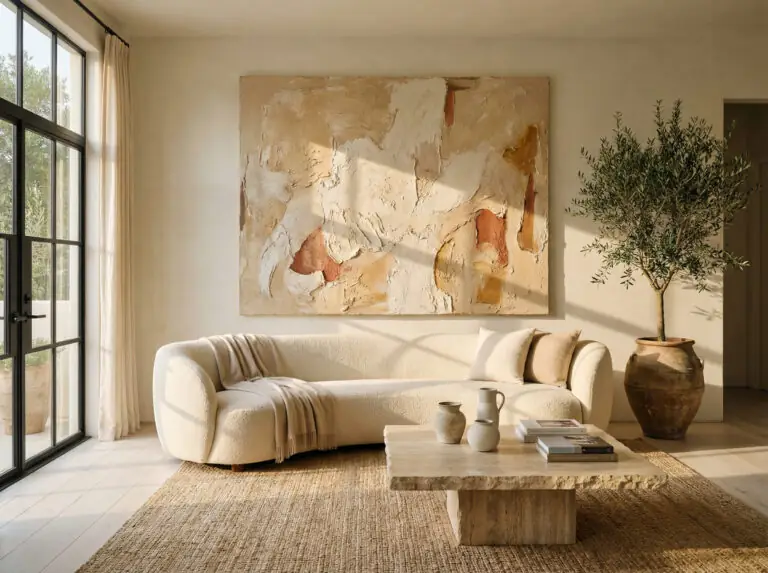
There is a distinct sound a room makes when it is unfinished. It’s a slight echo—a visual silence that bounces off empty, expansive walls. We have all been there: standing in front of a massive blank wall in the living room or above the bed, feeling overwhelmed by the white space.
For a long time, the solution was the “gallery wall”—a collection of small frames that required complex math and a lot of nail holes to get right. But in 2026, the tide has shifted. We are entering the era of the Statement Piece.
Large canvas wall art is the interior design equivalent of a mic drop. It is bold, it anchors the room immediately, and surprisingly, it makes a space feel larger and less cluttered than a collection of smaller items. Whether you are looking for high-end “quiet luxury” vibes or a budget-friendly DIY project, oversized art is the most effective tool in your decorating arsenal.
In this guide, we will break down exactly how to choose, style, and hang large canvas art, along with the top trends dominating homes this year.
The Golden Rules of Choosing Large Wall Art
Before we dive into the creative themes, we need to address the technical side. Nothing ruins a beautiful piece of art faster than the wrong scale. A canvas that is too small looks like a postage stamp; one that is too large can feel claustrophobic.
To achieve that professional “designer look,” you need to follow a few structural principles.
1. The 2/3 Rule (Sizing It Right)
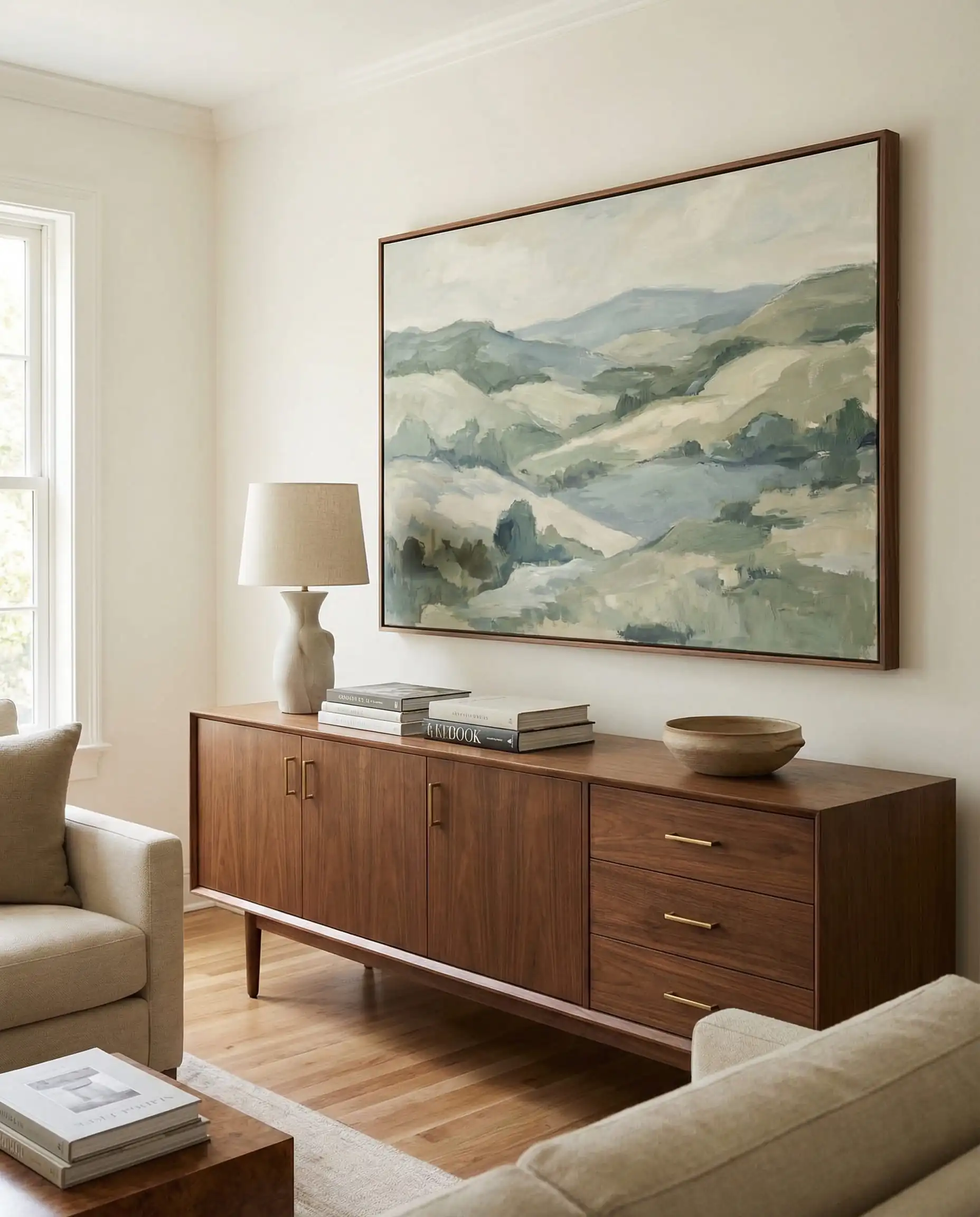
If you remember only one thing from this guide, let it be the 2/3 Rule. When hanging art above a piece of furniture—be it a sofa, a headboard, or a sideboard—the canvas should span approximately two-thirds to three-quarters of the width of that furniture.
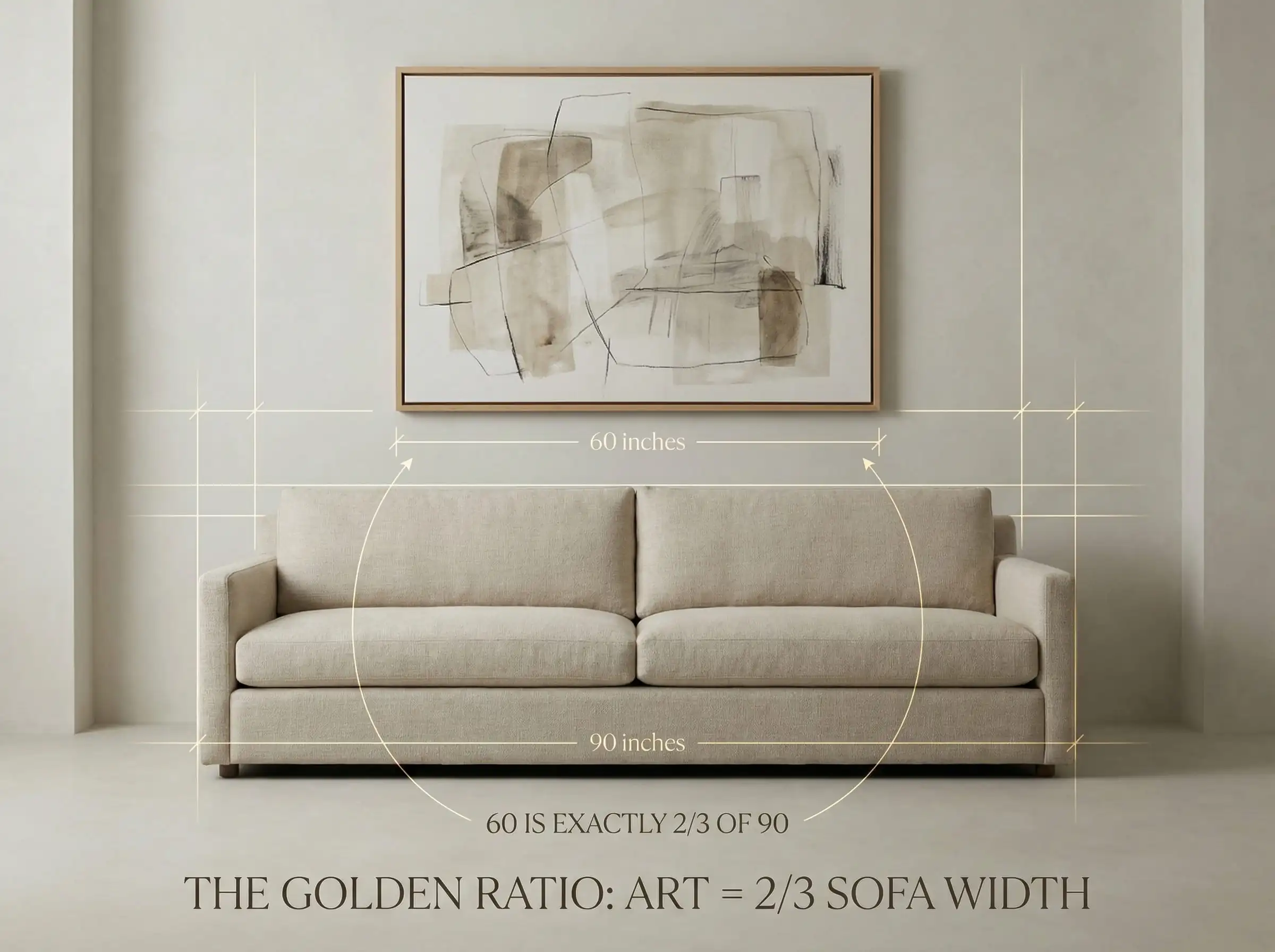
Struggling to visualize the size? Don’t guess! Use blue painter’s tape to outline the dimensions of the canvas on your wall before you buy it. Live with the outline for 24 hours to see how it feels in the room.
🎨 Hackrea Designer Tip
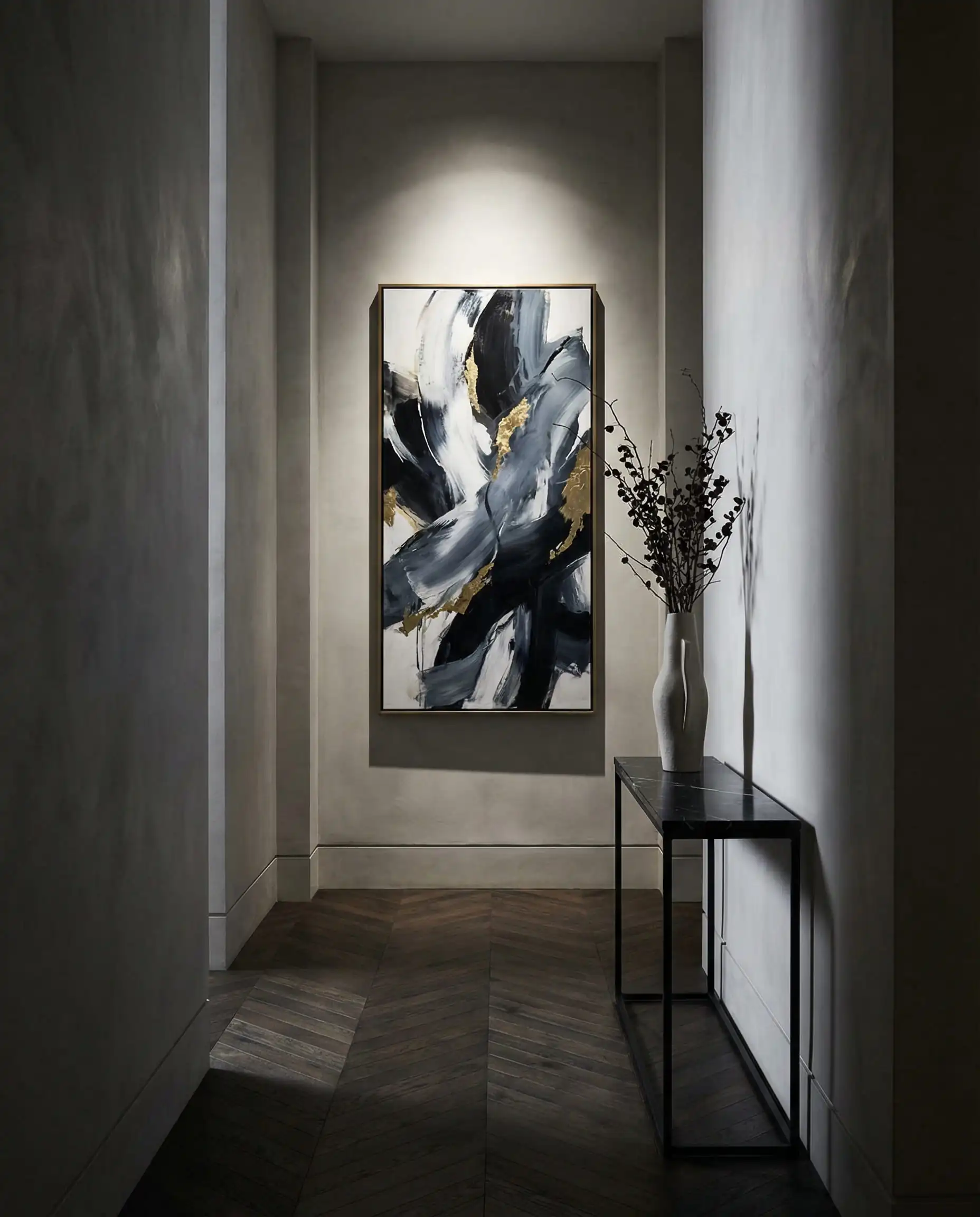
2. Orientation Matters
The shape of your canvas dictates the energy of the room.
3. Color Connection
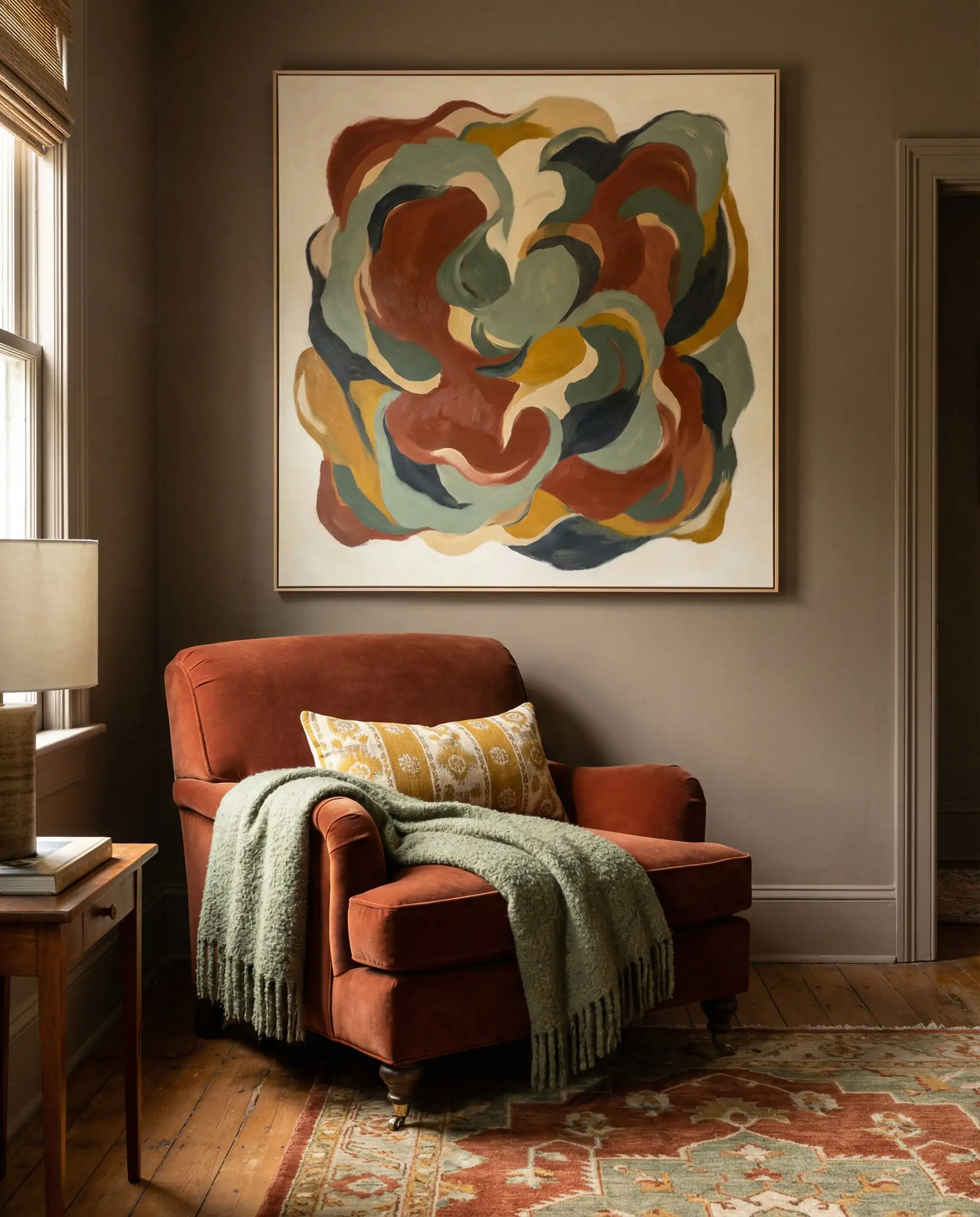
You don’t need your art to match your room perfectly—in fact, it’s often better if it doesn’t match too well. However, it should share a “visual language.” Look for a canvas that contains one or two accent colors found elsewhere in the room (like in your throw pillows, rug, or curtains).
Learn more about coordinating colors in our Interior Color Trends Guide.
Top 7 Large Canvas Wall Art Trends for 2026
The trends for 2026 are moving away from chaotic pop art and toward texture, nature, and emotional resonance. Here is what is trending in the world of large-scale decor right now.
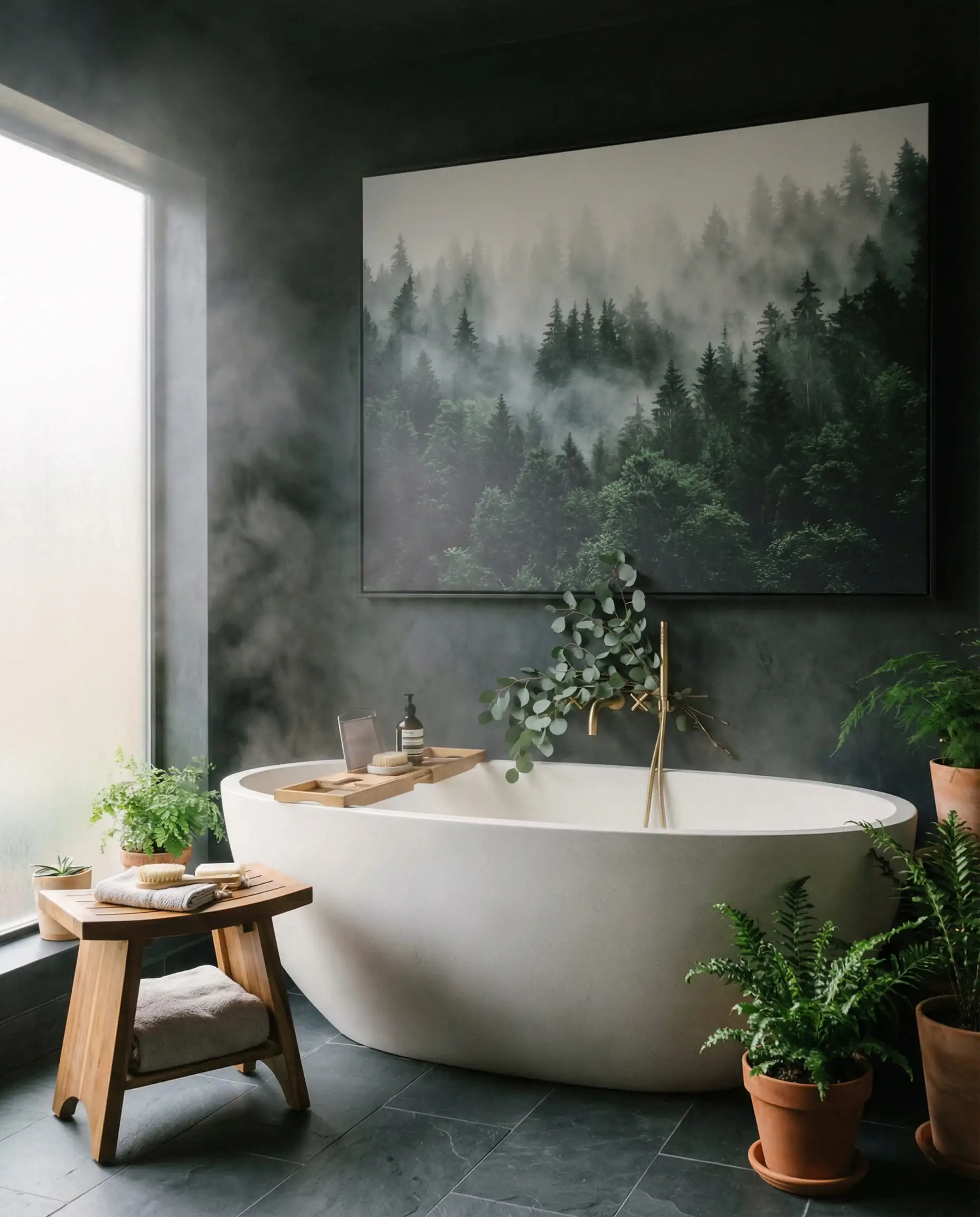
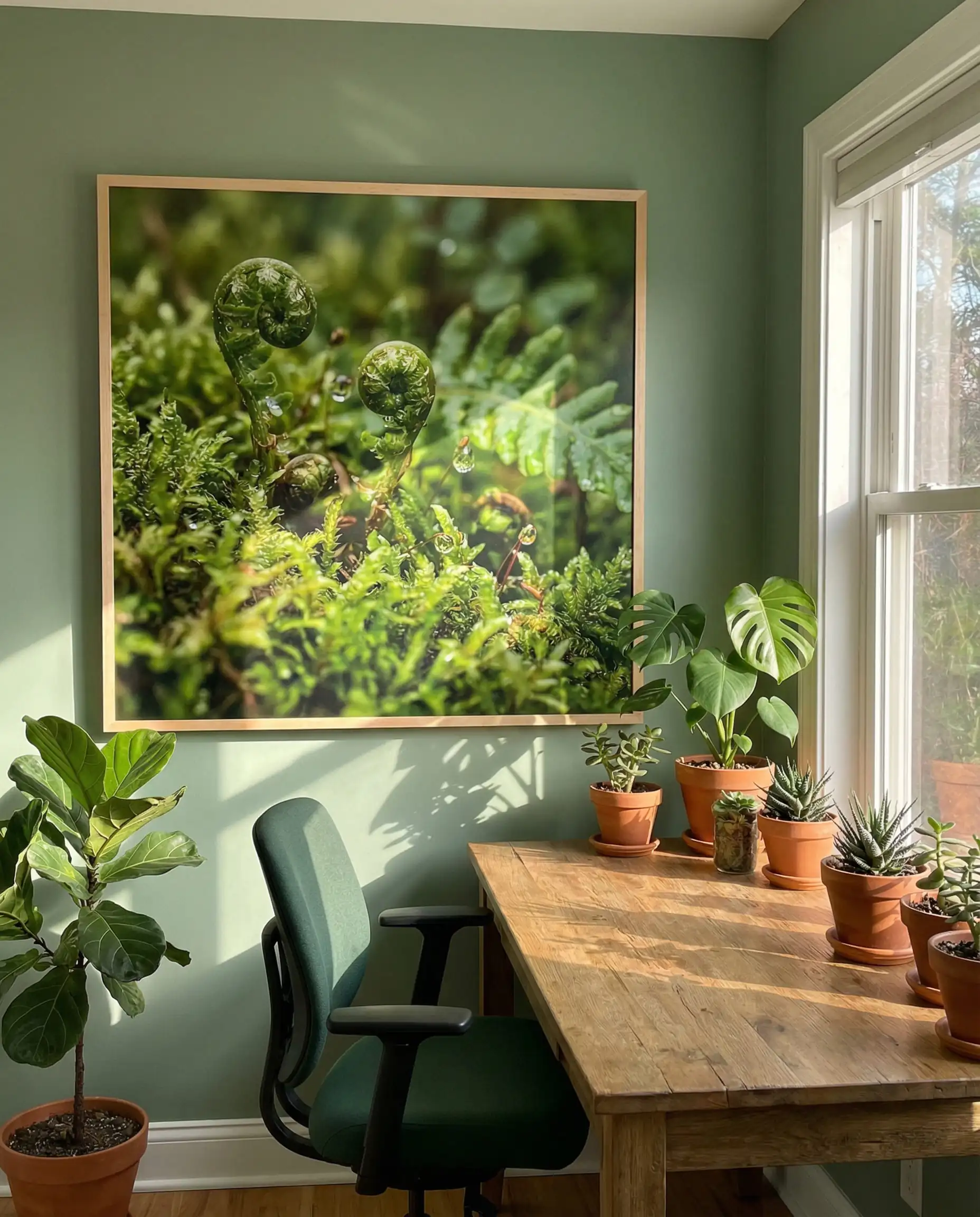
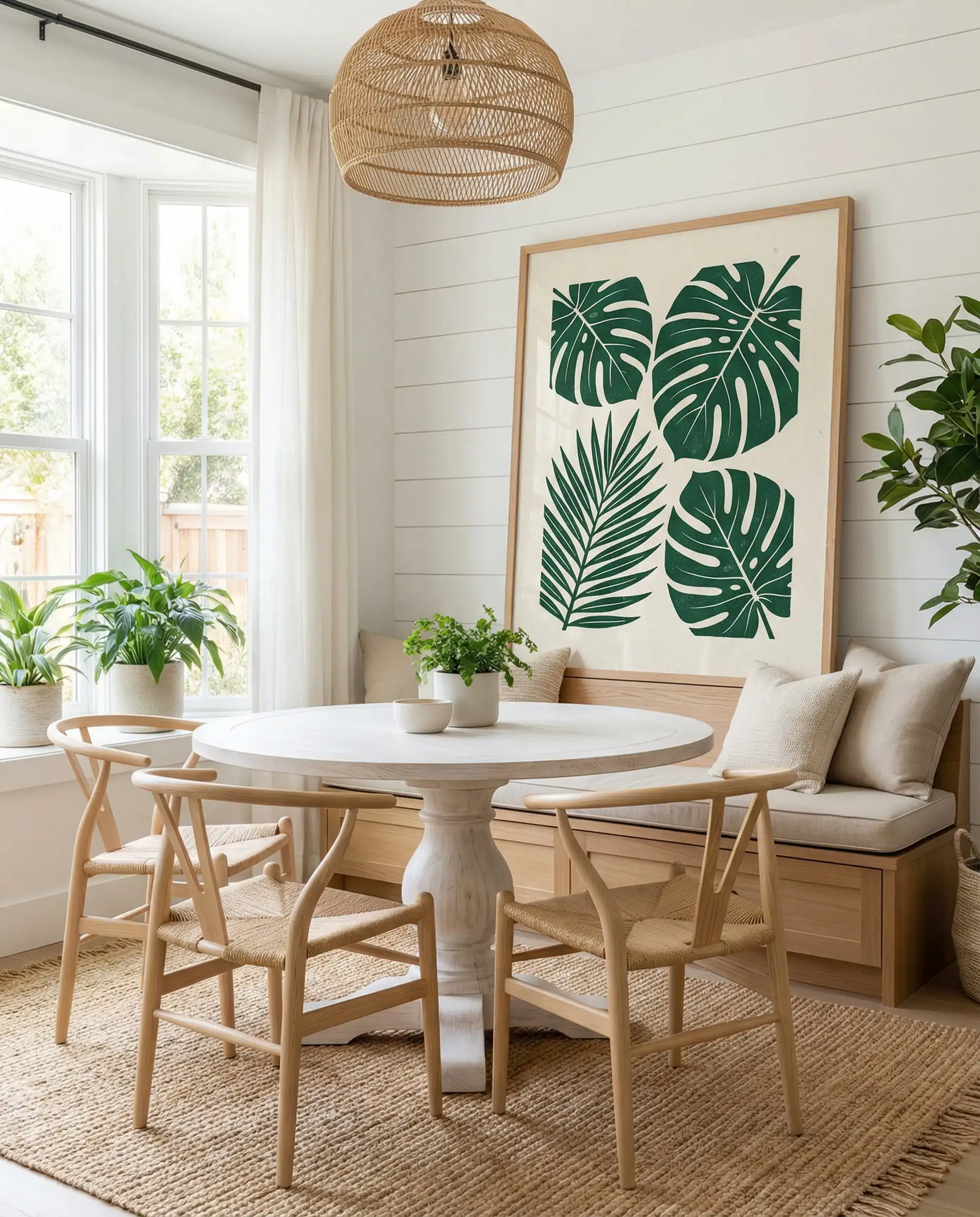
1. Biophilic & “Living” Art
As we continue to prioritize wellness in our homes, “bringing the outdoors in” remains a massive theme. However, we aren’t just talking about pictures of leaves. The 2026 approach to biophilia is moody and immersive.
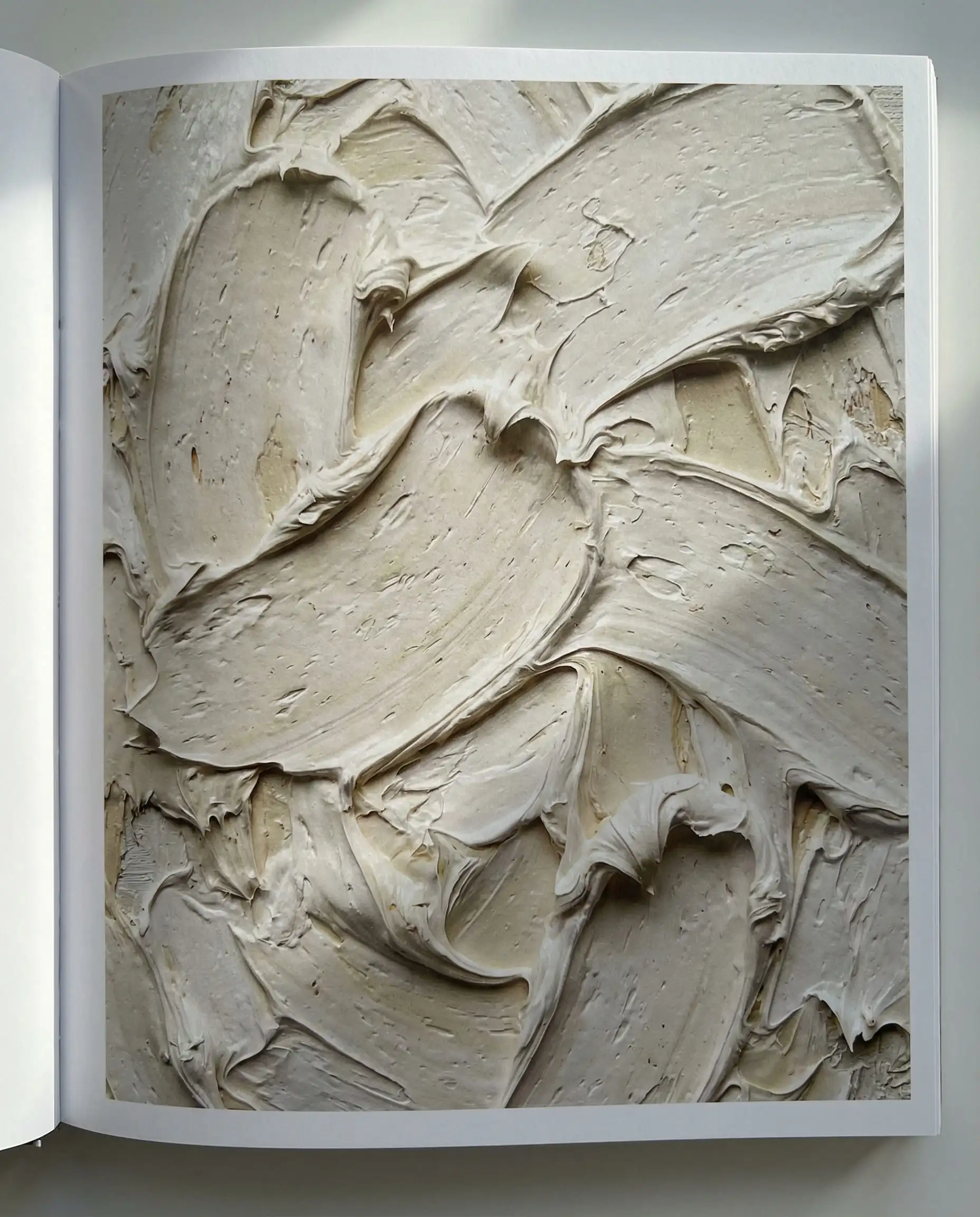
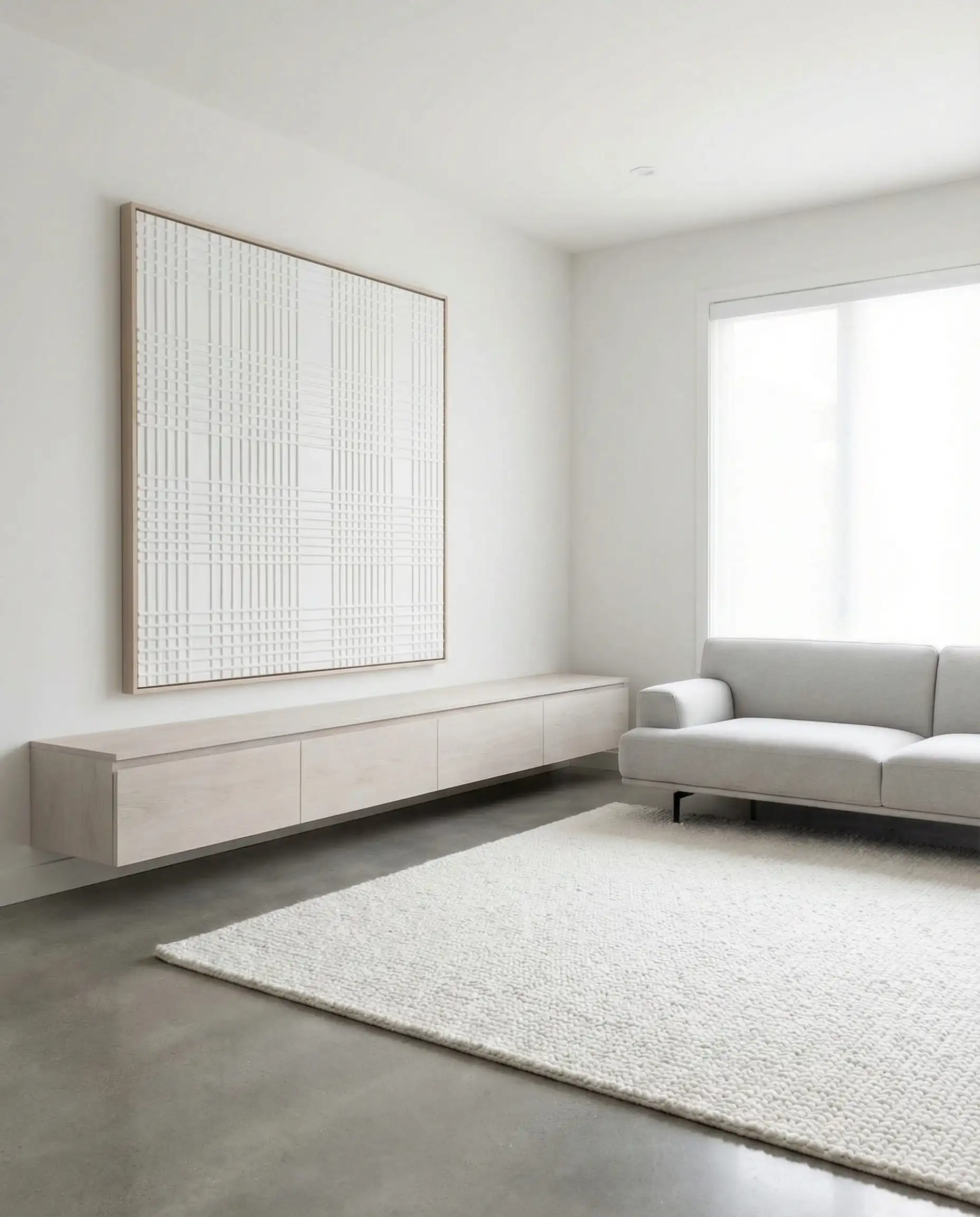
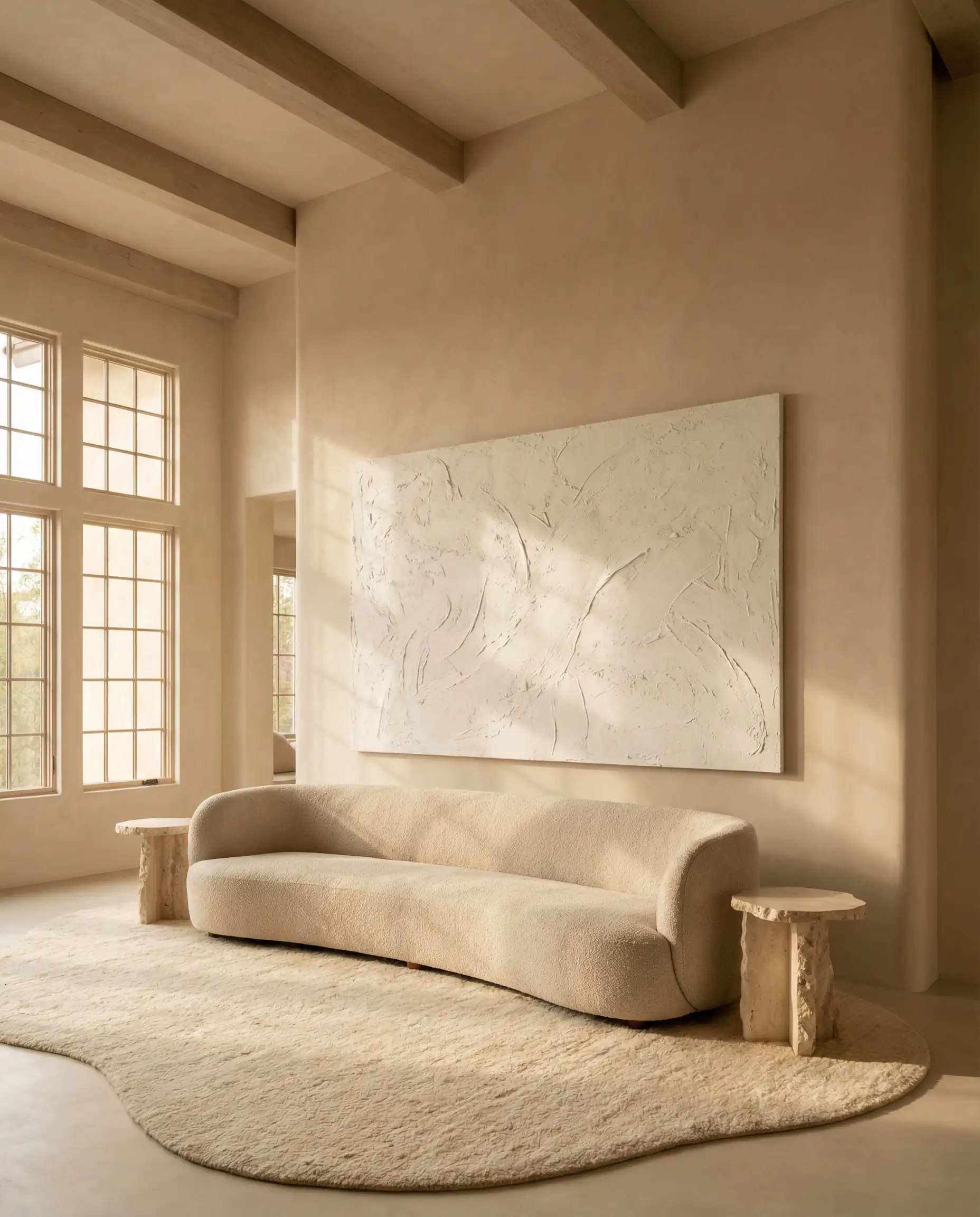
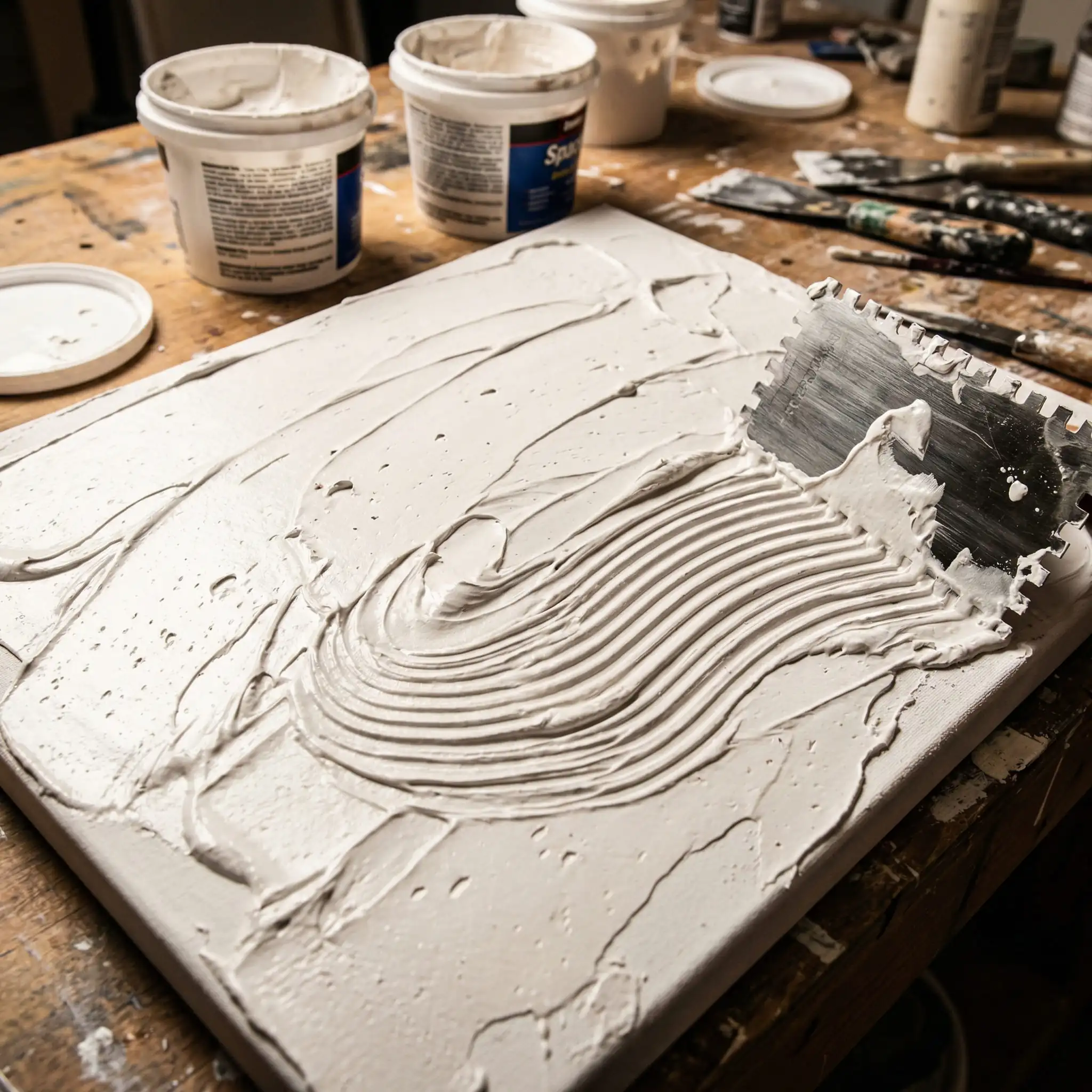
2. The “Textured White” Aesthetic (3D Art)
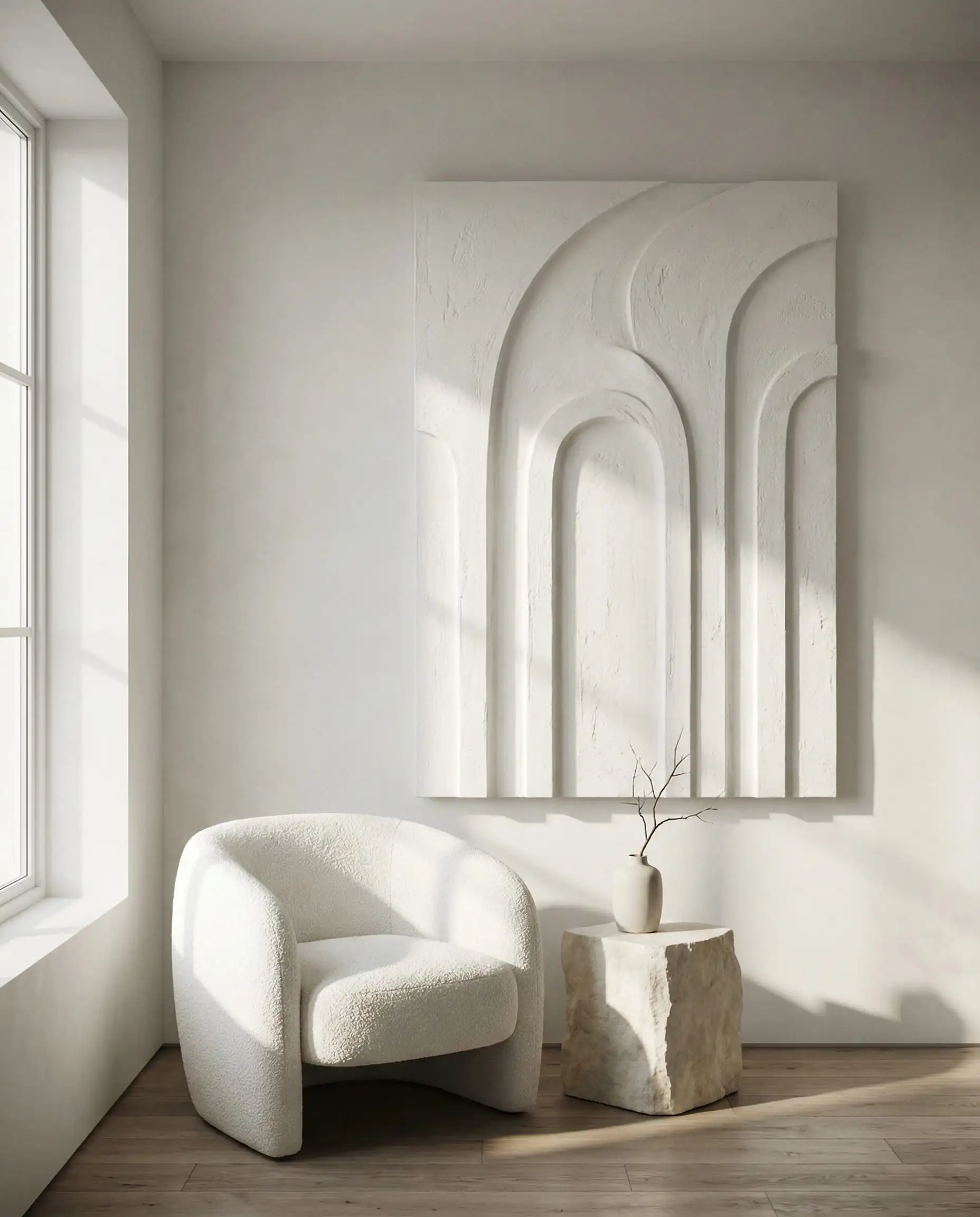
Social media has driven a massive resurgence in tactile art. Visually, these pieces are often monochromatic—white on white, cream on beige, or soft gray. The “art” isn’t in the color, but in the shadows created by the texture.
3. Warm Minimalism & Earth Tones
Say goodbye to the stark “gallery white” and “cool gray” era. 2026 is all about warmth. Large canvases utilizing terracotta, sage green, ochre, chocolate brown, and warm greige are dominating.
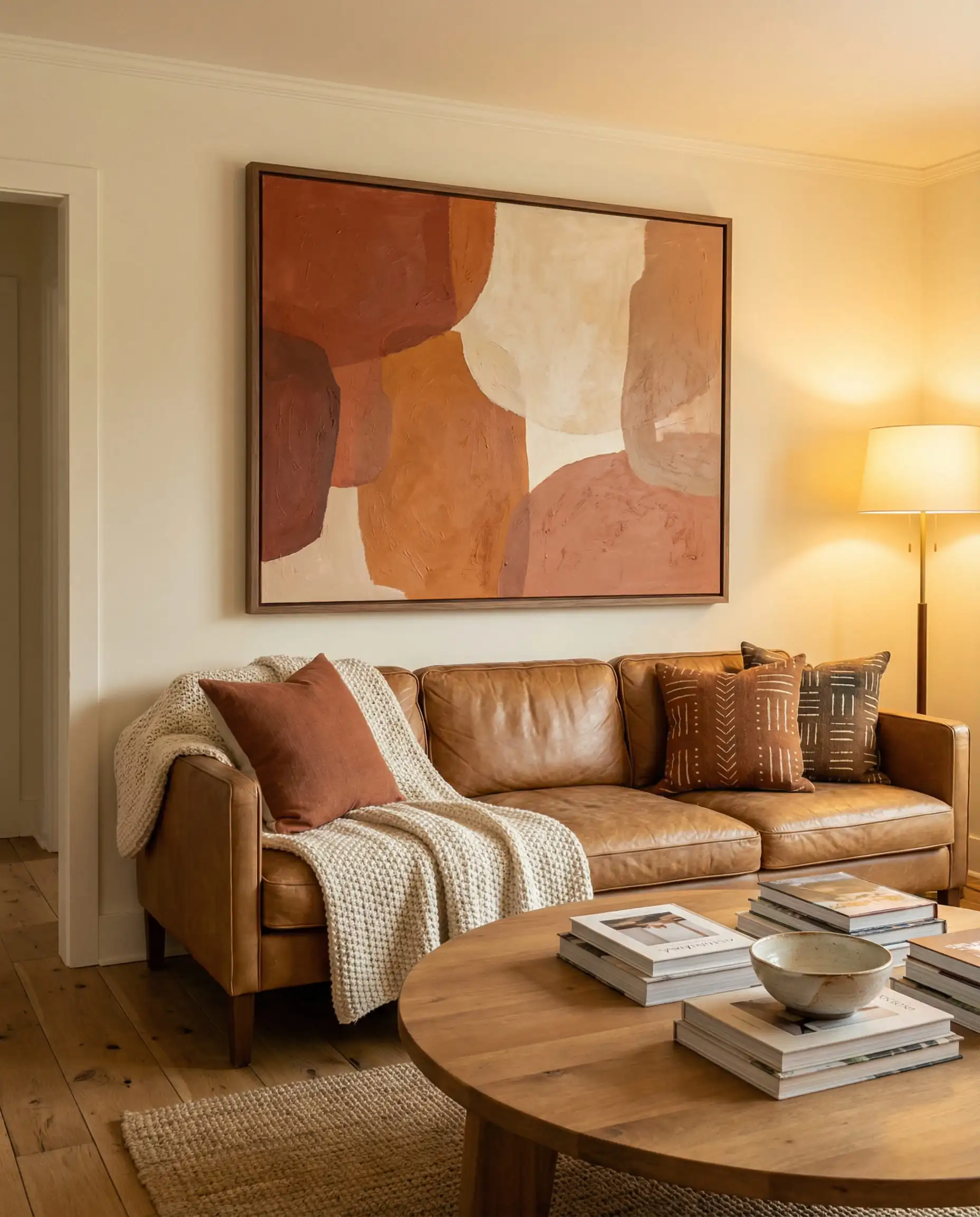
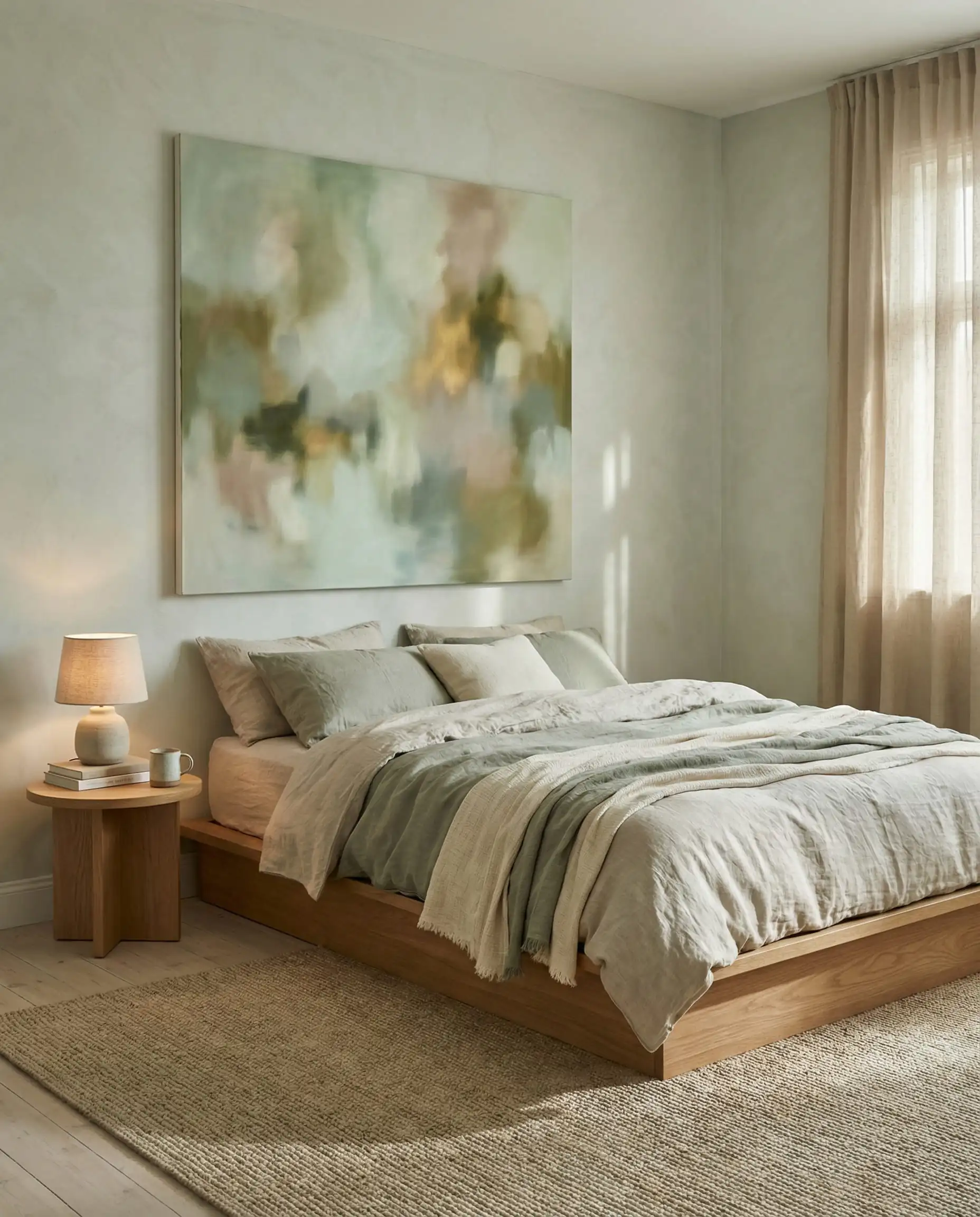
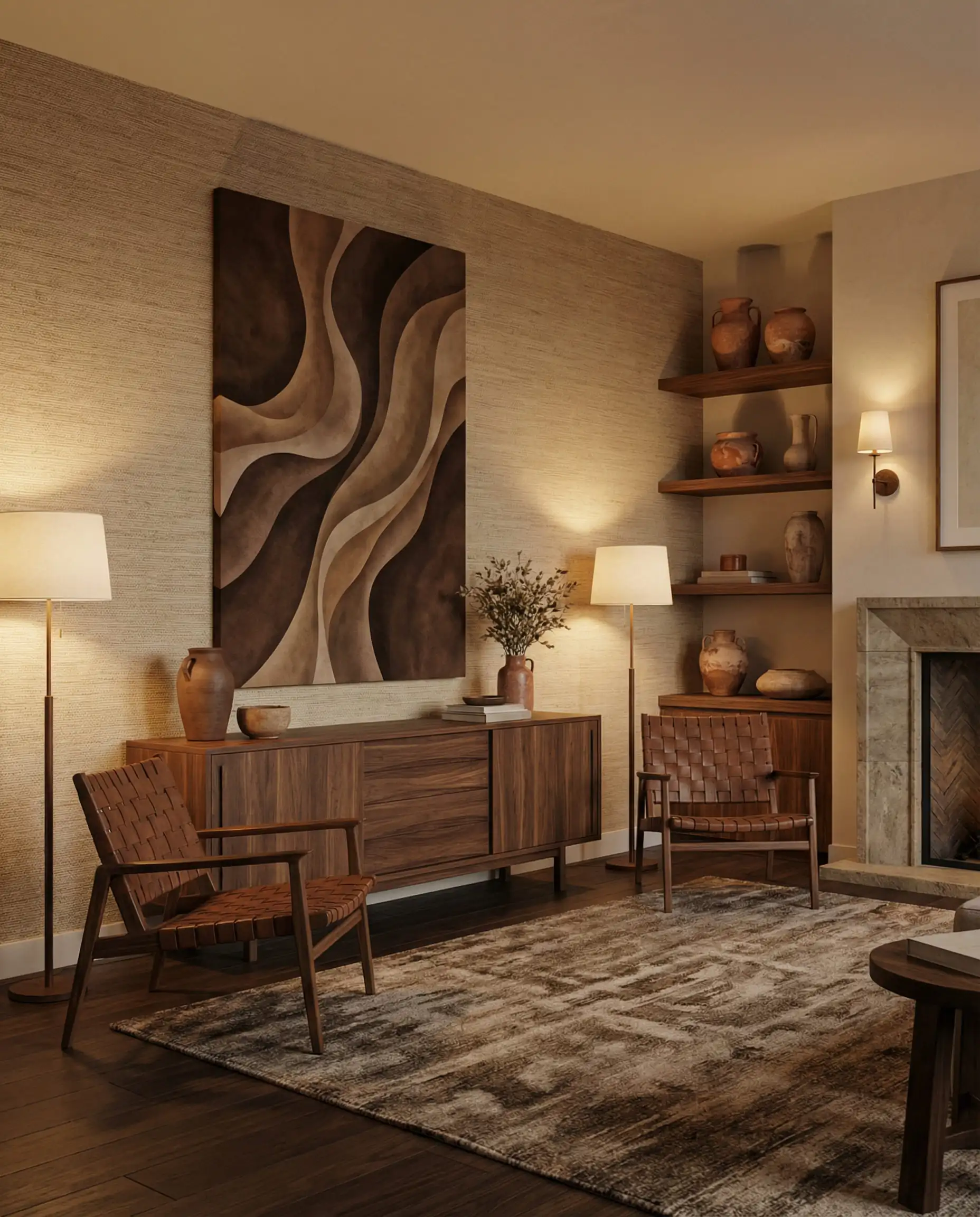
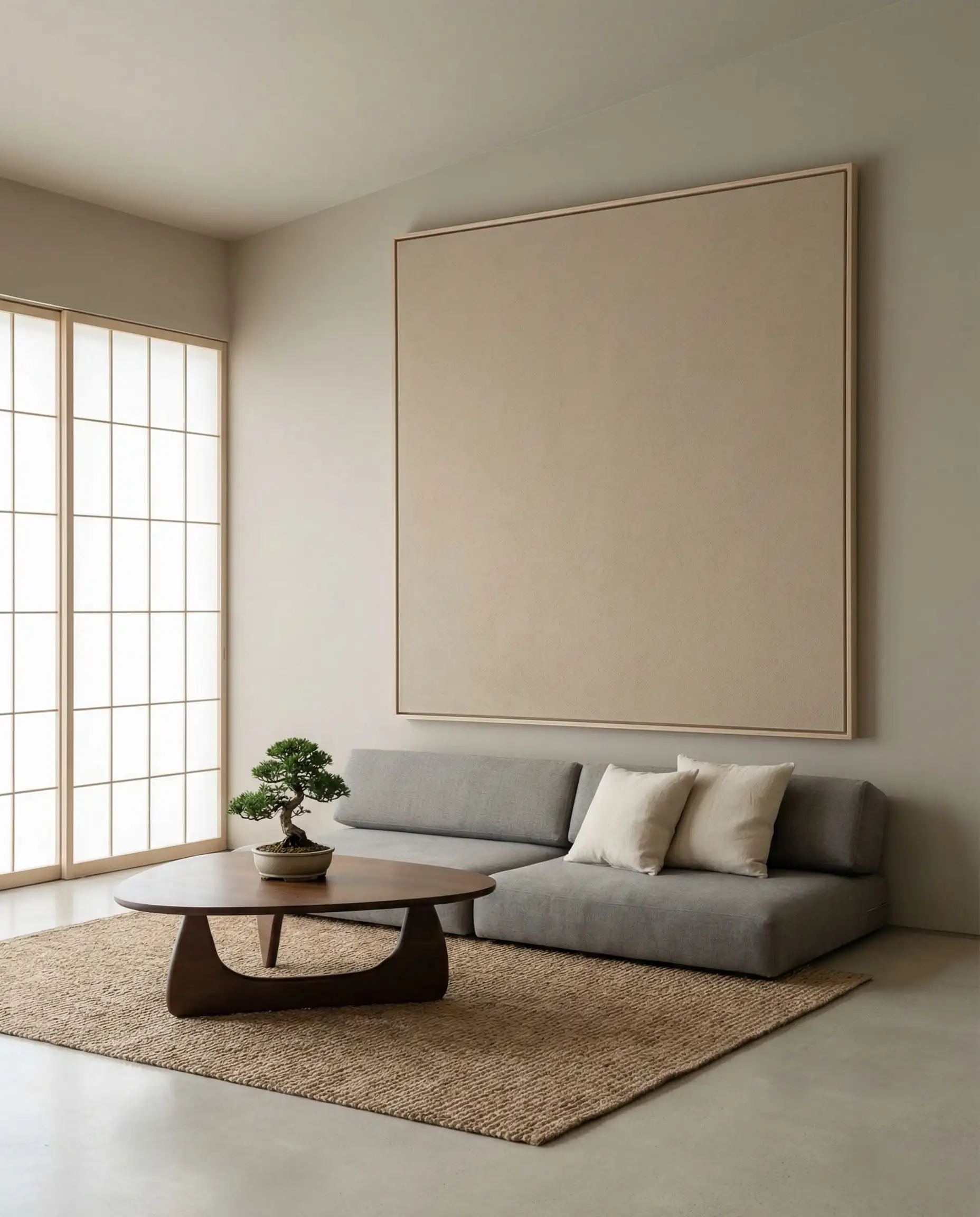
If your room feels “cold,” add a large canvas with warm tones (rust, gold, brown). It instantly raises the visual temperature of the space!
💡 Styling Tip
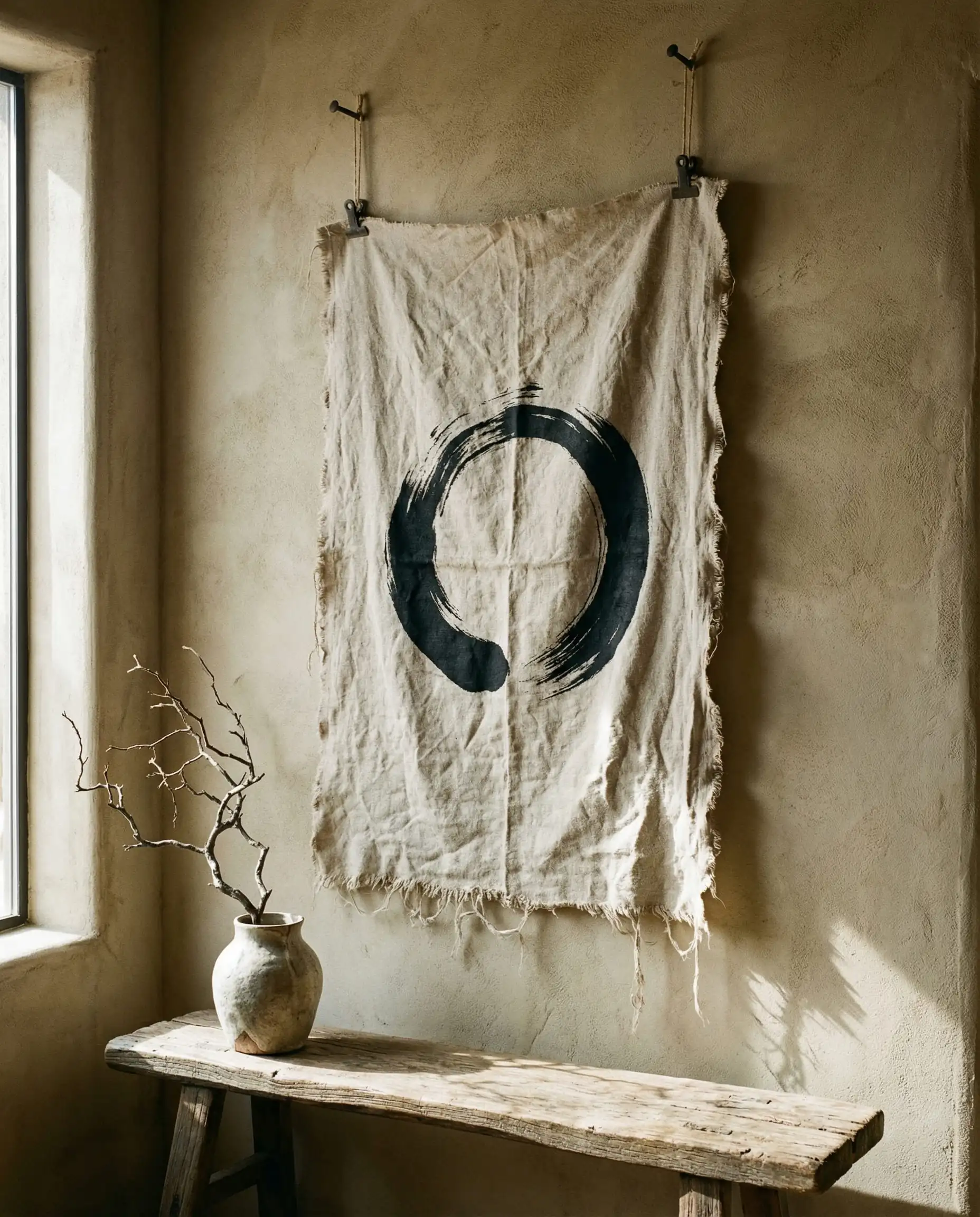
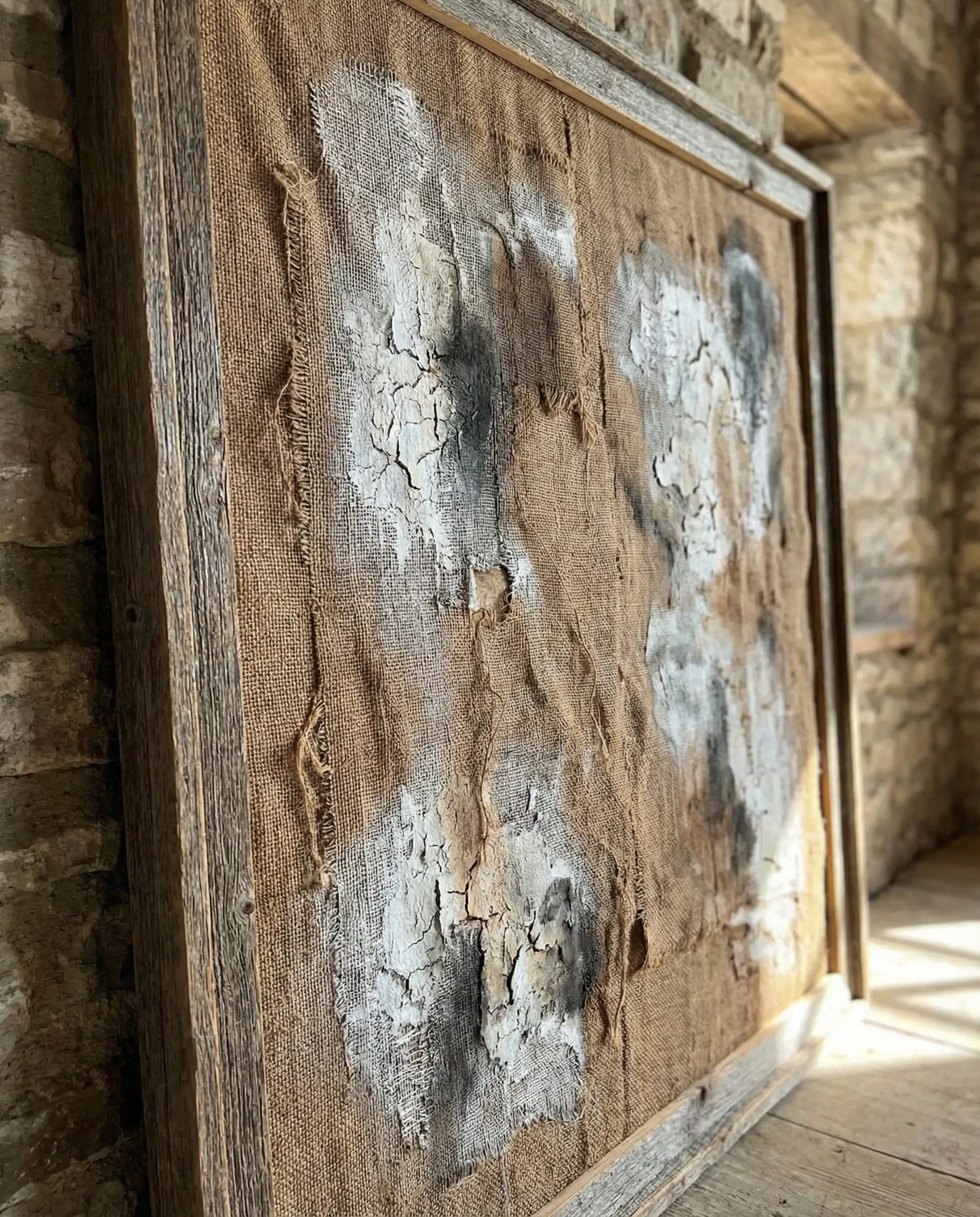
4. Wabi-Sabi & “Imperfect” Canvases
Embracing the beauty of imperfection, the Wabi-Sabi trend has influenced wall art significantly. This trend rejects the glossy, perfectly framed print.
5. Oversized Abstract Color Fields (The Rothko Effect)
“Quiet Luxury” is still a major influence in interior design. This art style mimics the famous works of Mark Rothko—large fields of soft, bleeding colors that fade into one another.
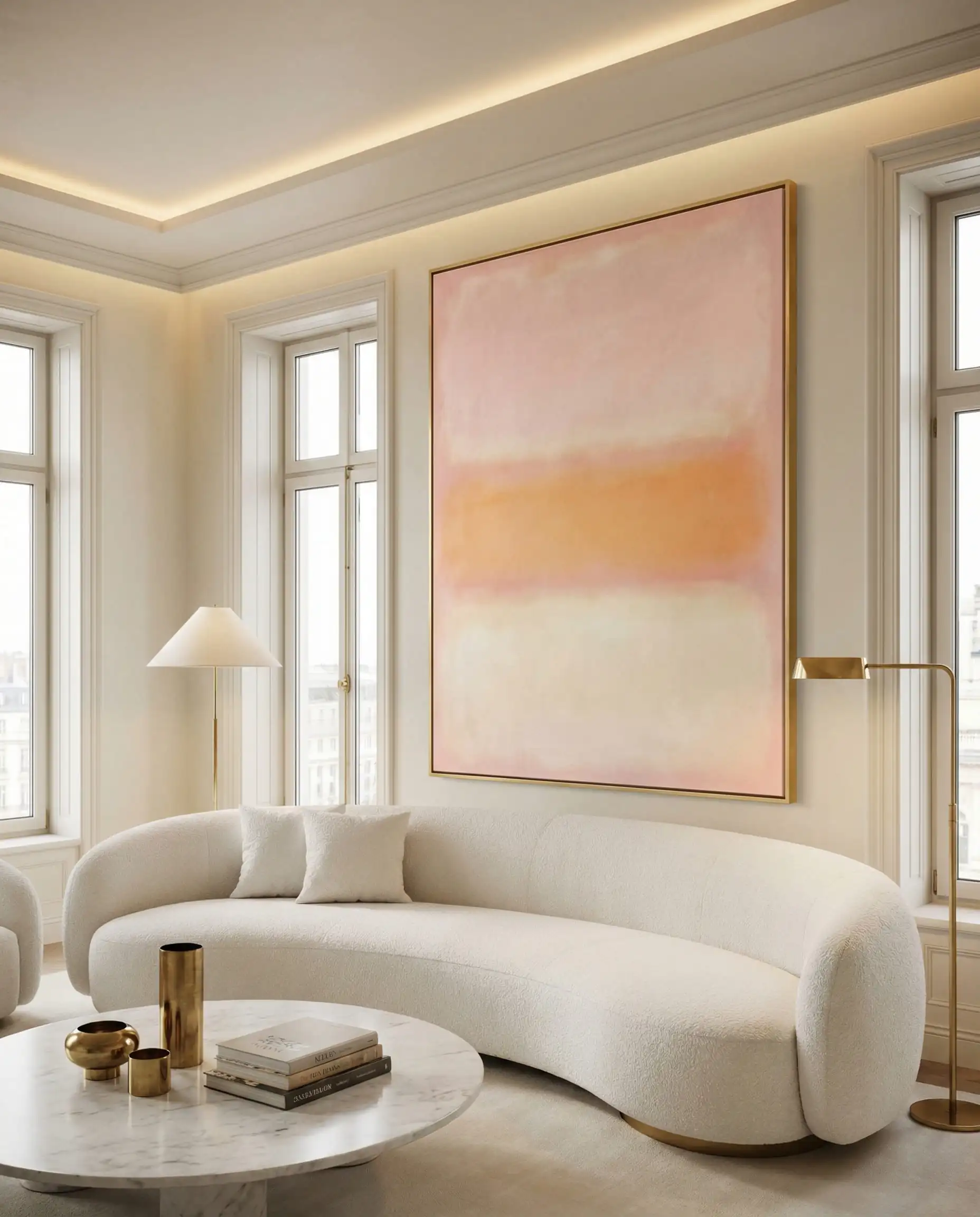
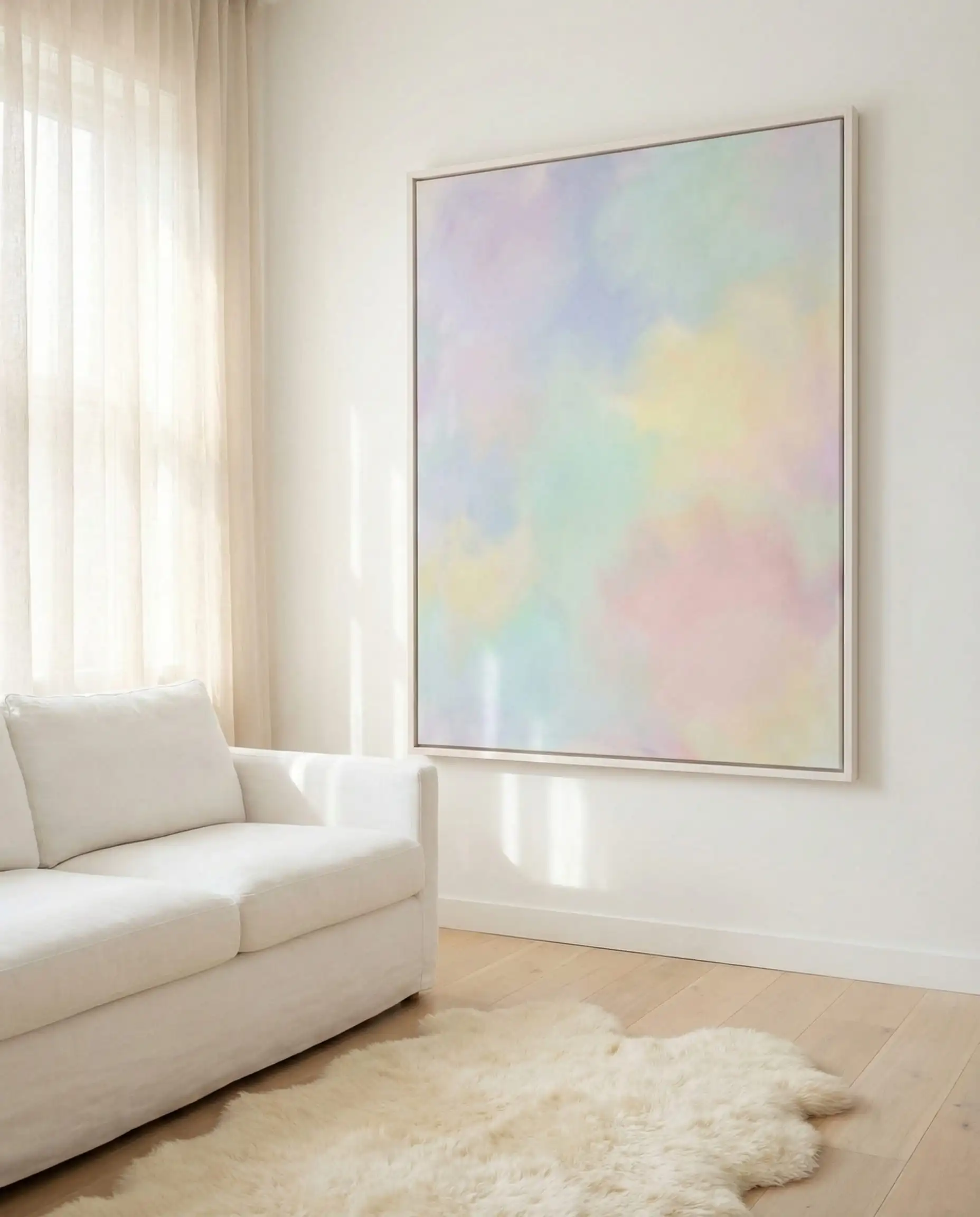
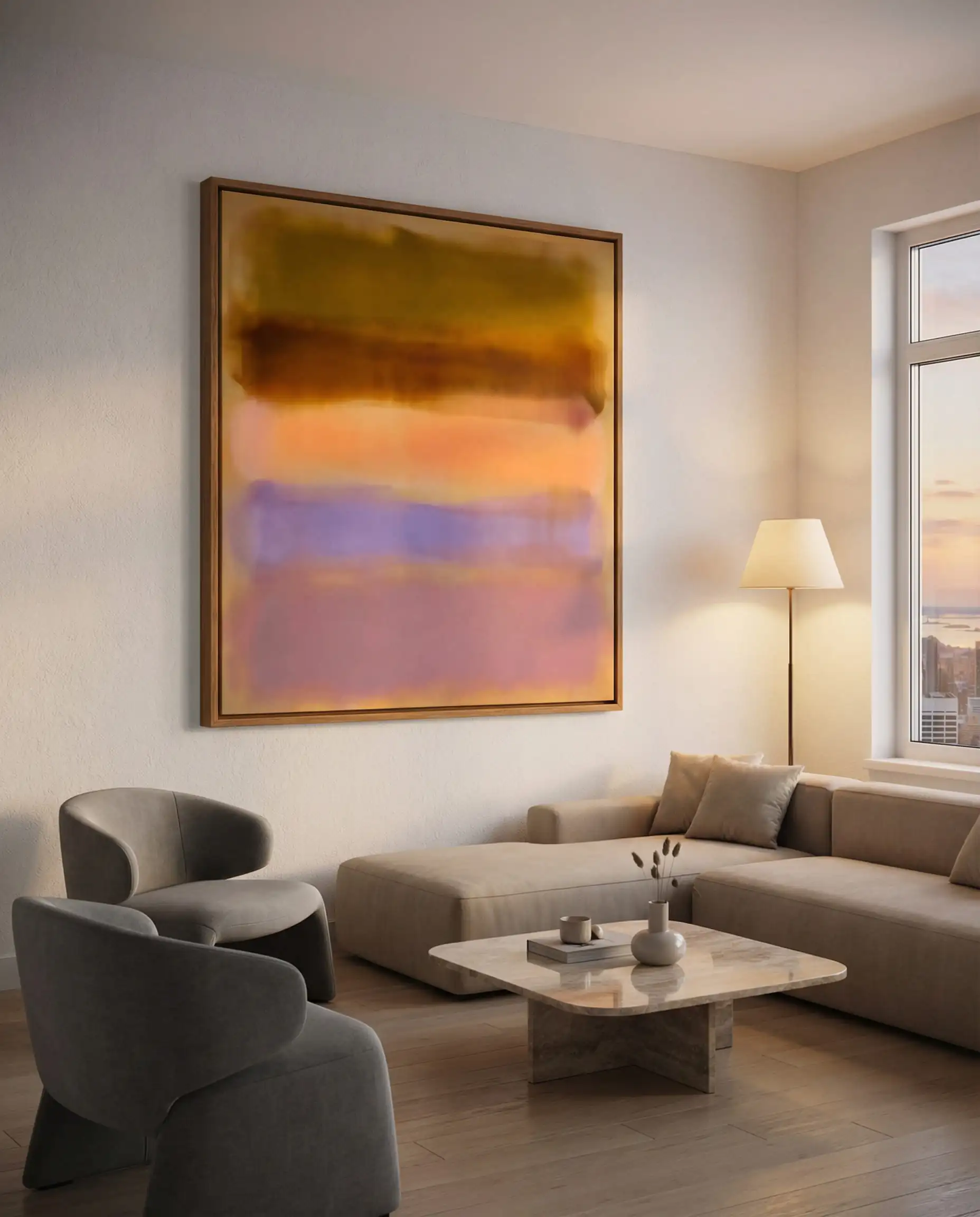
Discover how to incorporate Quiet Luxury into your living room.
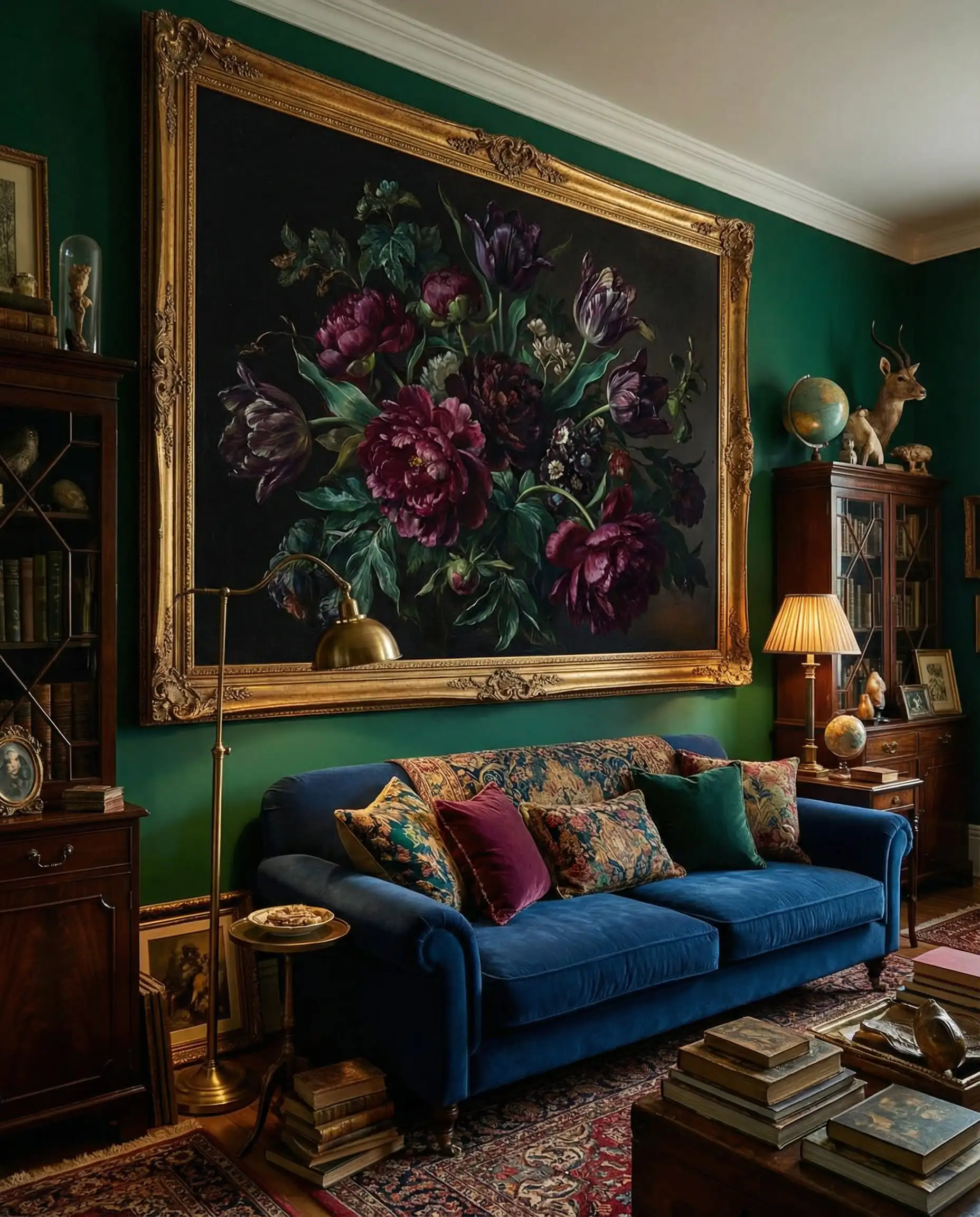
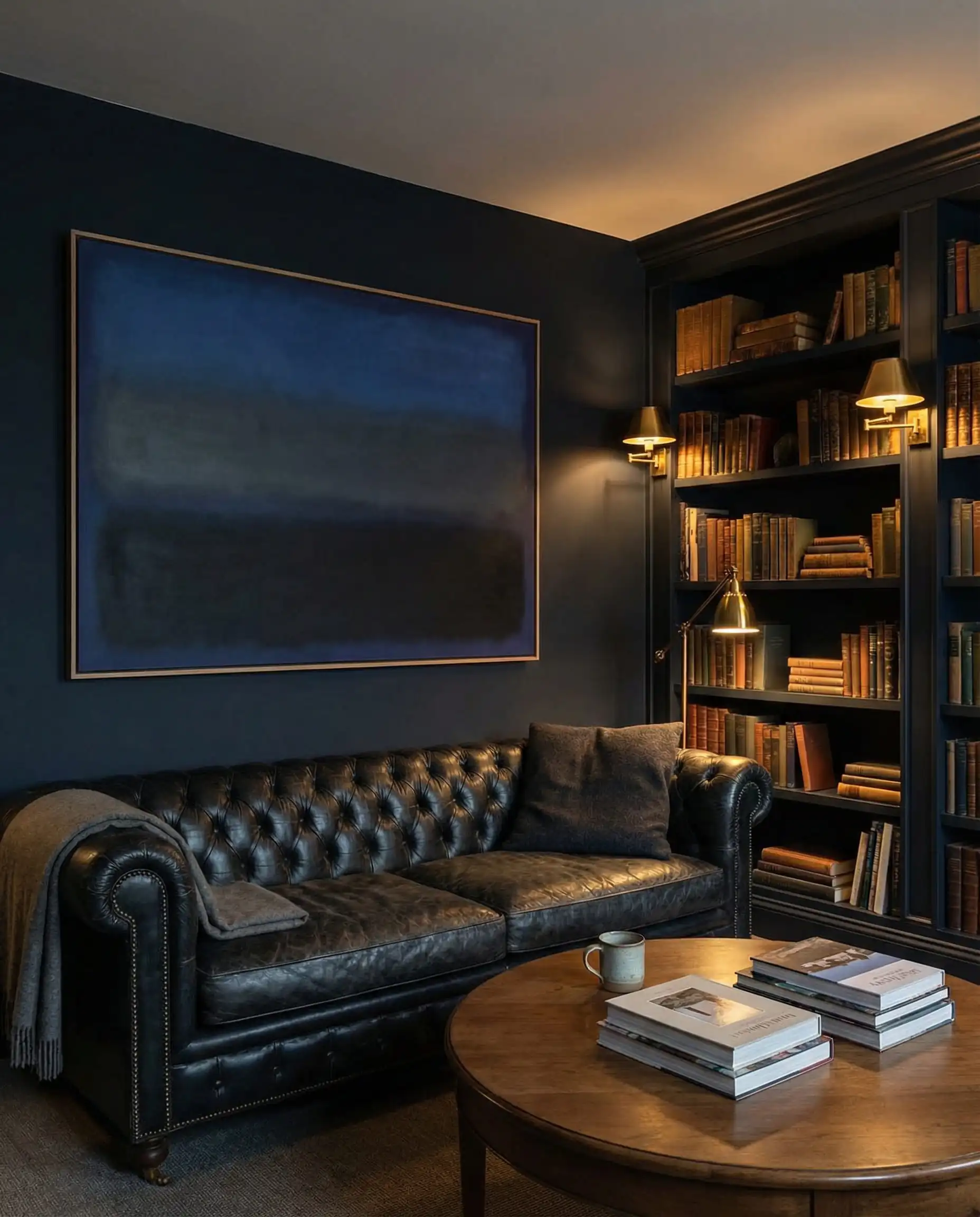
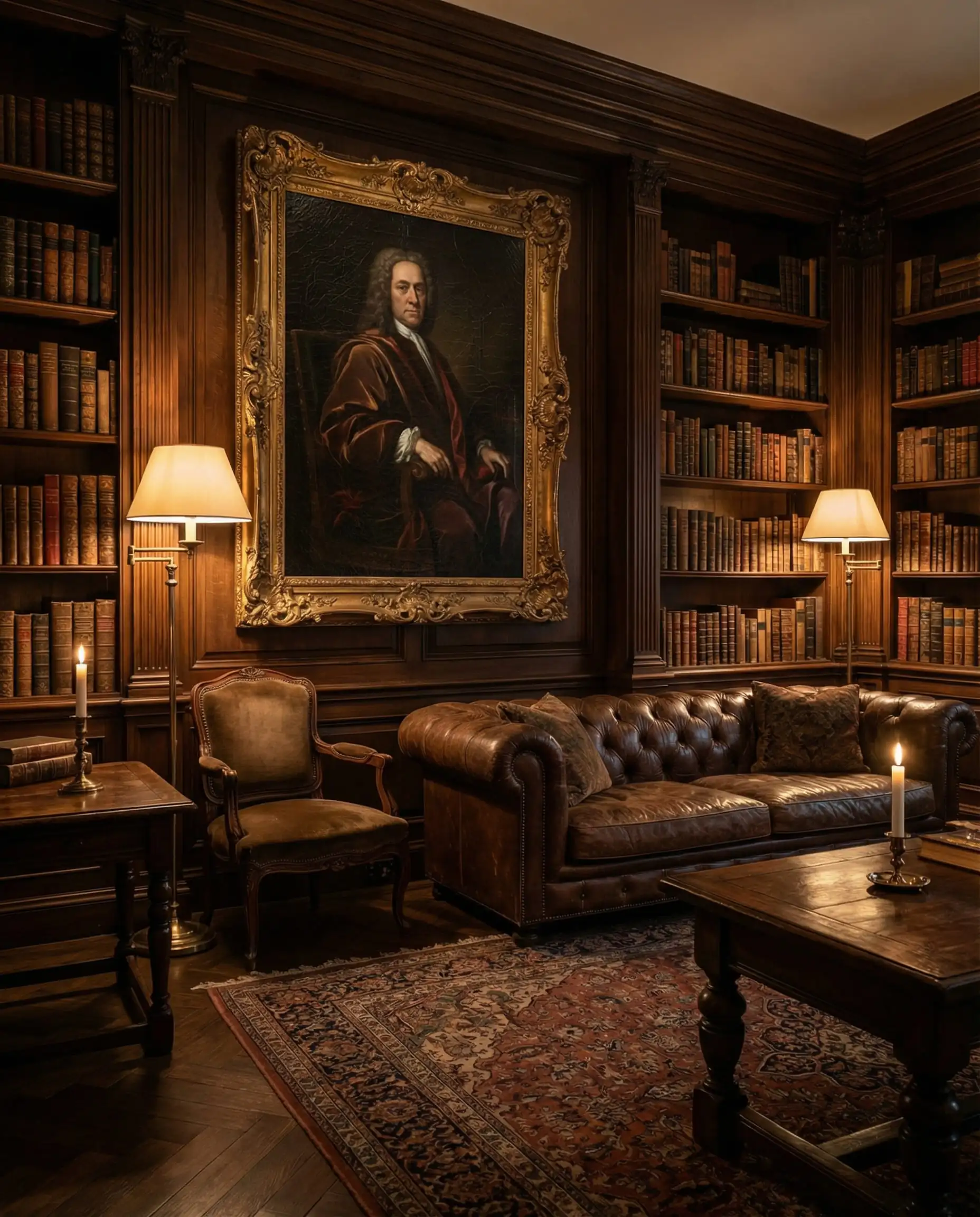
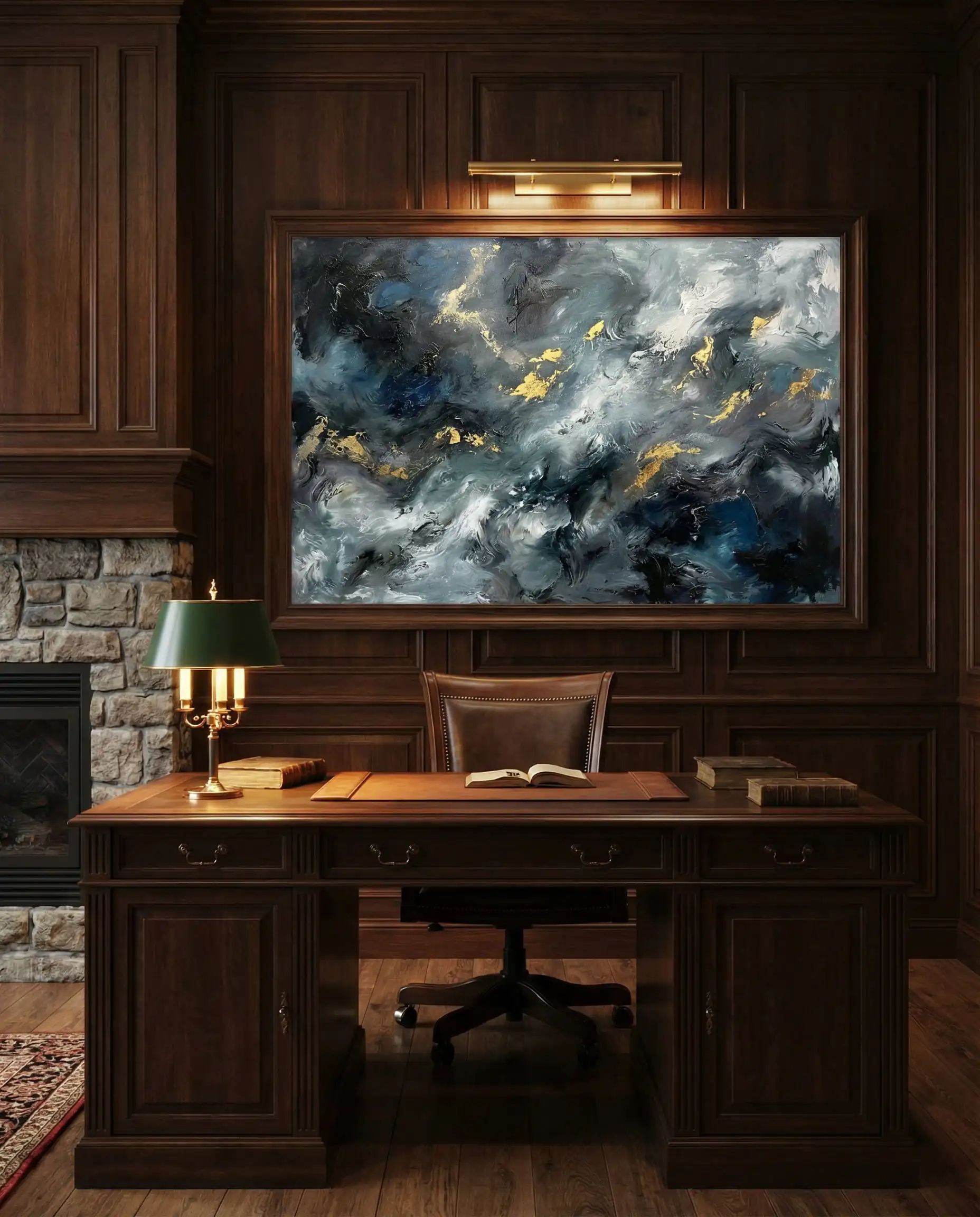
6. Moody “Dark Academia”
For those who find neutrals too boring, the Dark Academia trend offers a dramatic alternative. This is about richness, history, and a touch of mystery.
7. Functional Acoustic Art
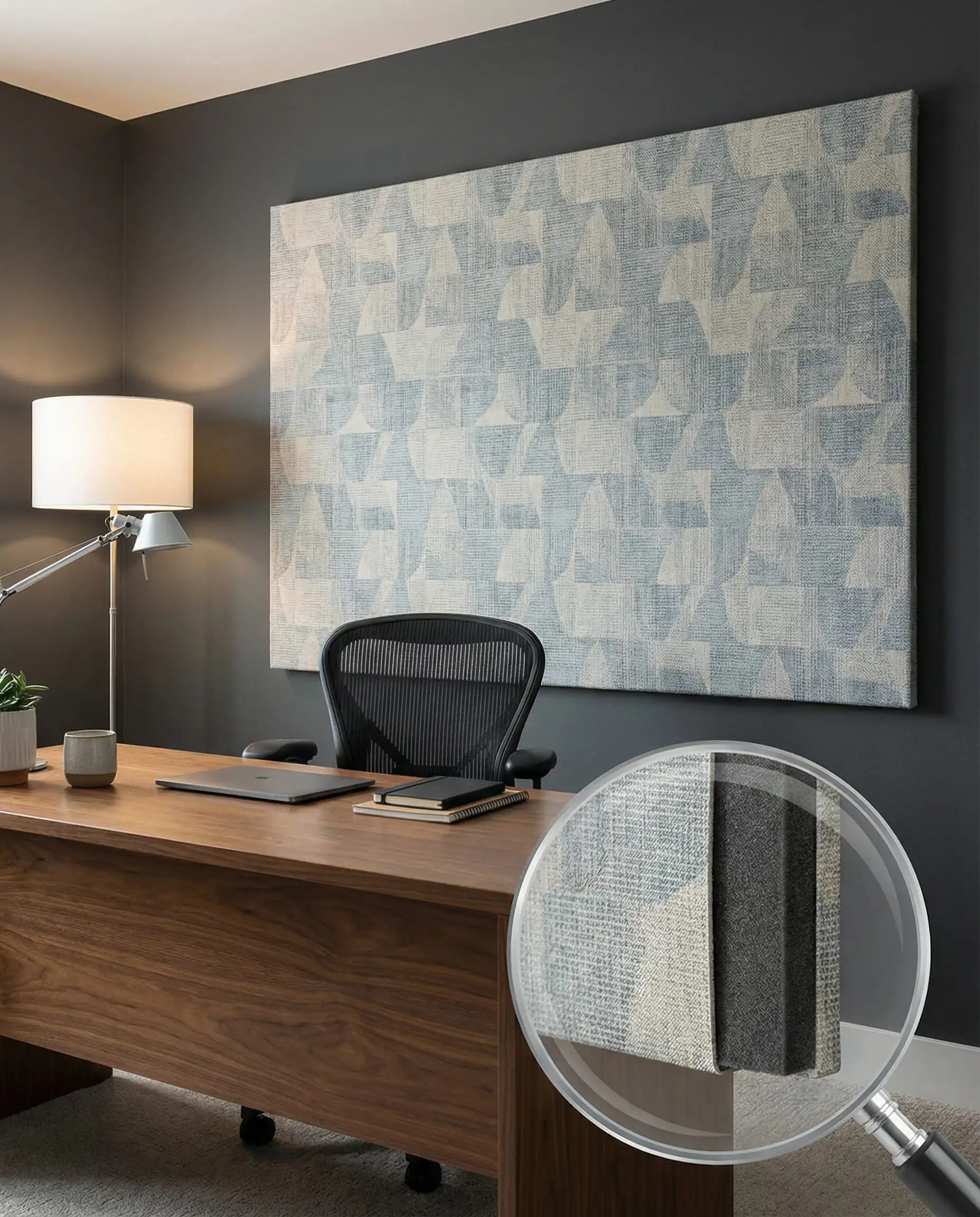
With the permanence of remote work, our homes now need to sound as good as they look.
Styling Ideas by Room
A large canvas works in almost any room, but the placement strategy changes depending on the zone.
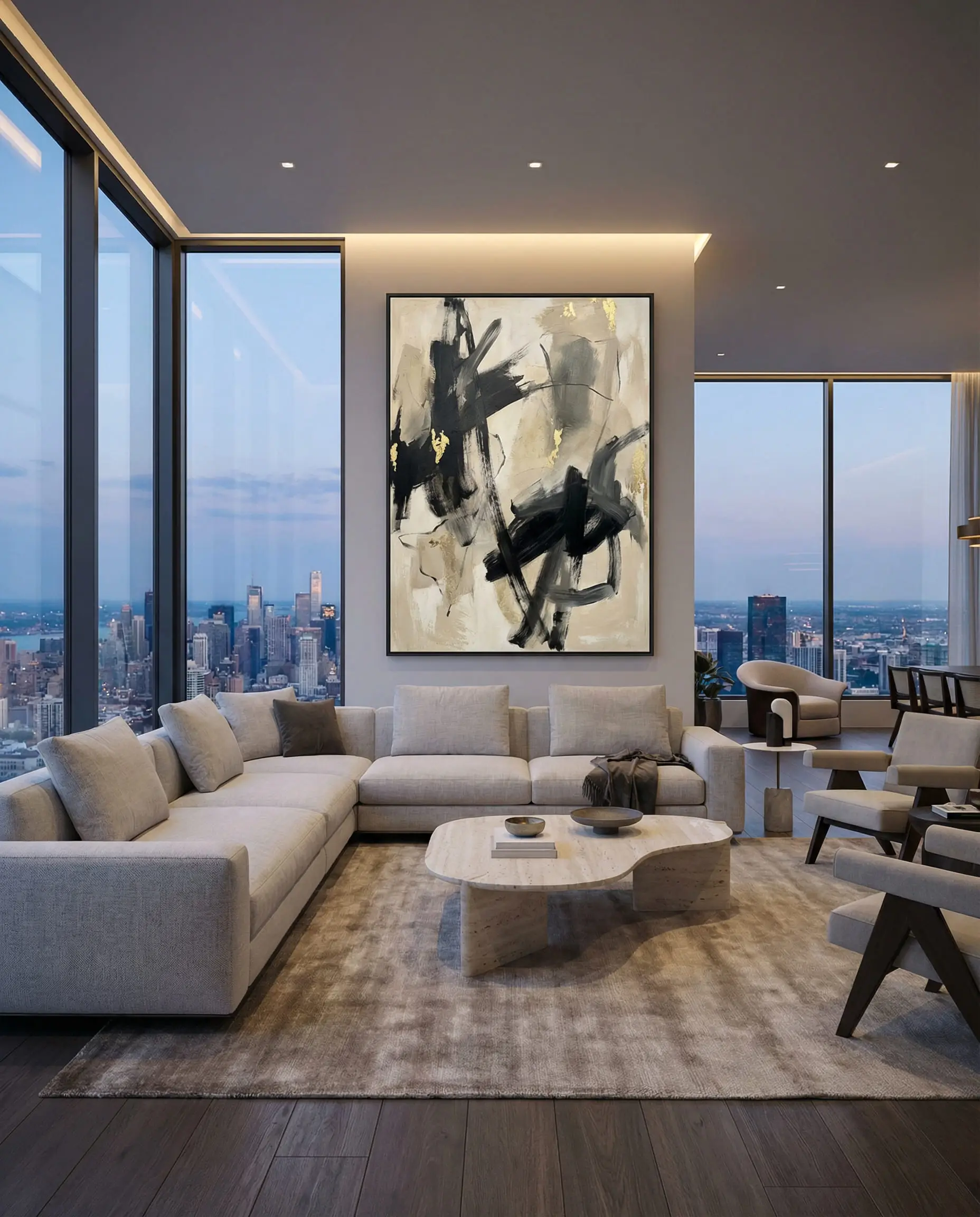
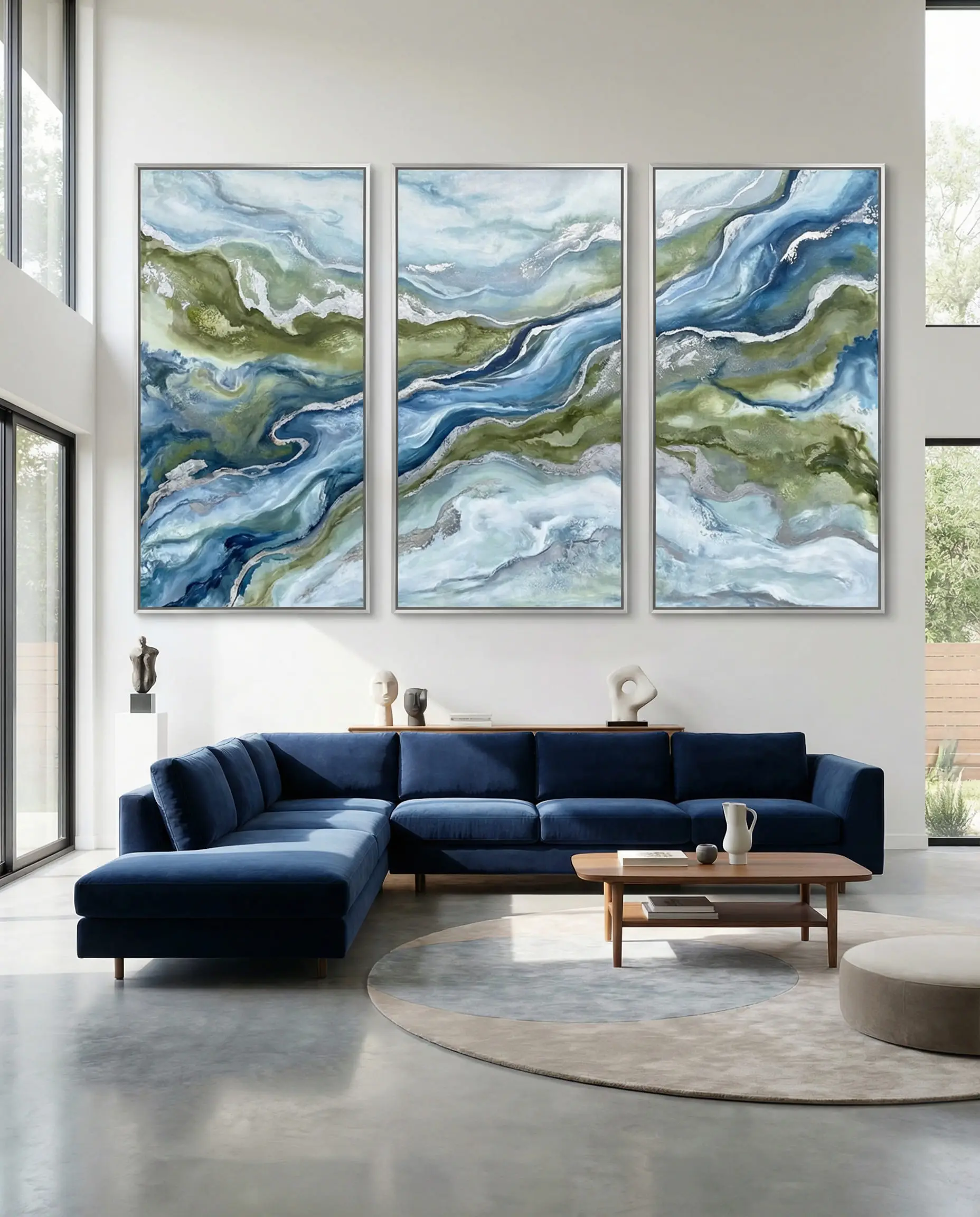
The Living Room Anchor
In the living room, the space above the sofa is prime real estate. It is the focal point of the room.
Bedroom Serenity
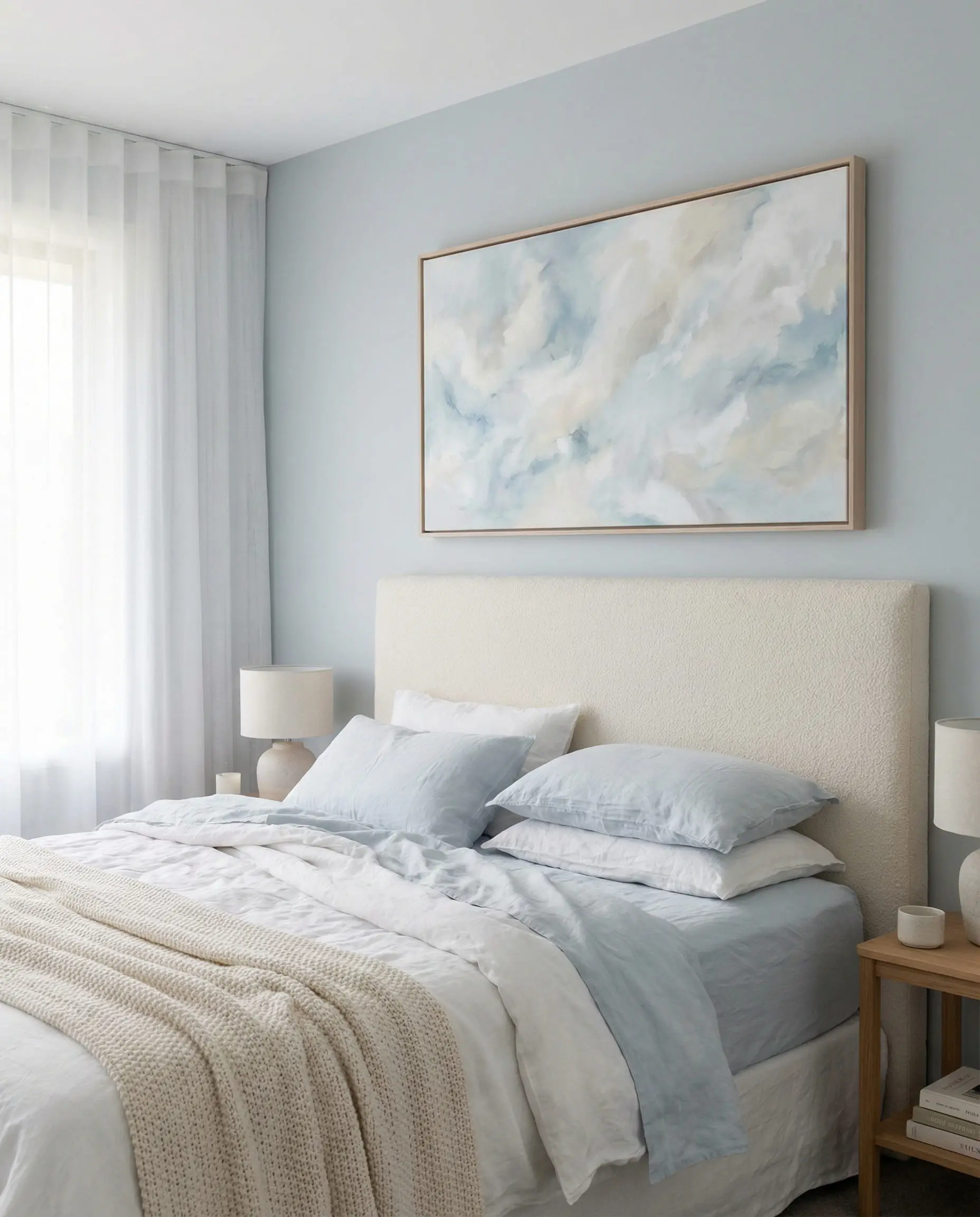
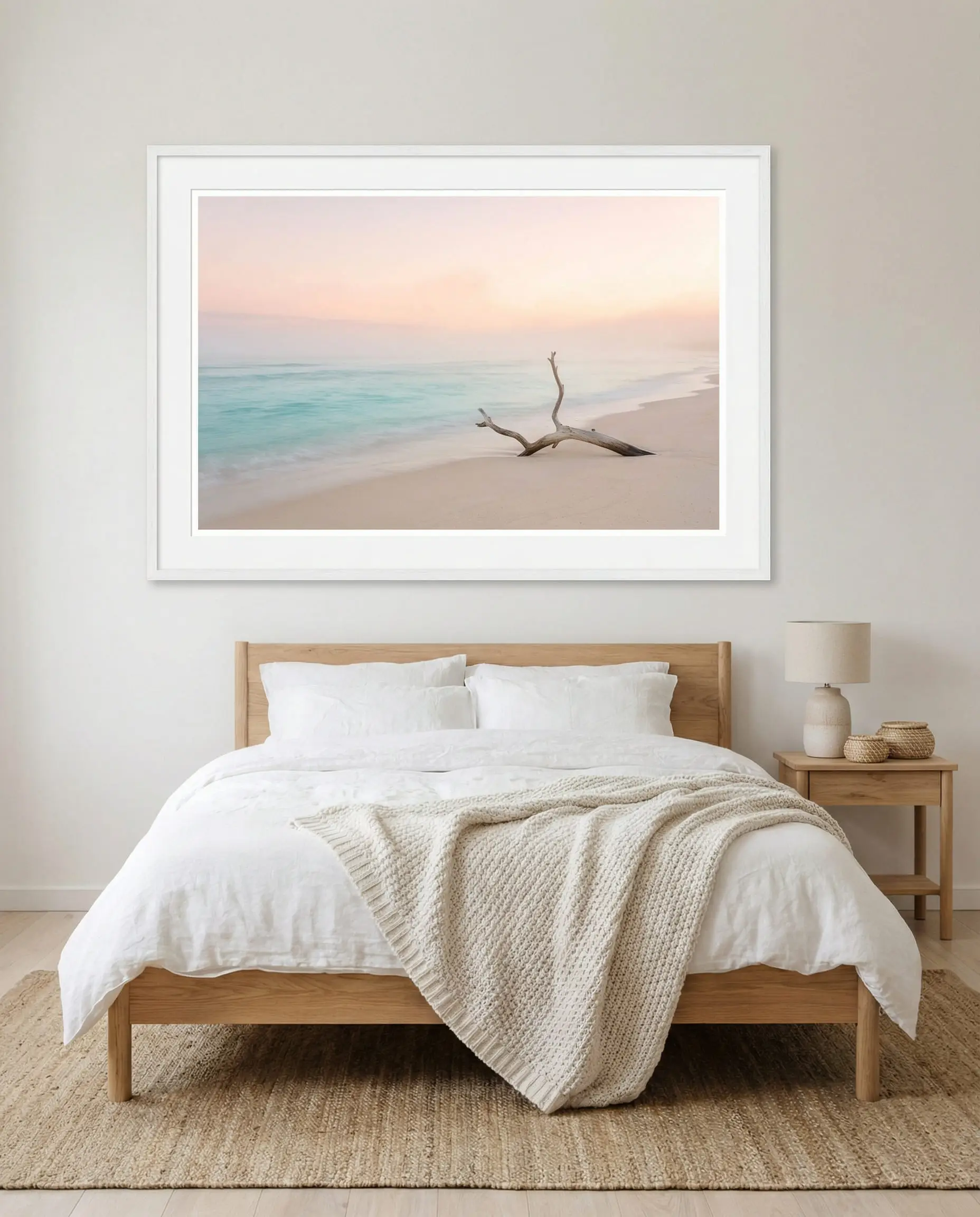
The bedroom should be a sanctuary. The art here should signal to your brain that it is time to rest.
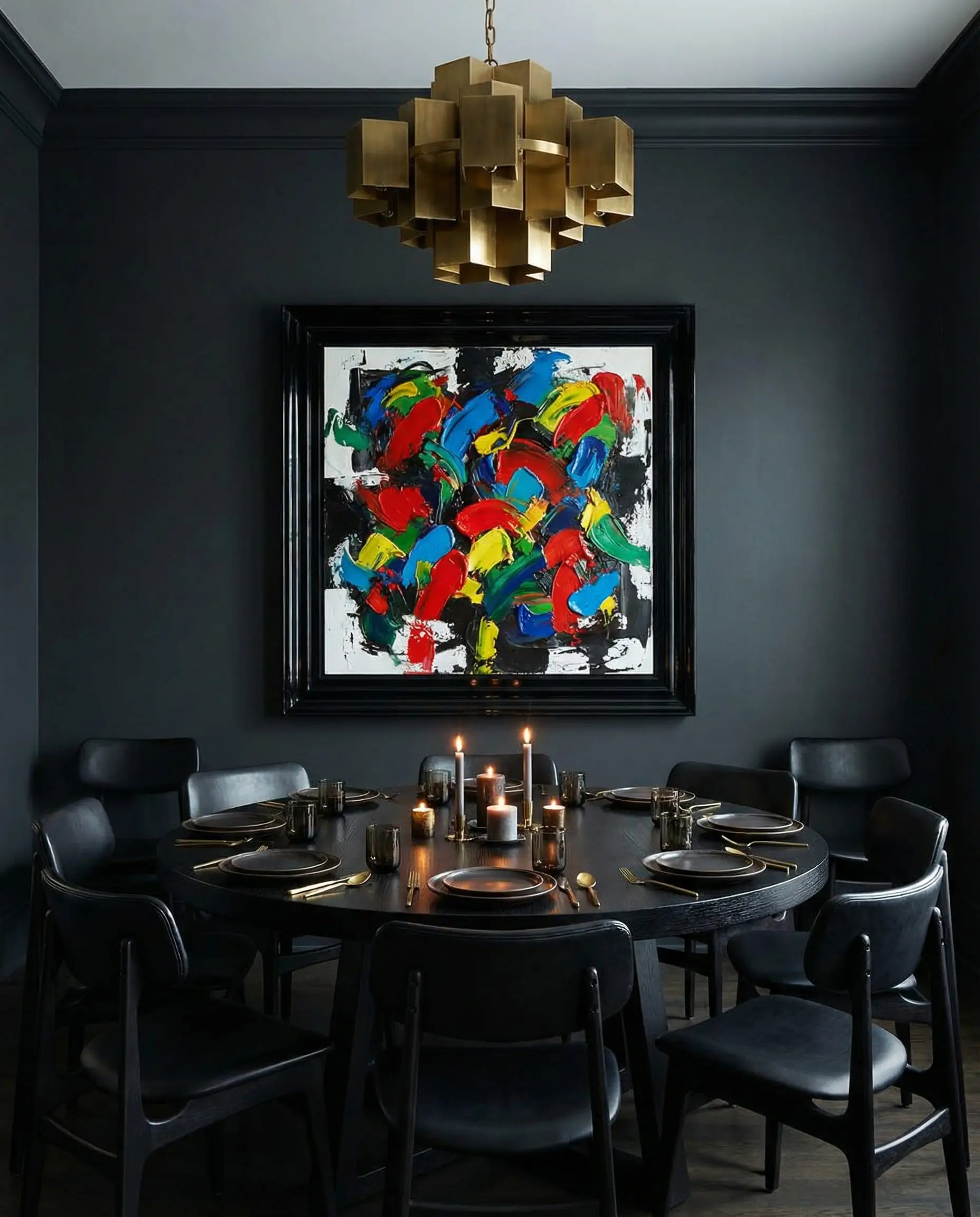
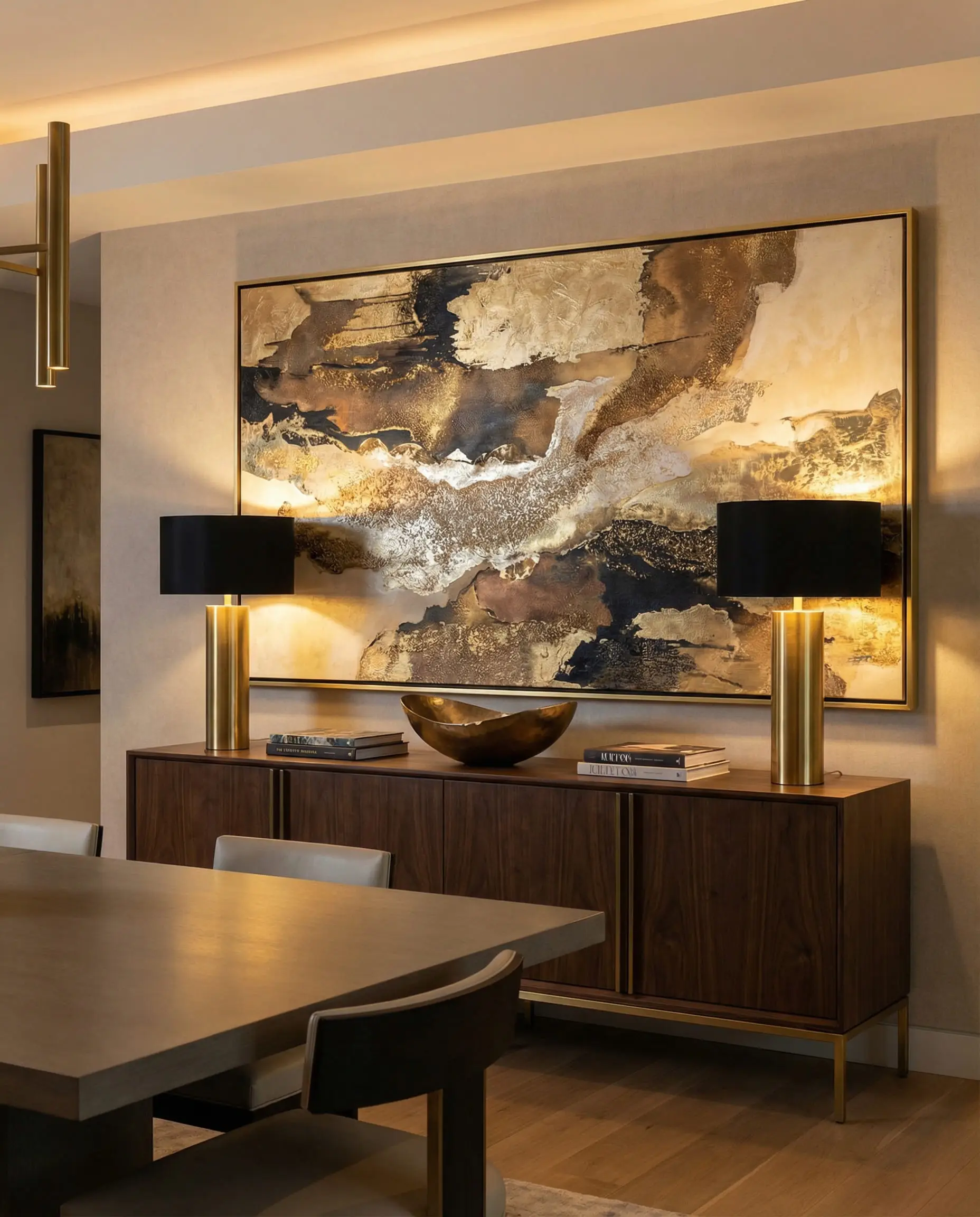
Dining Room Drama
The dining room is often used for shorter periods (dinners, parties), so you can afford to be bolder here.
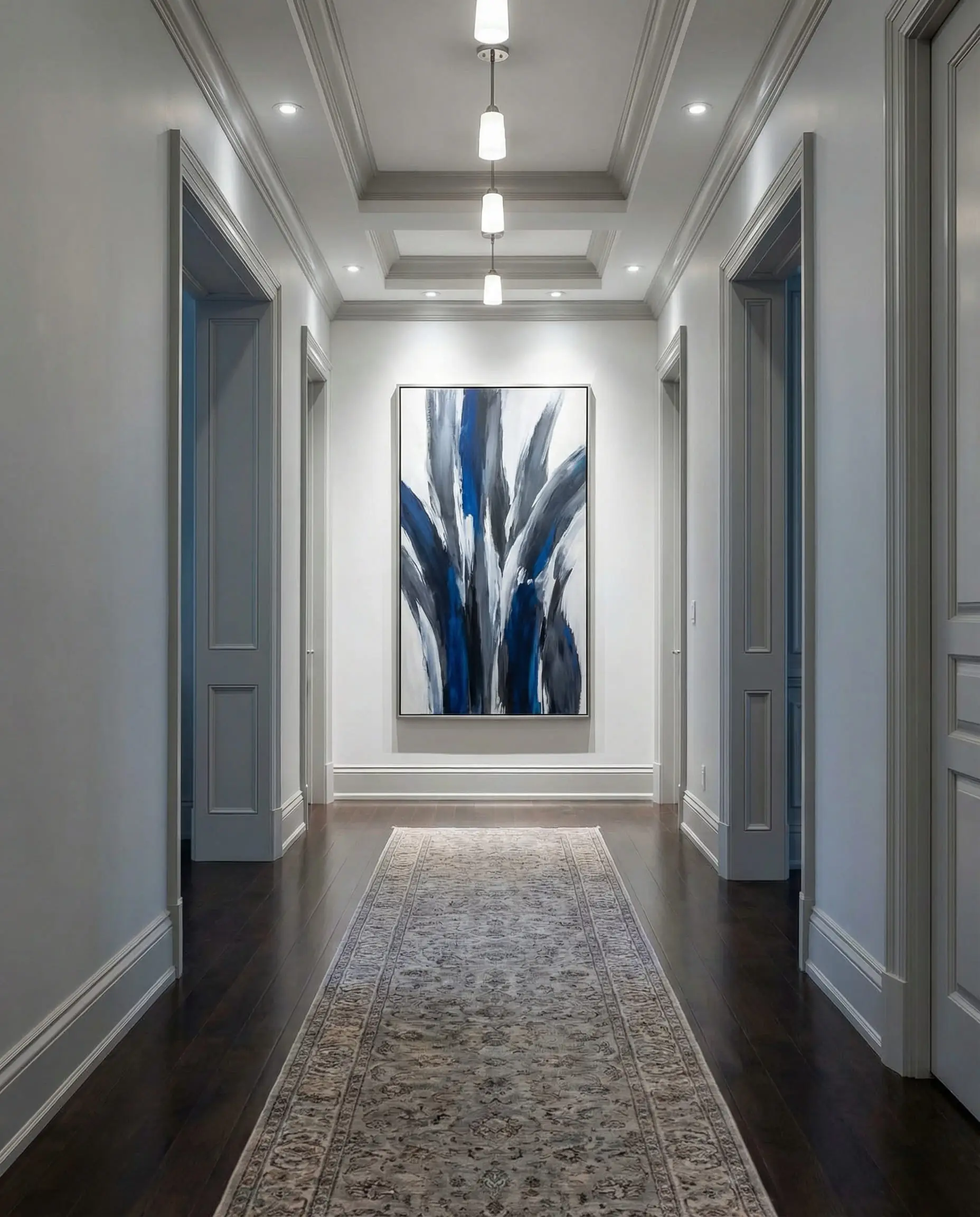
Entryways & Stairwells
These are transient spaces where you move through quickly, making them perfect for high-impact visual moments.
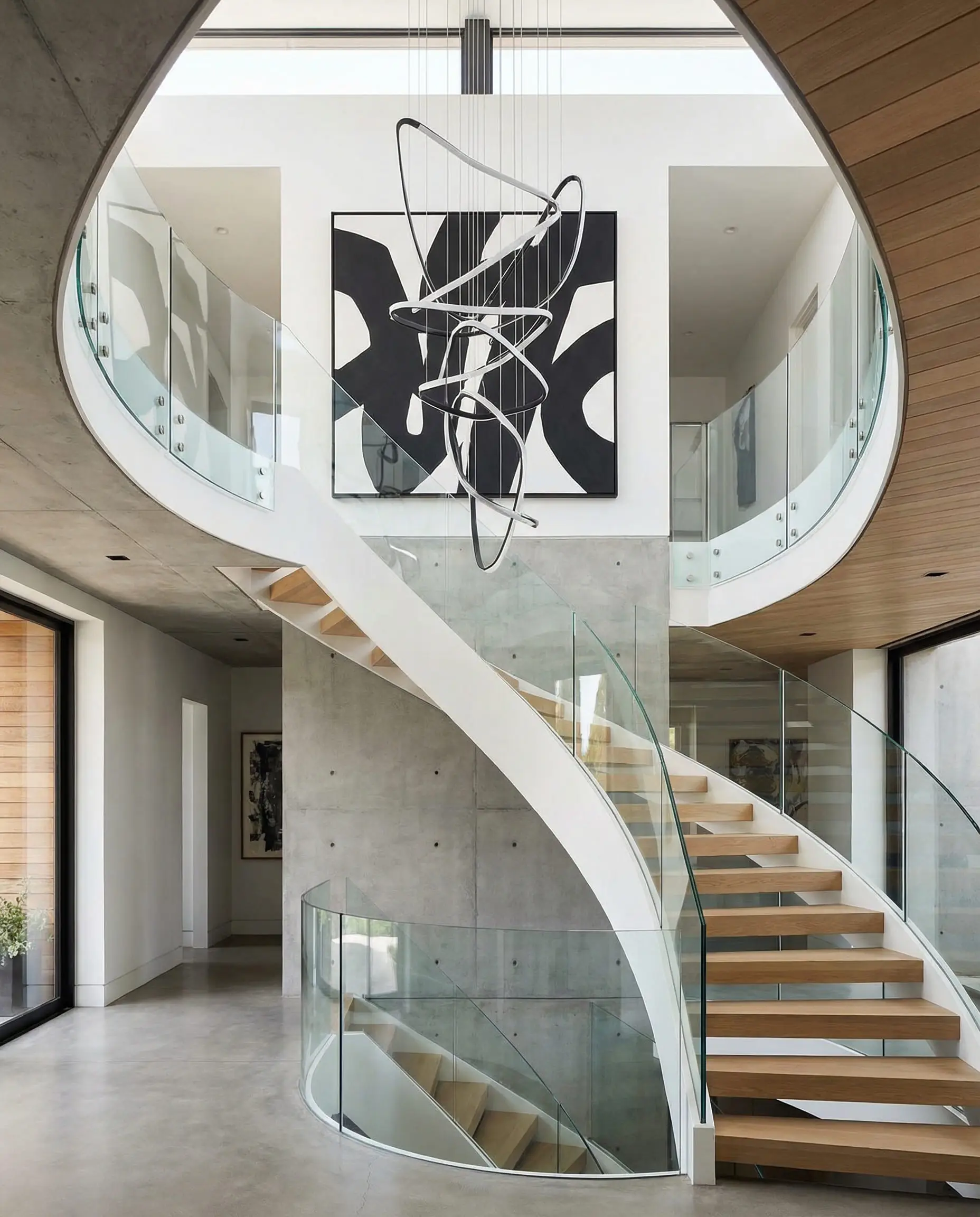
In a stairwell, hang the art so the center of the piece is at eye level when you are standing on the step directly in front of it.
🛠️ Pro Tip
DIY vs. Buying: Creating Affordable Large Art
Let’s be honest: enormous art often comes with an enormous price tag. If a $2,000 gallery piece isn’t in your budget, don’t worry. Large scale art is one of the most accessible DIY categories.
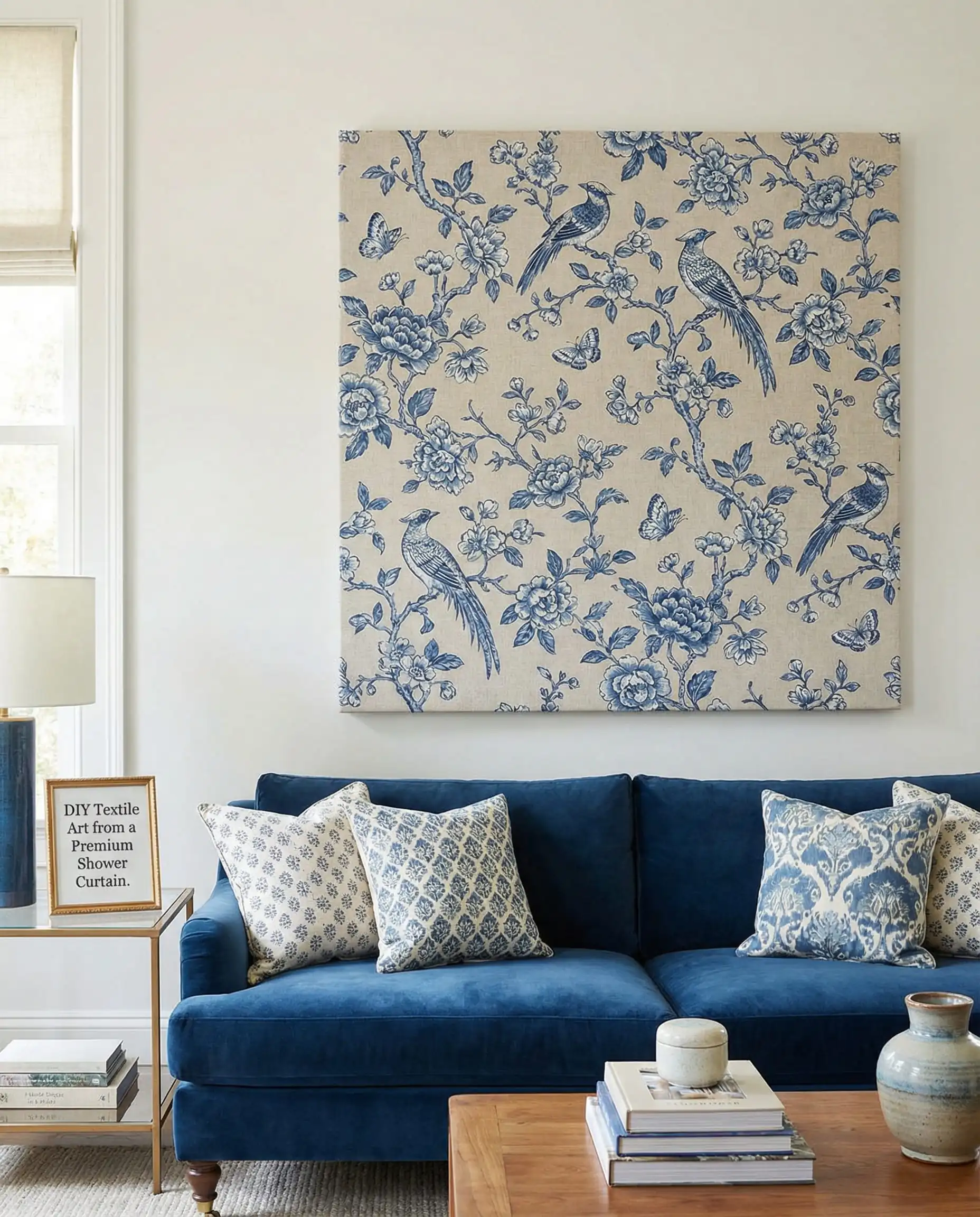
1. The Shower Curtain Hack
This is a legendary hack for a reason. Many fabric shower curtains feature beautiful, large-scale artistic prints.
2. DIY Spackle/Joint Compound Art
Remember the “Textured White” trend we mentioned? You can make this yourself for pennies.
Check out our full list of DIY Home Decor Projects.
3. Sourcing Affordable Prints
If you aren’t crafty, look for “Engineering Prints” or “Blueprints” at local print shops. You can print high-resolution public domain art (from museum websites) on huge paper for very low costs, then frame it simply.
Practical Guide: How to Hang Heavy Large Art
You have chosen the perfect piece. Now, please do not hang it with a single thumbtack. Large canvases can be deceptively heavy, and even light ones catch air drafts that can knock them askew.
Safety First: Finding the Stud
For any canvas over 20 lbs, you should try to anchor at least one side into a wall stud.

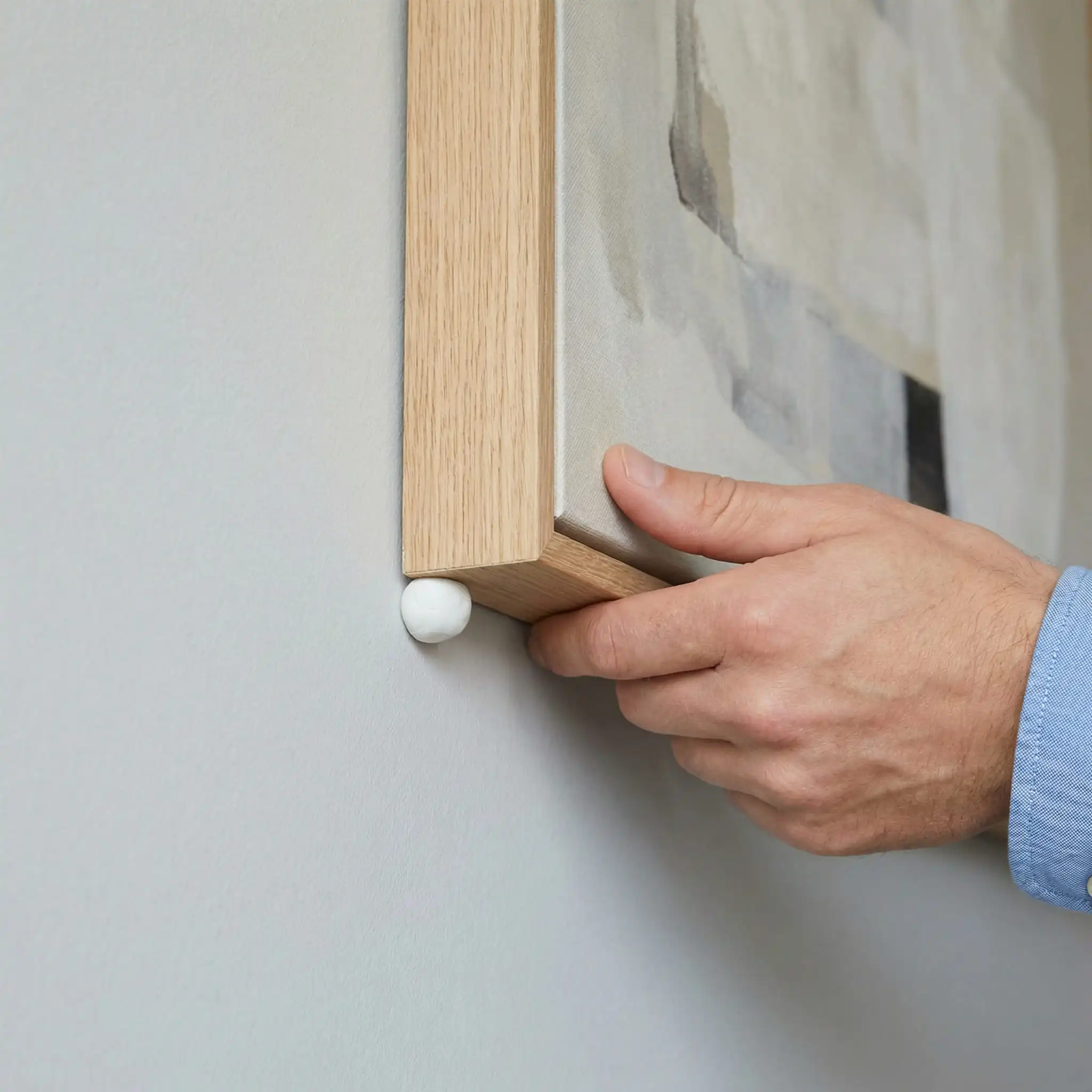
The “Museum Putty” Secret
Does your large canvas constantly shift every time someone slams a door?
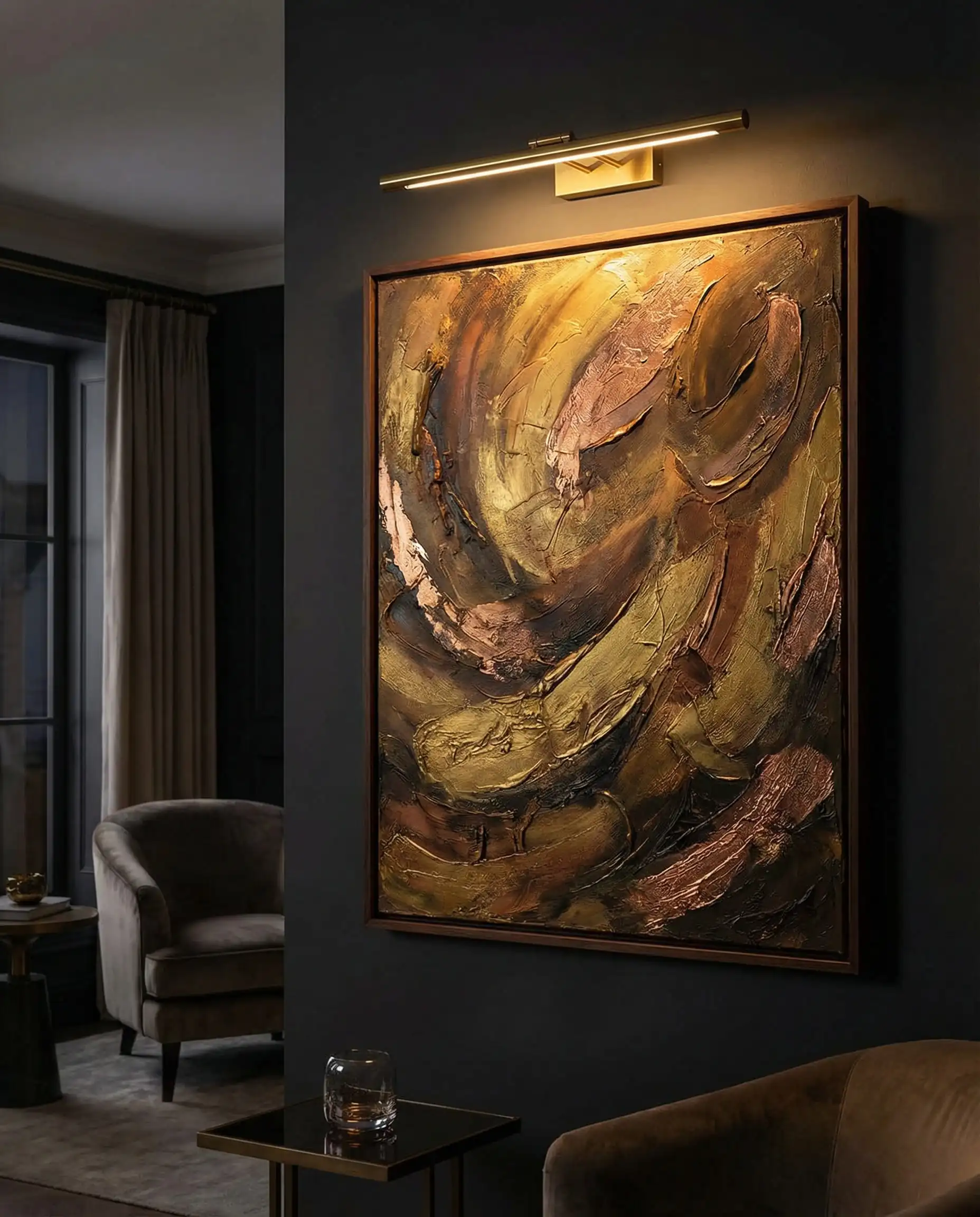
Lighting Your Masterpiece
To take your large wall art from “nice” to “expensive,” add light.
Frequently Asked Questions (FAQ)
A: Following the usage of roughly 60-75% of available space, look for art that is roughly 7 to 9 feet wide. Since a single 9-foot canvas is hard to transport, consider using a Diptych (two 4.5-foot pieces) or a Triptych arrangement to fill the horizontal space.
A: For truly large (heavy) canvases, nails are safest. However, if the canvas is light, you can use heavy-duty adhesive strips (like Command strips). Be sure to use multiple strips distributed across the top and sides of the frame, and ensure the weight rating of the strips exceeds the weight of the canvas.
A: The center of the artwork should be at eye level, which is generally 57 to 60 inches from the floor. If hanging above furniture, leave 6 to 10 inches of clearance between the furniture top and the bottom of the frame.
A: Yes! This is a great way to balance a room. Use one large canvas as the “anchor” on one wall, and a gallery wall of smaller photos on an adjacent wall. Avoid putting them on the same wall, as it can look cluttered.
Conclusion
Updating your home doesn’t always require a renovation. Sometimes, it just requires a change in perspective—and scale. Large canvas wall art has the unique ability to transform the architecture of a room, adding height, depth, and emotion with a single nail.
Whether you opt for a soothing biophilic print, a textured DIY masterpiece, or a moody abstract, remember that the goal is to create a space that feels like you. Don’t be afraid to go big. In 2026, the walls are talking, and they have a lot to say.
Ready to start your transformation? Browse our curated list of recommended artists or tag us on social media with your large art makeovers!