Outdoor spaces tend to show their strengths over time. A yard can look great at first glance and still feel awkward to walk through, uncomfortable to sit in, or strangely disconnected from everyday routines. That disconnect usually has less to do with furniture or finishing touches and more to do with choices made much earlier.
Landscaping affects how a space feels in quiet ways. The width of a path, the texture underfoot, the spacing between elements, and the balance between open and sheltered areas all shape whether a yard feels calm, welcoming, or unsettled. These details influence how long people stay outside, where they naturally gather, and which corners are never fully used.
Before décor enters the picture, landscaping sets the framework that determines how an outdoor space is experienced and lived in over time.
How Layout Influences Movement and Ease
Movement is one of the first things people register outdoors, even when they are not consciously thinking about it. When paths make sense, and transitions feel natural, people move without hesitation. When the layout is unclear, the space can feel tiring or restrictive, regardless of how attractive it appears.
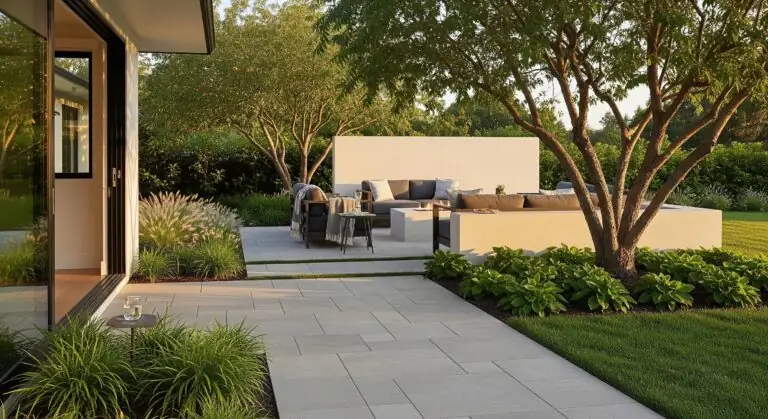
Landscaping layouts work best when they reflect real habits. Routes between doors, seating areas, and gathering spots should feel obvious as they unfold. Tight passages, sharp turns, or zones that do not connect well can interrupt that flow and make a yard feel pieced together rather than considered.
Spacing matters as well. Areas that are too open can feel exposed, while crowded layouts can feel cramped. A good plan leaves breathing room while still providing gentle direction. Over time, these layout decisions quietly determine which parts of a landscape feel inviting and which parts people avoid without realizing why.
Materials and Surface Choices Shape Daily Comfort
Materials influence outdoor spaces in ways that go beyond appearance. How a surface holds heat, handles moisture, and feels underfoot affects how long people stay outside and how easily they move through the space. These physical qualities often shape comfort more consistently than visual details alone.
Consistency plays an important role, although it is easy to overlook. When surfaces change abruptly in texture or tone, a yard can feel unsettled even if each material is attractive on its own. Outdoor spaces tend to feel calmer when materials relate to one another, and the space reads as a single environment rather than a collection of separate decisions.
That kind of continuity is often easier to achieve when the core pieces come from dependable sources. When paths, gathering areas, and structural elements share a consistent material language, outdoor spaces tend to feel calmer and more settled, especially when those materials come from established sources like Terrascape Supply rather than being pieced together from unrelated selections.
Scale and Proportion in Outdoor Design
Scale is easy to misjudge outdoors because open air changes how dimensions are perceived. A patio that seems generous on paper can feel tight once furniture is in place. A vertical feature might look balanced in isolation, then overpower the yard once built. When that happens, it is rarely a style problem and more often a proportion issue.
Design tends to feel more comfortable when it reflects how people physically and emotionally register space. Research into how proportions influence human perception and behavior shows that spatial relationships affect comfort, focus, and emotional response at a cognitive level. While many examples come from architecture, the same ideas apply outdoors, where paths, seating areas, and vertical elements are experienced up close and in motion.
Proportion also shapes atmosphere. Low elements paired with open spacing often convey a sense of relaxation and approachability. Taller structures placed too close together can feel heavy, even when the materials themselves are refined. Outdoor spaces tend to feel most welcoming when the relationships are balanced, including the size of a gathering area relative to the home, the distance between steps and landings, and the height of built features in relation to where people naturally rest their gaze.
Getting scale right often comes from imagining real use. Walking side by side, pulling out a chair, carrying food across a surface, or pausing in conversation all reveal whether proportions support everyday movement or subtly work against it.
Transitions Between Indoor and Outdoor Spaces
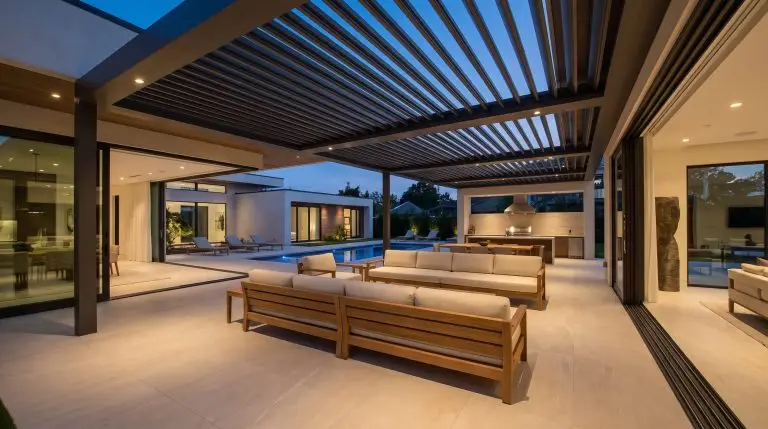
Transitions are often treated as a practical detail, yet they shape how an outdoor space is perceived the moment someone steps outside. A smooth threshold can make a yard feel like a natural extension of the home. A clumsy one can make even a well-designed landscape feel separate and underused.
Strong transitions usually rely on continuity rather than perfect matching. Materials that relate in tone or texture help the eye move naturally from indoors to out. Level changes matter just as much. An abrupt step down, a narrow landing, or a doorway that opens onto an unanchored surface can create subtle hesitation. When the first few feet outside feel comfortable, people are more likely to linger.
Edges also carry weight. A patio that meets lawn without a clear boundary can feel unfinished, while a defined border can make the same area feel intentional and easier to use. These small decisions, including how surfaces meet and how planting softens hard lines, shape whether the transition feels welcoming or abrupt.
Good transitions do their work quietly. When handled well, outdoor living feels like part of daily life rather than something that requires extra effort.
Landscaping Choices That Affect Long-Term Use
The way an outdoor space feels a few months after completion often says more than its first impression. Early landscaping decisions shape how a space holds up to regular use, seasonal change, and shifting routines. When those decisions align with how people actually live, outdoor areas tend to remain inviting rather than slowly fading into the background.
Maintenance plays a role in this experience. Surfaces that become slippery, planting beds that overgrow quickly, or layouts that demand constant adjustment can turn everyday use into a chore. Even visually appealing spaces can become burdensome if they require excessive attention to remain functional.
Long-term enjoyment is also tied to flexibility. Outdoor spaces that support diverse uses throughout the day and year tend to remain relevant longer. A shaded area that works for quiet mornings and group dinners, an open zone that shifts between lounging and play, or a layout that adapts as needs change all help explain why some landscapes remain active.
This closely connects with broader conversations about how outdoor environments support daily routines and social habits, as discussed in outdoor living and lifestyle-focused design.
When landscaping choices are grounded in use rather than novelty, outdoor spaces tend to age better. They invite repetition, small adjustments, and familiarity, turning a yard into a place people return to without much thought.
Conclusion
Outdoor spaces rarely succeed because of one feature. Their lasting appeal comes from a set of decisions that work together over time. Layout, materials, proportion, and transitions shape how a space is used long before decorative details enter the picture.
When landscaping choices reflect real movement, comfort, and everyday habits, outdoor areas feel easier to inhabit. People stay longer, return more often, and adapt the space naturally as their needs change. These environments do not rely on constant updates to remain appealing.
Landscaping, at its best, creates places that feel lived in rather than staged. The more attention paid to how an outdoor area functions and feels from the outset, the more likely it is to become a natural part of everyday routines rather than a backdrop that gradually goes unused.