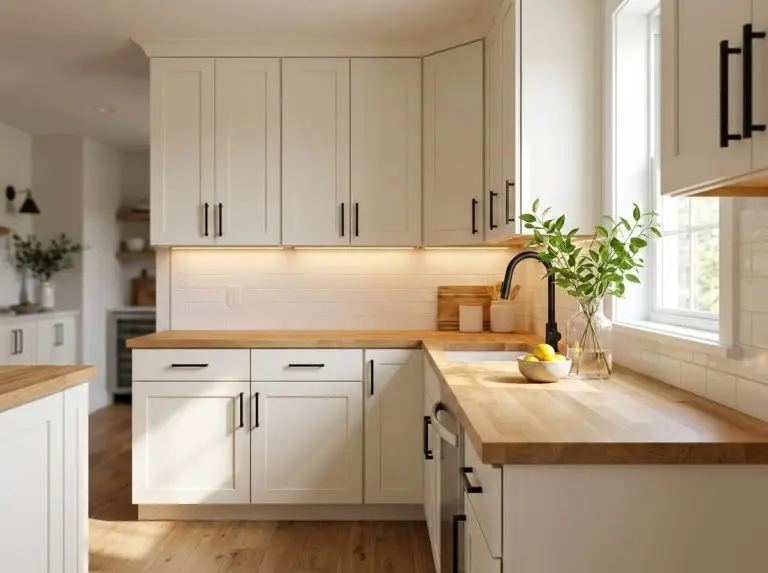
A full kitchen remodel in the U.S. averages somewhere between $25,000 and $40,000, depending on who you ask and where you live. Remodeling Magazine’s Cost vs. Value report has been telling homeowners this for years, and the number keeps climbing. That’s a brutal figure for a room you already have, with plumbing that already works and a layout you probably don’t hate.
Here’s the thing most contractors won’t lead with: a lot of tired kitchens don’t need gutting. They need editing. Swap the right three or four elements and the room reads as new, without a single week of eating takeout on the couch.
Start With the Doors, Not the Cabinets
Cabinet carcasses are boring, sturdy boxes. If yours are plywood or decent MDF and the hinges still hold, there is no sane reason to landfill them. What you actually look at every day are the doors and drawer fronts.
Replacing just the fronts typically runs a fraction of new cabinetry. Homeowners who’ve done it report savings of 50 to 70 percent compared to full replacement, and the job usually wraps in a weekend rather than a month.
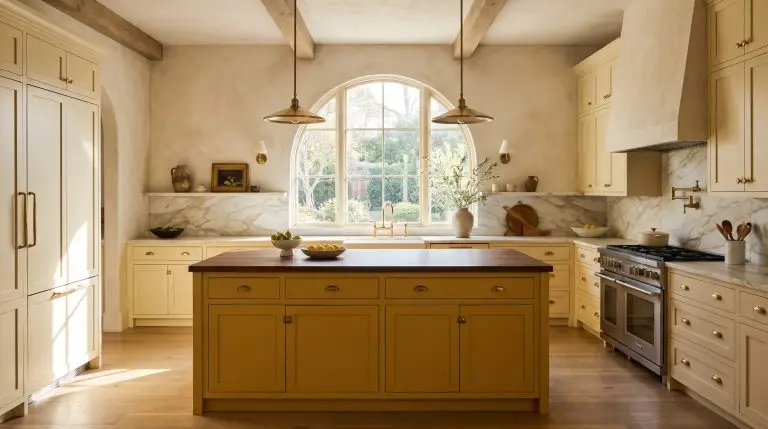
The style question matters more than the price. Slab doors look sharp in a loft, but they date fast and show every fingerprint. Raised panel doors can feel heavy in a smaller room. That’s why shaker kitchen doors have stayed in rotation for roughly two centuries: a simple five-piece frame, a flat center panel, no fuss. They sit comfortably in a 1920s bungalow and in new construction, painted cream or charcoal or anything between.
Measure Twice, Order Once
Made-to-measure is the phrase to look for. Older kitchens, especially anything installed before the mid-1990s, rarely follow modern standard widths. A door that’s 3mm off will bind or leave an ugly gap. Take measurements of every single opening, not just one per size group, because cabinets settle unevenly over decades.
Hardware Is the Cheapest Facelift There Is
Pulls and knobs cost $4 to $15 each. A kitchen with 20 openings can be completely re-characterized for the price of a decent dinner out. Brushed brass has dominated the last few years; matte black holds up better in households with kids because it hides everything.
One tip that saves headaches: measure your existing center-to-center hole spacing before buying anything. The common sizes are 3 inches and 96mm, and they are not interchangeable. If you want a longer pull, you’ll be drilling new holes, which means filling the old ones.
Soft-close hinges retrofit onto most European-style cabinets for under $6 a pair and immediately make the kitchen feel more expensive
Drawer slides that have gone gritty can be replaced in about 15 minutes each
Faucets are a two-hour DIY job for most people and a single pull-down sprayer changes how the sink functions daily
Paint, Light and the Backsplash Problem
Wall color does less work in a kitchen than people expect, because cabinets and appliances cover most of the vertical surface. Spend the effort on the ceiling instead. A flat white ceiling with clean-up of any yellowed patches brightens a room more than a feature wall ever will.
Lighting is where kitchens go wrong most often. One central fixture throws shadows directly onto your cutting board because you stand between it and the counter. Under-cabinet LED strips fix this for roughly $30 to $80 a run, and adhesive-backed versions need no electrician if you use a plug-in driver.
Backsplashes Without Demolition
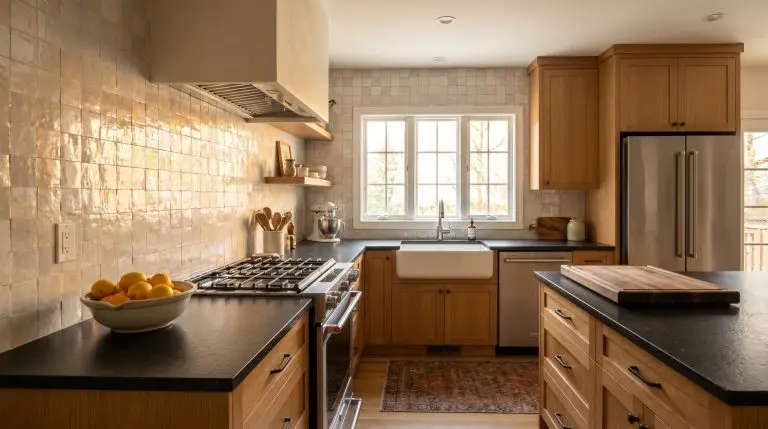
Tearing out tile means damaged drywall and a much bigger job than anyone planned. Peel-and-stick vinyl tile has improved enormously in the last five years, though it struggles behind a gas range where heat is direct. For a real upgrade without mess, consider a single sheet of tempered glass or stainless steel behind the cooktop, cut to size and siliconed in place.
Worktops: The Judgment Call
Countertops are the one element where a partial fix often disappoints. Laminate refinishing kits exist and they photograph well, but they wear through at the sink edge within a couple of years. If the worktop is scorched, delaminating or cut to pieces, it’s worth the real replacement.
Butcher block is the value play. Birch or acacia slabs from big-box retailers run $200 to $500 for a decent length, and you can cut and install them with basic tools. Sand, oil, done. Quartz remnants are the other hidden bargain; fabricators keep offcuts from large jobs and will often sell them at 40 percent off for small runs like an island or a coffee station.
Sequence It Properly
Order matters. Paint walls and ceiling first, then install worktops, then hang doors, then fit hardware. Doing it backward means taping around things you just paid for.
Budget somewhere between $2,000 and $6,000 for a genuinely transformed kitchen using this approach. Two weekends of work, no permits, no demolition dumpster on the driveway. Your kitchen stays usable the whole time, which is worth more than most people realize until they’ve lived through the alternative.