How to Prepare for a Major Home Renovation Project
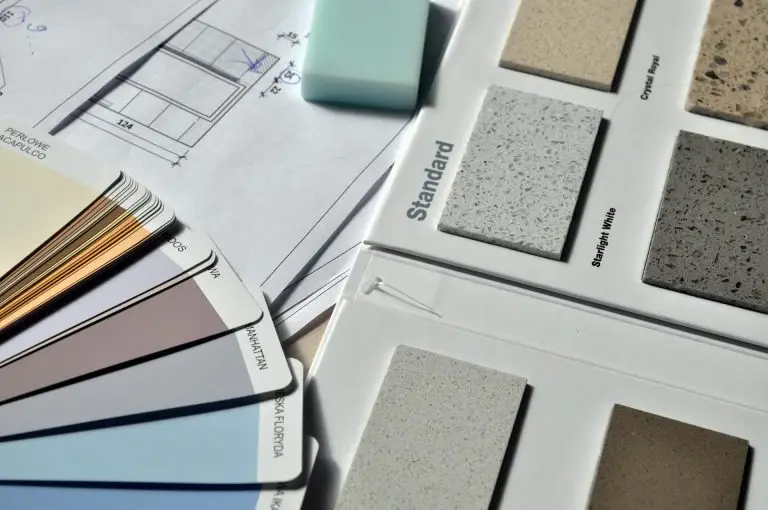
A major home renovation can improve comfort, increase property value, and address structural or design issues. However, projects become more complex when preparation is limited or expectations are unclear, making planning the most important stage of the process.
Preparation helps homeowners define clear goals, set realistic budgets, and anticipate logistical challenges before construction begins. When these factors are addressed early, projects tend to stay organized, costs are easier to manage, and decisions are made with greater confidence. From outlining the scope to handling permits and minimizing disruptions, strong preparation can significantly improve the outcome of a renovation.
Define the Project Scope
A renovation project starts with a clear understanding of the desired outcome. Without that clarity, the process can feel scattered and less focused. A better approach is taken when priorities are identified early, and each update serves a specific purpose.
Each room can be reviewed in terms of function, appearance, and comfort. Structural improvements, layout changes, and storage needs often deserve attention before decorative upgrades. This helps create a plan that feels practical as well as visually appealing.
Photos, measurements, and notes can also support early planning. With that information in hand, contractor conversations become more productive and design decisions become easier to organize. A defined scope gives the entire project a stronger sense of direction and keeps every stage connected to the original goal.
Understand the Financial Requirements
Financing often shapes the scale and pace of a home renovation. Some homeowners rely on savings, while others explore home equity products or construction related financing. A closer look at lending requirements can make early planning far more useful.
Credit history plays a key role in that process. Lenders typically review credit scores, income, and existing debt when evaluating financing options. As a result, many homeowners research topics such as what credit score is needed to build a house, how home equity loans work, and how debt-to-income ratios affect approval chances.
A stronger credit profile can open access to better borrowing terms and a wider range of options. Early financial research also makes it easier to align renovation goals with a realistic budget, giving the project a more stable foundation from the start.
A stronger credit profile can open access to more favorable borrowing terms and a wider range of financing options. Early financial research also makes it easier to align renovation goals with a practical spending plan. That kind of preparation gives the project a steadier foundation from the beginning.
Build a Realistic Budget
A renovation budget works best when it is clear, detailed, and connected to the actual scope of work. Instead of relying on broad estimates, expenses can be divided into practical categories that reflect how the project will move forward.
Common budget areas include:
- Labor and contractor fees,
- Materials and finishes,
- Permits and inspection costs,
- Storage or temporary living expenses,
- A reserve for extra project needs.
This structure gives homeowners a clearer view of where money will go and which choices carry the greatest impact on the final total. It also helps separate essential upgrades from optional design features.
Material quality, finish selections, and labor costs all influence the overall investment. A well-planned budget supports better decisions and makes the renovation feel more controlled from start to finish.
Hire Qualified Professionals
The outcome of a renovation is closely tied to the professionals involved. Experience, communication, and project organization all matter when a contractor is selected. A thoughtful hiring process often leads to a smoother working relationship and a more polished result.
It helps to compare several written estimates instead of focusing on one quote alone. This approach makes it easier to compare pricing, timelines, and included services side by side. References and past project examples also provide a clearer view of how the contractor operates.
A detailed contract adds useful structure to the project. Payment stages, labor expectations, materials, and scheduling details can all be outlined in writing. Clear communication from the start often makes the renovation feel more efficient and easier to follow at every stage.
Secure Permits and Approvals
Permits and approvals are a standard part of many renovation projects. They often apply to structural updates, plumbing work, electrical changes, and additions. Early attention to this step helps keep the project organized and aligned with local requirements.
Know Local Rules
Building codes and zoning guidelines can vary by location. A contractor or architect may handle permit applications, but homeowners still benefit from understanding what approvals apply to the work. Keeping copies of permits and related documents in one place also makes the process easier to track.
Plan for Inspections
Inspections often take place at different points during construction. These visits confirm that each phase has been completed according to local standards. When inspections are planned into the project timeline, scheduling tends to feel more orderly, and expectations remain clear throughout the renovation.
A Strong Start Creates Better Results
A major home renovation benefits from careful preparation long before construction begins. Clear goals, realistic budgeting, thoughtful hiring, and organized planning all contribute to a process that feels more efficient and easier to manage.
When financial details are understood early and practical decisions are made with intention, the entire project gains structure. Every phase connects more naturally, and the renovation feels less overwhelming to navigate. The best results often come from a steady, informed approach. With the right preparation in place, a home renovation can move forward with clarity and lead to a finished space that feels functional, attractive, and well considered.