Garage Wall Paint Ideas: The Best Colors & Trends for 2026
Let’s be honest: for decades, the garage was the architectural equivalent of a junk drawer. It was a space defined by unfinished drywall, bare concrete, and that specific, sterile shade of “hospital white” or “builder’s grey.”
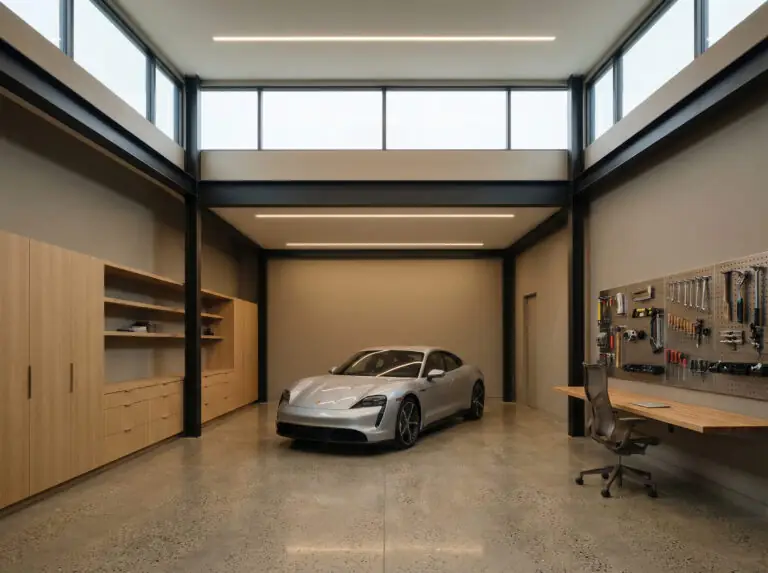
But in 2026, the script has flipped. The garage is no longer just a place to park the car or store holiday decorations. It has evolved into the “Living Garage”—a multifunctional extension of the home. It’s a home gym, a woodworking studio, a potting shed, and for many, the primary entryway to the house. Why should it look any less curated than your living room?
If you are looking to transform your space, you’ve arrived at the right place. We have analyzed the shifting interior design trends to bring you the definitive guide to garage wall paint ideas for 2026. We are moving away from the cold and industrial and embracing warmth, nature, and sophisticated depth.
The biggest mistake homeowners make is treating the garage like a separate entity from the house. Your garage paint should harmonize with your interior color palette. If your home is full of warm earth tones, a cold, blue-grey garage will feel jarring every time you walk through the door.
Hackrea Verdict
Quick Guide: Best Paint Colors by Function
If you are in a rush to the hardware store, here is our cheat sheet for matching the 2026 trends to how you actually use your garage.
| Garage Main Function | The 2026 Vibe | Recommended Color Family | Trending Shade |
| Multi-purpose / Storage | Warm & Airy | The “New Neutrals” | Sandstone Beige / Mushroom |
| Workshop / Hobby | Biophilic Focus | Nature-Inspired | Olive Green / Warm Sage |
| Showroom / Car Enthusiast | Moody Industrial | Deep & Sophisticated | Midnight Teal / Soft Charcoal |
| Home Gym / Active | Zen or Energetic | Earthy Clay | Terracotta / Warm White |
1. The “New Neutrals”: Goodbye Grey, Hello Warmth
For the last ten years, “Cool Grey” was the undisputed king of garage walls. It was safe, clean, and frankly, a little bit boring. As we move through 2026, cool tones are out. We are craving comfort, even in our utility spaces.
The trend is now “Greige” (Grey + Beige) and “Mushroom.”
Why It Works for Garages
Pure white walls show every speck of dust, tire mark, and spiderweb. Cool greys can make a garage with fluorescent lighting feel clinical and cold. Warm neutrals, however, act as a camouflage for everyday garage dirt (sawdust is usually brown/beige, after all!) while reflecting light in a flattering, welcoming way.
Top Color Picks
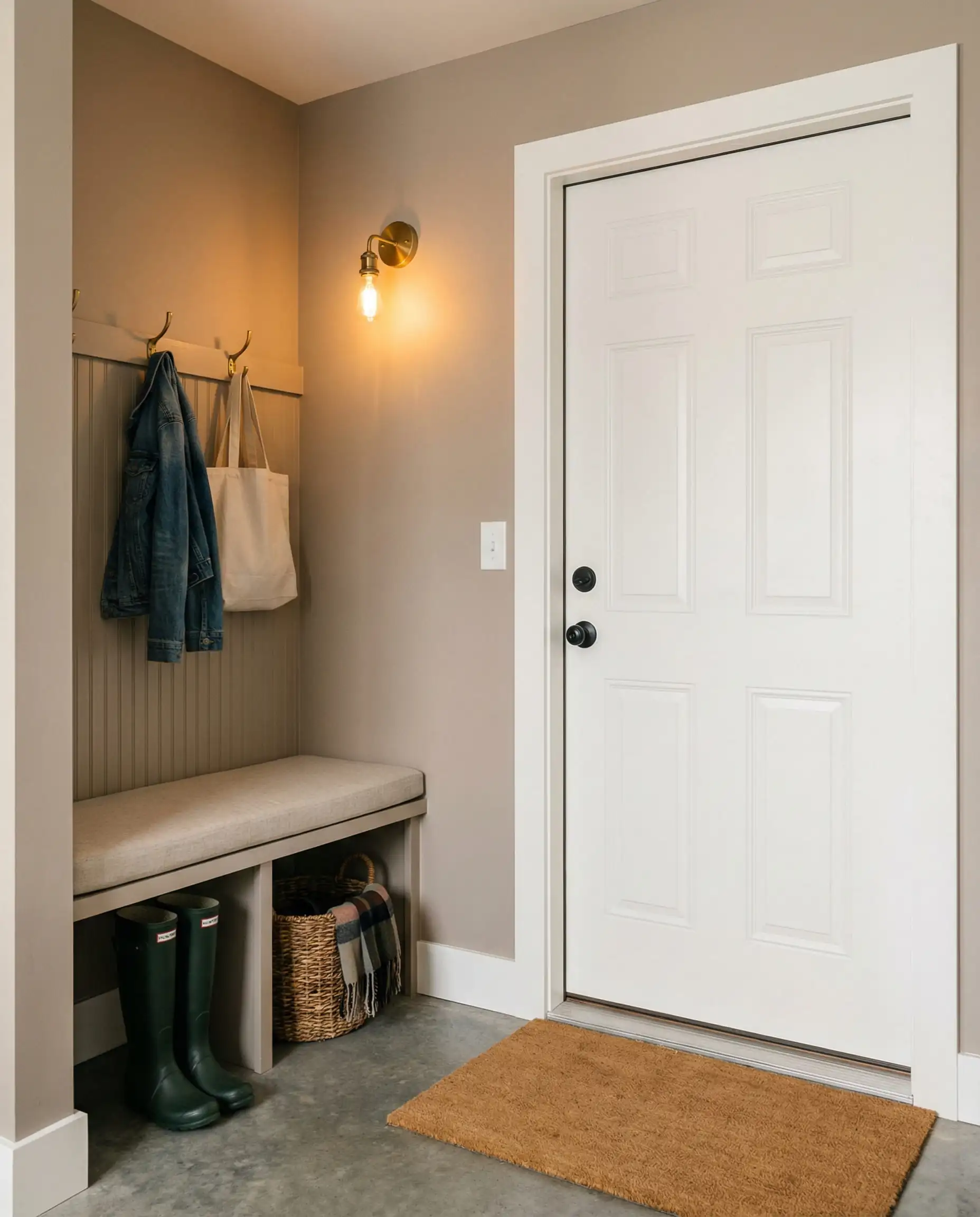
If you aren’t sure where to start, try Sherwin-Williams Universal Khaki (SW 6150) or Benjamin Moore Swiss Coffee (OC-45). These shades are “scuff-forgiving”—they hide minor imperfections in drywall taping that are common in garages.
Hackrea Verdict
2. Biophilic Tones: Bringing the Outdoors In
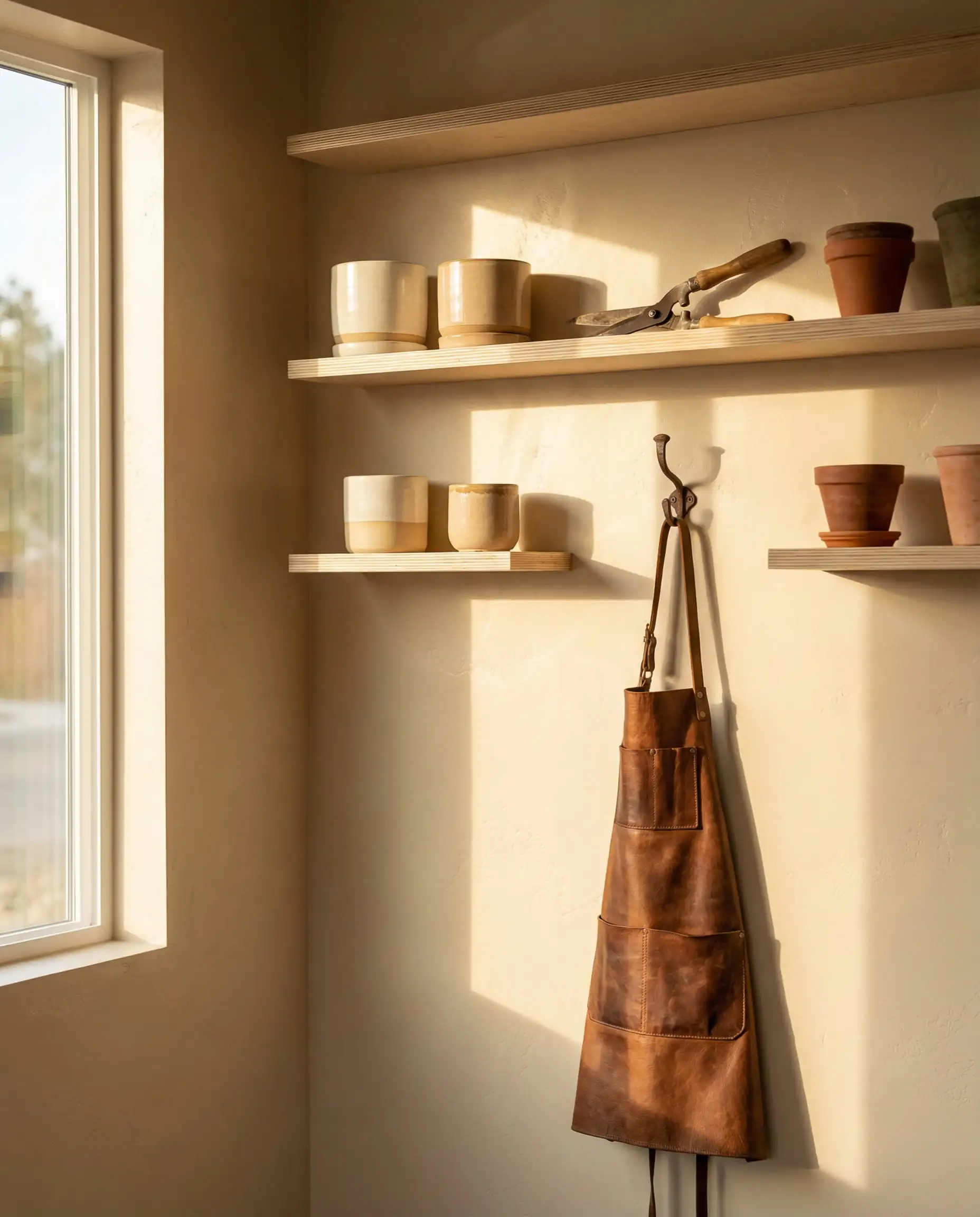
“Biophilic design” (design that connects us to nature) has finally conquered the garage. This trend is particularly popular for homeowners who use their garage as a transition zone—a place for gardening tools, muddy boots, and bicycles.
By painting your walls in earth tones, you visually connect the garage to the garden or driveway outside, making the space feel expansive rather than enclosed.
The Gardener’s Palette
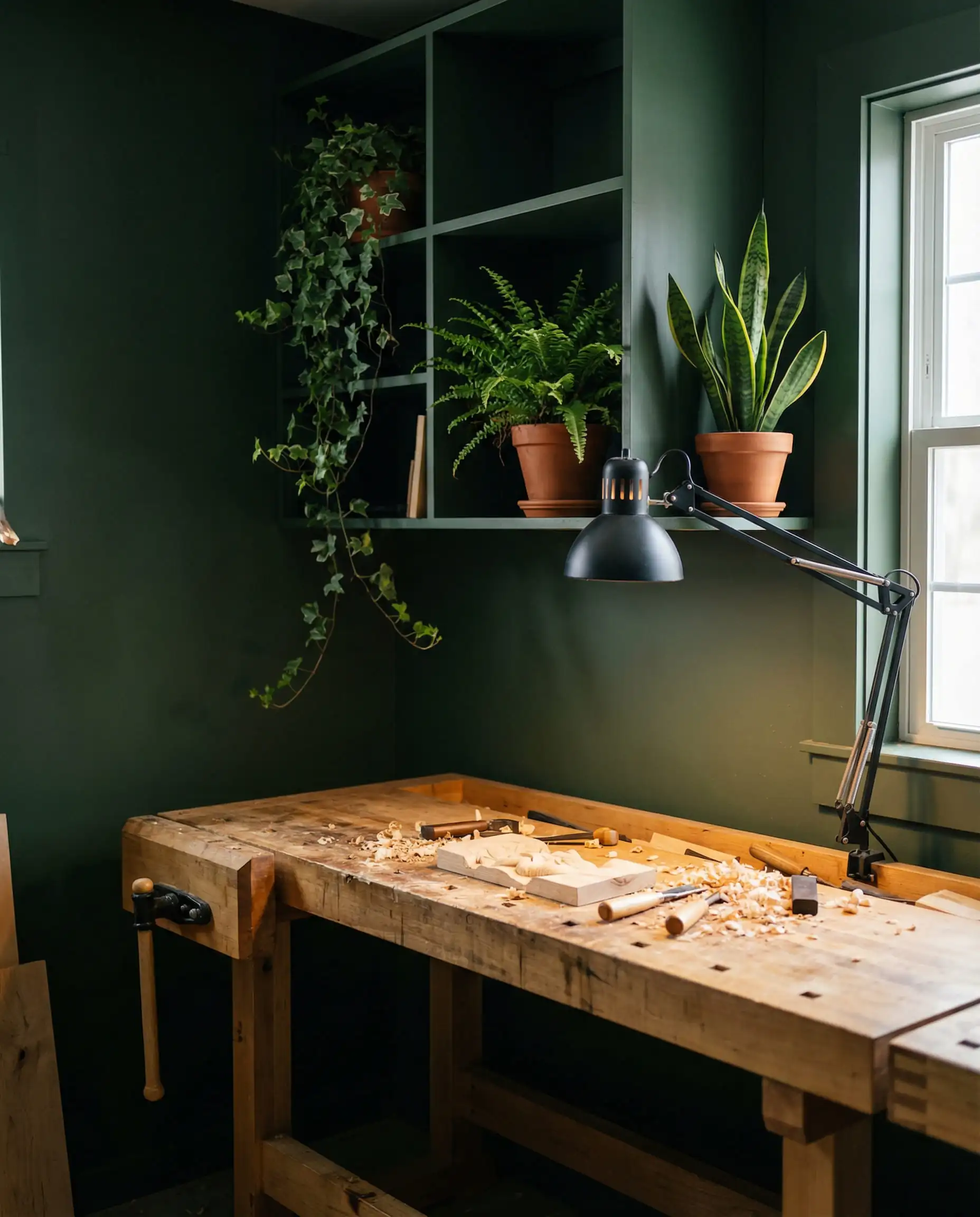
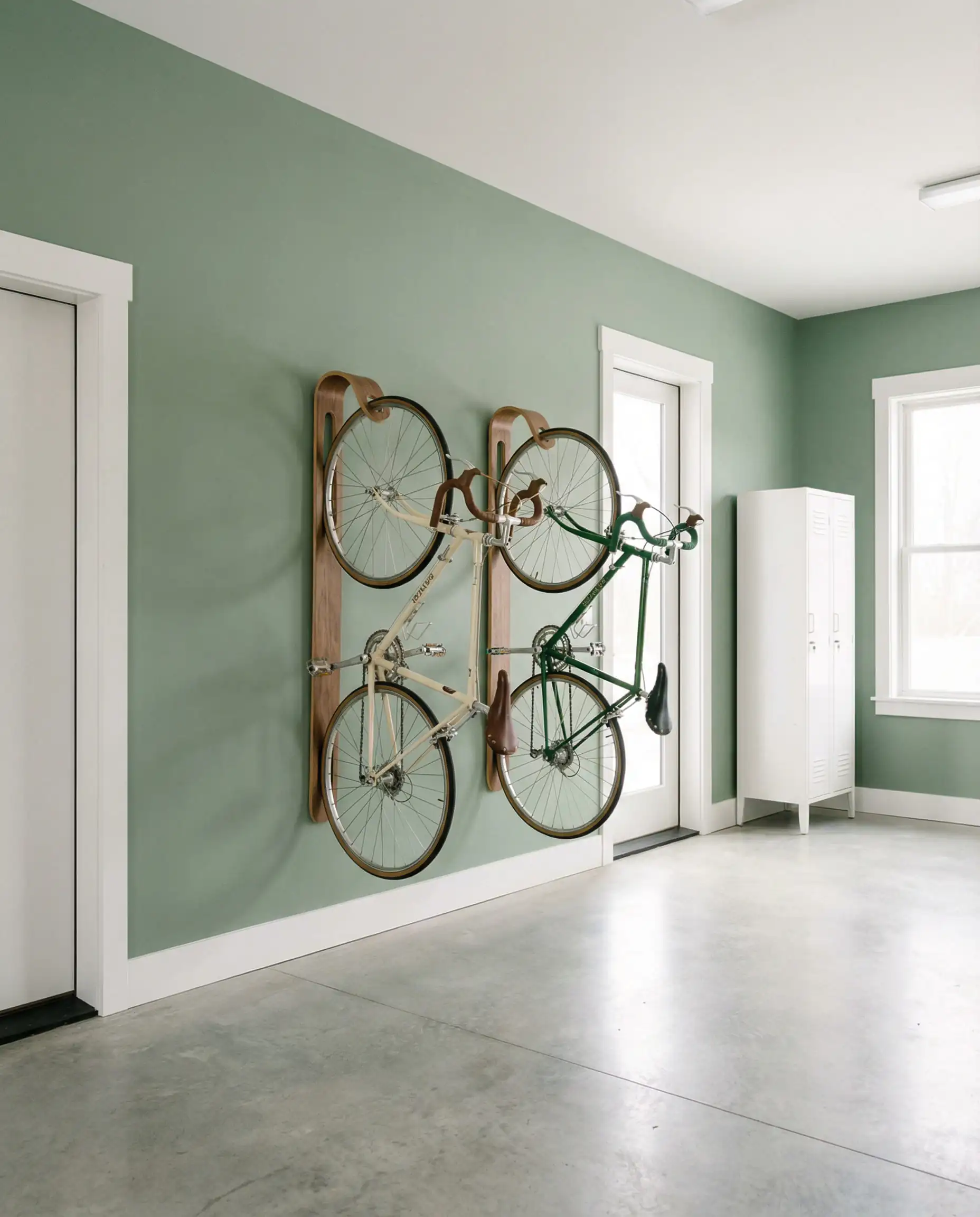
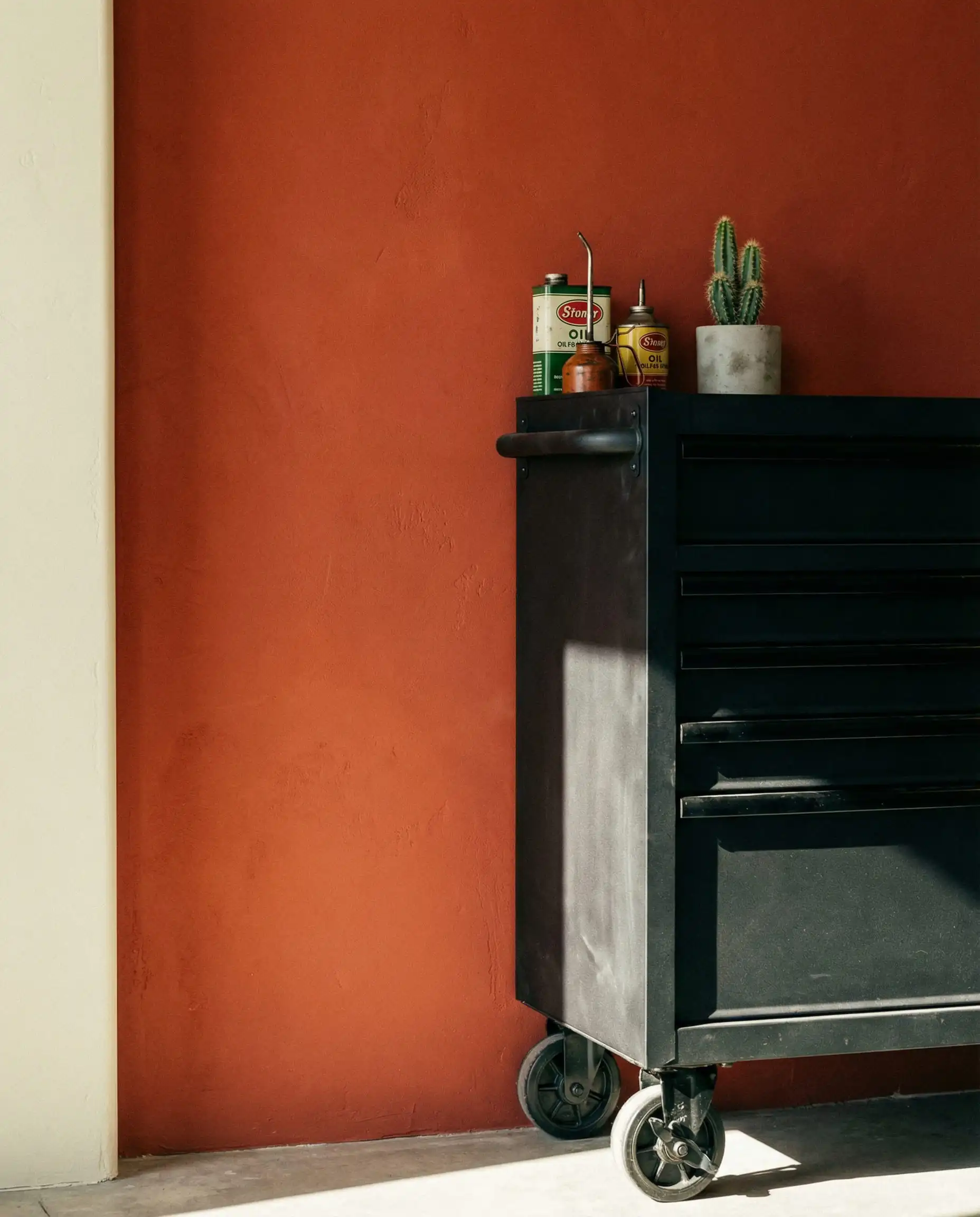
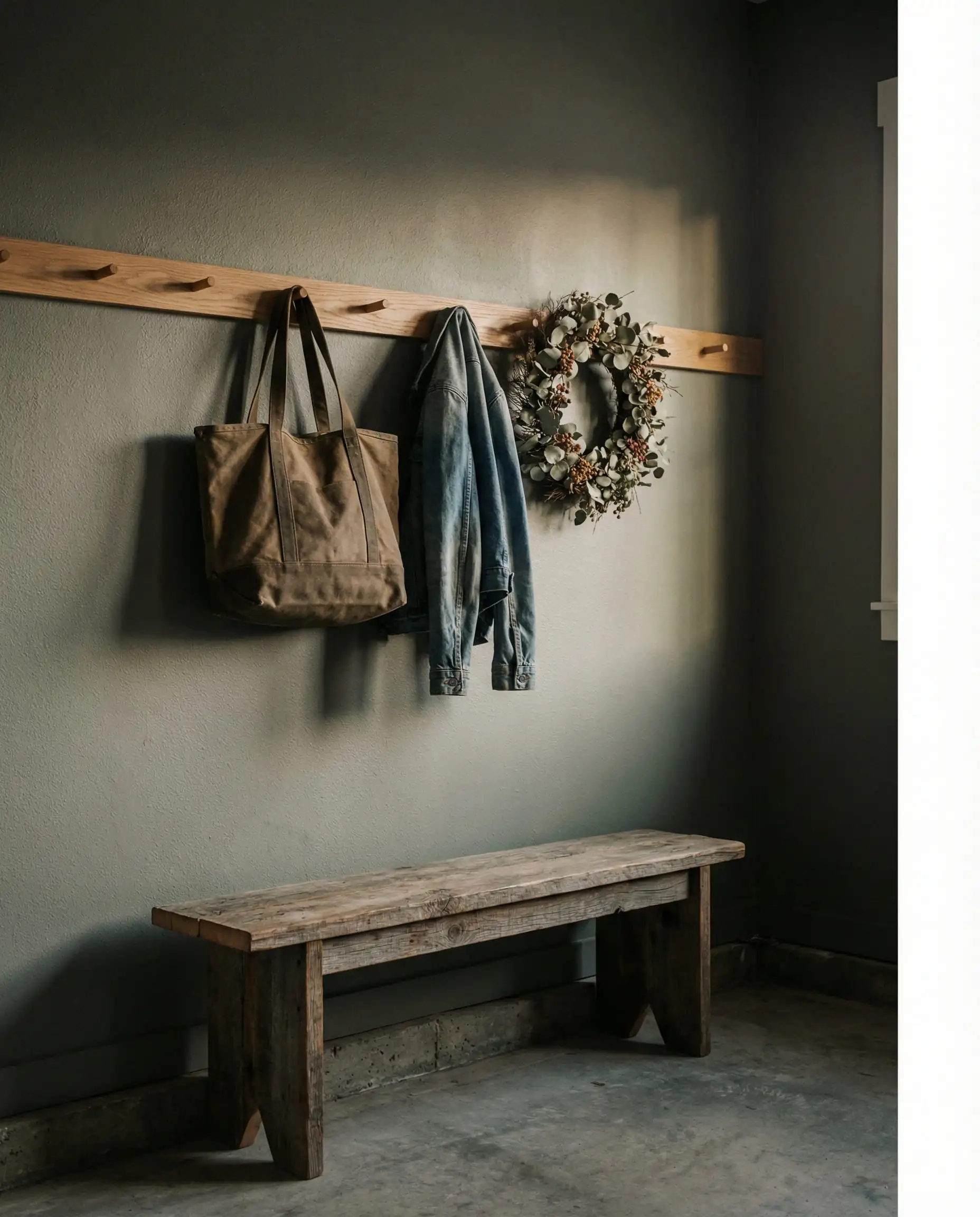
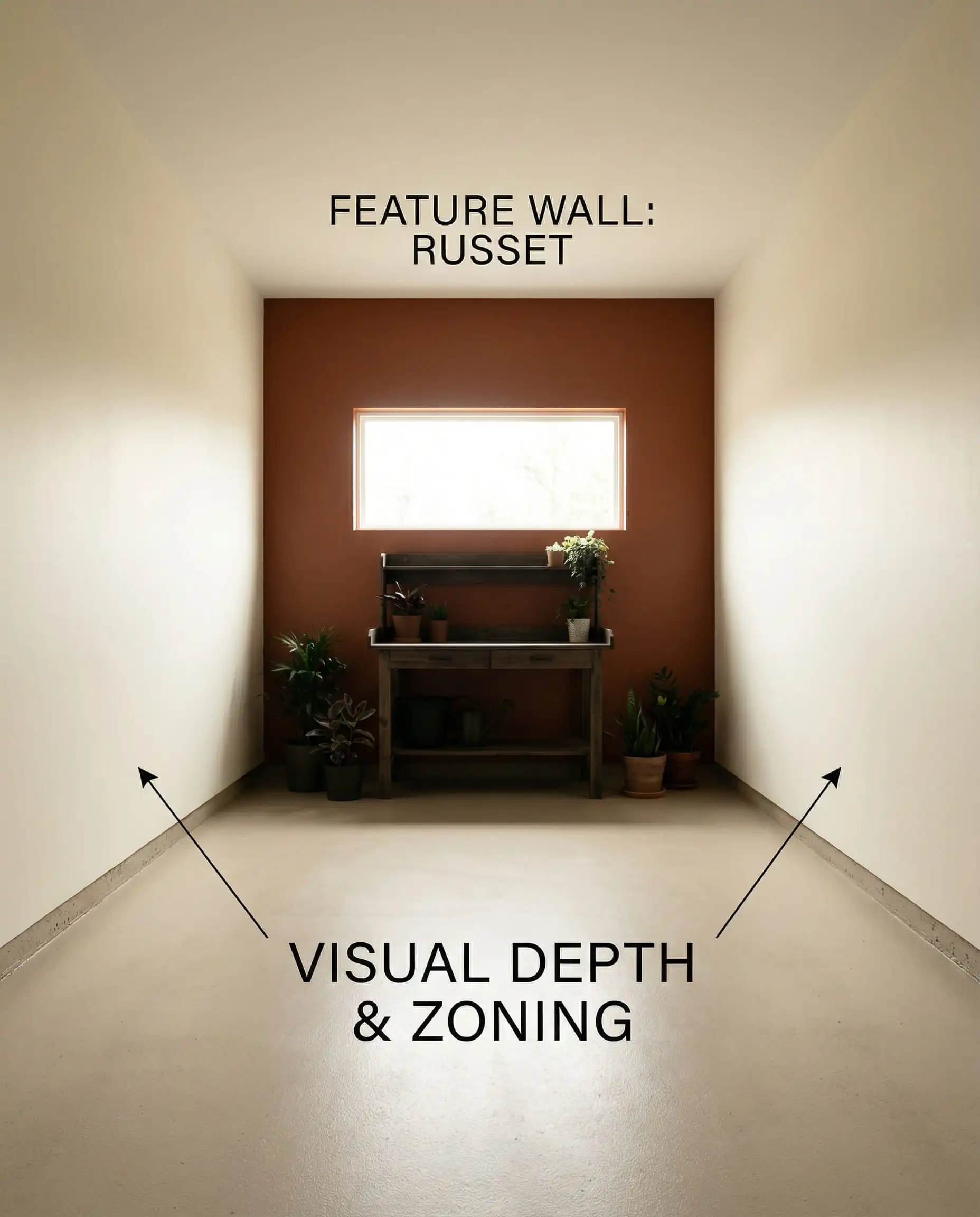
If painting the whole garage green feels too bold, try a feature wall. Paint the wall with the window or the wall behind your workbench in Deep Terracotta and keep the remaining walls a soft Cream. This adds depth without shrinking the room.
Application Tip
3. Moody & Industrial: The “Showroom” Look
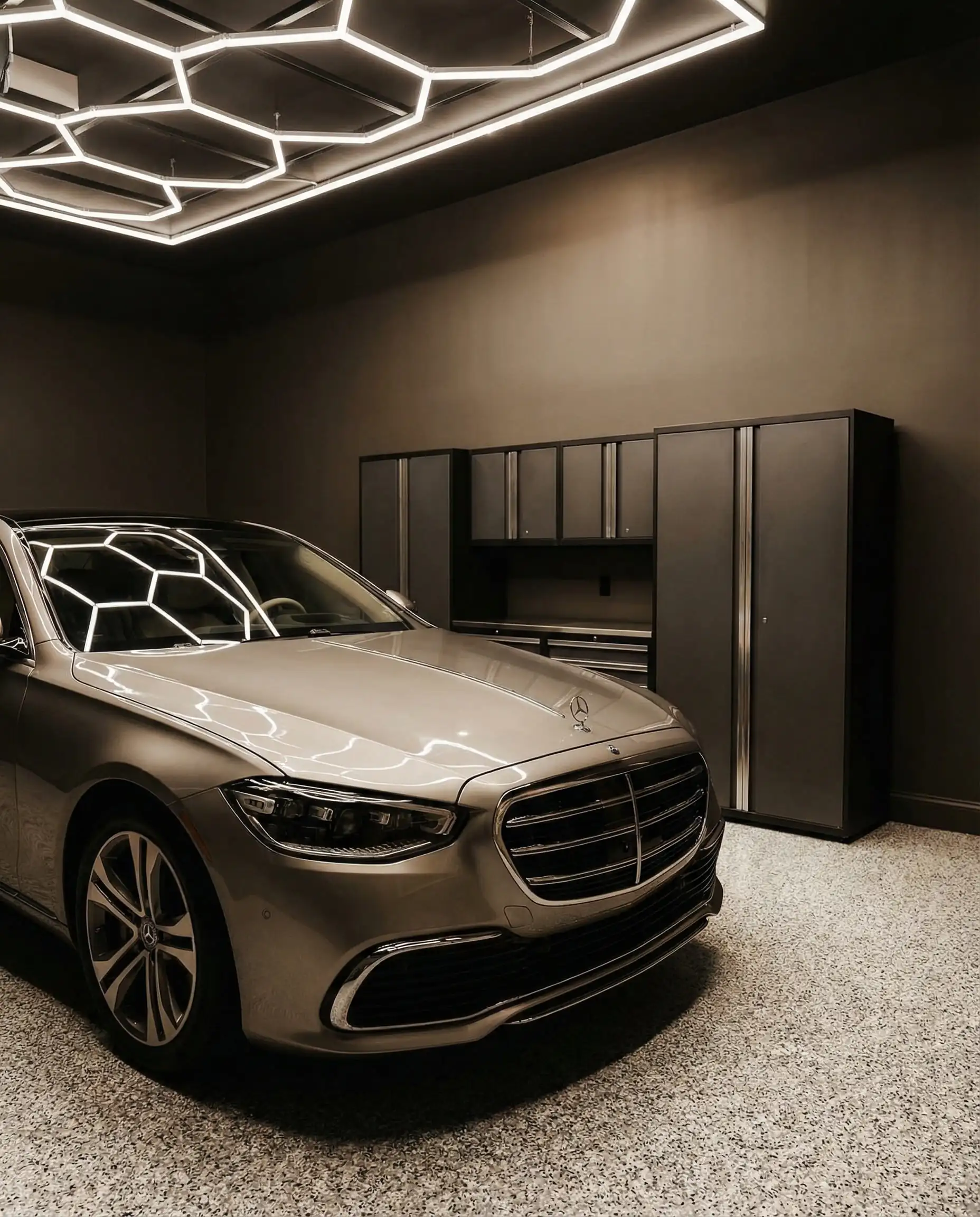
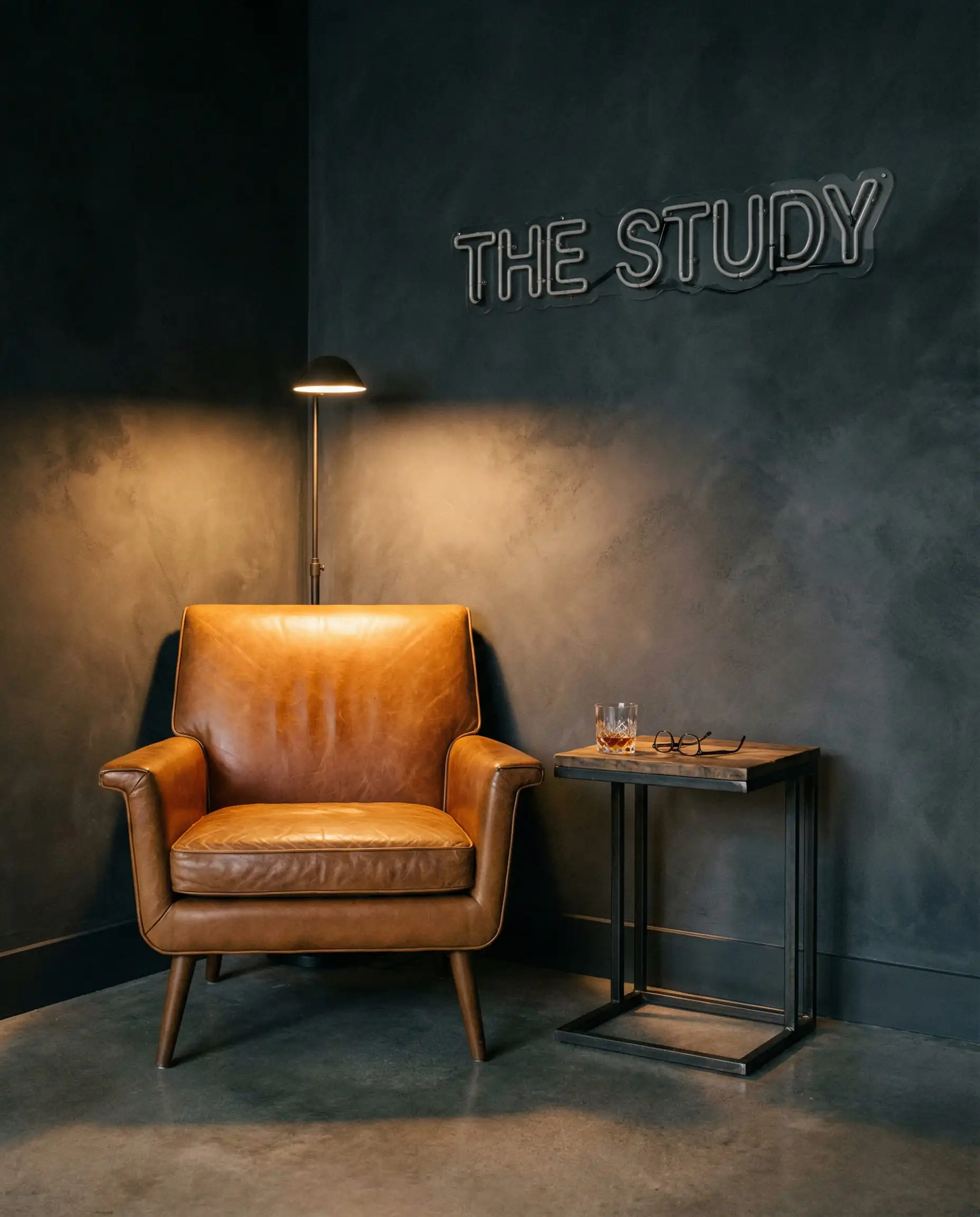
For the car enthusiast or the homeowner creating a “Man Cave” (or “She Shed”) vibe, the 2026 trend is dark, moody, and undeniably expensive-looking. We aren’t talking about pitch black (which can feel suffocating), but rather sophisticated, near-black hues.
The Palette
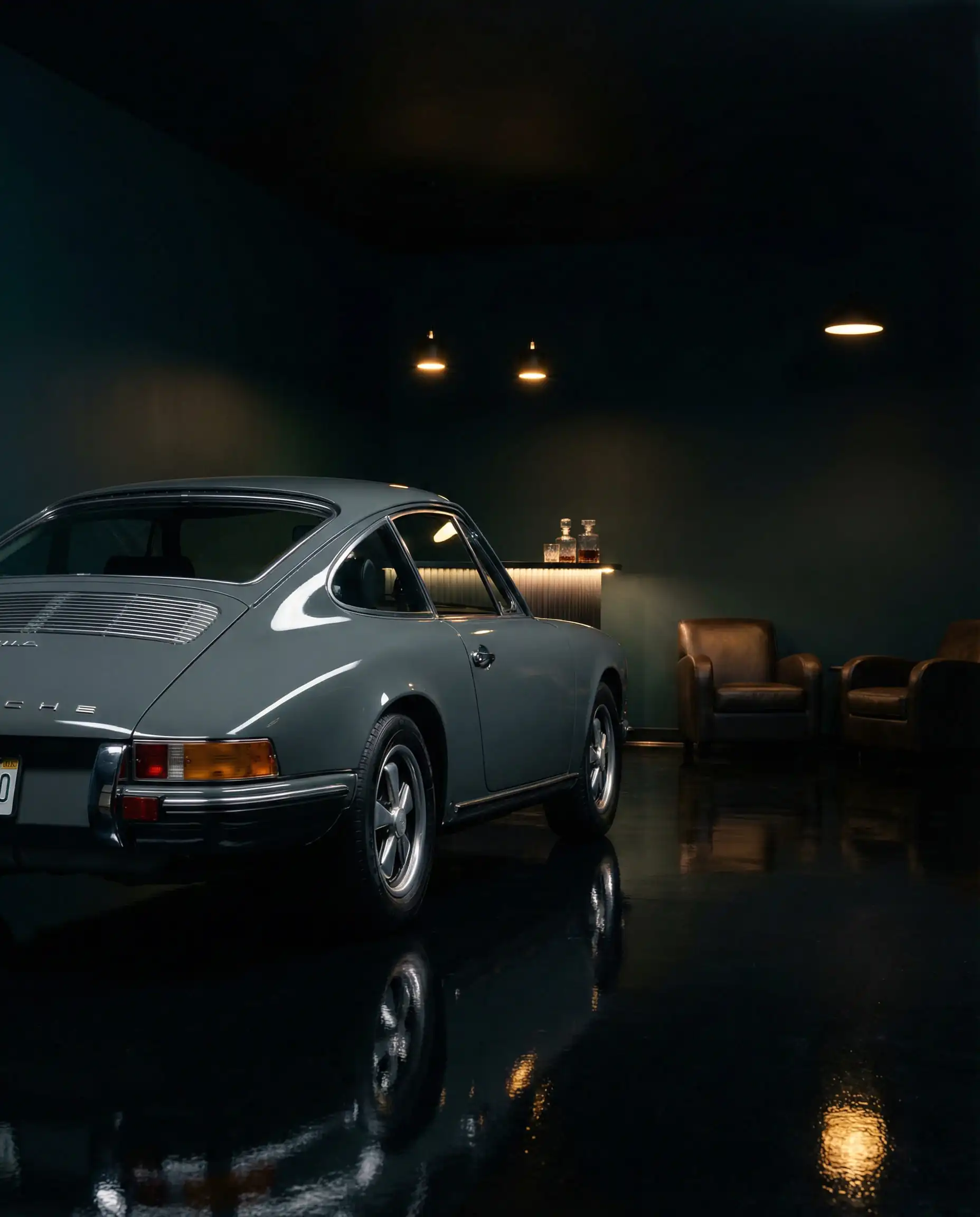
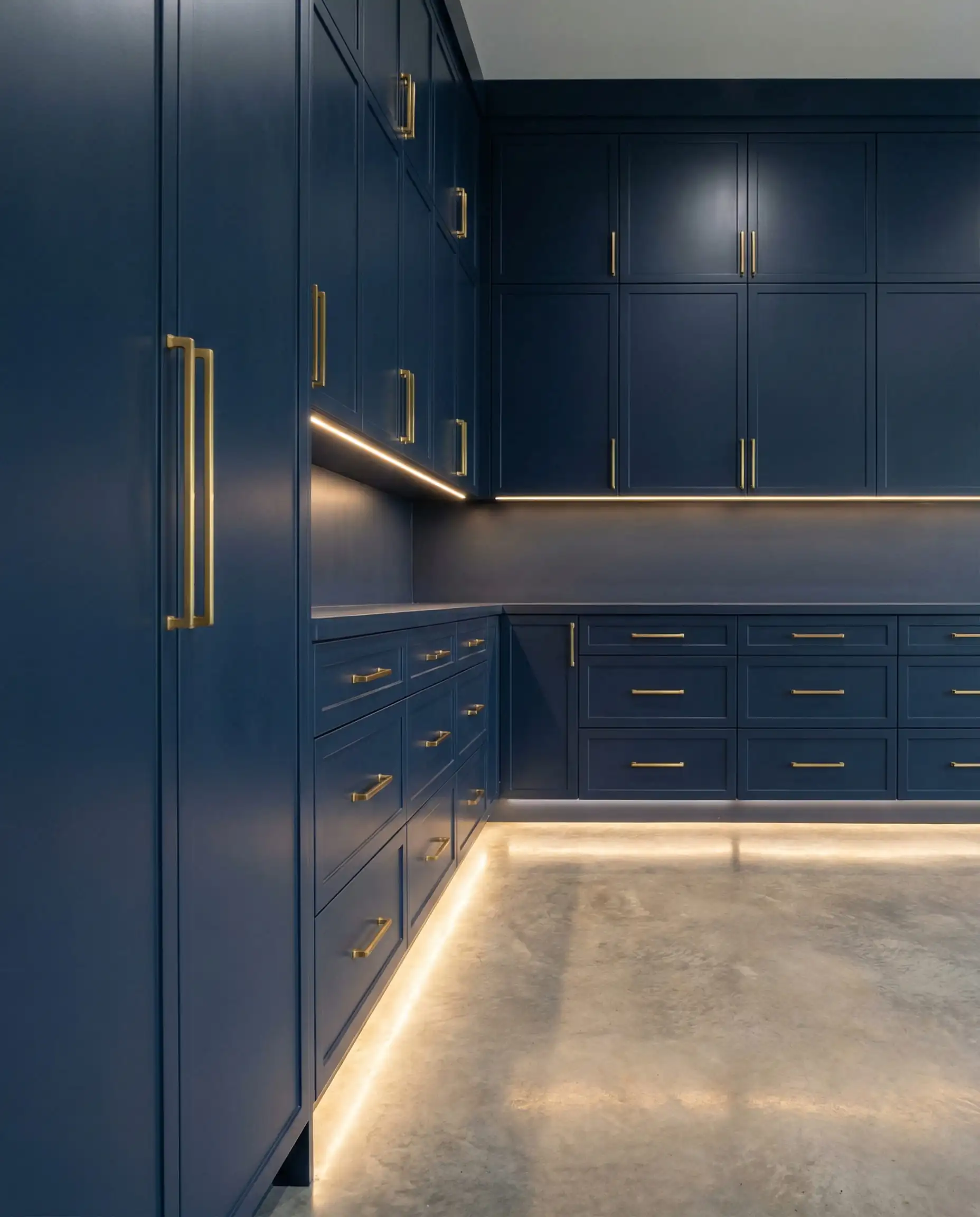
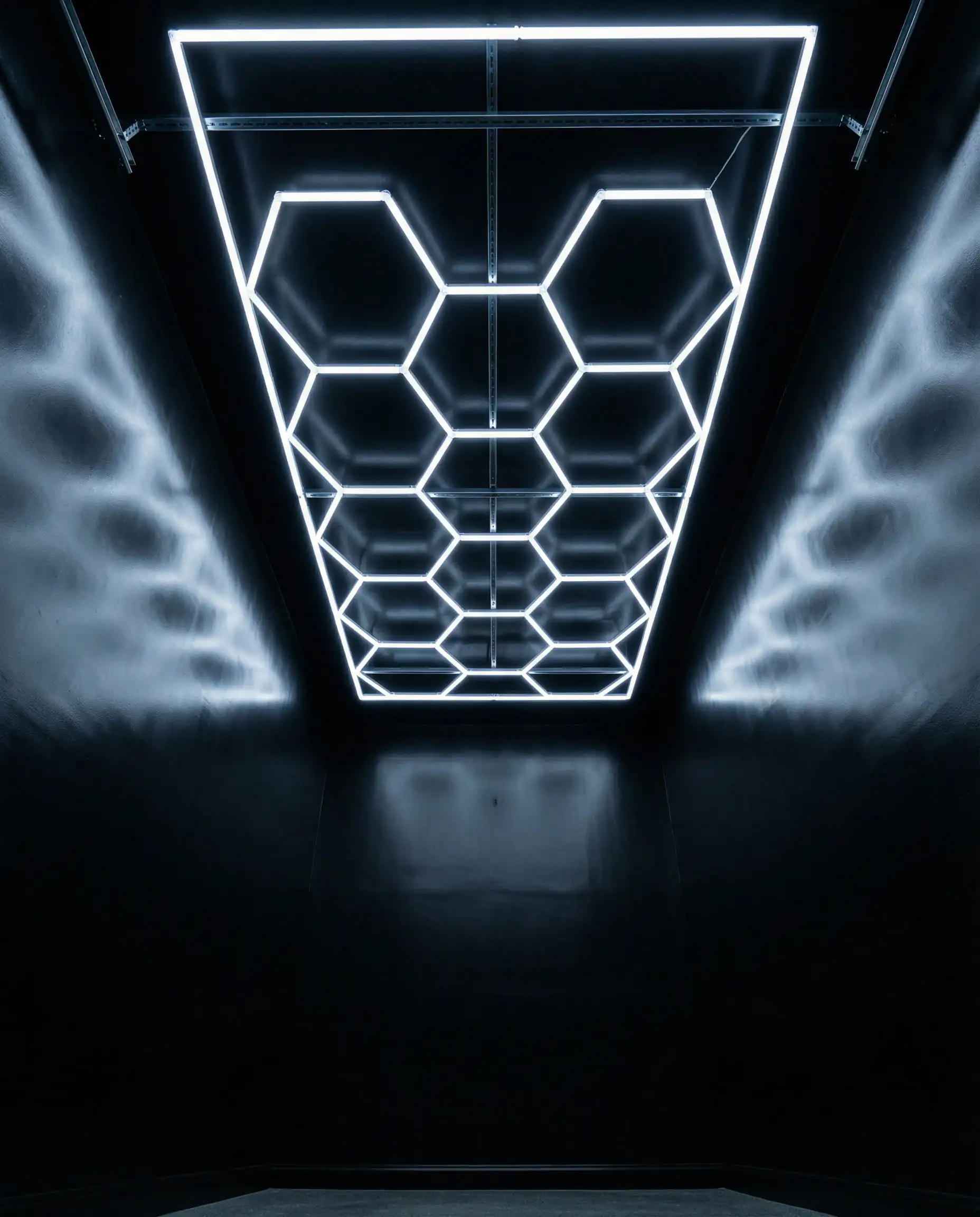
Proceed with caution. Dark colors have a Low Light Reflectance Value (LRV). If you choose a Charcoal wall, you must upgrade your lighting. We recommend installing 5000K LED shop lights or hexagonal ceiling grids to ensure the space doesn’t become a dungeon.
Hackrea Verdict
4. Technical Guide: How to Choose (The Science Part)
Picking a color is the fun part, but picking the right paint is the hard part. The garage environment is unique—it suffers from temperature swings, humidity, and poor lighting. Here is the technical breakdown you need to know.
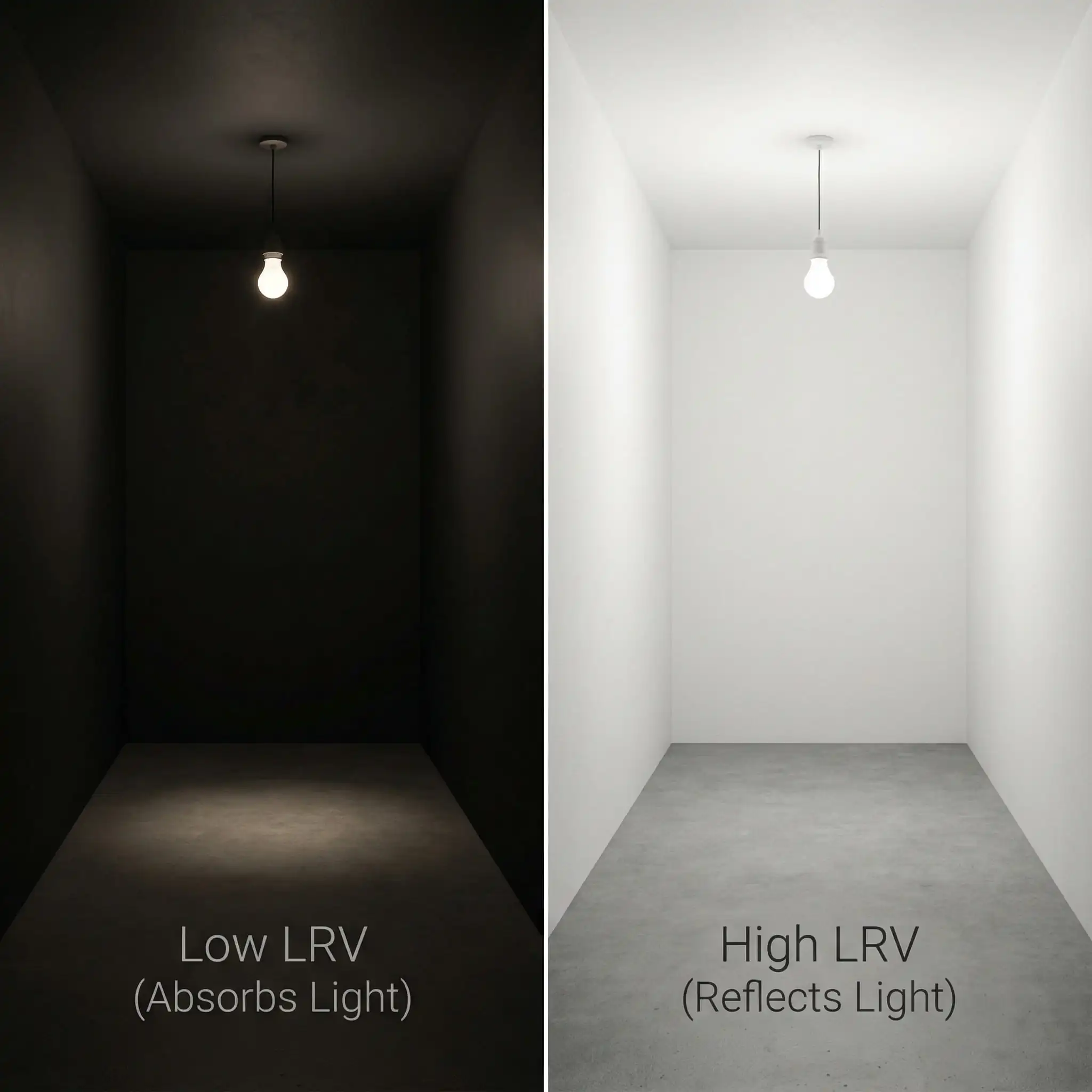
Understanding Light Reflectance Value (LRV)
Every paint color has an LRV number from 0 (Black) to 100 (White). This number tells you how much light the paint reflects.
The Great Finish Debate: Satin vs. Semi-Gloss
For years, the standard advice was: “Paint garage walls Semi-Gloss because it’s easy to wipe clean.”
In 2026, we disagree.
Semi-gloss paint is shiny. While it is washable, that shine acts like a magnifying glass for surface imperfections. Garage drywall is rarely finished to a “Level 5” smooth standard; it usually has bumps, tape lines, and texture. Semi-gloss highlights every single one of them.
The Solution: 100% Acrylic Satin.
Modern high-quality Satin paints (and some specialized “Scuff-X” formulas) offer the washability of the old semi-gloss but with a softer finish that hides drywall lumps and bumps.
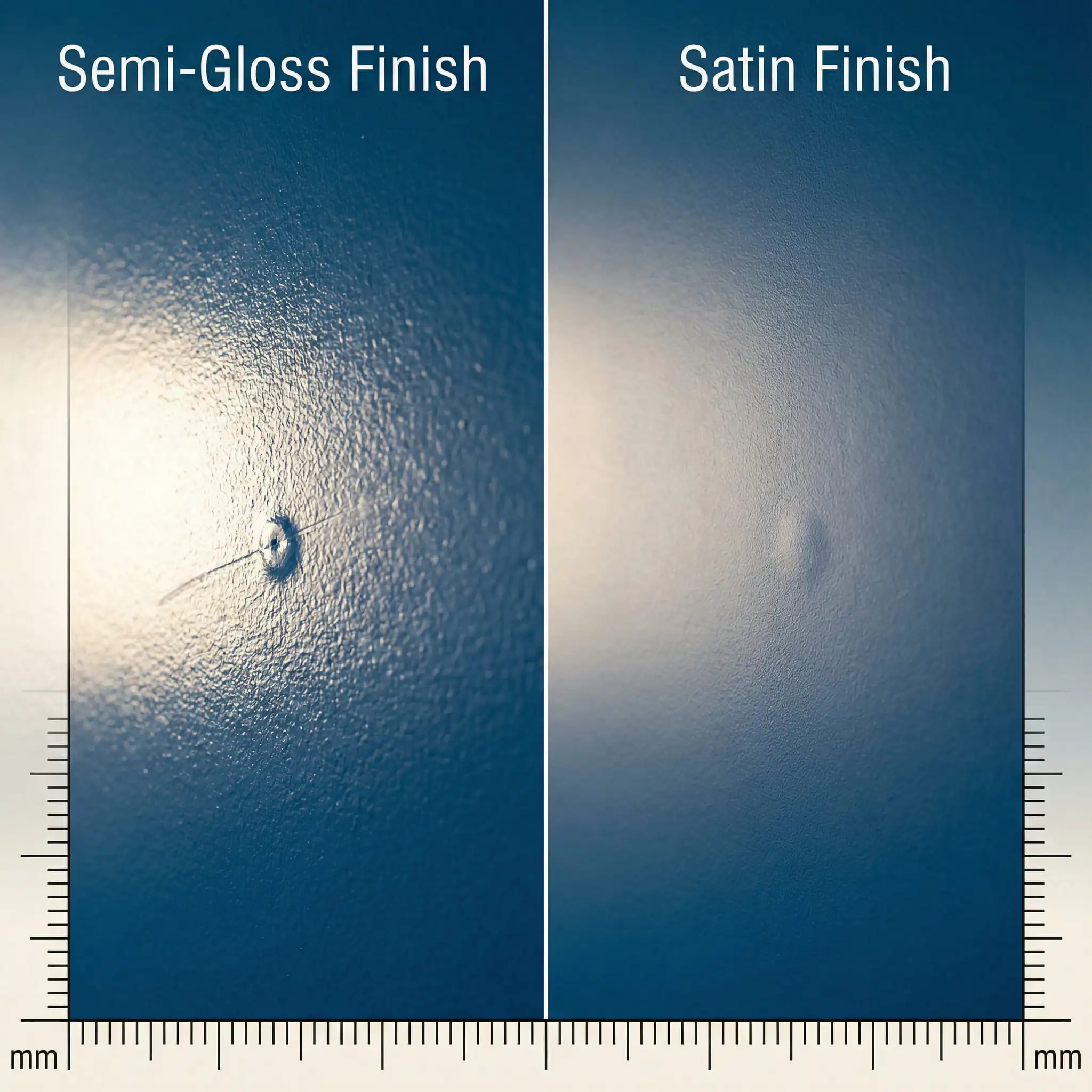
Go with a Satin finish. It is the perfect compromise between aesthetics and utility. If you are painting a high-splash zone (like behind a utility sink), you can bump up to Semi-Gloss just for that area.
Hackrea Verdict
5. Zoning: Using Color to Define Space
In 2026, we are seeing a move toward Color Blocking in the garage. Since the garage serves multiple purposes, paint can help define those zones.
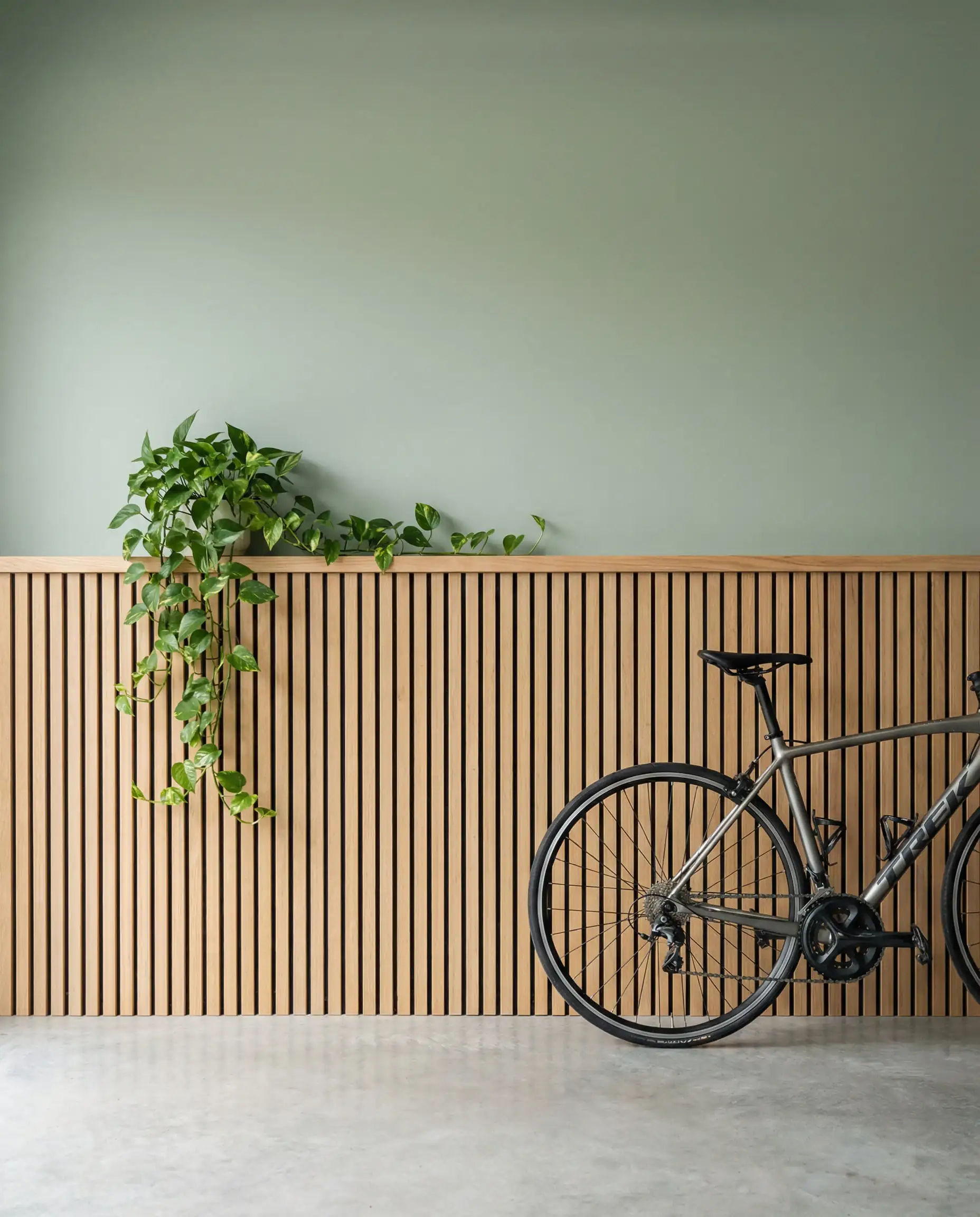
The “Wainscot” Effect (Two-Tone Walls)
This is one of the smartest upgrades for a working garage.
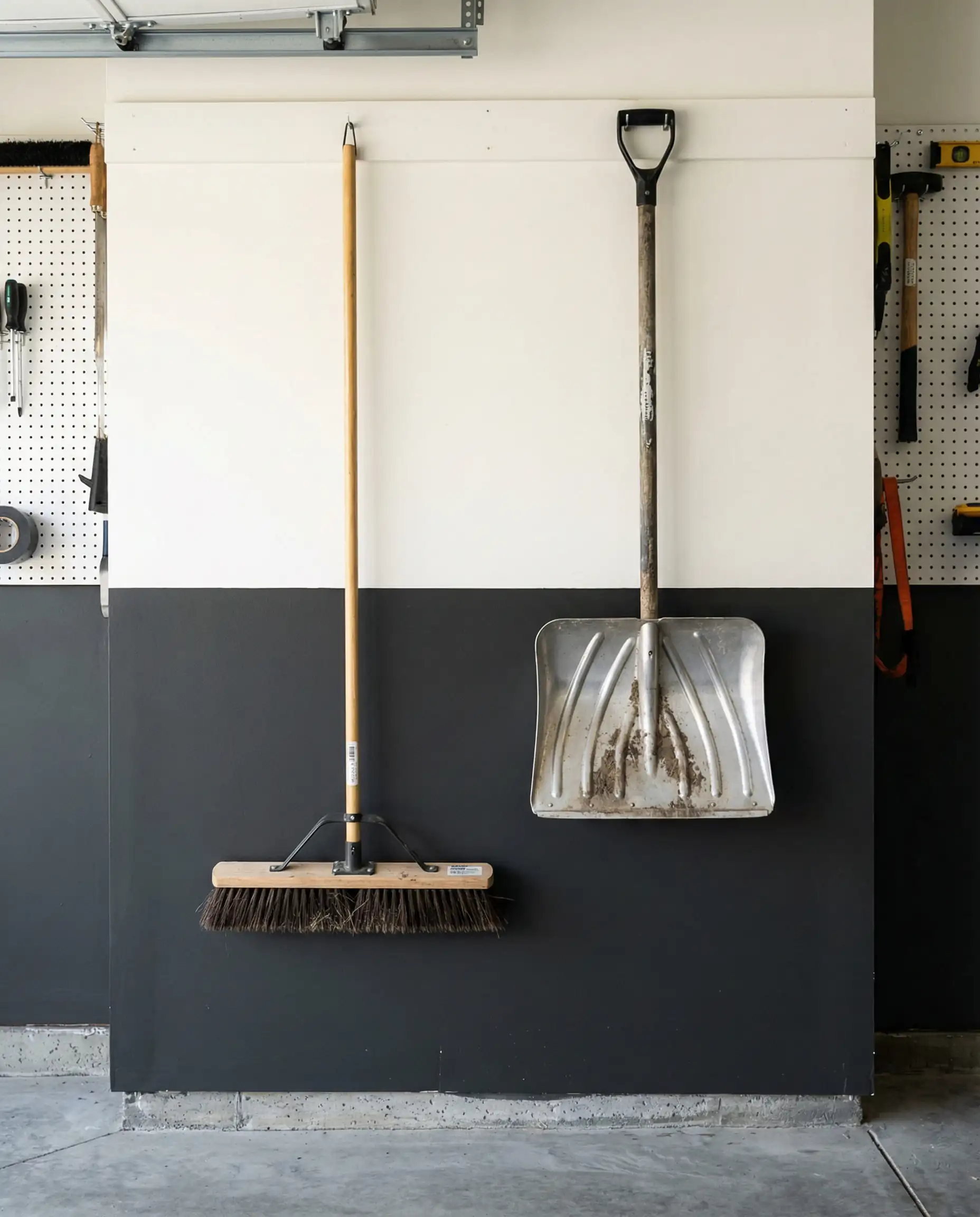
- Bottom 1/3 (approx. 3-4 feet high): Paint this a dark color (Charcoal, Navy, Dark Green). This is the “Splash Zone” that gets hit by car tires, muddy boots, and broom handles. Dark paint hides these scuffs.
- Top 2/3: Paint this a light, warm neutral. This keeps the room feeling airy and reflects light from the ceiling fixtures.
- Divider: You can separate the two colors with a simple painted line or a piece of wood trim for a finished look.
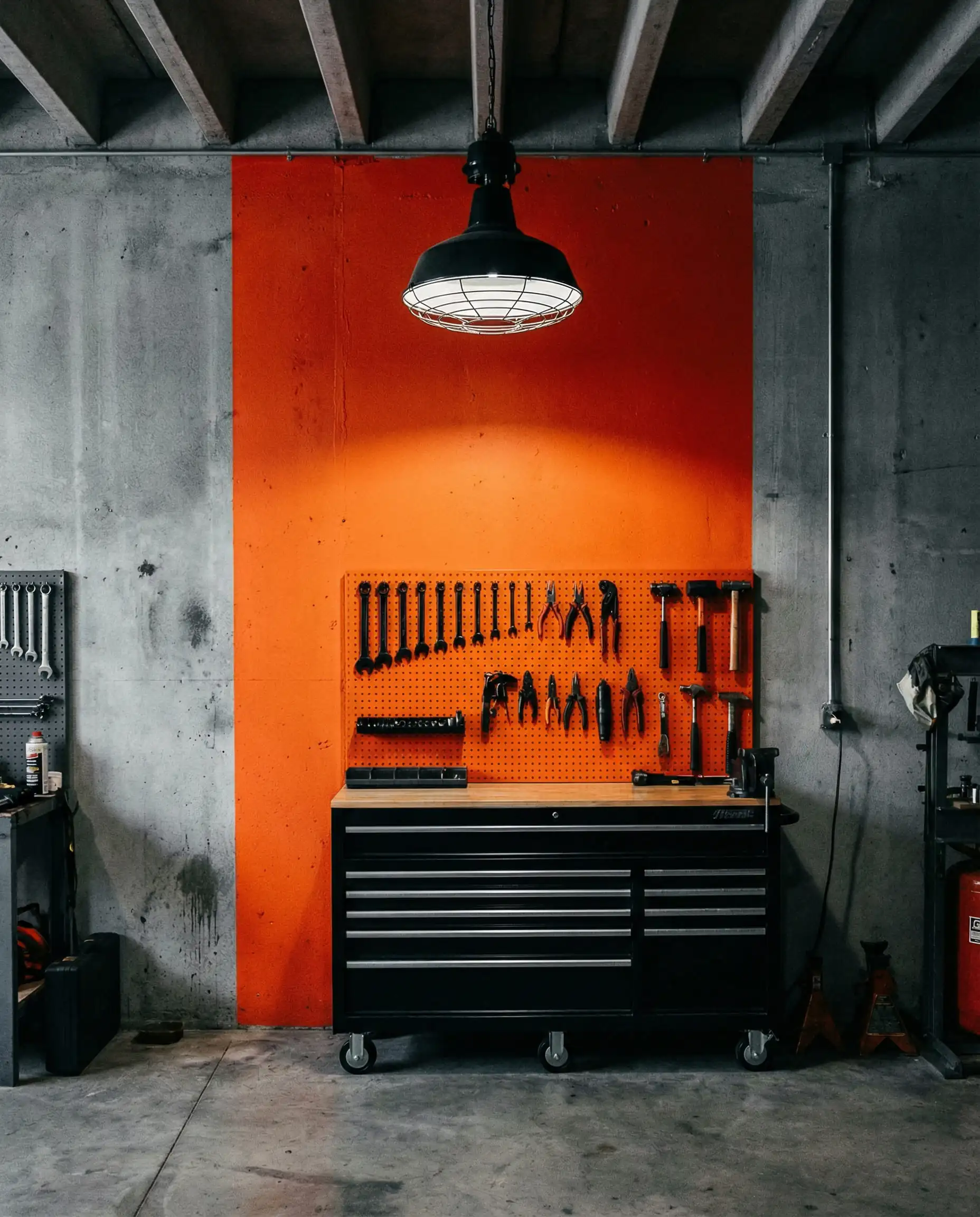
The Workbench Zone
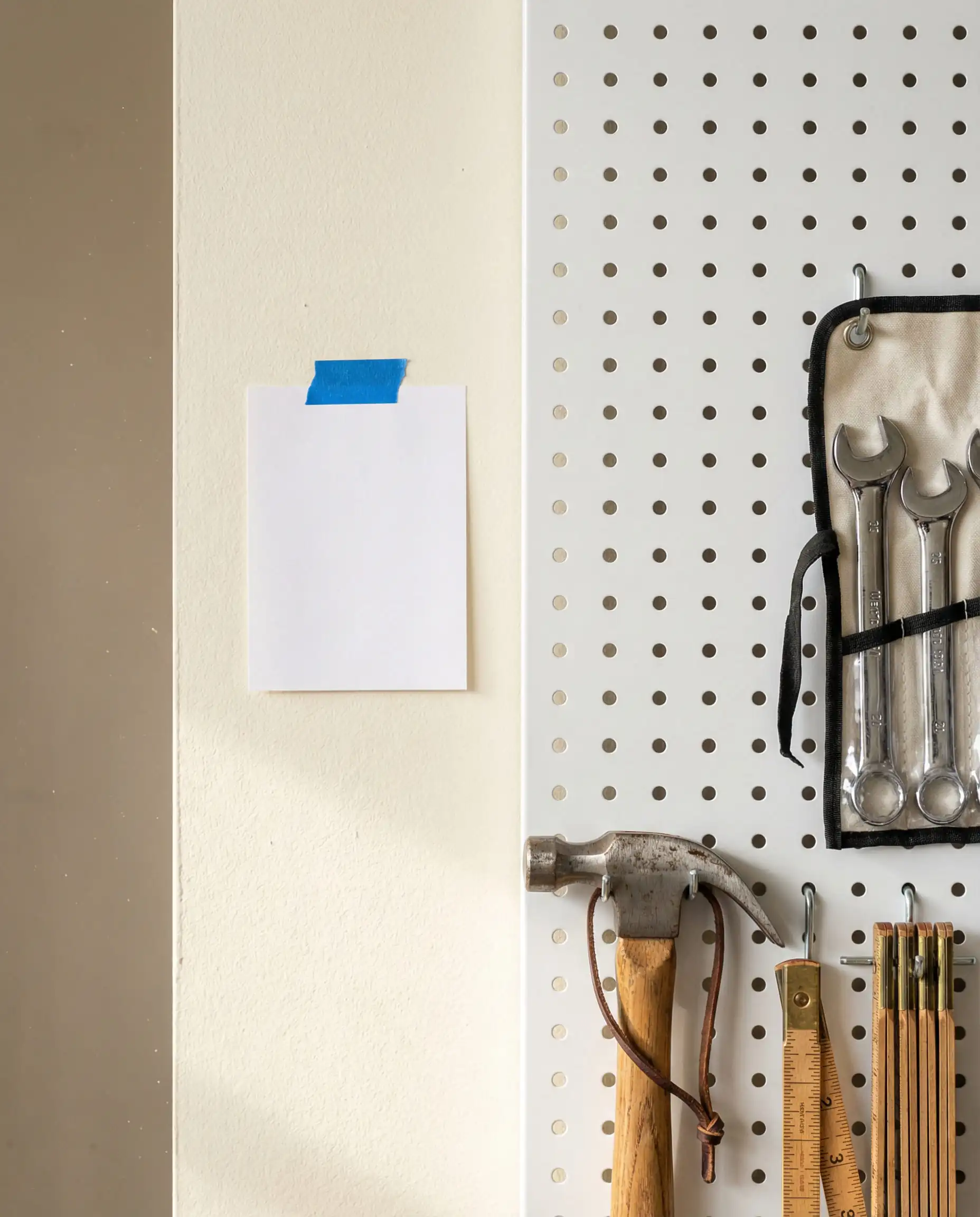
Paint a rectangle or arch of bold color directly behind your workbench or pegboard. It visually separates the “work” area from the “storage” area and makes your tools look organized (even when they aren’t).

6. Essential Prep: Do Not Skip This!
You can pick the trendiest color of 2026, but it will look terrible if it peels off in 2027.
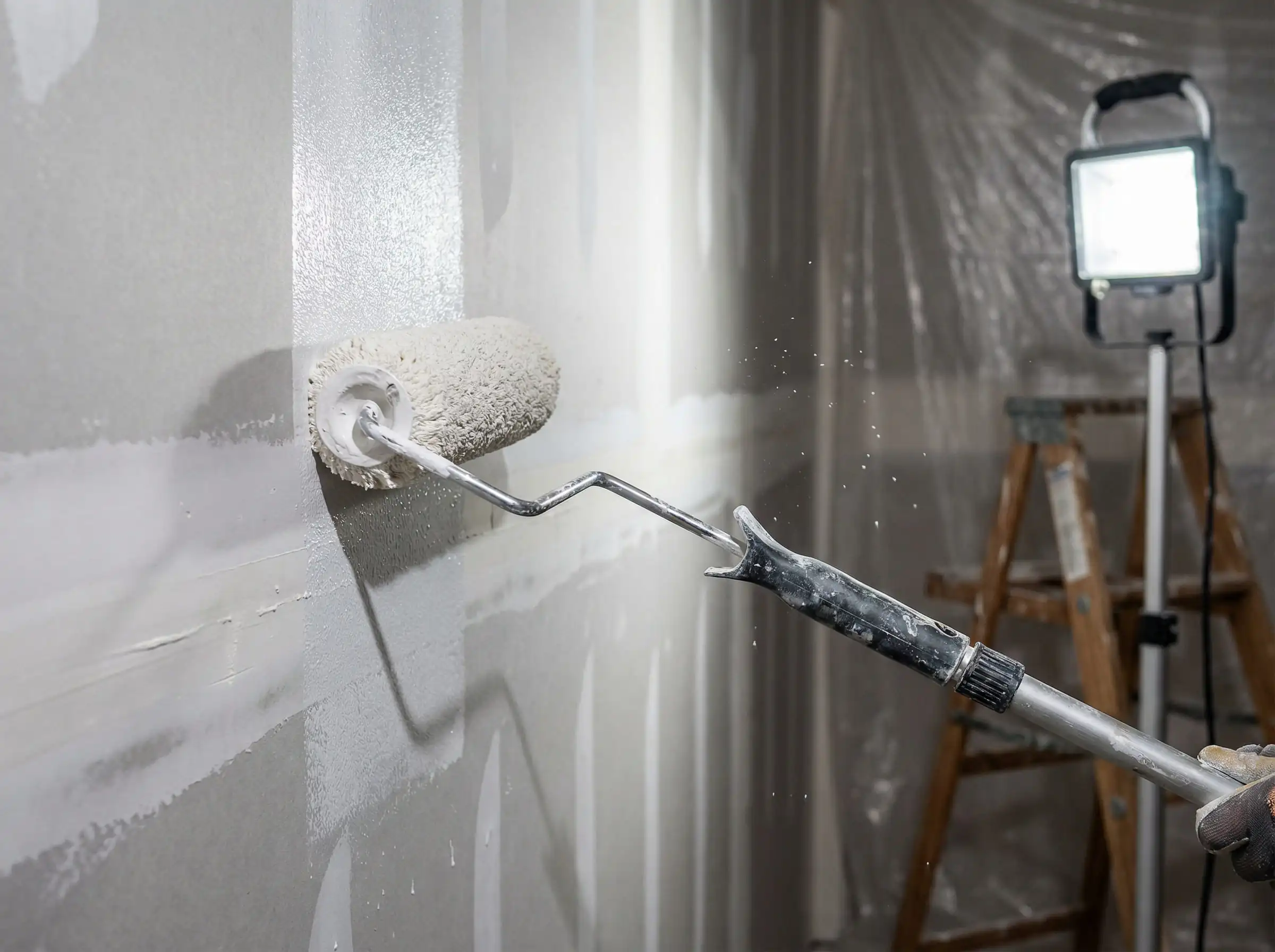
- The Virgin Drywall Rule: If your garage is unfinished (just paper and mud), you cannot apply paint directly to it. The paper will suck the moisture out of the paint, leading to a patchy, peeling mess. You must use a PVA Primer (Polyvinyl Acetate) first to seal the surface.
- Clean the Walls: If you are repainting, your garage walls are likely covered in an invisible layer of exhaust fume residue and dust. Wash them down with a TSP (Trisodium Phosphate) substitute before priming.
- Temperature Matters: Don’t paint if your garage is below 50°F (10°C). The paint won’t cure properly.
Frequently Asked Questions (FAQ)
A: Generally, no. Keep the ceiling white (flat finish). This lifts the visual height of the room and maximizes light reflection. The only exception is if you are building a moody, high-end “man cave” and have excellent custom lighting—in that case, a dark ceiling can look very cinematic.
A: This is a common myth. Unless your garage is an open carport exposed to rain and snow, high-quality Interior 100% Acrylic Latex is best. Exterior paints contain fungicides and UV protectants that off-gas chemicals which aren’t healthy for enclosed spaces. However, do look for “Scuff Resistant” interior lines.
A: A mid-tone “Greige” (Grey-Beige) or Tan. White shows dirt; Black shows dust. A color like Sherwin-Williams Agreeable Gray or Benjamin Moore Revere Pewter is the dirt-hiding champion.
A: We advise against painting the vertical tracks or the rollers. Paint adds thickness and friction, which can gum up the mechanism and cause your door to stick. You can paint the inside face of the garage door itself, but use a bonding primer meant for metal/vinyl.
Conclusion: It’s Time to Reclaim the Room
The garage is the largest room in your house. It contributes significantly to your home’s curb appeal and your daily mood. In 2026, leaving it unfinished is a missed opportunity.
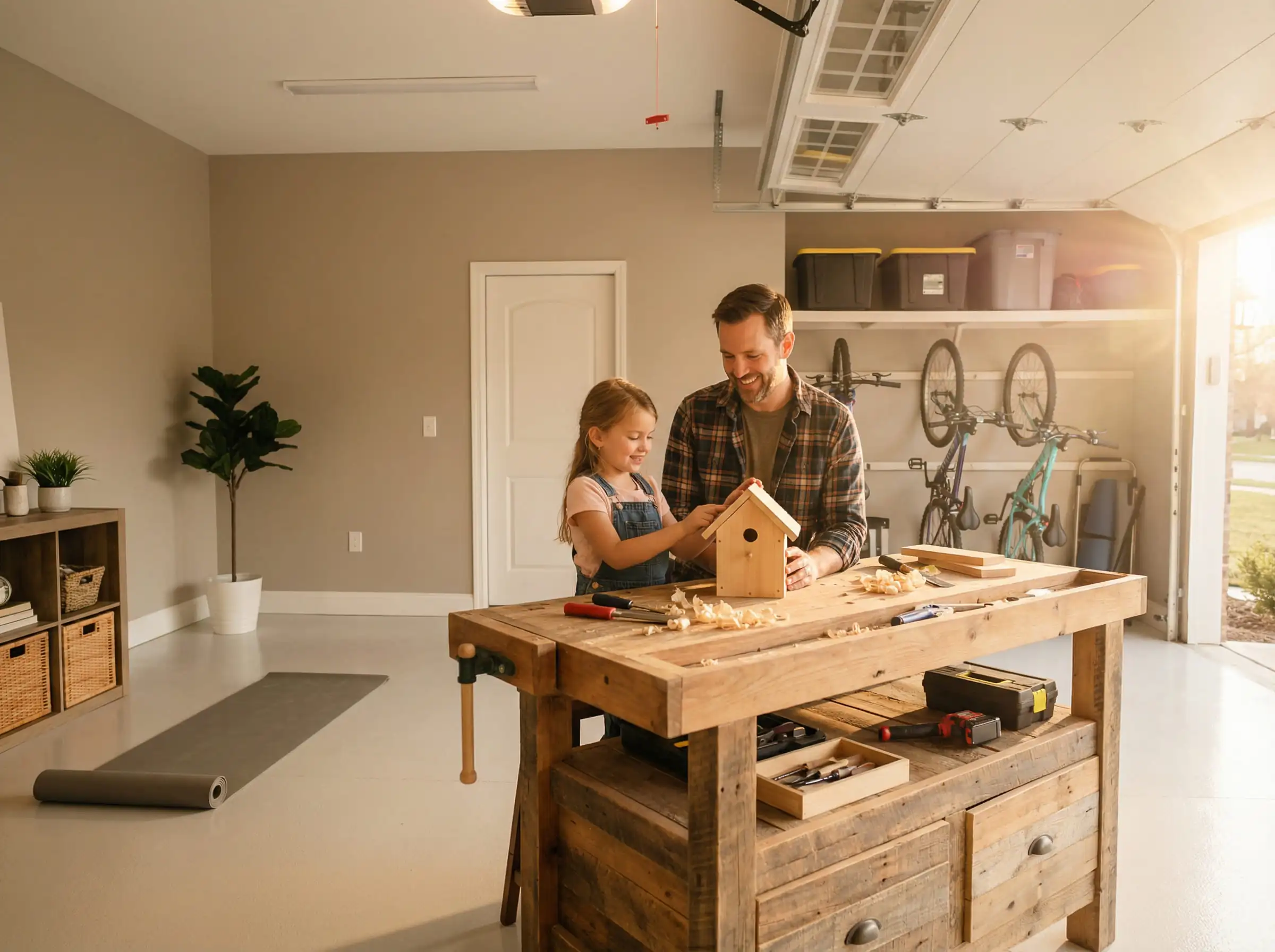
Whether you choose a calming Sage Green for your potting corner, a durable Sandstone for storage, or a sleek Charcoal for your automotive pride and joy, the right paint transforms the garage from a storage unit into a true living space.
Ready to get started?
Don’t just look at chips online. Go to the store, buy three sample pots (one light, one dark, one bold), and paint 2-foot squares on your garage wall. Watch how they look in the morning light versus under your electric garage opener light. The winner will reveal itself!