From Demolition to Design: Rethinking Renovation Waste
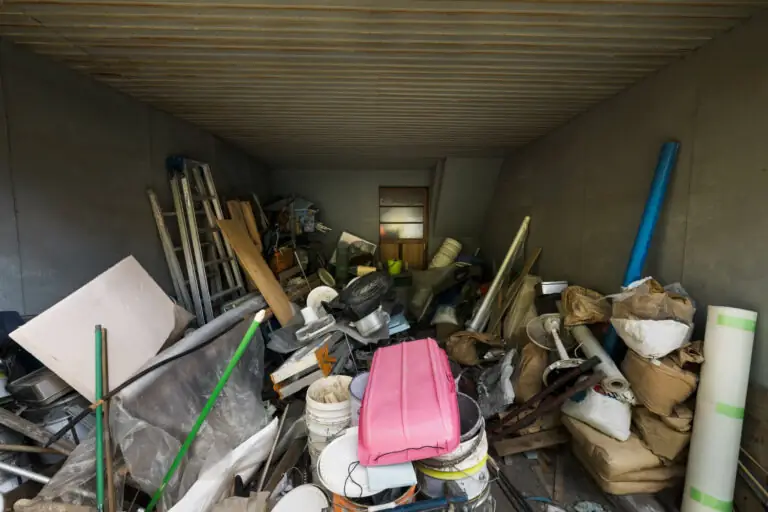
Renovations often begin with big ideas and bold plans, but the mess that comes first rarely gets attention. Debris, dust, and discarded materials can feel like a necessary evil instead of an intentional design decision.
Rethinking renovation waste changes that mindset. When you plan for what comes out as carefully as what goes in, waste becomes part of the creative process and a tool for building smarter, more sustainable spaces.
The Hidden Cost of Traditional Waste Disposal
From bathroom to kitchen renovations that generate heavy debris, traditional waste disposal often looks simple on the surface. But the real costs add up quickly. Multiple haul-away trips, rising landfill fees, and rushed decisions during demolition can quietly stretch a renovation budget without delivering any design value in return.
Time is another hidden expense. Crews lose momentum when debris piles up or bins fill faster than expected. Delays caused by overfilled containers or last-minute disposal arrangements can slow progress and increase labour costs.
There is also the cost of lost potential. Materials with character, history, or resale value often end up discarded. Once they are gone, opportunities for reuse, savings, or creative design solutions disappear with them.
Planning With Waste-Smart Demolition
Demolition sets the tone for everything that follows. Rushing through it without a plan often leads to unnecessary mess, higher costs, and materials being discarded before their value is understood.
A waste-smart approach starts before tools come out. Mapping what will be removed helps identify items worth saving, donating, or setting aside for reuse later in the project.
On projects that span several days or phases, managing debris on site becomes part of the workflow. Instead of relying on short-term bins or repeated haul-away services, some homeowners find dump trailers for sale to keep demolition waste contained, movable, and easier to sort as materials are removed.
Fixtures, doors, cabinets, and flooring can often be removed carefully instead of being destroyed. That extra care keeps options open once design decisions begin to take shape and reuse becomes part of the plan.
Sorting Waste by Material for Better Design Decisions
Once demolition is underway, how waste is handled on site starts to influence design choices. When everything is tossed together, reusable materials are easily damaged or lost. Mixing debris also makes it harder to see what might still have value later in the project.
Separating materials as they come out creates clarity. Wood, metal, fixtures, and general debris each tell a different story about what can be reused, recycled, or responsibly discarded. This simple step reduces landfill waste and keeps usable items in better condition.
Clear sorting also supports design flexibility. When materials remain accessible and intact, they can be reconsidered for shelving, accents, or secondary spaces. What began as demolition waste often becomes a resource once it is organised and visible.
Turning Salvaged Materials Into Design Features
Materials pulled out during demolition often have more potential than they first appear. Old timber, hardware, and architectural details can bring warmth and character that brand-new materials often lack. When these pieces are set aside early, they stay in play instead of ending up in a skip.
Reclaimed wood can become shelving, trim, or a feature wall. Solid doors may be resized for closets or reused in secondary rooms. Even worn fixtures can be refreshed or adapted to suit an updated space.
Working with what you already have also shifts how design decisions are made. It aligns with planning with the future in mind, encouraging a renovation that grows around available materials and results in spaces that are personal, layered, and thoughtfully put together rather than overproduced. It supports longevity and adaptability, helping your home look and function beautifully for years to come.
Working With Trades and Suppliers to Reduce Waste
Reducing renovation waste rarely happens in isolation. Builders, electricians, and suppliers all influence what gets removed, reused, or discarded during a project. Bringing them into the conversation early helps prevent usable materials from being damaged or thrown out by default.
Clear communication makes a difference. Letting trades know which items should be saved or handled carefully avoids misunderstandings once work begins. It also creates space for suggestions from professionals who have seen materials reused in practical ways.
Local suppliers and craftspeople can also help extend the life of salvaged items. Recutting timber, refinishing fixtures, or adapting existing components often costs less than replacing them and keeps waste out of the disposal stream.
Wrapping Up
Renovation waste does not have to be an afterthought. When demolition, sorting, and reuse are planned with intention, discarded materials become design assets. Thoughtful waste decisions support better spaces, lower costs, and more meaningful results long after the project is finished.