Designing for the Future: Renovations That Age Gracefully
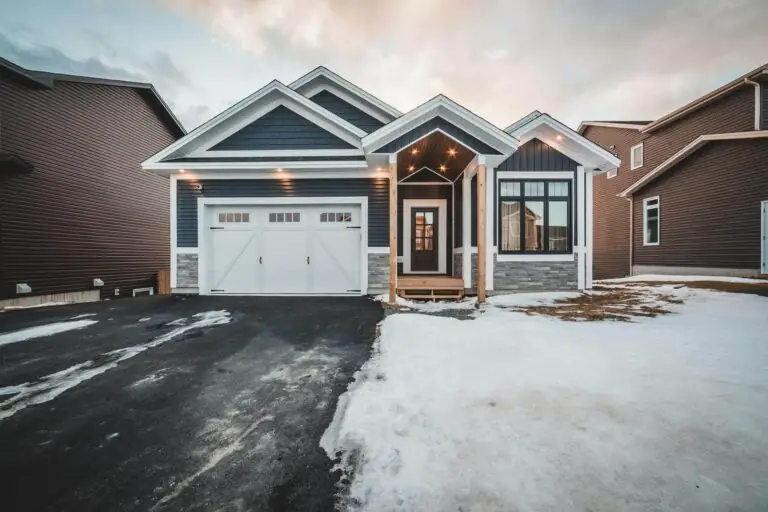
Most homes are not designed with long-term living in mind. Narrow hallways, steep staircases, and bathrooms with slippery floors may be fine for younger households, but can become major obstacles later in life. Many people find themselves spending thousands on emergency changes when health issues or mobility challenges arise.
Considering these issues before they arise can save both stress and money. Renovating with the future in mind doesn’t mean sacrificing style or comfort. Instead, it’s about building a home that is adaptable, safe, and enjoyable at every stage of life.
The following article will guide you through key areas of the home that benefit most from forward-thinking renovations, helping you create a space that supports your needs now and in the future.
Why Long-Term Planning Matters in Renovation
Renovating is a big investment, and it’s easy to focus on what looks good today rather than what will serve you tomorrow. However, short-term upgrades often lead to increased spending in the long run. For example, replacing kitchen cabinets without considering accessibility might force you to redo the work when reaching high shelves becomes difficult.
Long-term planning means choosing features that remain useful for years. This doesn’t just make the home safer—it also preserves its value. Buyers are increasingly interested in homes with flexible layouts and aging-friendly design. The challenge is that future-focused projects can carry higher upfront costs, which discourages many homeowners from tackling them early. That’s why it helps to explore financing options that spread the cost over time. For instance, using a home equity loan can provide the funds needed to complete these improvements now, instead of delaying them until they become urgent and more expensive. When you plan ahead, you reduce future costs and create a home that continues to work for you as your lifestyle changes.
Entryways That Welcome Everyone
The front door sets the tone for the rest of the house, but it can also be a barrier if not designed with accessibility in mind. A single step at the entrance might not be a concern now, yet it could make things difficult later for anyone using a wheelchair, walker, or stroller.
Creating a no-step entry is one of the most effective ways to future-proof a home. Wider doorways—at least 36 inches—also make movement easier for everyone, not just those with mobility needs. Good lighting at the entry is another important upgrade. Motion-sensor lights can prevent accidents and add convenience when coming home after dark.
By designing an entryway that welcomes everyone, you improve safety without losing style. A thoughtful approach ensures your home remains inviting and functional for years to come.
Kitchens Built for Everyday Convenience
The kitchen is often the busiest room in the house, which makes it a priority for future-proofing. Simple design changes can make cooking easier and safer for people of all ages. Pull-out shelves reduce bending and reaching, while drawers with soft-close features are easier to handle than heavy cabinet doors.
Countertops at varying heights offer flexibility. For example, a section of lower counter space can make food prep more comfortable for someone sitting or for children helping out. Appliances with front controls are safer than those with knobs placed at the back.
These upgrades don’t have to look clinical or reduce the style of the space. In fact, many of these features are now common in high-end kitchens because they add both function and comfort.
Bathrooms That Balance Style and Safety
Bathrooms are among the most hazardous areas in a home due to wet floors and tight spaces. A well-planned renovation can make them safer without sacrificing design. Walk-in showers with slip-resistant flooring are a smart replacement for tubs that are difficult to step into. Adding a bench or built-in ledge makes showering easier for anyone who needs to sit.
Grab bars are often overlooked because people picture bulky, unattractive fixtures. Today’s options blend seamlessly with modern bathroom designs, serving as both towel racks and decorative accents. Comfort-height toilets also make a big difference for those with mobility concerns.
When style and safety come together, the bathroom becomes a space that supports independence and confidence.
Lighting That Adapts Over Time
Lighting does more than brighten a room—it affects safety, mood, and usability. As vision changes with age, lighting becomes even more important. Natural light is ideal, so adding larger windows or skylights can make a huge impact.
Inside, layered lighting works best. Ceiling fixtures provide general light, while task lighting under cabinets or above counters ensures visibility where it’s needed most. Dimmers provide flexibility, allowing for easy adjustment of brightness according to the time of day.
Motion-sensor lighting in hallways and staircases reduces the risk of falls at night. These upgrades benefit everyone, from kids to older adults, and they make daily routines smoother.
Floors That Reduce Everyday Risks
Flooring choices play a huge role in safety and comfort. Hard surfaces, such as marble or glossy tiles, can become slippery when wet. A safer option is non-slip vinyl, cork, or textured ceramic tile. These materials provide grip and reduce the chance of falls, which is important as mobility changes over time.
Seamless flooring between rooms is also helpful. Raised thresholds and uneven transitions can become trip hazards, especially for people using walkers or wheelchairs. Choosing durable, low-maintenance flooring ensures that the surface stays in good condition for years. Simple design decisions, such as consistent flooring throughout the house, can make daily movement easier for everyone.
Storage Solutions That Keep Homes Organized
Clutter is not just inconvenient—it can also create safety risks. Renovations that include smart storage keep everything within easy reach and reduce hazards. Pull-down closet rods, pull-out pantry shelves, and built-in drawers eliminate the need to climb, bend, or reach into tight corners.
Entryway storage is another important consideration. Shoe racks, benches with compartments, and hooks for coats keep walkways clear. A well-organized home is easier to clean and maintain, which saves time and reduces stress.
Adding thoughtful storage doesn’t mean filling rooms with cabinets. It’s about designing spaces that work efficiently and make daily routines smoother.
Designing a home that can age gracefully is about more than style—it’s about creating a safe, comfortable, and flexible environment. From no-step entries and slip-resistant floors to adaptable layouts and innovative technology, every improvement adds to the long-term usability of the house.
Thinking ahead reduces stress and helps avoid costly changes later. It also allows homeowners to enjoy a space that supports independence and comfort at every stage of life. Renovations that focus on the future aren’t just practical—they create homes that remain welcoming, functional, and valuable for years to come.