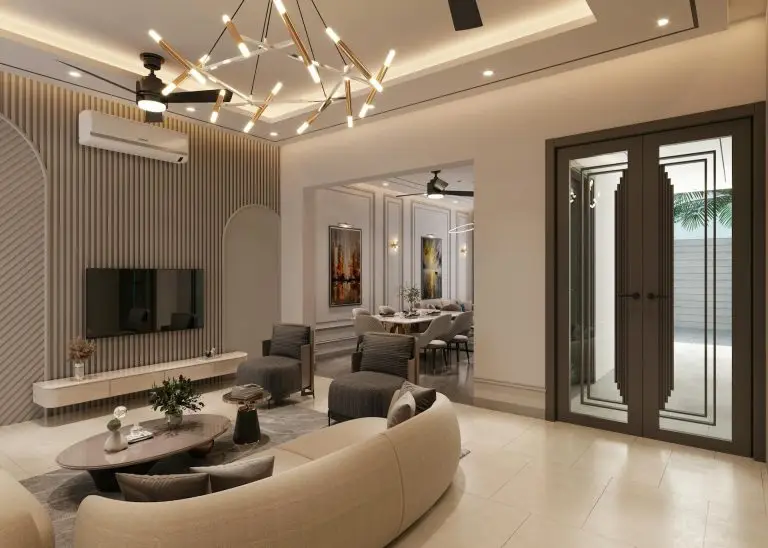
Most buyers walk into a home and form a strong impression within the first few seconds, often before they’ve moved past the entryway. That initial reaction, shaped almost entirely by interior design, tends to color everything that follows during the showing.
In Cedar Rapids and markets like it, where inventory moves quickly, those early visual cues carry real weight. Elements like natural light flooding through windows, a well-defined layout flow, neutral tones on the walls, and a clutter-free space all signal the same thing to a buyer: this home is cared for and ready to live in. An open floor plan, for instance, communicates spaciousness even in modest square footage, while a dark or disjointed layout can create doubt that’s hard to shake.
What Buyers Notice First in a Home’s Design
First impressions form fast, and interior design is almost always responsible for them. When buyers are comparing multiple properties, polished interiors stand out quickly against poorly presented ones. If you scroll through the Urban Acres listings, you will notice the homes that get attention tend to be the ones where comfort and upkeep feel obvious the moment you walk in.
Natural light, layout flow, clutter level, and color palette are the cues that register first. Together, they communicate move-in readiness and perceived upkeep before a single question is asked. A well-lit, open, and neutrally toned space invites buyers to imagine themselves living there, while a cramped or visually noisy one creates hesitation that can be difficult to reverse.
Why Design Creates an Emotional Connection
Design doesn’t just shape what buyers see; it shapes what they feel. Before a buyer considers the number of bedrooms or the age of the roof, they often experience a reaction that is rarely accidental. It is shaped by deliberate or fortunate design choices that tap into deeply held associations.
Color psychology plays a meaningful role here. Warm colors like terracotta, soft amber, and creamy whites tend to evoke feelings of comfort and safety, while cooler tones can feel more clinical or distant. A living room bathed in warm, layered hues often reads as inviting on an almost instinctive level.
Emotional triggers like familiarity and nostalgia operate just beneath conscious thought. When a space echoes something from a buyer’s past, whether through a similar material or a recognizable light quality, buyer psychology shifts quietly in that home’s favor, even when competing properties offer comparable features on paper.
Good Design Is Also About How a Home Works
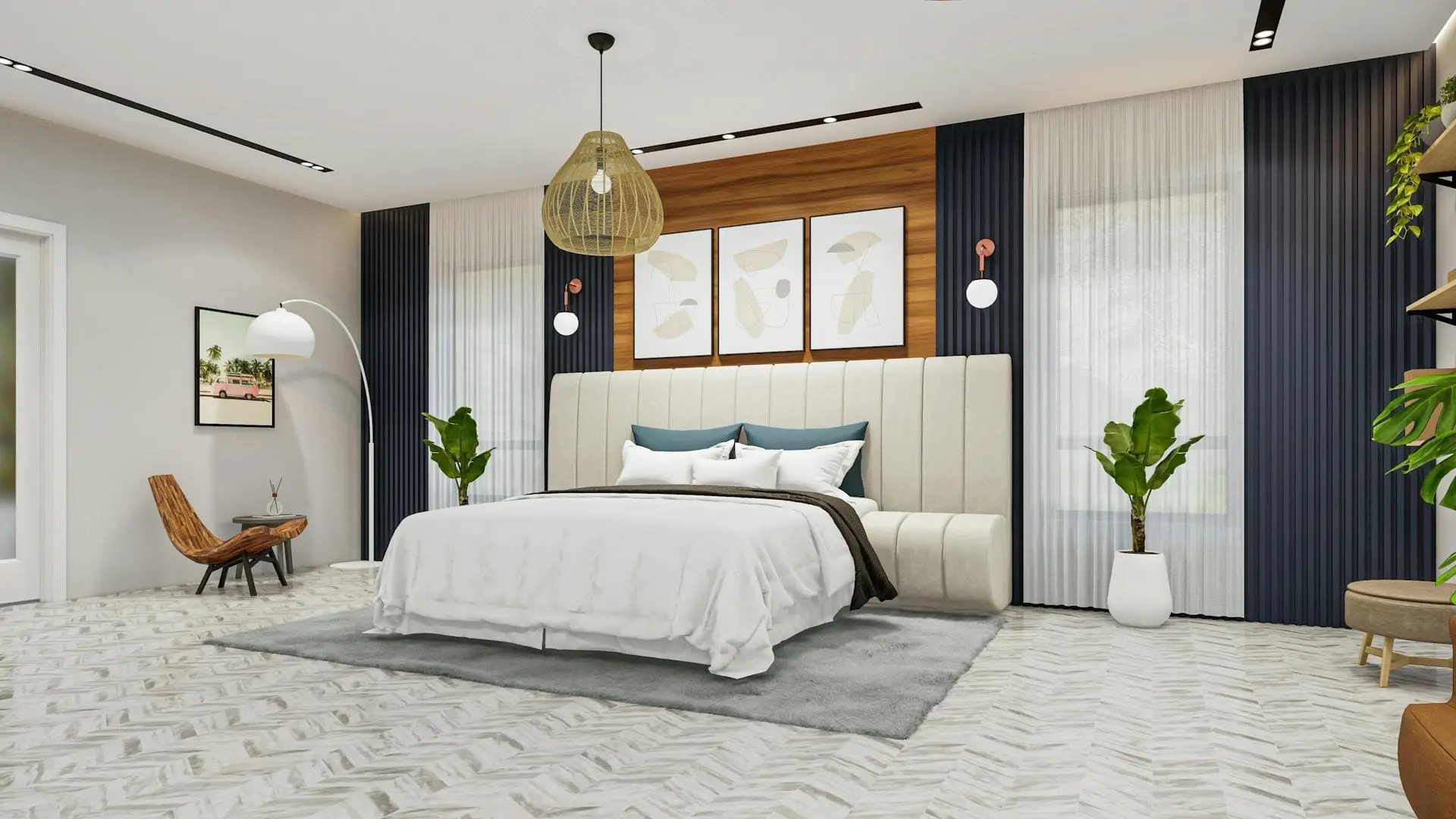
Emotional response gets buyers through the door, but functional design is what keeps them engaged. A home that looks beautiful yet flows poorly, lacks storage, or wastes square footage tends to create quiet doubt, even when buyers struggle to name the source.
The way rooms connect to one another, how naturally movement circulates through a floor plan, and whether spaces feel purposeful rather than leftover all register in how livable a home seems. An open floor plan communicates flexibility, while a rigid or fragmented layout can feel limiting regardless of overall size.
Storage is similarly telling. Buyers mentally rehearse their daily routines in a space, and when shelving, closets, or utility areas feel inadequate, that rehearsal breaks down. Interior design that integrates storage without sacrificing usable square footage signals that the home was built for real life, not just appearances.
How Staging and Finishes Affect Value
First impressions don’t just shape emotional responses; they also influence perceived real estate value. When a home is well-staged, buyers tend to read it as move-in ready and properly maintained, which builds confidence before a single question gets asked.
Cohesive finishes reinforce that confidence further. When flooring, hardware, and wall colors feel intentionally chosen rather than accumulated over time, the home reads as coherent and cared for. Neutral tones, in particular, help buyers visualize their own belongings in the space without distraction. According to a NAR report on staging and sale prices, home staging consistently correlates with stronger offers and less time on market, which is a direct signal that presentation shapes more than aesthetics alone.
Are Buyers Paying More Attention to Sustainable Design?
Eco-conscious design has become a quiet but growing factor in how buyers assess a home’s long-term value. Elements like natural light optimization, responsibly sourced materials, and biophilic design, which refers to the deliberate use of natural textures, plants, and organic forms, increasingly signal that a home was built with care and longevity in mind. For many buyers, these features translate into a sense of reduced running costs and a more livable environment, which feeds directly back into perceived real estate value.
Choosing with Both Emotion and Practicality
Most buyers make their final choice through a combination of emotional connection and reasoned evaluation. Interior design supports both sides of that process, creating the comfort and usability that make a home feel right, then giving buyers the functional design evidence they need to feel confident in their decision.