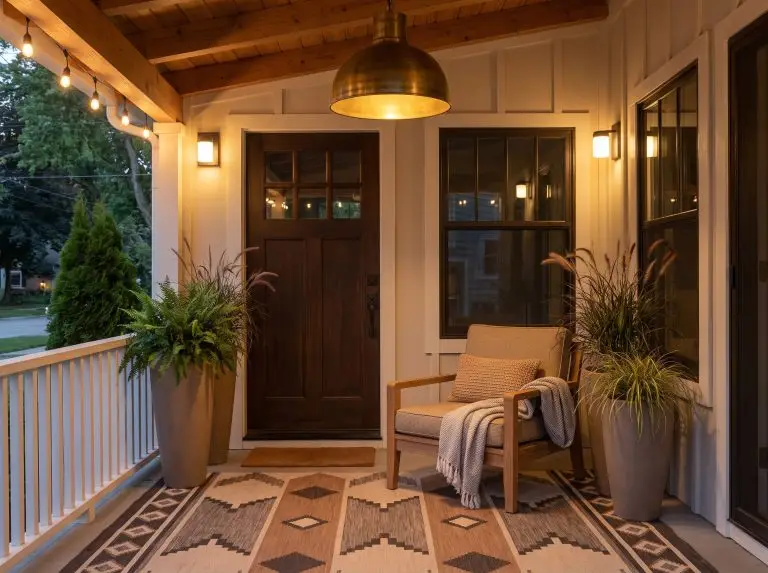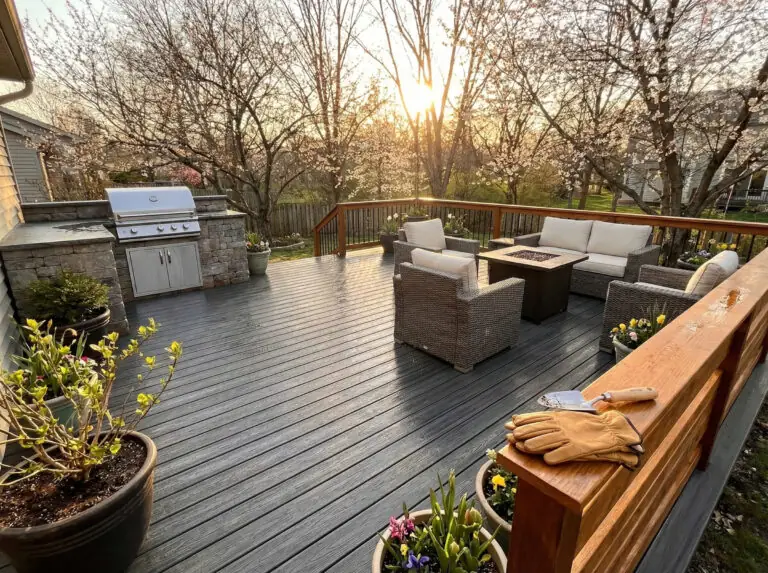
Spring in North America doesn’t start with a calendar date but with that moment when the temperature holds steady above 50°F and you can finally step onto your patio without a jacket. That’s when most homeowners suddenly realize their backyard looks like it hasn’t been touched since Indian summer. Winter months don’t forgive neglect — wooden surfaces crack, metal components rust, and that mower you forgot to prep for storage last fall might not start at all now.
Equipment: inspection before first startup
Your lawn equipment needs attention before the grass hits two inches. Most breakdowns in the first weeks of the season happen because owners try firing up their machines without a prior check.
Start with the mower. If the oil wasn’t changed before winter, it’s usually noticeable by spring. The engine just doesn’t sound the same. Old oil thickens in the cold, and once you start mowing again, everything works a bit harder than it should. The air filter is another quiet problem — dust and old grass build up slowly, so it’s easy to forget about it. Spark plugs tell their own story too. If they look heavily darkened or rusty, replacing them now is easier than dealing with a stalled mower later. Before the grass gets tall, it’s also worth checking the lawn mower blades. Even small chips or hairline cracks can affect how clean the cut is and how safe the mower feels. Cracks in blades can cause a metal fragment to break off while spinning at 3,000 RPM — that often ends with injuries.
Your trimmer and leaf blower need a look too. If they have two-stroke engines, that gas-oil mix that sat all winter is shot, it separates and loses its properties. Better drain the old fuel and fill with fresh. Trimmer line can dry out over winter, so check its flexibility — if it snaps when you bend it, time for new line.
Patio and deck: wood, composite, and stone
Wooden decks made from cedar or pressure-treated lumber take the biggest hit from moisture and temperature swings. Your spring inspection should catch splitting, surface peeling, or rot. If a board flexes underfoot more than it used to, it’s lost density from water absorption. Sometimes you can get away with replacing a few pieces, but if the problem’s widespread, you’re looking at redoing the whole deck.
Composite decking from companies like Trex or TimberTech holds up better against rot, but it still gets nasty. Mildew loves composite because it traps moisture in all those little surface textures. A garden hose won’t really clean it — you need a pressure washer. Just keep the PSI around 1,500 or lower because too much pressure gouges the surface. There are specific cleaners made for composite that actually work without wrecking the material.
Stone patios shift around like crazy after winter. Those freeze-thaw cycles push pavers up and out of alignment. You’ll see lips where stones aren’t level anymore, which is a great way to trip and bust your knee. Pull up the ones that moved, adjust the sand base underneath, and reset them. If you used polymeric sand in the joints, check if it washed out, those gaps need refilling and a light spray of water to reactivate the polymer binder.
Furniture: metal, wicker, and fabric
Aluminum furniture is lightweight and doesn’t rust, but the powder coating can flake off from mechanical damage or UV exposure. Small chips can be touched up with specialty metal paint, but if corrosion has gone deep, better swap out that piece. Steel frames with powder coating also need a rust check — it usually shows up at welds or bolt connections.
Synthetic wicker (polyethylene-based artificial rattan) barely needs maintenance, but you should still wipe off dust and cobwebs. Natural rattan is way more finicky — it dries out and cracks if you don’t treat it with linseed oil once a year. Cushions and textiles are better stored indoors, but if they spent winter outside, definitely check for mildew. Sunbrella and other acrylic fabrics can go in the washing machine, but you need delicate cycle and cold water.
Grill: cleaning after winter storage
Gas grills from Weber, Char-Broil, or Napoleon need a detailed gas line check. Even a small crack in the hose can leak propane. Simple test: soap up the hose with soapy water and turn on the gas — bubbles will show where it’s leaking. Burners get clogged too — insects or grease residue can settle in the ports and mess with even flame distribution.
Ceramic grills like Kamado Joe or Big Green Egg are less vulnerable, but their felt gaskets can dry out. If the lid doesn’t seal tight, you can’t control temperature — you’ll need to replace the gasket. Cast iron grates need a rust inspection: scrub it off with a wire brush, then coat the surface with vegetable oil and fire it up on high heat — that restores the non-stick layer.
Irrigation: system check after winter blowout
Automatic irrigation systems from Hunter or Rain Bird need sequential startup. First, slowly open the main valve to fill the pipes without water hammer. Then run each zone separately and verify all sprinkler heads work. Often you’ll find some are clogged with dirt or damaged — they’re easy to replace, they’re standardized.
If the system wasn’t blown out in fall, you might have a bigger problem — burst pipes. PVC pipes crack when water freezes inside them. In that case you’ll need to find the damaged section — it usually gives itself away with a puddle or soft ground. The repair isn’t complicated: cut out the broken segment and insert a new one with couplings, but it takes time.
Hoses and connections also need a crack check. Rubber hoses last about five years, then they start cracking near the fittings. Best option: reinforced rubber hoses or ones with textile braiding, they last longer. Quick-connect fittings from Gilmour or Gardena are convenient, but their seals wear out too — if water seeps through, replace the rubber washer inside the connection.
Plants and soil: assessing winter losses
Perennials don’t always survive winter, even if their hardiness zone is right. Lavender, Russian sage, and ornamental grasses often die not from cold but from excess soil moisture. If the root is soft and dark, the plant is dead — better remove it so fungal diseases don’t spread. Living perennials get trimmed: remove old foliage and stems to make room for new growth.
Mulch breaks down over the season, so it needs topping off. Shredded bark or wood chips work best — they retain moisture and suppress weeds. Recommended depth is 2-3 inches, but not more or roots can suffocate. Important not to pile mulch against tree trunks and shrub stems — that causes bark rot.
Soil after winter is compacted, especially on lawns with clay content. Aeration — punching holes for air access to roots — makes a noticeable difference. It’s done with a core aerator that pulls out soil plugs. After that it’s good to add compost or top dressing with a sand-organic mix — improves structure and drainage.
Lighting: functionality and safety
Low-voltage 12-volt lighting is popular for pathways and patios. Transformers in these systems often fail from moisture. If fixtures won’t light up, check the transformer — most models have a fuse that’s easy to replace. Wire connections oxidize too — you can see it by the green film on copper contacts. Clean them and treat with dielectric grease.
LED fixtures last long, but drivers inside can burn out. If one bulb won’t light but others in the system work, the problem is the driver. You can replace it, but often it’s simpler to buy a new fixture — prices on basic models start around $15-20. Solar lights only work if their panels are clean — leaves, pollen, and dirt cut charging efficiency by 40-50%. Wiping them with a damp cloth takes five minutes.
Fences and structures: integrity after snow
Wooden fences from cedar or pine suffer from moisture at the base of posts. If the wood is dark and soft when pressed, it’s rotting. Posts can be replaced without dismantling the whole section — pull them out and set new ones in the same holes, securing with concrete. Vinyl fences are tougher, but panels can crack from a snowplow hit or falling branch. Replacing one panel is easy — they slide into post grooves.
Pergolas and gazebos need fastener stability checks. Wooden structures loosen from humidity: wood swells and dries, screws work loose. They need tightening or replacing with longer ones. If the structure is metal, check welds — cracks develop there quietly but can lead to collapse under load.
Spring maintenance of your outdoor space isn’t wasted time but prevention of expensive summer repairs. Every element you checked and fixed now won’t fail you mid-season when you just want to enjoy the warmth instead of patching patio holes or figuring out why the mower won’t start.