Dining Room Lighting Trends 2026: The Shift to Organic Tech & Moodscapes
If the kitchen is the heart of the home, the dining room is its soul. It is the theatre of domestic life—where the rush of the day finally slows down, where takeout boxes are opened on busy Tuesdays, where homework is conquered, and where memories are etched over shared meals. But as we move deeper into the latter half of the decade, the dining room is evolving. It is no longer just a place to eat; it is becoming a sanctuary of connection and a showcase of personal style.
And nothing sets the tone for connection quite like lighting.
Gone are the days when a single, lonely chandelier was enough to carry the room. The 2026 dining room lighting trends are bold, emotional, and deeply intertwined with how we feel in a space. We are seeing a fascinating pivot away from the cold, stark industrial looks of the early 2020s toward a concept design experts are calling “Emotional Tech” or “Organic Sculpture.” These are fixtures that look soft, natural, and handmade, yet hide sophisticated technology to support our well-being.
Whether you are renovating a formal dining space, refreshing a breakfast nook, or completely overhauling an open-concept living area, this comprehensive guide dives deep into the illumination innovations defining 2026.
📋 Quick Summary: Top 5 Lighting Trends for 2026
For those in a hurry, here is the snapshot of what is defining the year.
1. The “Soft Sculpture” Revolution
For years, modern lighting was defined by rigid geometry—perfect spheres, sharp lines, and hard metals. We saw a lot of “Sputnik” chandeliers and geometric cages. In 2026, the pendulum has swung. We are collectively craving softness. The biggest aesthetic shift this year is toward fixtures that look fluid, draped, and almost alive.
The “Napkin” & Draped Effect
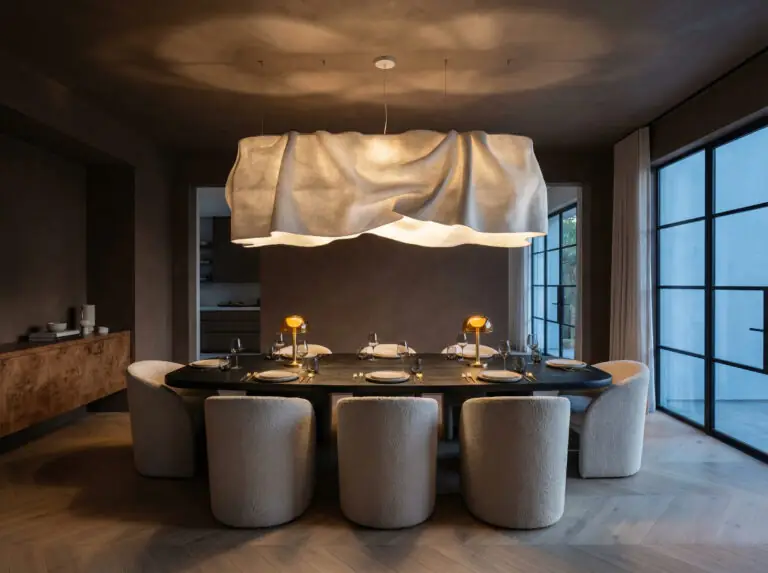
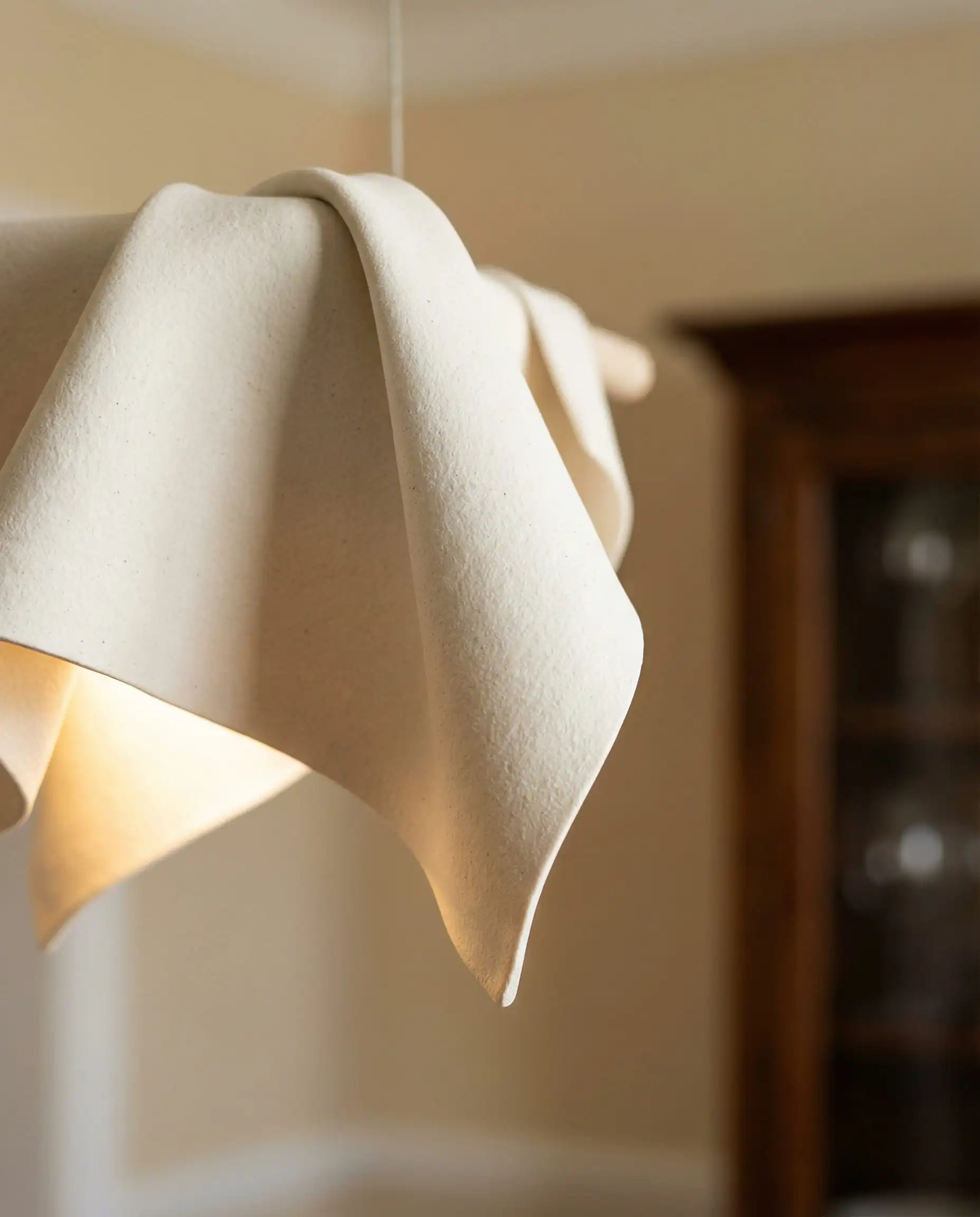
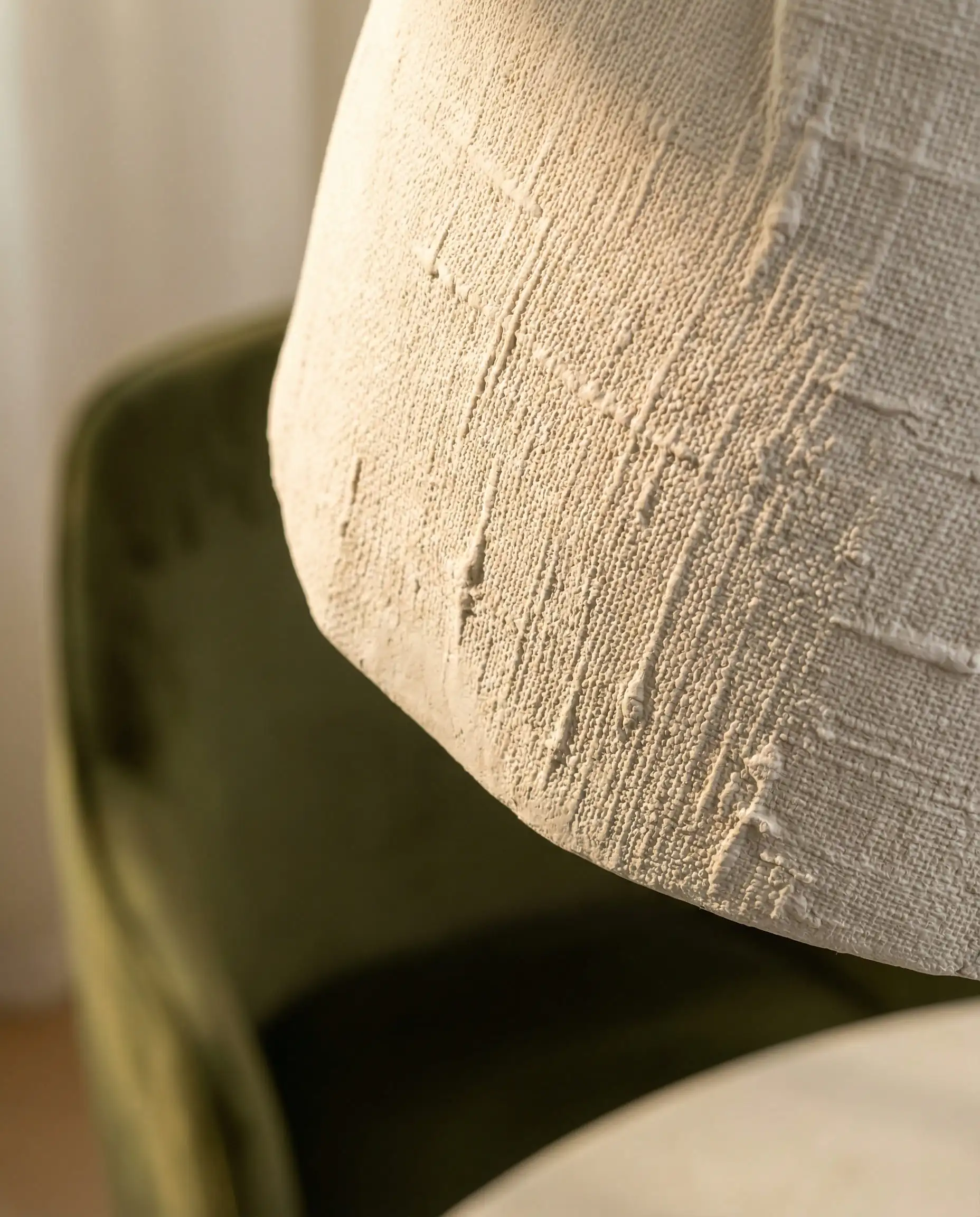
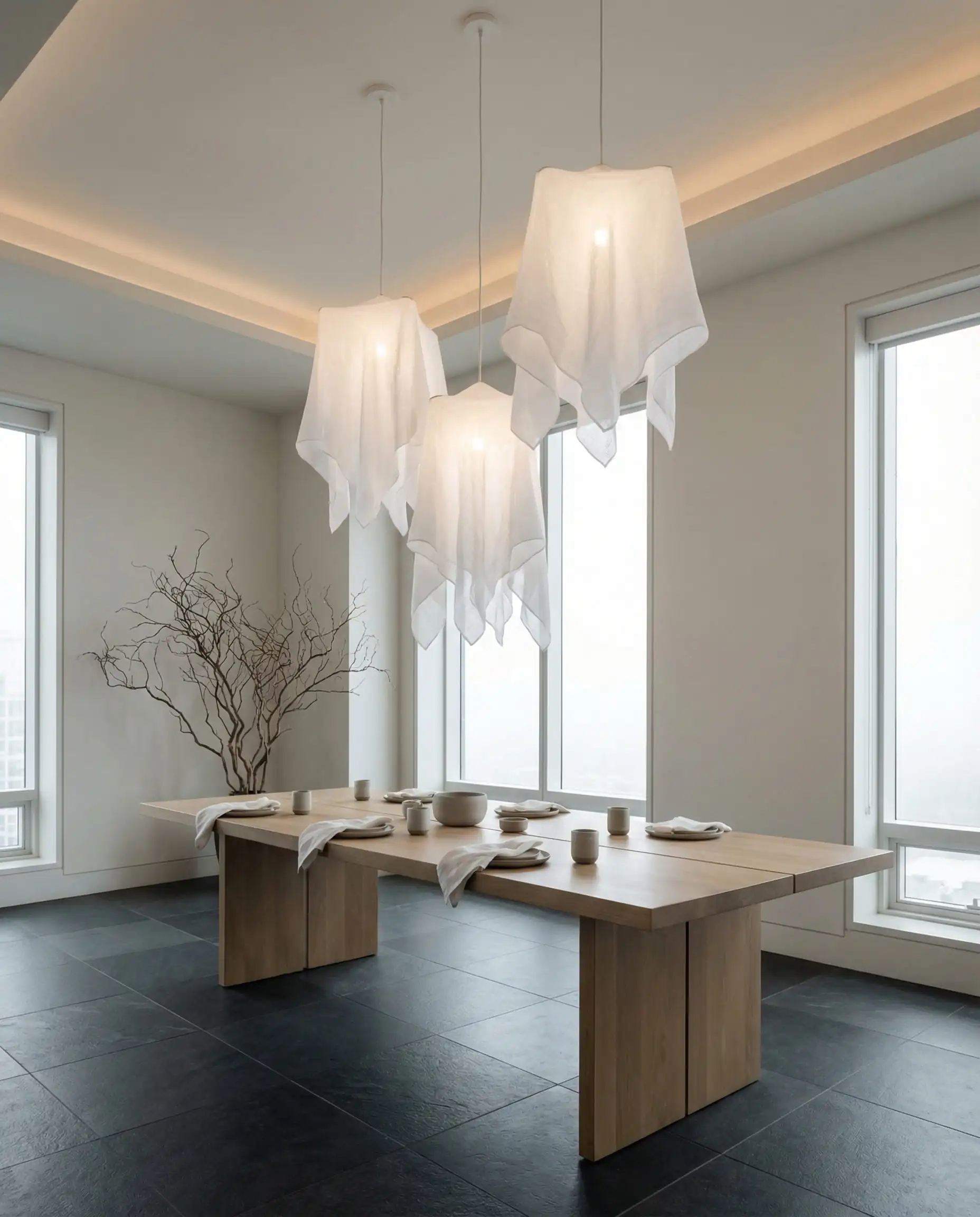
This is the micro-trend taking the high-end design world by storm, and it is finally hitting the mainstream. Imagine a pendant light that looks like a linen napkin caught in a gentle breeze, frozen in time. These fixtures create a trompe-l’œil effect: they look soft to the touch, but they are often made from hard, durable materials like matte ceramic, porcelain, or high-grade resin.
This trend works beautifully because it adds a layer of visual softness to the dining room. Dining spaces are inherently filled with hard surfaces—wood tables, metal chair legs, glass cabinets, and stone sideboards. The “draped” look creates a sense of movement and ease, breaking up the rigidity and making the room feel less stiff and more inviting.
Biophilic & “Unfurling” Forms
Connecting with nature remains a top priority in interior design, but in 2026, it is getting more literal and more adventurous. We aren’t just using natural materials; we are mimicking natural growth.
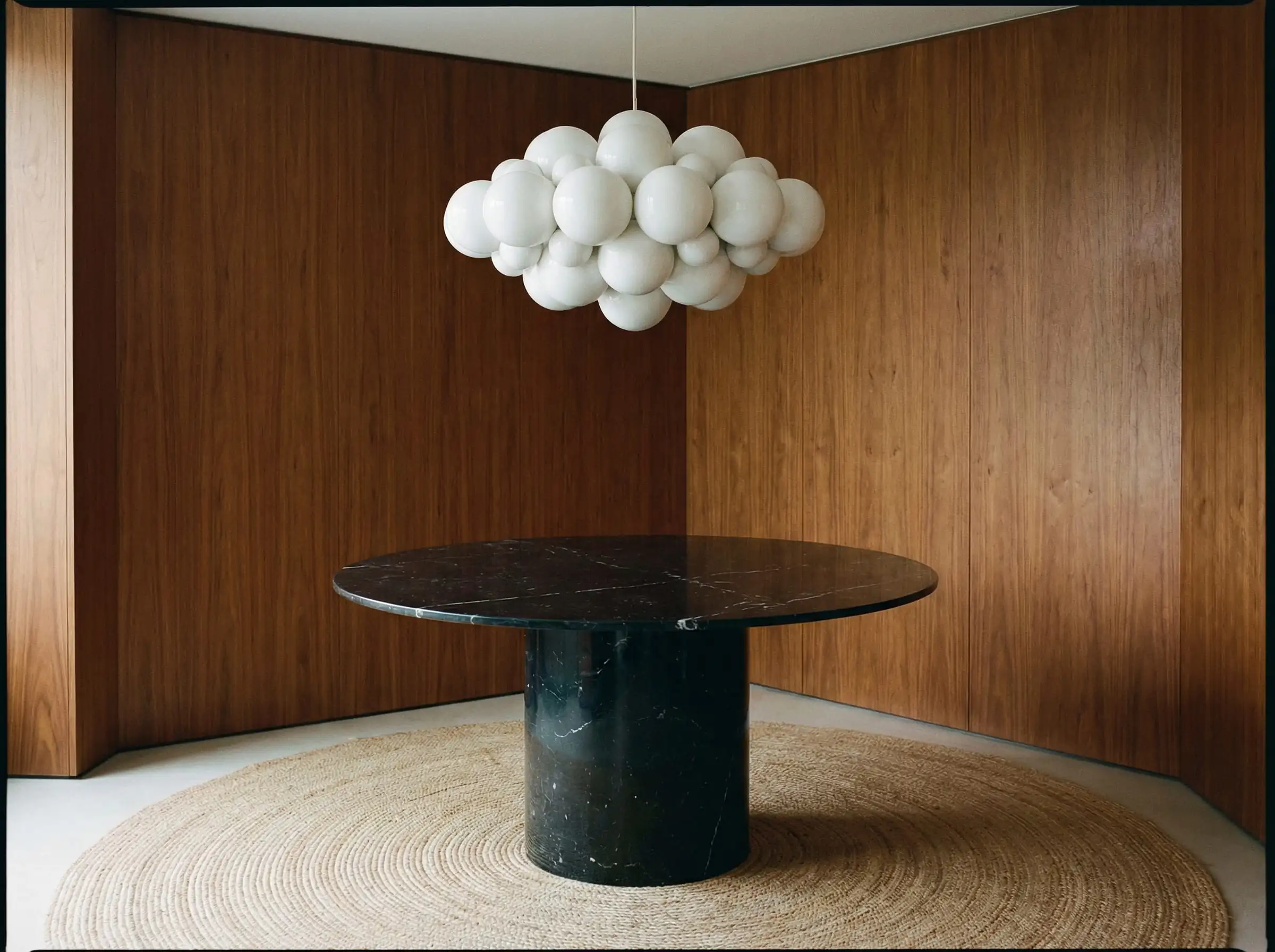
Designers are moving away from standard drum shades toward pendants that resemble opening seed pods, unfurling fern fronds, or abstract cloud formations. These organic shapes fit perfectly with Eco-Sustainable Interior Design Trends, utilizing materials that feel raw and untouched.
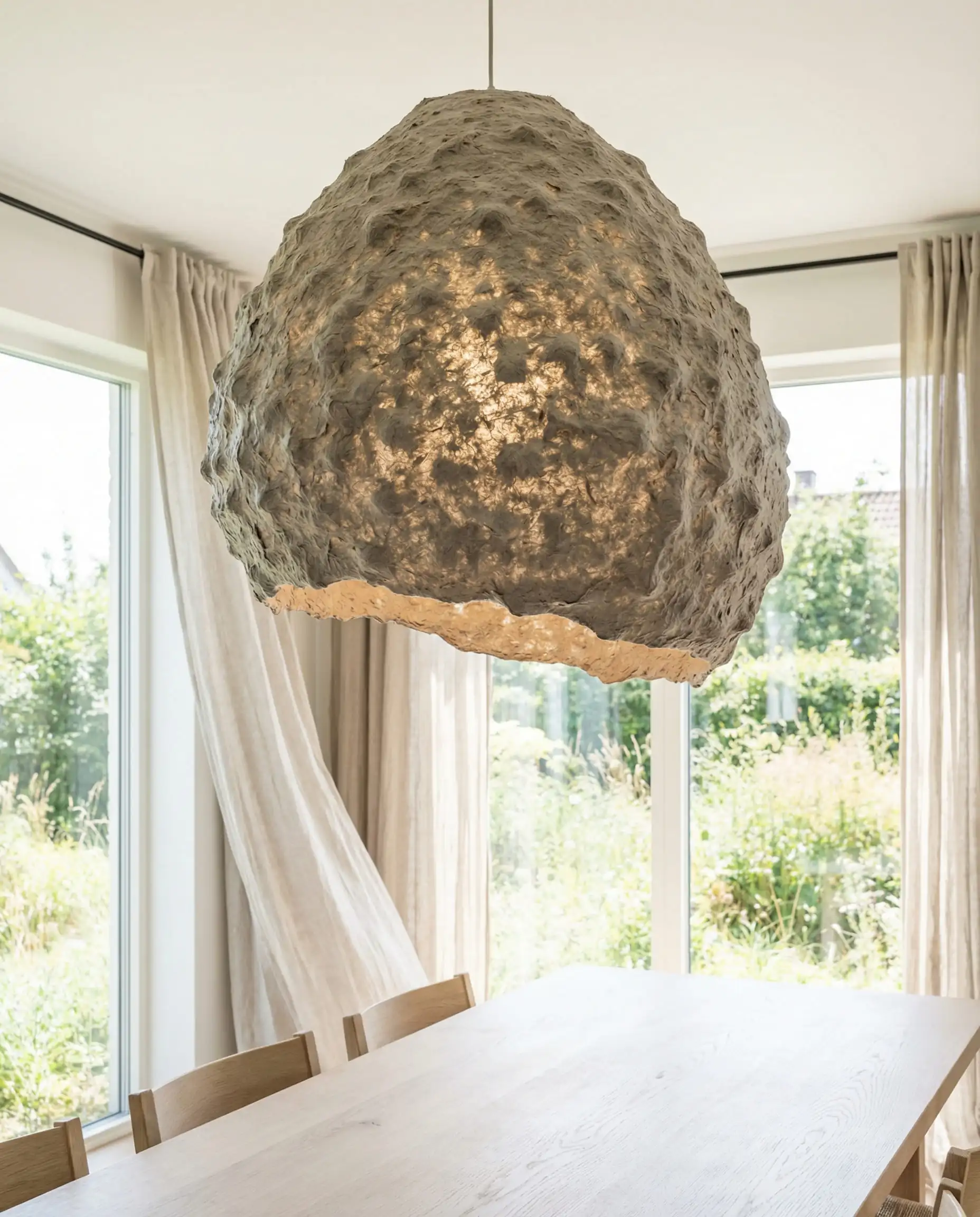
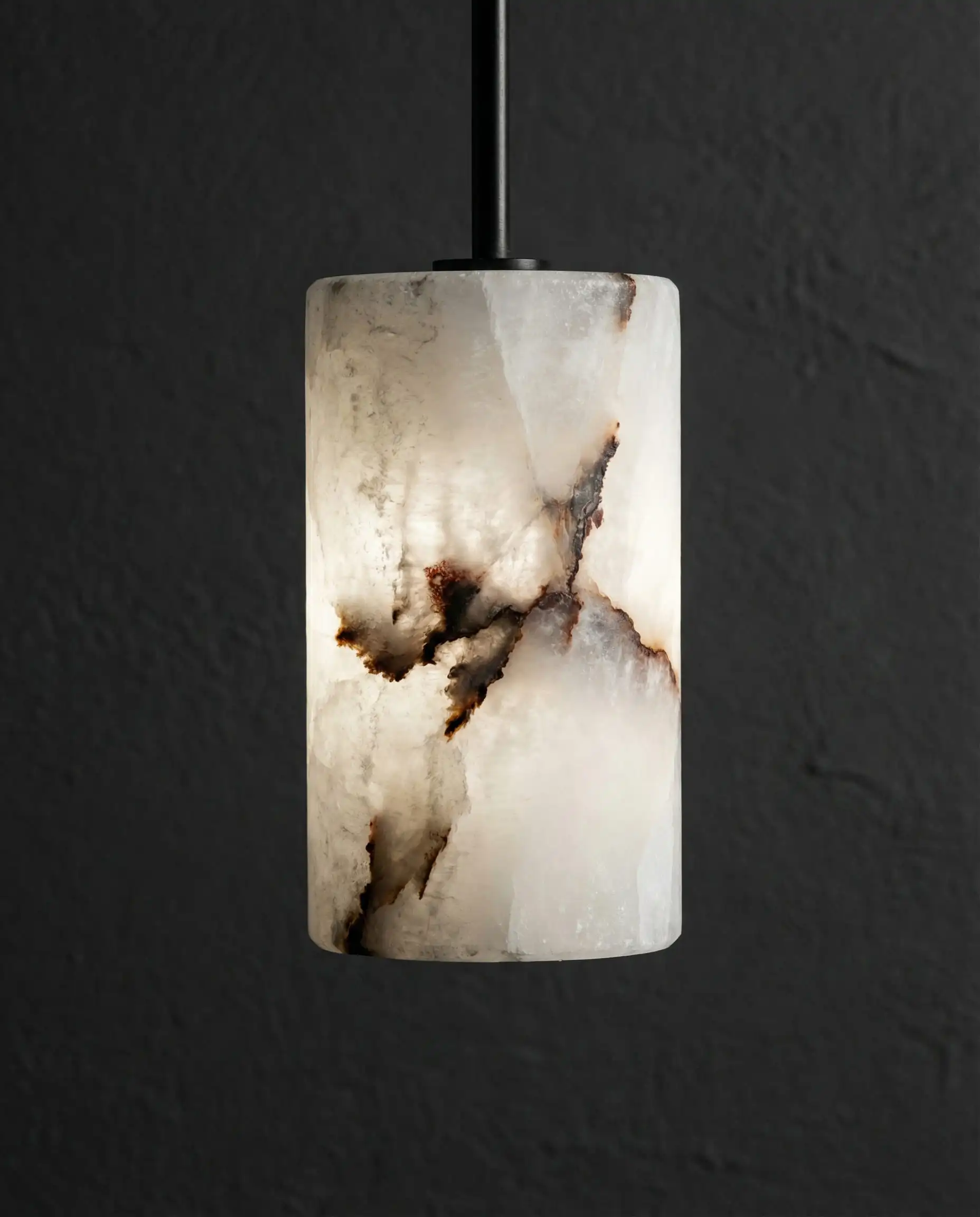
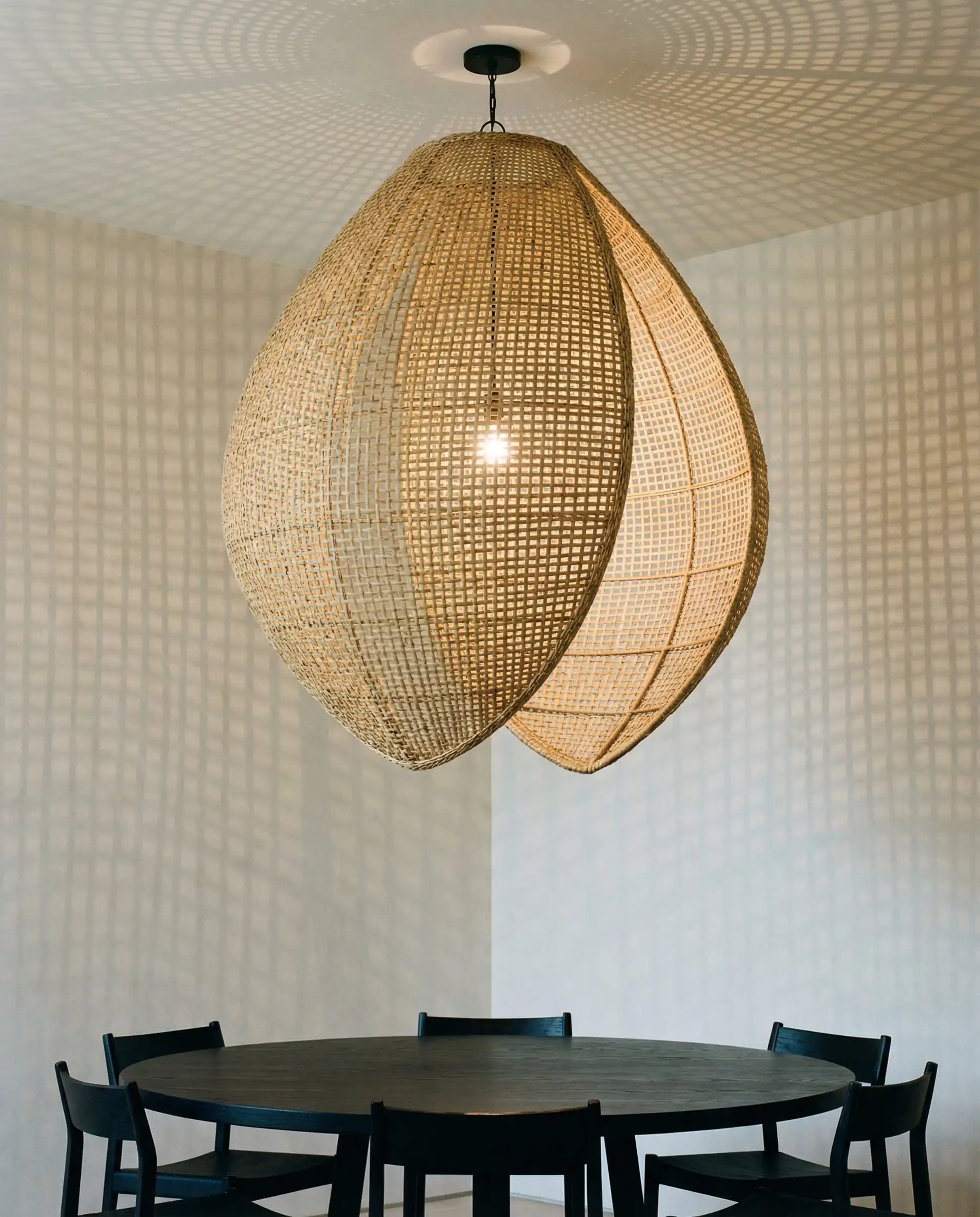
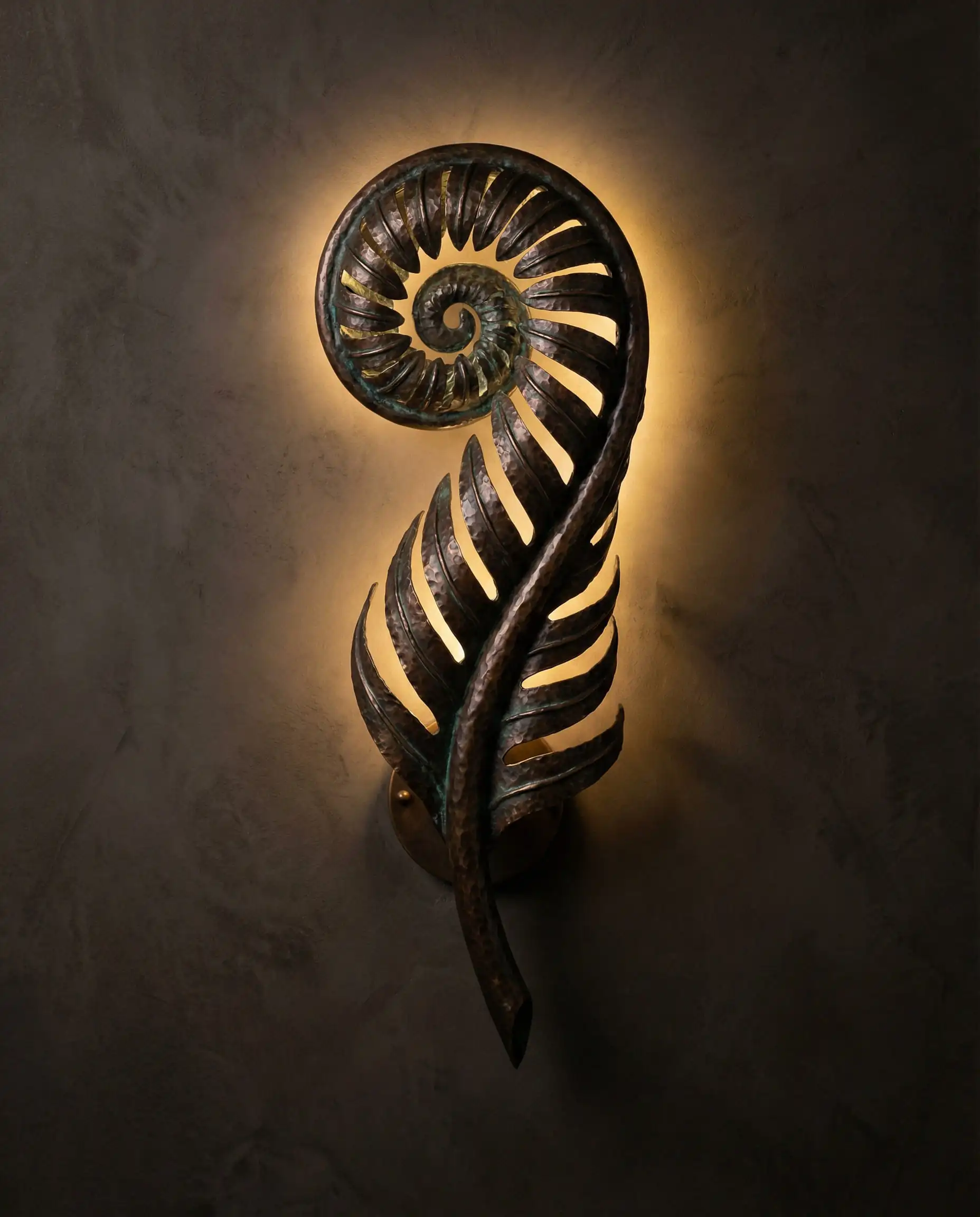
2. Color & Materiality: The “Truffle” Takeover
For a long time, matte black was the go-to anchor for dining room lighting. It was safe, modern, and high-contrast. However, 2026 is ushering in a warmer, moodier, and more sophisticated palette.
Enter “Truffle” and Deep Earth Tones
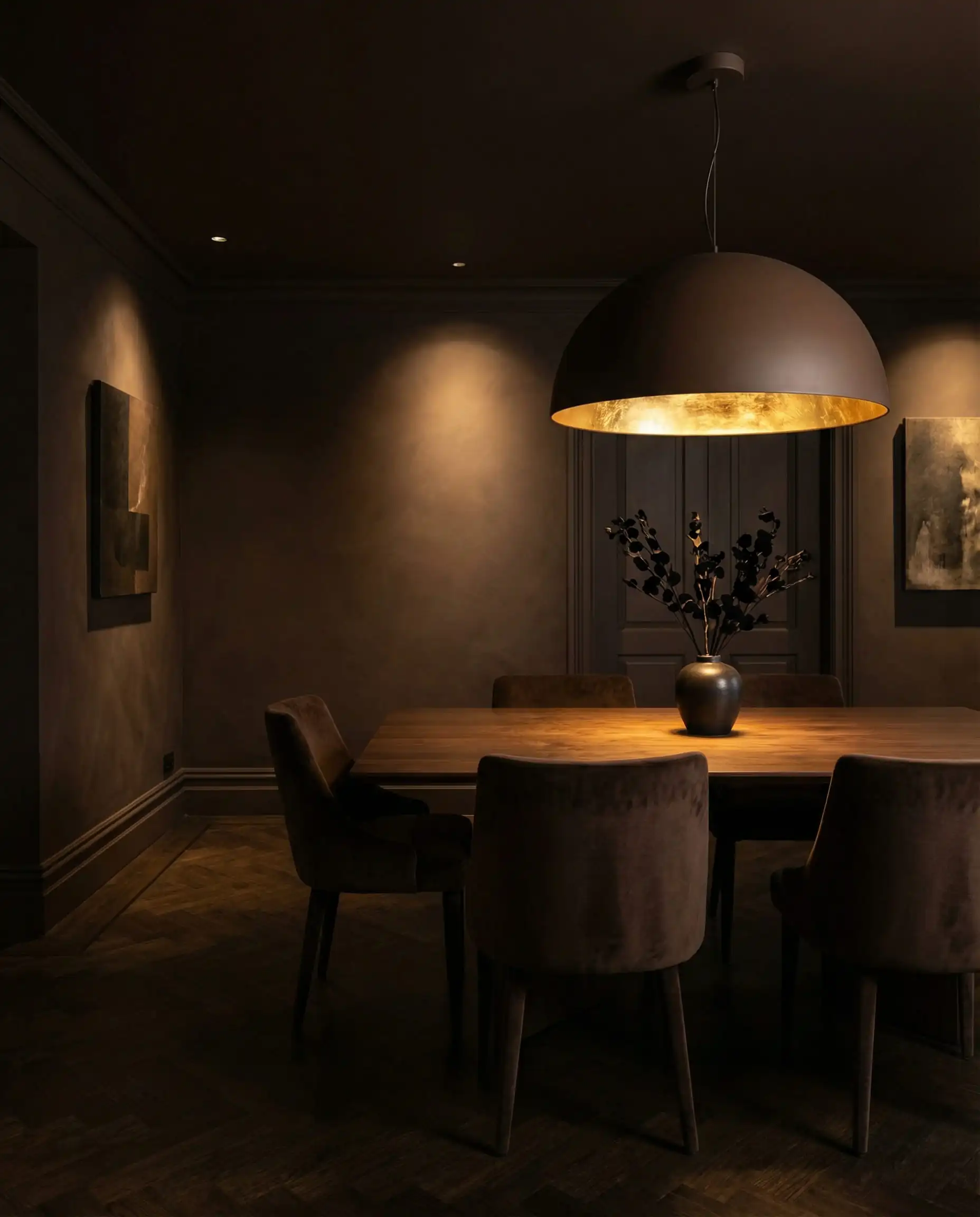
Matte black is being edged out by “Truffle”—a deep, rich, chocolate brown. It provides the same grounding effect as black but with much more warmth. It pairs exceptionally well with the resurgence of dark wood dining tables (think walnut and stained oak) and creates a cozy, “library-esque” atmosphere that encourages guests to linger.
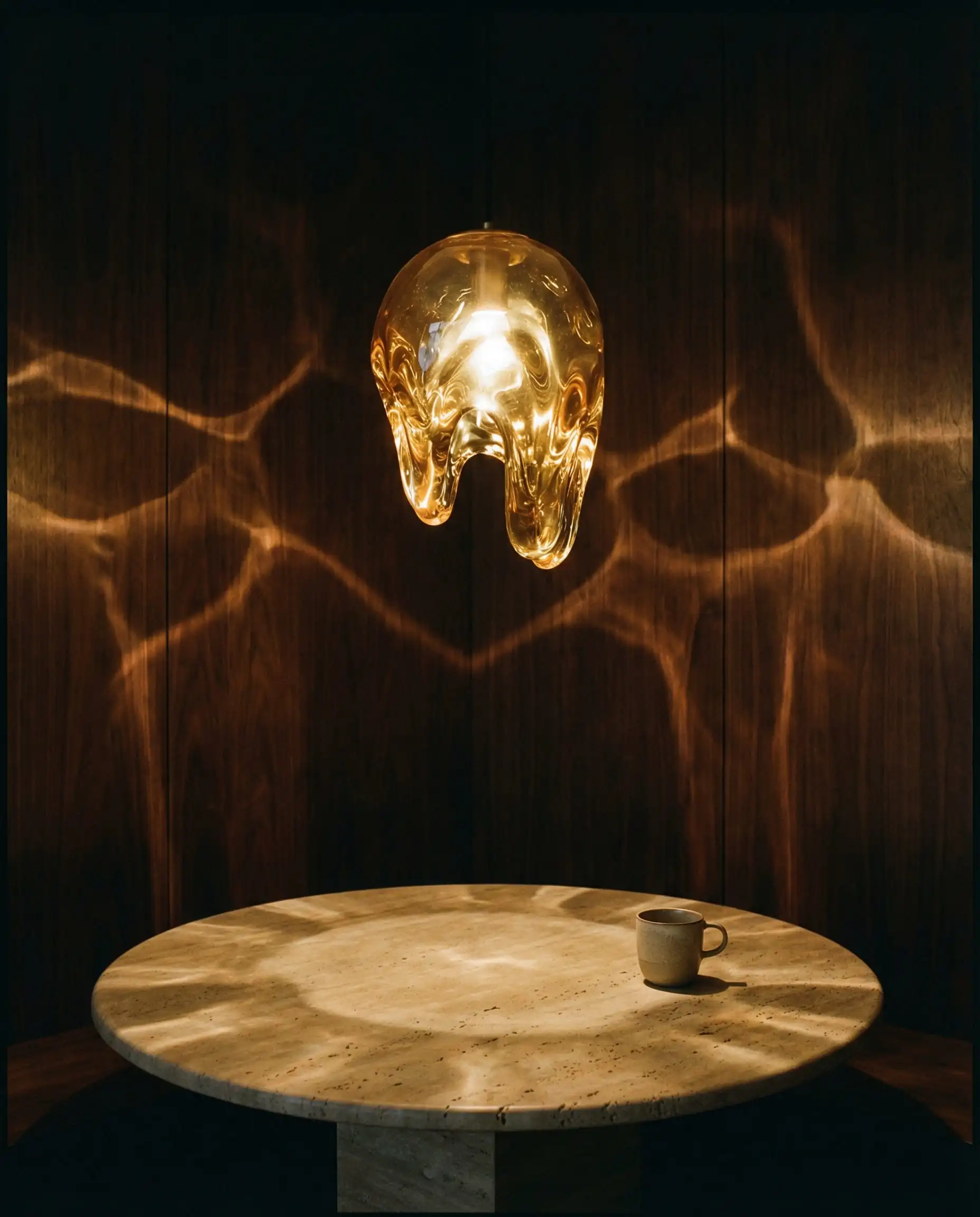
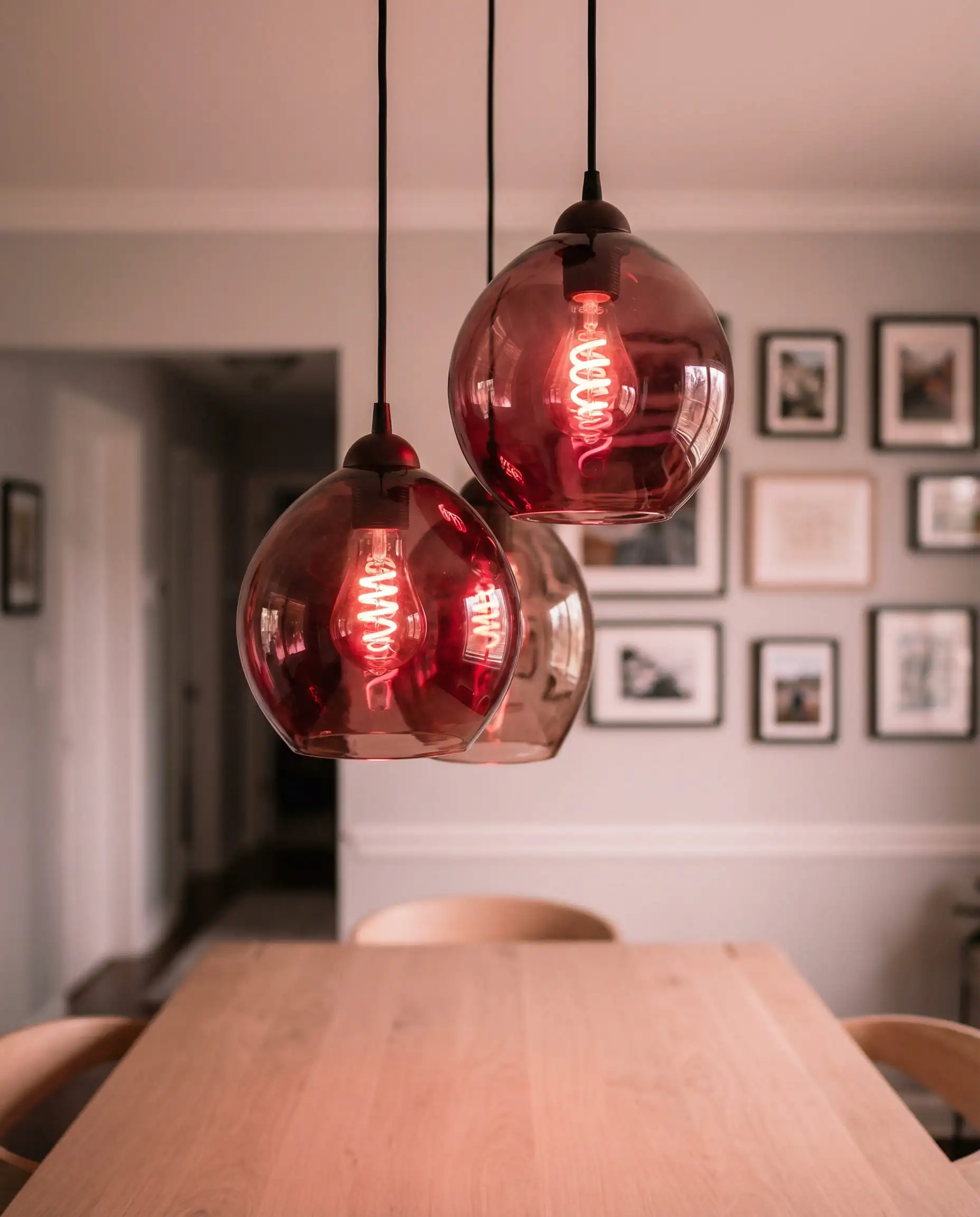
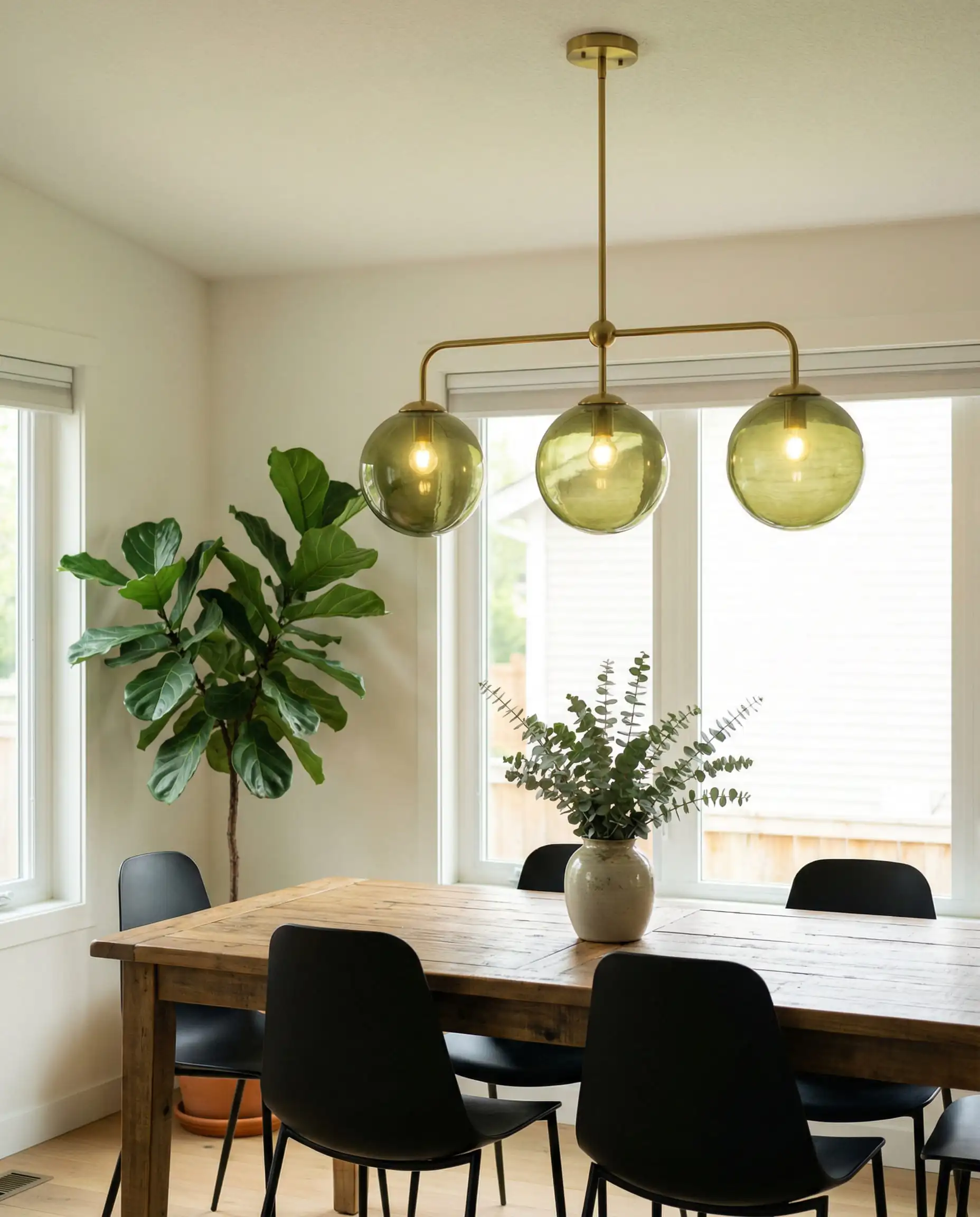
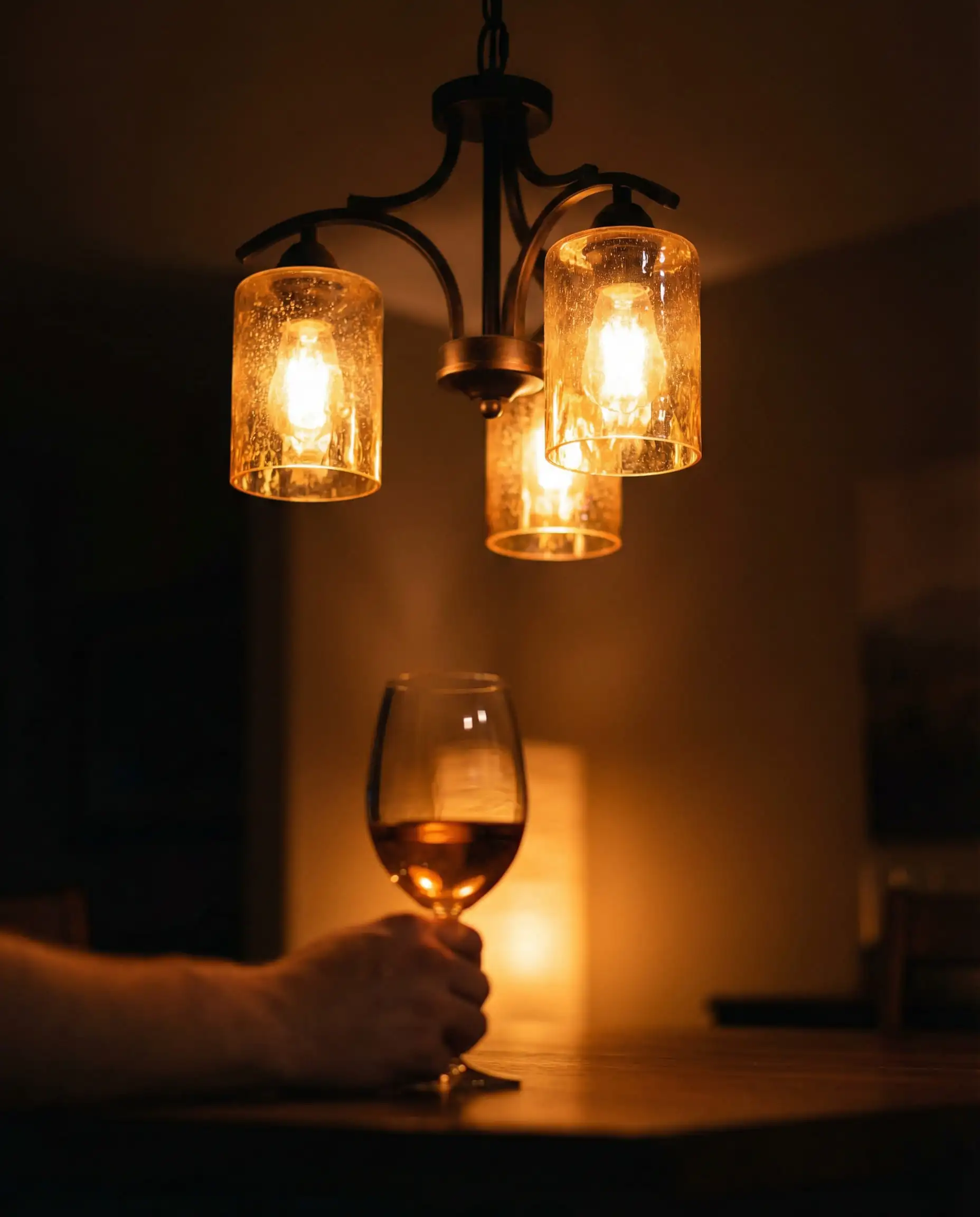
Alongside Truffle, we are seeing a return to Jewel Tones in glass. Clear glass is classic, but it can be cold. 2026 brings us:
Mixed Metals 2.0
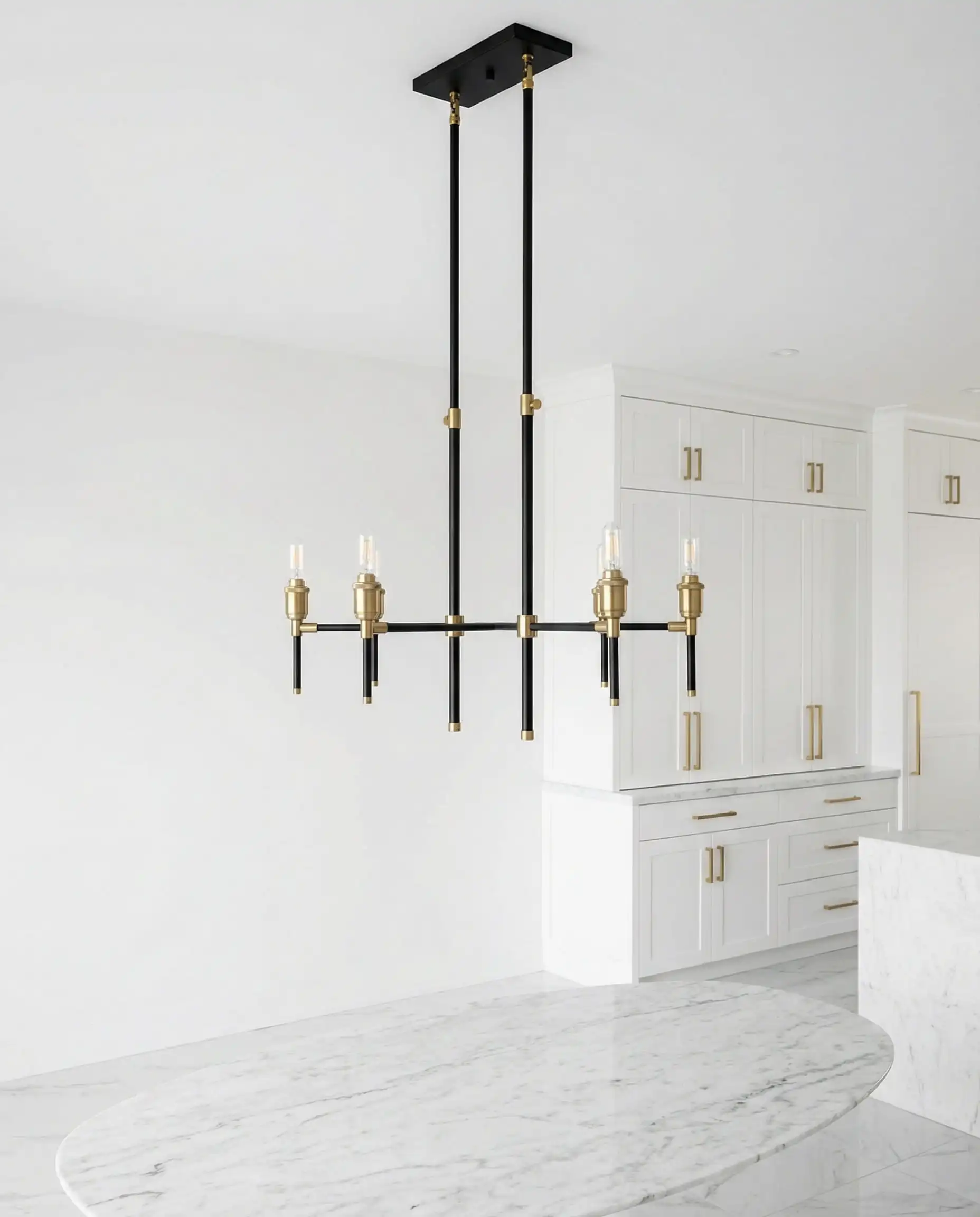
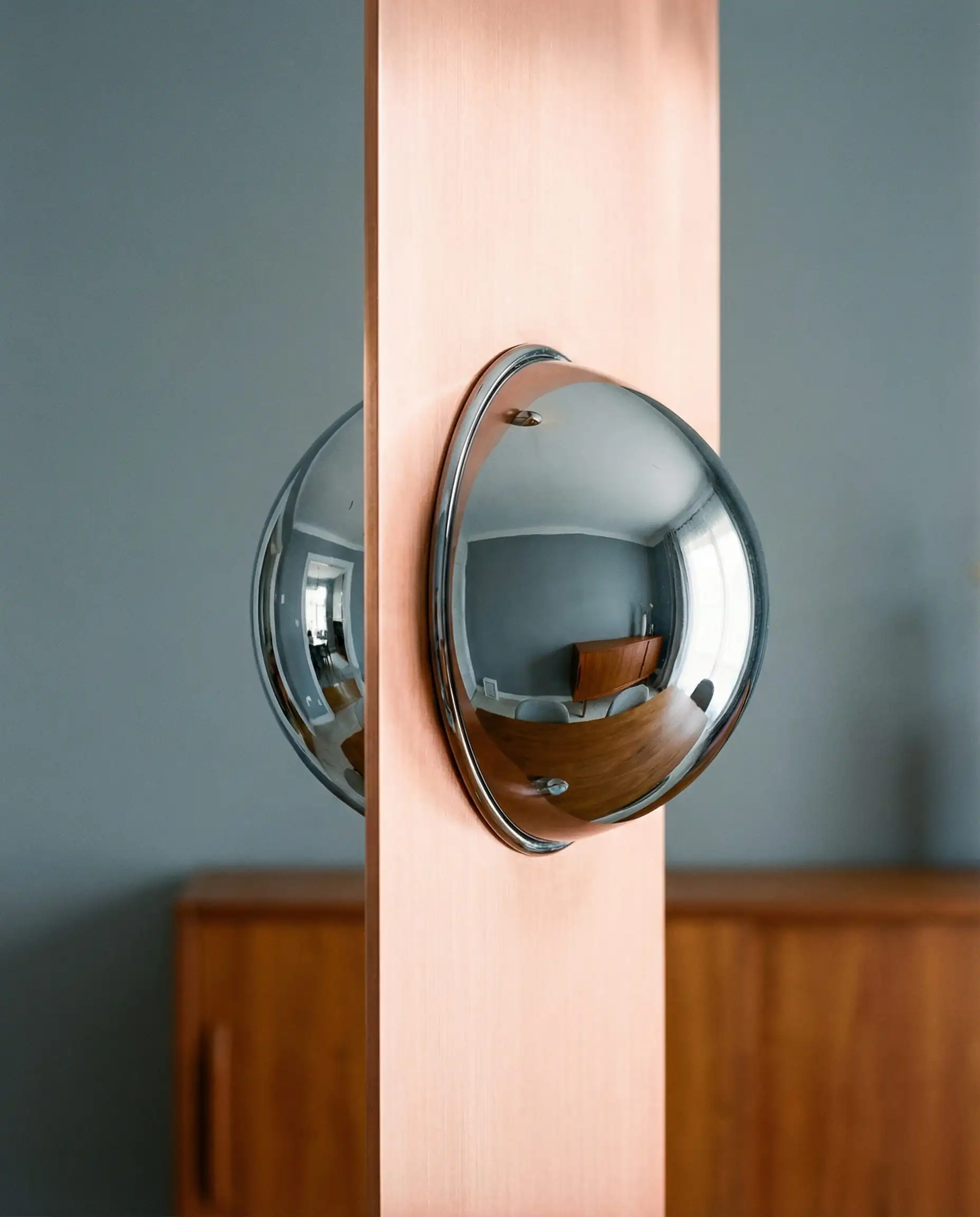
The rule of matching your light fixture to your cabinet hardware is officially dead. The 2026 look is about “curated imperfection.” We are seeing a surge in fixtures that mix metals within a single piece—think brushed brass stems with polished chrome accents, or blackened steel paired with unlacquered copper.
This allows you to bridge the gap between different finishes in your open-plan home without feeling restricted. If your kitchen faucet is chrome but your dining table legs are brass, a mixed-metal fixture ties the two zones together seamlessly.
3. Technology Meets Wellness: Human-Centric Lighting
Smart homes used to be about gadgets and voice assistants; now, they are about wellness and biology. In 2026, the technology in your dining room light is invisible but deeply impactful. This ties directly into broader Smart Home Trends, where the focus is on automation that improves quality of life.
Tunable White Light & Circadian Rhythms
The dining room is a multi-hyphenate space. At 4:00 PM, it might be a homework station or a remote office. At 7:00 PM, it’s a dinner spot. At 9:00 PM, it’s a place for wine and conversation. A single light color cannot support all these activities.
“Tunable White” LEDs are the solution. These fixtures allow you to adjust the temperature of the light (Kelvin), not just the brightness.
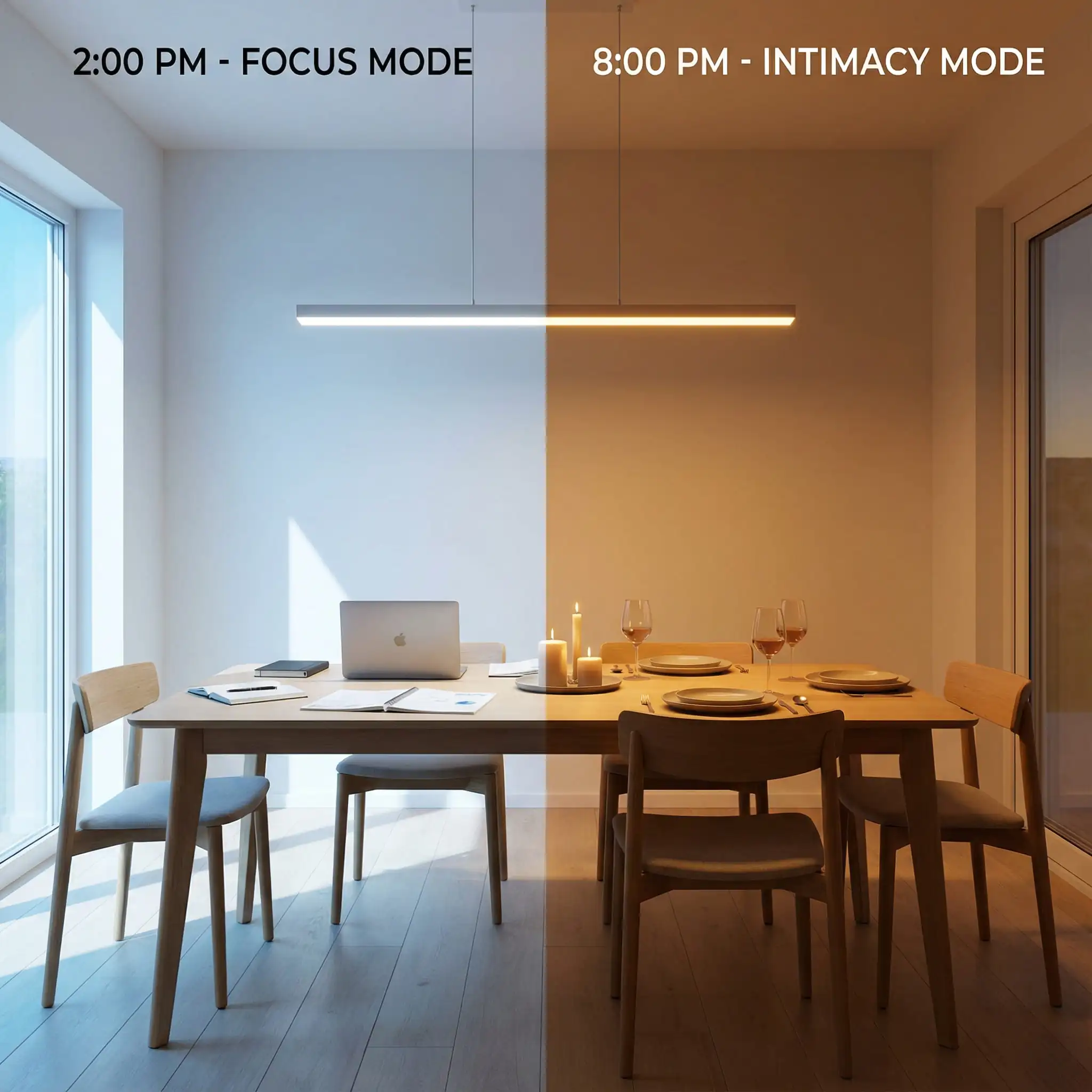
The Trend: In 2026, you don’t even have to touch a switch. Advanced smart sensors adjust the light temperature automatically to match your circadian rhythm, slowly warming up the room as the sun sets outside.
High CRI is Non-Negotiable
In 2026, homeowners are becoming educated about CRI (Color Rendering Index). This measures how accurately a light source reveals colors compared to natural sunlight.
4. Beyond the Chandelier: Architectural & Indirect Lighting
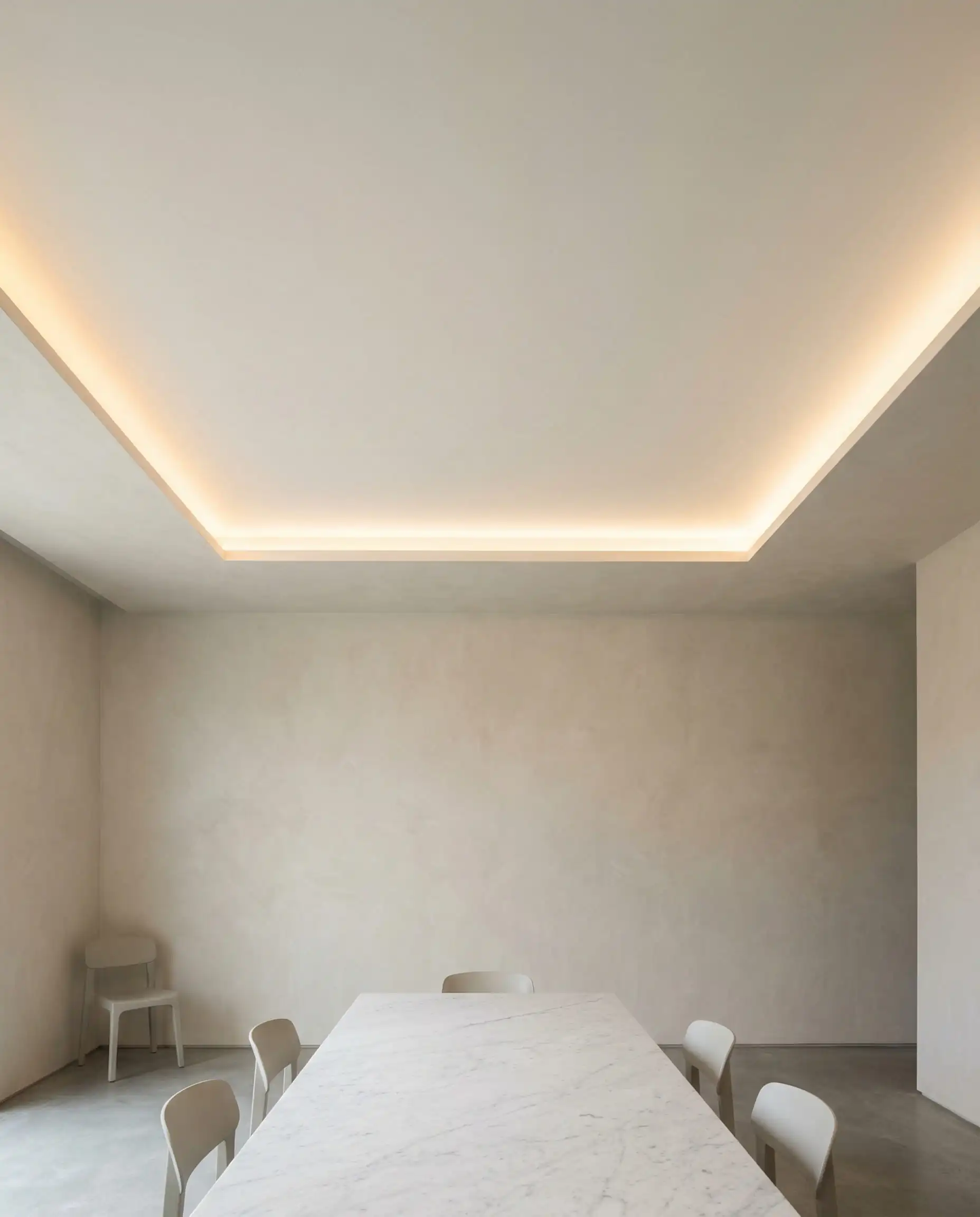
One of the most significant shifts in 2026 is that the chandelier is no longer the only source of light in the dining room. We are seeing a move toward “Architectural Lighting”—light that is integrated into the building itself.
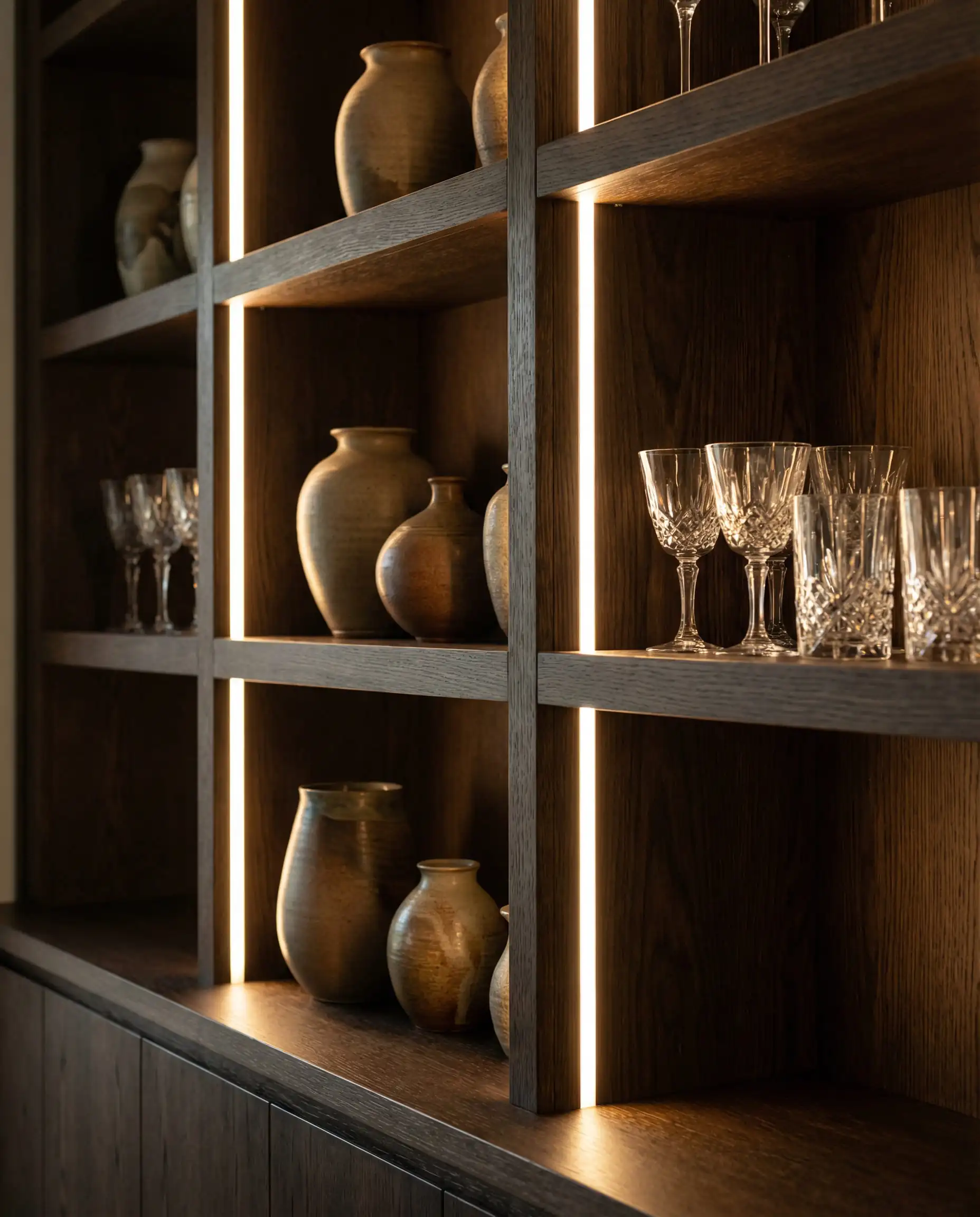
The “Invisible” Glow
This trend involves hiding light sources to create a mood without visual clutter.
Wall Washing & Sconces
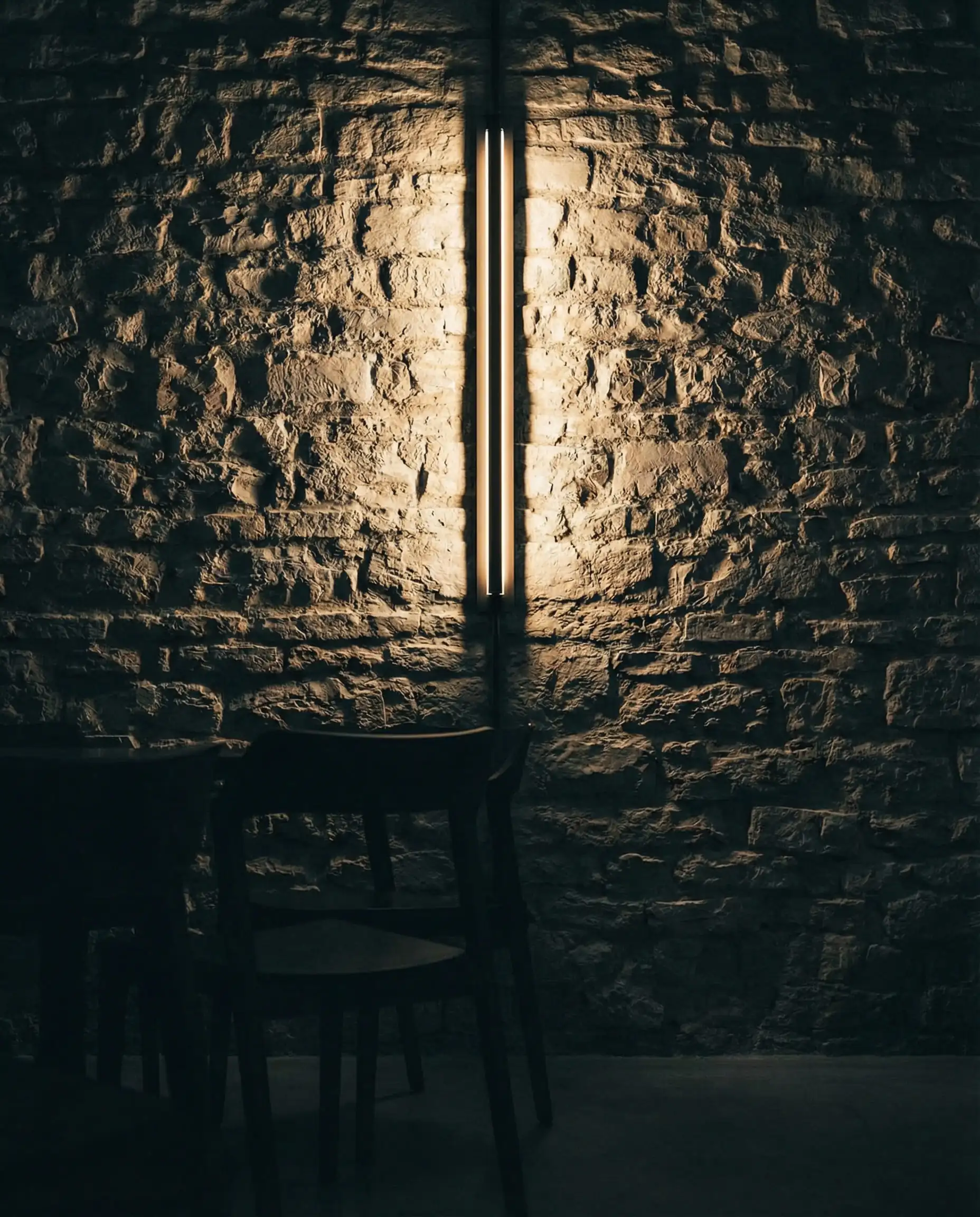
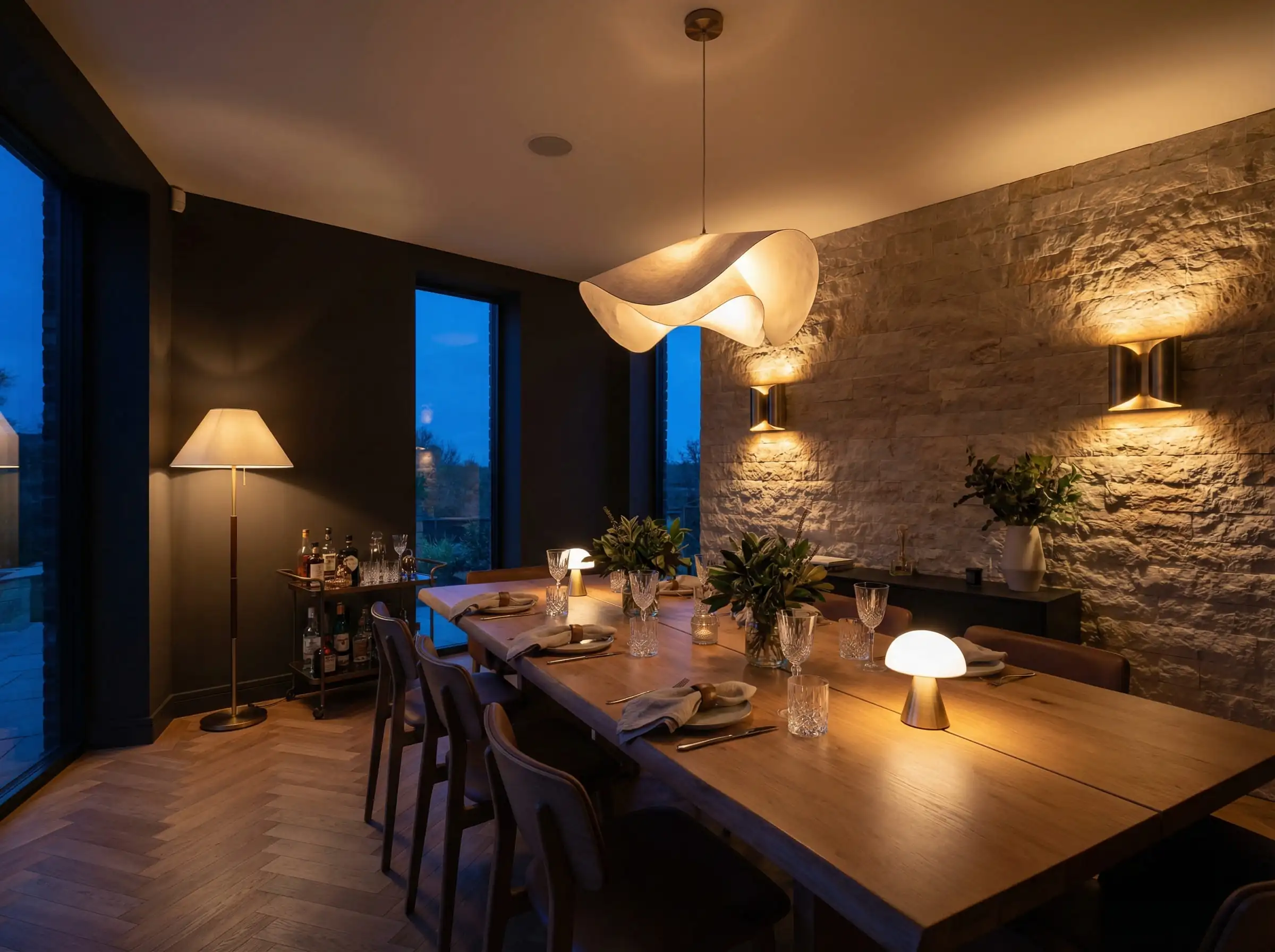
Wall sconces are having a major moment. They are no longer just for hallways. In the dining room, “wall washing” sconces direct light back onto the walls rather than out into the room. This highlights the texture of your Wallpaper Trends or paint and expands the perceived size of the space.
5. Configuration: Clusters, Chains, and “Tabletop Tech”
How we hang lights is changing just as much as the lights themselves. The single, central junction box is being reimagined.
The Cluster Effect
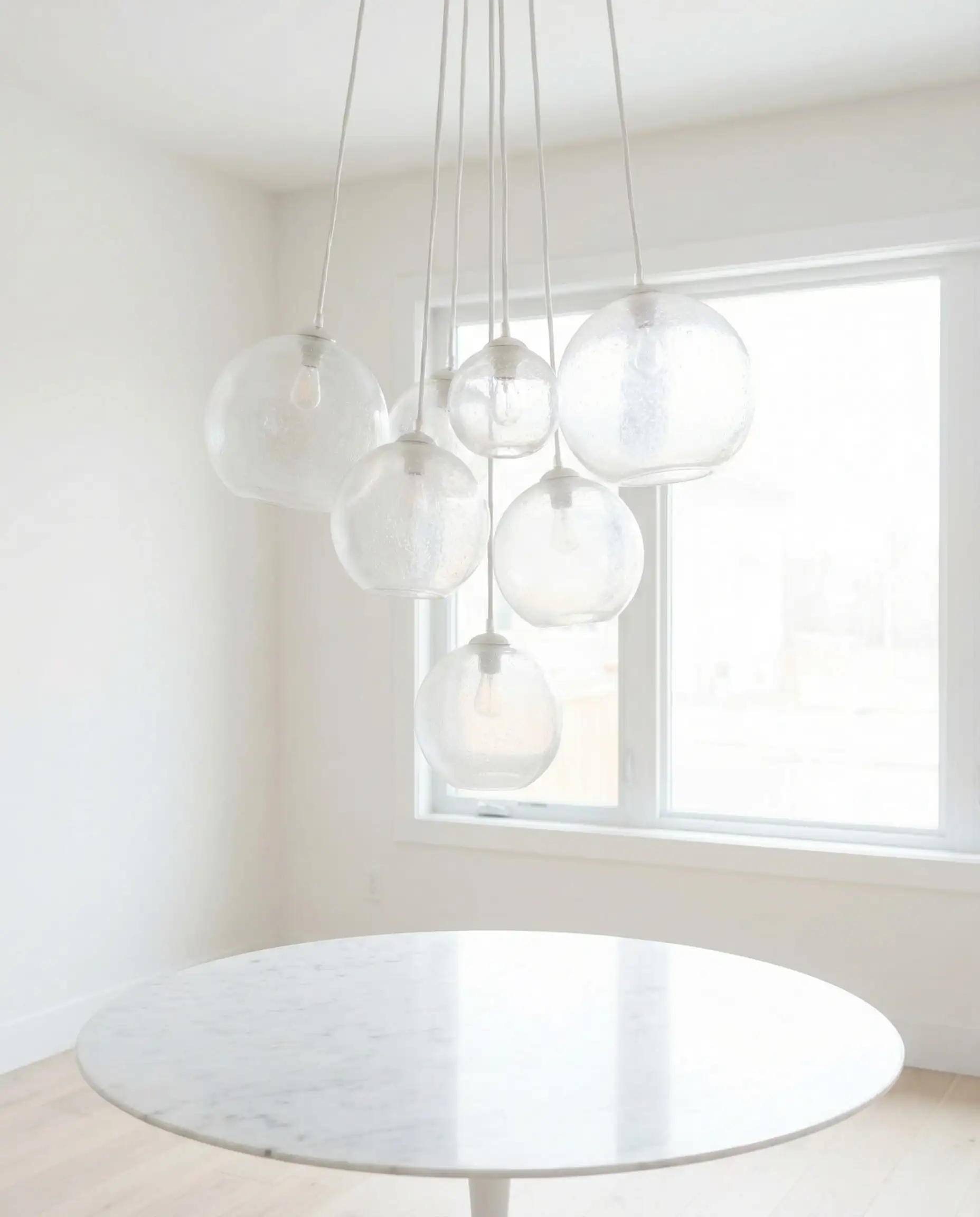
Instead of one massive chandelier, designers are opting for clusters of smaller pendants hung at varying heights. This creates a centerpiece that feels like an art installation. It allows for better light distribution across the table and adds vertical interest to the room.
Linear “Jewelry” Chains
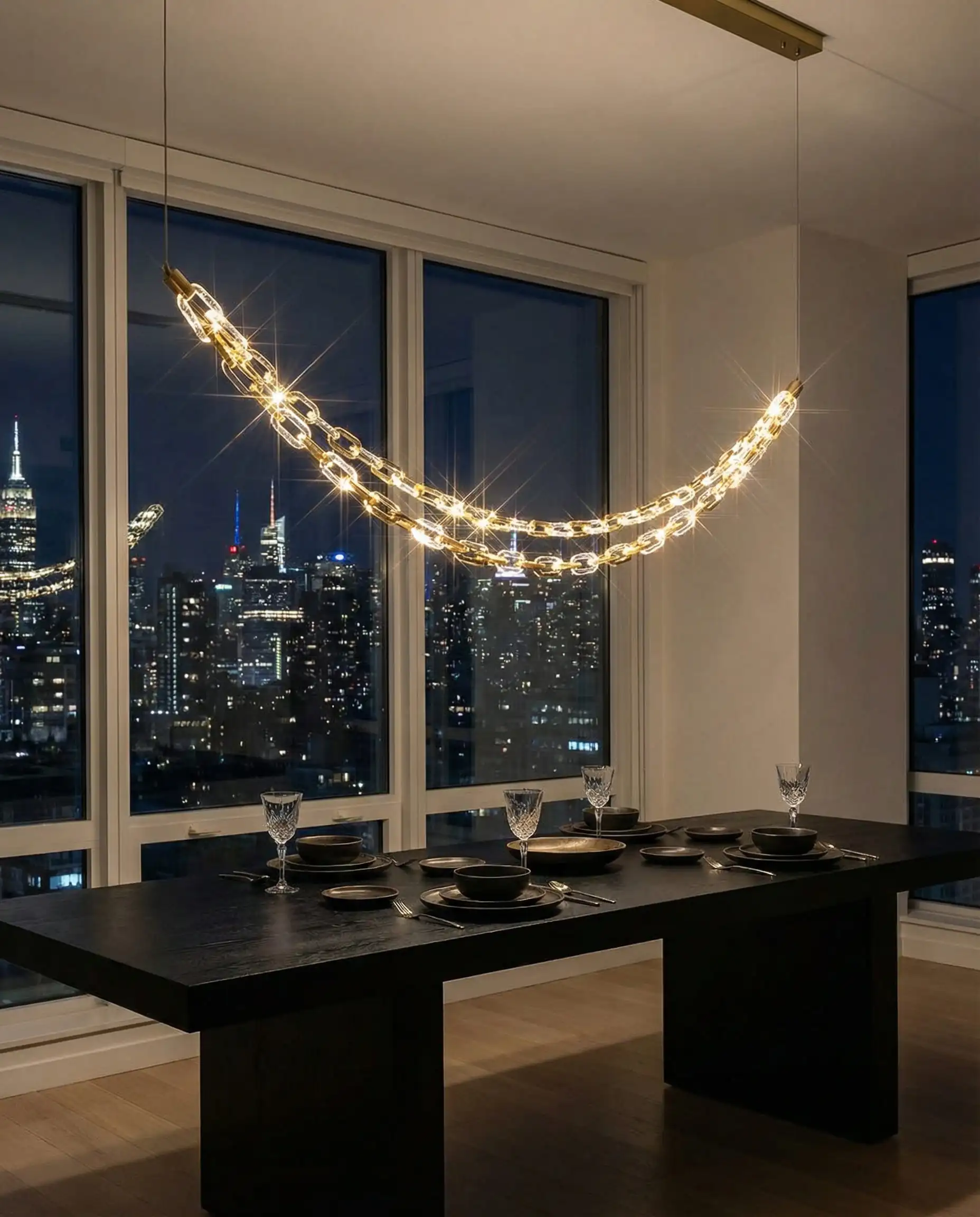
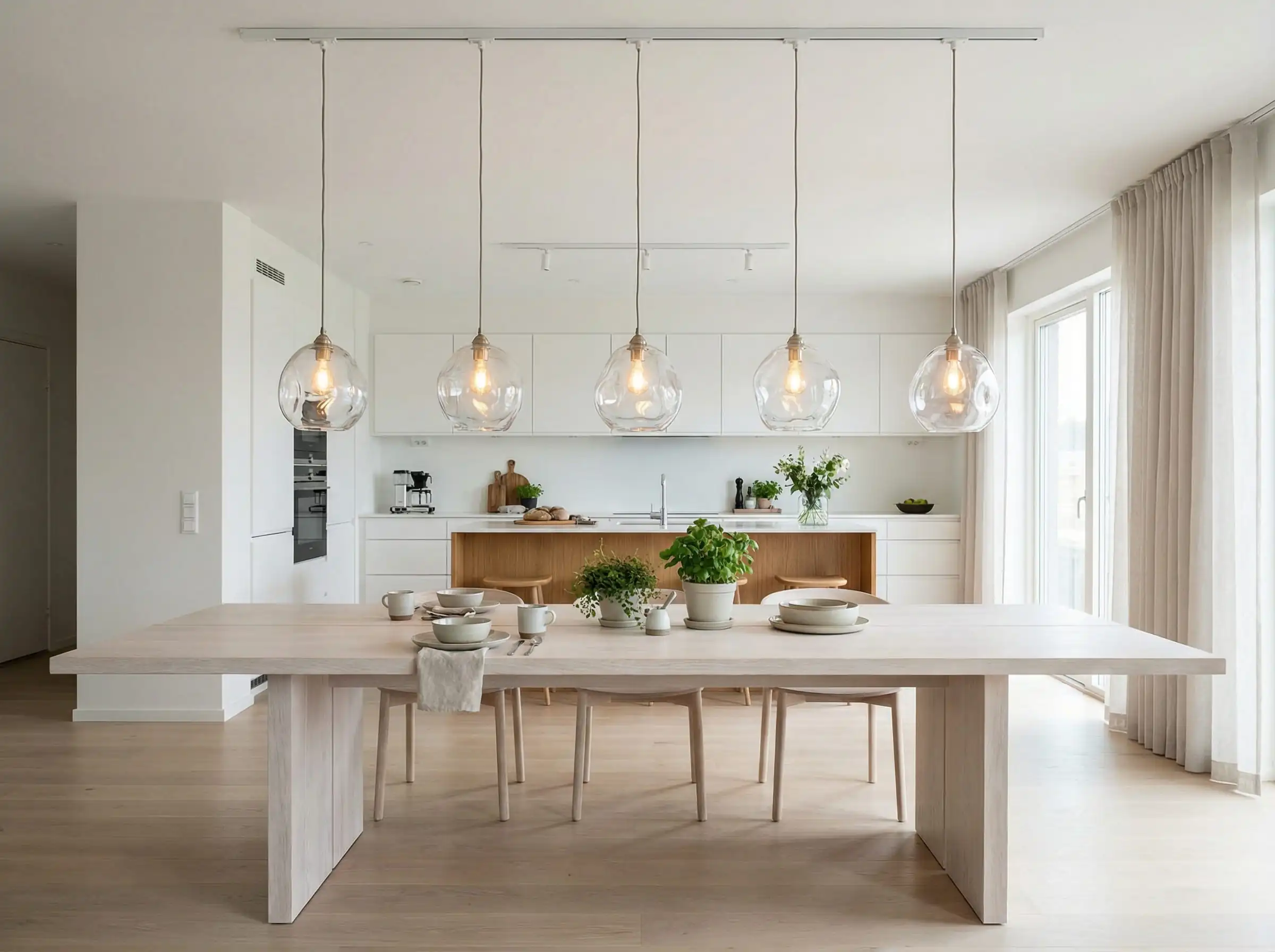
For rectangular tables, the linear suspension light is getting a makeover. Instead of a solid metal bar, we are seeing “jewelry chains”—delicate, interconnected links of light that drape horizontally above the table. It feels less like a piece of office equipment and more like a necklace for your room. These often feature modular links, allowing you to customize the length to fit your table perfectly.
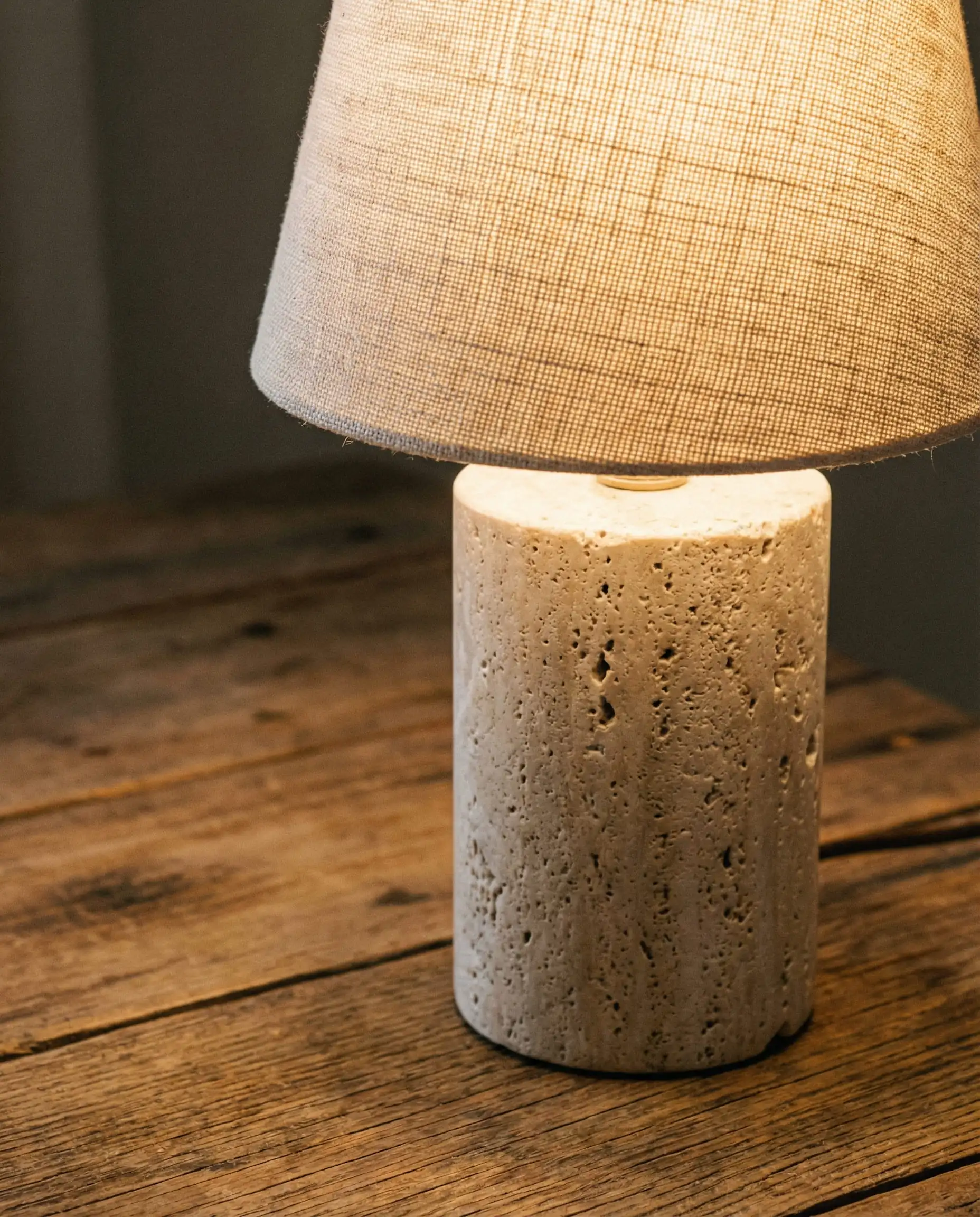
The Rise of the Portable Table Lamp
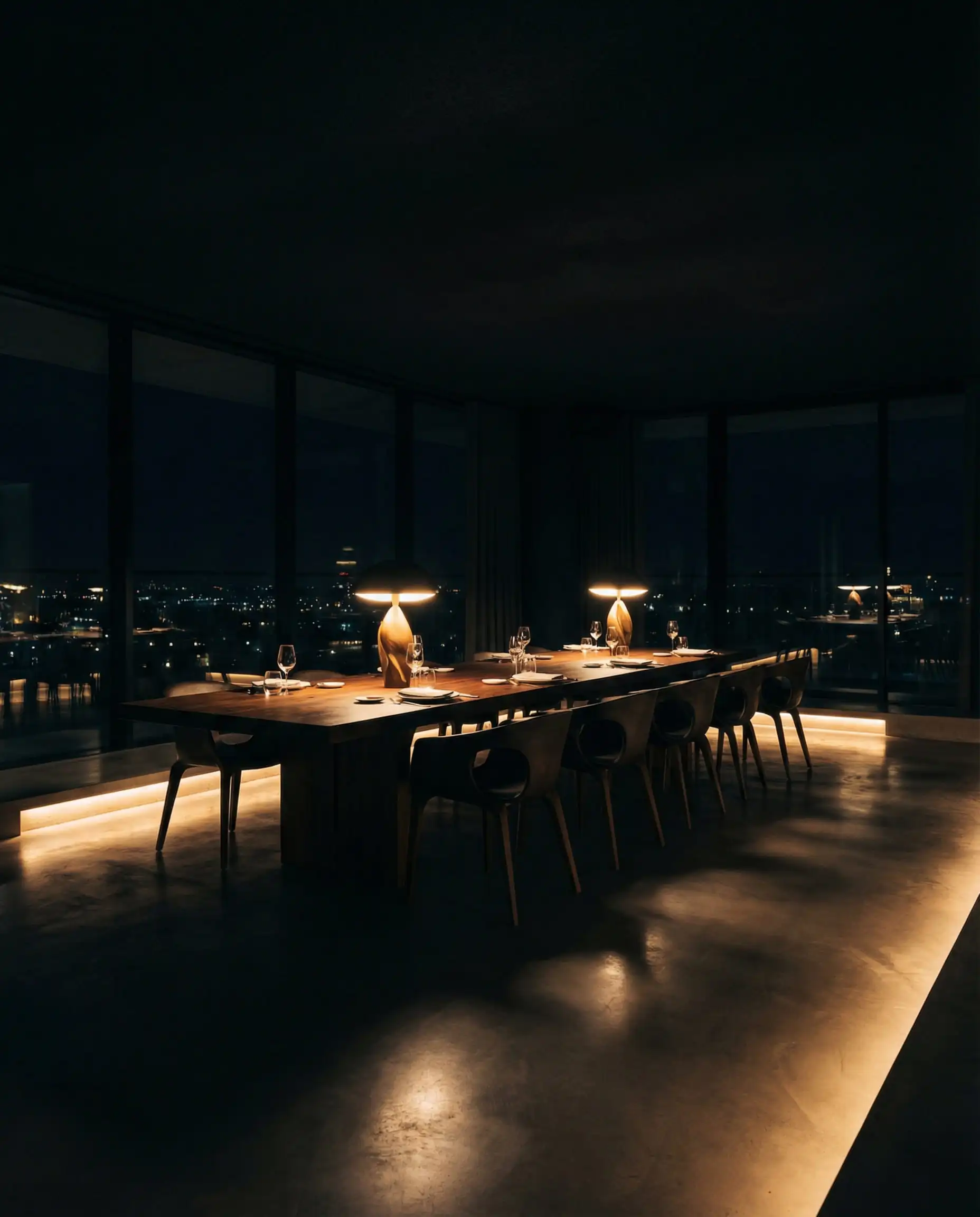
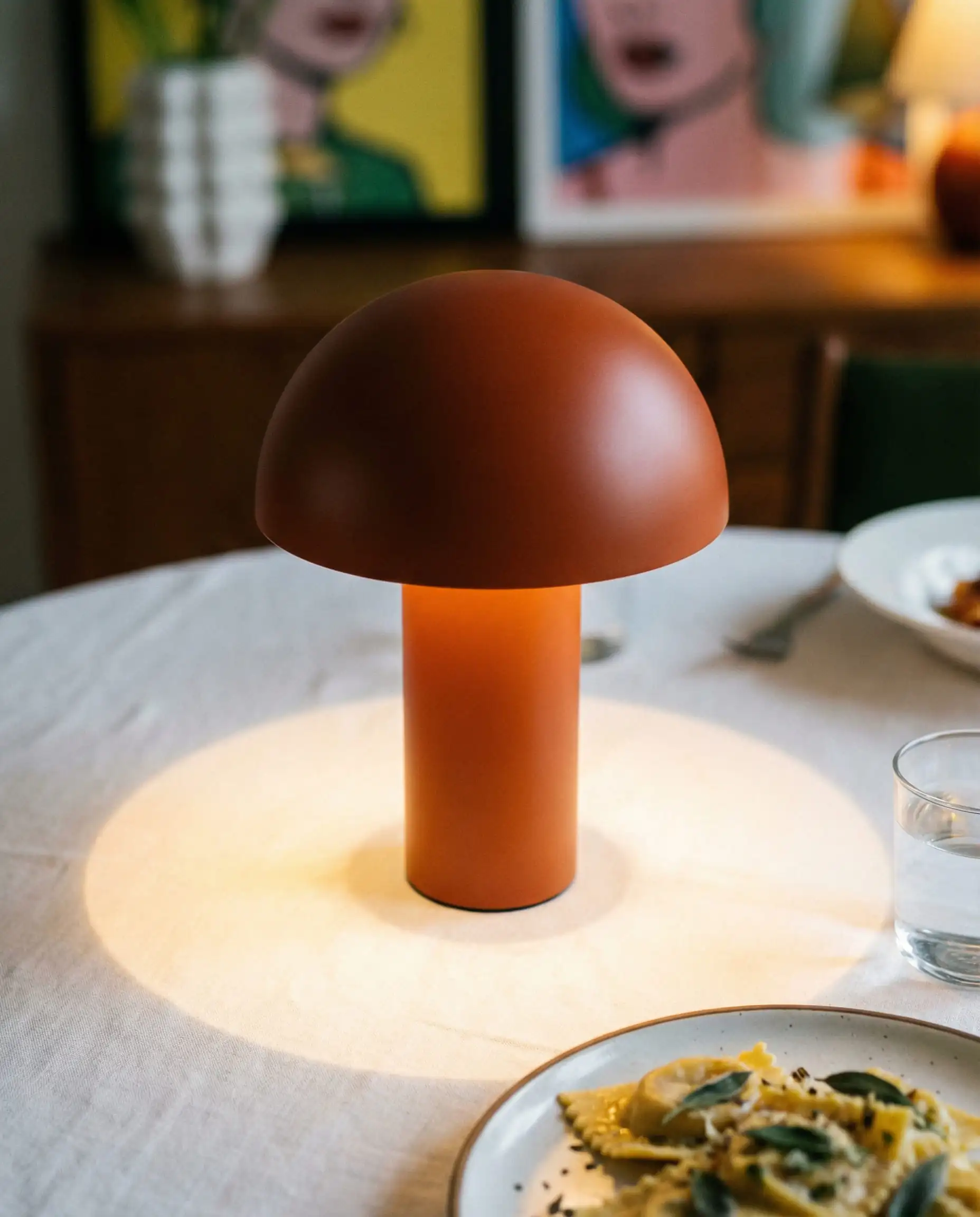
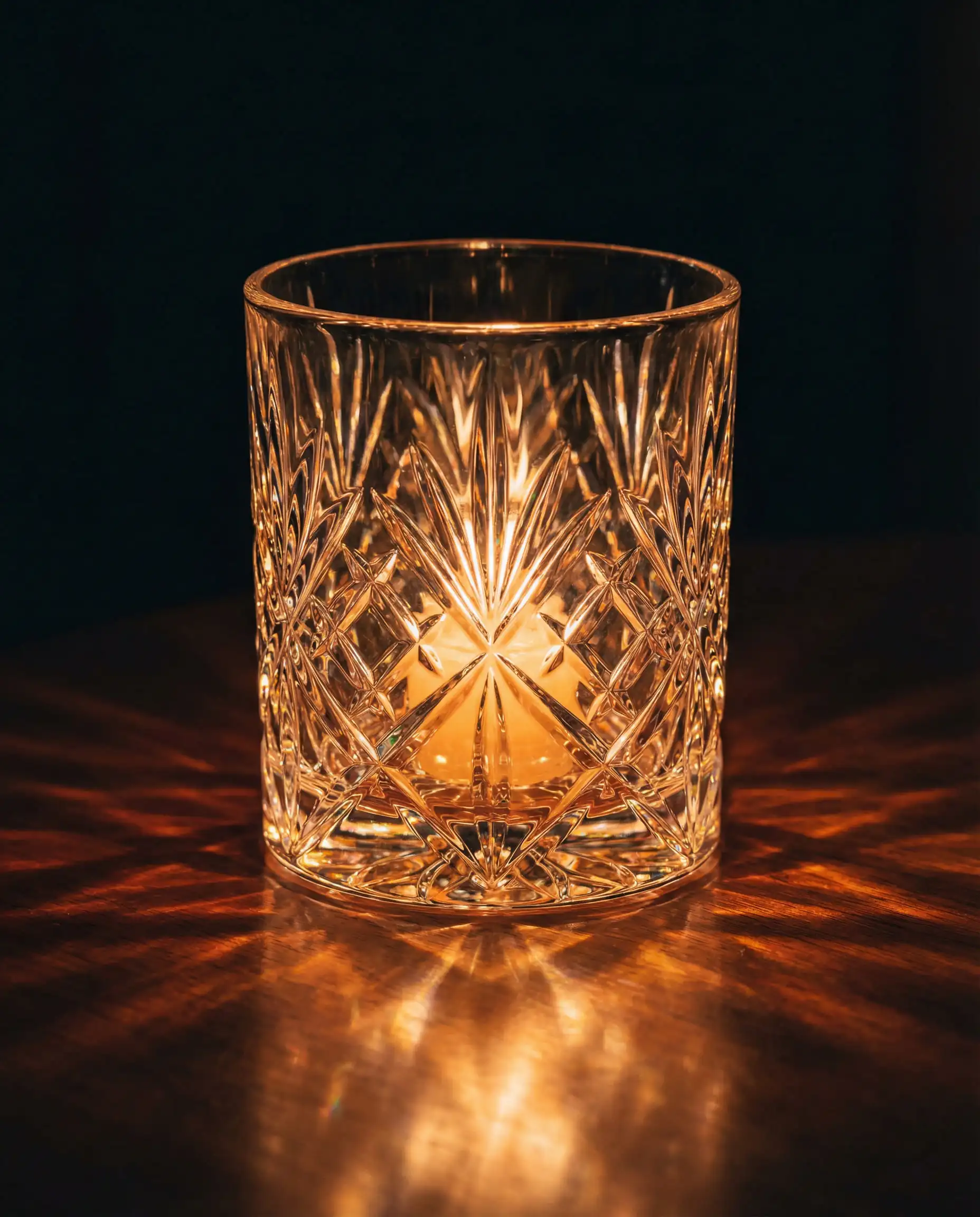
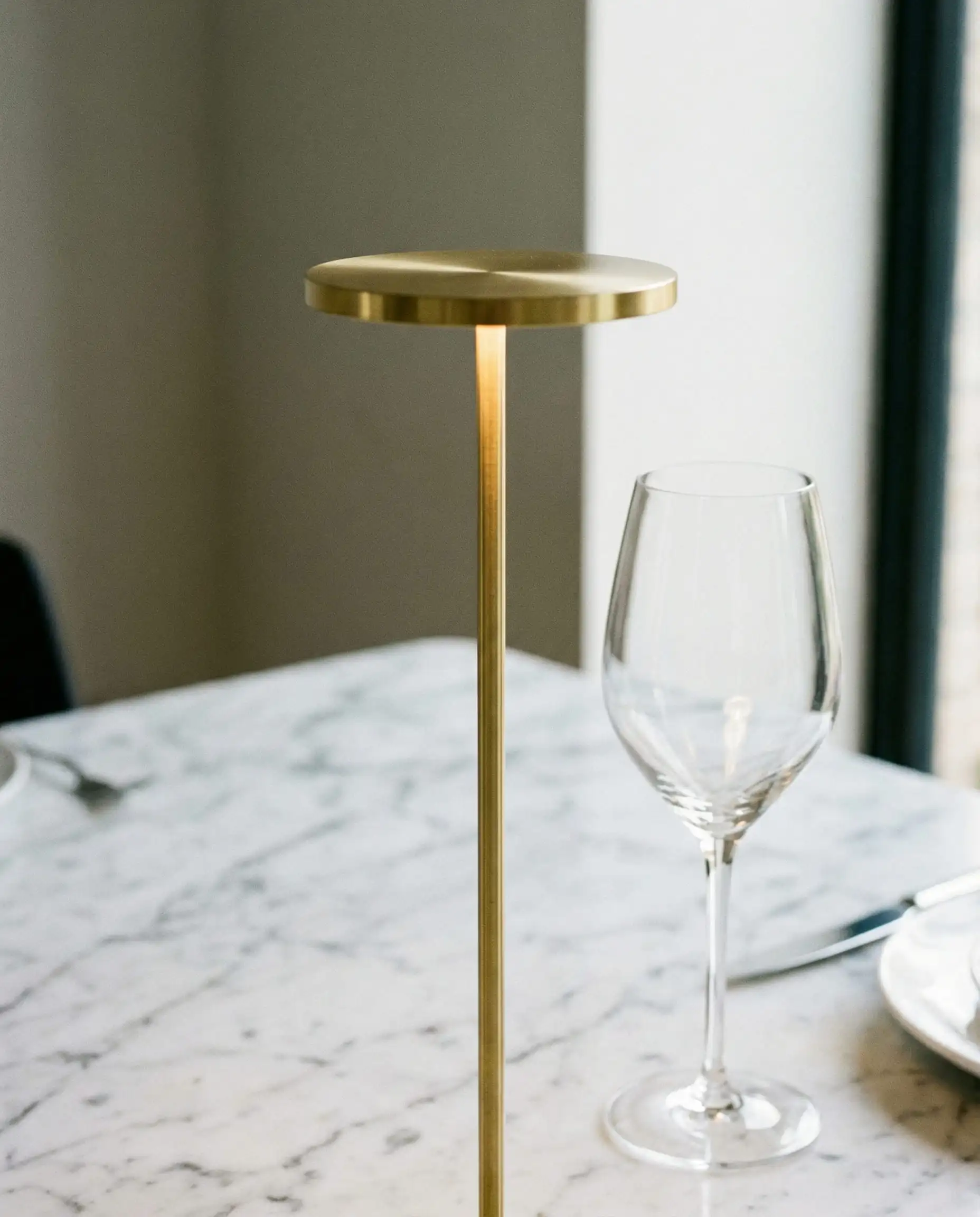
Perhaps the most practical trend of 2026 is the rechargeable, cordless table lamp. High-end designers are releasing stunning, petite lamps meant to live directly on the dining table. They replace the traditional wax candle, offering a safe, dimmable, and wind-proof way to create that “restaurant vibe” right at home.
These are not cheap plastic gadgets; they are made of solid brass, marble, and crystal. They are designed to be moved from the dining table to the Modern Coffee Table Trends or the patio as the night progresses.
6. Style Guide: Matching Lighting to Your Table Shape
One of the most common questions we get is, “Does this light fit my table?” In 2026, the rules are specific. Here is how to pair the new trends with your Furniture Trends.
For Rectangular & Oval Tables
For Round & Square Tables
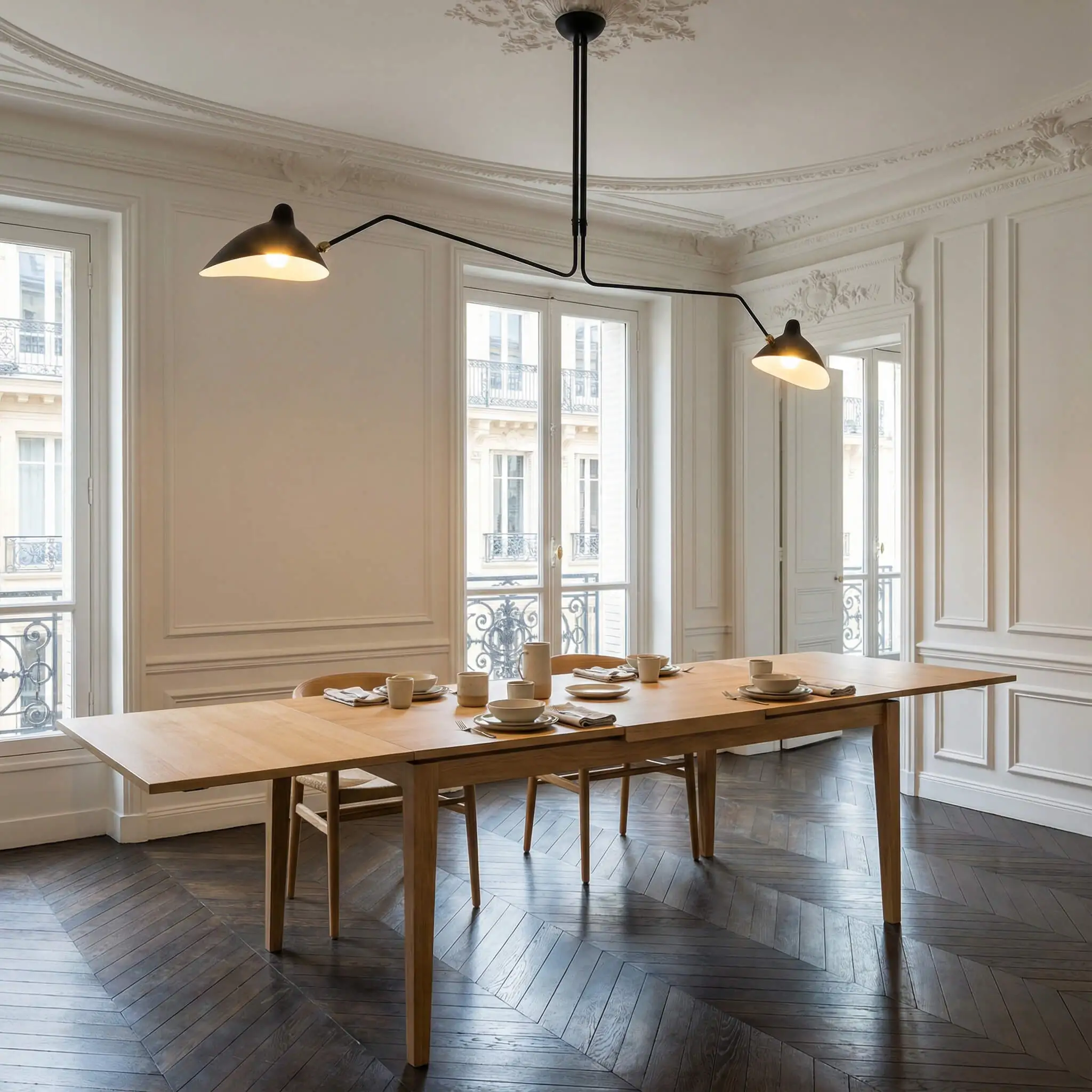
For Expandable Tables
7. What is “OUT” in 2026?
To make room for the new, we have to let go of the old. If you are planning a refresh, here is what to avoid to ensure your space doesn’t look dated.
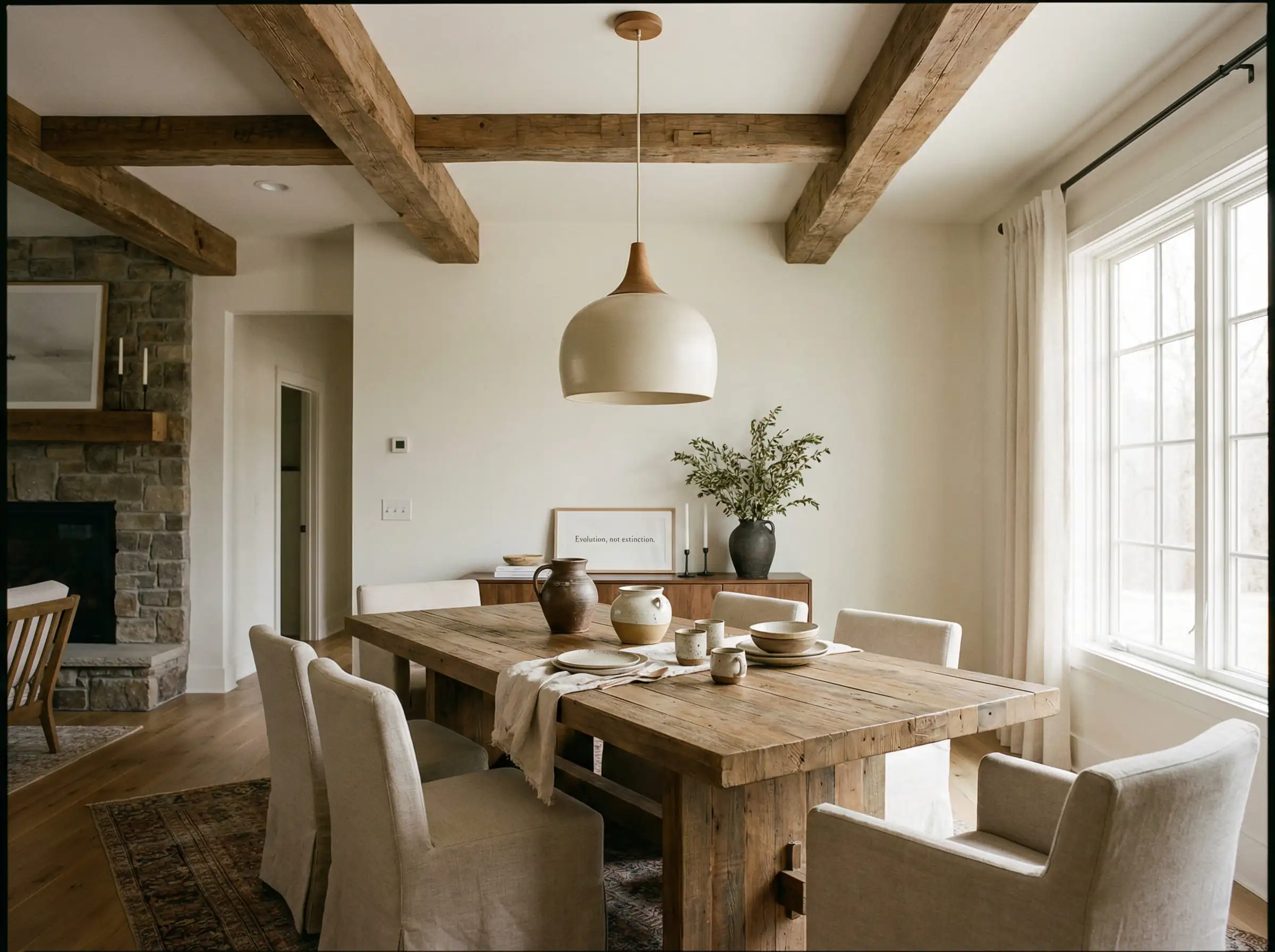
8. How to Layer Light for the Ultimate Mood
A single overhead light, no matter how trendy, cannot do it all. In 2026, the “layered” approach is non-negotiable. Designers call this the “Three-Point System.”
1. The Ambient Layer (The Crown Jewel)
This is your main overhead fixture (chandelier or pendants). In 2026, this is almost purely decorative. It provides the general glow and serves as the visual anchor of the room.
Tip: Put this on a separate dimmer switch from everything else.
2. The Task Layer (The Workhorse)
Often overlooked in dining rooms. This ensures you can actually see what you are cutting on your plate.
Implementation: This could be a nearby floor lamp, the “focus mode” on your tunable overhead light, or recessed downlights (cans) positioned specifically to hit the table surface, not the guests’ heads.
3. The Accent Layer (The Mood Maker)
This is where the magic happens.
9. Sustainable Innovation: Lighting with a Conscience
Sustainability is no longer a niche; it is the baseline. 2026 sees a massive rise in “Bio-Lighting.”
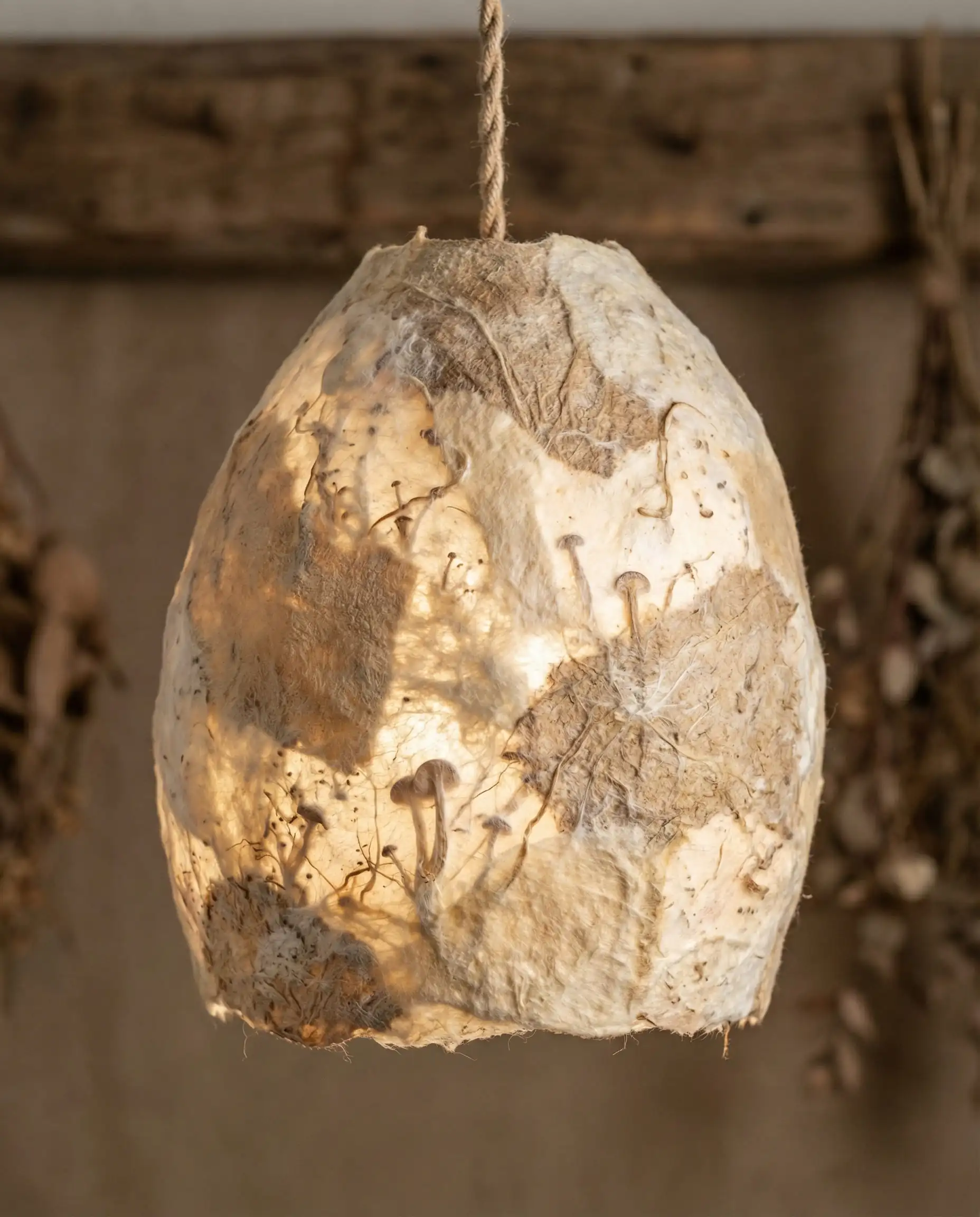
Mycelium & Mushroom Lamps
Yes, mushrooms. Designers are growing lamp shades from mycelium (mushroom roots). It creates a material that looks like suede or velvet but is 100% biodegradable. It offers incredible acoustic properties, dampening the noise of clinking silverware and chatter.
3D Printed Corn Starch
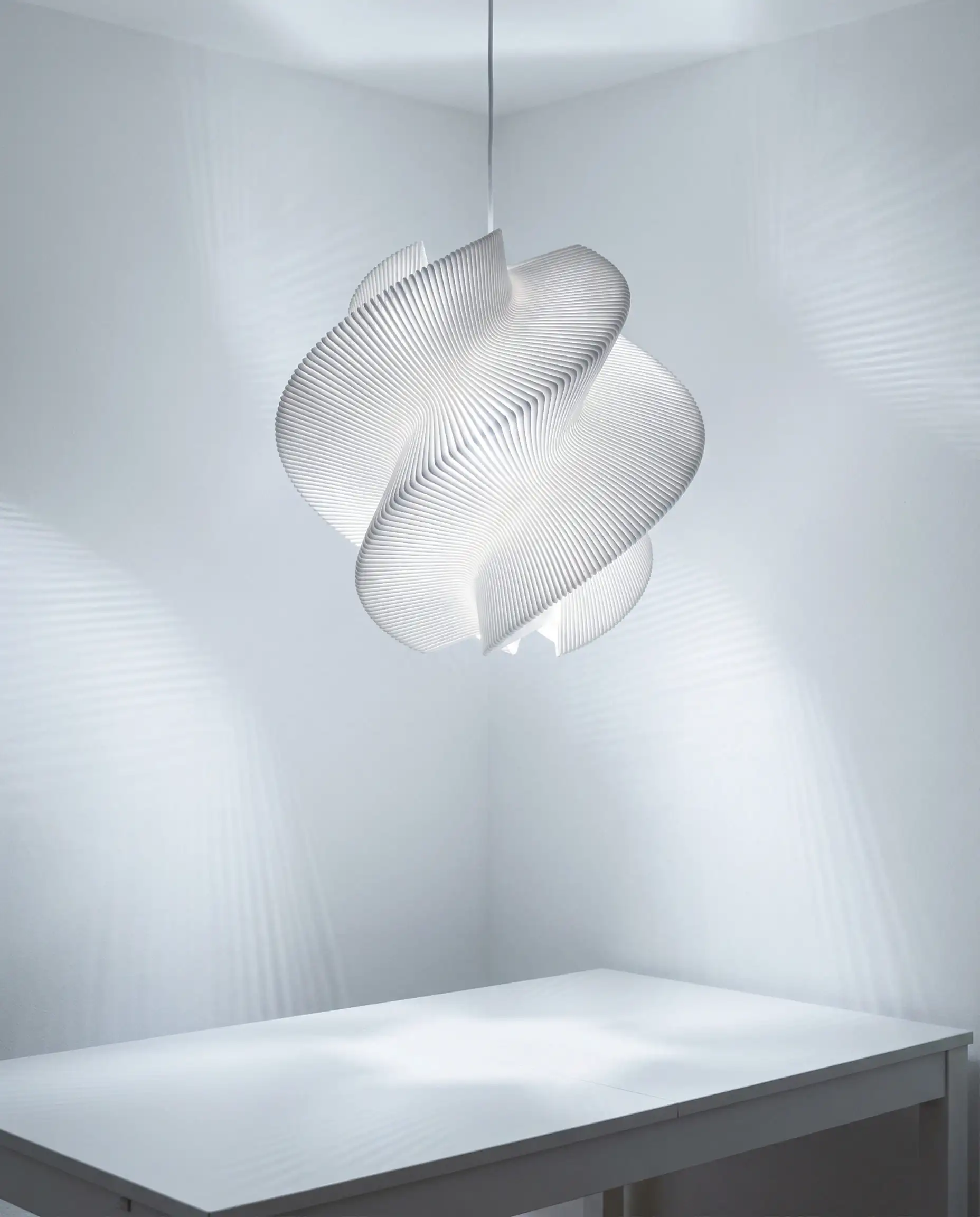
High-end brands are utilizing large-scale 3D printing using PLA (polylactic acid) derived from corn starch or sugarcane. This enables the production of complex, impossible geometric shapes that cannot be made with traditional manufacturing, while maintaining zero waste.
Repairability
The “Right to Repair” movement has hit the lighting industry. In 2026, look for fixtures where the LED drivers and modules are easily replaceable. The era of “integrated LED” fixtures that must be thrown in the trash when the bulb dies is ending. Consumers are demanding longevity.
Frequently Asked Questions (FAQ)
The dominant trend for 2026 is “Organic Tech.” This involves lighting fixtures that mimic natural, fluid shapes (like draped napkins or seed pods) but incorporate advanced technology like tunable white LEDs that adjust color temperature to match human circadian rhythms.
While trends change, the golden rule of height remains steady. The bottom of your light fixture should hang 30 to 36 inches above the table surface. However, for the new “cluster” trends where pendants hang at varying heights, the lowest pendant should adhere to this rule, with others staggered upwards.
The traditional rustic farmhouse look (chicken wire, heavy black metal, mason jars) is fading out. It is being replaced by “Modern Artisan,” which uses warmer woods, woven rattans, and matte ceramics. It keeps the cozy vibe of farmhouse but strips away the industrial clutter for a cleaner, softer look.
Absolutely. In fact, it is encouraged. The “mixed metal” trend is huge for 2026. Look for fixtures that naturally combine two finishes, such as a black stem with brass sockets. This makes it easier to coordinate the light with other metal finishes in the room, like door handles or cabinet pulls.
Aim for 300 to 400 lumens per foot of table length for ambient lighting. However, the key in 2026 is flexibility. Ensure your fixture is dimmable. You want full brightness for homework or cleaning, but you should be able to dim it down to 20% brightness for an intimate dinner party.
Conclusion
The dining room lighting trends of 2026 are an invitation to be bold but gentle. We are moving away from the “perfect” showroom look toward spaces that feel lived-in, organic, and emotionally resonant.
It is a shift from looking at the light to living in the light.
Whether you choose a sculptural “napkin” light that sparks conversation, a deep truffle-colored pendant that grounds the space, or a high-tech system that subtly mimics the sunset to help you sleep better, the goal is the same: to create a space where people want to linger.
Because in 2026, the luxury isn’t just in the fixture itself; the luxury is in the time spent together underneath it.
Ready to explore more ways to elevate your home this year? Check out our full guide on Dining Room Trends to see how these lighting choices fit into the bigger picture of interior design, or explore Ceiling Design Trends to ensure your new light fixture has the perfect canvas.