Designing the Modern Barn: Functional & Stylish Solutions for Today’s Equestrian Properties
Rethinking the Barn in the 21st Century
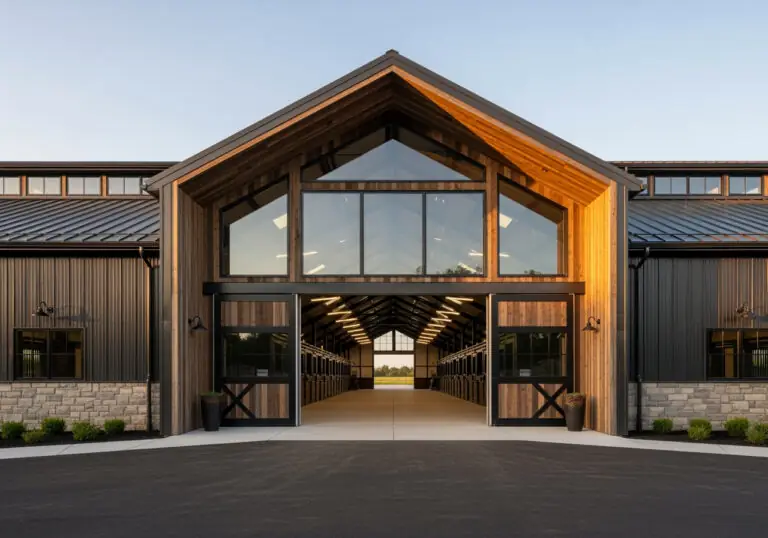
Barns are no longer seen as purely functional buildings. They’ve become architectural spaces that reflect the values and lifestyle of property owners. From handcrafted stalls to refined finishes, modern barns are designed with attention to both form and practicality.
With growing investment in rural living, there’s a rising demand for barns that reduce stress for horses, simplify daily routines, and match the look of the surrounding home or landscape. Whether part of a large working stable or a private estate, today’s barns are built with clear purpose and design awareness.
Function First: Building Around the Needs of Horses and Humans
Good barn design begins with understanding how the space will be utilized. Every element—from stall layout to airflow—should support horse care and ease daily operations.
Wide aisles improve safety during handling. Positioning related areas close together—like tack rooms next to grooming stalls—saves time and energy. Proper ventilation is crucial, with high ceilings, ridge vents, and operable windows helping to control temperature and air quality.
Lighting also plays a key role. Natural light enhances visibility and creates a calming atmosphere, while LED fixtures provide consistent brightness in darker conditions and lower energy costs.
Durable flooring supports safety and comfort. Concrete paired with rubber mats is a reliable solution, while interlocking pavers are well-suited for grooming and wash areas where traction is essential.
Stalls should be constructed to withstand heavy use while contributing to the barn’s visual appeal. In the Midwest, horse stalls for sale South Dakota residents usually buy, offer both durability and craftsmanship, suited to the region’s varied climate and modern design expectations.
A well-organized, carefully built barn improves daily efficiency, supports animal welfare, and lays the groundwork for aesthetic enhancements.
Materials That Work Hard and Look Good
Material selection plays a major role in a barn’s longevity and appearance. The right choices reduce upkeep and enhance design consistency across the property.
Wood and steel are commonly used, but with greater flexibility than in the past. Reclaimed wood adds texture and warmth, often used for stall fronts or feature walls. Steel provides strength and is ideal for structural components, especially when powder-coated for a clean finish and added protection.
Rubber pavers and mats offer comfort underfoot and reduce noise, while sealed concrete with non-slip treatments works well in high-use zones. These materials combine practicality with a tailored look.
Siding options like fiber cement and baked-on metal panels provide the visual appeal of wood without the maintenance, ideal for changing weather conditions. Roofing materials such as standing-seam metal or composite shingles enhance both function and appearance.
Sustainability is an increasing priority for many barn owners. Builders are turning to reclaimed materials, recycled steel, and sustainable building features to create structures that are both durable and environmentally responsible. These choices help reduce the project’s impact while offering long-term performance.
A well-balanced materials palette results in a barn that performs well, lasts longer, and looks intentional within its surroundings.
Interior Touches: From Lighting to Layout
The interior layout and finish details define how a barn operates day to day. Careful planning makes the space easier to manage and more pleasant to use.
Lighting should be bright but even. Natural daylight is ideal, and where that’s not possible, quality LED fixtures maintain consistent visibility without harsh glare. Placing lights strategically in stalls, grooming areas, and storage rooms improves safety and workflow.
Tall ceilings enhance ventilation and give the barn a more spacious feel. Architectural elements like exposed beams or vaulted ceilings can add character while supporting airflow.
Organizing the layout to reduce unnecessary movement improves efficiency. Keeping feed, tack, and grooming areas grouped helps streamline routines. Separate storage areas for equipment and supplies keep the barn clean and functional.
Custom cabinetry, saddle racks, and built-in shelving offer convenient storage while contributing to a polished interior. These elements can be designed to match the barn’s architectural style for a cohesive finish.
Details like hardware, paint color, and floor texture round out the space. Stall doors and wall finishes don’t just need to function—they can reinforce the overall design approach.
An interior that’s both efficient and visually unified enhances the barn’s appearance and functionality, supporting both care routines and comfort.
Style Inspiration: From Classic to Contemporary
Modern barns embrace a range of architectural influences, allowing property owners to express their style while maintaining practicality.
Traditional barns often feature wood siding, pitched roofs, and symmetrical layouts. Warm finishes and classic details create a timeless appearance that fits well in rural settings.
Contemporary barns tend to favor minimalism, with clean lines, open interiors, and industrial materials like steel and glass. These spaces feel modern and uncluttered, often incorporating neutral palettes and polished finishes.
Many barn owners blend these styles to reflect both tradition and innovation. A barn might feature a classic exterior with a sleek, modern interior—or combine rustic wood with metal for a balanced, transitional design.
For ideas rooted in natural textures and earthy tones, Hackrea’s rustic interior style inspiration page provides visual examples of how function and design can come together beautifully.
Choosing the right aesthetic helps the barn integrate with its environment and align with the broader property style.
Where Beauty Meets Utility
A modern barn must serve its purpose effectively while contributing to the property’s overall feel. Through intentional design, strong materials, and smart layout, it becomes more than just a functional building—it becomes part of a lifestyle.
By balancing durability with thoughtful styling, barn owners can create spaces that are both hard-working and visually appealing. When these priorities come together, the result is a structure that supports everyday needs and reflects the estate’s character.