Creating Healthier Indoor Spaces Through Smart Design and Air Quality
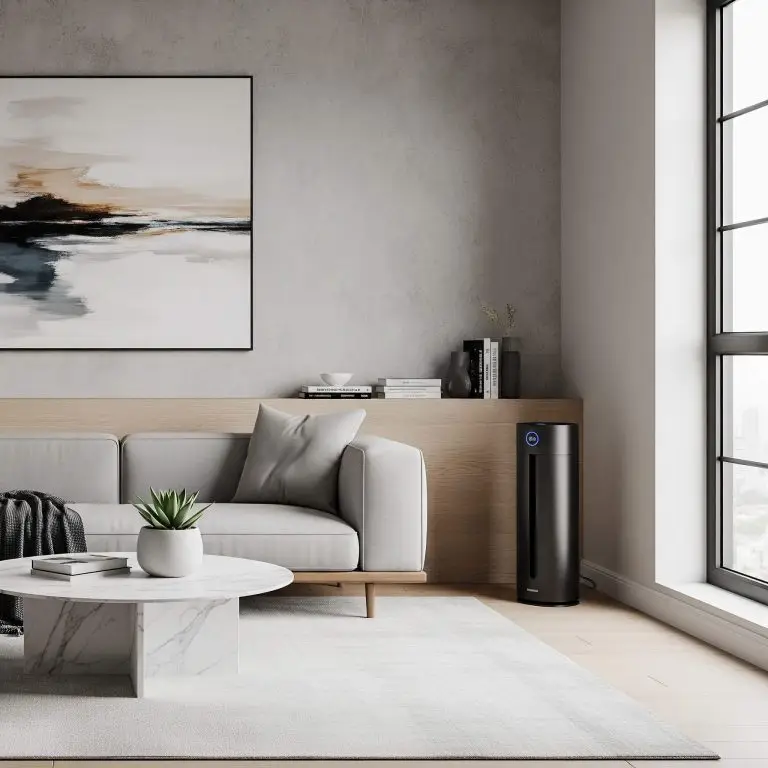
When we think about interior design, our minds typically drift toward color palettes, furniture arrangements, and aesthetic appeal. Yet one of the most overlooked elements of a well-designed home is the quality of the air we breathe inside it. Modern homeowners are increasingly recognizing that a beautiful room means little if the air circulating through it carries dust, allergens, pet dander, and other invisible pollutants. The intersection of design and air quality represents a significant shift in how we approach residential interiors, one that goes beyond paint swatches and throw pillows to encompass the overall wellness of our living spaces.
Creating a healthy indoor environment involves understanding both the visible and invisible factors that contribute to comfort and well-being. While paint colors and furnishings shape the aesthetic experience of a room, the air quality fundamentally affects how we feel in that space day after day. Getting familiar with different filtration standards and technologies helps homeowners make informed decisions about which air purification solutions work best for their specific needs and design goals.
The Growing Importance of Indoor Air Quality in Home Design
The pandemic accelerated a widespread awareness of indoor air quality, but the conversation has evolved far beyond crisis management. Today’s homeowners are thinking strategically about air quality as a permanent feature of their living spaces, much like they consider lighting, flooring, and wall color. Design professionals increasingly incorporate air purification into their recommendations, recognizing that a room’s functionality depends on more than just its visual appeal. Part of that shift involves understanding the technology behind purification products, including the distinction between hepa vs true hepa filtration, so homeowners can choose equipment that genuinely meets their needs.
Indoor air can be significantly more polluted than outdoor air, containing particles from cooking, cleaning products, pet activity, dust accumulation, and outdoor pollutants that enter through windows and doors. For families with children, pets, or members with allergies or respiratory sensitivities, this reality becomes impossible to ignore. The solution isn’t to abandon beautiful design but to integrate air quality considerations into the overall aesthetic and functional planning of a room.
Balancing Aesthetics with Functionality
One of the primary challenges homeowners face is incorporating air purification without compromising the visual design of their spaces. Modern air purifiers have come a long way from the bulky, utilitarian machines of the past. Contemporary models are designed with aesthetics in mind, featuring sleek profiles, neutral color options, and compact footprints that integrate naturally into various design schemes.
When selecting an air purifier for a specific room, consider how its placement and design will interact with your existing décor. A unit positioned in a living room corner might benefit from a neutral finish that complements your paint color and furniture. In bedrooms, quieter models become essential, as noise levels directly impact sleep quality and comfort. The best air purification solutions are those that work silently in the background, maintaining air quality without drawing attention or disrupting the room’s intended ambiance.
Understanding Filtration Technology and Room Size
Different rooms require different levels of air purification based on their size, usage, and specific air quality challenges. A kitchen where cooking generates smoke and odors needs different filtration capabilities than a bedroom or living room. Similarly, homes with pets face unique challenges related to hair, dander, and associated odors that standard filtration may not adequately address.
Filtration technology has advanced significantly, with multi-stage systems now capable of capturing particles of varying sizes and types. Understanding what your household needs in terms of air purification helps you select equipment that actually solves your specific problems rather than simply adding another appliance to your space. A room that feels stuffy or smells stale may benefit from more aggressive air circulation and purification, while a well-ventilated space might require lighter-duty equipment.
Integrating Air Quality Into Room-Specific Design Plans
Different rooms in your home have distinct air quality needs that should inform your design decisions. In bedrooms, the priority is maintaining clean air while ensuring the purification system operates quietly enough not to disturb sleep. Living rooms often need to handle multiple sources of air contamination, from cooking odors drifting from nearby kitchens to dust and allergens from frequent foot traffic. Home offices require clean air to support focus and productivity, particularly for those working from home full-time.
When planning a room redesign, consider air quality as part of your overall strategy rather than an afterthought. This might mean selecting paint colors and materials that work well with your chosen air purification solution, or positioning furniture to allow optimal airflow throughout the space. Some homeowners find that incorporating air purification into their design plans actually simplifies the process, as it clarifies the functional requirements the room must meet beyond its aesthetic goals.
The Long-Term Value of Investing in Air Quality
While air purification represents an upfront investment, the long-term benefits extend far beyond immediate comfort. Cleaner air reduces dust accumulation on surfaces, which means less frequent cleaning and better preservation of furniture and décor. For families with allergy sufferers, the health benefits can be substantial and measurable. Over time, maintaining consistent air quality can also extend the life of HVAC systems and reduce the buildup of particles that can damage appliances and electronics.
From a design perspective, investing in air quality removes one significant source of frustration that can undermine even the most beautiful room design. A perfectly painted bedroom loses its appeal if the air feels stale or carries odors. A well-designed living room becomes genuinely uncomfortable if dust and allergens accumulate rapidly. By addressing air quality as an integral part of your design plan, you ensure that your beautiful spaces remain genuinely pleasant to inhabit.
Conclusion
The future of interior design increasingly recognizes that beauty and health are inseparable. Creating spaces that look good and feel good requires attention to factors both visible and invisible. As homeowners continue to prioritize wellness alongside aesthetics, air quality has rightfully claimed its place as a fundamental consideration in residential design. By understanding your household’s specific air quality needs and selecting solutions that complement your design goals, you can create rooms that are not only beautiful to look at but genuinely healthy to live in.