7 Renovation Priorities To Consider For Your Next Project
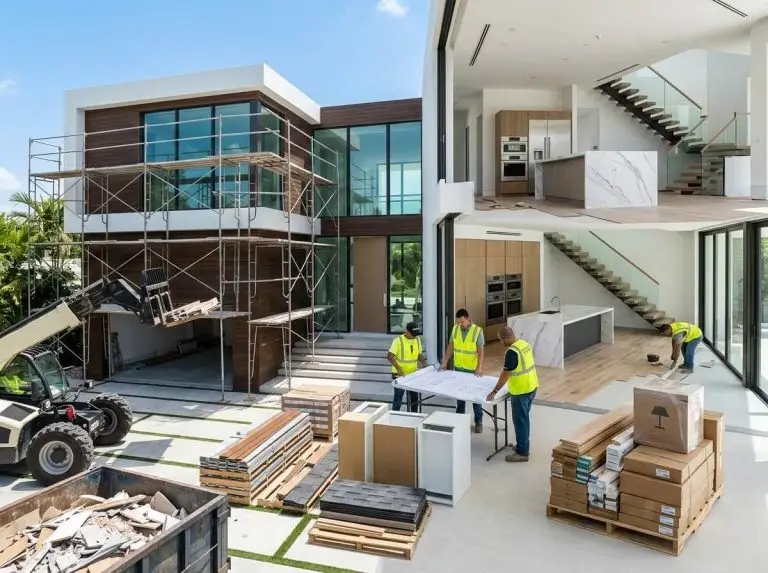
The list starts on a napkin after dinner. New kitchen. Fix the master bath. Replace those windows. Do something about the garage. Redo the flooring. Add a patio. The list grows faster than the budget ever will, and at some point you’re staring at twenty things you want to change with money for maybe five. That’s where most homeowners get stuck. Not from a lack of ideas. From a lack of sequence. Everything feels urgent when you’ve been thinking about it for three years, and picking where to start based on excitement rather than impact leads to spending real money on things that should’ve waited while the things that actually needed attention sit untouched behind the walls.
Prioritizing a renovation means thinking about what the house needs before thinking about what you want. The two lists overlap more than people expect, but the order matters. Here are 7 priorities worth ranking before you start swinging hammers.
1. Structural Integrity Comes Before Everything
Foundation settling, roof damage, load-bearing wall concerns, termite damage to framing. None of these are exciting to fix. All of them undermine every other dollar you spend if they’re ignored. A beautiful kitchen remodel sitting on a compromised slab or under a roof that leaks during the next hurricane is money that didn’t protect itself. The structure holds everything else. It gets addressed first. Home remodeling South Florida projects that start with the right priorities finish better, cost less in the long run, and avoid the expensive discovery of renovating the kitchen before fixing the plumbing that feeds it.
2. Roof Condition Sets the Timeline for Everything Underneath
A South Florida roof takes more punishment than almost any other component of the house. UV exposure twelve months a year, hurricane-force wind events, driving rain, and the thermal cycling between blazing afternoons and cooling nights. If your roof is past its expected lifespan or showing signs of failure, nothing underneath it is safe to renovate until the envelope above is sound. Insurance companies increasingly require roof inspections before writing or renewing policies, which means a deteriorating roof doesn’t just risk water damage. It risks your coverage.
3. Electrical Panel and Wiring Capacity
Older South Florida homes were wired for the electrical demands of a different era. Window AC units, a couple of TVs, basic kitchen appliances. Today’s homes run central air, multiple refrigerators, EV chargers, home offices, pool equipment, and smart systems that pull continuous power. If your panel can’t support the load your renovation will add, upgrading it before the remodel prevents the costly disruption of doing it mid-project when the electrician tells you the kitchen circuits can’t handle the new appliance package.
4. Plumbing That’s Due for Replacement
Galvanized steel pipes corrode from the inside over decades, restricting water flow and eventually leaking. Polybutylene pipes, common in South Florida homes built between 1978 and 1995, are prone to failure and increasingly flagged by insurers. If your plumbing is original to a home built in that window, replacing it with PEX or copper before renovating the kitchen and bathrooms that depend on it prevents tearing out new finishes to access failed pipes two years later.
5. Hurricane Protection Upgrades
Impact windows, reinforced garage doors, and updated roof-to-wall connections. These aren’t cosmetic improvements. They’re the upgrades that protect the house and everything inside it during a Category 3 or higher event. They also reduce insurance premiums, which in South Florida’s current market can offset a meaningful portion of the investment annually. Prioritizing hurricane hardening before interior finishes means the interior finishes survive.
6. HVAC System and Ductwork
An air conditioning system running eight to ten months a year in South Florida isn’t a comfort feature. It’s life support for the house. An undersized, aging, or inefficient system paired with leaky ductwork in an unconditioned attic wastes energy, creates humidity problems, and produces uneven temperatures that make certain rooms unusable. Replacing or upgrading the HVAC system before renovating the spaces it conditions ensures those spaces actually feel the way you designed them to.
7. Moisture and Mold Remediation
If there’s mold behind walls, under flooring, or in the attic, it doesn’t care what your renovation plans look like. It needs to be addressed before new materials go in. South Florida’s humidity creates conditions where mold can establish itself in 48 to 72 hours after a moisture event. Remediation first. Renovation second. Covering mold with new drywall and paint doesn’t solve it. It hides it until it becomes a health issue and a much more expensive repair.
Sequence is Strategy
The most expensive renovation mistake isn’t choosing the wrong tile. It’s doing things out of order. Renovating a bathroom before fixing the plumbing behind it. Installing flooring before addressing the moisture issue underneath it. Finishing the interior before hardening the exterior against the next hurricane. Every item on this list sits where it does for a reason. The priorities at the top protect the investments further down. Get the sequence right, and the budget stretches further, the timeline shortens, and the finished home works as a system rather than a collection of separate projects that happened to share an address.