3D Visualization Trends 2026: How Designers Are Using CGI for Interior Planning
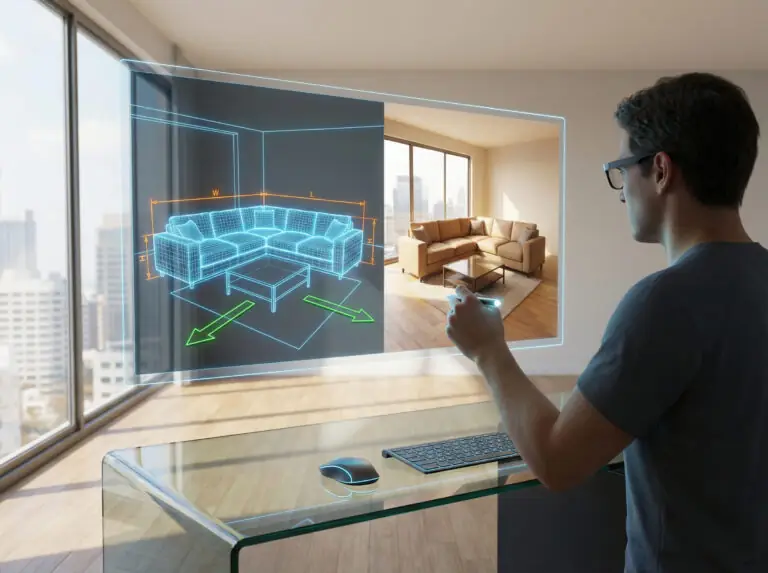
Planning a renovation? The way designers work is changing fast. In 2026, 3D visualization isn’t just for architects anymore—regular homeowners are using it to see exactly what their space will look like before buying a single thing.
Think about it: you used to pick paint colors by staring at tiny swatches, hoping they’d look right on the wall. You’d order furniture online and cross your fingers it would fit. Not anymore.
Now you can see your entire room come together digitally—the paint, the furniture, the lighting, all of it—before spending a dime. And the technology just keeps getting better.
Here are the biggest trends in 3D visualization that are changing home design right now.
1. Materials That Look Real
3D renderings used to look fake. Not anymore. The biggest trend in 2026 is materials that look so realistic, you’d swear they’re photographs.
Why does this matter? Because choosing finishes is hard. That marble countertop looks great in the showroom, but how will it actually look in your kitchen at 7 a.m.?
A 3d visualisation company can show you exactly that—how the marble looks throughout the day, how the veining flows, how it pairs with your cabinets.
What’s popular:
- Textured fabrics (bouclé, ribbed velvet)
- Mixed metals (brass with black iron)
- Natural wood with visible grain
- Stone with real imperfections
You can see the difference between matte and satin finishes, or how aged brass develops patina. Makes choosing materials way easier without ordering tons of samples.
2. Virtual Staging for Selling Homes
Virtual staging got way better in 2026. Instead of photoshopping furniture into photos, designers create full 3D rooms you can view from different angles.
The best part? You can show the same empty room staged three different ways—modern, traditional, eclectic—without moving anything. Real estate agents love this because it costs a fraction of physical staging and can be changed in hours instead of days.
It’s also huge for pre-construction sales. Buyers can see and customize their future condo before the building’s even finished. Way easier to sell something people can actually visualize living in.
3. Testing Paint Colors Digitally
Picking paint colors is stressful. Buy samples, paint swatches, stare at them in different light, repeat.
3D visualization changes this. Want to see your room in six colors? Look at all of them in minutes, with your actual furniture and lighting.
Popular colors for 2026:
- Warm earth tones (terracotta, rust, clay)
- Moody neutrals (charcoal, forest green)
- Quiet luxury beiges
- Bold jewel tone accents
You also see how the wall color affects everything else. Does that sage green make your sofa look weird? Does it clash with your floors? Find out before buying paint.
4. Furniture Layout Testing
Ever bought a sofa that turned out way too big? Or arranged furniture that created weird traffic flow?
Test layouts in 3D first. See if that sectional actually fits, whether the coffee table is the right size, if people can walk through comfortably. You can even check if dining chairs have enough room to pull out without hitting the wall.
Great for open-concept spaces where you’re defining different zones. Try different rug sizes, furniture arrangements, see what flows best. Some people test 5-6 different layouts before finding the one that works perfectly.
Saves you from that expensive mistake of buying furniture you have to return because it doesn’t fit your space.
5. Lighting Design Previews
Lighting makes or breaks a room, but it’s hard to visualize. Will that chandelier be too big? Too small? Will those sconces actually provide enough light or just look pretty?
Advanced rendering shows how natural light moves through your space all day, and how your fixtures actually illuminate different areas. You can test different bulb temperatures too—warm white vs. cool white makes a huge difference in how a room feels.
What people are visualizing in 2026:
- Layered lighting (overhead + task + accent)
- Statement pendant lights
- Hidden LED strips
- Smart lighting scenes for different moods
Test lighting intensity, color temperature, and placement before installing anything. Way easier than patching drywall later when you realize the light’s in the wrong spot.
6. Before-and-After Renovation Views
Want to convince your partner that knocking down a wall is worth it? Before-and-after visualizations make the case. You can literally show them “here’s what we have now” vs. “here’s what it could be.”
Popular renovations being visualized:
- Kitchen remodels (new cabinets, island, layout)
- Bathroom transformations (new tile, fixtures, vanity)
- Open-concept conversions (wall removal)
- Basement finishing
This is especially helpful for phased renovations—you can see the end goal even if you’re doing the work in stages over six months or a year. Keeps you motivated when you’re living in construction chaos.
7. Custom Furniture Design
Planning built-ins or custom furniture? See exactly what you’re getting before the carpenter starts cutting.
This is huge for avoiding mistakes since custom work isn’t returnable. You want to be absolutely sure about the dimensions, the proportions, how it fits in your space.
Trending custom projects:
- Built-in media centers
- Custom closet systems
- Banquette seating for dining nooks
- Home office desk and shelving combos
Share the 3D model with your craftsperson so everyone’s on the same page. No more “I thought you meant this” conversations when the piece shows up and isn’t what you expected.
What’s Next
The tech keeps improving, rendering gets faster, and results look more realistic every month. You can experiment fearlessly in the digital world. Try that bold wallpaper you’re nervous about. Test that unconventional furniture arrangement. Explore those risky color combinations. Nothing’s permanent until you actually buy it, so why not see what’s possible?
The era of “I hope this works” is over. Now it’s “I know this works because I’ve already seen it.”
Professional 3D visualization services help you see your design ideas come to life before you commit to anything. From simple room refreshes to complete home renovations, seeing really is believing.