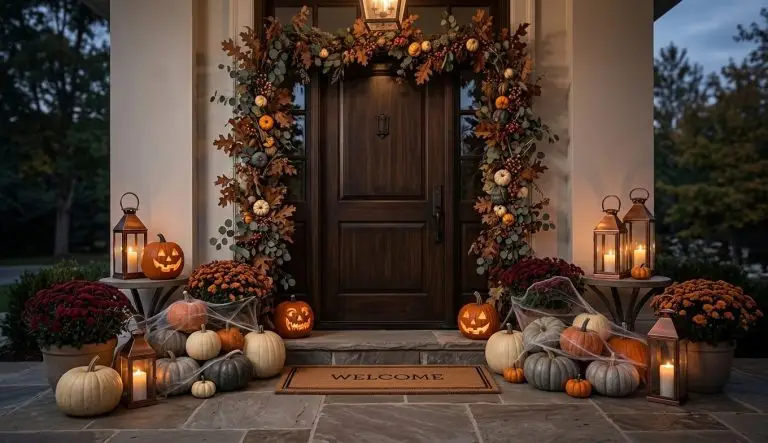
An immersive Halloween display does more than cover a porch with props. It creates a setting that directs attention, builds suspense, and encourages visitors to look closer. Effective arrangements combine lighting, sound, texture, and carefully placed focal points. A clear theme also keeps unrelated pieces from competing for attention. Whether the setting is a front porch, backyard, or party room, every layer should support the same eerie mood and lead naturally into the scene ahead.
1. Build A Clear Scene
An abandoned graveyard, witch’s cottage, or creature-filled forest gives the display a clear story. Choose pieces that belong to that setting instead of placing every appealing prop together.
Browse Halloween decorations by category to match the scene’s size, location, and tone. The selection includes animatronics, props, inflatables, lights, skeletons, pumpkins, spiders, and door decorations, helping planners coordinate a display without losing its central theme. That focus keeps each section visually connected.
Use height to create depth. Place tall pieces near walls or behind shorter props, then keep the walkway open. This arrangement keeps each item visible while adding several layers to the display.
2. Control The Lighting
Lighting determines what visitors notice first. Place a bright accent on the main focal point, then keep nearby areas dimmer to preserve the shadows.
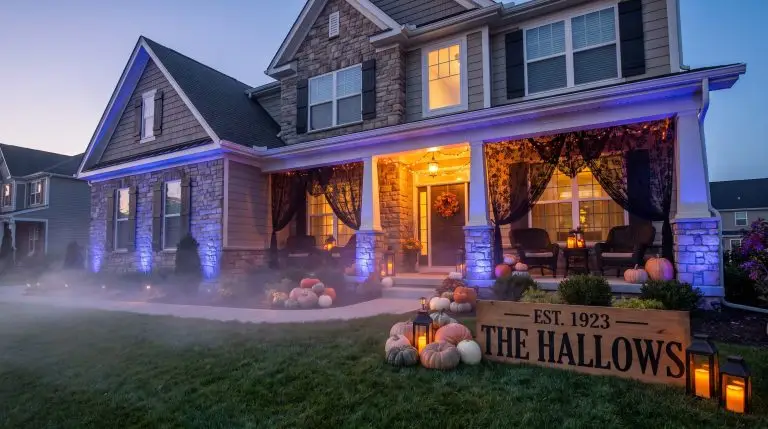
Purple, red, orange, and green bulbs create distinct moods. Purple suits a haunted manor, red adds danger near a monster prop, and orange supports a classic pumpkin display. Battery-powered lights work well inside jars, lanterns, and windows where cords would distract from the scene.
Aim lights at props from the side instead of shining them directly from the front. Side lighting casts longer shadows across walls and walkways. A small light beneath a skeleton or tombstone also creates an upward shadow that looks unnatural.
3. Add Sound And Movement
Static displays gain energy when one or two elements move or make sound. A slowly swaying figure near the entrance catches attention before visitors see the larger arrangement.
Place an animated prop where people have enough room to stop safely. Hide speakers behind a porch column, plant, or prop, but keep ventilation openings clear. Use short sound effects at intervals instead of constant noise, since silence builds tension between surprises.
Movement can also come from lightweight materials. Hang strips of fabric, paper bats, or artificial vines where outdoor air can move them. Secure every piece with weather-resistant fasteners, especially near steps and handrails.
4. Layer Texture And Scale
Texture keeps a display from looking flat. Combine rough burlap, aged wood, artificial moss, gauze, and webbing across separate surfaces. Place softer materials behind harder props to create visual separation.
Scale changes how visitors read the space. A giant inflatable or oversized skeleton works as a distant landmark, while small skulls, bones, and pumpkins reward closer inspection. Keep small items near eye level or along the path, where visitors can see them without stepping into planted areas.
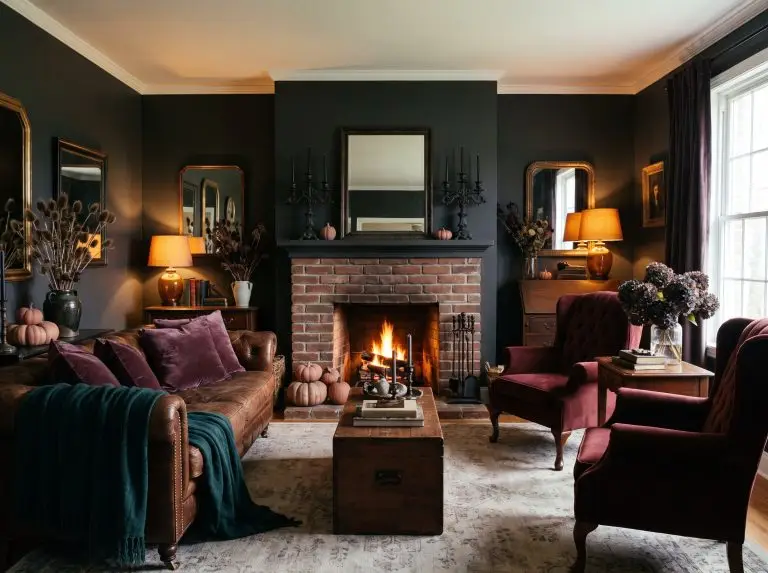
For an indoor room, cover bright furniture with dark fabric before adding props. A consistent base color helps the decorations appear connected and keeps ordinary household items from interrupting the scene.
5. Use The Entrance As A Transition
The entrance should establish the theme before visitors reach the main display. Frame the door with a wreath, hanging figures, webbing, or an archway that matches the yard.
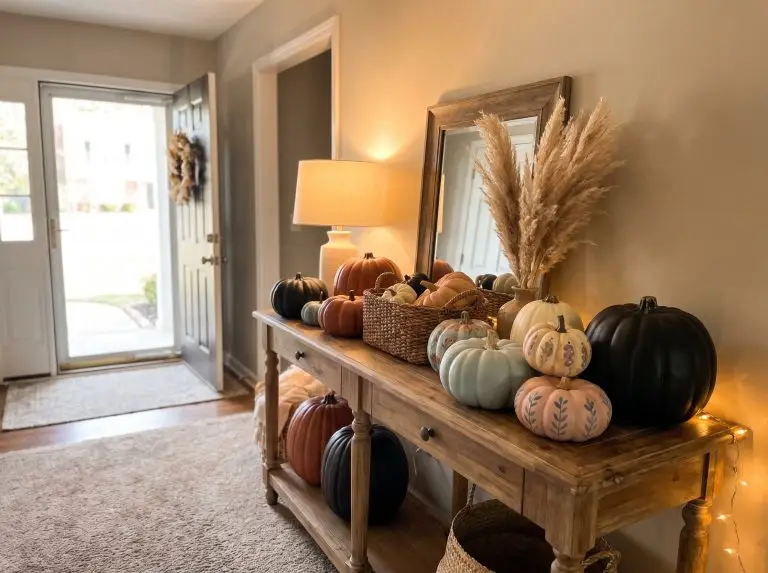
A narrow entry works best with vertical decorations rather than wide floor pieces. Hang bats above the door, place a warning sign beside the frame, and add one light near the handle. These details create a complete scene without blocking the doorway.
For a party room, separate the entrance from the gathering area with curtains or hanging fabric. Guests then move through a darker transition before reaching the brighter central space. This lighting shift makes the main room feel separate from the rest of the home.
6. Keep The Display Safe
Safety supports the atmosphere because visitors can focus on the scene without avoiding hazards. Keep cords away from walking paths, secure them with tape, and use outdoor-rated products in exposed areas.
Leave clear access to steps, railings, exits, and utility panels. Anchor inflatables and tall props according to their instructions, particularly in windy areas. Place breakable items away from children and pets, and avoid sharp materials near hand height.
Test every light, sound effect, and moving part before guests arrive. An evening walkthrough reveals glare, dark trip hazards, and decorations that disappear from the intended viewing angle.
Conclusion
An immersive Halloween display works best when every piece has a clear place and purpose. Begin with one scene, establish its focal point, then add light, sound, texture, and movement in measured layers. Check the arrangement from the sidewalk and doorway, since visitors experience both views. Before Halloween night, complete a safety test after dark and adjust blocked paths, loose cords, or hidden details that need better placement. A short final walkthrough can prevent distractions during the event.