How to Choose a Shower Water Filter for Skin, Hair, and Household Water Quality
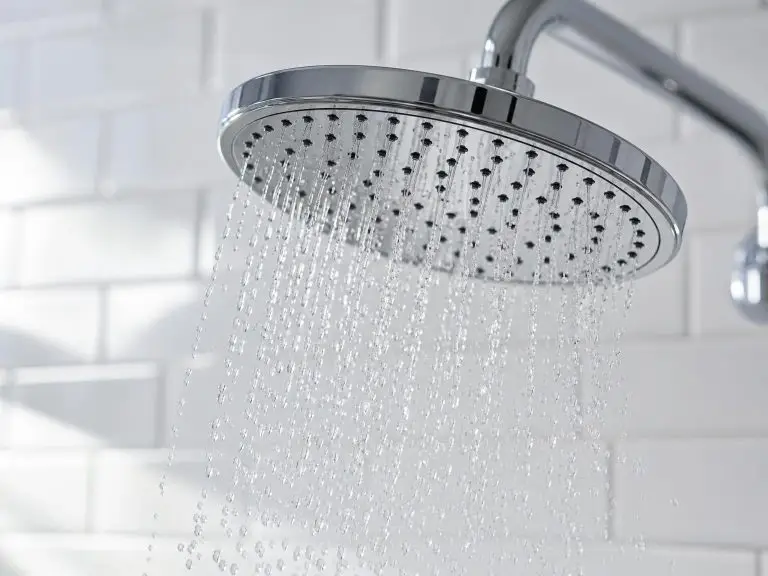
Every day, millions of people step into the shower expecting a refreshing start or a relaxing end to their day, rarely questioning the quality of the water flowing from the tap. Yet, the water that touches our skin and hair every day plays a quiet but significant role in our overall wellness and household routine. Understanding what is in your shower water is the essential first step toward making informed decisions about your home’s water quality and protecting your skin and hair health.
Why Shower Water Quality Deserves a Closer Look
Most people never give their shower water a second thought until something feels off — a faint chlorine smell, skin that turns unusually dry after rinsing, or hair that feels coated no matter how much shampoo gets worked through it. These experiences vary considerably depending on where you live, and they can stem from disinfectants, sediment, mineral content, or quirks in a building’s own plumbing. Some households look into point-of-use options, like a purple filtered shower head, as one example of equipment marketed specifically for shower-level filtration. Any product like this deserves to be judged on its own tested capabilities, installation requirements, and ongoing maintenance needs — not assumed to be a cure-all for whatever water concern prompted the search. Filtration decisions tend to work out better when they start from a specific, identified problem rather than a vague feeling that water “should” be treated somehow. And it’s worth repeating: a shower filter is not a stand-in for addressing unsafe drinking water or responding to an official municipal water advisory.
Understanding What May Be in Shower Water
Shower water can carry several different categories of substances, and each one calls for a different kind of response. Disinfectants, such as free chlorine, are added by many water systems to keep microbial growth in check. Hardness minerals — mainly calcium and magnesium — occur naturally and influence how well soap lathers and how much residue is left behind. Sediment can enter the water through aging infrastructure or local supply conditions. Metals or other contaminants require location-specific testing rather than guesswork.
It helps to separate aesthetic concerns — smell, taste, visible film — from concerns that are genuinely health-related. Hot water temperature, the age of a building’s plumbing, and other building-level factors can also shape the bathing experience quite apart from water chemistry itself. Anyone with a specific concern should start by checking their local annual water-quality report or consider independent testing, especially if they’re on a private well or living with older plumbing.
“Point-of-use filtration” refers to treatment applied right where the water is used — at a showerhead, for instance — rather than at the main water line entering a home. No shower filter should be assumed to remove minerals, metals, bacteria, or other contaminants unless that exact claim has been tested and verified.
How Water Quality Can Affect Skin and Hair
Tightness, dryness, itchiness, or difficulty rinsing off after a shower can have more than one cause: hot or overly long showers, fragranced or harsh cleansing products, existing skin conditions, low indoor humidity, or sensitivity to water hardness and disinfectants. Mineral buildup is also commonly linked to hair that feels coated, dull, or hard to style. Still, personal experience on its own doesn’t prove which factor is actually responsible for a given symptom.
Take a renter who notices a faint chlorine odor along with skin that’s gotten progressively drier. Rather than buying equipment right away, they lower the water temperature, cut back on shower length, switch to a fragrance-free moisturizer, and check their city’s water-quality report. That’s a sensible first step — not a guaranteed fix — and it’s meant to illustrate a reasonable order of operations rather than stand in as a medical case study. Persistent irritation, rash, or hair loss deserves attention from a qualified healthcare professional, not reliance on a filter.
What Shower Filters Can—and Cannot—Do
Many shower filters are built primarily to reduce free available chlorine or to improve aesthetic qualities like smell. NSF/ANSI 177 is the standard most commonly associated with shower-filter certification for chlorine reduction, covering material safety, structural integrity, flow rate, and accurate product information. Certification to this standard doesn’t mean a product handles every possible contaminant.
Shower filters shouldn’t be marketed or treated as drinking-water purification systems. A chlorine-focused filter may do little for hardness minerals, may not address chloramine without specific verified testing, and shouldn’t be assumed effective against bacteria, viruses, lead, or PFAS without supporting evidence. It’s also worth distinguishing between a filter attachment added to an existing showerhead, a complete filtered showerhead, and a whole-house treatment system — these serve genuinely different purposes.
How to Evaluate a Shower Filter Before Buying
Start by pinning down the actual problem: odor, skin comfort, sediment, mineral residue, or a confirmed contaminant. Review a local water-quality report, or arrange independent testing if the water comes from a private well or runs through older plumbing.
From there, check the testing and certification claims closely. Confirm exactly which contaminant a given standard covers, and stay wary of vague language like “removes toxins.” It’s also worth verifying whether certification applies to the whole unit or just a replaceable cartridge.
Finally, assess practical fit — connection size, water pressure, flow rate, installation complexity, and ongoing cartridge costs. Confirm the recommended replacement interval and whether it changes depending on household usage.
Before You Choose a Shower Filter — Quick Checklist:
– Water concern identified
– Specific contaminant tested
– Certification verified
– Compatibility confirmed
– Replacement plan in place
Installation, Maintenance, and Safety Practices
Installation generally follows a similar pattern: turn off the water flow, remove the existing fitting, check washers, install the filter per the instructions, flush the system, and check for leaks — though the specifics vary by product. Renters should steer clear of permanent plumbing changes without permission first. Damaged housings or leaks that won’t stop deserve prompt attention, and calling in professional plumbing help is reasonable when fittings are corroded or hard to reach. A shower filter should never be treated as a response to an official water-safety warning.
Common Mistakes to Avoid
- Choosing a product based on color or a broad wellness claim
- Assuming chlorine reduction implies hardness-mineral reduction
- Treating testimonials as scientific evidence
- Overlooking replacement schedule costs and availability
- Confusing a certified cartridge with whole-system certification
- Substituting a shower filter for drinking-water treatment
- Expecting filtration to resolve symptoms with other possible causes, absent verified certification for the relevant specific contaminant
A Practical Decision Framework for Different Households
If odor is tied to a chlorinated supply, look for a filter specifically tested for chlorine reduction. If the real issue is scale or residue, hardness treatment may suit the situation better than a shower filter. Confirmed contaminants call for systems tested against that exact substance. Persistent skin irritation warrants medical advice alongside a closer look at bathing habits. Households on well water should test before choosing any equipment at all.
Key takeaway: Choose treatment based on verified water-quality information, not a product’s general promise to improve water.
Making a Confident, Evidence-Based Choice
The right shower-water solution depends on the actual concern at hand, the local water supply, and a filter’s verified capabilities — chlorine reduction, hardness treatment, and broader contaminant removal aren’t interchangeable, and no single product covers all three by default. A measured approach — identify the issue, consult reliable water data, compare tested claims, confirm compatibility, and plan ahead for maintenance — serves most households well. Used thoughtfully, a shower filter can be a genuinely useful, targeted upgrade, but it’s not a substitute for professional medical, plumbing, or water-safety guidance.