How to Identify Indoor Plants to Decorate Your Home With Confidence
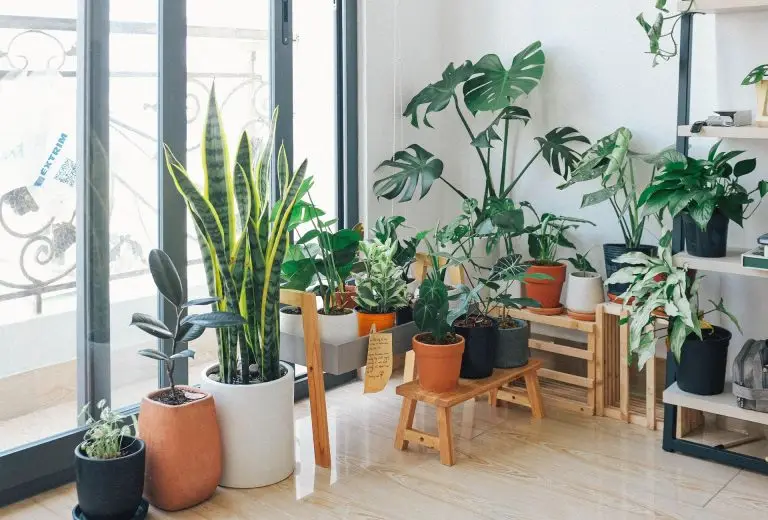
Choosing a good-looking plant at the store is easy. The difficulty comes later, when a friend points it out and asks what it actually is. If you’re confused, you’re not alone, as most of us choose plants based solely on their appearance. This brings a fair question: how to identify indoor plants without spending an entire evening?
Usually you can name a plant from its leaves, growth habits, and stem shape. When these clues aren’t enough, a plant identification app or visual search tool can suggest suitable options in seconds. This guide explores both approaches. It also shows how a plant’s name subtly influences your interior design style.
Check Visual Clues
Honestly, you’ll get most of the information you need from your eyes. Many plants immediately reveal their characteristics if you know where to look. You can identify common houseplants by looking for a few characteristic features:
- Leaf shape: Start with the outline, the size, and the edges. Leaves with smooth rims look quite different from ones split into fingers or trimmed with tiny teeth.
- Color and markings: Look for stripes, freckles, or a silvery wash over the surface. These patterns usually indicate the plant’s genus. A snake plant, for instance, has distinctive vertical stripes.
- Growth habit: Pay attention to how the plant grows. Some climb to any support they can find, while others hang over the edge of the pot. Plants with an upright growth habit simply stand, like a small tree.
- Stem and texture: Gently squeeze the stem. A thick and fleshy stem indicates a succulent, while a stiff and woody trunk is more like a ficus.

Use a Plant Identification App
Sometimes your eyes need a little help. You might find yourself muttering, how to identify my houseplant if it looks like three nearly identical relatives? A phone app can solve this problem in seconds. You point the camera, take a photo, and let the program process it.
An accurate plant identification app can sort that out in a few seconds. Here are some rough steps:
- Take a clear photo: Photograph a single leaf or the entire plant in good lighting. A crisp and close-up is always better than a shaky or dim photo.
- Let it scan: The app reads shape, color, and vein pattern simultaneously. Sorting through so many details manually would take you forever.
- Review the matches: You’ll receive a shortlist of likely species, each with its own confidence score. Choose the most likely match, and then review the information about it before you trust the result.
- Save and track: Most apps allow you to keep track of everything you own. You can also record watering, fertilizing and lighting needs, which turns quick information searches into real-world care.
Try Google Lens and Image Search
Google Lens is a free tool that many people forget they already have. It’s available on almost every phone. For quick houseplant identification, it usually does the job. You open Lens, point it at a plant, and watch as it displays visually similar photos from across the internet.
The tool is really good with common plants. Point it at Pothos, Monstera, or Ficus, and you’ll almost instantly spot familiar images. A reverse image search in your browser does the same. Upload a photo and browse through all the results.
The only weak point is context. Lens is happy to show similar plants, but it doesn’t tell you anything about how to care for them. Therefore, you’ll need to confirm a match before taking any action in any reliable plant database to make this final check confident.
Compare the Main Identification Methods
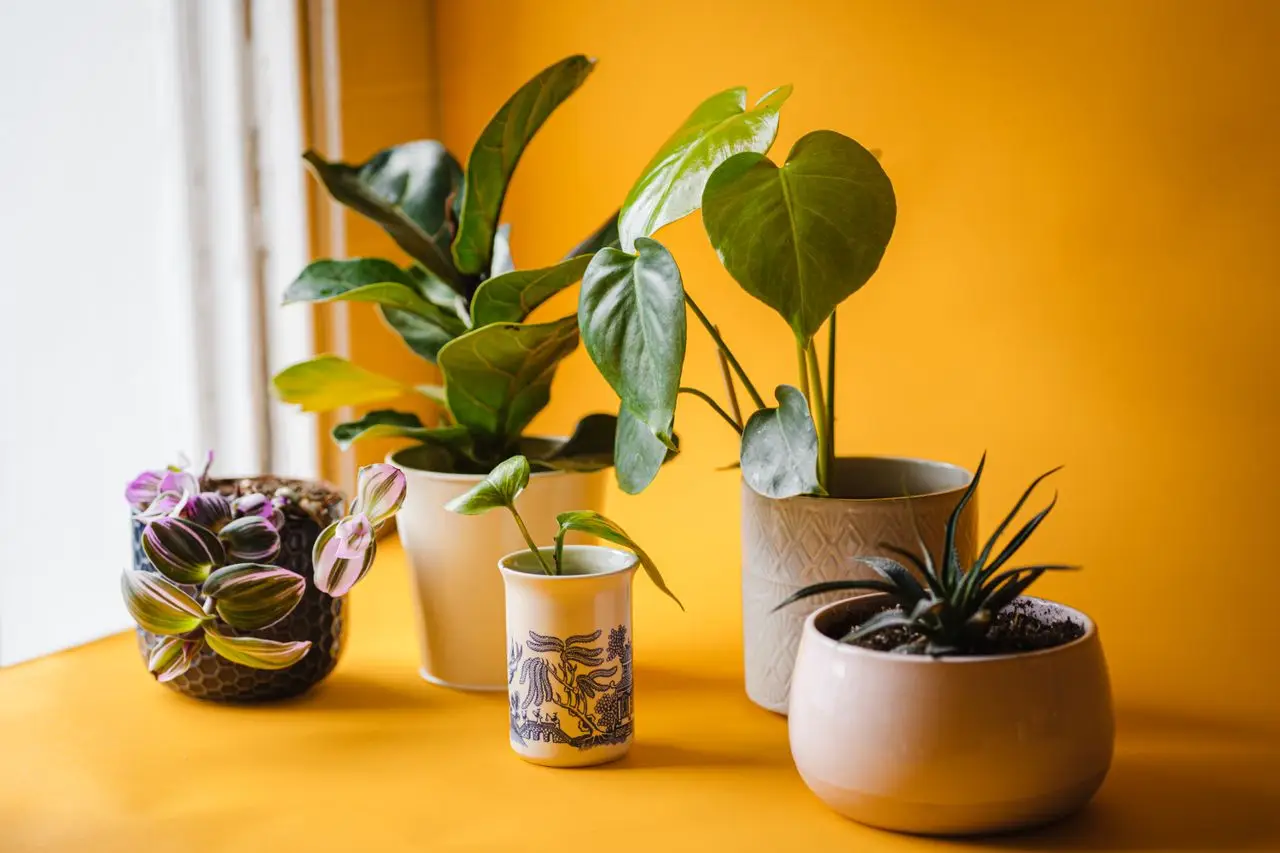
Each method has its benefits, although none of them is universal. The best route for potted plant identification depends on the species you have and your patience. A common Flaming Katy may give itself away at first glance, while a rare specimen can take you a long way. The table below presents options to help you choose the one that best suits your needs.
| Method | How It Works | Best For | Main Limitation |
| Visual clues | Match features with reference data | Identification without any tools | Takes time and practice |
| Plant identification apps | Scan multiple features in a single photo | A fast first guess and regular identifications | Sometimes needs a second check |
| Google Lens and visual search | Search for similar images online | Common houseplants | Shows photos only, without care instructions |
| Botanical guides and communities | Cross-check in databases and forums | Exotic or rare species | Slower to find the answer |
Why the Name Matters for Home Decor
A name is more than just a fun fact to share at a party. Once you know it, you’ll also have complete care instructions at your fingertips. Knowing the exact species makes styling modern indoor plants much easier. The name essentially indicates where each plant prefers to grow. Here is why name of the plant matters:
- Light Needs: The name tells you how much sun the plant needs. A fern will sulk on a hot windowsill, while a cactus will happily settle in.
- Watering Requirements: Species names hint at how much water the plant typically needs. Succulents like the soil to dry out between waterings, while most tropical plants require consistent moisture.
- Mature Size: You will also know how big the plant will eventually become. That cute little cutting can grow into a six-foot tree, which completely changes its spot in the room.
- Safety: Many houseplants are toxic to cats and dogs. A quick search by name helps identify dangerous species and reassure pet owners.
Style Your Plants as Part of the Interior
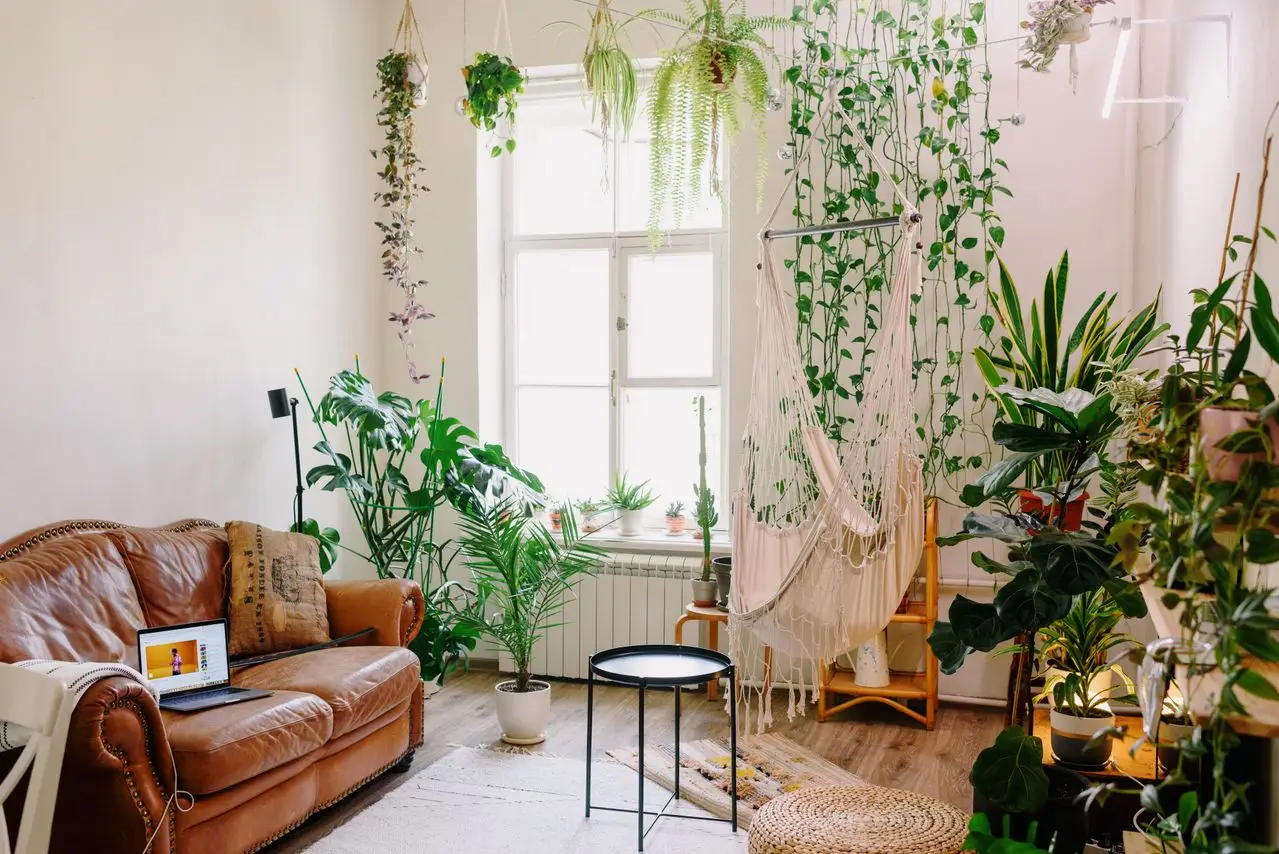
This is where decorating, not gardening, begins. Once you know the name, it becomes a style map of sorts. A thoughtful combination of interior design plants can unify an entire room. You must choose each species for its location and the purpose for which it works best. A large leafy tree will become the focal point of an empty corner, while vines will soften the starkness of an empty shelf. The table below shows how you can typically arrange popular plant groups.
| Indoor Plant Group | Core Visual Features | Decor Role | Best Placement |
| Ficus trees | Large glossy leaves, woody trunk | Bold structural accent | Bright living room or entryway |
| Aroids | Split leaves, climbing stems | Lush tropical mood | Corner near a bright window |
| Succulents | Thick fleshy geometric leaves | Clean minimalist look | Sunny windowsill or shelf |
| Palms | Feathery fronds, slim trunk | Relaxed and elegant feel | Bedroom or hallway |
Conclusion
Learning to name your plants yourself improves two things at one. You care for them better, which naturally makes your decor more thoughtful. Good indoor houseplant identification almost always begins with a careful inspection of the leaves and stems. After that, an app or a quick image search can fill in any information you missed.
So choose the method that suits your mood on a given day. Sometimes, simply looking at the plants is enough. Other times, a tool will do all the hard work for you. Give it some time. Soon, every plant on your shelf will have its own proper name.