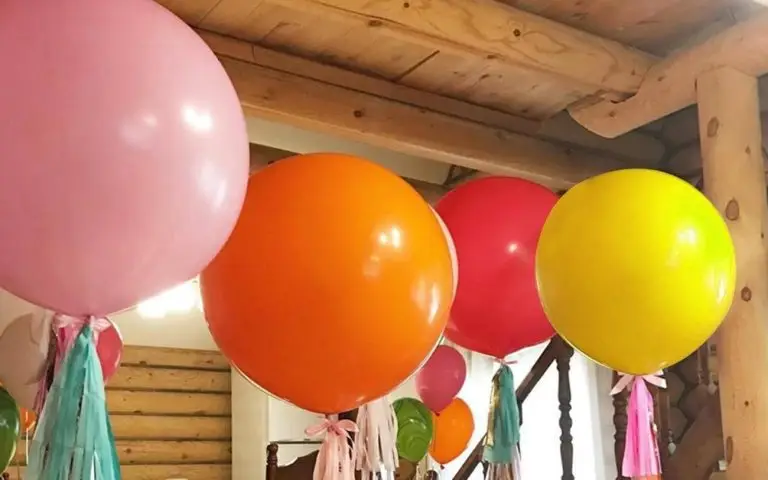
Understanding how balloon scale shifts a space is essential for anyone styling celebrations. Large balloons command attention while standard models bring texture, color, and flexibility. This comparison lays out how to use both types without cluttering a room or losing cohesion, so event hosts can match their decor to goals, guest experience, and venue specifics. The article will explore ideal scenarios for each size, how to mix them gracefully, and practical planning tips that keep installations practical and pleasing.
When to Choose Large Balloons
Large balloons make a bold first impression. They rise above seating lines and draw eyes upward, introducing energy without needing dense clusters. For venues with high ceilings or long sightlines, a handful of oversized spheres turns into an instant architectural accent. The trick is to use them sparingly so they feel intentional instead of overwhelming.
Giant latex balloons are especially useful for marking entrances, framing stages, or creating floating monoliths down a runway. Supporting lighting or greenery around them lets them feel integrated rather than isolated. Keep their fill levels consistent and anchor points secure, because their volume makes them sensitive to drafts and uneven placement.
Standard Balloons in Layered Design
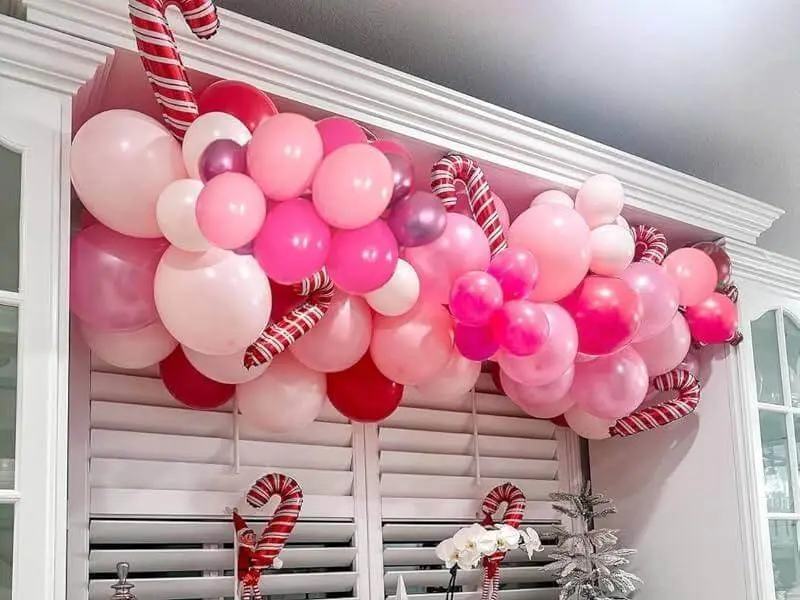
Standard balloons keep the scheme friendly, detailed, and tactile. They allow for gradients, patterns, and the type of crowd-pleasing density that makes a space feel celebratory. When used with larger partners they add movement, depth, and a sense of craftsmanship.
- They can be mixed in color families or finishes to nudge the palette in new directions without spending hours on custom painting.
- Smaller sizes work well for table risers, garlands, or even pathways because they do not overpower guests or furniture.
- They also let you pepper the venue with unexpected pockets of color, which keeps eyes traveling through the room and invites people to linger.
Pair them with floral or metallic accents to avoid a look that feels too juvenile. In tight spaces use them to soften corners or to visually raise a faux ceiling, especially when they are tucked into netting or clear tubes that echo the shape of the large balloons.
Planning Scale and Movement
Combining large and standard balloons calls for a lightweight plan. Focus on flow first, then decide how many volumes of each size will keep traffic lanes open and focal points intact. Think about how guests arrive, where they pause, and which sections deserve drama.
- Map the venue from arrival to the final gathering spot, noting ceiling height, floor materials, and any fixed fixtures that could anchor a large installation.
- Assign large balloons to the biggest pauses in the journey: the entry, a photo wall, a bar, or the stage. Backfill these moments with clusters of standard balloons that echo the colors and ties in smaller nooks.
- Use varying string lengths and anchor heights to create a cascading effect. That prevents the big shapes from sitting at the same eye level, making the landscape feel layered instead of rigid.
Standard balloons hold up well when you plan for batch inflations and rotate crews between jobs. Keep helium deliveries close to the event and test a sample of each mix before the crew arrives to install. That way you are ready for last minute shifts in temperature or layout.
Conclusion
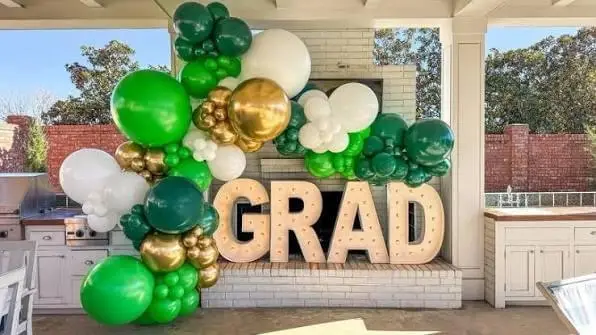
Large balloons and standard balloons each bring strengths to an event; the first grabs attention, and the second provides detail and comfort. Use large volumes where you want focus and pair them with standard clusters for texture, thinking through flow and anchors before inflating. When the pairing feels balanced, guests enjoy a cohesive environment that still feels lively.