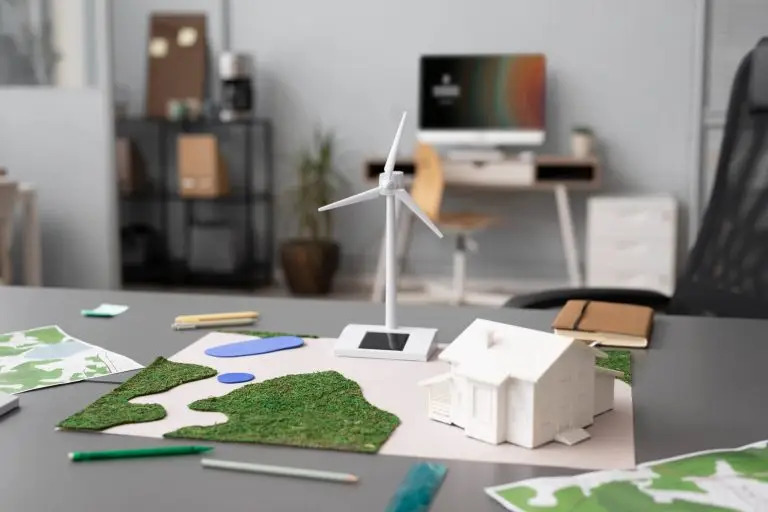
Picture this: a house that produces about as much energy as it uses over a year. No huge power bills landing in the mailbox every quarter. No guilt about where all that electricity is coming from. Sounds a bit like wishful thinking, right? Turns out it’s already happening, and faster than most people realise.
Net-zero homes used to be the sort of thing you’d see in a glossy architecture magazine, the kind of place that felt out of reach for regular folks. Not anymore. They’re quietly becoming the way homes get built, and there are some good reasons behind the shift.
So What Actually Makes a Home “Net-Zero”?
Here’s the thing. A net-zero home isn’t just one with solar panels slapped on the roof. It’s a whole approach to how the place is designed and built. The idea is pretty simple, even if the execution takes some skill. You reduce how much energy the home needs in the first place, then you produce enough clean energy on-site to cover what’s left.
That means good insulation, smart window placement, airtight construction, and clever orientation so the sun does some of the heating work for you in winter. Add efficient appliances and a solar setup, and suddenly the maths starts to balance out.
The truth is, a lot of this thinking has been around for years. What’s changed is the cost and the tech finally catching up to the ambition.
Why Builders and Buyers Are Both Warming Up to the Idea
Ever noticed how energy prices seem to only go one direction? That alone has nudged plenty of people toward homes that cost almost nothing to run. When your roof is doing the heavy lifting, a heatwave or a cold snap doesn’t hit your wallet quite so hard.
But it’s not only about saving money, though that part’s nice.
There’s a real shift in what people expect from a home now. Comfort matters. Air quality matters. Knowing your house isn’t quietly leaking warmth through gaps and thin walls matters too. Net-zero homes tend to be more comfortable to live in year-round, which is something you can’t really put a price on once you’ve experienced it.
Builders have noticed the demand, and the smart ones have leaned in. Companies like Home Group, one of Melbourne, Victoria’s most awarded home builders, have been part of pushing this approach into the mainstream rather than treating it as some luxury add-on.
The Tricky Bits Nobody Talks About
This part’s a bit tricky, but worth being honest about. Building net-zero isn’t always cheaper upfront. Better materials and proper design can add to the initial cost, and that scares some people off before they’ve done the sums.
Here’s where it gets interesting though. When you factor in decades of low or zero energy bills, the numbers often tip in favour of net-zero over the long haul. It’s a bit like buying good shoes. Costs more at the till, lasts way longer, treats your feet better.
Government incentives and tighter building standards are helping close that gap too. Rules around energy efficiency keep getting stricter, which means a lot of what was once optional is becoming expected anyway.
Where Things Are Headed
Net-zero won’t stay a buzzword for long. It’s slowly becoming just… how homes get built. The same way double-glazed windows or insulated roofs stopped being fancy and started being normal.
The other day someone mentioned they’d never go back to a regular home after living in an energy-efficient one. That kind of comment is becoming more common, and honestly, it makes sense.
Tomorrow’s standard is already being built today. The only real question is how soon the rest of us catch up.