Smart Home Office Setup: Why Hardwood Desks Beat Cheap Laminate Every Time
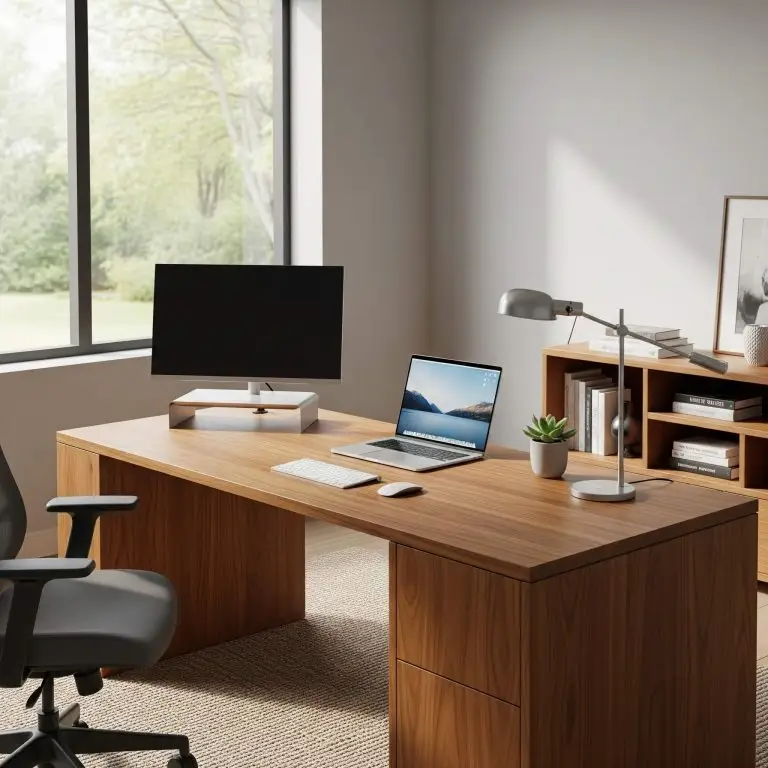
The remote work revolution has completely transformed our living spaces, turning quiet corners and spare bedrooms into high-functioning command centers. When assembling the ultimate workspace, it is easy to get caught up in tracking down the latest ergonomic chairs or high-definition monitors.
However, the true foundation of your productivity is the desk itself. Selecting a high-quality, durable surface tailored to your professional needs can fundamentally upgrade your daily workflow and health.
While flat-pack laminate furniture looks acceptable in edited social media photos, it quickly reveals its limitations under the pressure of real daily use. Upgrading to a solid hardwood desk is not just an aesthetic upgrade; it is a critical investment in your physical comfort, cognitive focus, and long-term financial sanity.
The Hidden Trap of the Disposable Laminate Desk
At first glance, a cheap laminate or particleboard desk seems like a financial victory because it is lightweight, affordable, and arrives in a flat box ready for quick assembly. However, the manufacturing reality of these budget options tells a different story, contrasting sharply with the durable, solid structures crafted by this manufacturer.
What Are You Actually Buying?
Laminate is essentially just a thin photographic layer of wood grain glued over compressed sawdust and toxic chemical binders. Within mere months of intense typing, resting your elbows, and spilling the occasional cup of coffee, the flaws of these materials inevitably begin to surface:
- Structural Sagging: The core material lacks natural strength, causing the desk to bow under the weight of modern multi-monitor setups or heavy monitor arms.
- The “Monitor Wobble”: Because synthetic materials lack structural density, every keystroke can cause your monitors to shake, creating a subtle but constant source of eye strain and micro-frustration.
- Irreparable Wear: The edges peel and the surface scratches easily under the weight of basic office hardware. Once the plastic veneer is damaged, it cannot be fixed.
The Longevity and Return on Investment of Solid Hardwood
When you choose a solid hardwood desk, you are effectively breaking the frustrating cycle of replacing cheap furniture every two or three years. Premium woods like oak, walnut, and ash possess dense cellular structures that naturally withstand heavy loads, accidental impacts, and the rigorous demands of a 40-hour work week.
Cost Over Time: Buy It for Life
If a laminate desk gets deeply scratched, it is ruined forever because you cannot sand down a piece of plastic paper without exposing the ugly particleboard beneath.
In stark contrast, a solid timber surface can be sanded down, re-oiled, and completely restored to its original beauty multiple times over several decades. When you look at the total cost of ownership, buying one heirloom-quality wooden desk is significantly more economical than buying four or five flimsy laminate alternatives over the course of your career.
Quick Comparison: Hardwood vs. Laminate
| Feature / Detail | Solid Hardwood Desks | Cheap Laminate Desks |
| Lifespan | 30+ Years (Generational) | 1–3 Years |
| Repairability | Excellent (Can be sanded, stained, and repaired) | Impossible (Scratches and chips are permanent) |
| Structural Stability | Heavy, zero wobble, supports heavy triple-monitors | Lightweight, prone to shaking and bowing over time |
| Environmental Impact | Biodegradable, sustainable timber, low chemicals | High VOC emissions, non-recyclable landfill waste |
| Tactile Feel | Warm, organic, smooth, and naturally texturized | Cold, synthetic, and prone to sticky micro-sweat |
Tactile Comfort and the Psychology of Biophilic Design
The materials we surround ourselves with have a profound, measurable impact on our mental state, cognitive performance, and stress levels during the workday. This is where the concept of biophilic design—the practice of integrating natural elements into our built environments—becomes essential for remote workers.
How Real Wood Enhances Daily Focus
- Stress Reduction: Interacting with organic materials like solid wood actively lowers cortisol levels and reduces heart rate variability during intense tasks.
- Tactile Feedback: Touching an authentic hardwood surface provides a warm, soothing feel that synthetic materials simply cannot replicate. Laminate feels cold, sterile, and artificial.
- Visual Comfort: The rich, varied tones of natural wood grains reduce eye strain compared to harsh, reflective white or black laminate sheets that bounce glare from monitor backlights.
- Acoustic Benefits: Solid wood naturally absorbs ambient sound waves. This helps to dampen echoes in your room and improve your microphone audio quality during Zoom calls.
- Zero Toxic Off-Gassing: Unlike industrial particleboards that slowly leak formaldehyde into your home office for months, properly sealed hardwood keeps your indoor air clean and safe.
Upgrading the Visual Identity of Your Digital Workspace
In the modern remote work landscape, your home office is no longer hidden away from the world; it is frequently broadcasted to clients, managers, and peers through your webcam. A cheap, generic desk instantly makes a workspace look temporary and uninspired, signaling a lack of permanence.
Creating an Inspiring Backdrop
On the flip side, a custom hardwood desk serves as a stunning centerpiece that completely redefines the room’s visual identity, exuding professionalism and taste:
- A Statement of Quality: Whether you prefer the clean lines of a minimalist Scandinavian oak slab or the bold artistic statement of a live-edge epoxy resin river desk, your workspace becomes an extension of your personal brand.
- Unique Grain Patterns: No two trees are identical, meaning your desk will have a completely unique pattern of knots and rings that cannot be replicated in a factory.
- Psychological Ownership: Working on a beautiful piece of craftsmanship changes how you view your job. It tells anyone watching—and reminds yourself—that you take your environment, your career, and your daily comfort seriously.
Conclusion: Engineering the Ultimate Professional Environment
Building a workspace that truly maximizes your potential requires shifting your mindset from buying disposable furniture to investing in permanent assets. A desk should never be viewed as a mere utility board to hold your laptop; it is the physical foundation of your entire workday, directly impacting your posture, focus, and daily mood.
While cheap laminate alternatives tempt buyers with low upfront prices, they ultimately extract a cost in ergonomics, structural instability, and rapid wear.
Choosing a beautifully crafted wooden workspace ensures that your home office remains inspiring, stable, and incredibly comfortable for decades to come. If you are ready to stop settling for shaky, uninspired setups and want to build a premium environment tailored to your long-term success, discover the perfect handcrafted centerpiece for your office today.