Preserving Your Brisbane Home’s Interior and Landscaping During Plumbing Repairs
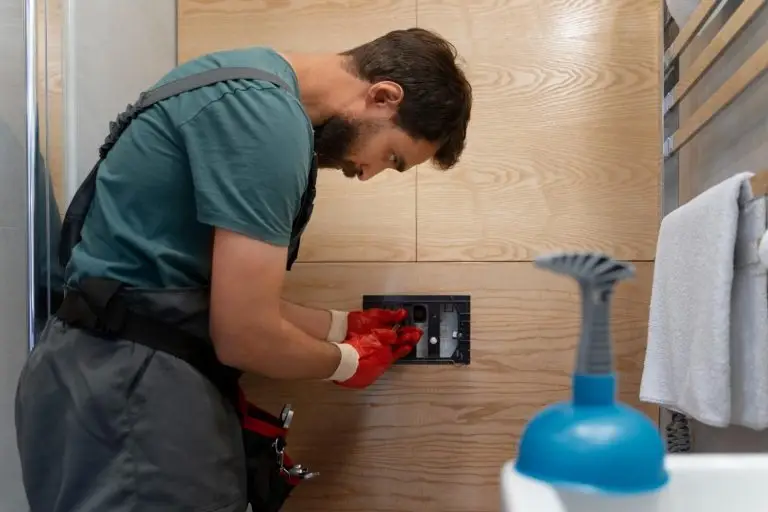
There is a particular kind of frustration that comes with investing time and money into a home’s interior design, only to watch it get torn apart by a plumbing repair. Cracked tiles in a freshly renovated bathroom. A mature fig tree removed to access a sewer line. Pavers pulled up from a courtyard that took a year to get right. For Brisbane homeowners who care about how their home looks and functions, the prospect of major excavation work to fix a pipe problem can feel like a design disaster waiting to happen.
The good news is that plumbing technology has evolved significantly, and the most destructive approaches to pipe repair are no longer the only option. Understanding what is available, and planning ahead, can make the difference between a plumbing job that preserves your home’s character and one that undoes months of design work.
Why Brisbane Properties Face Unique Plumbing Pressure
Brisbane sits on reactive clay soils that shift with seasonal moisture changes. During extended dry spells, clay contracts and pulls away from pipe joints. When the wet season arrives, it expands and pushes against them. Over years, this cycle creates cracks, misalignments, and weak points in underground sewer and stormwater lines that eventually lead to blockages, leaks, or root intrusion.
Older suburbs like Paddington, New Farm, Ascot, and Bulimba contain homes with original clay or cast iron pipes that are especially susceptible. These are also some of Brisbane’s most design-conscious neighbourhoods, where homeowners have invested heavily in period-appropriate renovations, landscaped gardens, and carefully curated interiors. The tension between needing serious plumbing work and wanting to protect those investments is a recurring challenge.
No-Dig Pipe Repair: The Design-Friendly Solution
Traditional pipe replacement requires digging a trench along the length of the damaged section, removing the old pipe, installing a new one, and then restoring everything above it. Depending on where the pipe runs, that can mean pulling up driveways, cutting through tiled floors, removing garden beds, or dismantling retaining walls. The restoration work alone often costs as much as the plumbing job itself.
Pipe relining takes a fundamentally different approach. A flexible, resin-coated liner is inserted into the damaged pipe through an existing access point, then inflated and cured in place to create a smooth, jointless new pipe inside the old one. The original pipe stays in the ground. Nothing above it needs to be disturbed.
For homeowners looking to protect finished interiors and established outdoor spaces, engaging expert pipe relining services in Brisbane means the repair happens beneath the surface without touching it. All Kind Gas & Plumbing uses CCTV drain cameras to inspect the pipe’s internal condition before any work begins, identifying cracks, root intrusion, and structural faults precisely so the relining can target exactly what needs fixing. The relined pipe is resistant to future root penetration and corrosion, and typically carries a lifespan of 50 years or more.
For a homeowner who has just finished a bathroom renovation or planted a garden that has taken three seasons to establish, that kind of non-invasive approach is not just convenient. It is essential.
Planning Plumbing Around a Renovation
Brisbane City Council provides detailed guidance on property owner responsibilities for maintaining sewer and stormwater connections from the property boundary to the home. Understanding where your pipes run and what condition they are in before starting any renovation is a step that too many homeowners skip. A CCTV inspection ahead of a bathroom or kitchen remodel can reveal developing problems that are far cheaper to address proactively through relining than reactively through emergency excavation after new tiles and cabinetry are already in place.
Designers and builders working on Brisbane renovation projects increasingly recommend a full drainage assessment as part of the pre-construction checklist. It takes a few hours, causes no disruption, and provides a clear picture of whether underlying infrastructure can support the new design without incident.
Choosing Materials and Finishes That Accommodate Access
For homeowners in the early stages of planning an interior update or landscape redesign, it is worth thinking about plumbing access as part of the design brief. Inspection points, cleanout covers, and access panels can be integrated into a design so that future maintenance is straightforward rather than destructive. Removable tile panels in bathroom walls, discreet access hatches in garden paving, and avoiding planting large-rooted trees directly over sewer lines are all practical decisions that a design-minded homeowner can make upfront.
These choices do not compromise aesthetics. They protect the investment by ensuring that the next time a plumbing issue arises, it can be resolved without undoing the work that makes the home feel finished.
The Long View
Homes are long-term projects. The most thoughtful design decisions account not just for how a space looks today, but for how it will be maintained over the years ahead. In Brisbane’s climate and soil conditions, plumbing issues are not a question of if but when. Approaching them with solutions that respect the home’s design integrity, rather than disregarding it, is what separates a well-managed property from one that cycles endlessly through damage and repair.