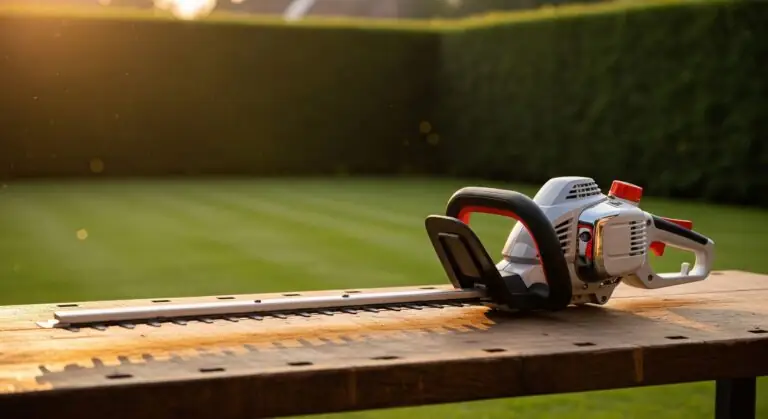
A well-kept hedge can shape an entire yard, giving it a polished and tidy look. A gas hedge trimmer makes that job faster and easier, especially for large yards or thick branches where electric tools fall short. However, not every trimmer fits every yard, and choosing the wrong one can lead to frustration and wasted effort. The right gas hedge trimmer matches the yard’s size, hedge type, and your comfort level with power, weight, and maintenance.
Selecting a trimmer involves balancing features such as engine type, blade length, and cutting capacity. A lightweight design helps reduce fatigue, while a long blade makes quick work of wide hedges. Some models also offer adjustable handles or anti-vibration systems that improve comfort during longer tasks. These choices directly affect how efficient and comfortable the hedge work feels.
Knowing what matters most before buying saves both time and money. The next sections explain how to compare specifications, what features offer the most value, and which models perform best for different yard needs.
Choosing the Right Gas Hedge Trimmer: Key Factors
Selecting gas powered hedge trimmers depends on the size of the yard, the thickness of the hedges, and how often trimming is needed. Buyers should look closely at engine power, blade design, machine weight, and comfort features to find a model that balances performance with ease of use.
Identify Your Yard and Hedge Types
Different yards require different tools. A small garden with soft hedges may only need a lightweight trimmer, while large or overgrown bushes need more power. Before buying, measure hedge height and note how dense the branches feel. A trimmer with a longer blade works better for tall or wide hedges since it covers more area per pass.
Dense shrubs or woody plants need a stronger cutting capacity. A machine with about a 1-inch cutting diameter can handle thick branches, whereas lighter models suit decorative hedges. Homeowners should also consider how frequently they trim. Regular maintenance requires a tool that balances weight and cutting ability to reduce fatigue.
In addition, curved borders and edges may require separate edging tools, such as a garden edger to define shape and maintain clean lines around walkways and lawns.
Understanding Engine Size and Power
Engine power determines how easily a trimmer cuts through tough growth. Most gas trimmers feature engines between 21 and 27 cubic centimeters (cc). A larger engine provides stronger torque for thick or tall hedges, while smaller engines are lighter and easier to handle for routine upkeep.
Four-stroke engines run quieter and do not require mixing oil with fuel, though they tend to weigh more. Two-stroke engines are lighter but need a fuel mix and produce more noise. The choice depends on whether the user values simple maintenance or lower weight.
Fuel capacity also matters. A larger tank allows longer trimming sessions, but it adds more weight. For medium yards, an engine near 23–25 cc usually gives a good balance between runtime and handling comfort.
Blade Length, Type, and Cutting Performance
Blade design affects how fast and cleanly a hedge trimmer works. Blades usually range from 18 to 28 inches long. Longer blades reach farther and cut faster over large areas, but short blades give better control for shaping small bushes.
Trimmers often use double-sided blades, which cut in both directions for smoother and faster motion. Single-sided blades are safer for beginners who prefer slower, more precise cuts. The cutting diameter tells how thick a branch the trimmer can handle. A one-inch cutting diameter is well-suited for most residential hedges.
Sharp, durable blades reduce snagging and improve efficiency. Regular cleaning and oiling extend blade life and keep performance consistent through the season.
Evaluating Weight and Ergonomics
Weight affects how long a person can use the trimmer without strain. Models range from about 10 to 18 pounds. A lighter trimmer helps reduce arm fatigue, but a heavier one may provide more stability and power.
Good balance and grip design make a big difference. A swiveling or rotating handle helps with vertical cuts, while anti-vibration technology decreases wrist stress. Rubberized grips and easily accessible controls also make operation safer and more comfortable.
Before buying, users should pick up the tool and check its feel. A well-balanced trimmer allows steady control during horizontal and vertical cuts, improving precision and reducing the chance of uneven trimming.
Important Features and Top Models to Consider
A gas hedge trimmer’s value depends on how easily it starts, how it handles maintenance, and how cleanly and quietly it runs. Buyers should also compare specific models by brand, engine size, and comfort features to find a tool that fits their yard size and trimming workload.
Starting System and Maintenance Needs
Modern hedge trimmers use technology that makes starting faster and easier. Models such as the Husqvarna 122HD60 and Echo HC-2020 include Smart Start systems that reduce the pull force needed to fire up the engine. Some also include an air purge system, which removes air from the carburetor and fuel lines, letting the engine start with fewer pulls. This feature saves both time and effort during yard work.
Maintenance affects performance as much as power. A tool-less air filter cover lets users clean or replace filters without using separate tools. Regular cleaning helps keep the engine airflow clear, improving fuel burn and speed consistency. Owners should also check and replace spark plugs and grease gear components at scheduled intervals.
Proper maintenance extends engine life and reliability. Those who prefer less upkeep may like trimmers with tool-less maintenance designs, which make oil or filter checks quick and simple. In general, keeping parts clean and replacing worn items early prevents damage caused by poor lubrication or fuel flow.
Emissions, Noise, and Fuel Efficiency
Gas hedge trimmers produce emissions that vary by engine type and mix quality. Two-stroke models use a fuel mix of oil and gasoline for lubrication, while four-stroke engines separate them. Engines certified by the EPA reduce emissions, which limits smoke and smell during operation.
Noise can also affect comfort. Many gas trimmers run at around 90 decibels, which can disturb neighbors. Models such as the Husqvarna 322HD60 include quieter exhaust designs that lower the sound output. Ear protection remains advisable for frequent trimming.
Fuel efficiency influences how long a trimmer can run before refueling. The fuel tank capacity and engine size play a major role. Smaller 21.7cc or 26cc engines use less fuel yet still offer enough torque for residential hedge maintenance. Larger 42.7cc or 48cc engines handle thicker branches but burn more fuel per minute. Balancing tank size, runtime, and yard size helps minimize costs and trips for refills.
Highlighted Gas Hedge Trimmer Models and Brand Comparisons
Several gas hedge trimmers stand out for power, balance, and ease of care. The Husqvarna 122HD60 uses a 21.7cc engine and a dual-action 24-inch blade suited for moderate trimming. It features Smart Start and a low noise design that makes it efficient for home yards. The Echo HC-2020, with a 21.2cc engine, earns strong marks for vibration control and comfort in many hedge trimmer reviews.
For heavier branches, the Proyama 24-inch 26cc and Proyama 42.7cc models deliver higher power output. The 42.7cc engine provides more torque for thicker growth, though it feels heavier during long use. The Poulan Pro PR2322 includes a durable 23cc engine and a 22-inch blade, offering a balance of reach and handling.
Lesser-known options like the Bavnnro gas hedge trimmer and Senix HT4QL-L appeal to homeowners seeking budget choices with decent runtime and simpler design. In hedge trimmer comparisons, buyers often weigh power and weight together before deciding which model delivers dependable results for their yard size and trimming frequency.
Conclusion
Choosing the right gas hedge trimmer depends on the type of yard, the thickness of the branches, and how often the tool will be used. A buyer should compare engine size, weight, and blade length before making a decision. These features determine how fast and easily each trimmer cuts.
A larger engine often provides more power, but it may also add more weight. Lighter trimmers reduce fatigue but might not handle thicker branches as well. Therefore, matching tool strength to yard size helps balance power with comfort.
Maintenance also matters. Regular cleaning and blade care keep performance steady and extend tool life. Safety gear, such as gloves and ear protection, helps prevent injury.
By focusing on core details like engine capacity, cutting width, and handling comfort, any homeowner can select a gas hedge trimmer that meets practical trimming needs and helps maintain a tidy, well-kept yard.