Outdoor design is a careful balance of structure, color, and flow. Every feature, from garden beds to hardscaping, contributes to the overall look and feel of the space. But one element is often overlooked: the shed.
Though primarily functional, a shed has a large visual presence. When neglected, it can undermine the harmony of an otherwise well-designed yard. Cracked siding, a leaning frame, or flaking paint becomes impossible to ignore once the rest of the garden is curated and clean.
Shed repair presents more than a maintenance task — it’s an opportunity to restore cohesion. By addressing both structure and appearance, a shed can support the surrounding landscape rather than distract from it. This guide explores how targeted repairs contribute to a more complete and visually satisfying outdoor environment.
Why Sheds Deserve a Second Look in Outdoor Design
Sheds are typically viewed as practical additions — places to store tools, seasonal items, or yard equipment. While their function is clear, their form is often an afterthought. Yet unlike movable furniture or garden décor, sheds are fixed structures that shape the flow and balance of a space.
A shed’s size and positioning make it an immediate focal point, whether intended or not. If the siding is warped, the trim is rotting, or the paint is uneven, the structure disrupts an otherwise well-composed landscape. This impact is greater in smaller yards, where every square foot matters and every structure carries visual weight.
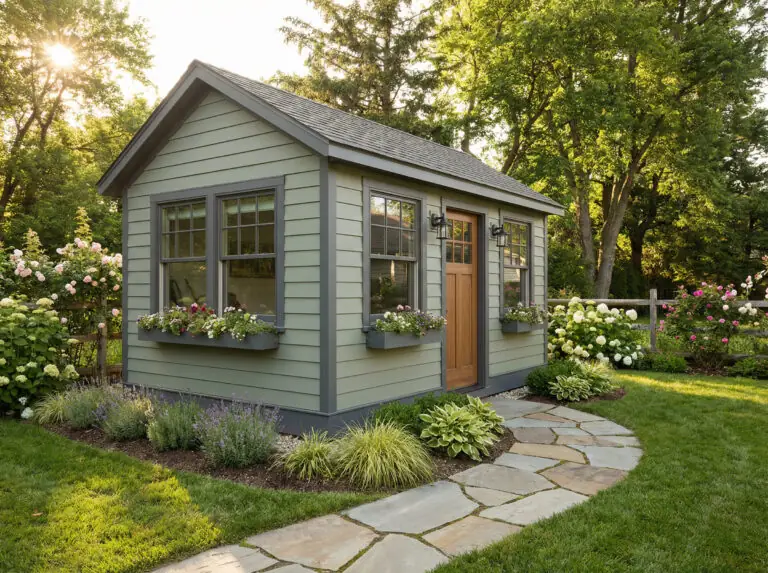
A well-maintained shed, however, can act as a design anchor. When its surfaces are clean, its shape stable, and its materials consistent with the home and landscape, it complements the overall aesthetic. Paint colors that coordinate with fencing or trim, roofing that echoes other outbuildings, and siding that blends into the environment all contribute to a seamless design language.
Design-focused homeowners are increasingly treating outdoor spaces as extensions of the home. In this approach, a shed is not just a utility — it’s a component of the outdoor architecture. Giving it design attention reinforces the idea that every element of the yard contributes to overall harmony.
The Design Cost of a Damaged Shed
A damaged shed affects more than storage. Warped doors, cracked trim, or uneven surfaces create visual tension that detracts from the overall design. In smaller yards, especially, these flaws are more noticeable and harder to ignore.
The eye is naturally drawn to areas of contrast. A sagging roof or patchy paint job stands out against clean lines and healthy greenery. These imperfections interrupt flow and introduce a sense of disorder.
Addressing these issues through timely hiring a company such as Shed Repair restores balance to the space. Once the shed’s frame is corrected and its surfaces are sealed or replaced, it no longer detracts from the rest of the yard. Instead, it supports the intended aesthetic and complements nearby features, including fences, planters, and pathways.
Repair also preserves scale. A shed that fits the original landscape proportions can be restored to its place in the design, rather than replaced with something mismatched or oversized.
Signs It’s Time to Repair — Not Replace
Before deciding to remove a shed, assess whether key repairs can solve the underlying problems. Often, the core structure is intact and just needs targeted restoration.
Moisture damage is a leading issue, especially in wood sheds. Water exposure near the base often causes the framing to soften or rot. If left unchecked, it spreads upward, warping siding and weakening joints. However, early signs — soft spots, mold, or dark staining — can often be resolved by replacing individual boards and applying sealant.
Roof deterioration is another red flag. Sagging rafters, missing shingles, and rusted panels create both structural and aesthetic problems. These issues not only allow leaks but also distort the shed’s silhouette. Fortunately, most roof issues are repairable using weather-resistant materials, such as corrugated metal or asphalt shingles, that match the existing structure.
Doors and windows that are misaligned or damaged signal deeper settling or wear. These features affect both appearance and usability. Realigning hinges, reinforcing frames, or replacing cracked panes can quickly restore symmetry.
Surface damage—peeling paint, cracked trim, and faded stain—might seem cosmetic, but it can make a solid shed look neglected. Repainting with exterior-grade paint, sanding down rough edges, and applying fresh caulk around joints go a long way in refreshing the entire look.
Repairing rather than replacing preserves the shed’s original style, which is often designed to match the home. Whether it’s cottage-style, modern, or rustic, restoring existing details preserves visual continuity—something that can be lost with a prefabricated replacement.
Material Matters: Repairing Without Compromising Style
Effective shed repair combines durability with design. The materials used should blend with the existing layout and reinforce a unified visual language.
For wood sheds, material consistency is essential. New boards should match the grain and dimensions of the original siding. Use rot-resistant lumber, such as cedar or pressure-treated pine, where possible, especially for base repairs. Sanding, sealing, and repainting or staining ensure new additions match the aged surfaces around them.
Choosing colors and finishes inspired by trending exterior palettes helps the shed feel current. Earthy neutrals, soft grays, or muted greens often work well in landscaped environments and coordinate easily with plant life and stone.
Metal sheds benefit from rust-resistant coatings and thoughtful color selection. Dull or satin finishes help minimize glare and blend more effectively into the surroundings than glossy paint. When repairing panels, matching the gauge and pattern of the original metal helps preserve symmetry.
Roof materials must be consistent in both weight and texture. Lightweight shingles or corrugated roofing in a compatible shade protect the shed’s profile without compromising it. A roof that mirrors the style of the main home or nearby structures creates a subtle design echo that ties the property together.
Thoughtful material choices during repair reinforce quality and attention to detail, making the shed feel integrated, rather than patched or neglected.
Integrating the Repaired Shed into Your Garden Layout
Once a shed is structurally sound and aesthetically refreshed, it should feel like a natural part of the outdoor layout — not an afterthought.
Framing the shed with well-defined borders helps tie it into the surrounding design. Gravel paths, stepping stones, or low planters placed near the base establish a sense of connection. Use edging materials like brick or steel to guide the eye toward the shed and make the space feel intentional.
Vertical interest can be added through climbing plants or trellises. By introducing height near the shed, you balance its visual weight and help it blend with taller elements, such as trees or fences. Choose climbing species that won’t damage the structure, like clematis or non-invasive ivy.
Color coordination matters too. Consider painting the shed’s trim to match the trim of nearby doors, railings, or fence posts. This detail-oriented approach reinforces a sense of continuity throughout the space.
Functional zones can also help. If the shed is near a garden bed, add a small potting table or storage bench that reflects its style. If it borders a patio, position it as a visual backdrop rather than a storage unit to hide.
Outdoor lighting is another design tool. Soft lighting near the shed door or at the base of adjacent paths improves safety and extends the space’s usability into the evening. This also helps visually anchor the shed after dark.
For layout inspiration, browsing garden layout ideas can spark creative ways to place and style a shed to enhance flow, balance, and usability.
Conclusion
Sheds often sit at the edge of attention, but their impact on outdoor design is significant. When repaired with purpose, they restore balance, enhance function, and support a unified layout.
Shed repair offers a practical and aesthetic solution for homeowners who want every part of their outdoor space to reflect care and intention. By restoring the structure, selecting high-quality materials, and reintegrating the shed into the layout, it becomes a valuable contributor to the yard’s visual rhythm.
This attention to detail elevates outdoor design, making the difference between a space that feels thrown together and one that feels complete.