Transforming Your Home with Oversized Greenery: A Guide to Large Indoor Plants
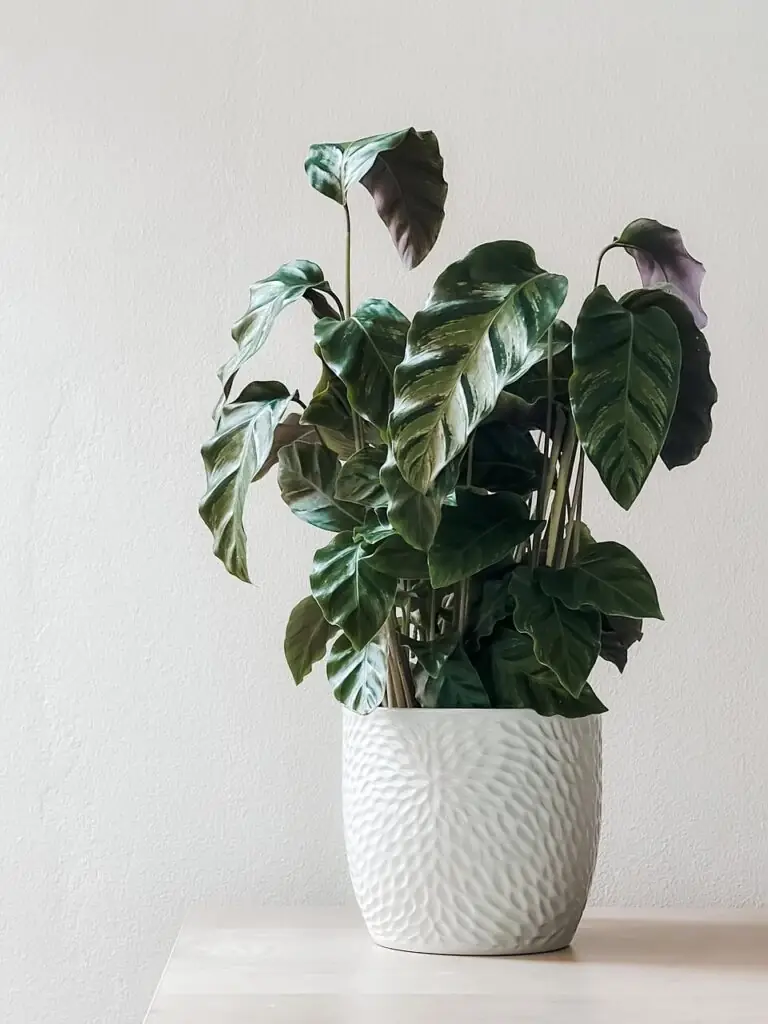
There’s something magical about bringing nature indoors, and nothing achieves this quite like large indoor plants that command attention while delivering genuine benefits for both your home’s aesthetics and your well-being. These living sculptures do far more than simply fill empty corners—they have the power to transform entire spaces, purify the air you breathe, and create an immediate connection to the natural world that our increasingly digital lifestyles often leave behind. For those wanting immediate impact without the patience required for years of growth, exploring extra large plants for sale opens up a world of ready-to-thrive options designed for various light conditions. This comprehensive guide shares practical horticultural wisdom for selecting, nurturing, and styling oversized greenery that will flourish in your home for years to come.
Benefits of Incorporating Large Indoor Plants
Large indoor plants like fiddle leaf figs and monstera deliciosa create powerful biophilic design effects that reach far beyond simple decoration. Scientific research, including NASA’s groundbreaking Clean Air Study, has shown that substantial foliage mass dramatically improves indoor air quality by filtering volatile organic compounds (VOCs) and releasing oxygen at rates that directly correspond to plant size.
The psychological benefits prove equally remarkable. Consider a recent case study involving a 600-square-foot apartment where strategically placed large plants created visual depth, making the space appear 30% larger while measurably reducing the occupant’s stress levels. These plants functioned as natural room dividers, defining separate areas without compromising the flow of natural light.
Key Evidence-Based Benefits:
- Air purification: Large plants can process up to 107 cubic feet of air daily, effectively removing formaldehyde, benzene, and other common indoor pollutants
- Humidity regulation: Mature plants release 1-2 pints of moisture daily through transpiration, helping maintain optimal 40-60% humidity levels
- Stress reduction: Studies consistently show a 15% decrease in cortisol levels in rooms with substantial plant presence
Top Large Plant Varieties for Indoor Success
Low-Light Champions
Snake plants (Sansevieria trifasciata) and ZZ plants (Zamioculcas zamiifolia) thrive in those shadowy corners where other plants simply give up. These architectural specimens not only tolerate neglect but actually prefer it, all while reaching impressive heights—snake plants can tower up to 6 feet, while ZZ plants spread into dramatic 4-foot specimens. Their succulent-like leaves efficiently store water, making them ideal companions for beginners or anyone who travels frequently.
Bright-Space Statement Makers
Sun-loving giants like bird of paradise (Strelitzia nicolai) and rubber plants (Ficus elastica) create breathtaking focal points in well-lit spaces. Bird of paradise plants can soar to 8 feet indoors, producing those distinctive paddle-shaped leaves that bring instant tropical elegance to any room. Rubber plants offer glossy, substantial foliage in classic solid green or striking variegated patterns that beautifully reflect and amplify natural light.
Selection Guidelines
Matching plant mature size to room scale is crucial—a 10-foot ceiling comfortably accommodates 6-8 foot plants, while 8-foot ceilings work best with 4-6 foot specimens. Consider these essential compatibility factors:
- Light availability (measured in foot-candles)
- Humidity preferences (tropical versus arid-adapted species)
- Growth rate and pruning tolerance
- Root system size for proper container planning
Essential Care Guide for Oversized Indoor Plants
Optimal Lighting and Placement
Understanding light requirements is the key to preventing common failures. Bright indirect light means positioning plants within 3-6 feet of an unobstructed window, while direct light involves actual sun contact. A light meter or smartphone app can help you measure foot-candles—most large houseplants flourish between 200-800 foot-candles.
Weekly plant rotation prevents phototropic leaning and ensures even growth patterns. For heavier specimens, wheeled plant caddies become invaluable for easy repositioning.
Watering and Soil Best Practices
Large root systems demand a different watering approach than their smaller counterparts. The “soak and dry” method proves most effective—water thoroughly until you see drainage, then wait until the top 2-3 inches of soil dry completely. Overwatering claims more large plant victims than drought, as waterlogged soil leads to devastating root rot in substantial root systems.
Choose well-draining potting mixes enhanced with perlite or bark chips. Seasonal adjustments become crucial—reduce watering frequency by 30-50% during winter dormancy periods when growth naturally slows.
Fertilizing and Maintenance
Feed actively growing large plants monthly during spring and summer with balanced, water-soluble fertilizer diluted to half-strength. Organic alternatives like fish emulsion provide gentle, slow-release nutrients without the risk of harmful salt buildup.
Pruning maintains both shape and health:
1. Remove yellowing or damaged leaves at their base
2. Trim leggy growth just above leaf nodes
3. Never prune more than 25% of foliage at once
4. Always sterilize tools between plants to prevent disease transmission
Design and Styling Ideas for Large Plants
Large plants function as living architecture, naturally defining spaces and creating organic room divisions. Position statement plants in corners to soften harsh angles, or use them as natural screens between living and dining areas. Floor-standing specimens work beautifully flanking fireplaces or anchoring cozy reading nooks.
For contemporary interiors, consider these proven styling approaches:
- Minimalist groupings: Odd numbers (3-5) of varying heights create visual interest
- Textural contrast: Pair broad-leafed plants with spiky varieties for dynamic appeal
- Container coordination: Match pot materials to existing décor elements for cohesion
- Vertical interest: Use plant stands to create layered canopy effects
Self-watering containers and humidity trays can significantly reduce maintenance demands for busy lifestyles while ensuring your plants receive consistent care.
Overcoming Common Challenges with Large Plants
Yellowing leaves typically signal watering issues—either too much or too little. Check soil moisture levels and adjust your routine accordingly. Leggy growth suggests insufficient light; gradually relocate plants closer to windows or supplement with quality grow lights.
Repotting logistics for heavy specimens require advance planning. Schedule repotting for spring when growth naturally resumes, using containers only 1-2 inches larger in diameter. For plants exceeding 50 pounds, don’t hesitate to enlist help, and consider partially breaking down soil balls to reduce weight during the process.
Long-term success involves conducting annual health assessments, monitoring for pest issues, and refreshing the top soil layers. Many large plants can be propagated through stem cuttings or division, creating new plants while managing the parent plant’s size.
Final Reflections on Cultivating Lasting Greenery
Success with large indoor plants grows from thoughtful selection matched to your specific environment, consistent care routines, and creative integration that enhances rather than overwhelms your living space. Begin by conducting a personal space audit—identify areas with appropriate light levels, adequate floor space, and good air circulation.
The investment in oversized indoor greenery yields ongoing rewards that compound beautifully over time. These living companions improve your air quality daily, provide natural stress relief, and create dynamic focal points that evolve with the changing seasons. Start with one impactful addition that matches both your experience level and available care time.
Quick Assessment: Take a look at your brightest room—does it receive 4+ hours of indirect light? Consider starting with a rubber plant or monstera for dramatic impact. Prefer lower-maintenance options? Snake plants or ZZ plants offer striking presence with minimal demands. Success ultimately lies in matching plant needs to your environment and lifestyle for lasting horticultural satisfaction.