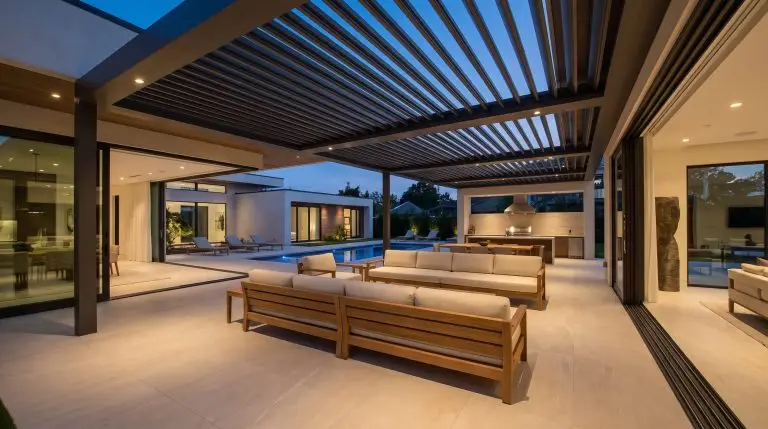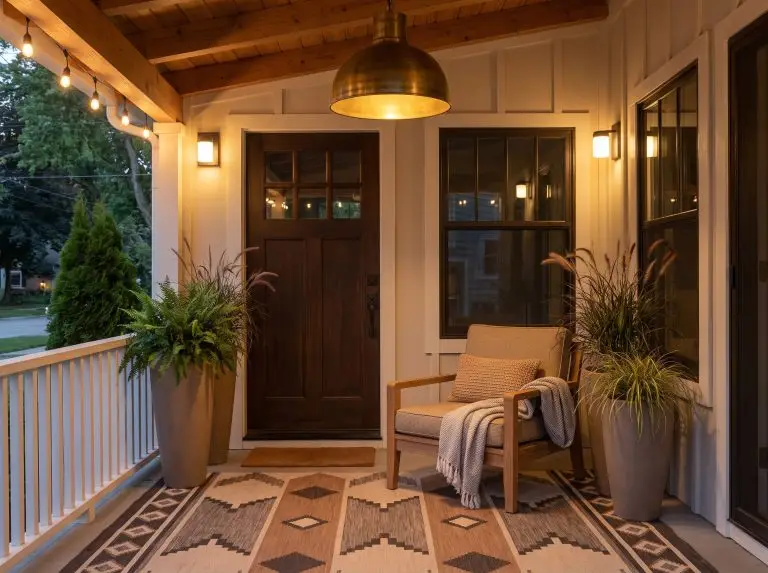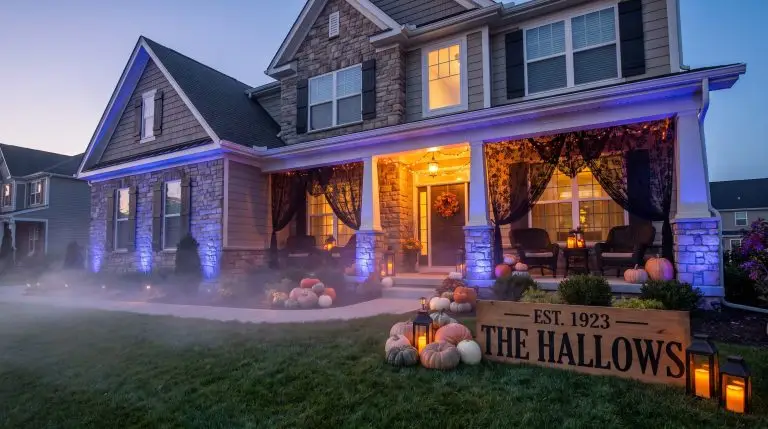
Deck design has shifted toward a more thoughtful and cohesive approach in recent years. Outdoor areas are now treated as meaningful extensions of the home, and each design decision reflects an interest in comfort, atmosphere, and long-term value. Modern decks feature materials chosen for both their character and performance, along with layouts that support the way households use their space. A closer look at current trends reveals how climate, city planning, and architectural style shape the final result.
Material Choices That Define Today’s Decks
Materials set the tone for a deck and guide both visual identity and durability. Many homeowners now examine how boards react to local weather before committing to a particular type. In places with steady humidity, composite boards often appeal because they resist swelling and surface changes. Higher elevations require attention to freeze-thaw cycles, which can shape the decision between wood and engineered options. Warm, arid regions bring their own concerns, and colorfast materials usually perform better under intense sunlight.
Wood continues to hold its place as a classic option. Cedar and redwood remain popular where they are abundant and reasonably priced, and the natural grain helps decks blend with nearby plantings and exterior finishes. Composite boards appeal to homeowners who want consistent color and less maintenance over time. PVC and capped composites are used in cities that experience frequent storms or heavy seasonal rain.
These choices shape the mood of a deck. A coastal homeowner in the Pacific Northwest may lean toward muted tones that match evergreen surroundings, while someone in Arizona often chooses colors that echo stucco, stone, or desert textures. Regional preferences create distinct outdoor spaces tied to place and climate.
Layout and Functionality Trends Transforming Deck Design
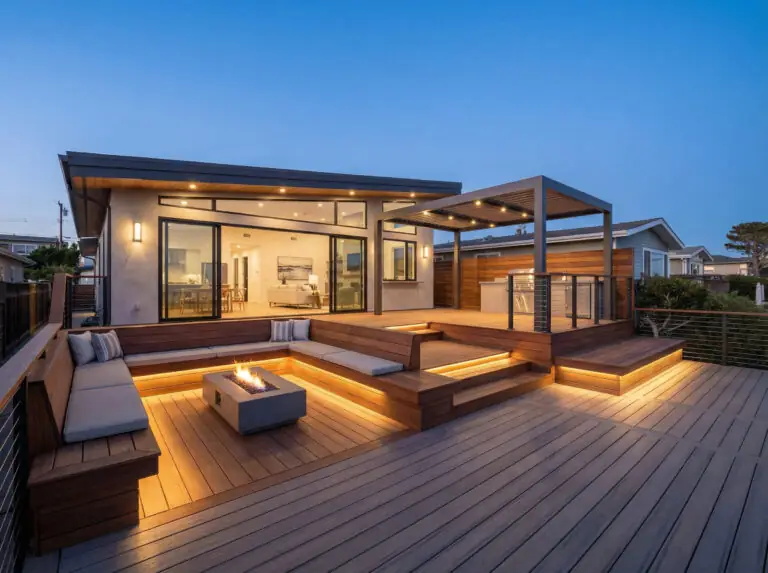
Deck layouts continue to evolve as households blend relaxation, daily living, and entertaining outdoors. Small shifts in elevation can divide a deck into zones with distinct purposes. A raised corner near the kitchen may accommodate a compact cooking area, and a lower section might offer more space for lounging or gardening.
Designers frequently consider how the deck relates to the home itself. Wide steps that transition gently to the yard or large openings that connect indoor and outdoor rooms help the entire area feel unified. Built-in seating is favored for its clean look and efficient use of space. Lighting plays a quiet but important role. Low-profile fixtures along railings or steps help define edges after dark without taking attention away from the surroundings.
Regional habits influence layout choices. In the Southeast, screened sections remain common because of warm weather and insect activity. Mountain towns often favor open railings and simplified framing to keep views unobstructed. These decisions reflect how people use their homes and how local environments shape expectations.
How Climate and Regional Building Standards Influence Deck Design
Climate influences deck design more than many homeowners expect, and building standards reflect those conditions. Coastal cities often require materials that handle moisture and salt exposure. Mountain regions place more emphasis on structural stability and hardware that can withstand temperature swings. Areas with strong sunlight encourage choices that stay comfortable underfoot and maintain color through the warmest months.
City-level comparisons highlight how much these factors shape design character. In St. Augustine, Florida, builders often turn to composites that handle sea air and humidity with fewer upkeep concerns. In Boulder, Colorado, freeze cycles guide decisions about framing and fasteners. Communities near the California foothills, including Auburn, follow fire safety guidelines that shape material selection and available color ranges.
Tennessee approaches deck design with different considerations. Moisture levels shift throughout the year, so materials that retain their shape under varying conditions are preferred. Local projects often rely on insight from a deck builder in Hermitage, Tennessee when choosing options suited to local conditions. Differences become clearer when looking at cities such as Asheville, North Carolina, where elevation leads to significant temperature swings, and Lexington, Kentucky, where rainfall guides footing depth and surface choices.
Design Details That Influence Today’s Deck Aesthetics
Small design decisions often shape a deck more than major structural choices. Railing style, color, texture, and the way the deck meets nearby pathways all contribute to the overall feel. Slim metal railings can create a clear view in hillside neighborhoods. Wood railings work well in areas with traditional architecture and natural surroundings. Color selections follow a similar pattern. Soft grays and muted browns often complement contemporary homes, and warmer tones suit houses finished with stone or classic siding.
Lighting adds structure and ambiance. Step lights preserve safety after sundown, and subtle fixtures placed near planters or seating areas help guide movement without overwhelming the space.
Material behavior also influences the final look. Boards respond differently to light, moisture, and long-term wear. Many homeowners consult broader design resources at this stage, including guidance from Architectural Digest in its article on building a wood deck. Information about how various wood species age helps support choices that align with both climate and visual goals.
These details shape the atmosphere of a deck and help homeowners create spaces that feel closely tied to their home’s architecture.
Bringing Key Deck Design Choices Together
A balanced deck reflects attention to materials, climate, layout, and the surrounding environment. Many design plans begin with an understanding of how light moves across the space or how the deck will interact with nearby plantings and pathways. In shaded yards, lighter surfaces can brighten the area. In full sun, boards with strong color stability maintain a consistent appearance throughout the year.
Small adjustments influence how a deck functions. Thoughtful planter placement can establish natural boundaries. Railing style can shift the mood from open and airy to warm and sheltered. Transitions to walkways or patios help the deck feel like a natural part of the property.
When homeowners want more ideas, they sometimes explore design suggestions such as those in this outdoor living trends feature, which highlights broader themes in exterior styling. These insights guide finishing touches that create a sense of unity and comfort.
Conclusion
Deck design continues to develop in ways that connect outdoor spaces with daily living. Climate, building standards, and city-specific expectations shape the choices homeowners make, and each location contributes its own direction in materials and style. When these factors come together, they result in outdoor environments that feel personal, practical, and aligned with the home’s character.