A kitchen remodel can be one of the most rewarding home projects you’ll ever take on. It’s where style meets daily function, where your personality blends with practical needs.
However, in Virginia—where charm, tradition, and modern living often intersect—planning a remodel that truly fits your lifestyle takes a little extra thought. Choosing a trusted kitchen remodeling partner in Clifton, Virginia can be the key to creating a beautiful, functional space while ensuring the renovation process stays smooth and on track.
In this article, we’ll walk through practical tips to help you design a kitchen that looks great, works well for your daily routines, and stands the test of time. From planning your layout to picking the right materials, you’ll find simple, actionable ideas to guide your remodeling journey.
Know Your Style and Vision
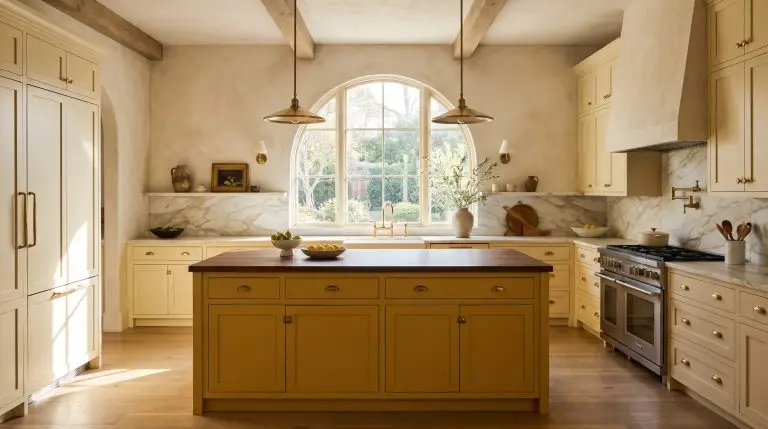
Before you pick up a hammer or choose your first tile sample, it’s important to figure out your kitchen’s style. Are you drawn to clean, modern lines? Do you love the warm, rustic feel of a farmhouse kitchen? Or maybe you prefer something transitional that blends traditional and contemporary details.
Think about your home’s existing character, too. In Virginia, you might see colonial touches, coastal influences, or even modern urban designs depending on the neighborhood. Collect inspiration from magazines, online boards, or local model homes, and create a mood board. This will help you keep your style choices consistent during the remodel.
Plan for Function First
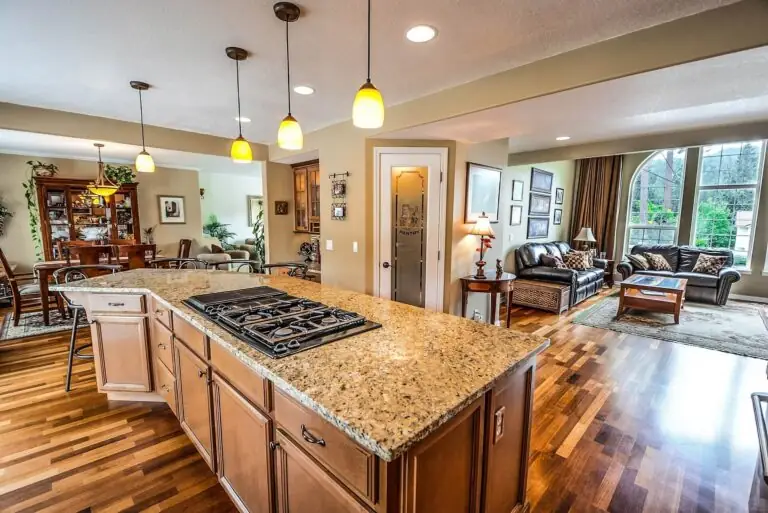
While aesthetics matter, your kitchen should first and foremost work for your lifestyle. The “work triangle” concept—placing your sink, stove, and refrigerator within easy reach—remains a tried-and-true method for good workflow. This layout reduces unnecessary steps and makes cooking more enjoyable.
Storage is another key element. Consider deep drawers for pots and pans, pull-out pantry shelves for easy access, and built-in organizers for utensils. These small upgrades can make a big difference in how smoothly your kitchen operates.
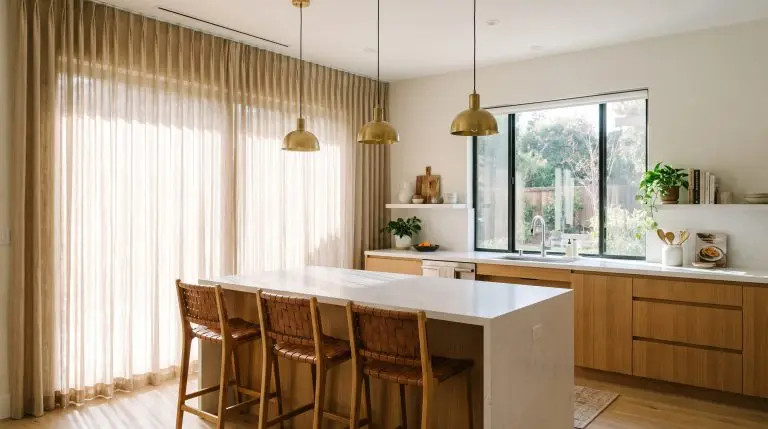
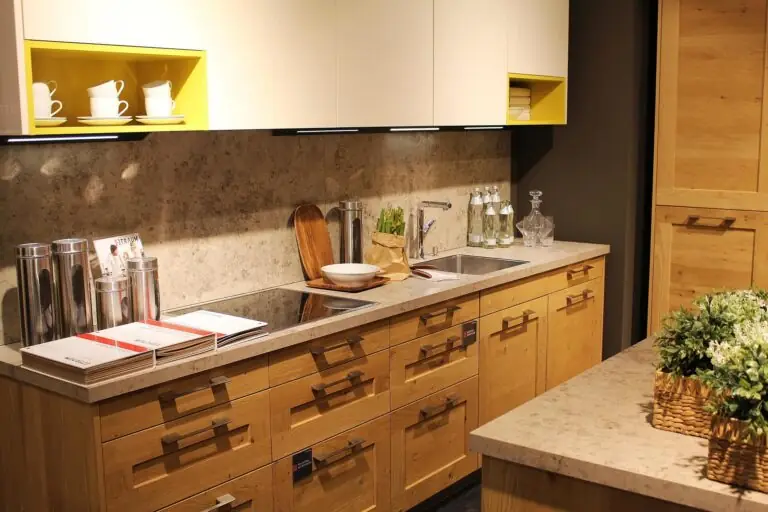
Lighting also plays a huge role. Use a mix of ambient lighting (like recessed ceiling lights), task lighting (under-cabinet strips for food prep), and accent lighting (pendants over an island). The right combination ensures your kitchen is both inviting and practical.
Choose Durable, Local-Friendly Materials
Virginia’s climate can bring humidity and temperature shifts, so choosing materials that can handle those conditions is important. Quartz countertops are low-maintenance and durable, while solid wood cabinets can be treated to resist moisture.
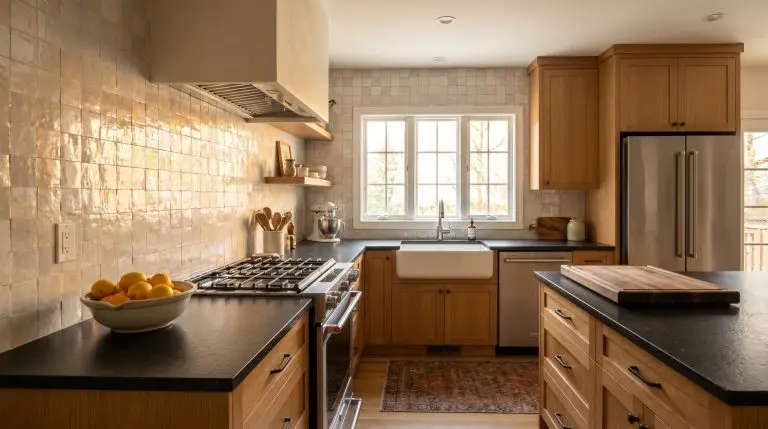
Flooring should be both attractive and practical. Hardwood is classic, but engineered wood or luxury vinyl planks offer similar warmth with added durability. For backsplashes, ceramic or porcelain tiles resist stains and are easy to clean.
Whenever possible, look for locally sourced materials. They can often be more affordable, reduce shipping delays, and bring a unique touch to your space. Plus, supporting local suppliers helps your community.
Budget with Flexibility
Even with the best planning, remodeling projects can reveal surprises—like outdated wiring or hidden water damage. Setting a realistic budget that includes a 10–15% contingency fund will help you handle these unexpected costs without stress.
Start by listing your must-haves versus nice-to-haves. Spend on features that improve function or long-term durability first, then see what’s left for decorative extras. This ensures you get the essentials right without sacrificing style.
Keeping track of expenses throughout the project can prevent overspending. Even small changes in finishes or fixtures can add up quickly, so review your budget regularly.
Work with the Right Professionals
Remodeling a kitchen involves multiple trades—plumbers, electricians, carpenters, and sometimes designers. Hiring licensed and insured professionals ensures the work meets safety codes and quality standards.
Always check references and look at past projects. This gives you a better sense of a contractor’s reliability and craftsmanship. Meeting with them in person can also help you gauge communication and compatibility.
Having a detailed contract that outlines the scope of work, payment schedule, and timeline protects both you and the contractor. It’s a simple step that can prevent misunderstandings later on.
Add Personalized Touches
Your kitchen should reflect your personality, not just follow the latest trends. A colorful backsplash, unique cabinet hardware, or statement lighting fixture can set your space apart.
Open shelving is another way to add character, giving you space to display cookbooks, pottery, or plants. If you have heirloom furniture, consider repurposing it—like turning an old table into a custom island.
For a Virginia touch, look for locally crafted décor or artwork. It not only adds charm but also connects your home to the area’s heritage.
Think Long-Term
Remodeling is a significant investment, so think ahead about how your kitchen will serve you in the coming years. Energy-efficient appliances and LED lighting can lower your utility bills and reduce environmental impact.
Consider universal design features, such as wider walkways, pull-out shelves, and lever-style handles. These make the kitchen more accessible for all ages and abilities, which can be valuable for both your comfort and resale potential.
While trendy elements can be fun, focus on a timeless base design. This ensures your kitchen won’t feel outdated too soon and allows you to update the look with small, inexpensive changes later.
Final Thoughts
A kitchen remodel in Virginia is your chance to create a space that’s both beautiful and practical. By knowing your style, prioritizing function, choosing durable materials, budgeting wisely, and working with the right professionals, you can bring your dream kitchen to life.
Remember, the best remodels balance personal taste with smart design choices that will serve you well for years. With thoughtful planning and a clear vision, your new kitchen can become the heart of your home—a place where family, friends, and great meals come together.
Beyond looks and convenience, a well-executed kitchen remodel can also add real value to your home. In many Virginia neighborhoods, updated kitchens are one of the top features buyers look for, meaning your investment today can pay off if you decide to sell in the future. More importantly, it’s an upgrade you get to enjoy every single day—making cooking, entertaining, and family time more enjoyable in a space that truly feels like your own.